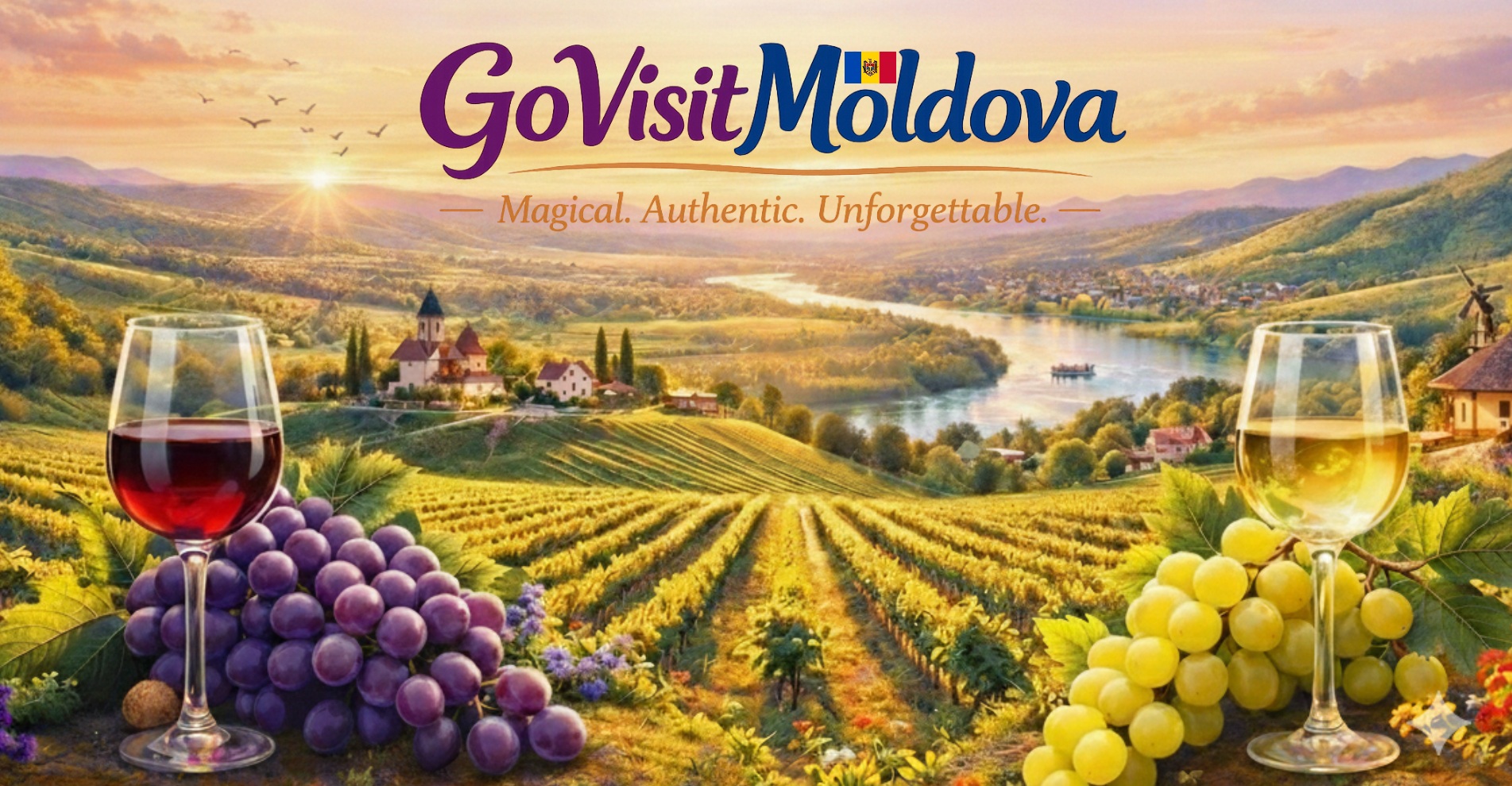
Wine can't be separated from Moldova
Vineyards appear across the countryside, bottles are brought to family tables, homemade wine is still common in villages, and almost everybody seems to know somebody who makes their own.
Sometimes considerably more than they need. ;-)
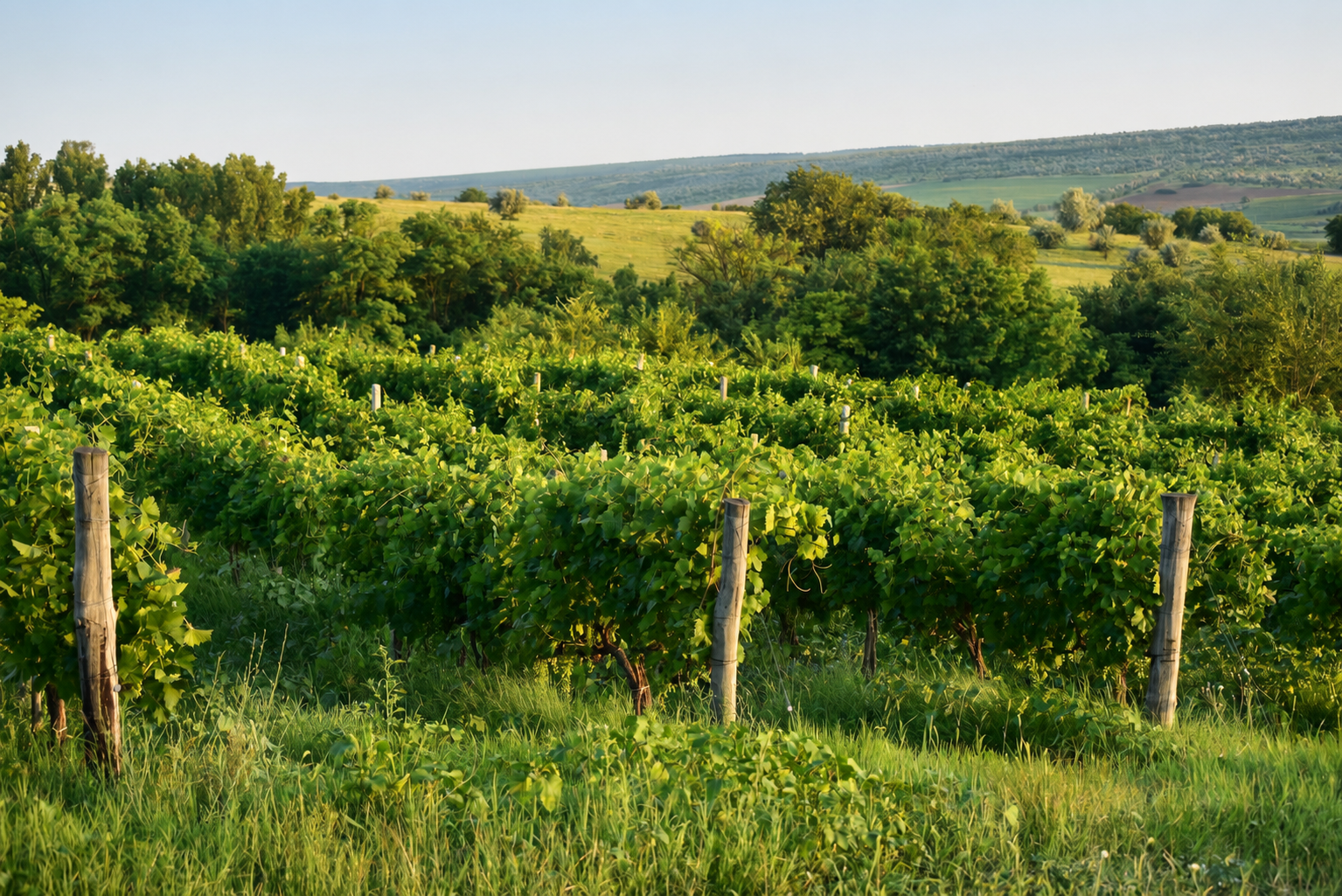
Wine has been produced in this part of Europe for thousands of years, and Moldova has the conditions for it:
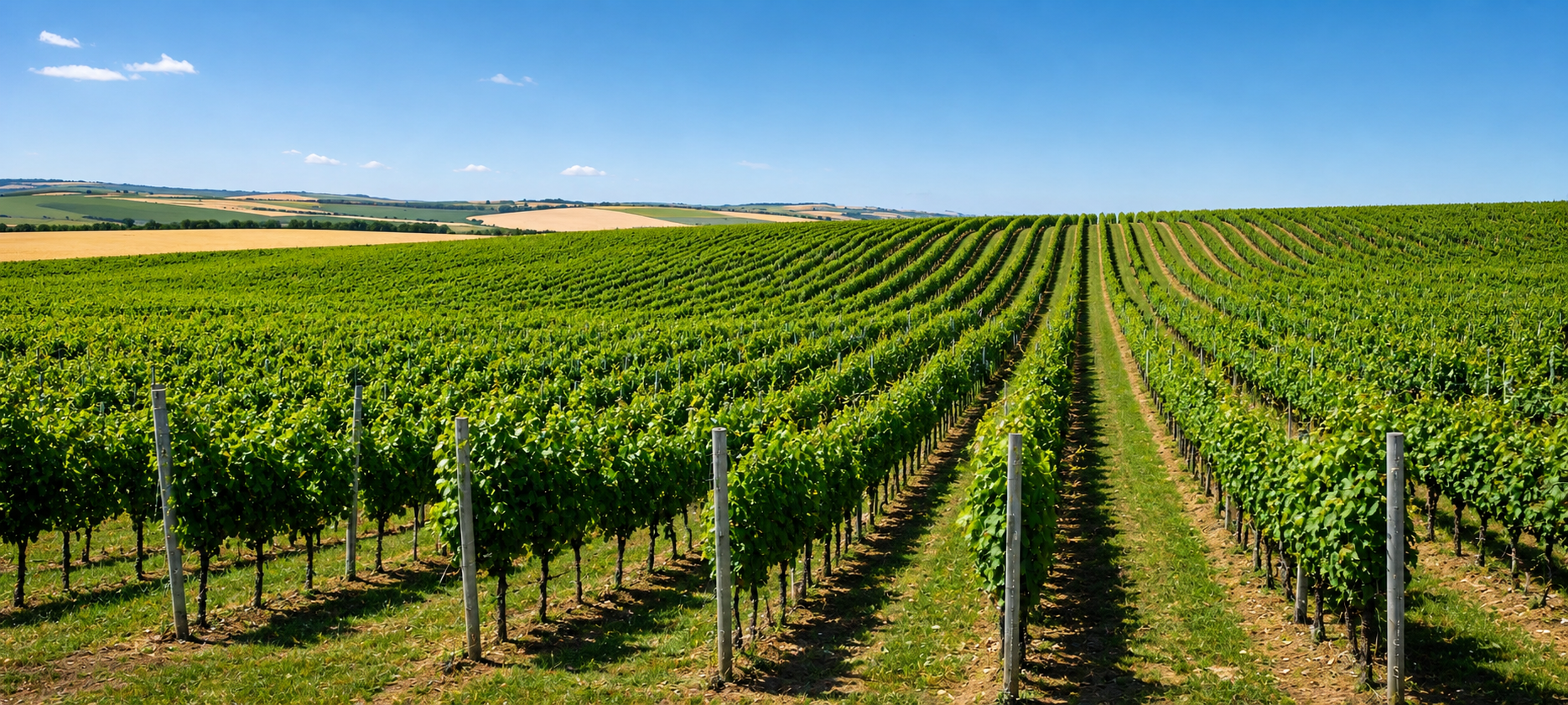
Fertile soils, warm summers and different landscapes between the Prut and Dniester rivers, but wine is not only about commercial production.
For generations, families have grown grapes and made wine at home, the cellars beneath houses hold barrels and bottles, and recipes and methods are often passed through families.
Then there is Moldova's modern wine industry.
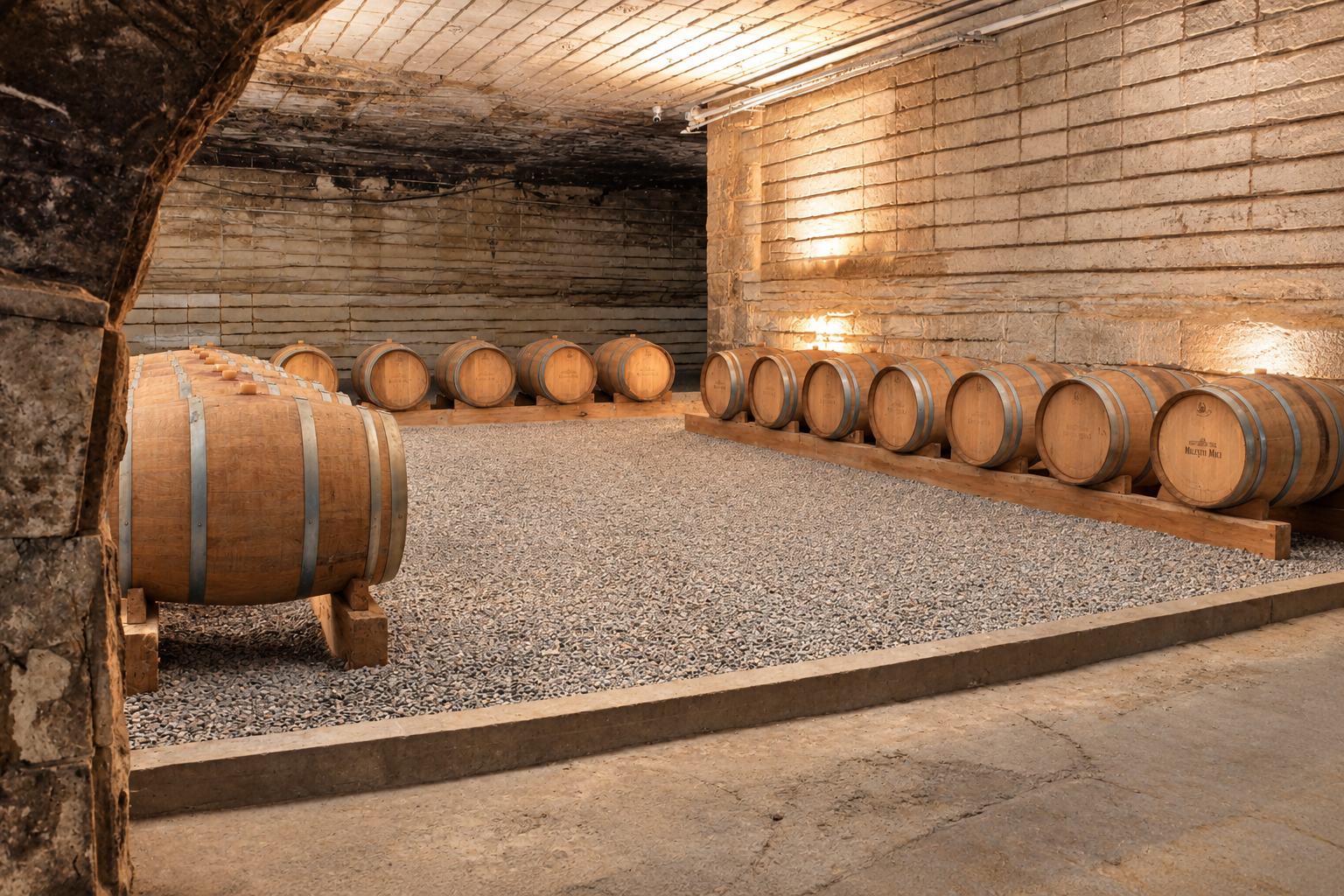
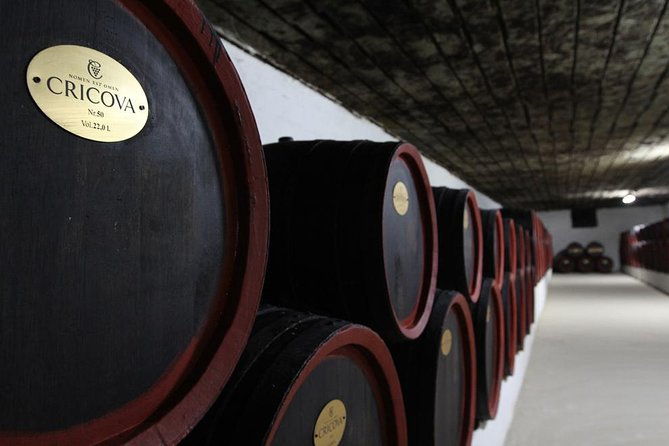
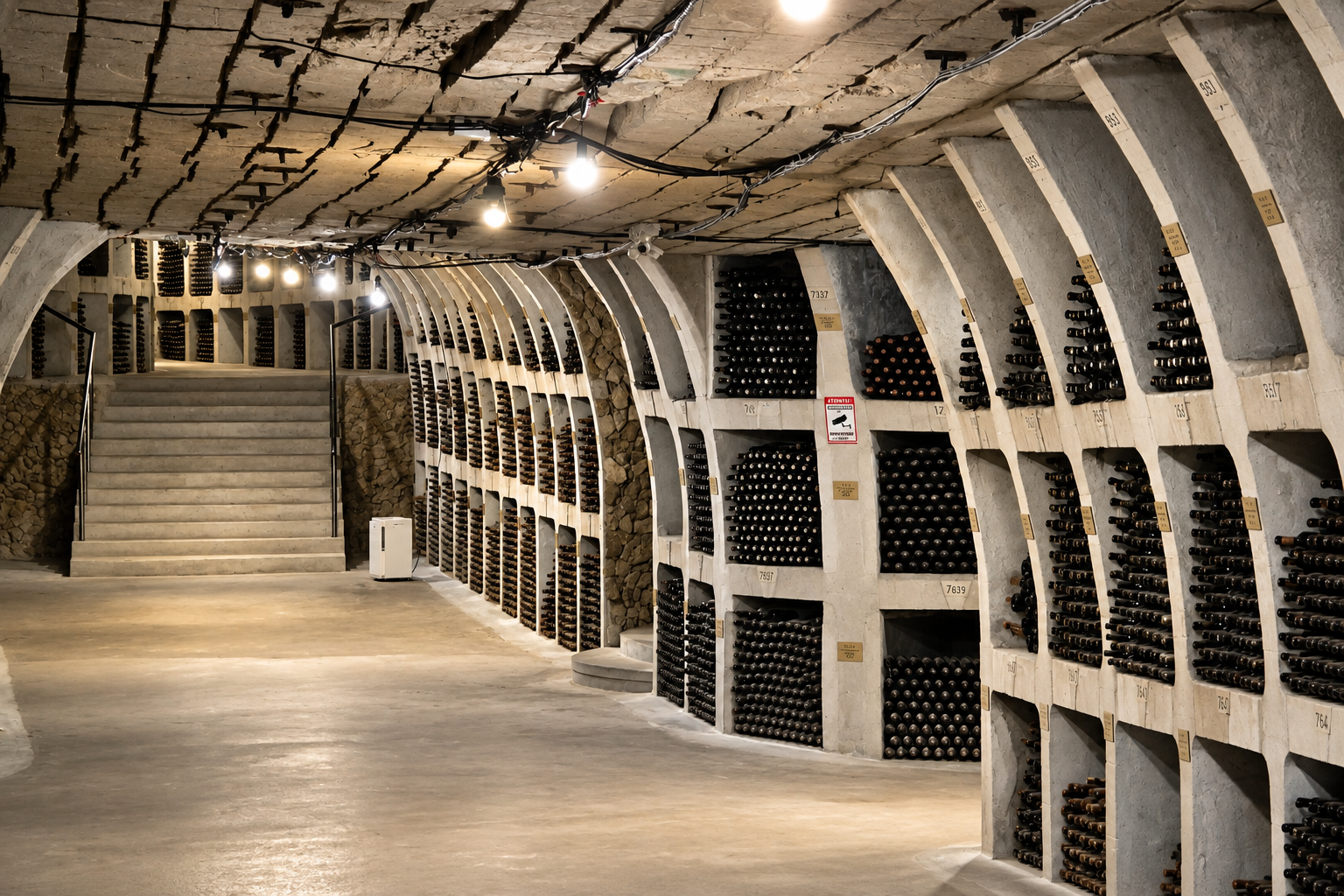
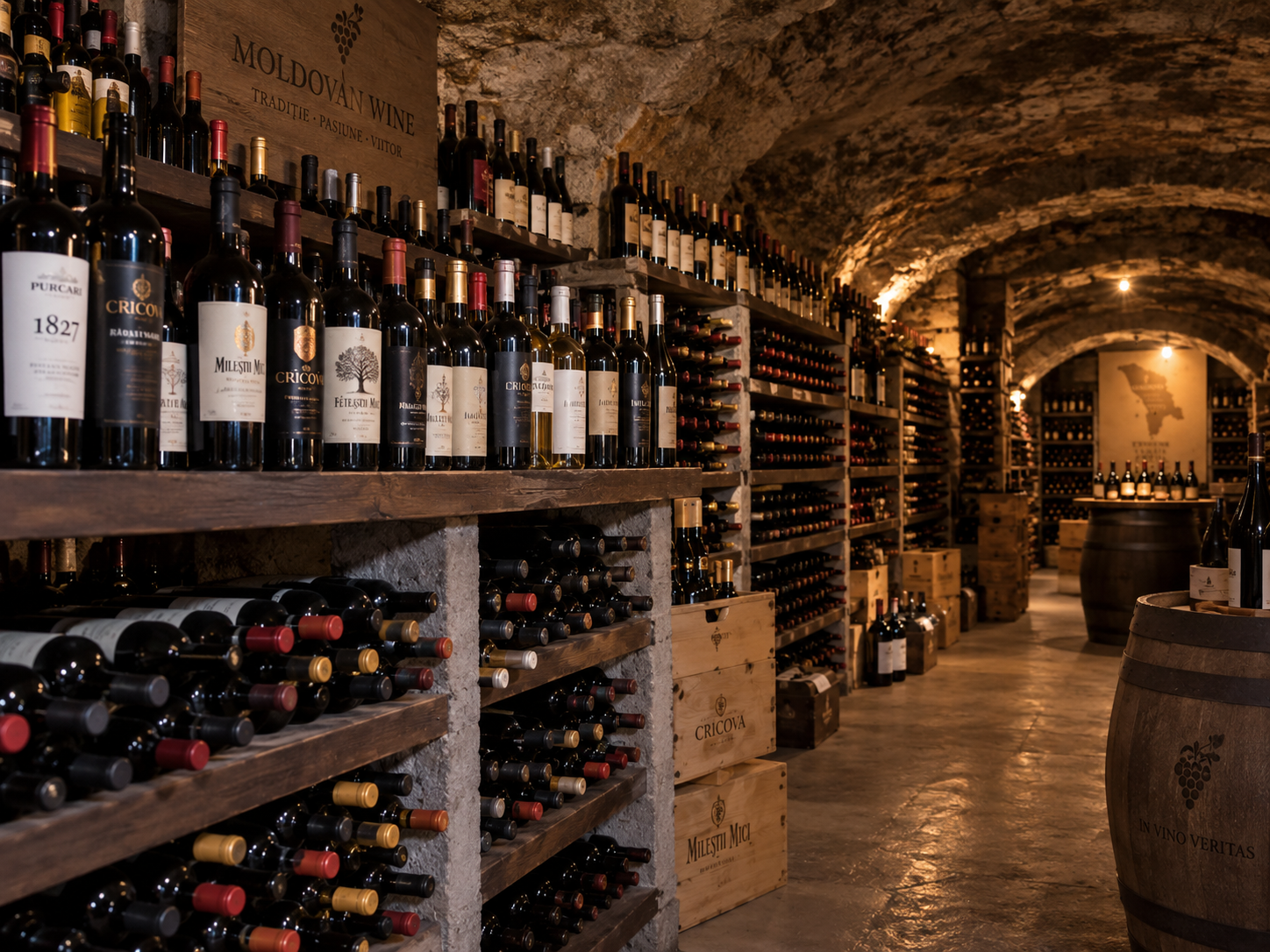
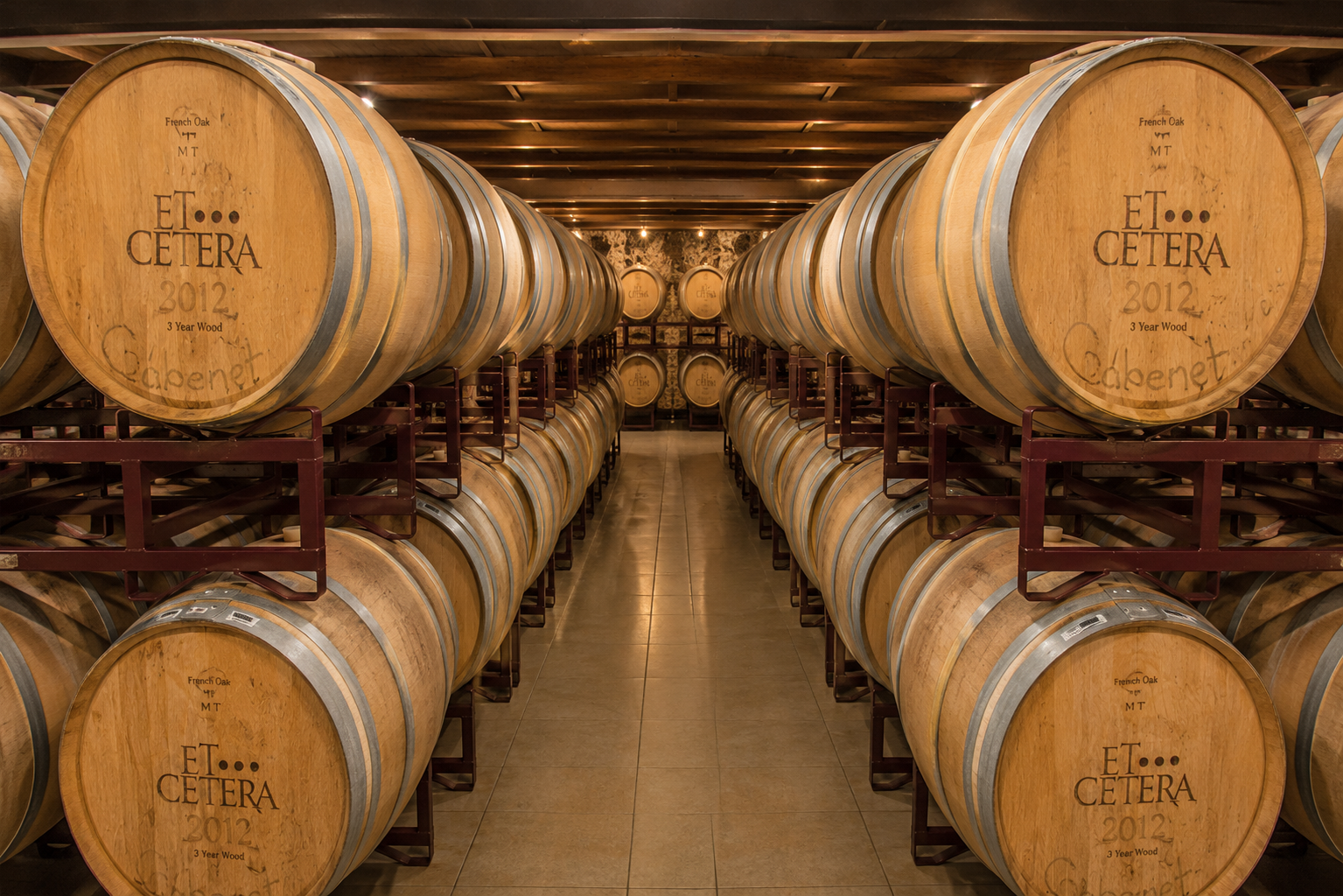
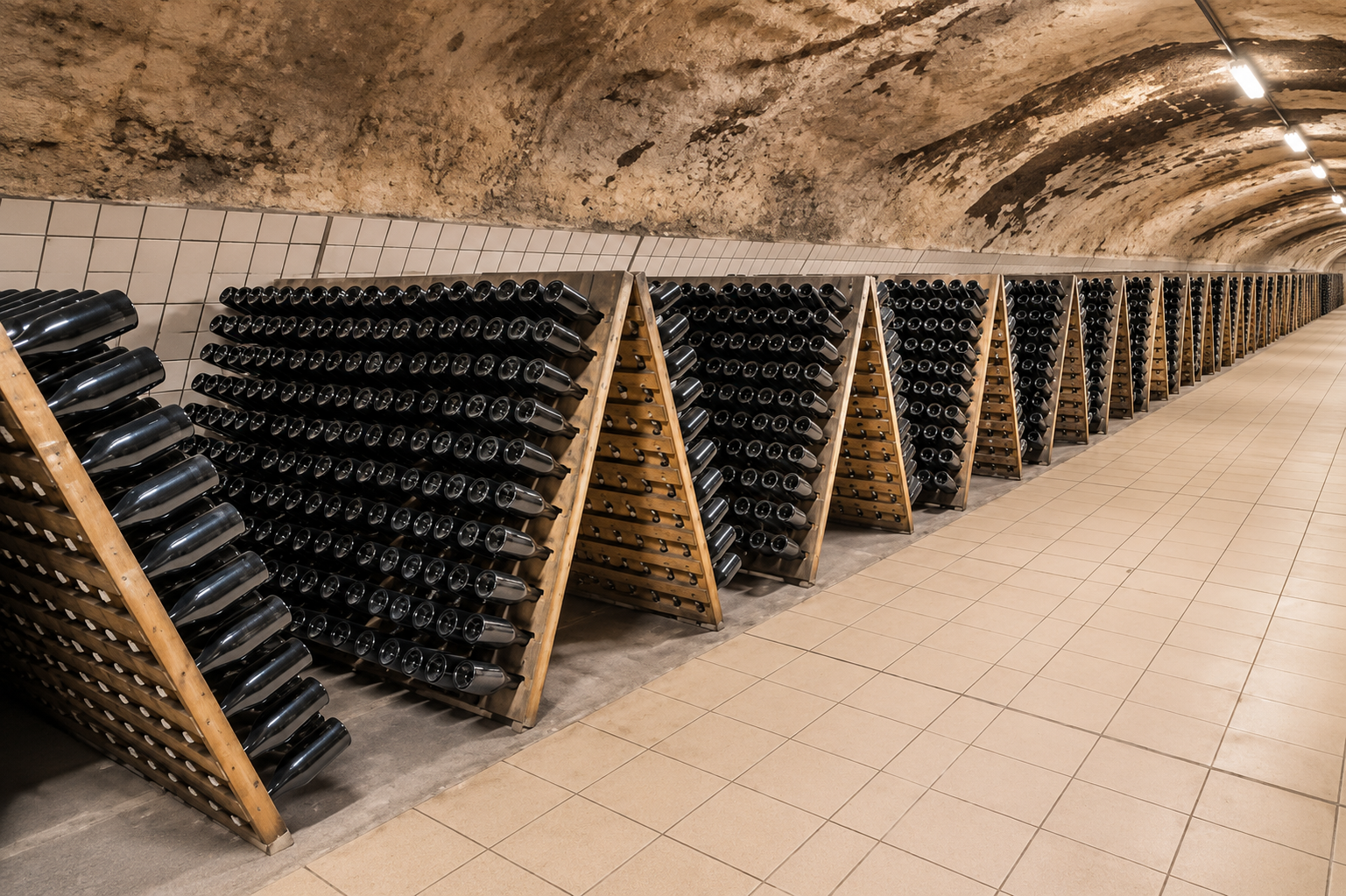
Across the country you find everything from small family wineries to larger producers, historic estates and the enormous underground galleries at Cricova and Mileștii Mici.
Some wineries concentrate on traditional varieties and methods, while others experiment with new styles, technology and international grape varieties.
Moldovan wine increasingly travels far beyond Moldova and perhaps the best place to understand its importance is still at the table.
Wine appears when guests arrive, when families celebrate and sometimes simply because dinner has been served.
You don't have to know much about wine before coming to Moldova but you will difinatly learn
as you go.
Visit a winery, walk through a vineyard, try something you have never heard of before and importantly ask the person pouring it what they would choose.
Exploring the country through its wine is actually a rather good way to get to know the
country itself.
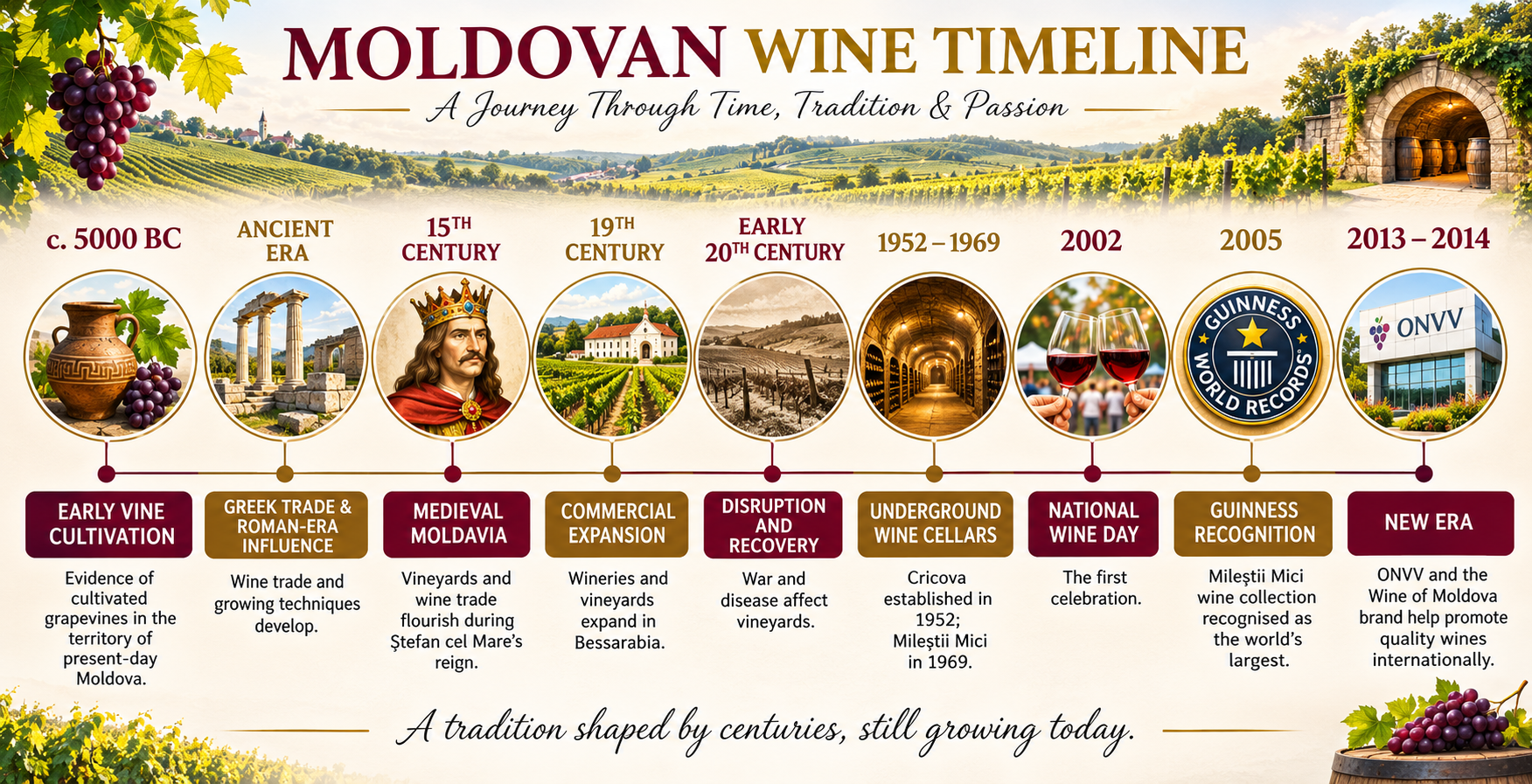
Neolithic Periode (C. 3000 BC)
Grapes and winemaking have a very long history in the territory of present-day Moldova.
Archaeological discoveries show that people were cultivating grapes here thousands of years ago, making this one of Europe's old wine-growing regions.
Dacian & Roman Period
Grape growing and winemaking expanded considerably and was already part of life in the region during the Dacian period.
Under Roman influence, grape growing and winemaking developed
further, together with trade and agricultural techniques.
Medieval Moldavia
During the medieval period, vineyards became increasingly important to the economy of Moldavia.
Monasteries, estates and local communities cultivated vines and produced wine for their own use as well as for trade.
The Time of Ștefan cel Mare – 15th Century
During the reign of Ștefan cel Mare, vineyards and wine were an established part of Moldavia's economy and court life.
Wine was produced in different parts of the principality and traded beyond
its borders.
Soviet Period – 1940's to 1991
During the Soviet period, Moldova became one of the USSR's major wine-producing regions.
Production expanded on an industrial scale, and enormous underground facilities such as Cricova and Mileștii Mici were developed.
The anti-alcohol campaign of the 1980s was a major setback.
Vineyards were destroyed and wine production fell sharply.
Independence & the Modern Wine Industry – 1991 to Today.
After independence, Moldova's wine industry gradually changed direction.
The transition was not always easy, particularly as producers had been heavily dependent on the former Soviet market.
Russian restrictions on Moldovan wine exports later accelerated the search for new markets and today, many Moldovan producers concentrate much more on
quality, regional identity and indigenous varieties such as Fetească Albă, Fetească Regală, Fetească Neagră and Rară Neagră.
Small wineries have appeared alongside the country's established producers, and Moldovan wines are now exported and awarded internationally.
Moldova Today
Wine is still everywhere and there are large producers, family wineries, village vineyards, underground cellars and people making a few barrels at home because that is simply what their family has always done.
The industry has changed enormously over thousands of years and the
grapes, however, are still growing.
Moldova’s wine identity is rooted in its own native grapes - varieties that have grown for
generations and carry the true taste of the land.
These are not imported trends or international styles, these are Moldova’s originals - shaped
by its soil, climate, and history.
Fetească Albă
One of the oldest native white grapes in Moldova, Fetească Albă is known
for its freshness and elegance.
It produces light, aromatic wines with delicate floral notes and a
gentle, smooth character.
It reflects the softer, more refined side of Moldovan wine-
culture - subtle, but deeply expressive.
Fetească Regală
A natural cross of native varieties, Fetească Regală is vibrant and lively.
It offers crisp acidity with fresh fruit notes, often with hints
of apple, pear, and wild flowers.
It represents balance - a harmony between tradition and brightness, making
it a favorite across the country.
Viorica
A truly Moldovan creation, Viorica is an aromatic white grape developed locally.
It offers expressive floral aromas, often with hints of basil, acacia, and ripe fruit.
Unique and unmistakable, Viorica represents Moldova’s ability not
only to preserve tradition - but also to innovate within it.
Rară Neagră
Also known historically as a delicate and expressive red variety, Rară Neagră produces lighter wines with bright red fruit notes like cherry and cranberry.
It is elegant and easy to enjoy, often described as the more playful and
graceful expression of Moldovan reds.
Moldova’s wine story does not end with its most well-known native grapes.
Beneath the surface lies a wider family of local varieties - some ancient, some
rare, some quietly returning - all part of a deeper, living heritage that Moldova continues to rediscover and refine.
Plăvaie
Plăvaie is one of Moldova’s oldest native white grapes, once widely grown
across the country.
It produces light, fresh wines with gentle acidity and subtle fruit notes.
Today, it is being revived by winemakers who see its potential - not as a loud
wine, but as a pure and honest expression of Moldova’s past.
Galbenă de Odobești
Though shared historically across the region, Galbenă de Odobești has
long been part of Moldova’s vineyards.
It creates light, easy-drinking wines with citrus and green apple notes.
It reflects everyday life - simple, refreshing, and made to
be enjoyed without ceremony.
Frâncușa
Frâncușa is another traditional white grape, known for its crisp acidity and clean profile.
It has often been used in blends, but today it is gaining more
attention on its own.
It represents a quiet strength - structured, precise, and increasingly appreciated.
Busuioacă de Bohotin
Busuioacă de Bohotin, known for its aromatic rosé wines, also has a presence in Moldova.
It offers floral, slightly sweet, and perfumed wines with notes
of rose petals and ripe berries.
It adds a more expressive, almost playful dimension to Moldova’s wine palette.
Rare and rediscovered varieties
Beyond these, there are even smaller, lesser-known native grapes - some nearly forgotten during the Soviet period, when production focused on volume over identity.
Today, Moldova is slowly bringing these varieties back.
Researchers and winemakers are exploring old vineyards, identifying surviving vines, and replanting them with care.
Each rediscovered grape is like finding a lost piece of cultural memory - something that belongs uniquely to this land.
A deeper layer of identity
These grapes may not yet be as internationally recognized, but they are essential to Moldova’s future.
Because true greatness in wine does not come from imitation - it comes from identity.
Moldova understands this deeply.
By preserving, researching, and refining even its lesser-known native grapes, the country is not just making wine - it is rebuilding a complete and authentic wine culture, one vine at a time.
A deeper layer of identity
In Moldova, wine is not something you simply drink it is something you live with.
From the larger cities like Chișinău to the smallest villages where life moves more gently, wine
is part of the natural rhythm of everyday life.
It is not reserved for some special occasions - it belongs to daily moments, to
conversations, to being together.
A shared understanding across the country
Wine connects people.
At the table, it is not just about what is poured into the glass - it is about what happens around it.
Wine slows time. It invites people to stay, to talk, to listen and a meal
becomes more than food;
it becomes a shared experience.
In villages, a guest is welcomed with wine as naturally as with a smile.
In cities, friends gather not only to eat, but to share something meaningful.
It is not about drinking. It is about being present together.
From community to quiet moments
Wine belongs just as much to quiet moments as to celebrations and after a long day, a glass of
wine is a way to slow down and reflect.
During harvest, communities come together - working side by side, sharing food, laughter, and-
stories it becomes something collective, something that strengthens bonds.
And in every glass, there is something more.
It is like tasting the land itself.
The shifting weather from one season to another, the warmth of the sun and the coolness
of the nights, the depth of the soil and the quiet richness of the nature - all of it lives within the wine.
Each glass carries the country.
This is where Moldova’s self-understanding lives - in these small, repeated moments that
shape how people relate to one another.
What an outsider might not immediately understand
What can be difficult for an outsider to grasp is that wine in Moldova is not seen as just alcohol - as it is too often reduced to in other countries.
Here, wine is joy.
People don’t simply drink it - they experience it. They speak about its tones, its depth, the subtle nuances from one year to another. They notice how it opens, how it evolves, how it reflects the land it comes from.
It is like tasting the weather, the soil, the nature - the country itself.
Wine also carries memory - of parents, grandparents, of traditions kept alive through generations. Many families still make their own wine, not out of necessity, but out of connection.
The passion is quiet, but deeply rooted.
It is in the way someone insists you taste their homemade wine. In the way they watch your reaction - not for approval, but for understanding.
In the pride of sharing something that is truly theirs.
To an outsider, it may look simple.
A glass. A table. People sitting together.
But beneath that simplicity lies something deeper:
A culture where wine is an expression of identity, care, and love - not loud, not forced, but real…
and always meant to be shared.
Just imagine! 😊
Some wine cellars are so big, you can
drive inside them! 🚗
What if it was chocolate hiding
there instead?

The craftsmanship in every Wine
In Moldova, people don't always speak loudly about pride.
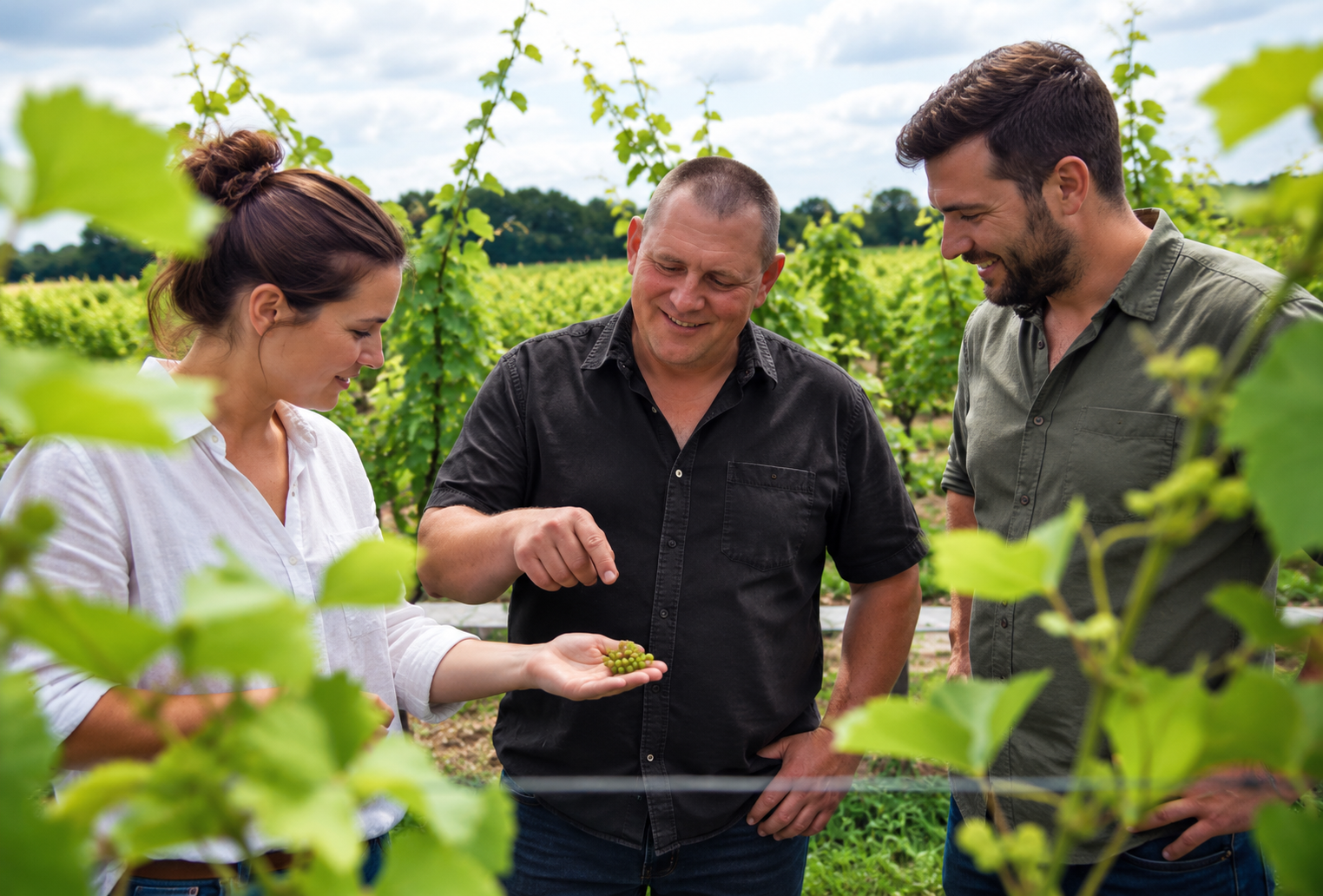
You don't necessarily hear it, but you notice it an it is there in the hands that touch the vines, in the way someone bends down to check the soil, or stops because something in the vineyard looks different from yesterday.
Growing grapes is work, of course.
But it is also attention.
Each vineyard is followed through the seasons, the changes are noticed and problems are dealt with.
Much of the work happens without anybody outside the vineyard ever seeing it.
The soil matters too and you learn what it needs, what grows well in it and how it reacts when the weather changes.
There is something very straightforward about that, doing things properly, even when nobody is watching and then comes the waiting...
Long days, small decisions, Sun, rain and sometimes weather that refuses to cooperate, but nothing dramatic, just time, work and patience, until eventually, the grapes are ready.
The harvest...
You can feel it before anything begins, but people don't hurry, they don't need to, because they know when the time is right.
The grapes are picked carefully and by then, they already carry an entire year with them.
The sun, the rain, the cold nights, the quiet mornings and everything that happened in the vineyard is there, in that one moment.
Then, one day, it is ready.
Not simply because a date on the calendar says so, but because somebody tastes it, checks it and decides the time has come.
The bottle is opened, the wine is poured and finally, it reaches the table and by then, a lot has happened.
There was the year that passed the weather that changed the soil, the work in the vineyard, the harvest and all the decisions made afterwards.
A glass of wine is the final result of all of it and perhaps that is why wine in Moldova is rarely treated as just another drink.
People talk about its colour, its aroma, how it tastes and how it changes after being
opened, sometimes the person pouring it made it themselves.
Sometimes their family did, sometimes they simply know the winery and the people behind it and then they watch you take the first taste.
That little moment is interesting.
You have the glass, but they already know the wine and now they want to know what you think and Ssometimes they ask.
Sometimes they don't have to. ;-)
Somewhere between the vineyard and that first glass, you begin to understand why wine matters so much in Moldova.
For a short time, everything becomes very simple.
People, grapes, crates, hands working and then the grapes leave the vineyard and another part of the work begins.
They are sorted, crushed or pressed, and the juice begins its transformation into wine.
From here, the process moves into tanks, barrels and cellars and there is knowledge
behind it all.
There is technique, but there is also experience, the knowing when to check something and when to make a decision.
When to wait another day.
Because making wine involves a surprising amount of waiting and the fermentation takes its time and while some wines are moved into barrels, others remain in tanks.
They are tasted, checked and followed as they develop and sometimes something needs to be done.
Sometimes the best decision is to leave the wine alone and time isn't something the winemaker can remove from the process.
It is part of making the wine.. And slowly, what began as grapes in a vineyard becomes something completely different.
The wine begins to find its character.
Next time you go to buy a wine, ask for a Moldovan wine.
You might not just discover a new taste - you might discover something you can feel.
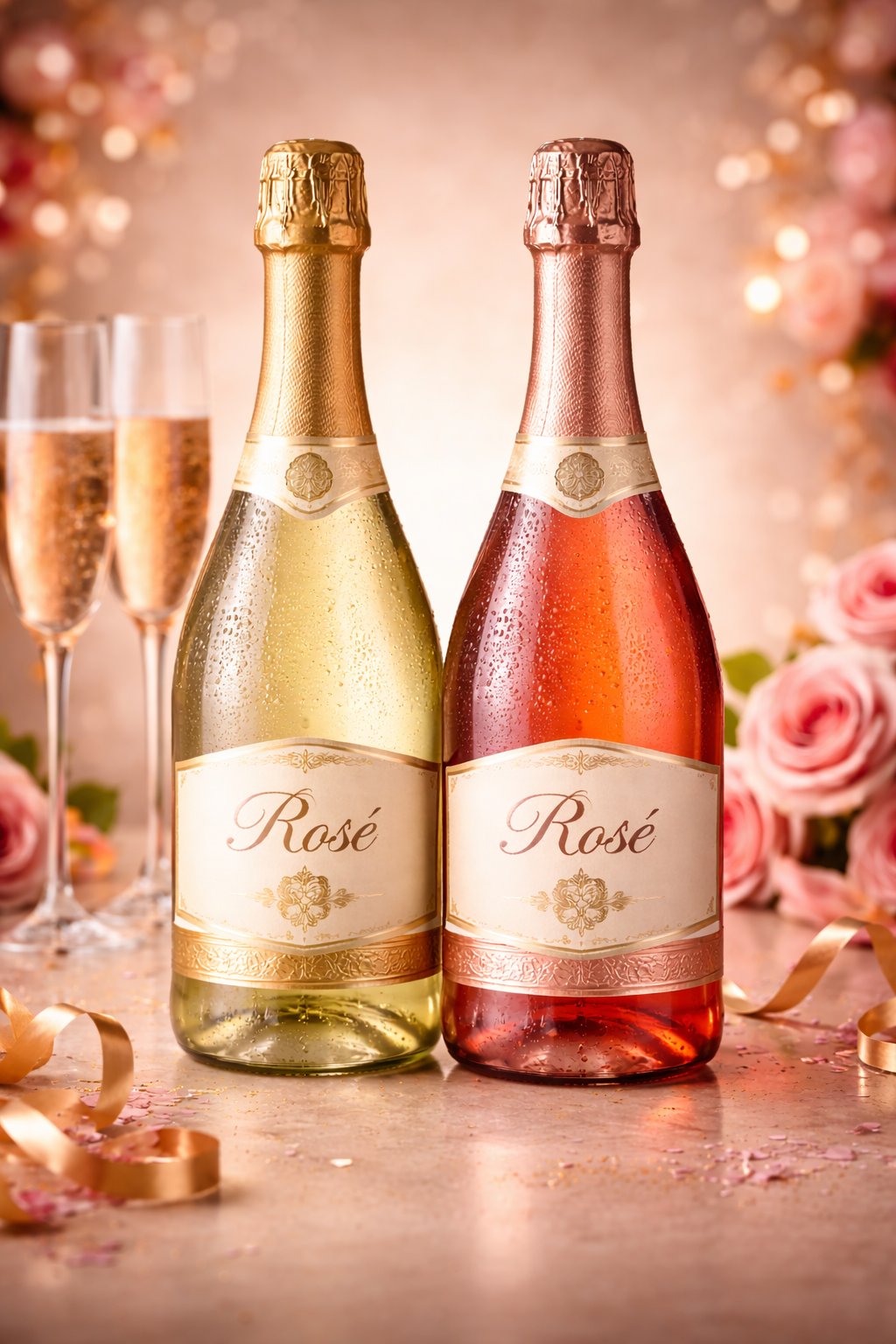
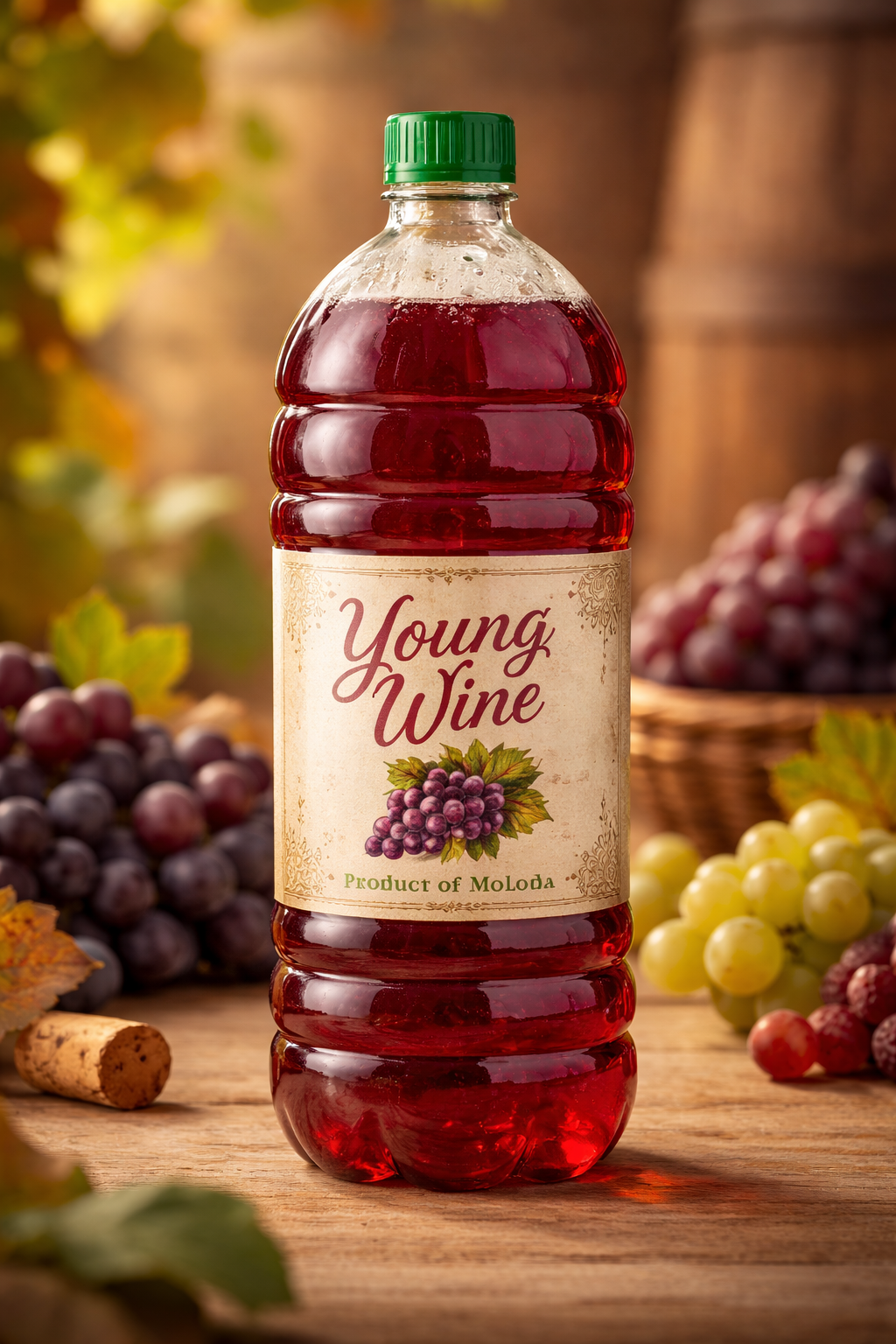
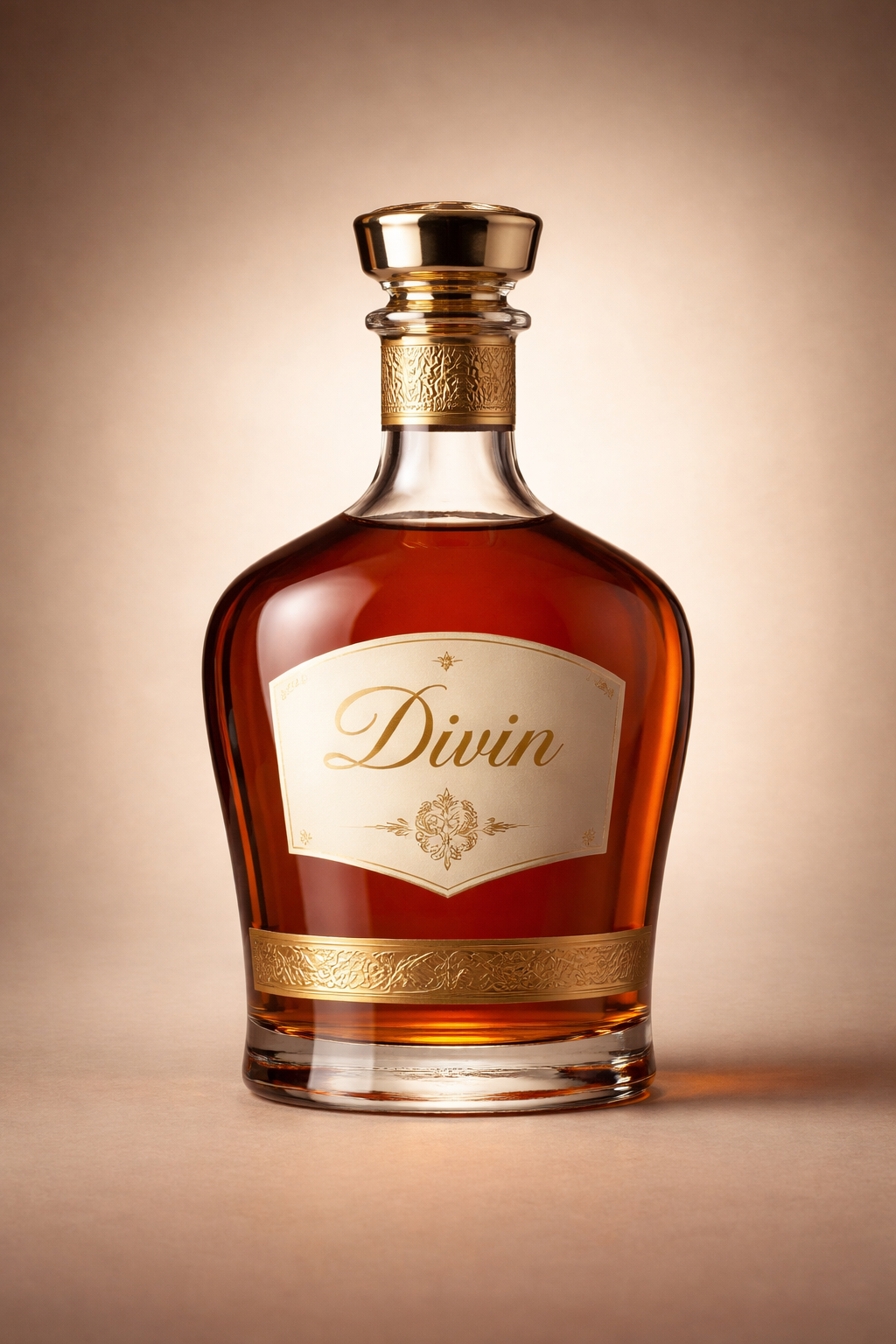
While all begin with the grape, they evolve into very different
expressions - from fresh young wine, to sparkling
varieties, and to Divin, Moldova’s refined grape spirit.

 Home >>