If you look at a map of Europe, Moldova is easy to overlook.
It is a small, landlocked country between Romania and Ukraine, and for many travellers it is still a country they know very little about.
Chișinău will probably be the first place you see.
It is the capital and by far the largest city, but Moldova changes when you leave it behind and begin travelling around the country.
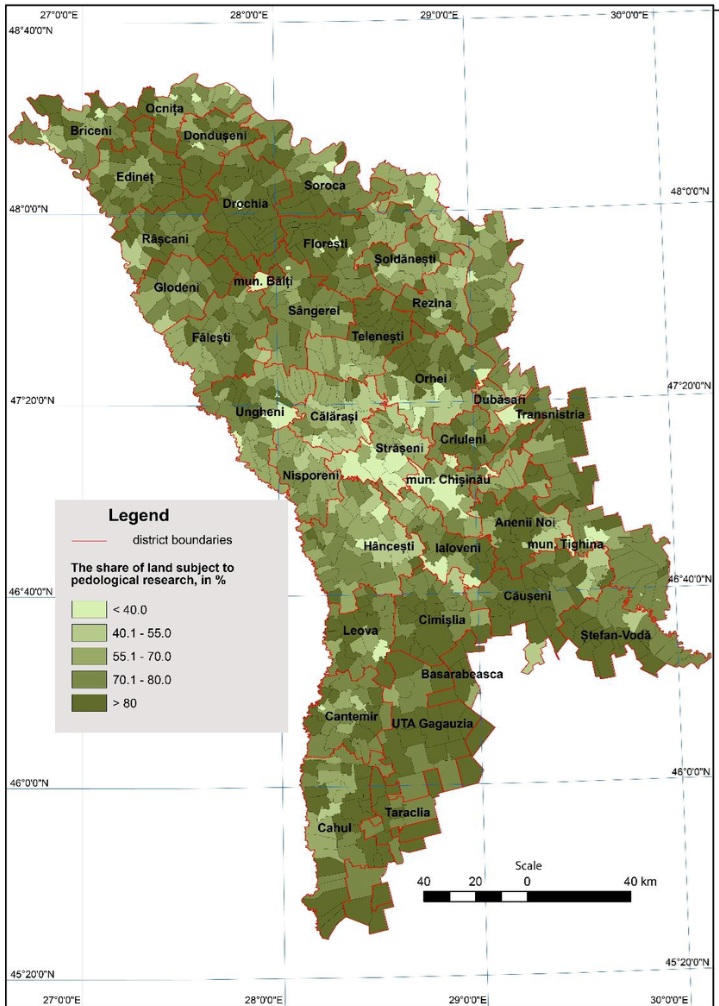
Drive north towards Bălți and Soroca or travel south towards Cahul and Gagauzia.
Follow the Dniester and you eventually come to places such as;
Țipova, Lalova, Soroca, Tiraspol and Bender, and between the cities and towns are hundreds of villages.
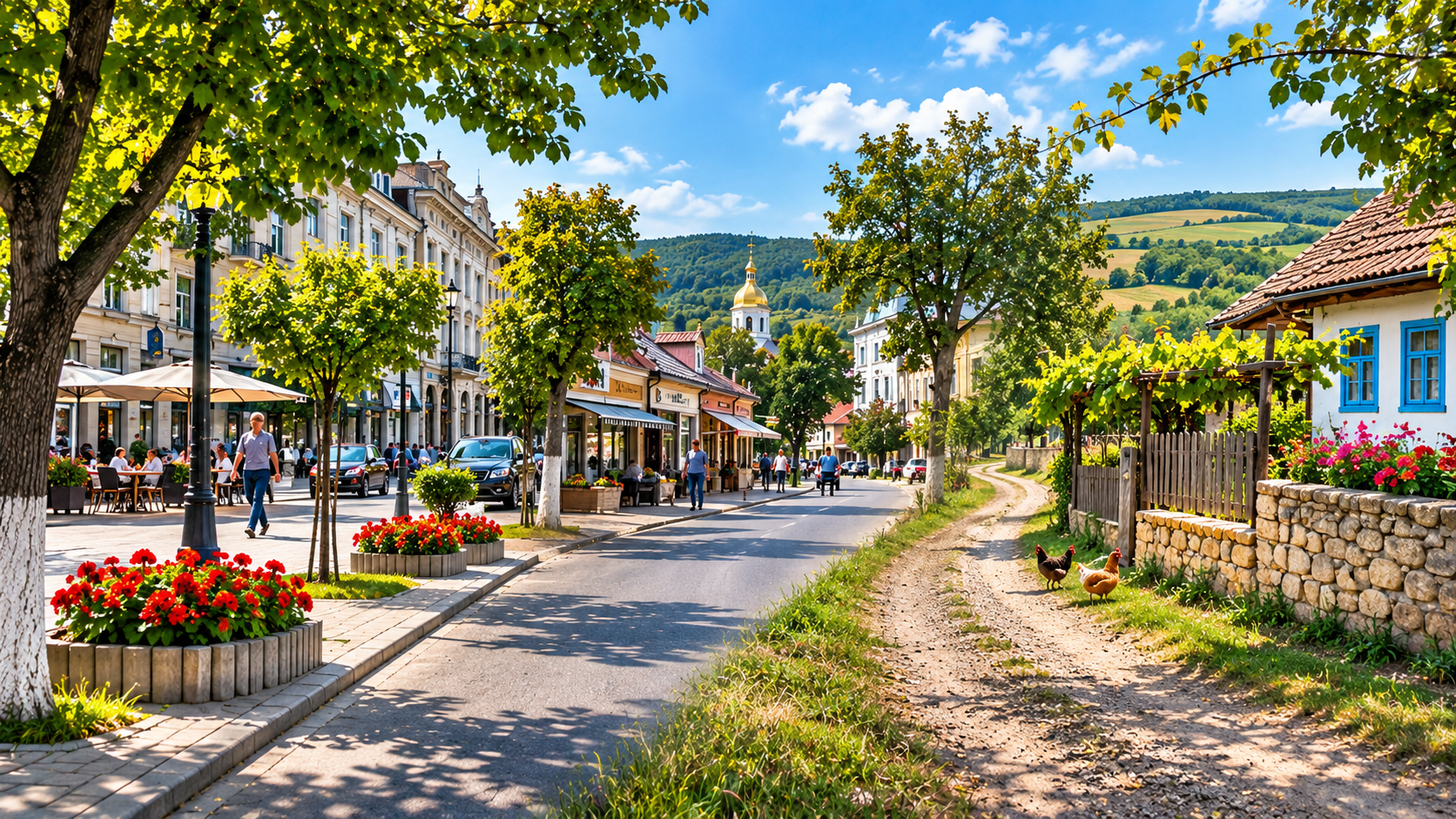
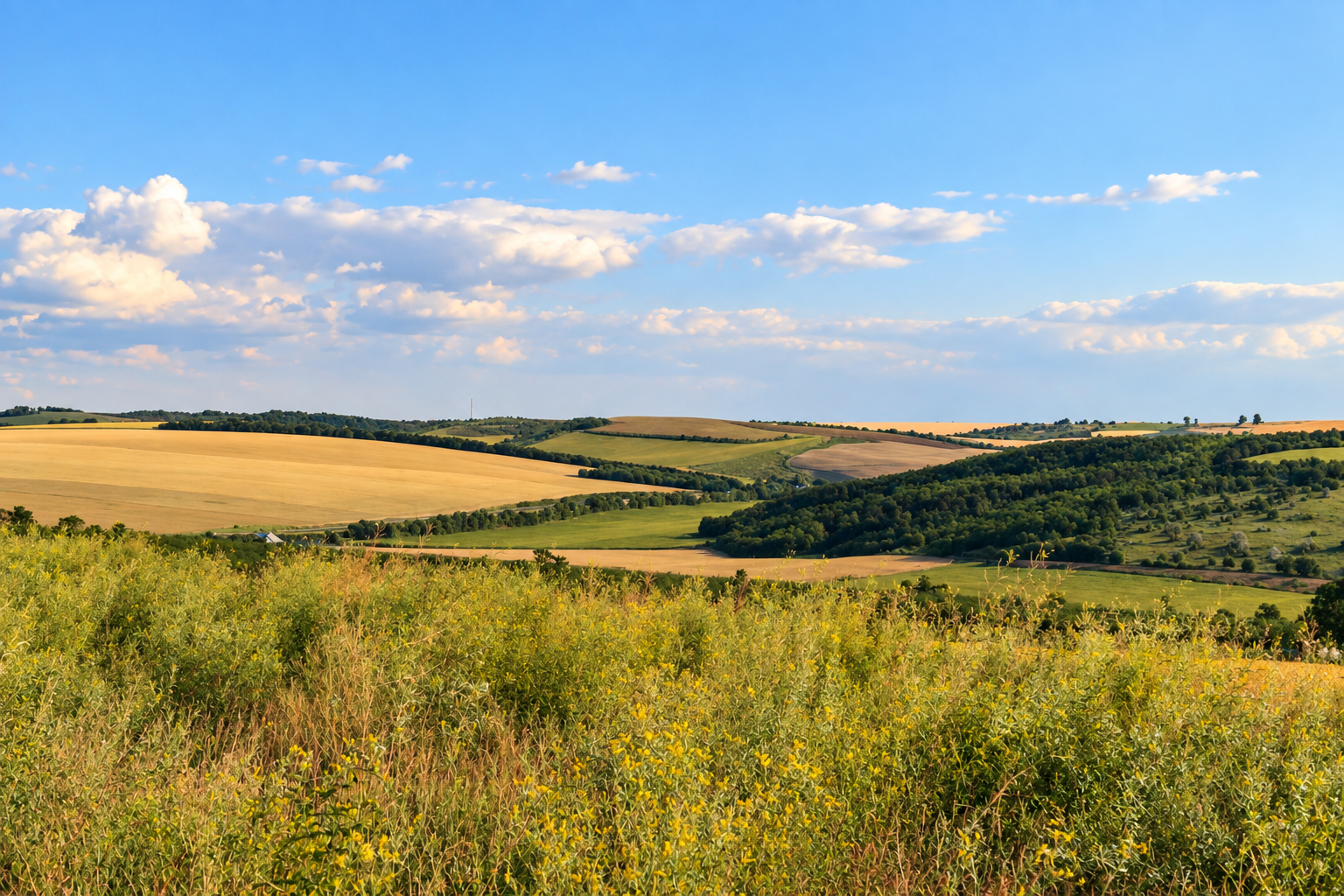
The roads take you past vineyards, fields, orchards and houses with large gardens.
You see wells beside the road, people waiting for buses, somebody selling
fruit, tractors coming from the fields and occasionally a horse and cart.
Not because anyone are doing it for visitors, but someone is simply going somewhere and there are history almost everywhere too.
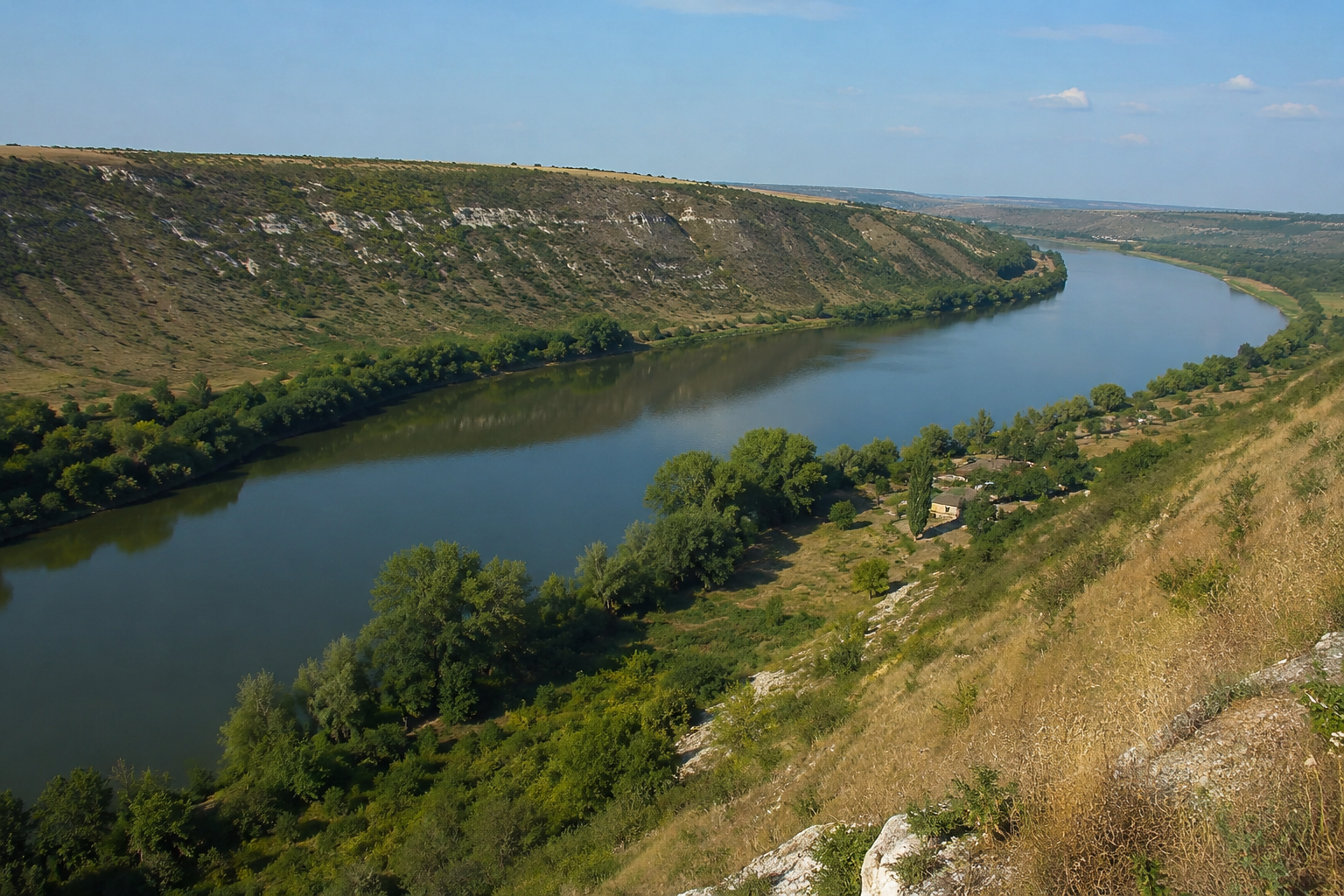
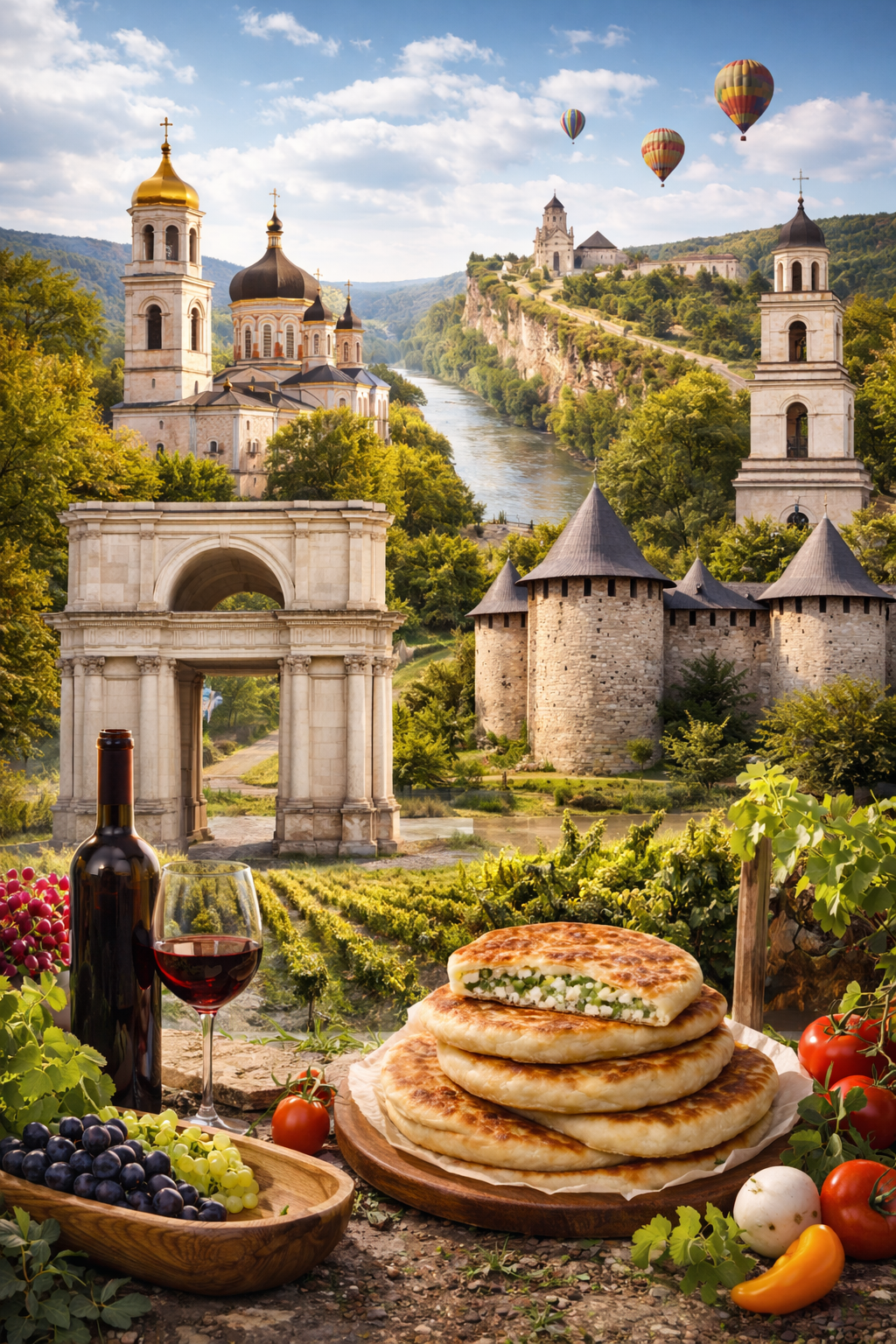
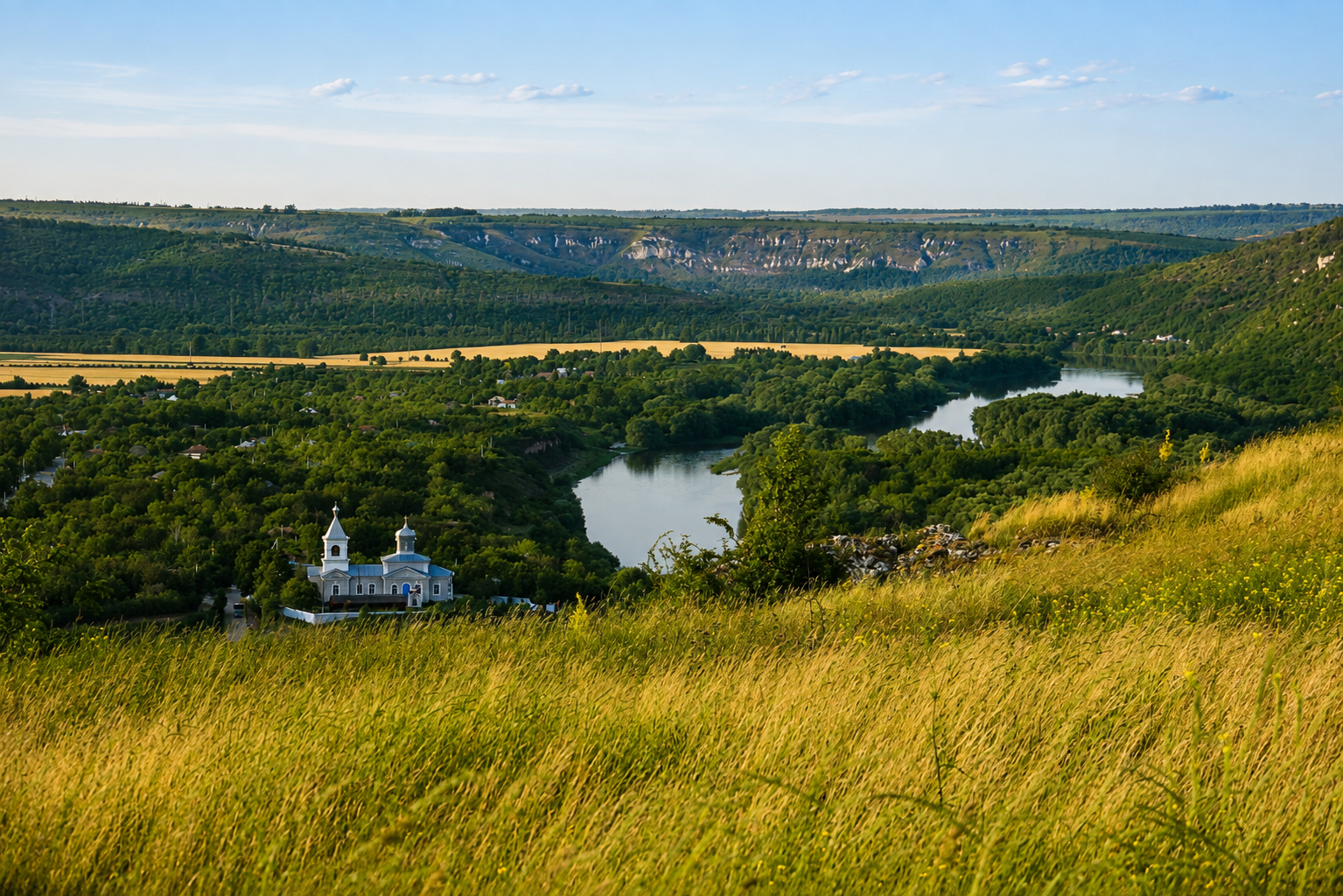
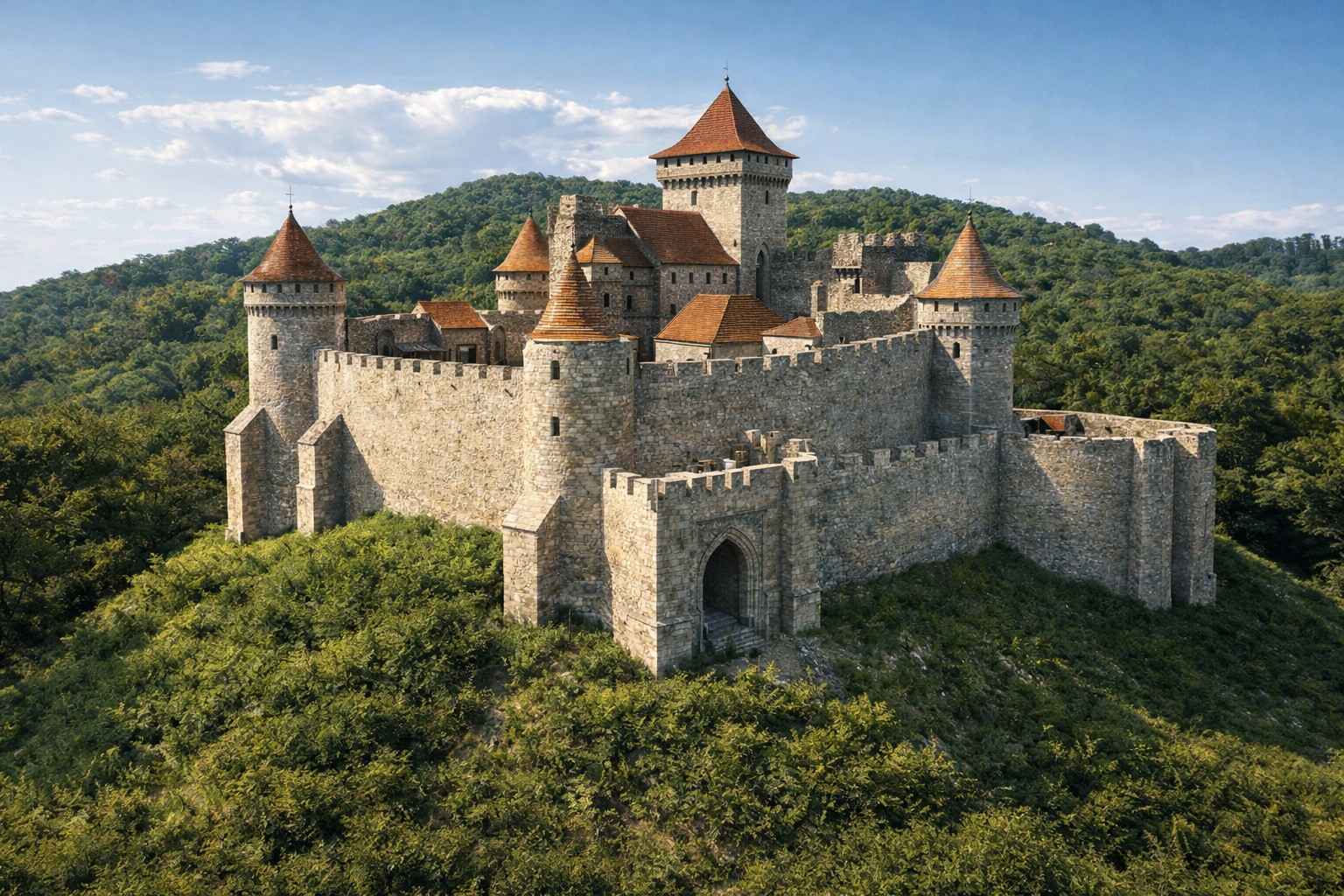
At Orheiul Vechi, the Răut runs below limestone cliffs and the cave monastery, the Soroca Fortress stands beside the Dniester.
At Țipova and Saharna you can walk between monasteries, waterfalls, cliffs and the river landscape.
But visiting Moldova is also about much smaller things..
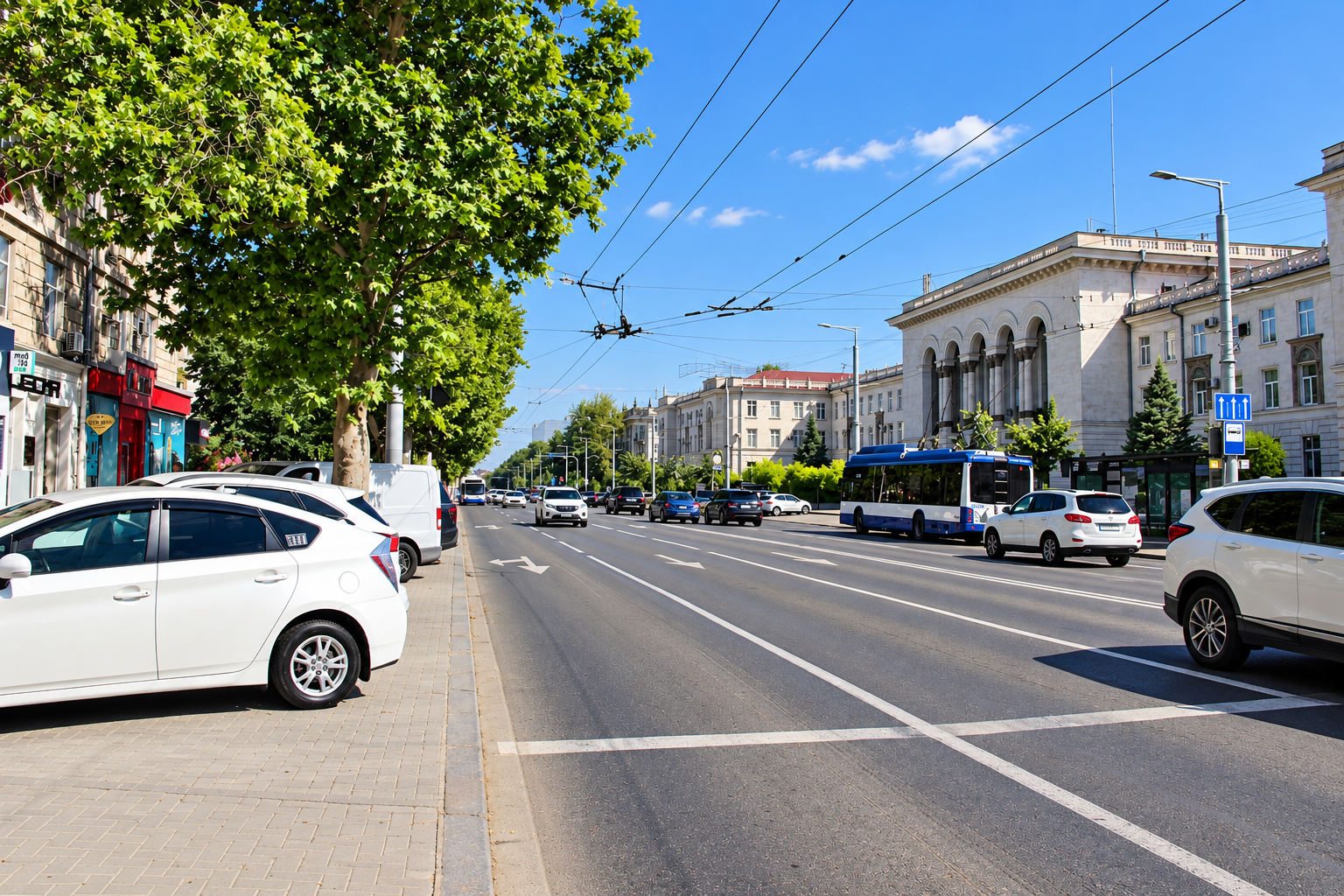
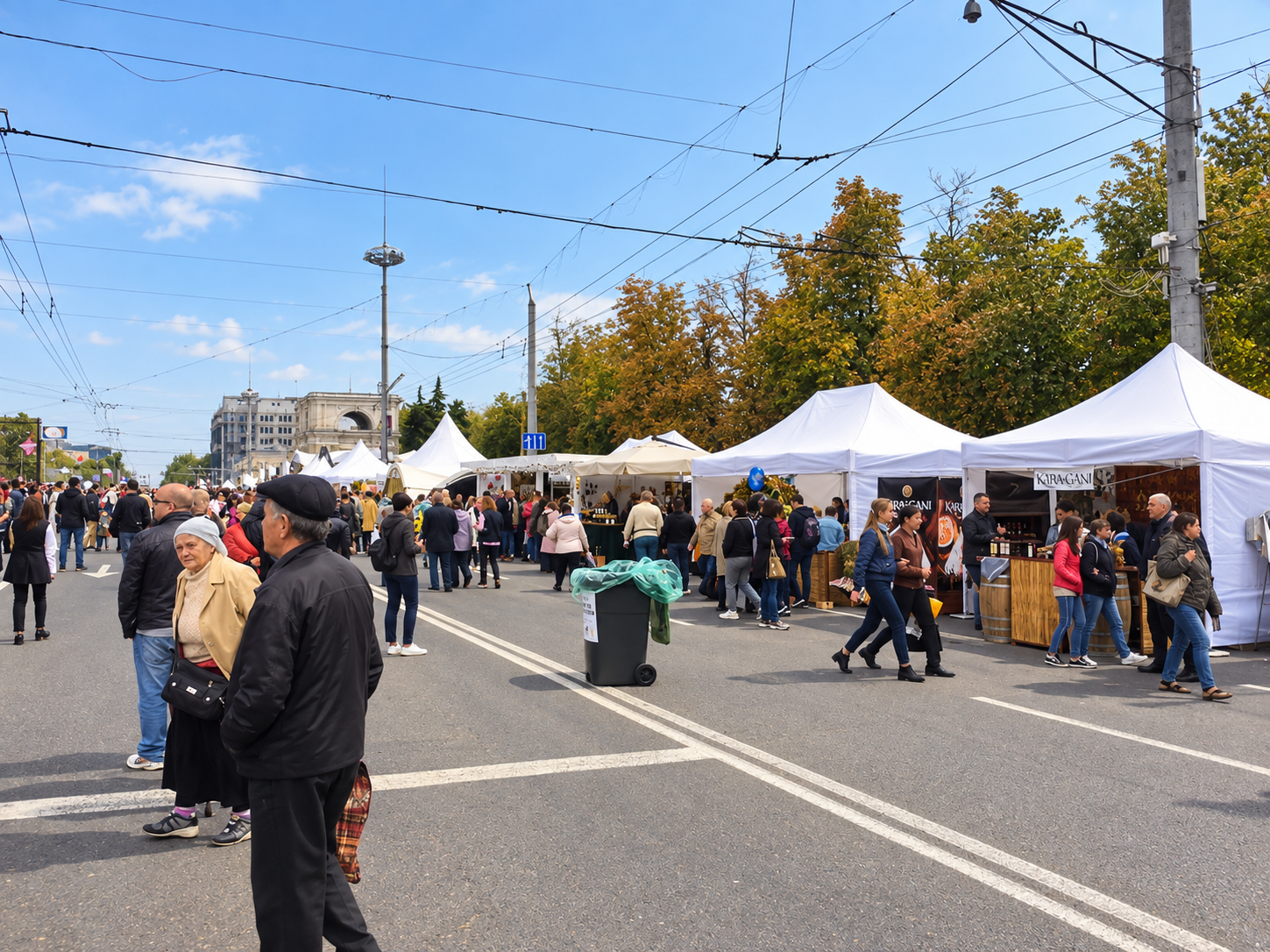
Going to a market in the morning, buying something from a roadside stand or sitting outside a café and watching the trolleybuses go past.
A meal that takes considerably longer than you had in your plans.
Someone explaining something to you in Romanian while you understand approximately twelve percent of it - and somehow the conversation naturally continues anyway. ;-)
You can visit the wineries, monasteries, museums, fortresses and other
well-known places.
You should.
But leave some time for everything in between as well and try to take a smaller road occasionally.
Stop in a town you hadn't planned to visit, walk through a village, sit beside the Dniester for a while or go into the local market just to see what is there.
You don't have to turn everything into an attraction, sometimes you just can simply
be there.
Moldova is a small country on the map and once you start travelling around it, it doesn't always feel that small.
It’s Europe — just before it became predictable.
Capital:
Chisinau
Official Languege:
Romanian
Official Languges:
- Romanian
- Ukrainian
- Russian
- Gaugazian
Form of Government:
Parliamentary Republic
Independence:
27 August 1991
Area:
33.846 km2
Population:
Approx. 2.41 million.
Currency:
Modovan Leu (MDL)
Chișinău
The green and relaxed capital of Moldova, with wide boulevards, parks, cafés, markets and residential neighbourhoods stretching well beyond the centre.
For many visitors, this is where Moldova begins.
Bălți
Moldova's main northern city and an important regional centre for business, education, transport and everyday life.
It feels noticeably different from Chișinău and gives you a good starting point for exploring the north.
Soroca
A historic town beside the Dniester, best known for Soroca Fortress.
But there is more around it: hills, neighbourhoods, river views and a city with its own very recognisable character.
Cahul
One of southern Moldova's main cities, known for its spa tradition, cultural life and position close to the Prut and Romanian border.
Orhei
A regional town in central Moldova and a useful starting point for exploring the surrounding
area, including Orheiul Vechi and the Răut valley.
Country code:
MD
Internet Domain:
.md
Internationally calling code:
+373
National Anthem:
Limba noastră
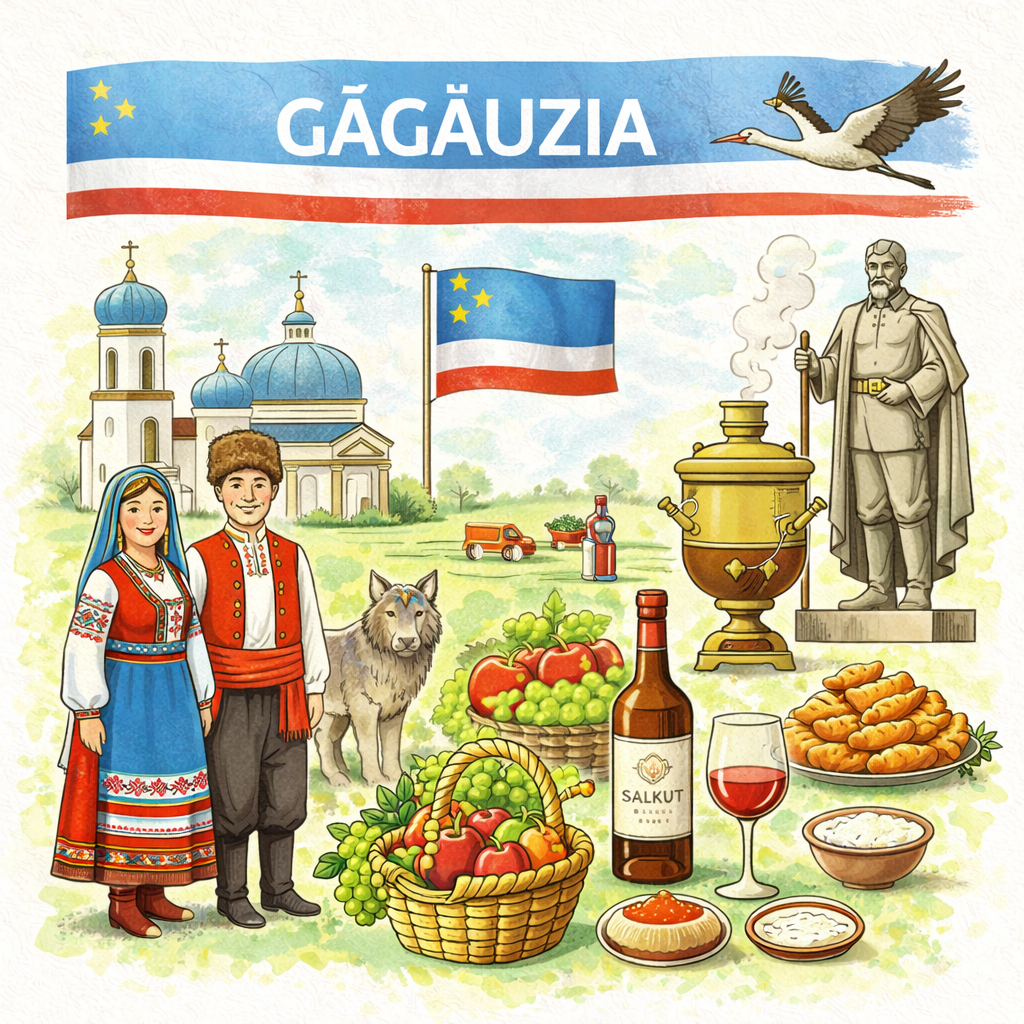
Comrat.
The cultural heart of Gagauzia, where traditions, language, and identity give the region a distinct character within Moldova.
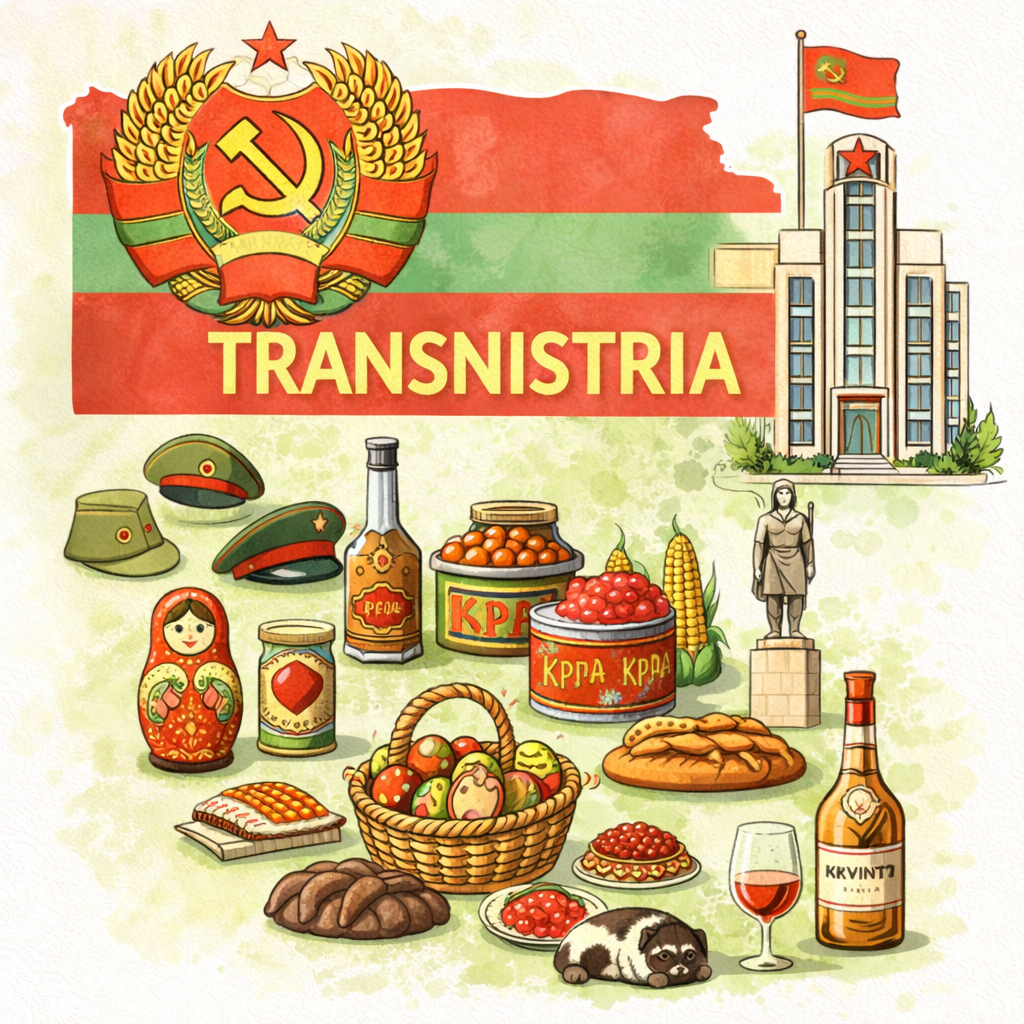
Tiraspol.
A city that feels like stepping into another time. Located in Transnistria, Tiraspol offers a unique atmosphere shaped by history and a different pace of life.
Bender.
A historic city on the banks of the Dniester River, known for its impressive fortress. Bender combines strong historical presence with a distinctive atmosphere shaped by its past and location.
Ungheni.
A border town connected to Romania, known for its historic railway bridge and its role as a gateway between cultures.
Edineț.
A quiet northern town surrounded by countryside, where agriculture and local traditions shape everyday life. Calm, simple, and authentic.
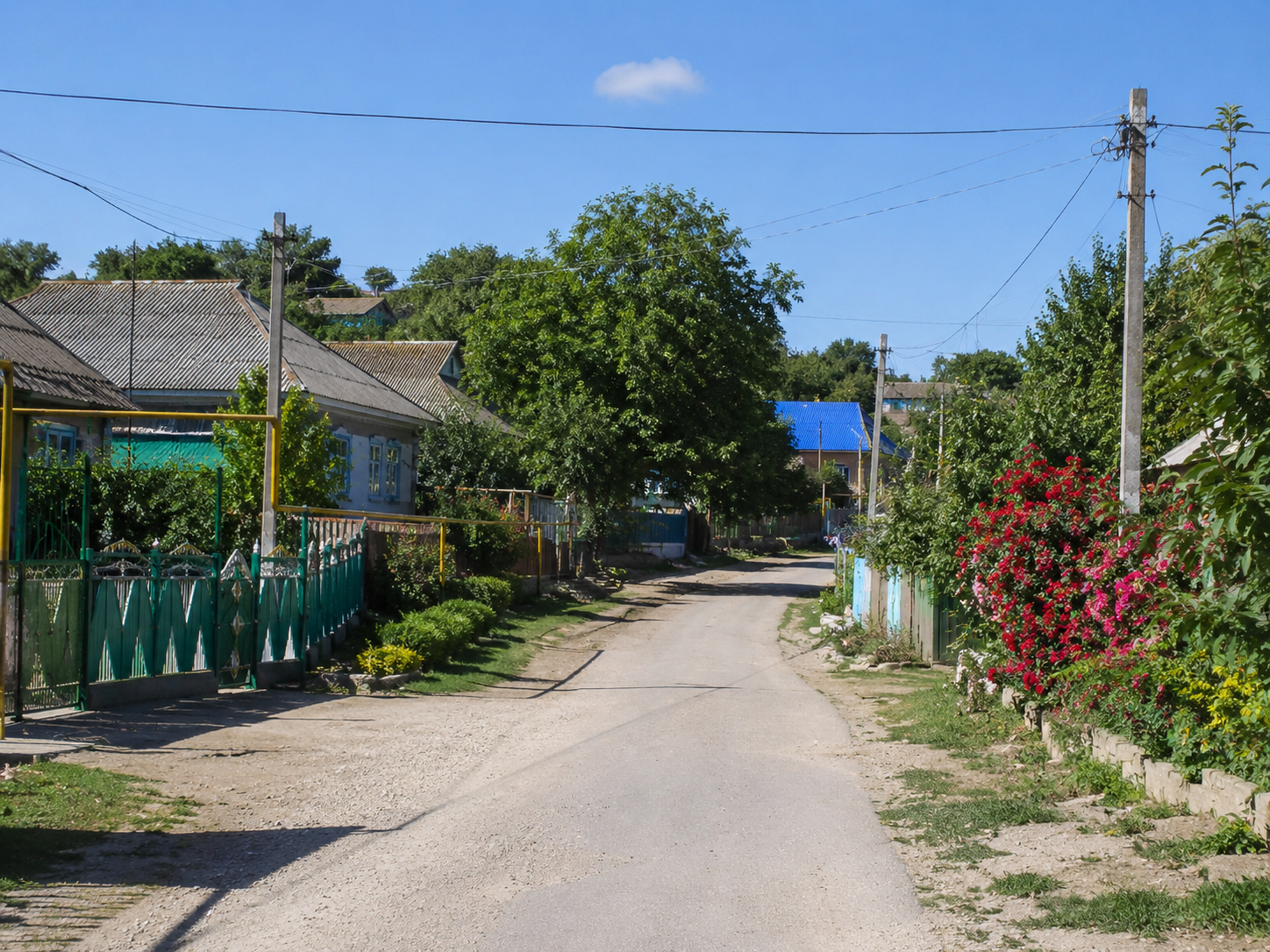
Did you know… some houses in Moldova look like tiny Palaces and castles where a king or queen could live? just like in fairy tales.
The Weathersection Is Presented In Corporation With

Moldova did not become the country you see today through one period of history or one culture.
Even the landscape has a much older story.
Rivers such as the Dniester, Prut and Răut have cut their way through limestone and shaped valleys, cliffs and fertile land.
Forests once covered much larger areas of central Moldova, while the rich soil helped
agriculture, orchards and vineyards become part of life.
People have lived on this land for thousands of years.
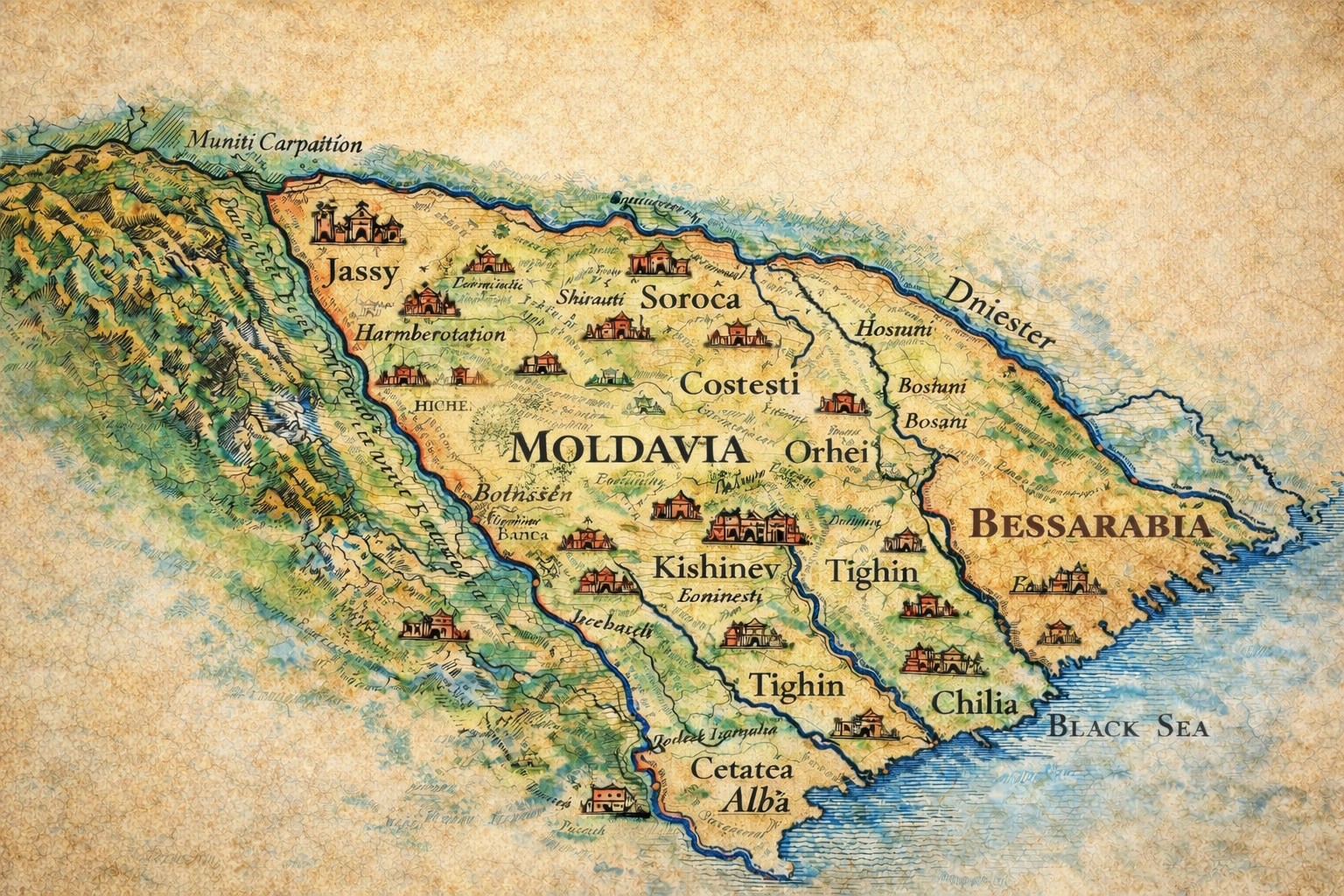
Different cultures came, settled, traded, fought, disappeared or became part of what followed and in the 14th century, the medieval Principality of Moldavia emerged.
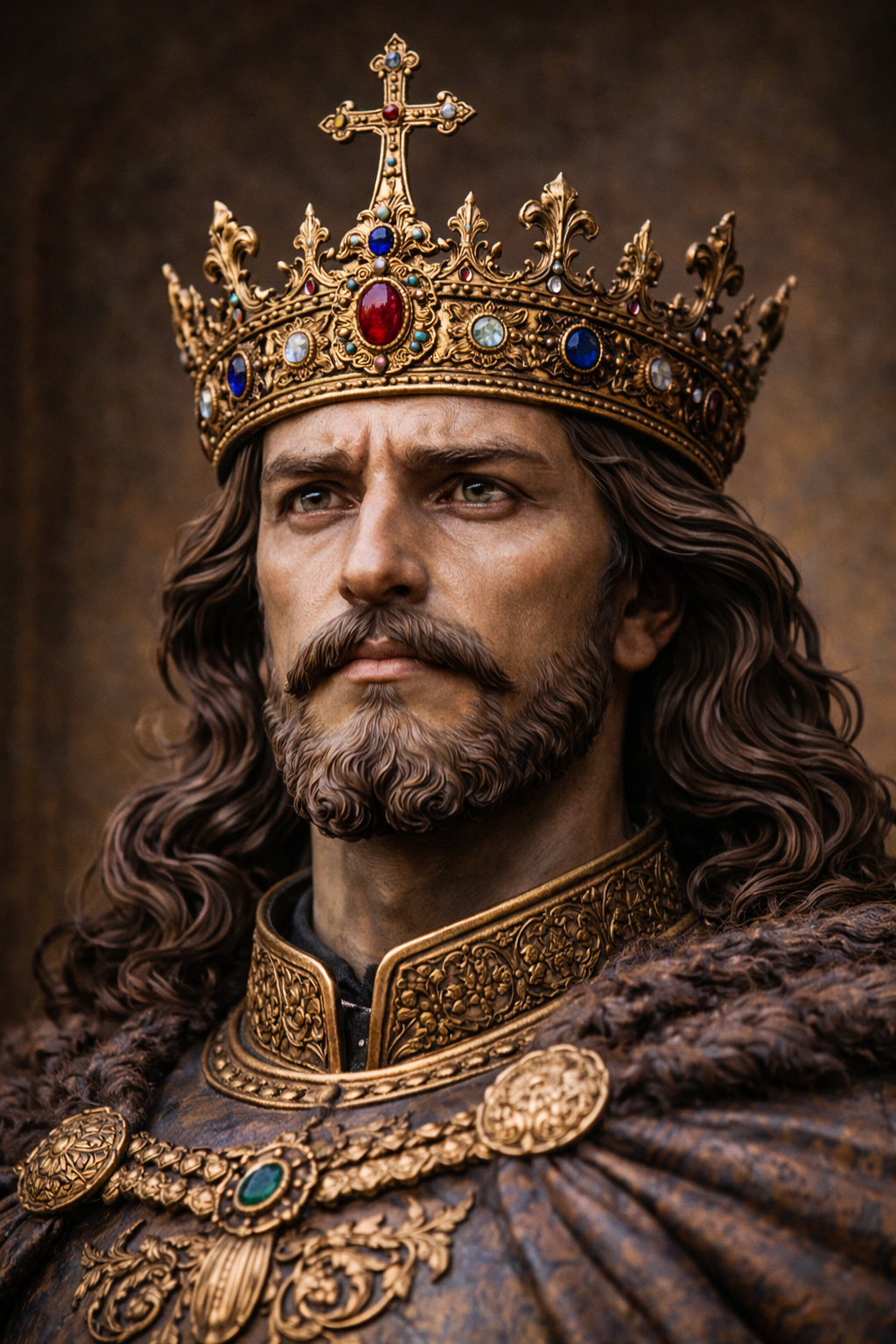
Dragoș belongs to the beginning of that story, followed by rulers who gradually formed and strengthened the principality.
Later came names such as Alexandru cel Bun and Ștefan cel Mare, whose time still has a visible place in Moldova's historical identity.
But the borders did not remain fixed.
Ottoman influence, the Russian Empire, the separation of Bessarabia from the Principality of Moldavia, the union with Romania, war and the Soviet period all left something behind.
Sometimes that history can be seen in a fortress, monastery, church or monument and sometimes it is heard in the languages people speak, sometimes it is simply part of a family story.
Modern Moldova became independent in 1991.
Today it is a small country with Romanian as its official language, but with different
communities, languages and traditions living side by side, within it.
Gagauzia has its own particular identity in the south, while the territory on the eastern side of the Dniester has followed a different path since the early 1990s.
All of this has helped shape the Moldova you travel through today.
You can see Orthodox monasteries and Soviet apartment blocks on the same journey, you can hear Romanian, Russian, Gagauz, Ukrainian and other languages.
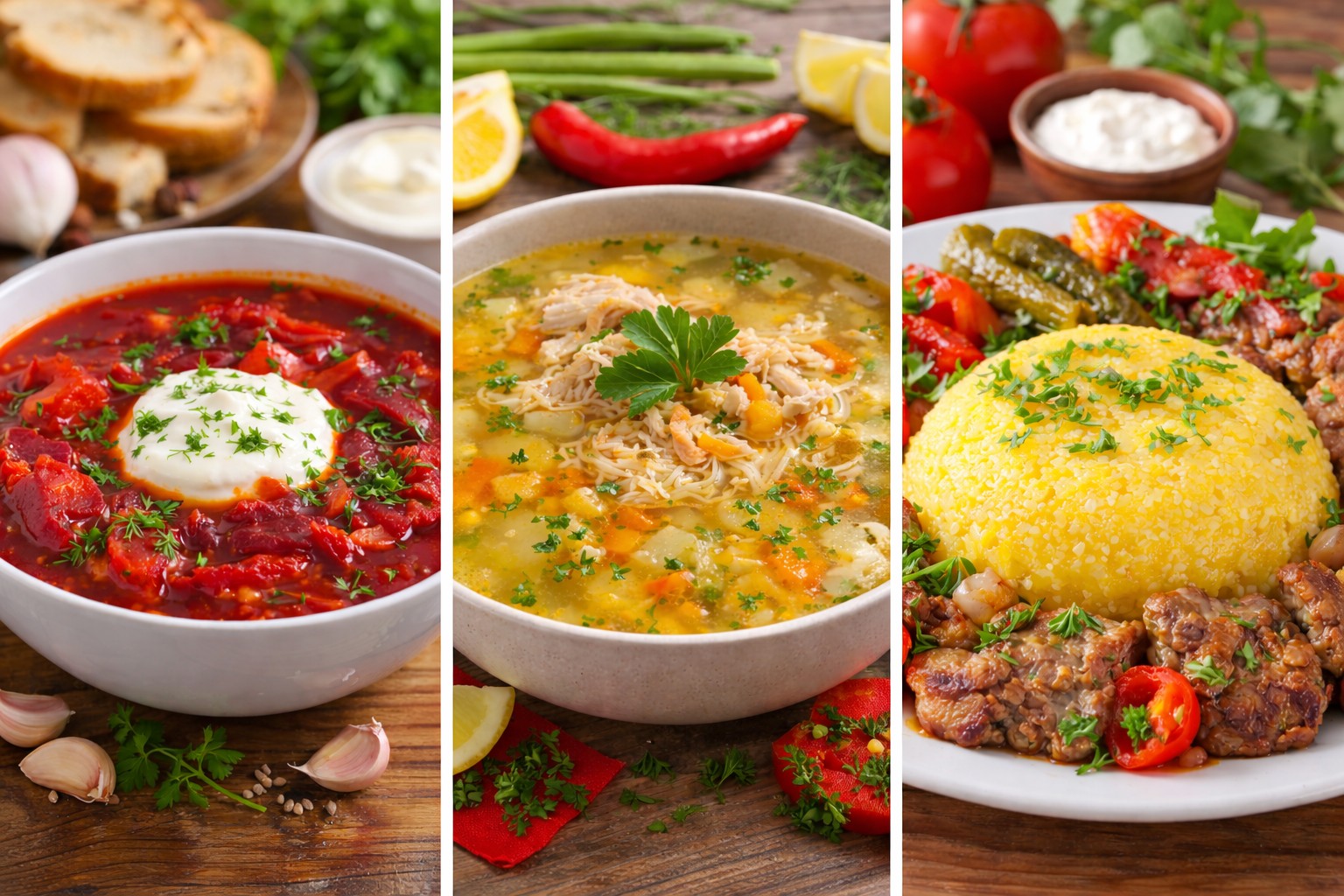
Food carries influences from different peoples and-
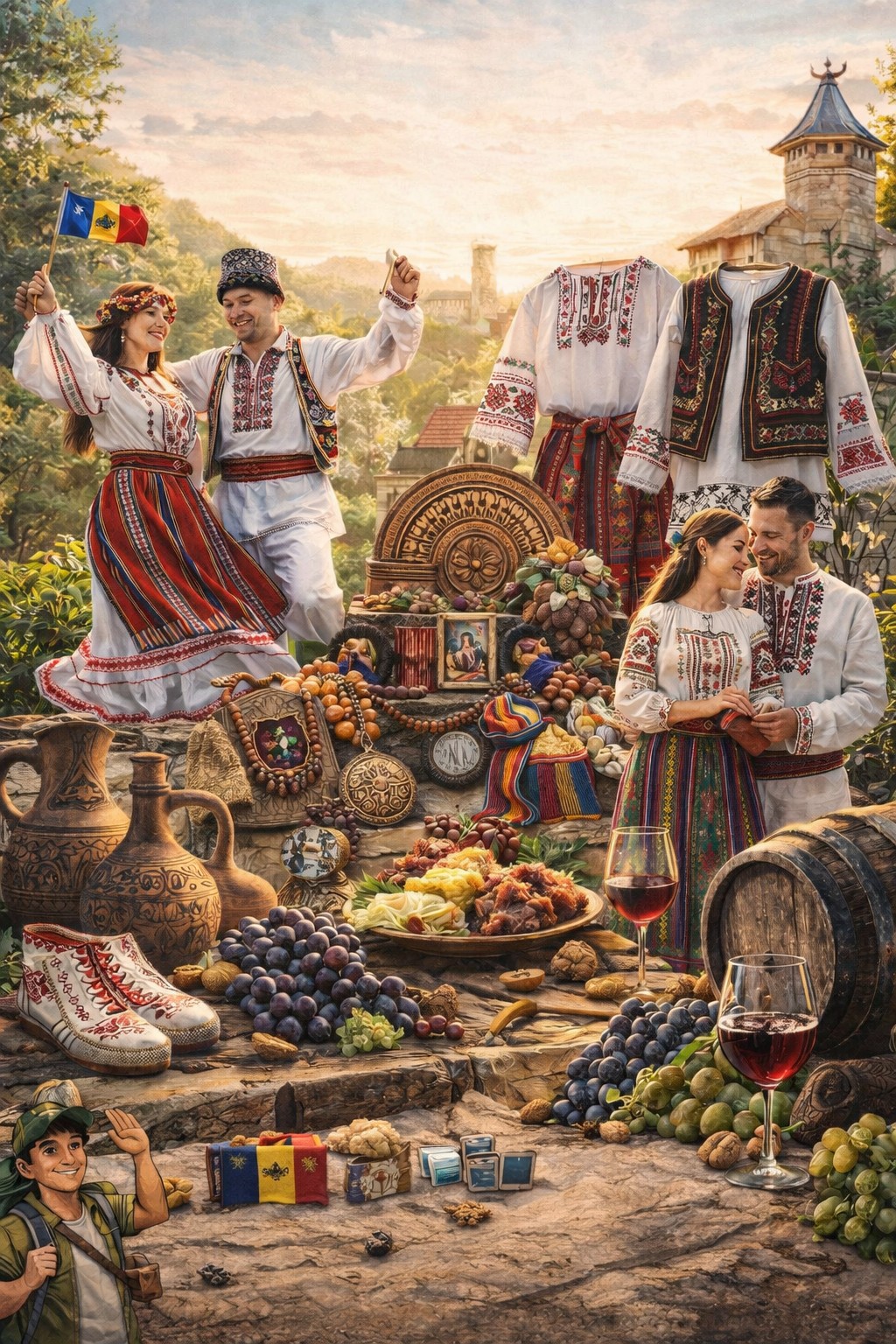
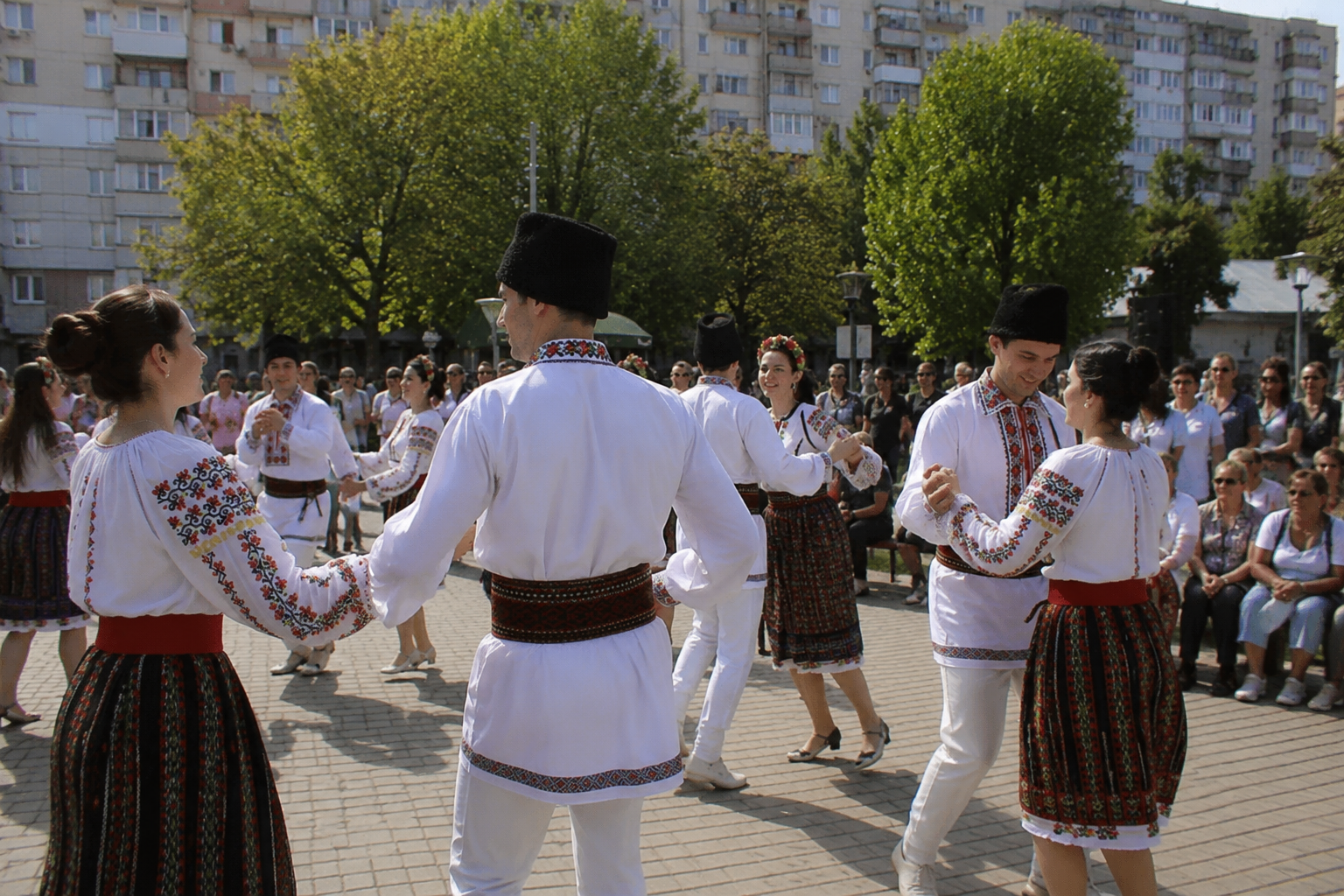
periods, while music, dance, embroidery, pottery and other traditions have continued through generations.
Wine has its own place in that story.
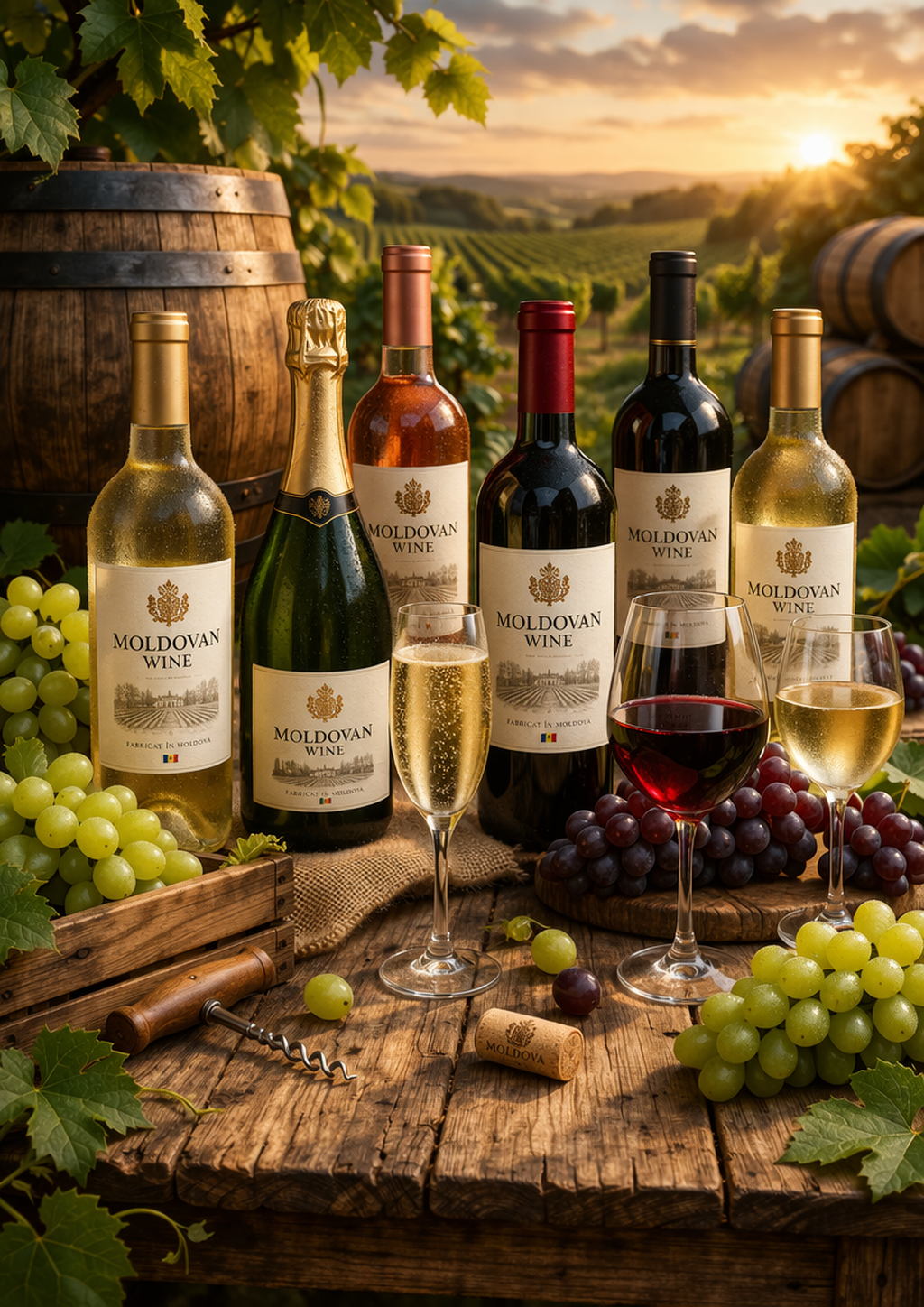
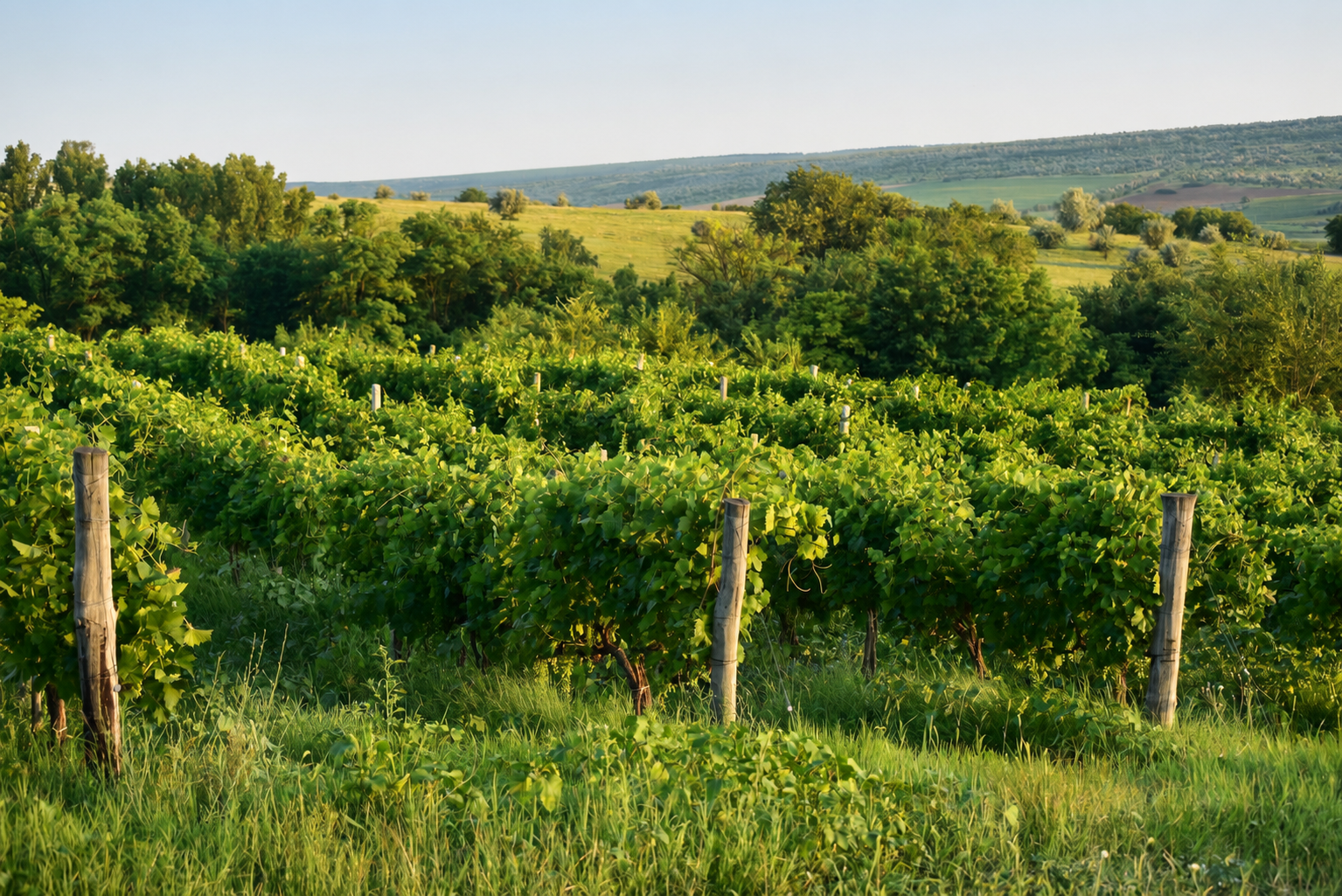
The soil, climate and landscape made vines part of Moldova long before the enormous underground cellars at Cricova and Mileștii Mici existed.
Today you can visit large wineries known internationally and, not very far away, find somebody making wine at home from grapes growing behind the house.
That mixture probably explains Moldova better than trying to place the country into one simple category.
It is eastern and western, old in some places and very modern in others and it is agricultural, but increasingly connected with technology and new industries.
There are cities, villages, vineyards, forests, limestone cliffs, rivers and large areas of farmland, all within a country small enough that you can experience several of them in the same day.
Perhaps that is one of the best reasons to visit.
Not because Moldova has one thing that you must see, but because so many different parts of its history, landscape and culture have been fitted into such a relatively small piece of Europe.
You can come for the wine..
You can come for the history, food, monasteries, countryside, hiking
or culture.
But once you begin travelling around, you will probably find something you hadn't exspected to find and planned to look for.
Explore Moldova
Nu există un singur mod de a explora Moldova.
Descoperă orașele, satele, istoria, cultura și regiunile viticole sau pornește
la drum prin natură.
Sau pur și simplu pleacă într-o călătorie cu mașina.
Alege un drum neașteptat, descoperă locuri noi și oprește-te acolo unde
simți că merită, uneori poți lăsa drumul să decidă.
-
There is not a single way to explore Moldova.
Discover its cities, villages, history, culture and wine regions, or head into the
countryside, or simply go on a road trip.
Take an unexpected turn, discover somewhere new and stop wherever you feel like it.
Sometimes you can just let the road decide.