Moldova
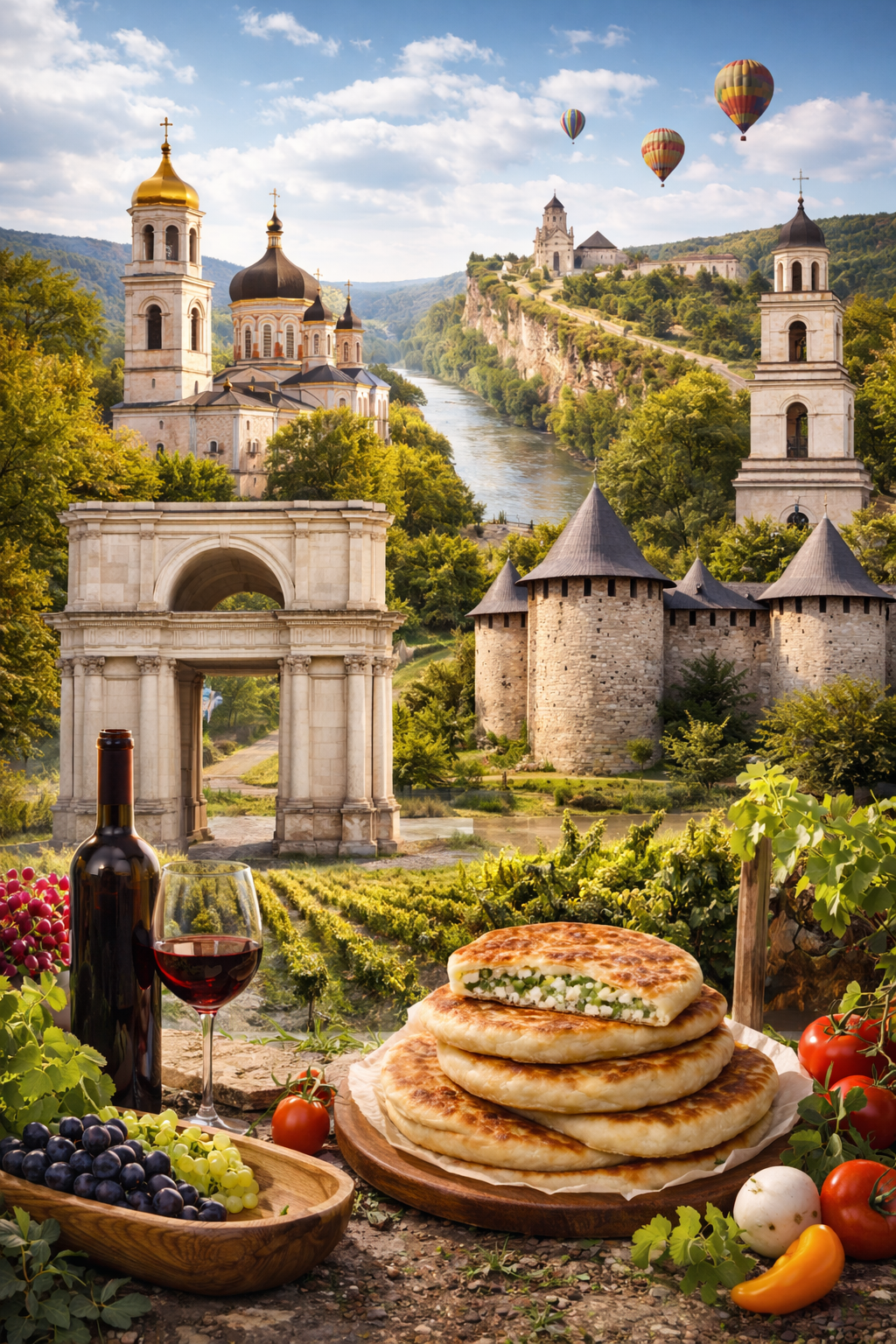
Moldova is, offering an authentic and peaceful travel
experience away from mass tourism.
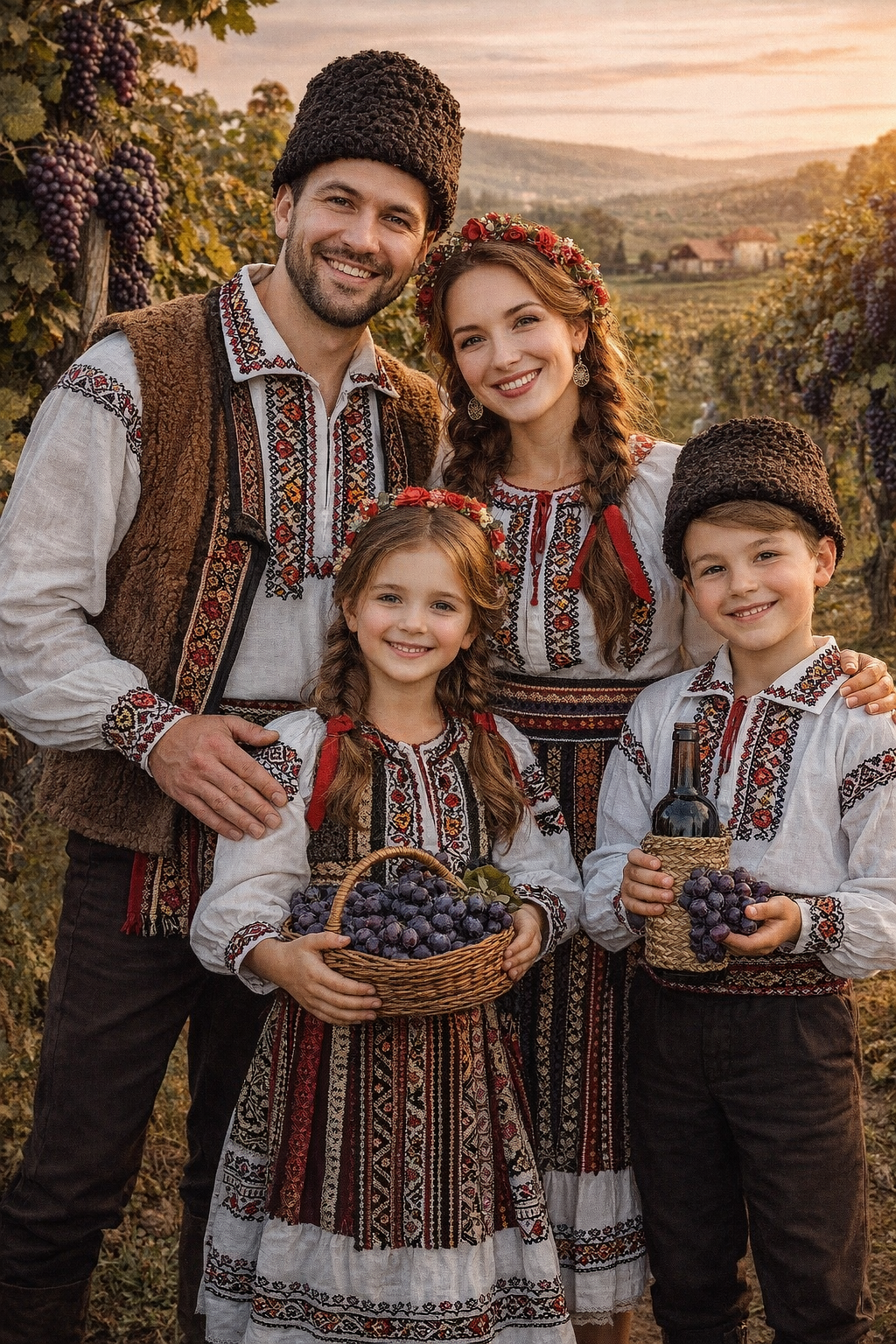
Known for its rolling hills, vast vineyards,
and warm hospitality, the country is a perfect destination for travelers
seeking culture, nature, and tradition.
Wine
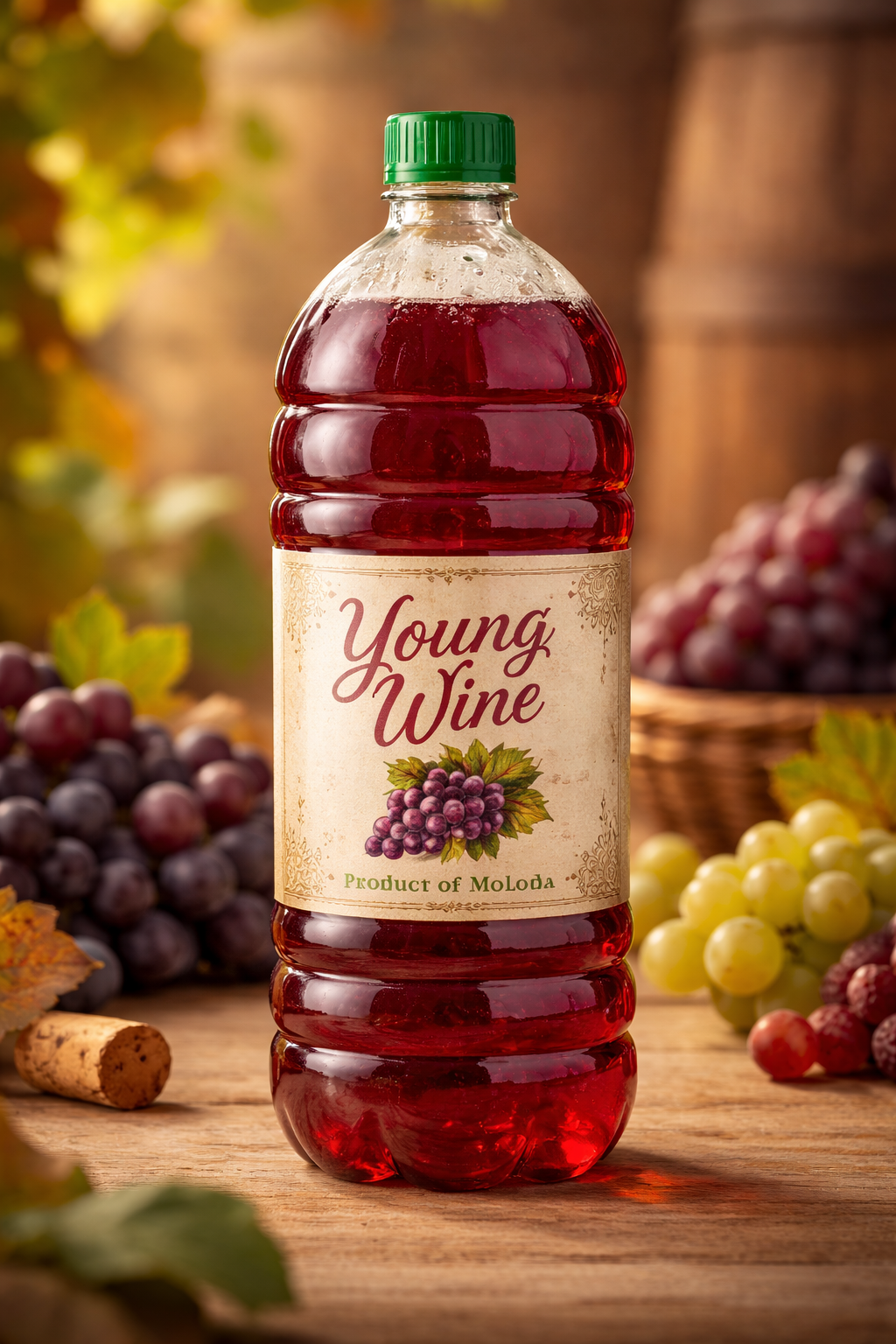
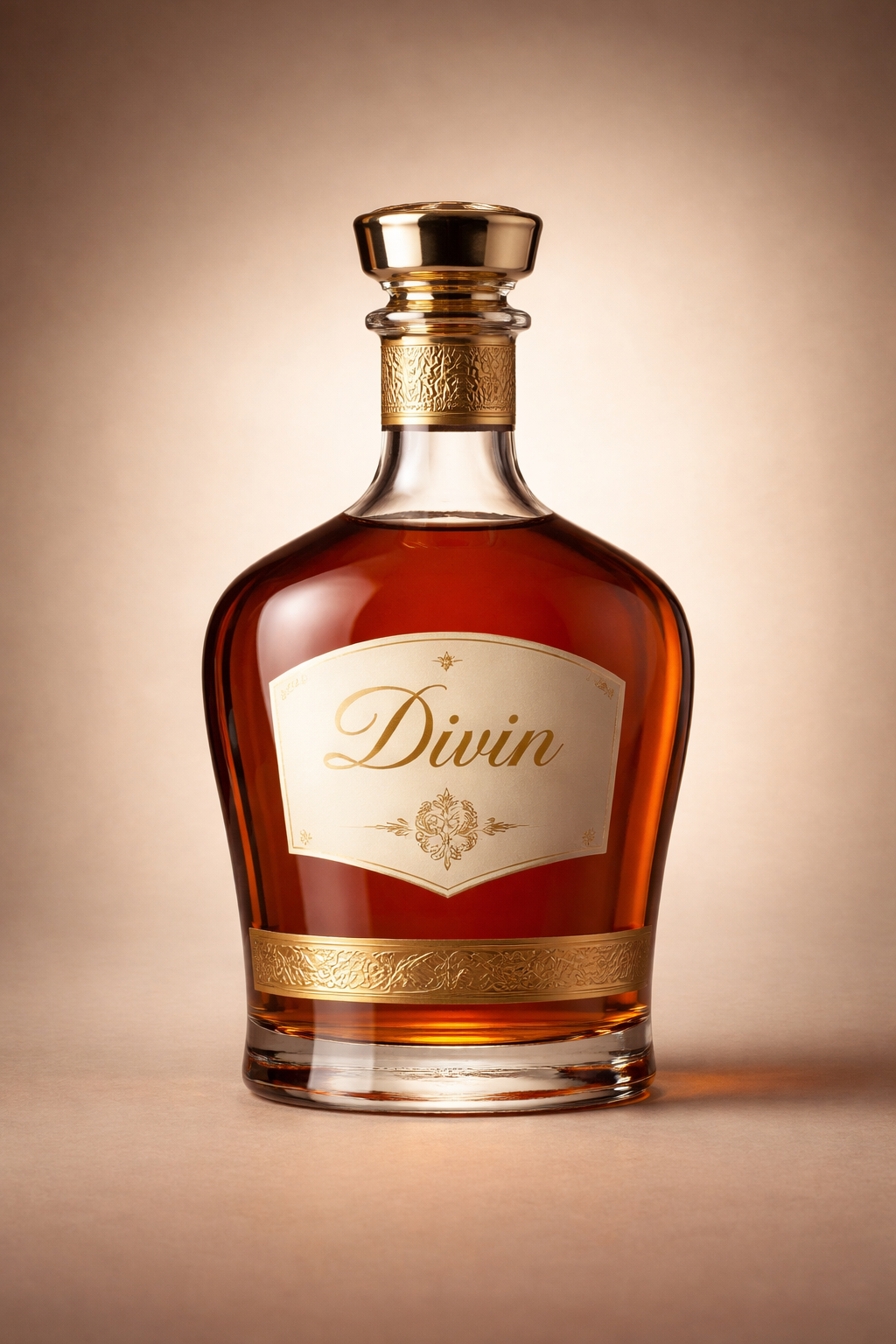
tourism is Moldova’s greatest attraction.
Home to some of the world’s largest
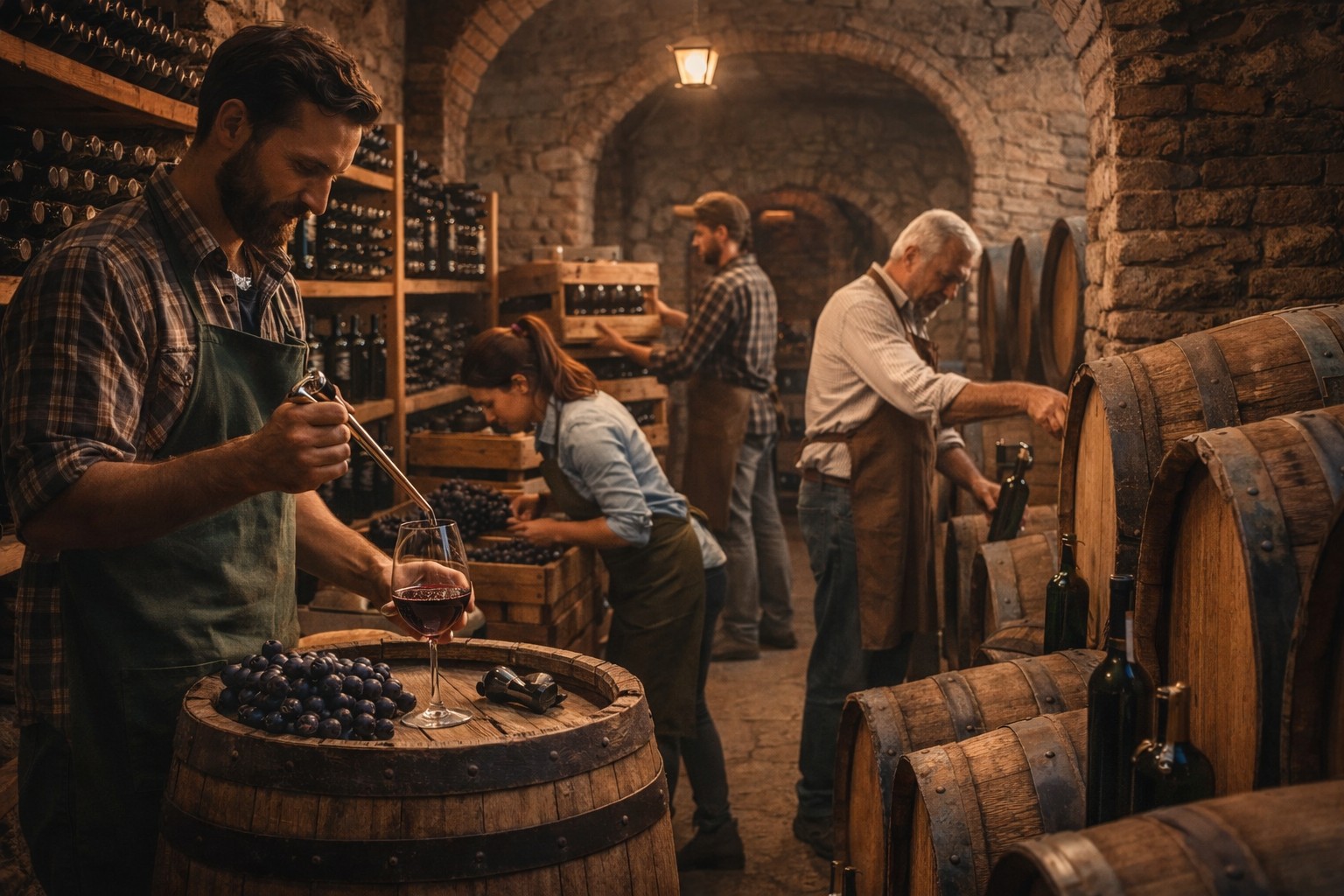
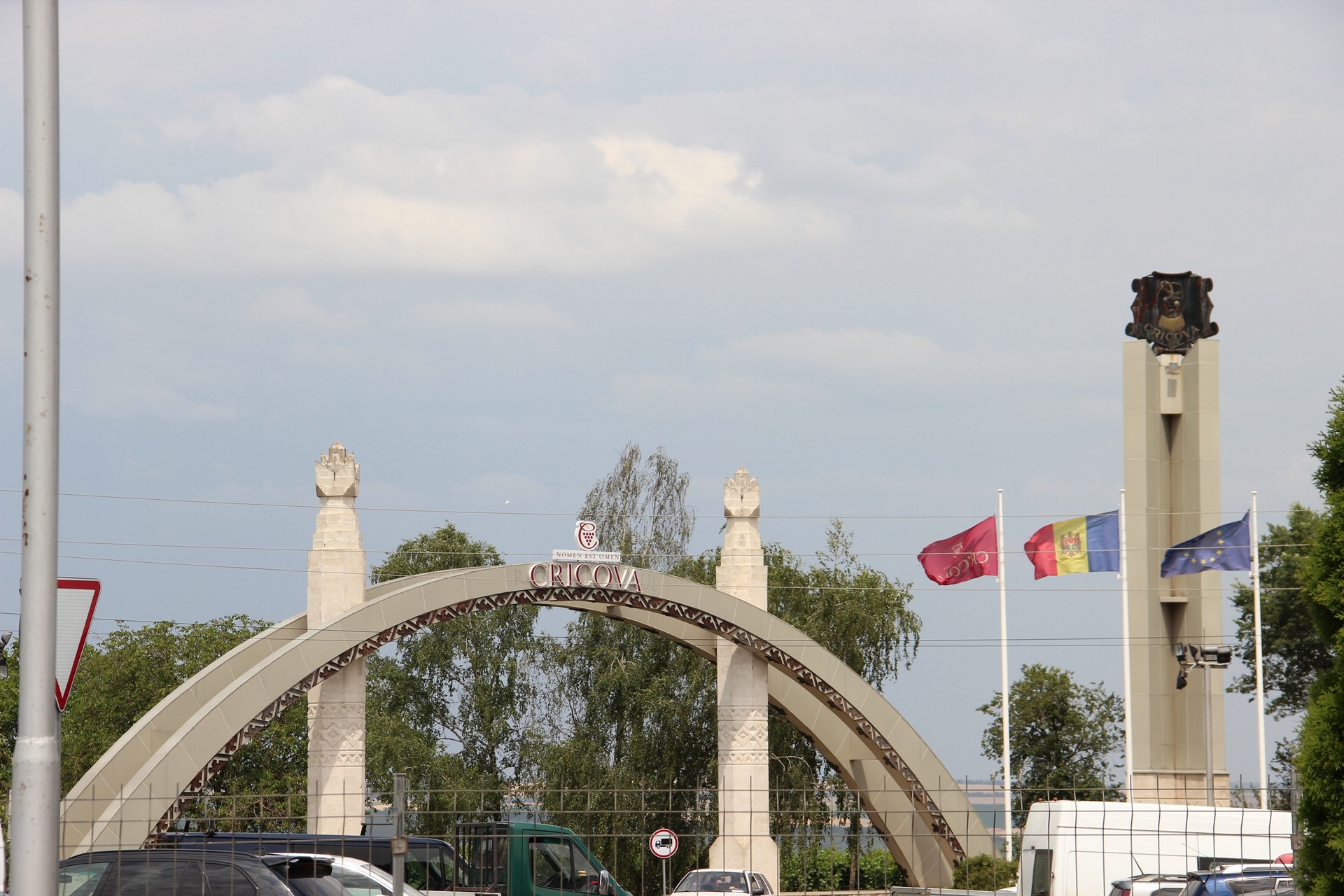
underground wine cellars, such as Cricova and Milestii Mici, Moldova invites
visitors to explore centuries-old winemaking traditions and taste high-quality
local wines.
Picturesque wine routes pass through charming villages and scenic
countryside and Moldova’s
cultural heritage is reflected in its monasteries, fortresses, and rural life.
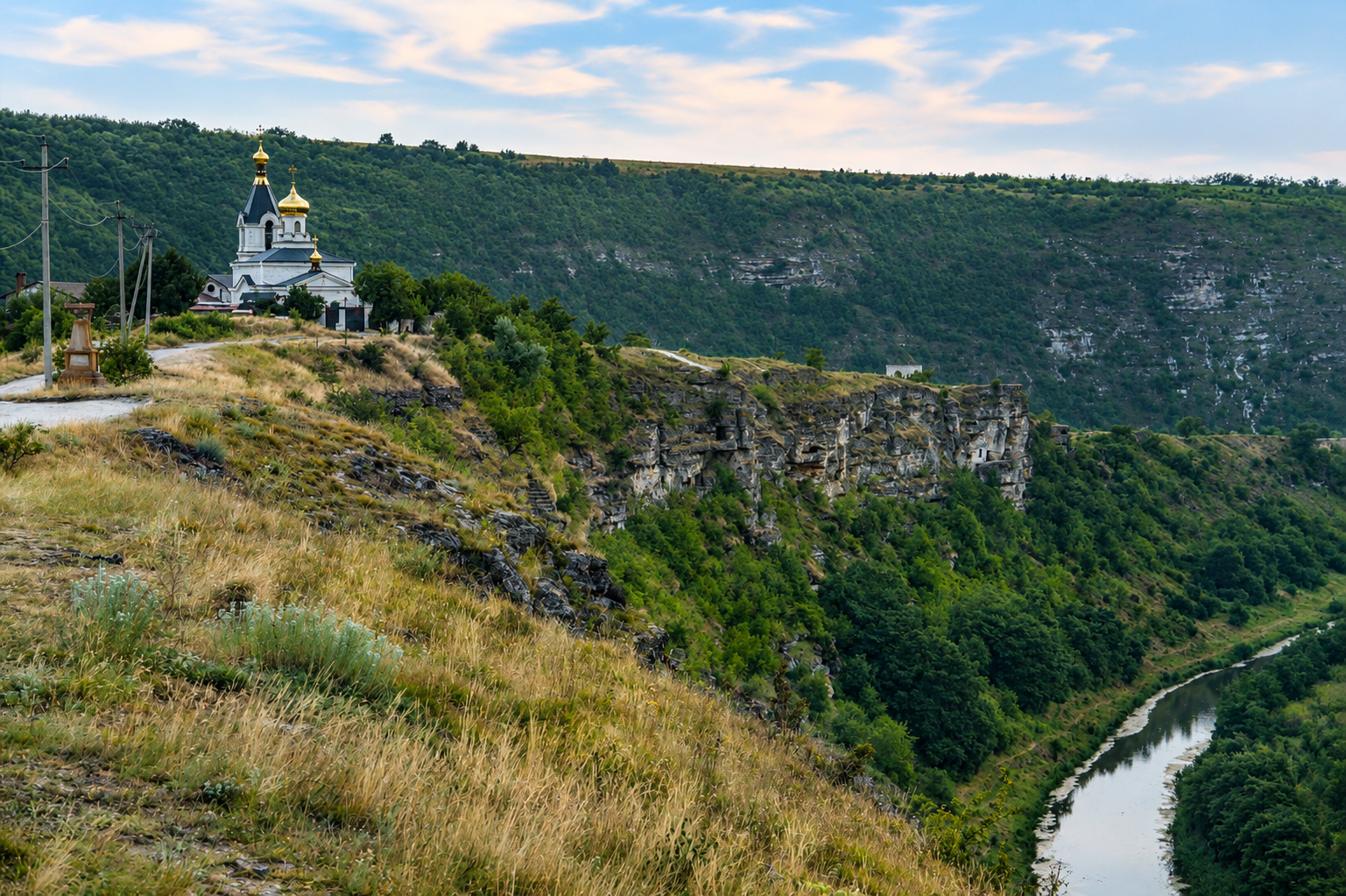
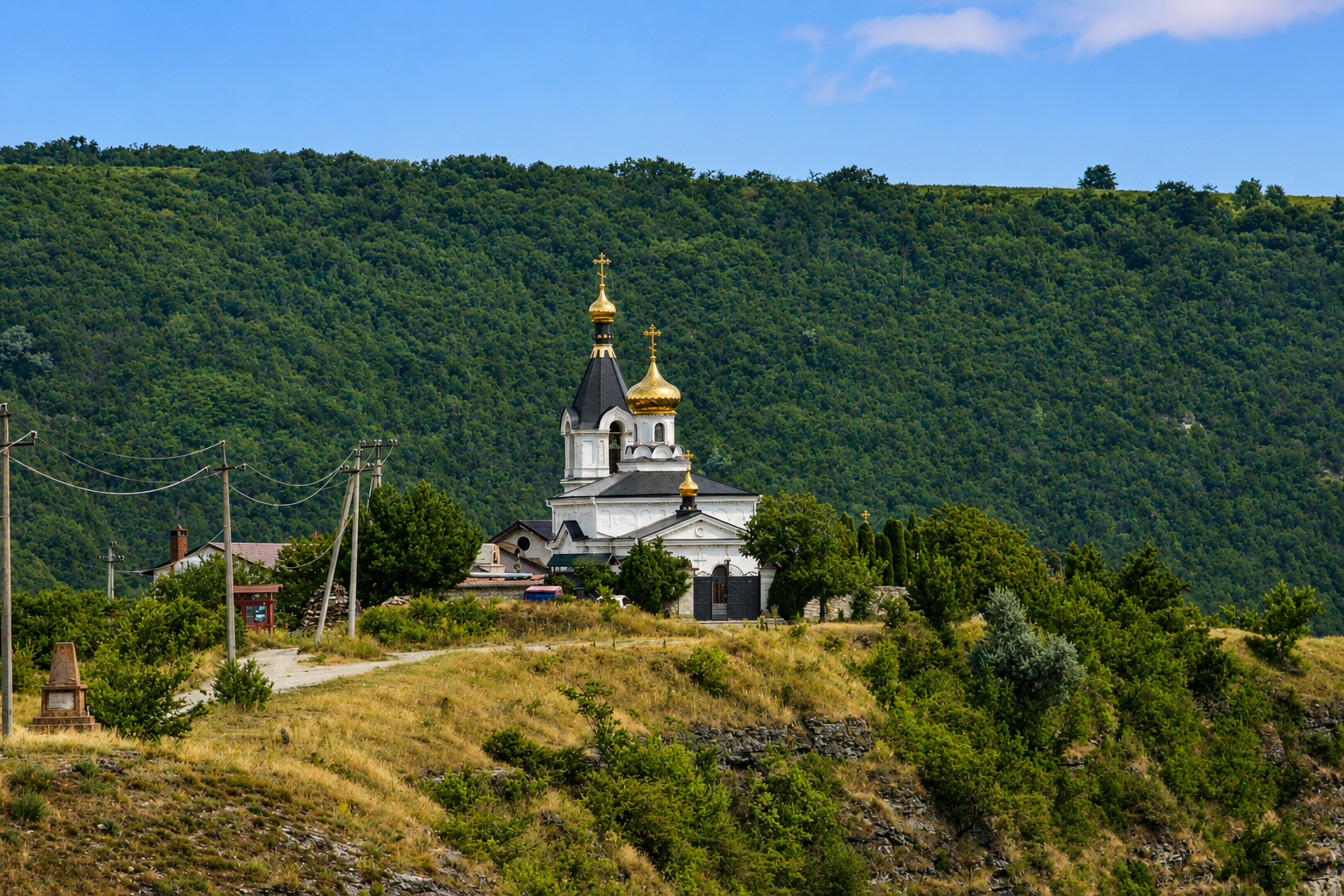
The Orheiul Vechi archaeological complex, carved into limestone cliffs above
the Răut River, is one of the country’s most iconic landmarks.
Traditional
villages offer folk music, handmade crafts, and authentic Moldovan cuisine
based on local ingredients.
Nature
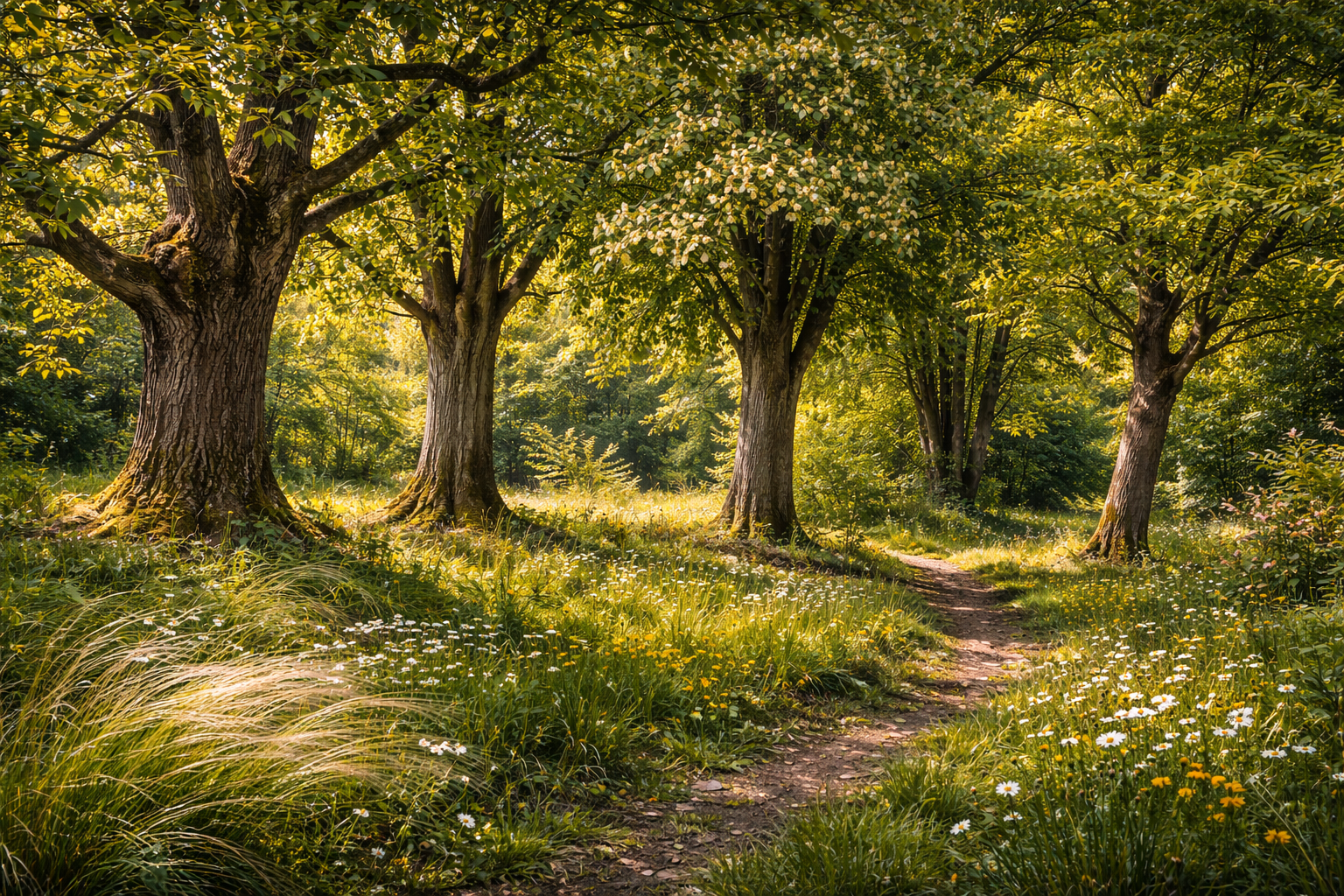
lovers can enjoy quiet forests, river valleys, and nature reserves ideal for
hiking, cycling, and relaxation.
The capital city, Chișinău, provides leafy
parks, museums, cafes, and a relaxed urban atmosphere that reflects the
country’s laid-back spirit.
Welcoming, and rich in traditions, Moldova is an ideal destination for
travelers looking to discover an unspoiled part of Europe and experience
genuine local culture.
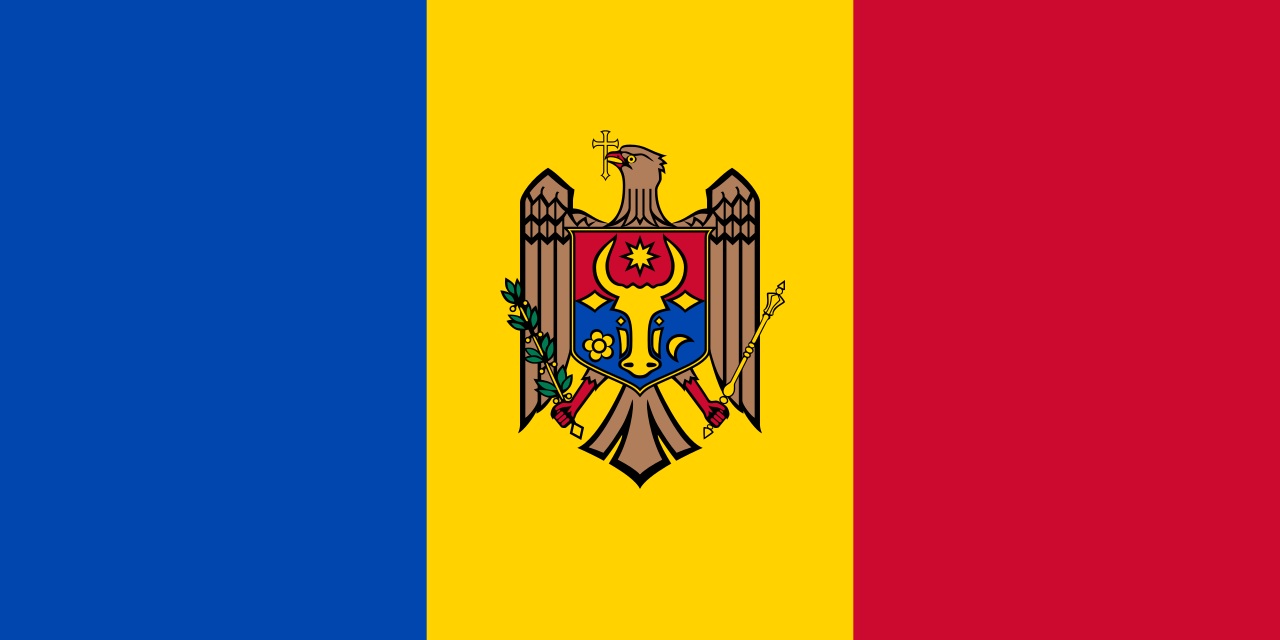
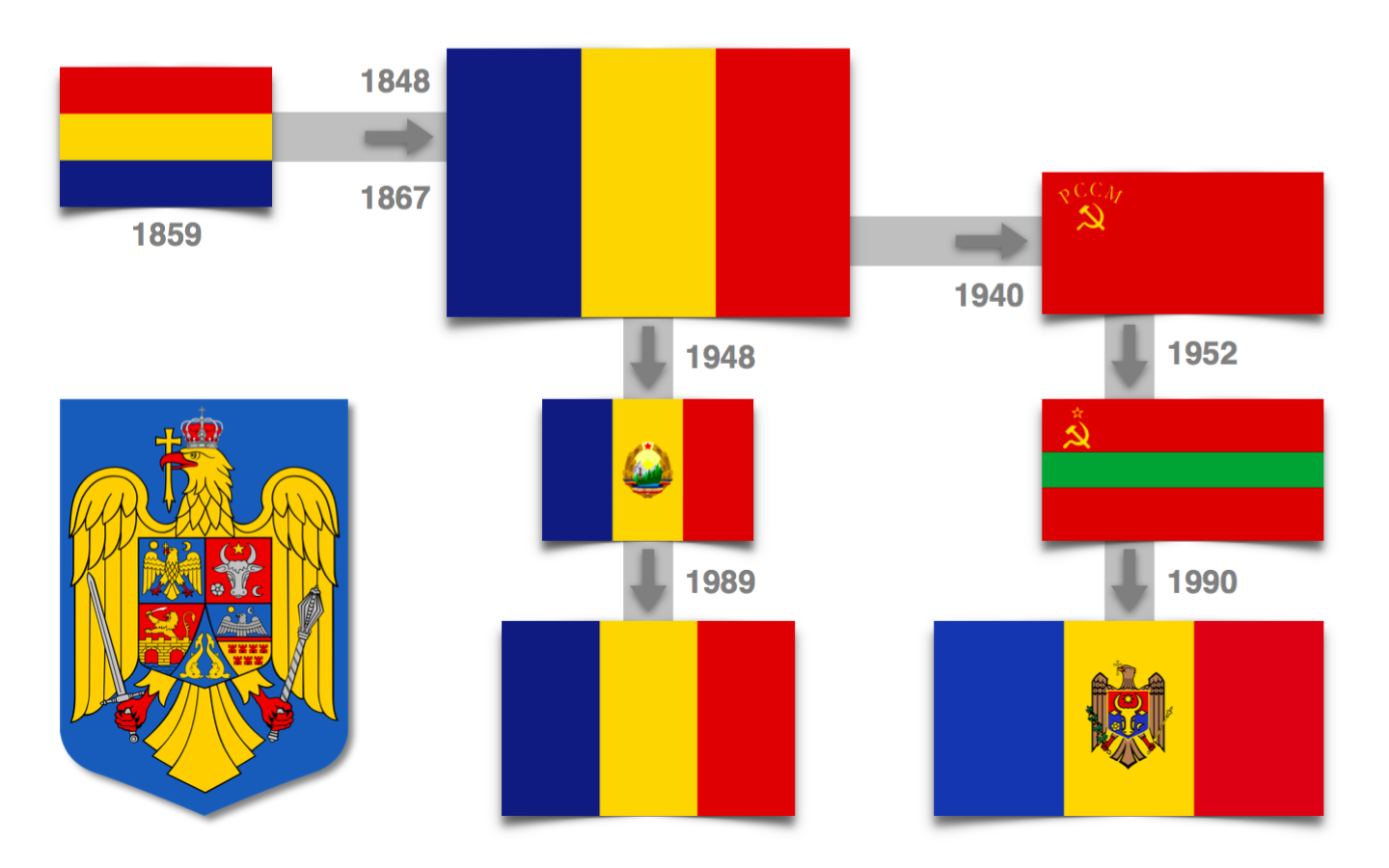
The Moldovan tricolor (Blue/Yellow/Red) flag, with the recognizable Eagle and Aurochs
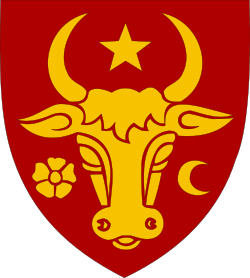
The Moldovan Aurochs Coat Of Arms

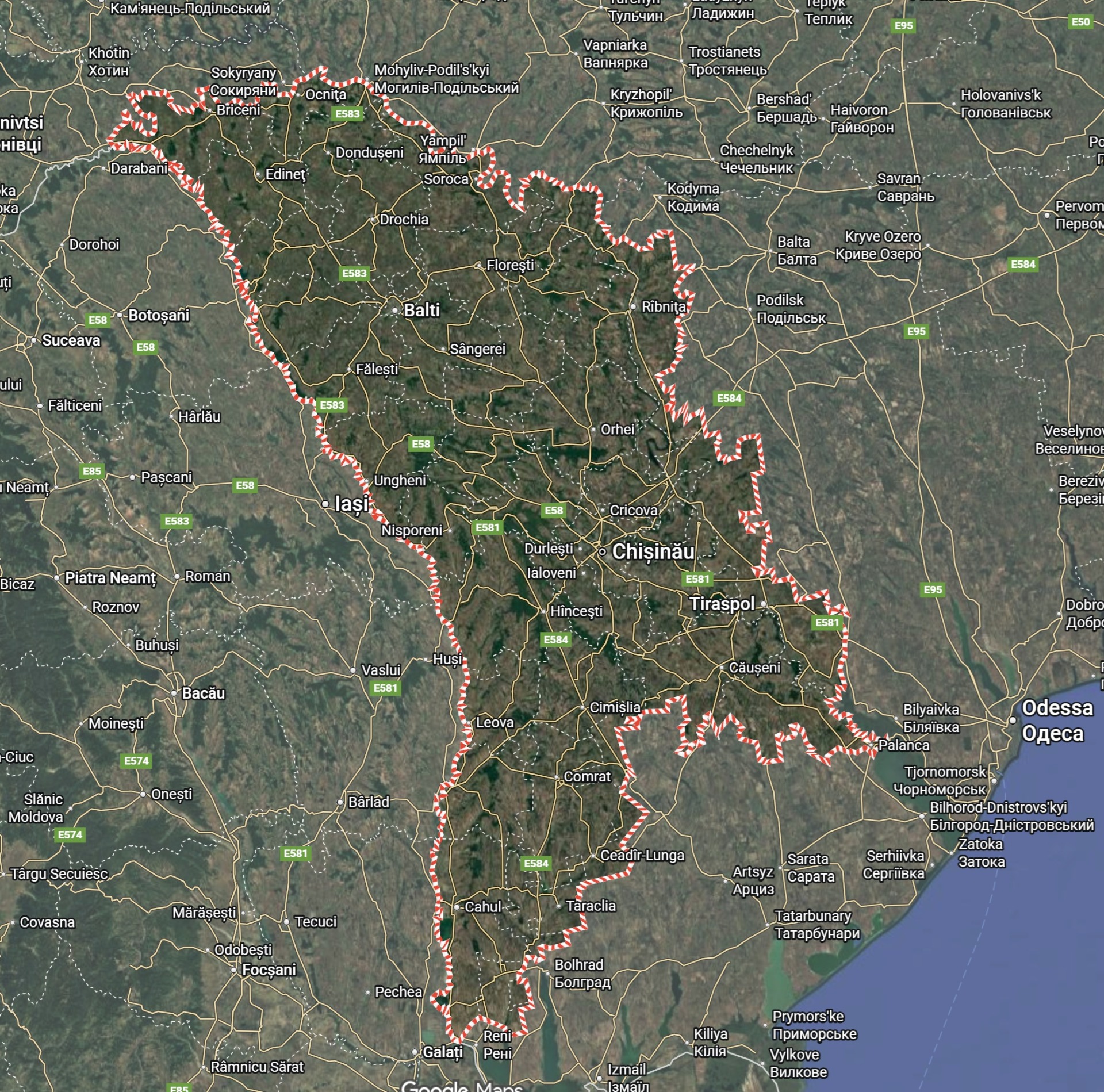
Interactive Map
Capital:
Chișinău
Official Languege:
Romanian
Recognised Languges:
- Romanian
- Ukrainian
- Russian
- Gaugazian
Form of Government:
Republic
Sovereignty:
1991
Land area:
33.846 km2
Inhabitants:
Moldova, including the Transnistrian region, is home to around 2.7 million people.
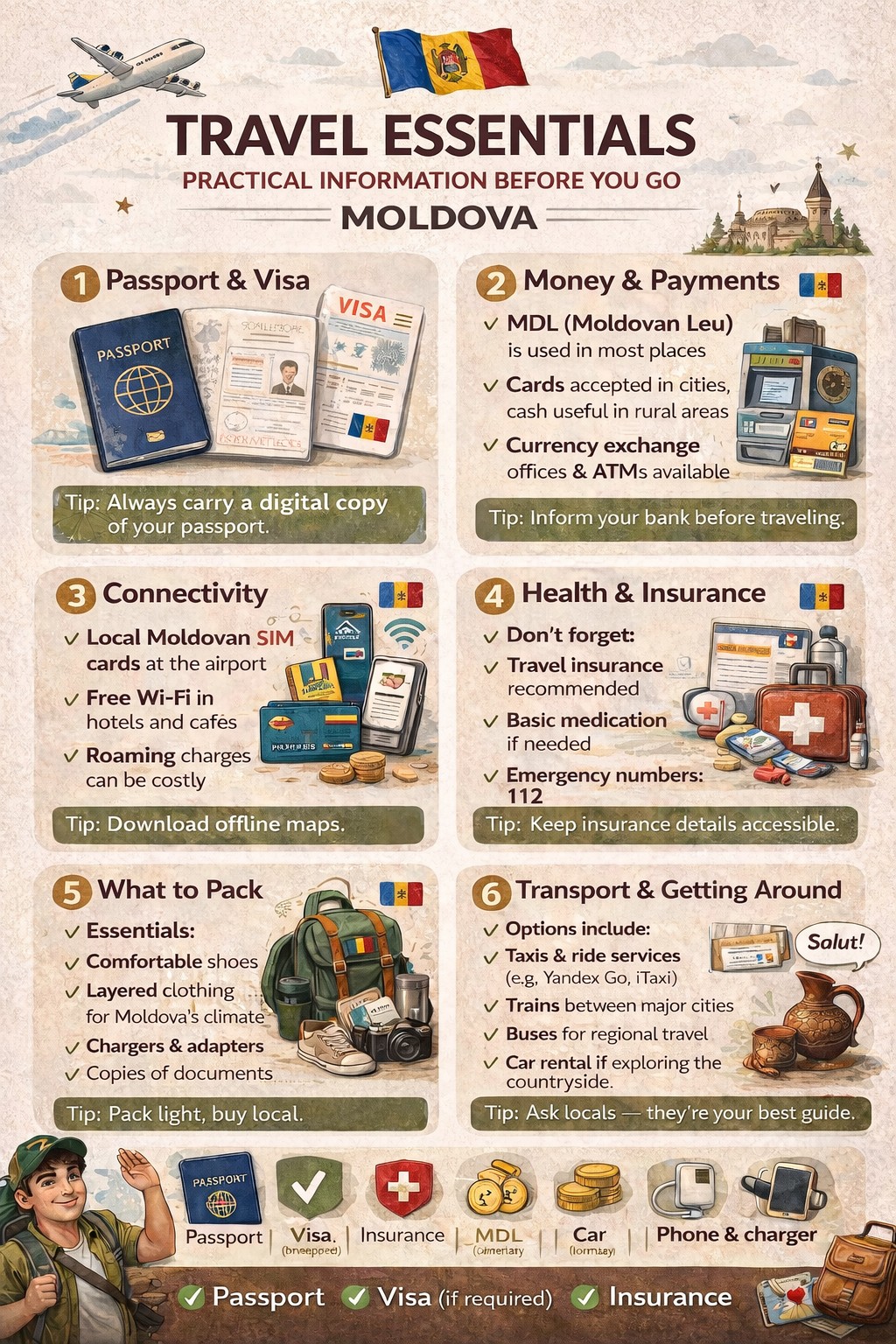
Currency:
Modovan Leu
Nationally code:
MD
Web:
.md
Phone code:
+373
State Anthem of the Republic of Moldova:
Limba Noastră
The Weathersection Is Presented In Corporation With
Please note:
The currency converter uses official reference exchange rates from the National Bank of Moldova.
Banks, exchange offices and card providers may use different buy/sell rates and may
also charge fees or commissions.
The actual amount you receive may therefore be slightly lower than the amount shown above.
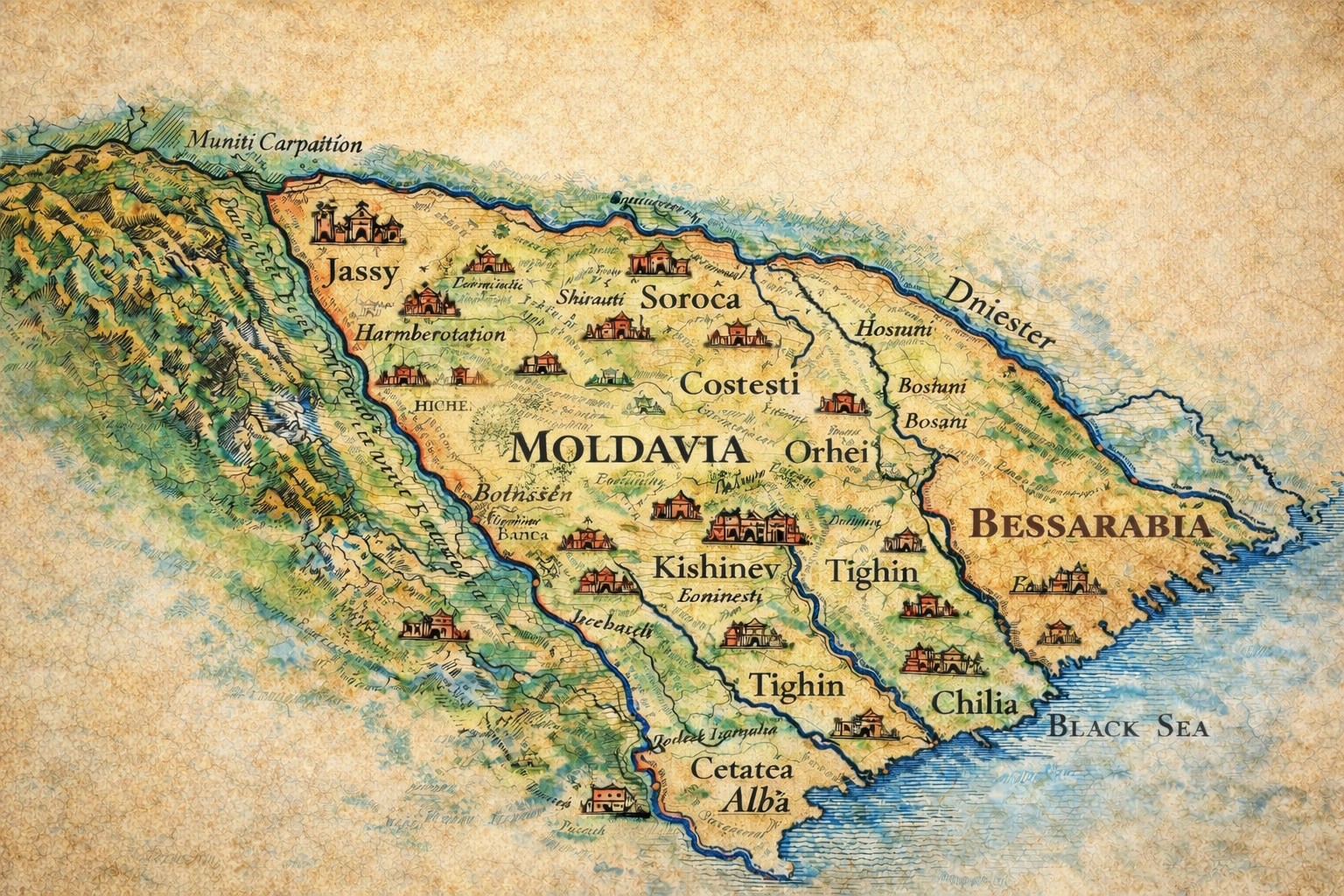
The history of Moldova feels less like something distant, and more like something you can still sense all around you.
It is a land shaped over centuries, where different empires have passed through, but where a strong local identity has always remained.
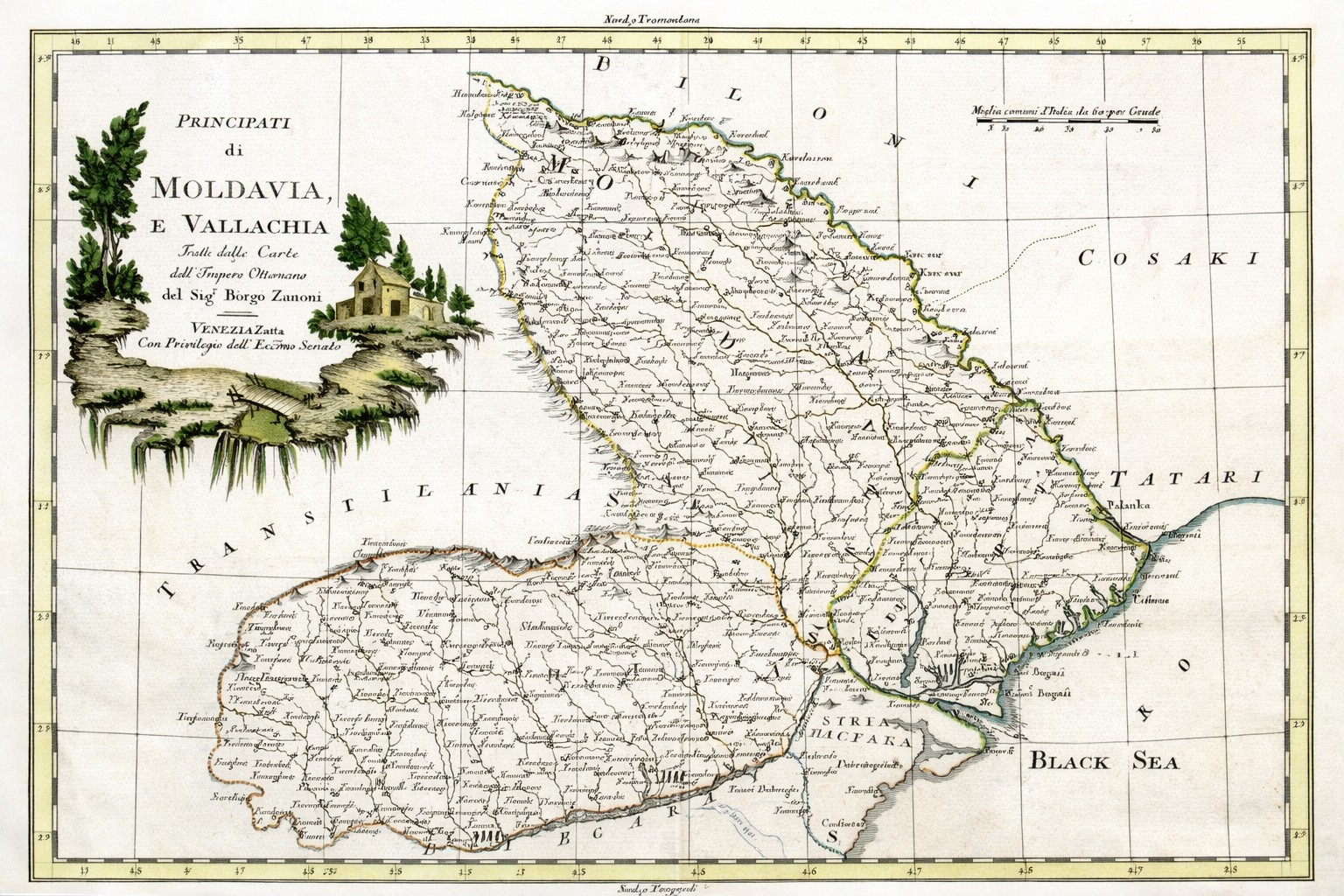
In the Middle Ages, this region was part of the Principality of Moldavia, a small but determined state.
One of its most respected leaders, Ștefan Cel Mare, became known for defending the land and strengthening its cultural roots.
Even today, his presence is still felt in the many monasteries and fortresses spread across the country.
Over time, Moldova came under the influence of larger powers.
The Ottoman Empire, and later the Russian Empire, each left their mark and borders changed, rulers changed, but everyday life continued, and traditions were carried forward from one generation to the next.
In 1812, a defining moment came with the Treaty of Bucharest, when the region
was divided.
This marked the beginning of a long period where Moldova’s direction was shaped from the outside rather than within.
After World War I, Moldova briefly became part of Romania, before being absorbed into the Soviet Union during World War II.
The Soviet period brought major changes - new systems, new structures, and a different way of life - but it also added another layer to Moldova’s already
complex identity.
When Moldova became independent in 1991, it did not start from nothing and carried all of these experiences with it.
You can still see this today - in the architecture, in the language, and in the way people relate to both past and future.
History in Moldova is not only found in monuments or museums.
It lives quietly in villages, in traditions, and in the rhythm of daily life and is something that has been shaped over time, not erased by it.
That is what makes Moldova’s story feel so natural - it has not been rewritten, but simply continued.
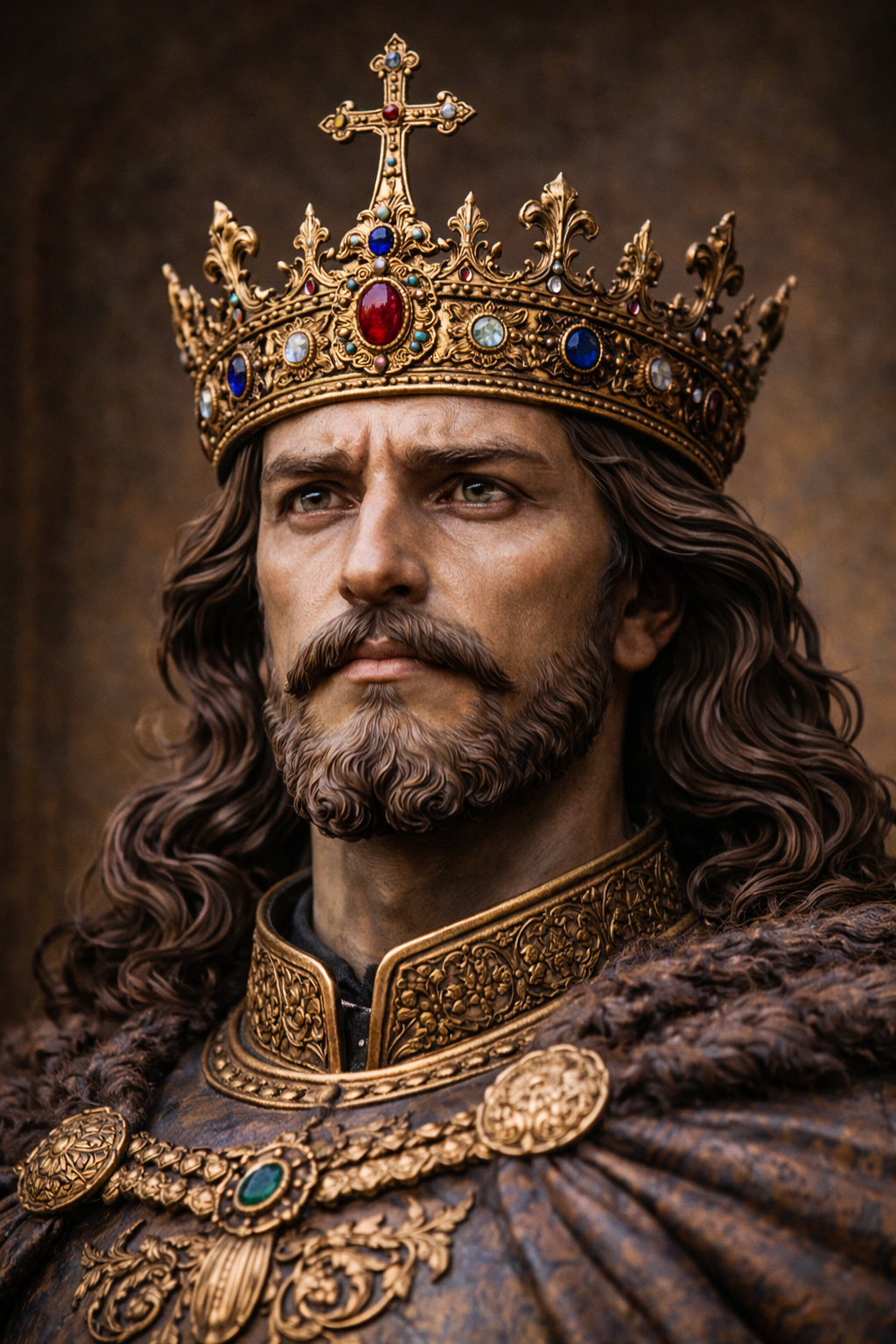
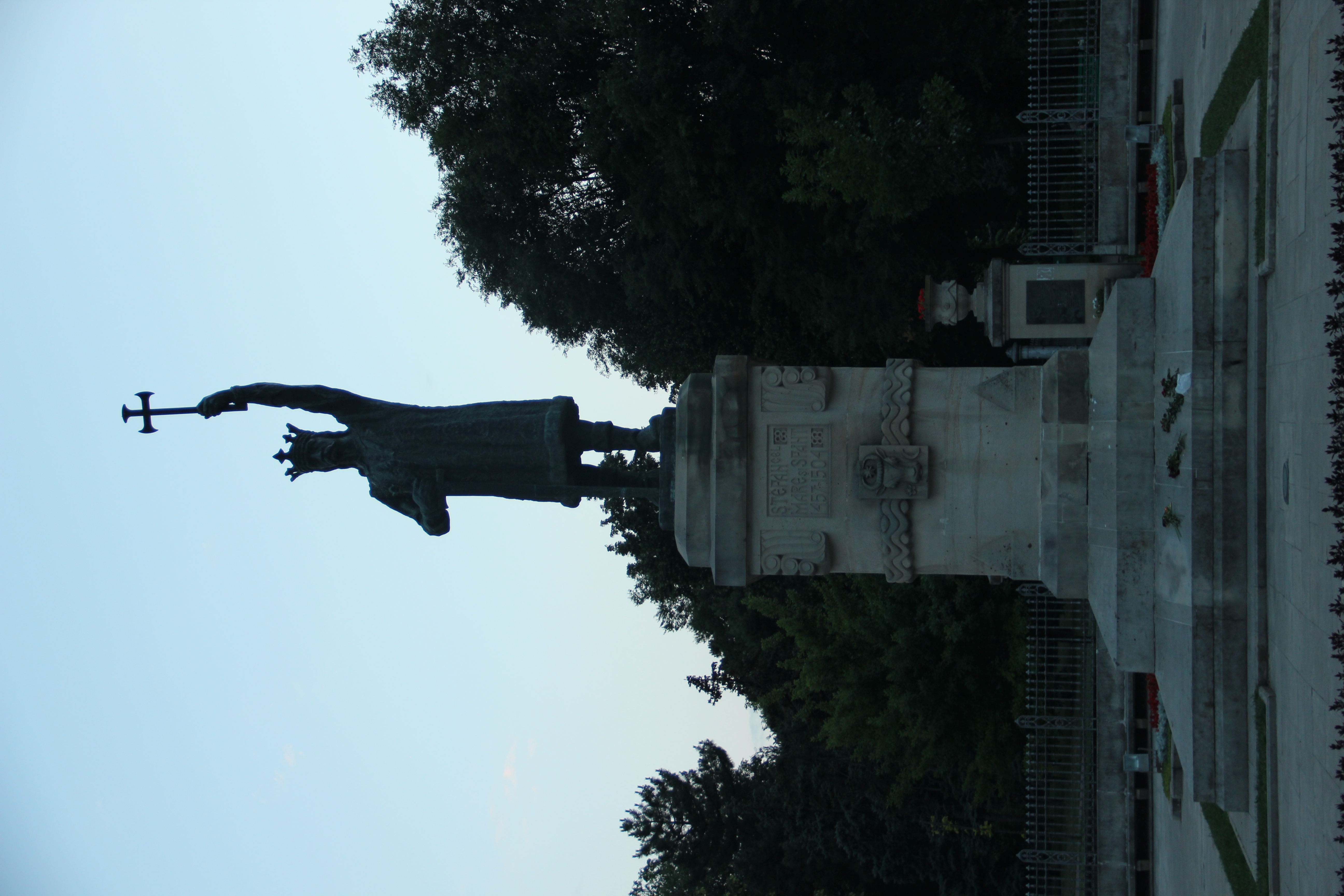
Statue of Ștefan Cel Mare
(Stephan the Great)
Ștefan Cel Mare or Stephan the Great, is one of the most respected figures in Moldova’s history-and for good reason.
- Defender of the Land.
He led Moldavia through dozens of battles, most famously defeating a much larger Ottoman army at the Battle of Vaslui in 1475.
- Builder of Faith and Culture.
He founded and restored many monasteries and churches, many of which still stand today as symbols of Moldova’s heritage.
- Strengthened a Nation.
He reinforced Moldavia’s independence and identity during a time when powerful empires surrounded it.
Three achievements. One legacy.
To read more or to retrieve more information, click the
visually highlighted history button.
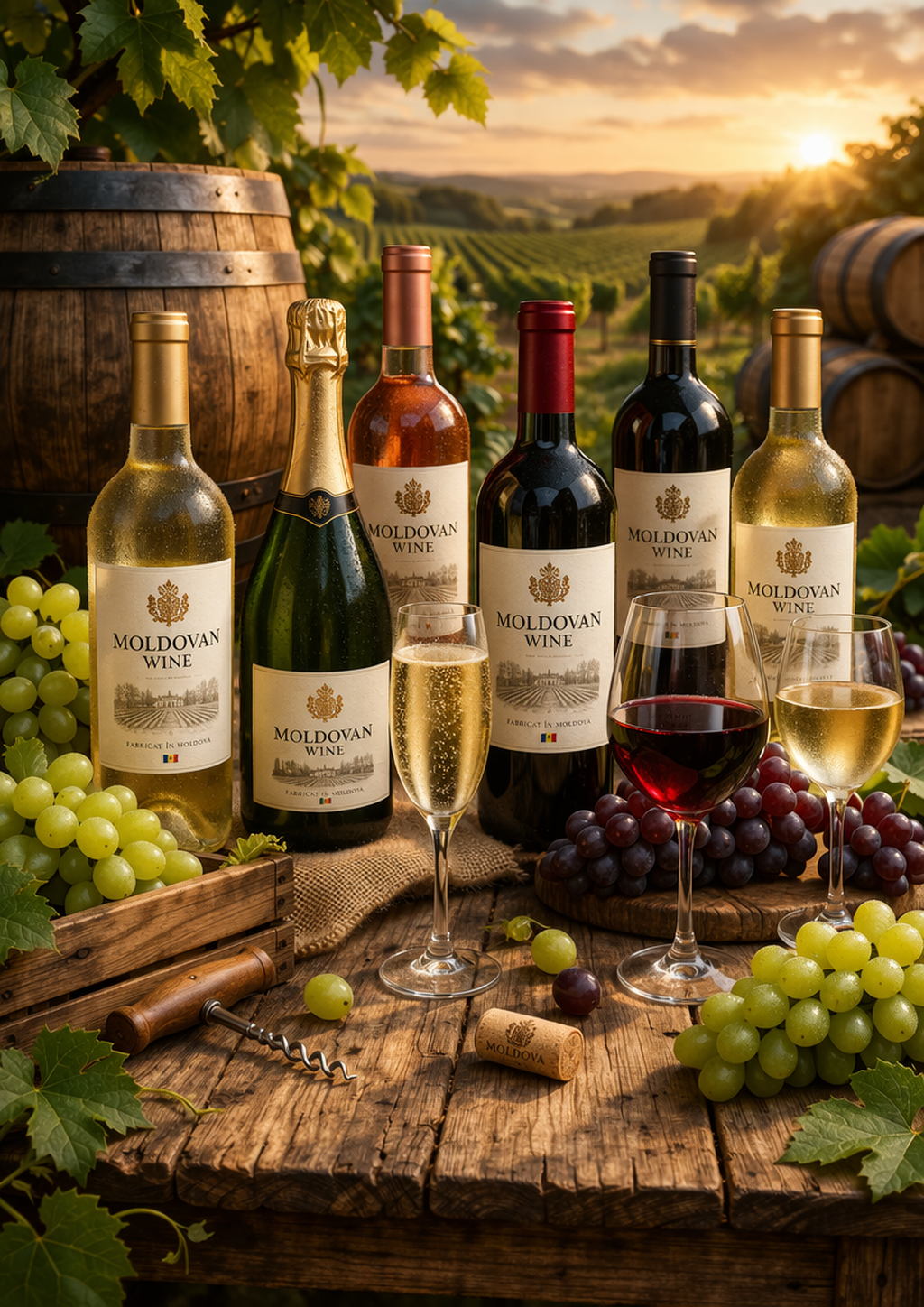
Wine has shaped Moldova for millennia.
Archaeological discoveries confirm over 5,000 years of winemaking tradition, making Moldova one of the oldest wine-producing regions in the world.
Here, wine is culture, hospitality is natural, and travel is personal.
Whether you are a wine enthusiast, cultural explorer, or slow traveller, Moldova invites you to discover Europe at its most genuine.
Key Sections
Wine & Gastronomy.
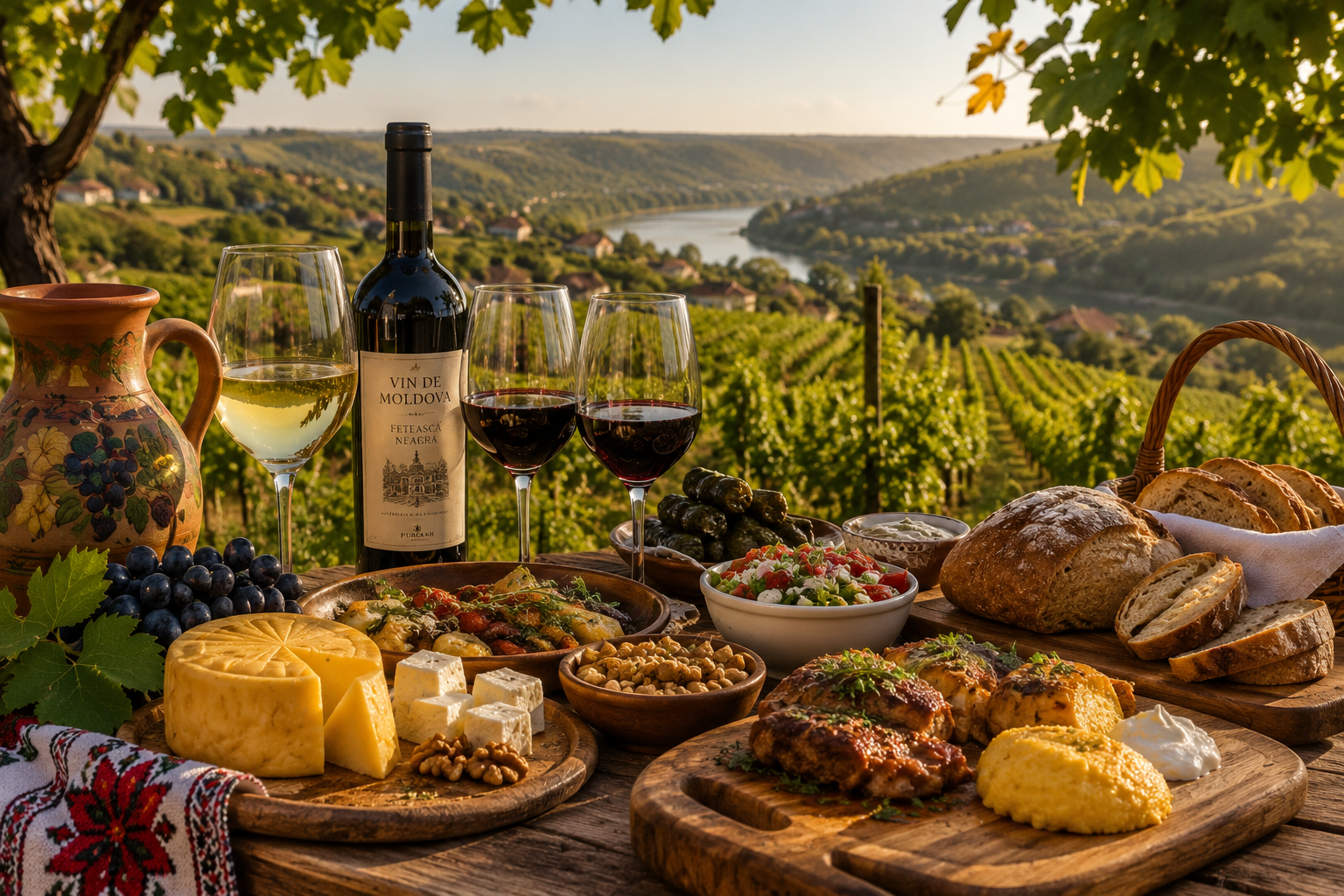
Home to the world’s largest underground wine cellars, Moldova is a paradise for
wine lovers.
Taste indigenous grape varieties, meet winemakers, and explore historic
wine routes.
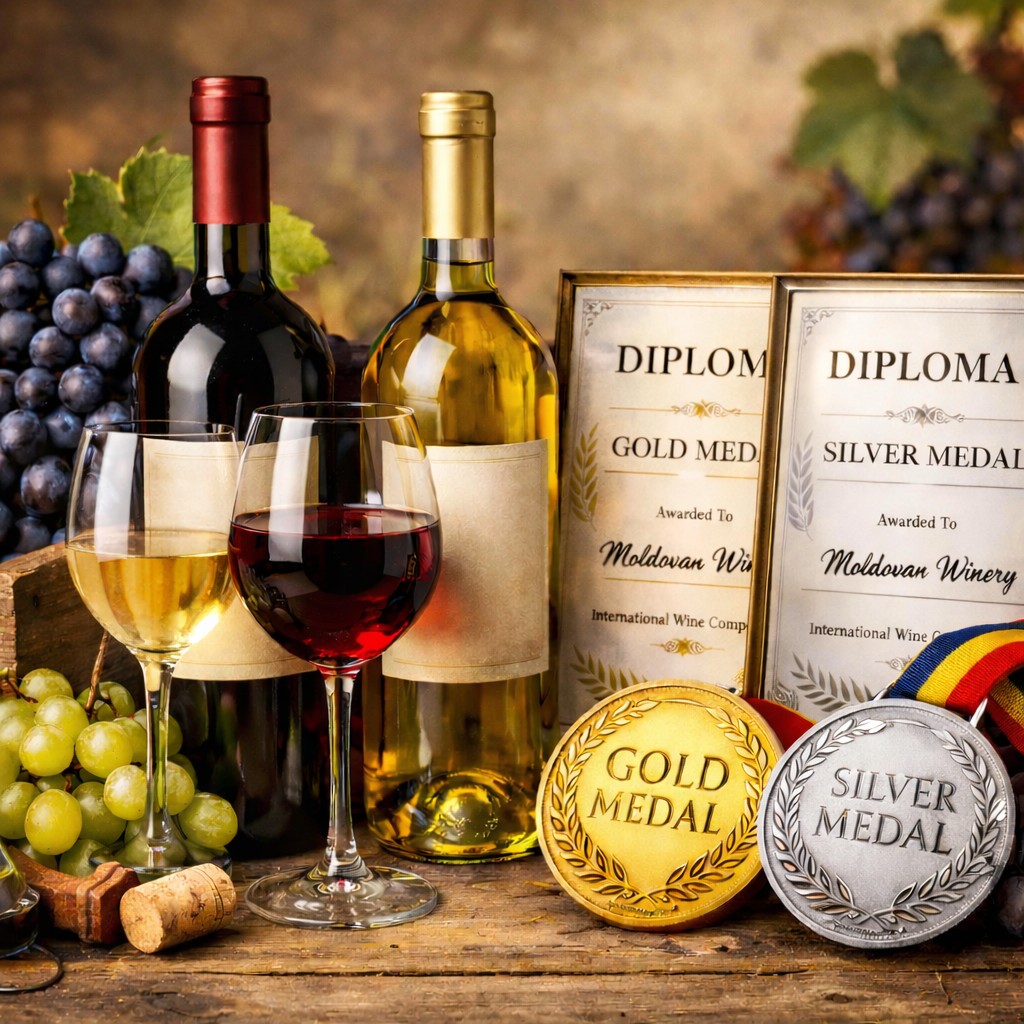
Moldovan wines are consistently recognized at major international wine competitions for their quality, elegance, and character.
Each year, wineries from Moldova earn gold, silver, and top distinction medals at renowned global contests, praised for their balance, silky texture, and-
expressive taste.
These awards confirm Moldova’s position as an emerging world-class wine
country, where tradition, terroir, and modern craftsmanship meet with
outstanding results.
Culturally,
Moldova is rich and vibrant.
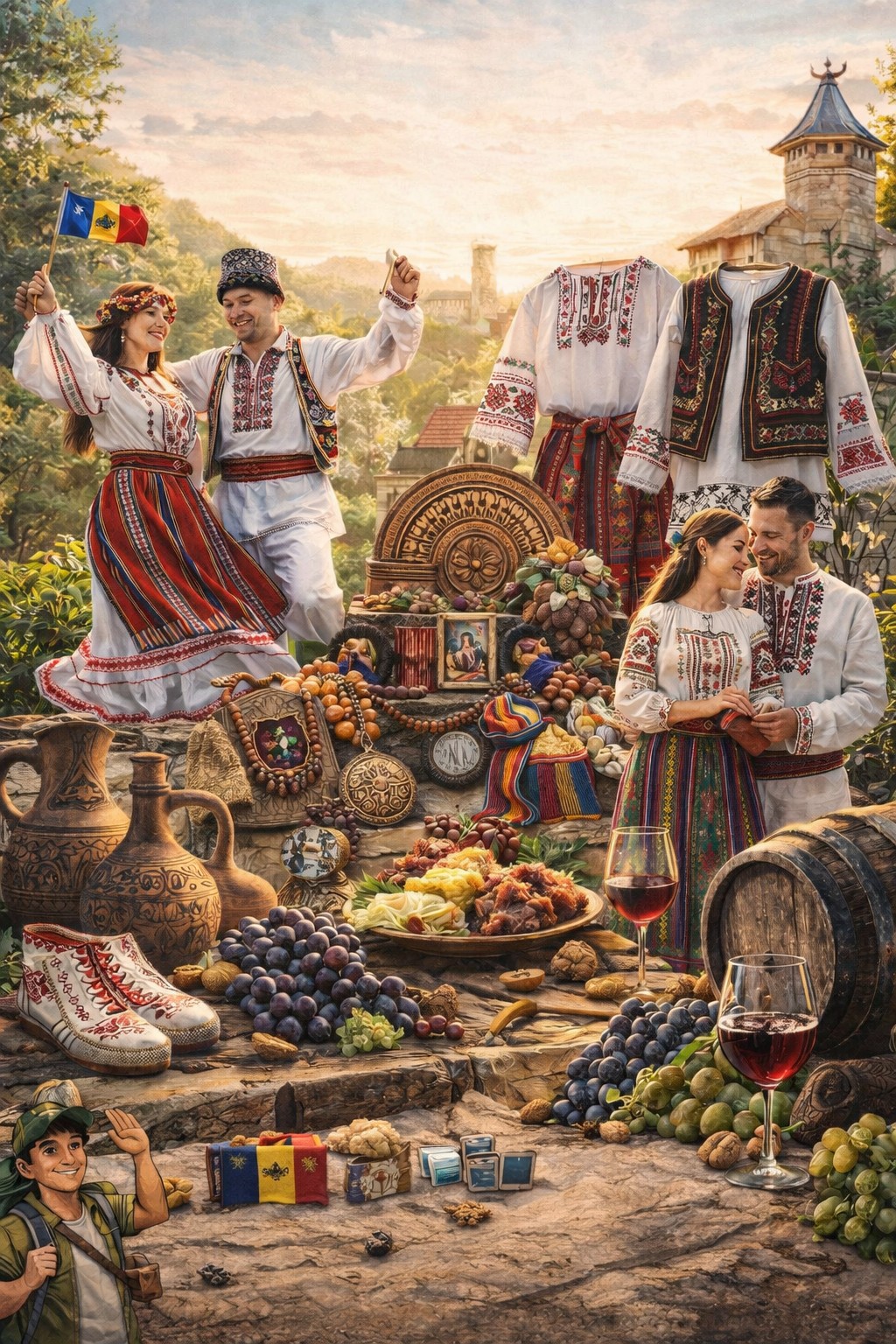
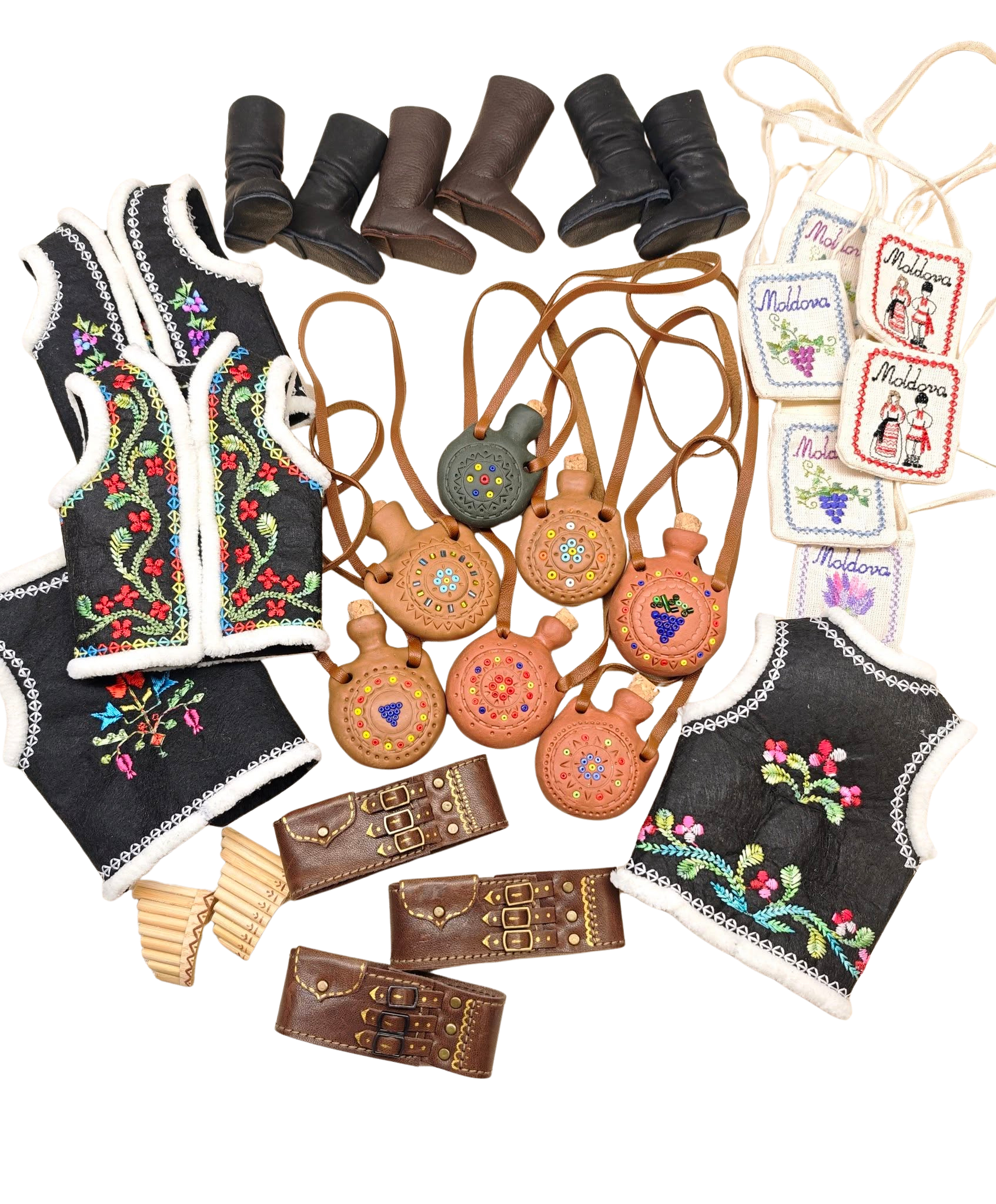
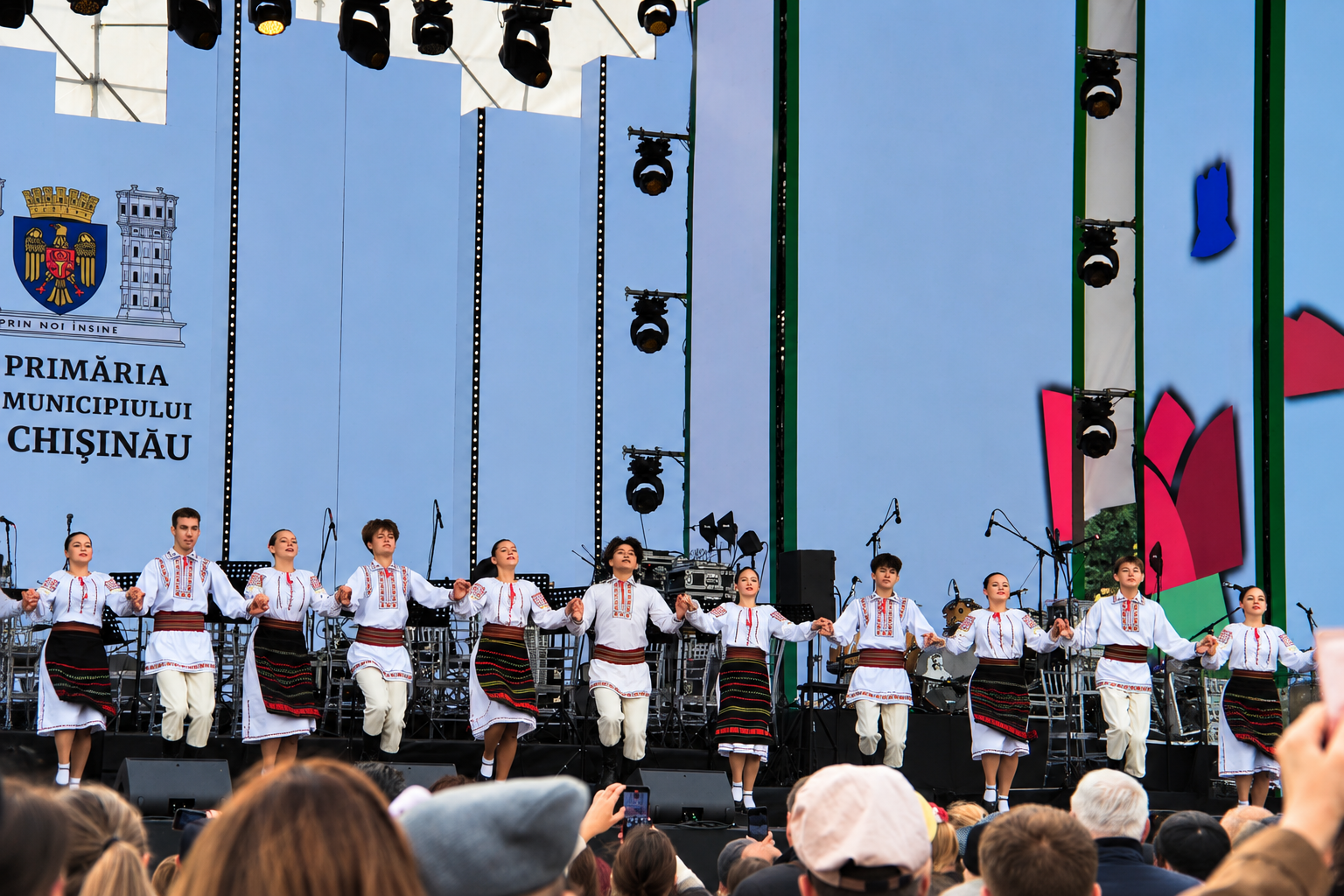
Folk music, traditional dances, and colorful
national costumes are still part of everyday celebrations and festivals.
Visitors can experience lively weddings, village feasts, and seasonal holidays
where music, dancing, and generous tables create unforgettable memories.
Craft
traditions such as embroidery, pottery, and woodcarving reveal
the artistic
soul of the country, while museums and theaters
showcases Moldova’s
creative spirit.
What truly
makes Moldova exciting is the hospitality and the extreamly welcoming warmth of its people.
Travelers are often invited
into homes, offered homemade food and wine, and treated like family rather than
tourists.
Safe environments, and a relaxed pace of life
allow visitors to explore freely and connect deeply with local culture.
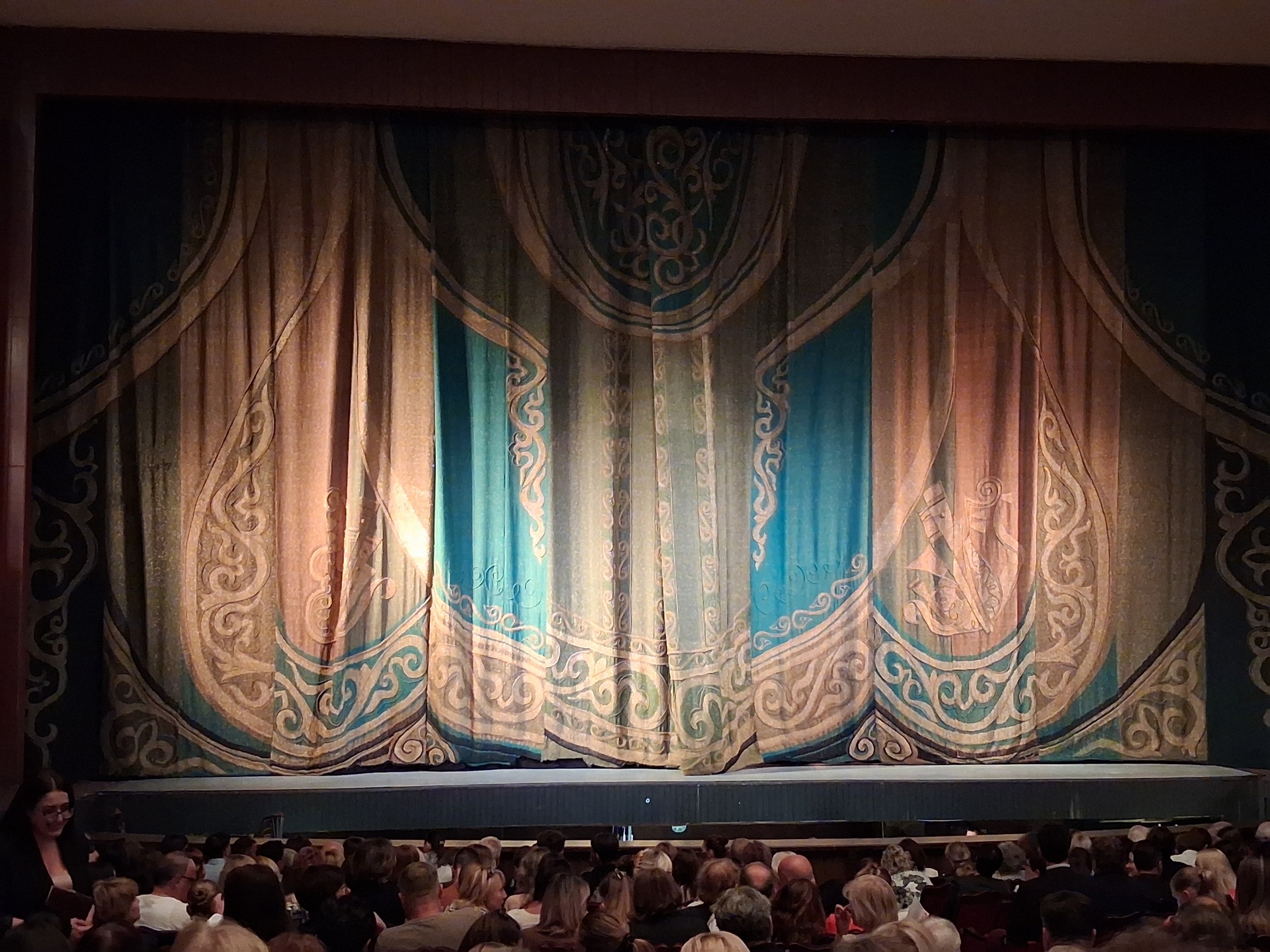
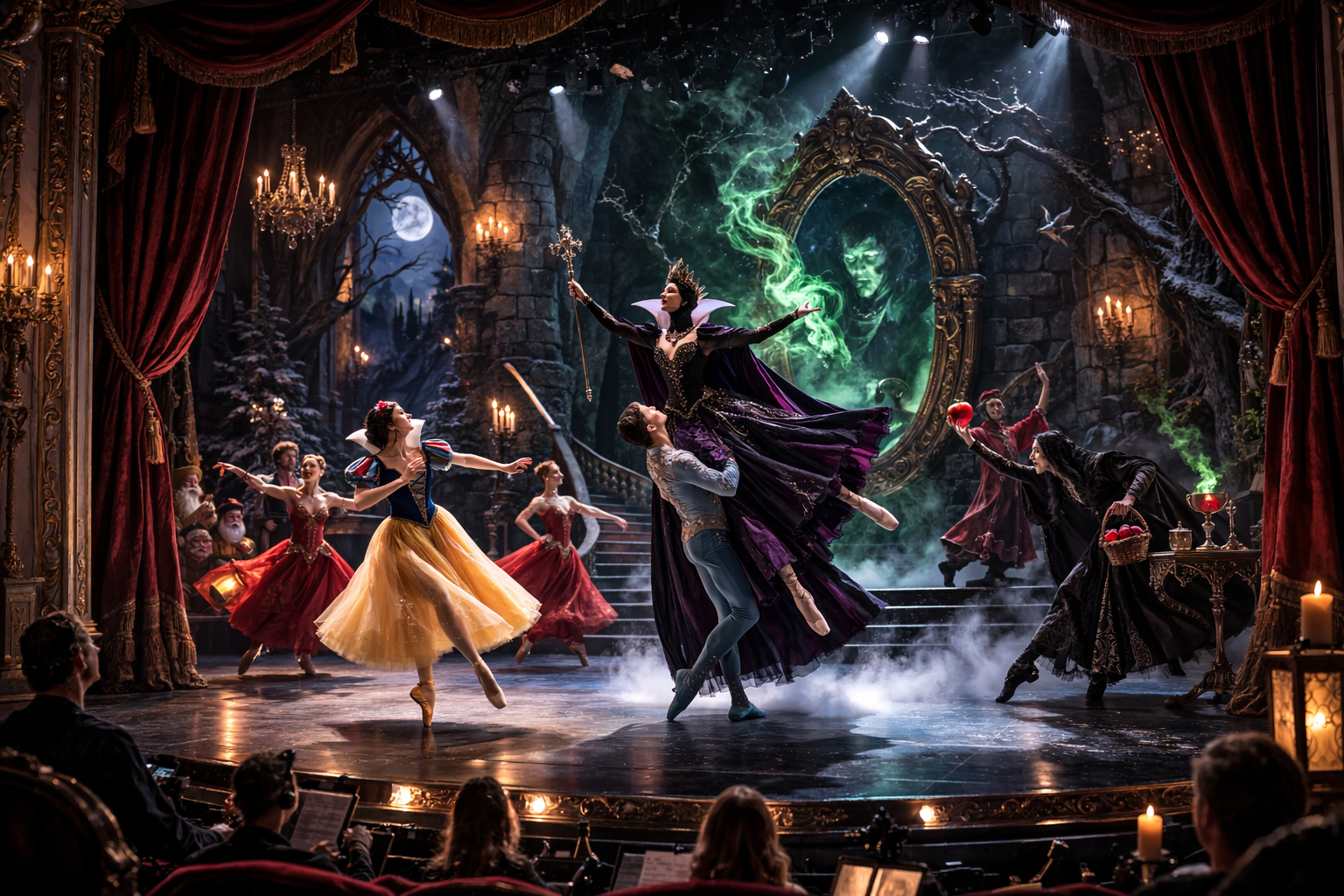
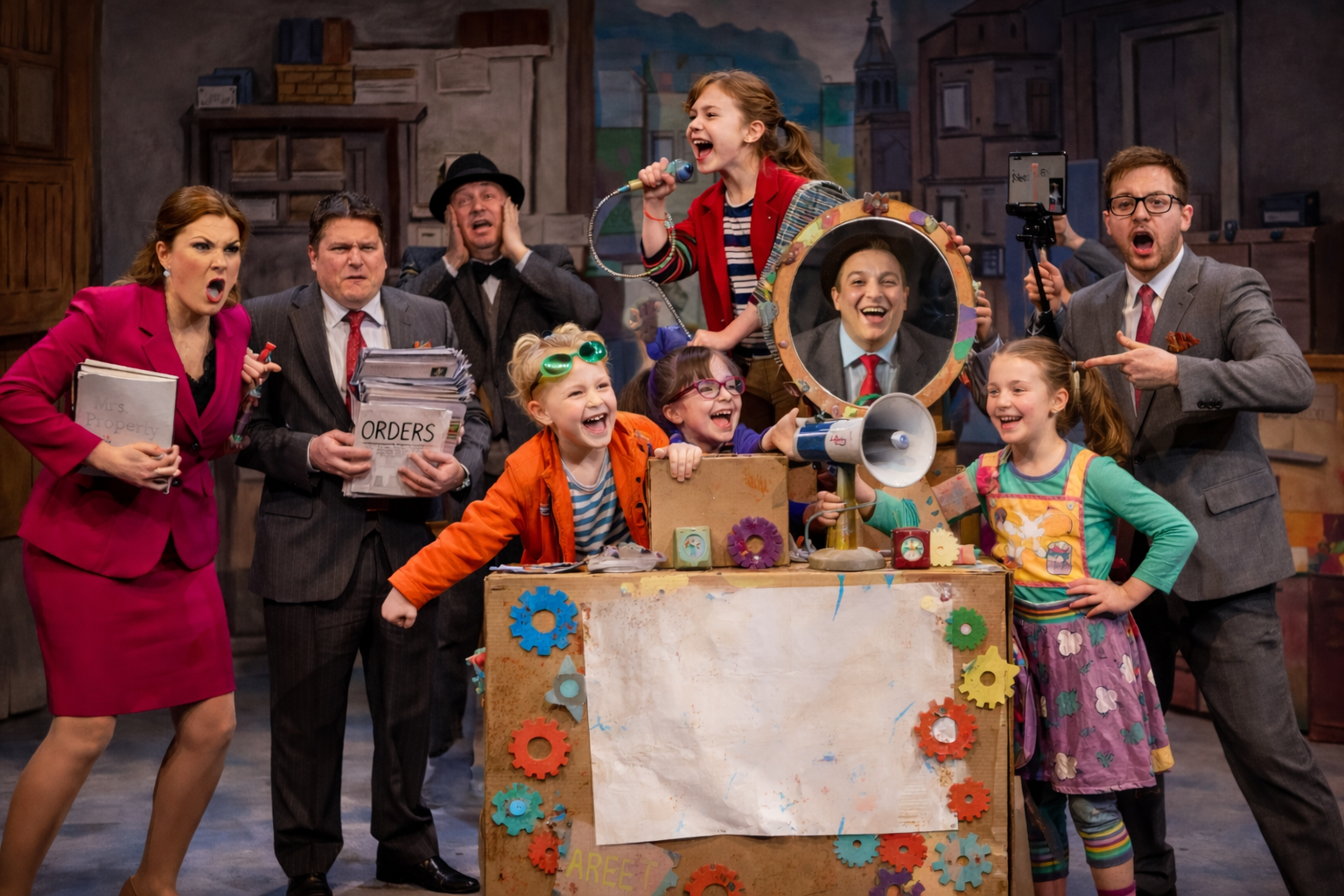
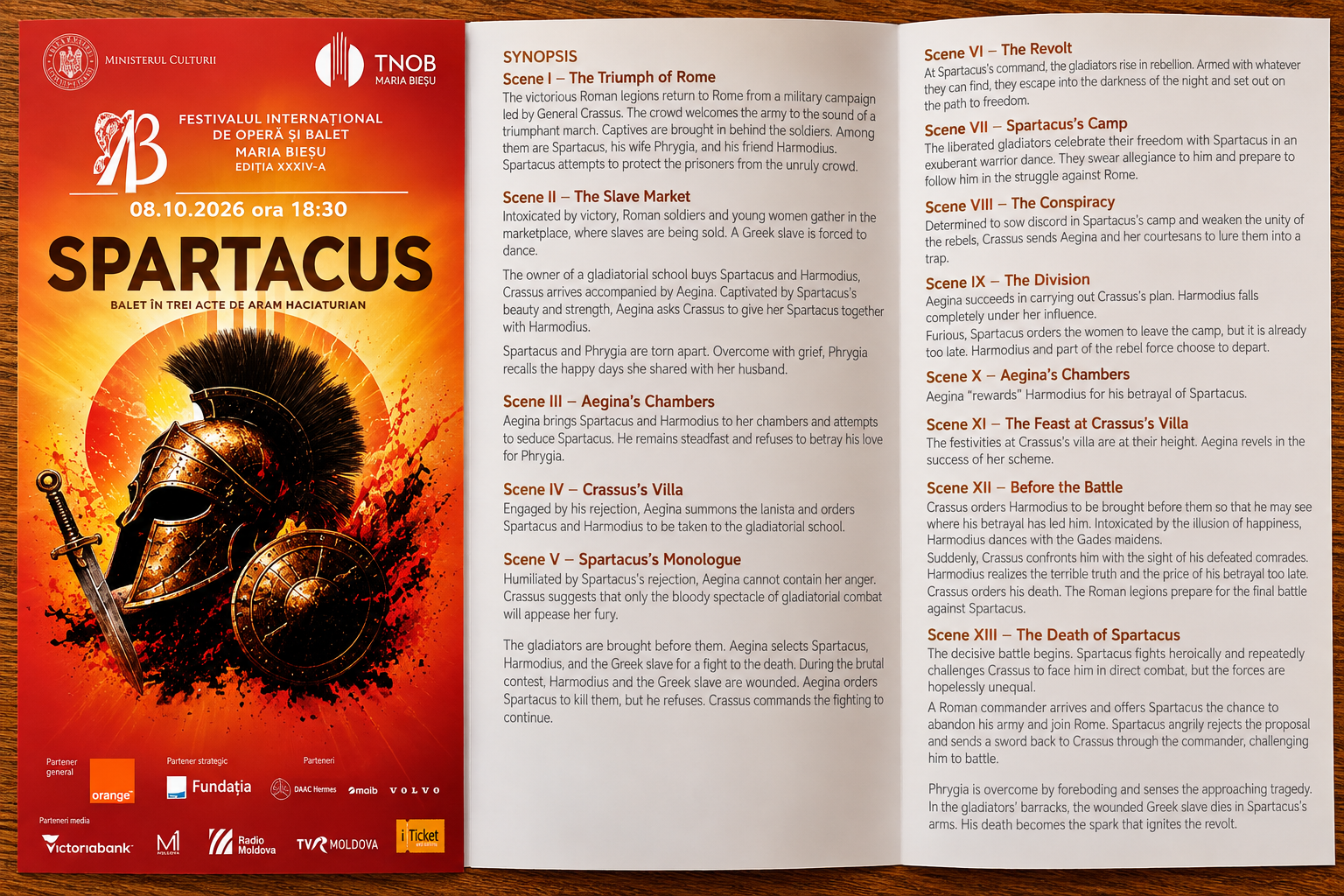
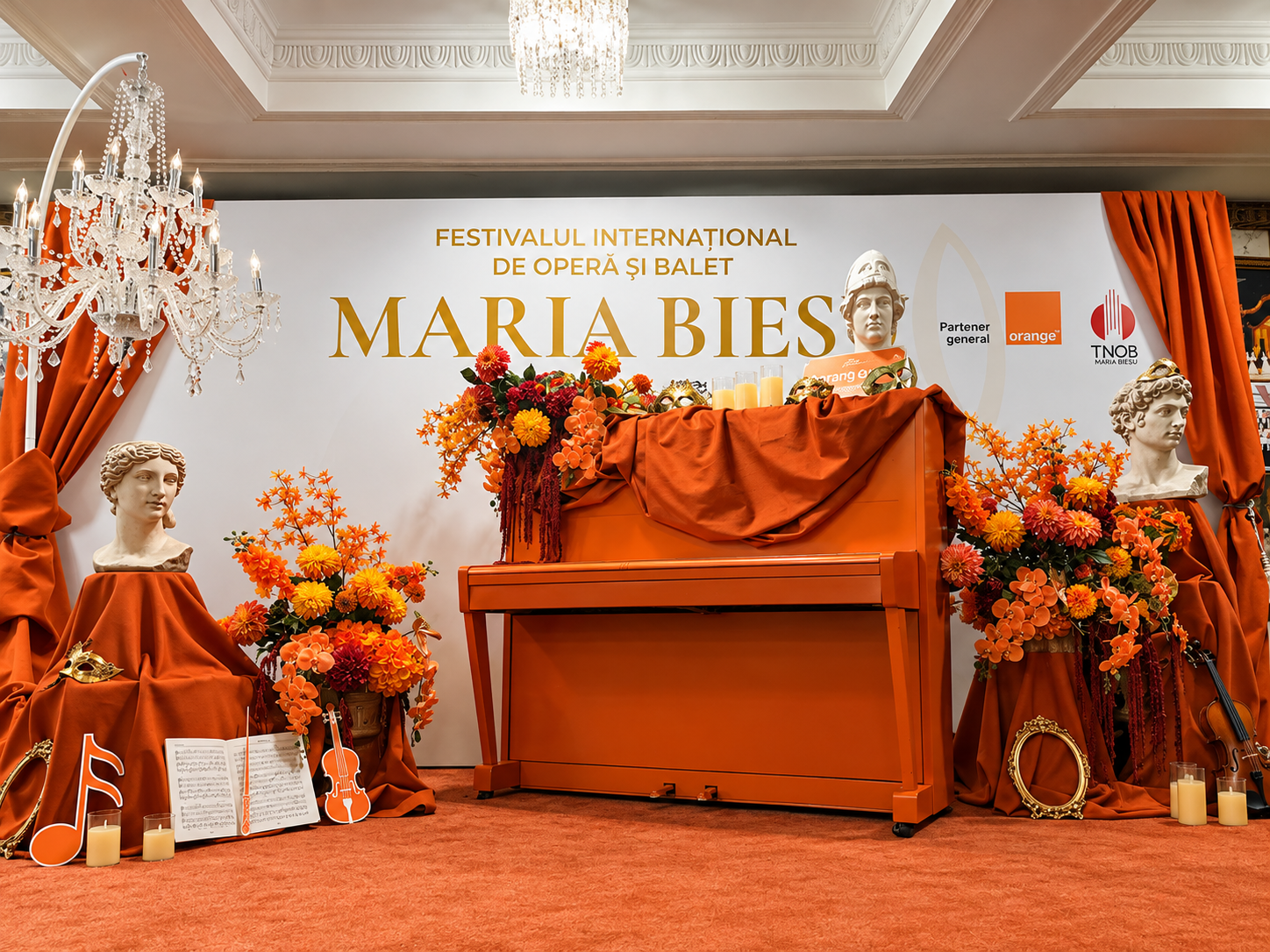
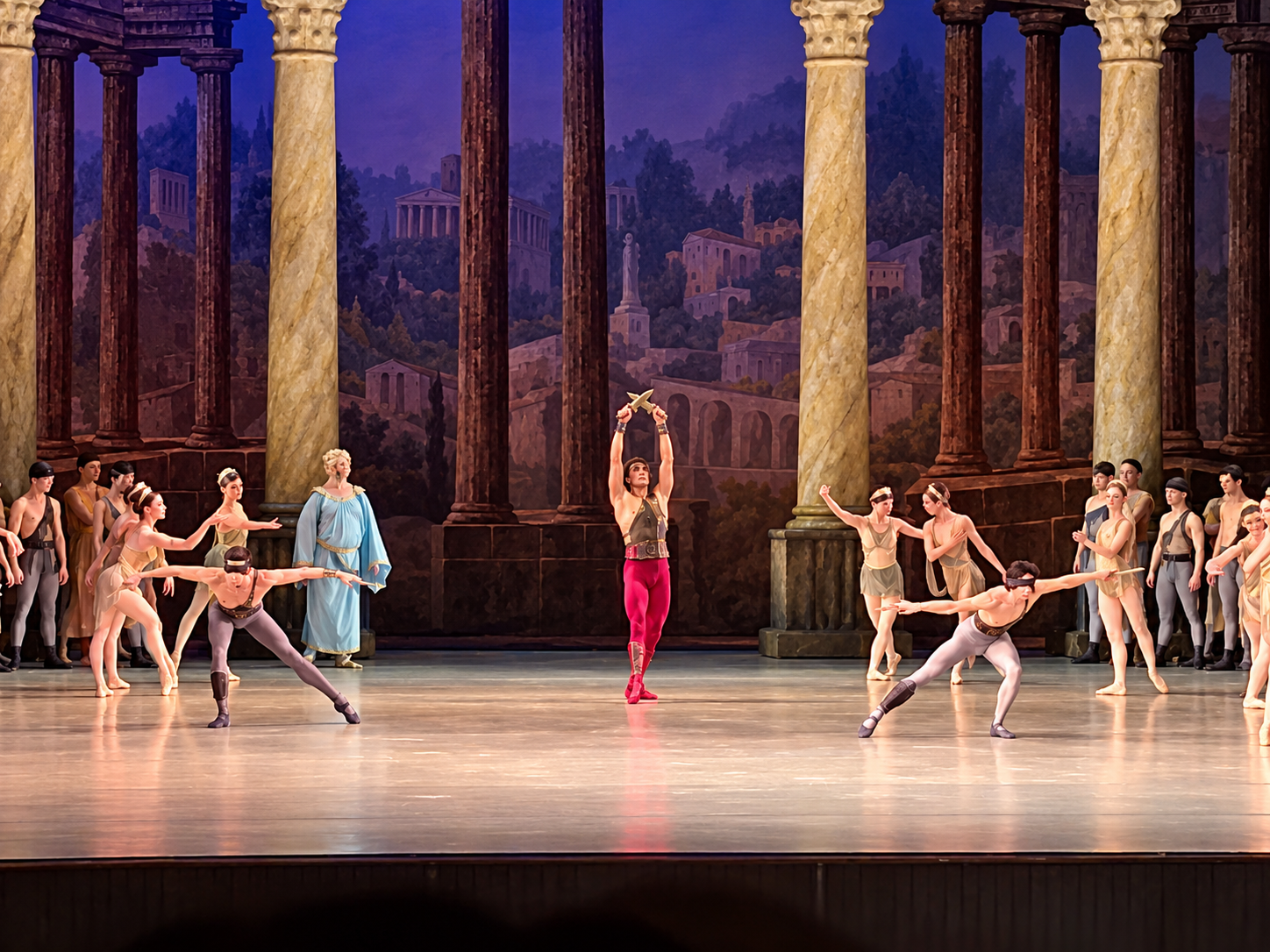
Moldova offers a rich and diverse cultural scene where theatre, opera, ballet, and music are part of everyday life - not only in the capital, but across the entire country.
In Chișinău, the cultural heart of Moldova, you will find institutions such as the National Opera and Ballet Theatre of Moldova and the Mihai Eminescu National Theatre.
These venues host opera performances, classical ballet, and theatre productions throughout the year, offering both traditional works and modern interpretations.
But culture in Moldova is not limited to the capital.
In cities like Bălți, Cahul, Orhei, and Comrat, regional theatres, cultural houses, and performance halls bring
theatre, music, and dance to local communities.
Touring performances and seasonal festivals ensure that culture is shared across the country, making it accessible and alive everywhere.
Theatre in Moldova ranges from classical plays to contemporary productions, often reflecting both national identity and broader European influences.
Performances are expressive, intimate, and closely connected to the audience.
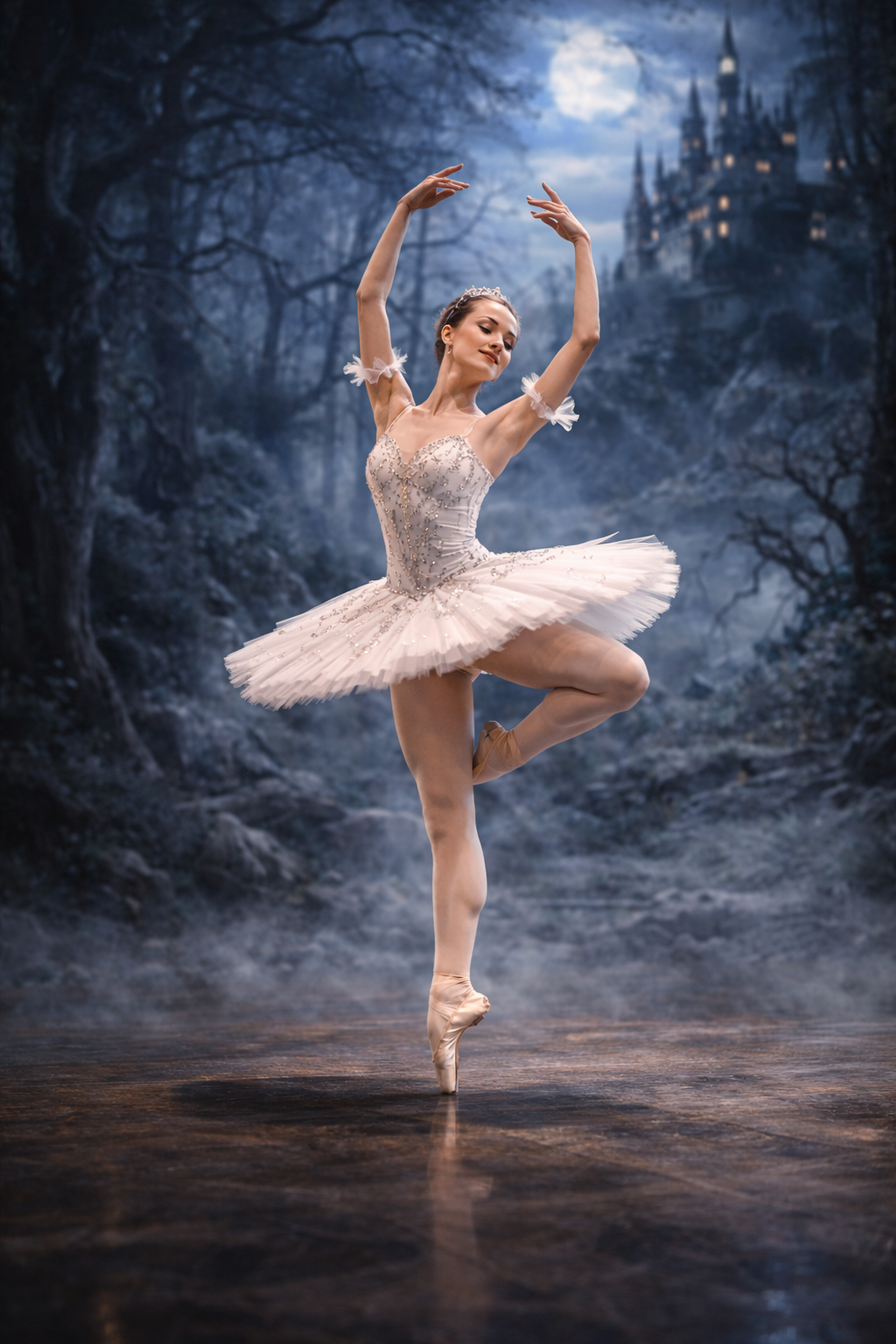
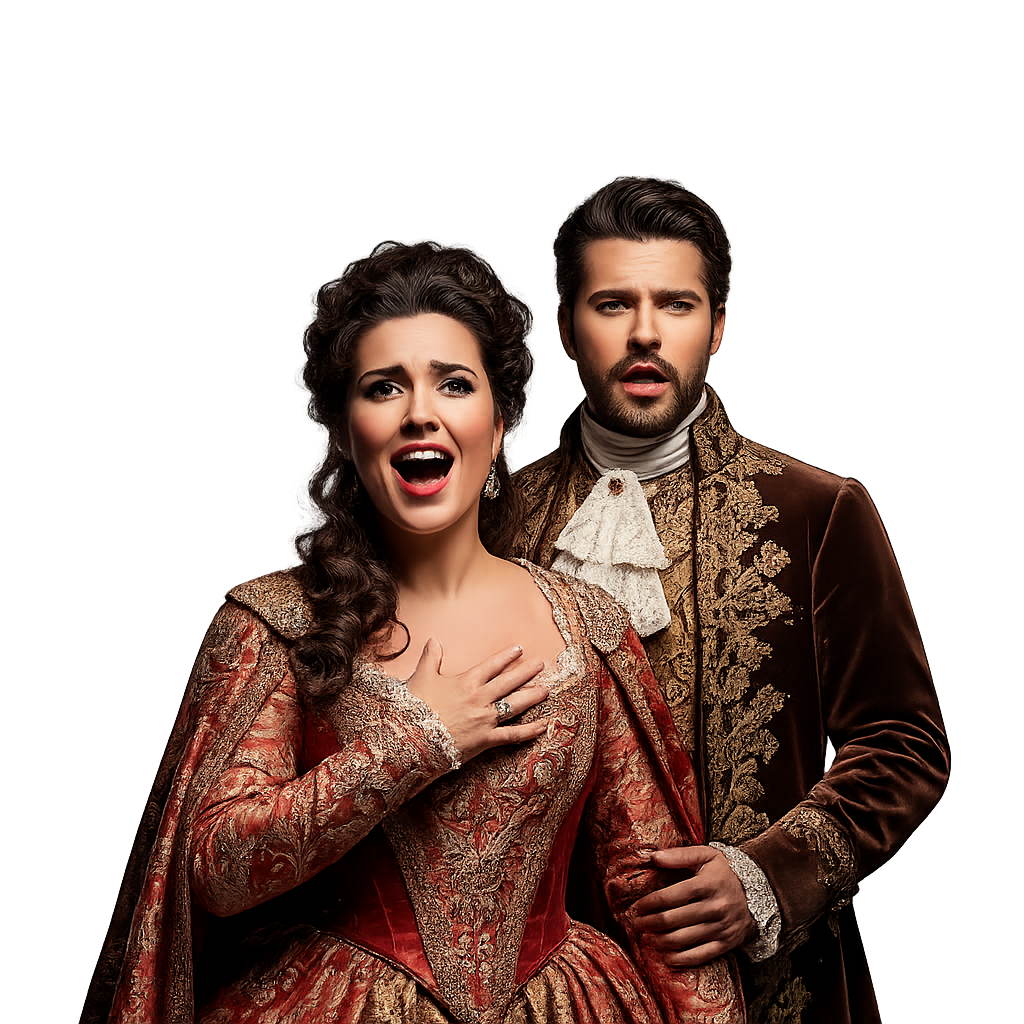
Opera and ballet hold a special place in Moldovan culture.
Classical performances are part of the national tradition, where music, storytelling, and visual expression come together in powerful ways.
Whether it is a grand opera or a delicate ballet, the experience feels refined yet approachable.
Music, however, is where Moldova truly stands out.
Traditional Moldovan music is deeply rooted in folklore, with instruments, rhythms, and dances that have been passed down through generations.
It is often experienced during festivals, celebrations, and local gatherings, where music is not only performed - it is lived.
At the same time, Moldova has a strong modern music scene that connects the country to the international stage.
Over time, several artists have become widely recognized, including:
- Maria Bieșu - one of the most celebrated opera singers, known internationally.
- Eugen Doga - famous for his compositions, especially in classical and film music.
- Zdob și Zdub - blending traditional sounds with modern energy.
- O-Zone - known worldwide for their global hit “Dragostea Din Tei.”
- Carla's Dreams - representing contemporary pop and alternative music.
- Natalia Barbu - combining pop, folk influences, and strong vocal performances on international stages.
This combination of traditional and modern creates a unique musical landscape.
You might hear folk music in a village square, classical music in a theatre, and modern sounds in a city venue - sometimes all within the same journey.
What makes Moldova special is not only the quality of its cultural institutions, but how naturally culture is integrated into daily life.
It is present in cities, in towns, and in small communities - shared, experienced, and continuously evolving.
Whether you attend a theatre performance, an opera, a ballet, or simply listen to music during a local celebration, you are not just watching - you are becoming part of Moldova’s cultural expression.
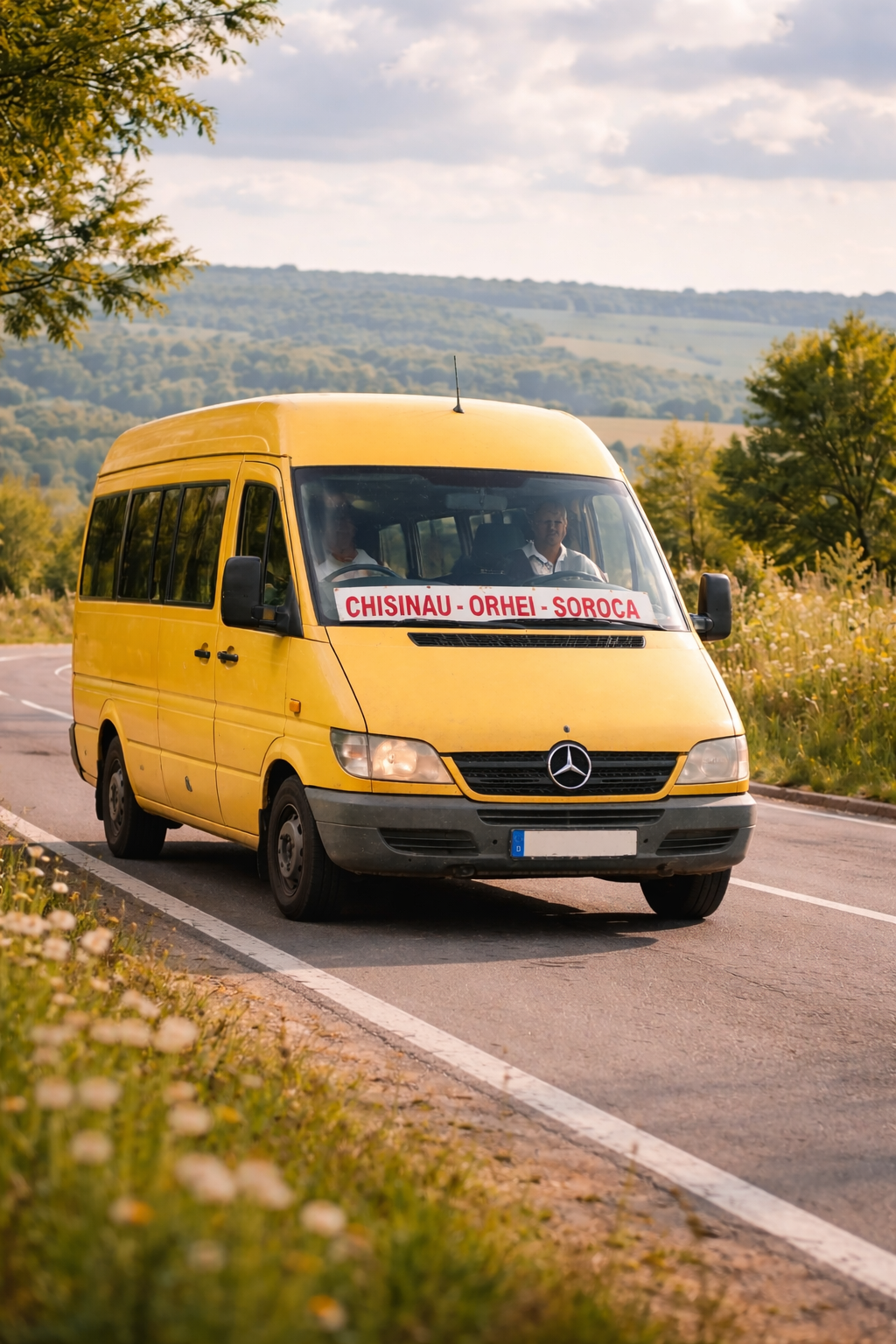
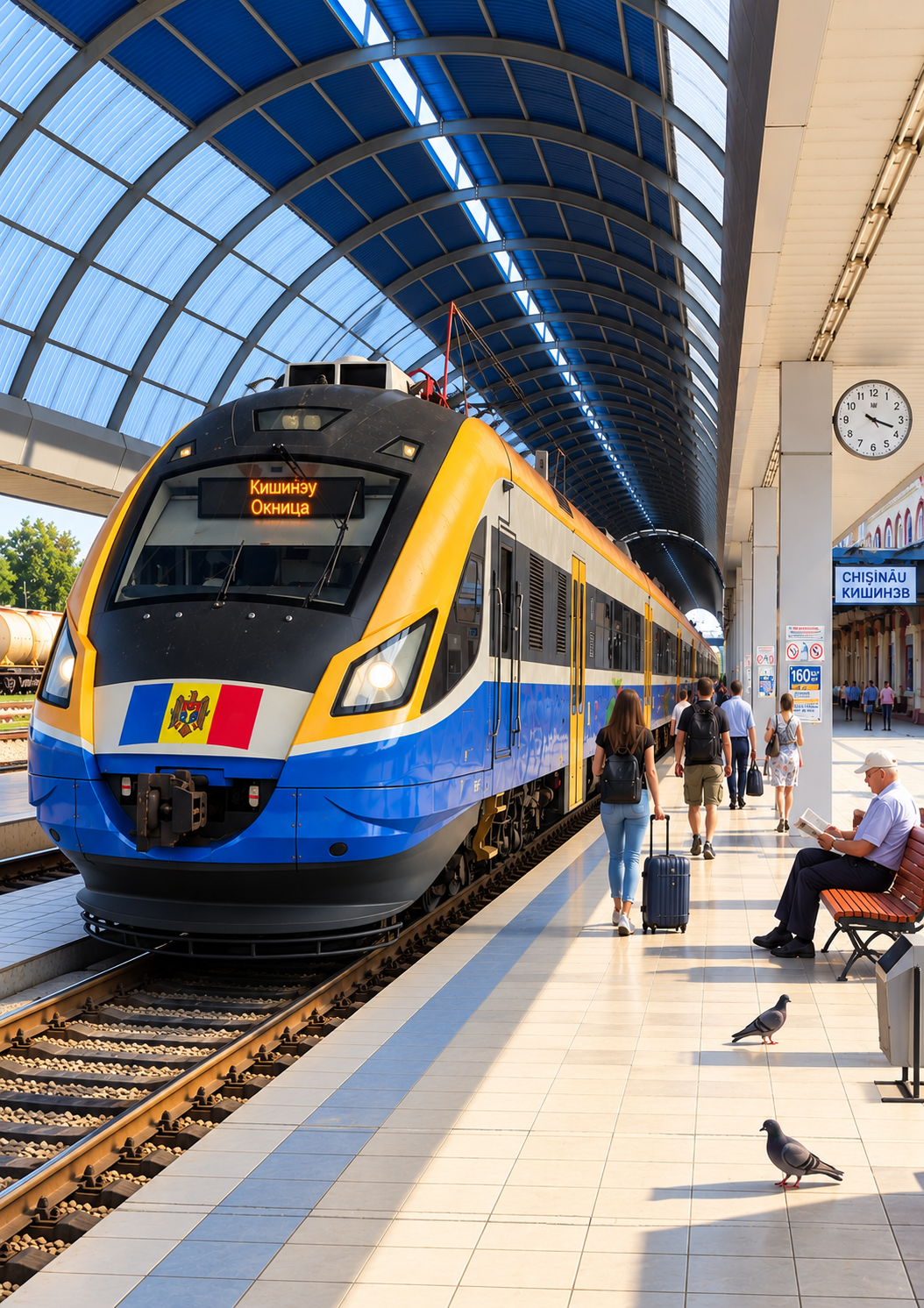
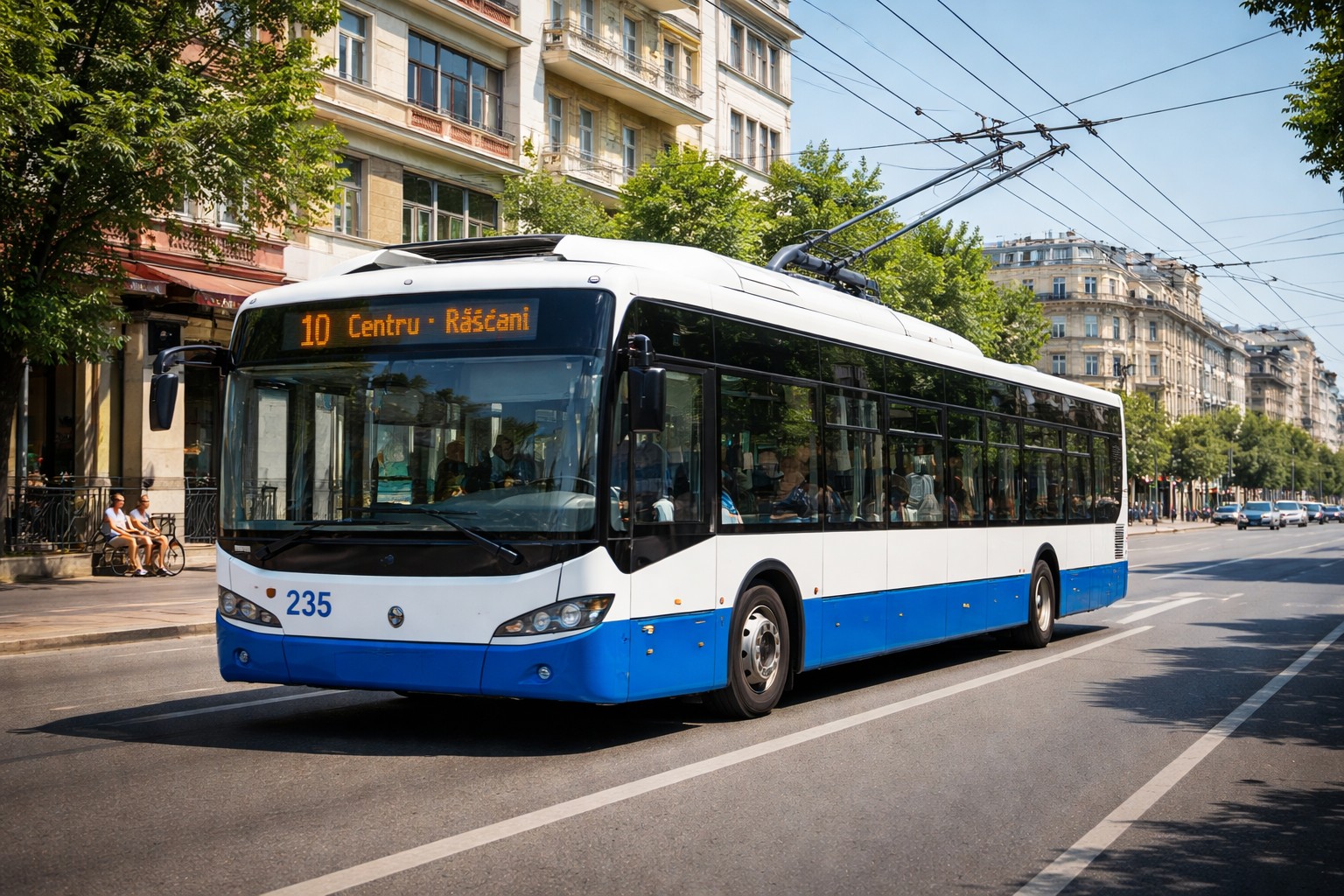
Public transport is one of the systems that quietly binds Moldova together.
Every day, trolleybuses, buses, and minibuses connect cities, towns, villages, and communities across the country.
From the streets of Chișinău to smaller villages far beyond the capital, transport remains a crucial part of daily life and allows both locals and visitors to experience Moldova more closely while traveling through the country.
Throughout the year, Moldova is filled with festivals, concerts, traditions, wine celebrations, local fairs, markets, and cultural events taking place across the country.
From large national celebrations in Chișinău to smaller local gatherings in towns and villages, the calendar offers visitors a chance to experience Moldova through music, food, traditions, and everyday life.
Click the Calendar, which leads you directly to our Event Calendar.
Festivals
Concerts
Wine Events
Markets & Fairs
Holidays
Cultural Events
Hi, I’m Milo!
I’m a Moldovan aurochs in 3rd grade and you’ll find me around the site with tips, useful
information and if you’re small like me, we can explore Moldova together and have fun.
Click on the apple to visit my universe!
We warmly congratulate Satoshi on representing Moldova at Eurovision 2026.
To stand on one of Europe’s biggest music stages is a proud
achievement and a special moment not only for the artist
himself, but also for modern Moldovan music.
Through his music, energy, and unique style, Satoshi continues to
show a newer generation of Moldovan artists to audiences far
beyond the country’s borders.
We wish him continued success in the future and look forward
to following his musical journey ahead.
Moldova has a wonderful variety of places to explore, and sometimes the distance between two completely different experiences is surprisingly short.
One day you might be walking through the streets of Chișinău, stopping for coffee or watching people going about their day.
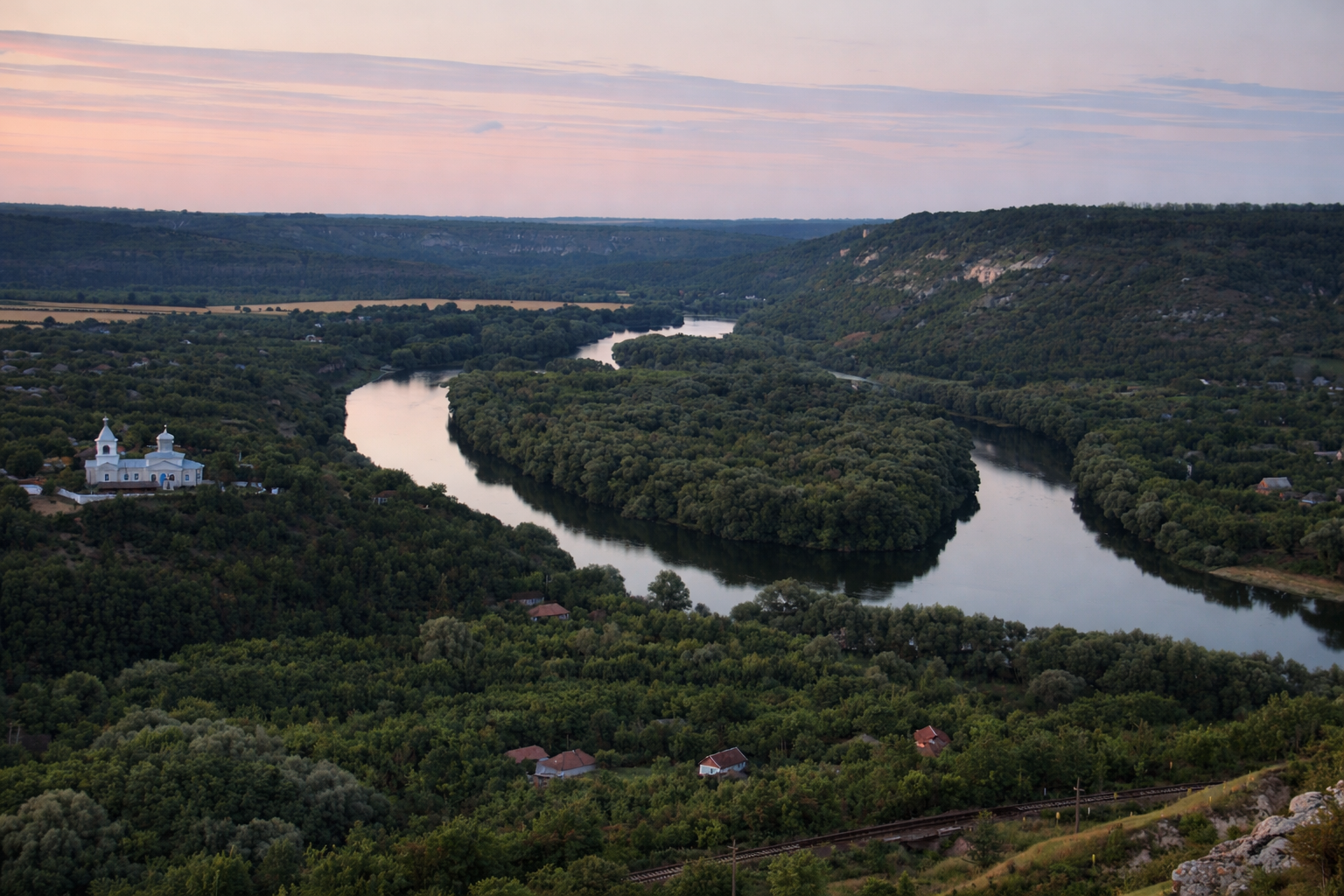
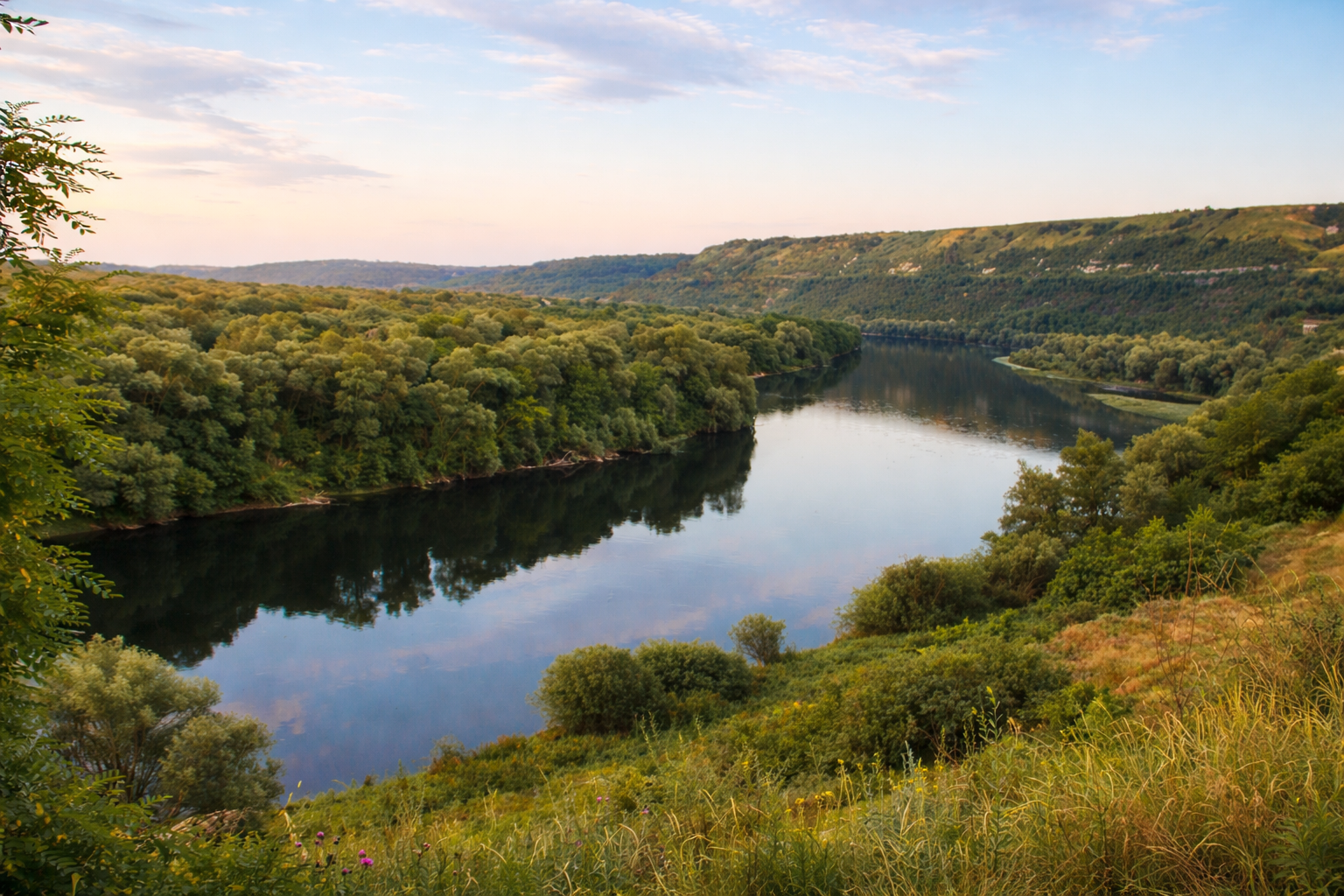
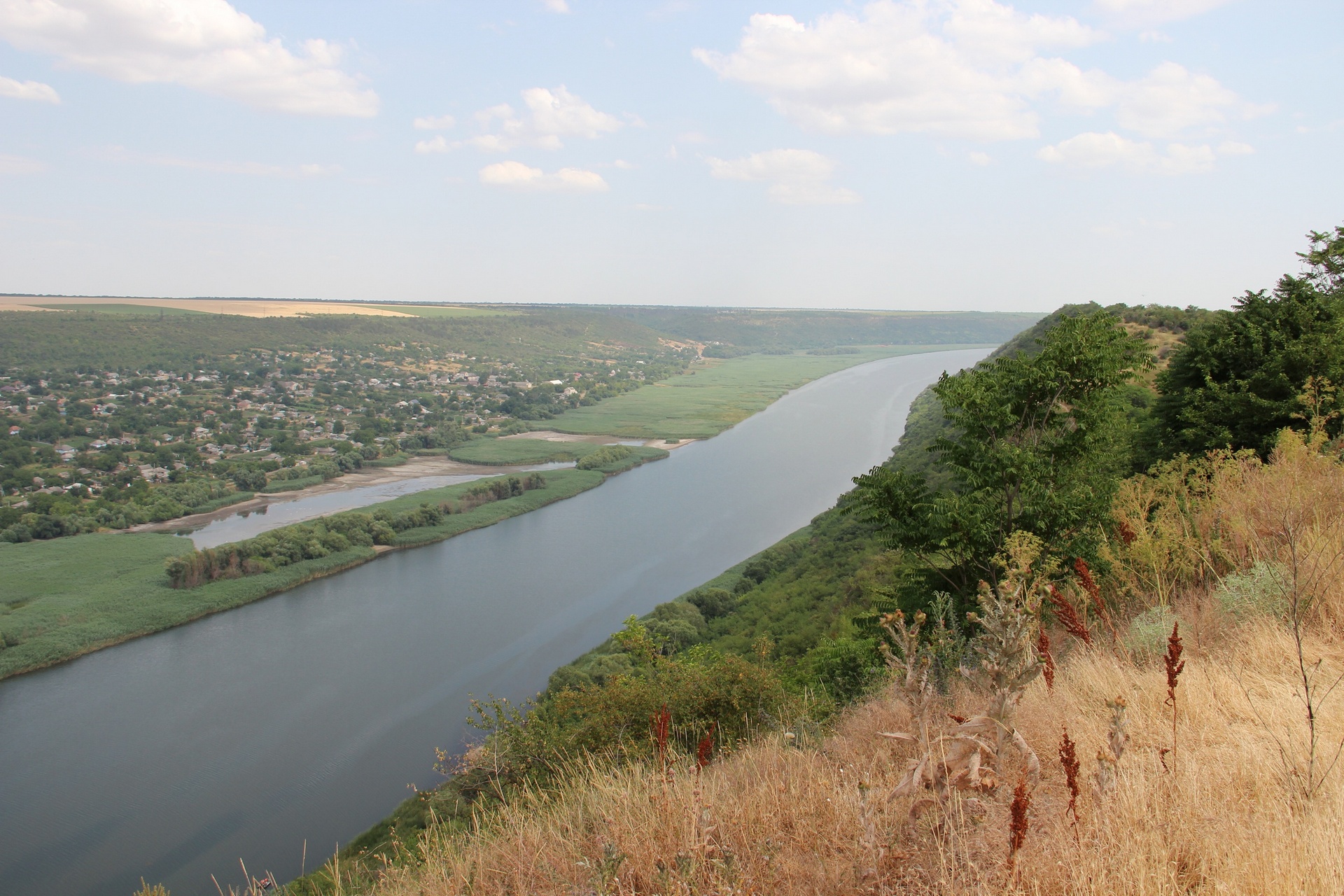
The next, you could be standing above the Răut River at Orheiul Vechi, looking across a landscape of limestone cliffs, villages, fields, and winding roads.
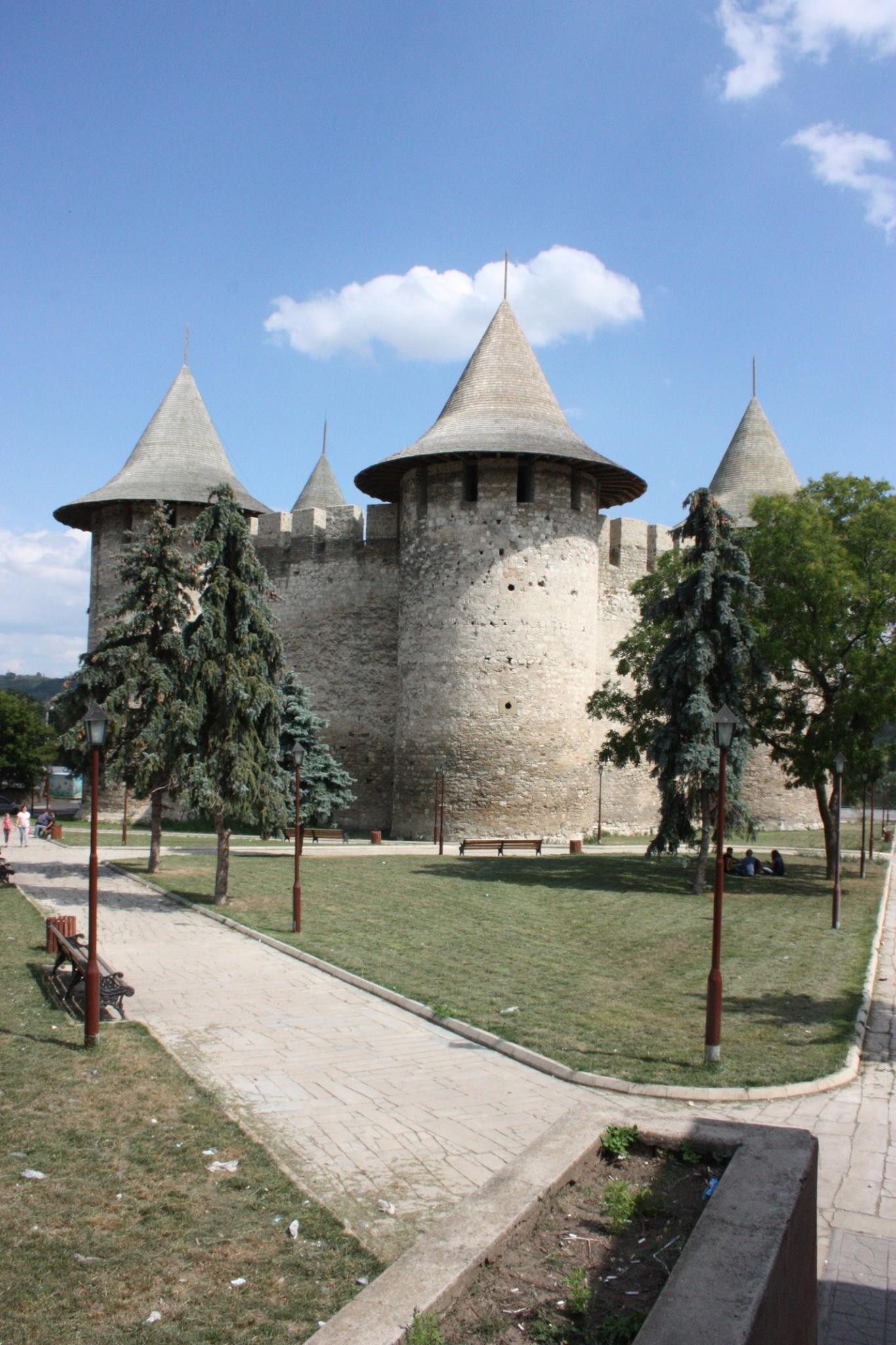
Further north, Soroca brings you to the banks of the Nistru, where its historic fortress stands close to the river.
In other parts of the country, monasteries, forests, lakes, and small villages offer plenty of reasons to leave the main roads behind.
There is much more to Moldova than its capital, and travelling around the country is often as interesting as arriving at the destination itself.
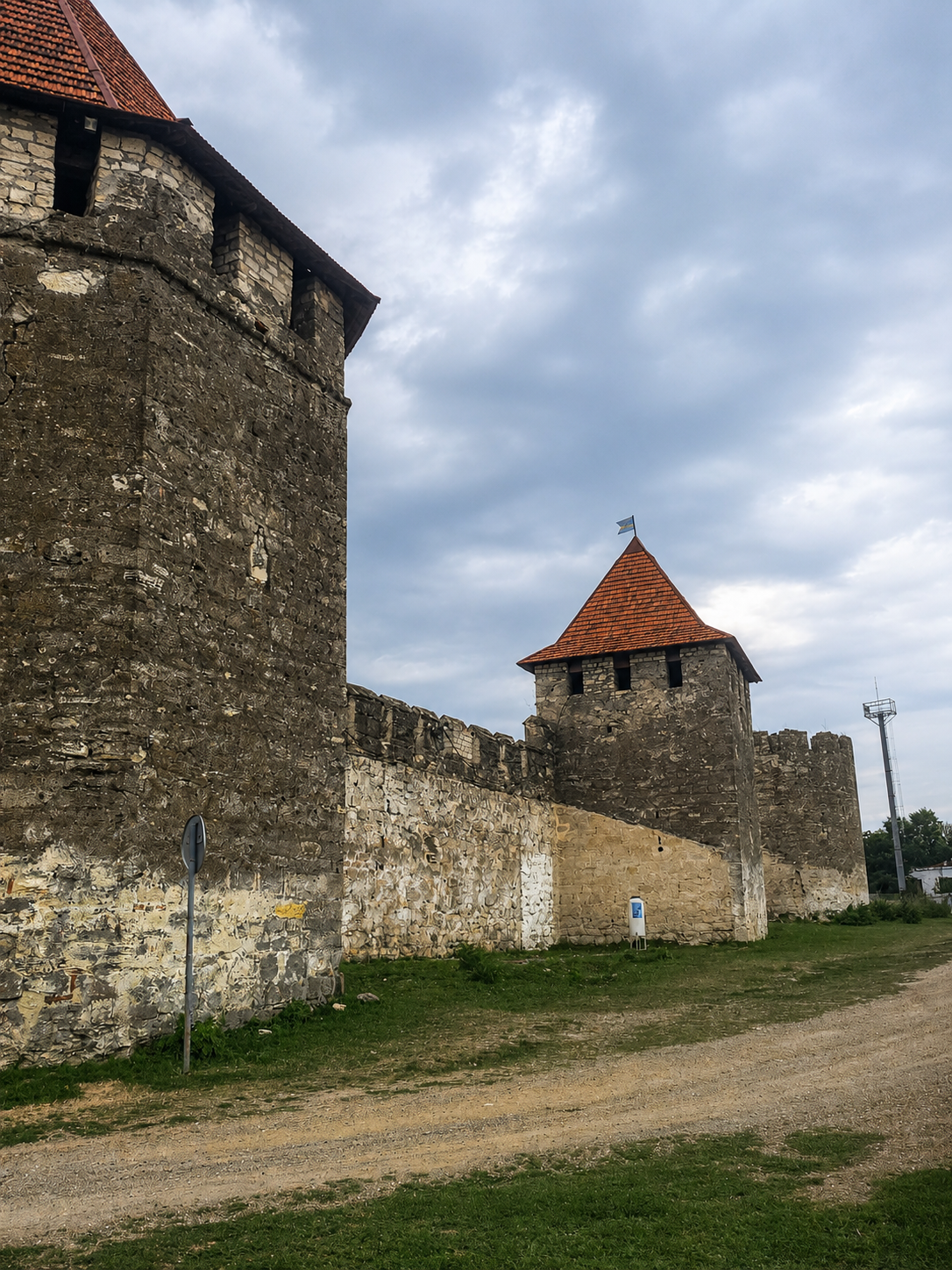
Bender Fortress
Built by the Ottoman Empire during the 16th century, guarding the important Dniester crossing.
Some of the nicest things about travelling through Moldova are the things you weren't looking for- or had exspected.
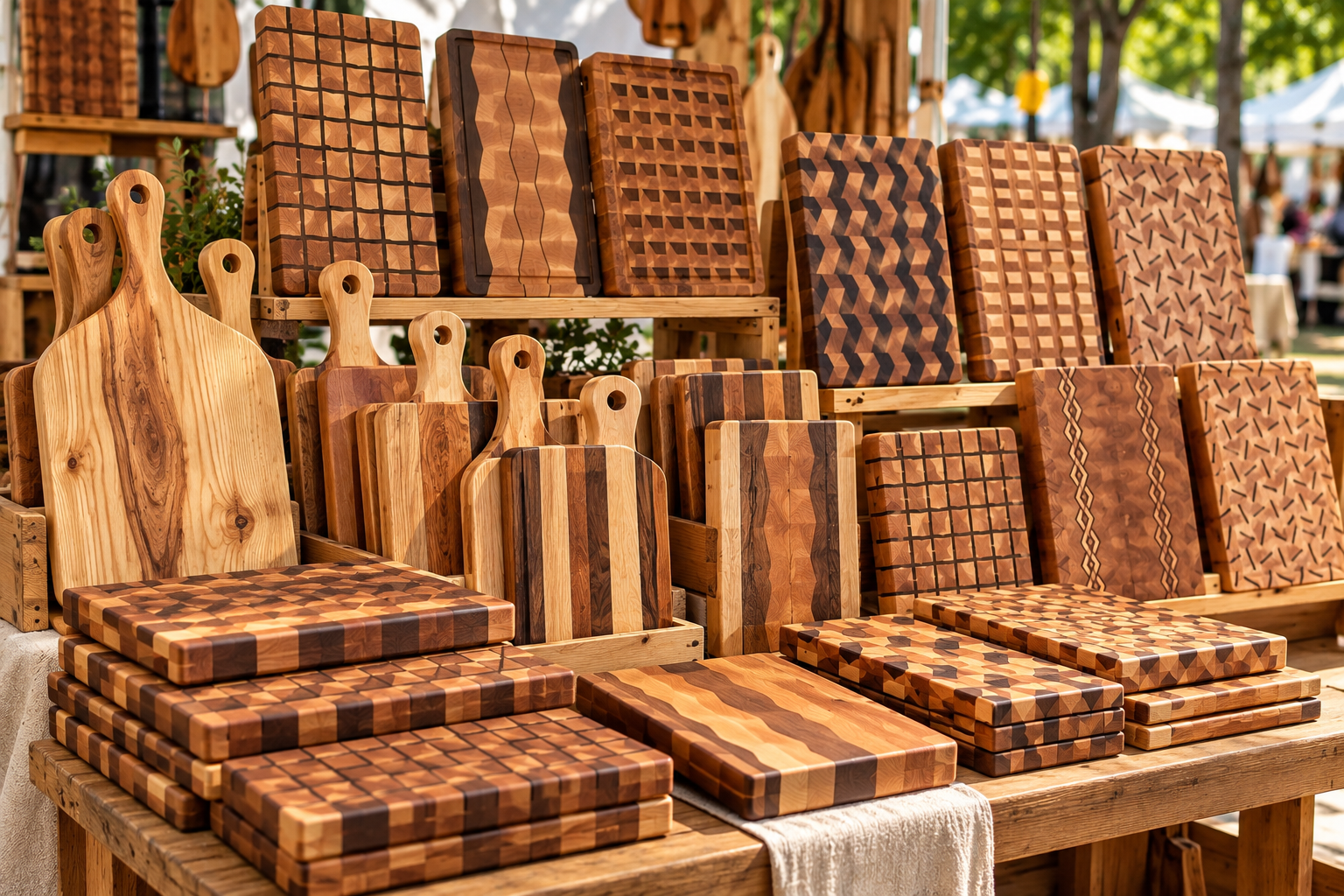
A small market beside the road, a village church, a local café with a few tables outside, a craft stall where someone has spent hours making wooden household
items, pottery, embroidery, or decorations.
In the towns and villages, you may come across older buildings, monuments, workshops, or small museums that tell something about the people who have lived there.
Local food is another part of the journey.
A plate of plăcinte, something freshly prepared at a roadside restaurant, or fruit bought directly from a seller can become part of the day's largest memories.
These are also opportunities to meet people, ask questions, and learn a bit more about the place you maybe randomly are visiting.
You won't find every interesting stop on a map, and that is part of the pleasure of travelling around Moldova.
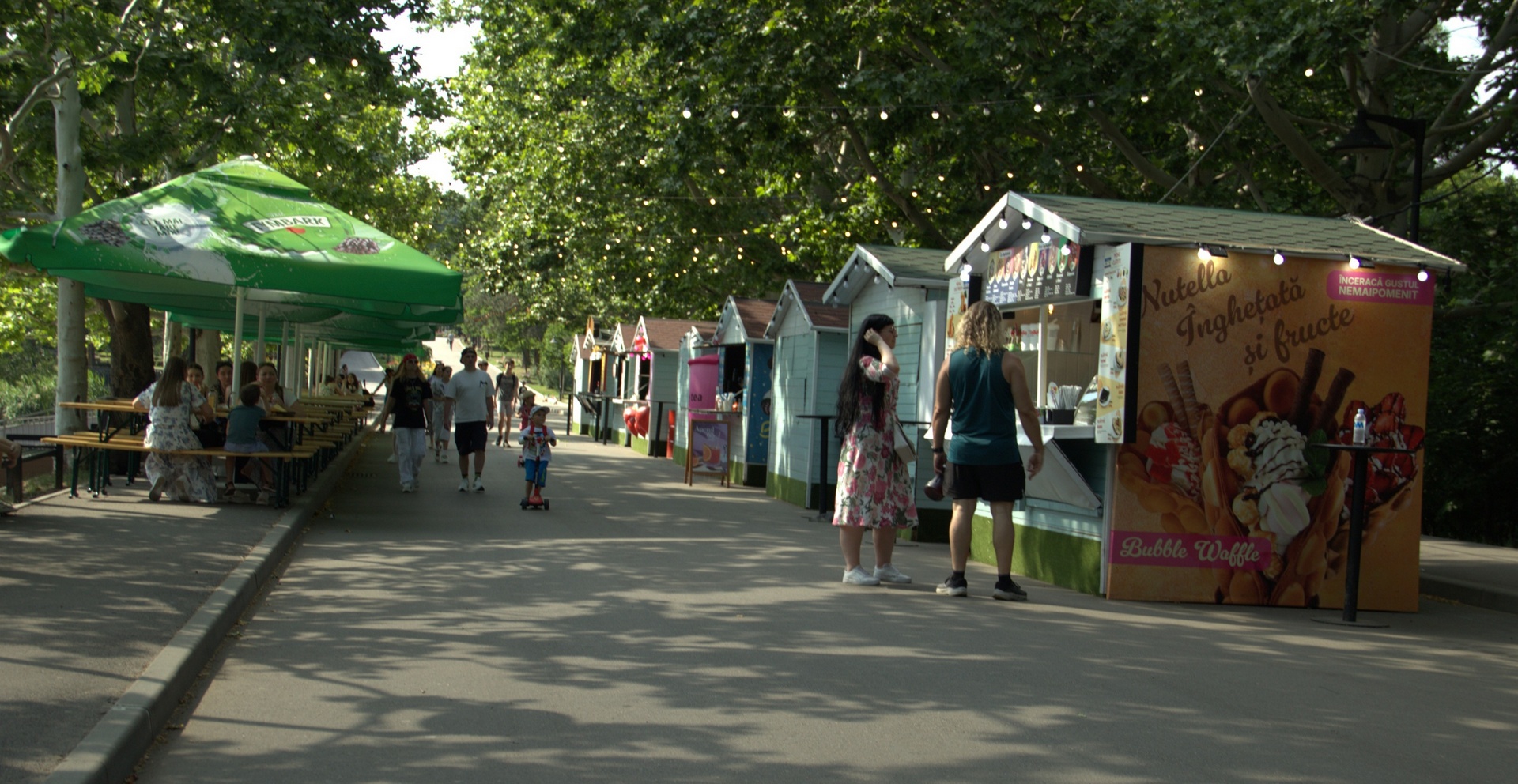
Valea Morilor Park.
A peaceful park surrounding a large lake, known for walking paths, greenery, fountains, and relaxing atmosphere.
You don't always need to travel very far to enjoy a day outdoors.
Chișinău has several large parks where families, couples, and friends gather throughout the
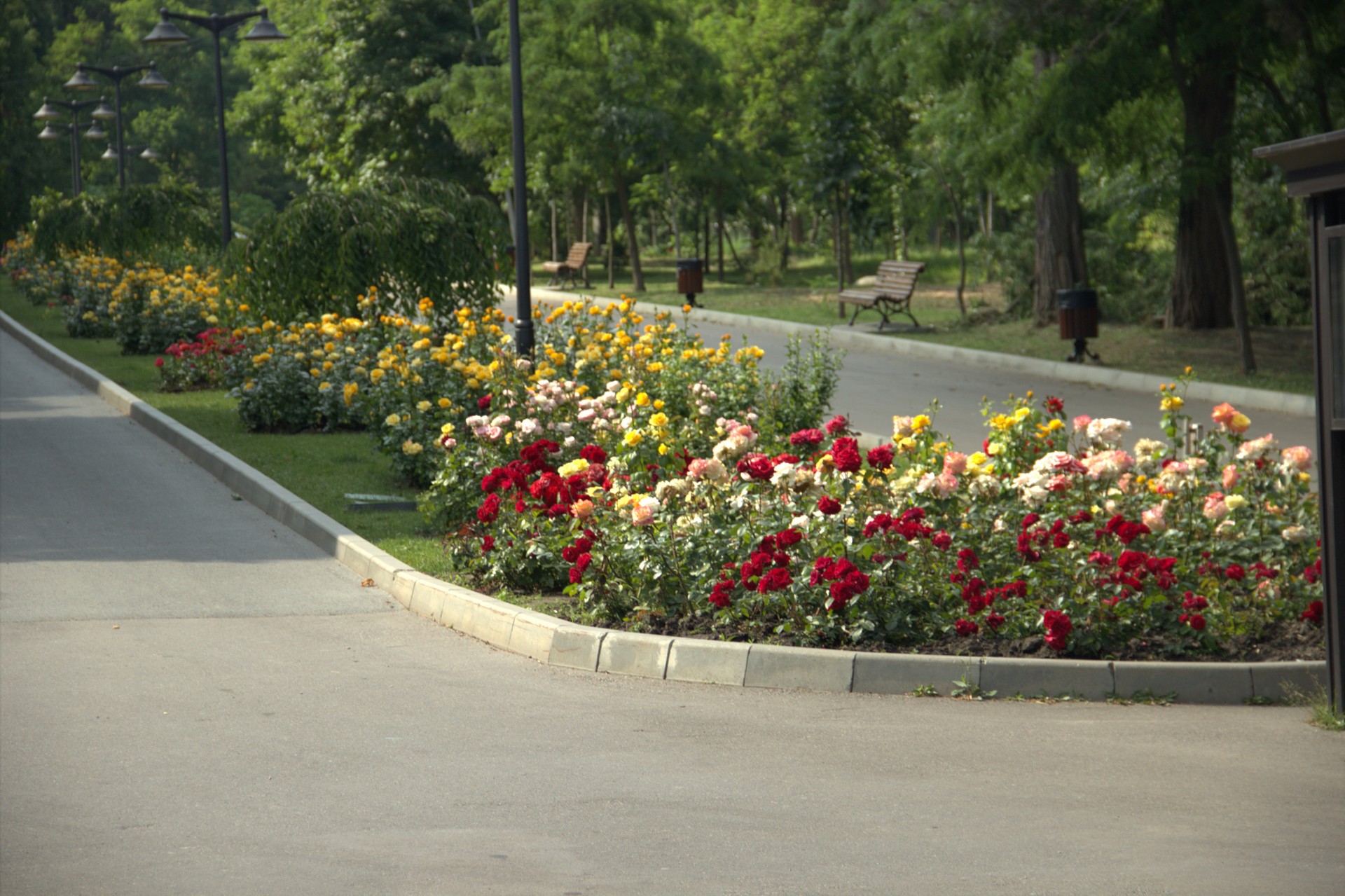
day, f. ex. Valea Trandafirilor Park, there are walking paths, lakes, rose gardens, and places where children can play.
At Valea Morilor Park, the lake attracts walkers, cyclists, and people who simply want to spend an afternoon outside.
During the warmer months, children can enjoy small electric cars, motorcycles, and other attractions in some of the city's parks.
Around the lakes, you may also find pedal boats and other recreational activities.
Of course, there is usually somewhere nearby to buy an ice cream, popcorn, a cold drink, or something to eat.
For families travelling with children, these places offer a welcome opportunity to enjoy Moldova without having to plan every minute of the day.
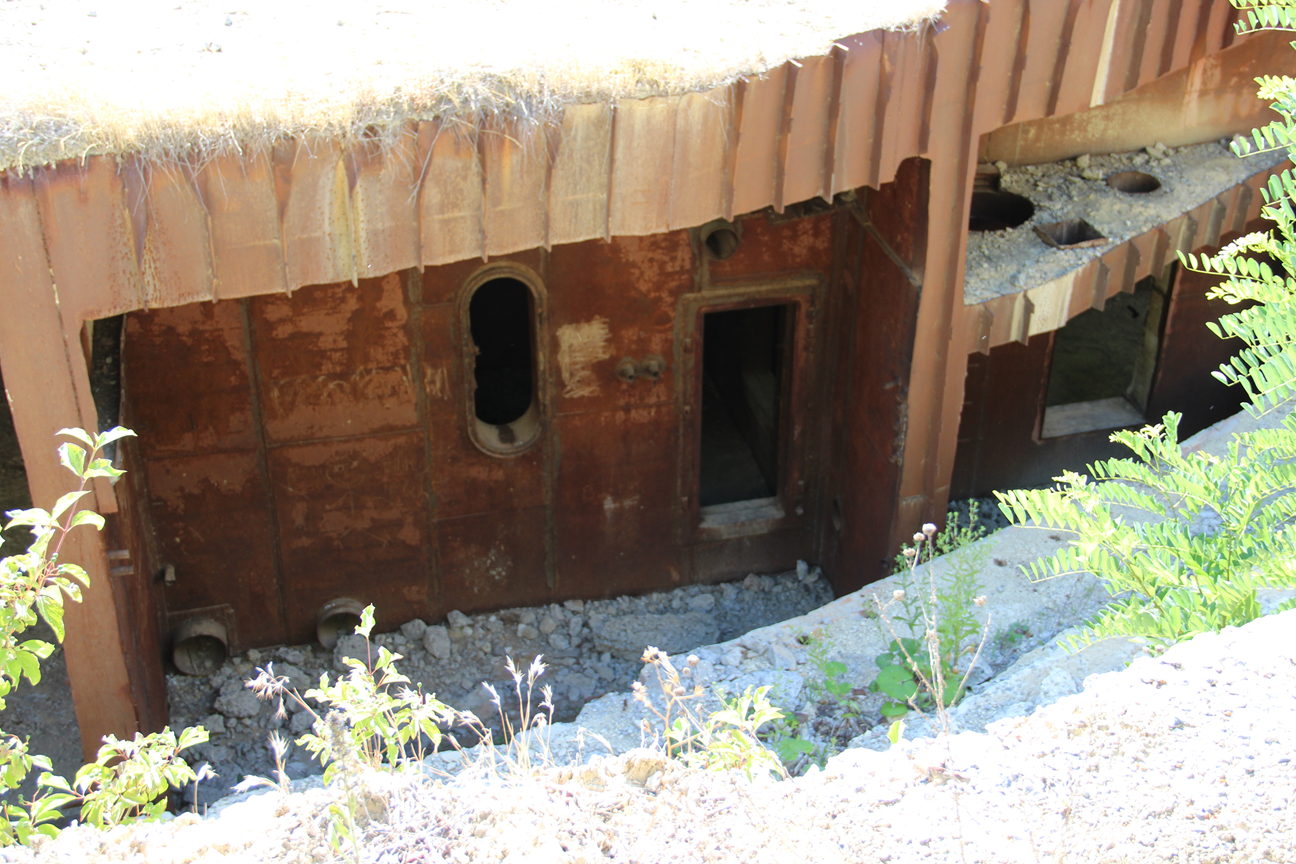
Șoldănești Bunker
Built during the Soviet period as a
military bunker, hidden beneath
forests near Șoldănești.
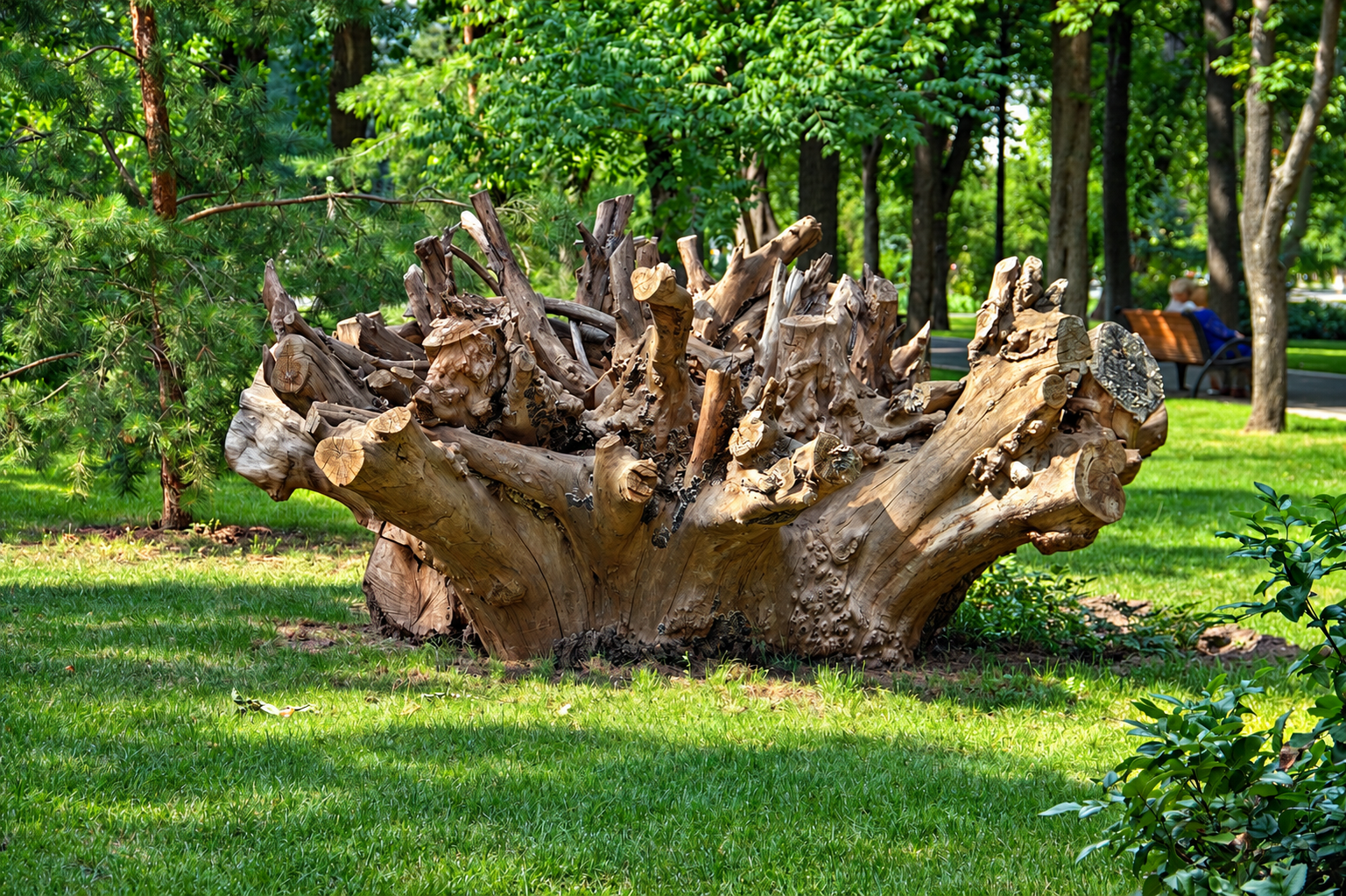
This tree stump does not have a specific name, but it stands in Cathedral Park, in Chișinău and forms a beautiful natural sculpture.
Heart Island
Lies near Naslavcea and relatively small, estimated at only a few
hundred square meters depending on water levels and season.
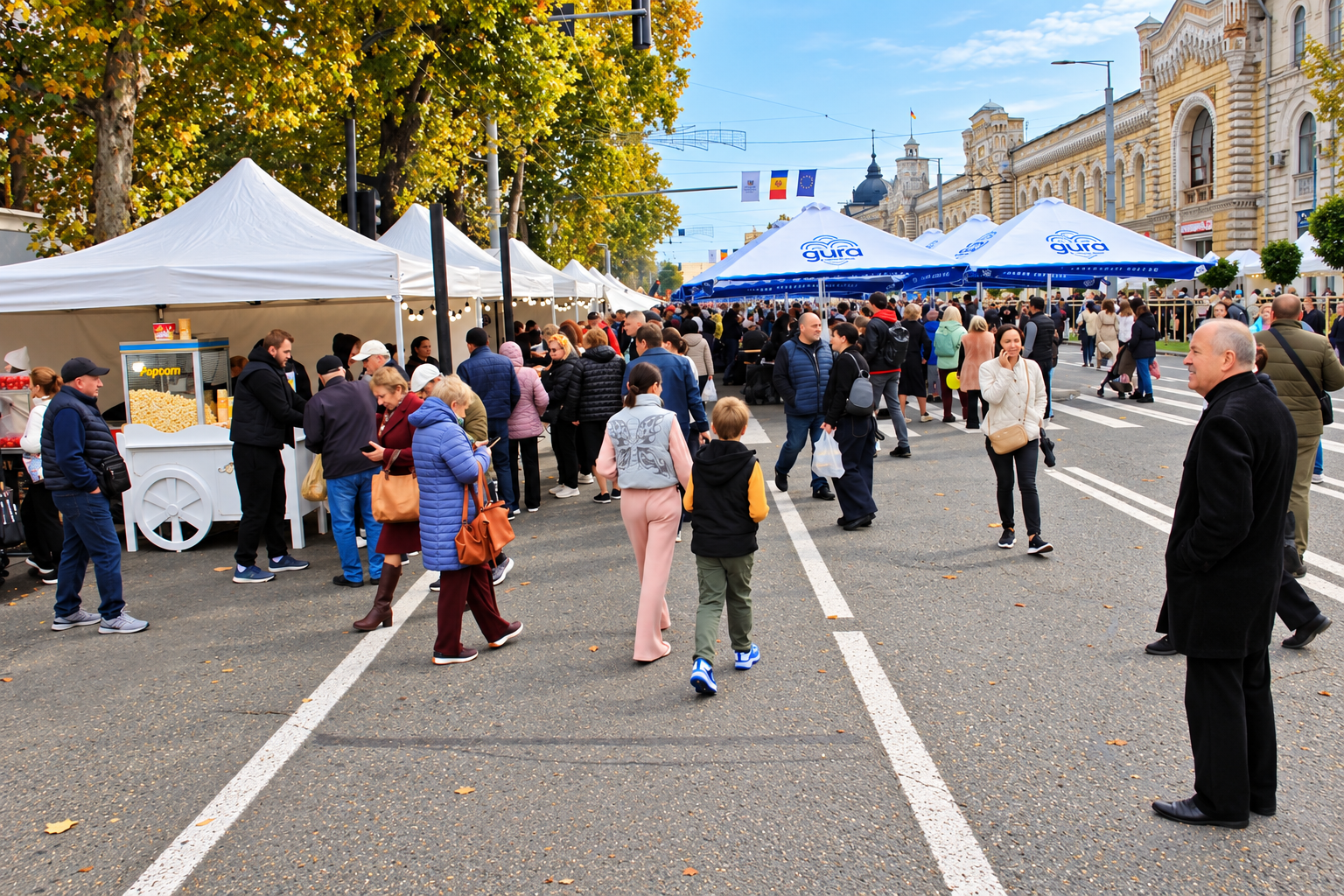
If you happen to visit Moldova during a festival, you may find that an ordinary street or town square has become a place filled with music, dancing, food stalls, and people enjoying themselves.
Chișinău hosts some of the country's largest celebrations, including National Wine Day, Hramul Chișinăului, and cultural events connected with Mărțișor.
But celebrations are certainly not limited to the capital.
In towns such as Cahul, Soroca, Comrat, Orhei, and Bălți, local festivals bring residents and visitors together.
Traditional music, dancing, regional food, handmade products, and performances are often part of the programme.
In villages, Hramul Satului is an important occasion for many communities.
Families gather, relatives return to visit, and celebrations may continue well into the evening and then there are also harvest fairs, food festivals, traditional costume celebrations, and smaller events that receive little publicity outside their own communities.
Sometimes you will discover one simply because you happen to be passing through.
Moldova also has plenty of lovely places for couples who want to spend time together and one of those places are Heart Island, with its distinctive shape, is one of the country's more
unusual sights.
Elsewhere, lakeside walks, boat rides, countryside restaurants, and terraces overlooking the landscape offer opportunities for a day out or a weekend away.
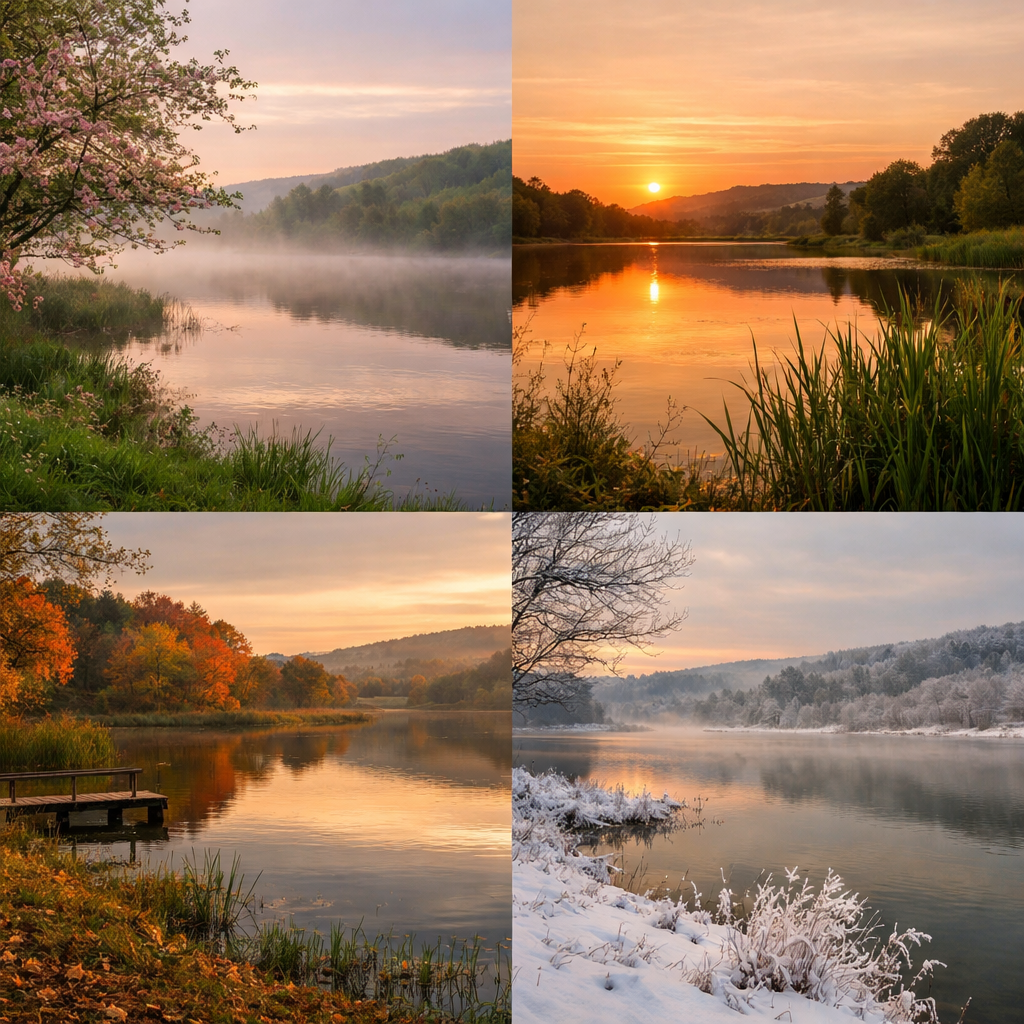
In the countryside, the scenery changes with the seasons.
Spring brings fresh greenery and flowering trees, summer fills the fields and gardens with colour, and autumn brings grape harvests, golden leaves, and cooler evenings.
For some couples, the perfect day might involve visiting a historic monastery or walking through Orheiul Vechi and for others, it could be lunch at a countryside restaurant followed by a walk beside a lake.
Sometimes the best plan is simply to find somewhere pleasant, order a coffee, and enjoy each other's company.
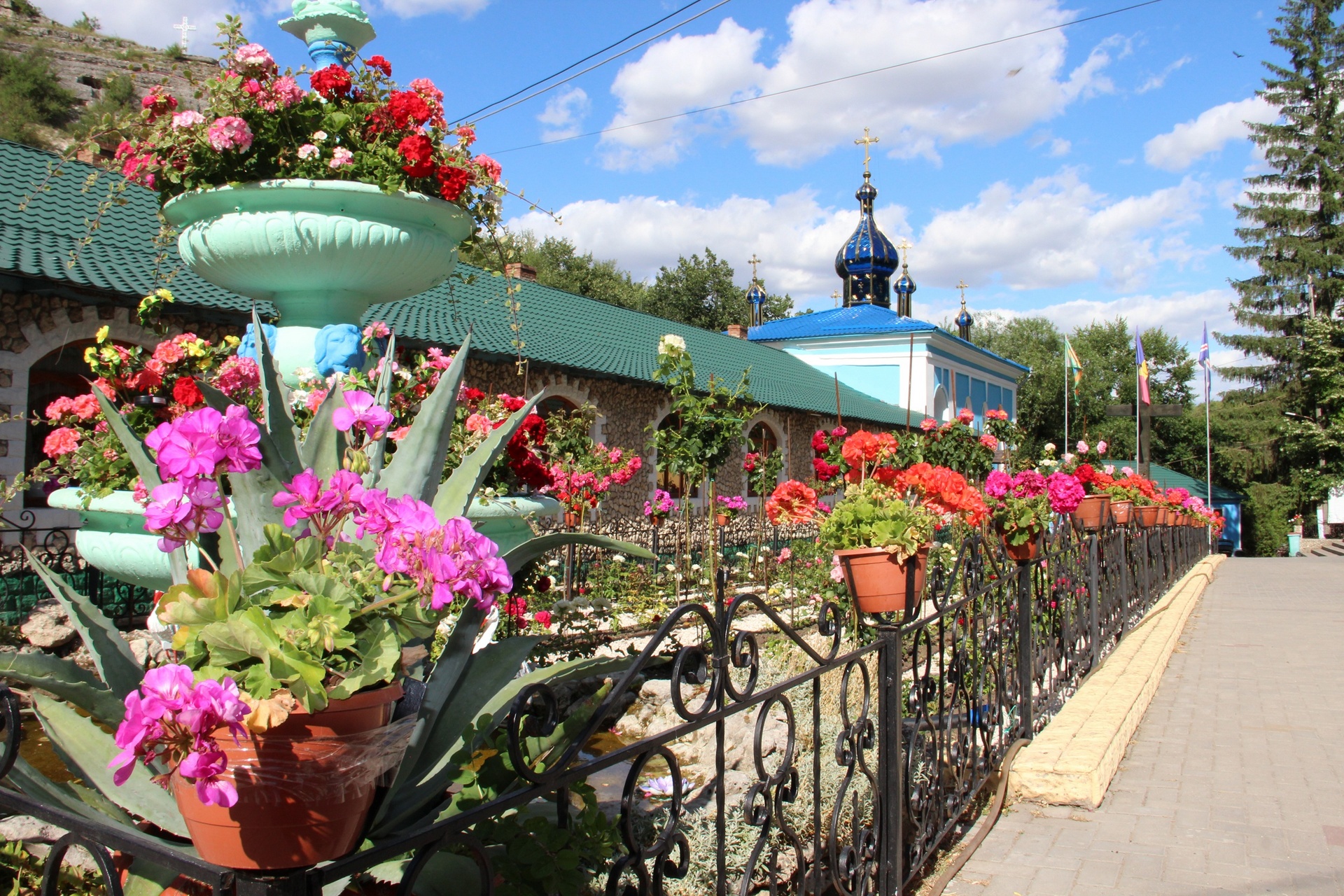
Saharna Monastary
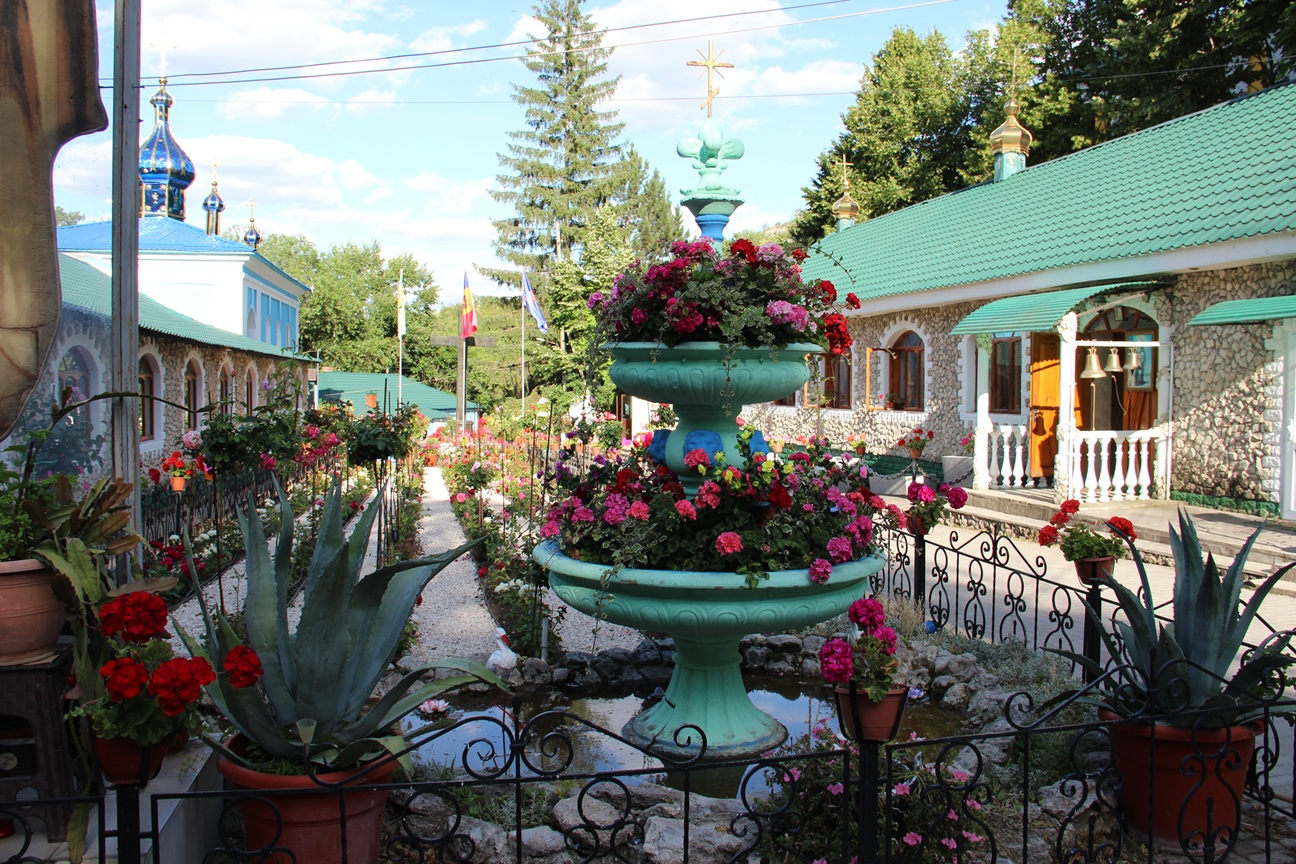
Founded by Orthodox monks during the 18th century near forests, cliffs, and cascading Saharna waterfalls.
Outside the larger cities and towns, Moldova changes considerably.
Roads pass through farmland, vineyards, wooded hills, and villages where houses stand behind painted gates and gardens.
Along the way, you may see roadside stalls selling seasonal
fruit, vegetables, honey, or other local products.
Some destinations are well known, while others receive relatively few visitors.
Pădurea Domnească, in the northwest, offers forests, natural landscapes, and opportunities to discover a different part of Moldova.
Along the Nistru, places such as Țipova and Saharna bring together
monasteries, rocky hillsides, walking routes, and views across the river valley.
Not every destination requires a full day of activities.
Sometimes a village, a short walk, or an unexpected view from the roadside is enough to make you stop.
If you enjoy photography, you may find yourself making rather more stops than you thought you would :-)
Soroca Fortress
Built in the15th century during the
time of Ștefan Cel Mare
(Stephan The Great)
Orhei Monastary
Founded by Orthodox monks during the 13th century, carved directly into limestone cliffs near Orhei.
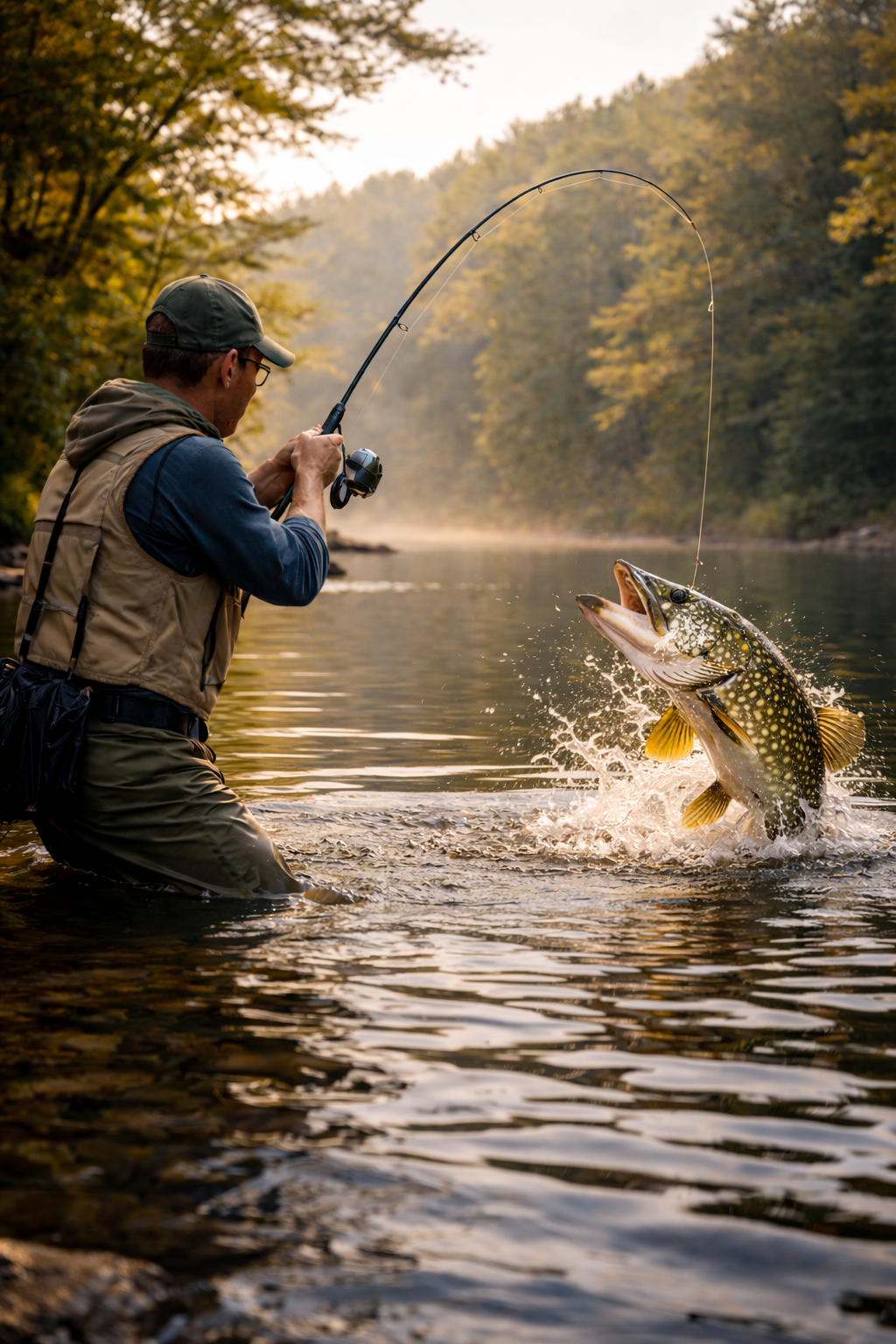
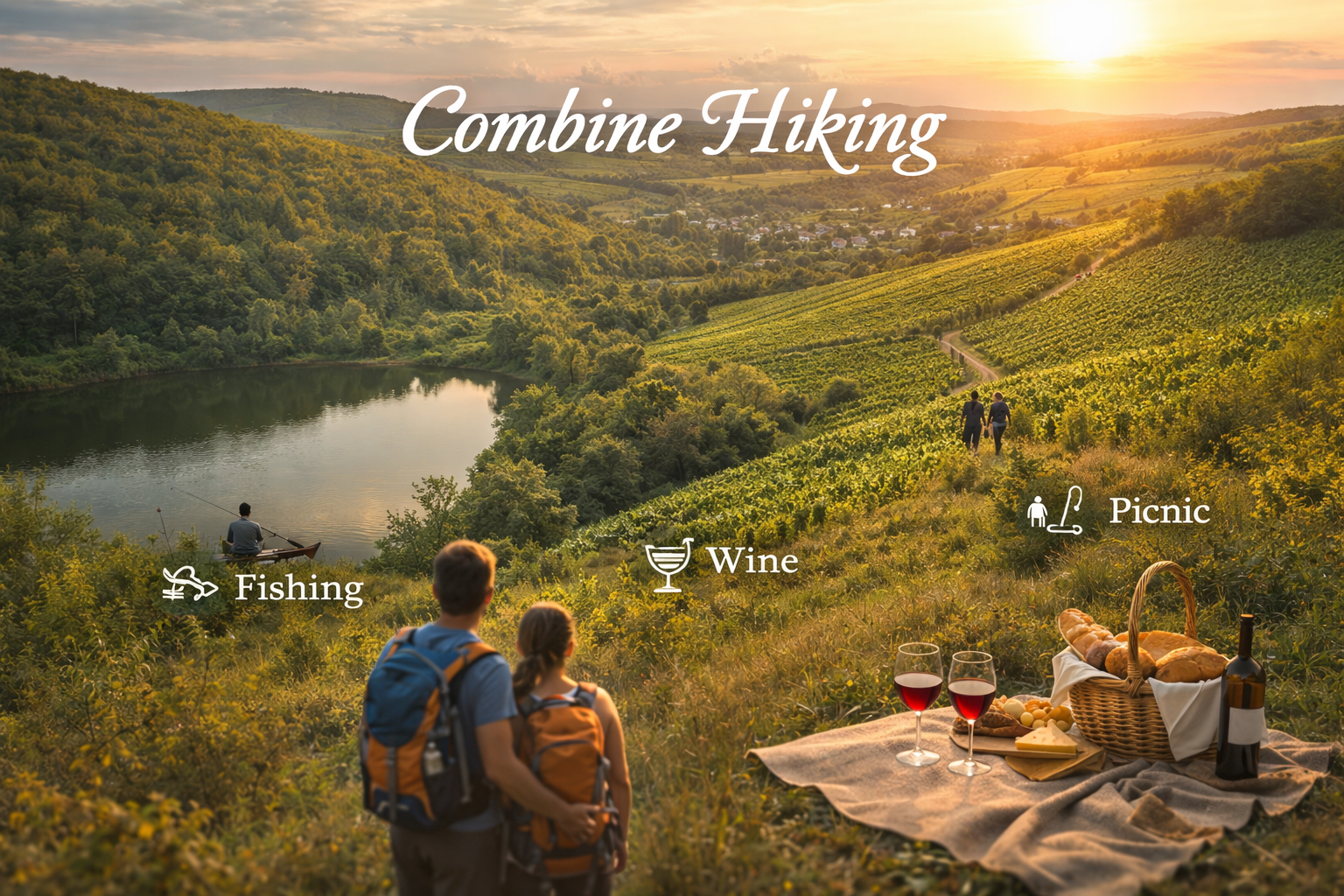
Fishing has a long tradition in Moldova, and you don't have to travel far outside the towns and cities to find people sitting beside a river, lake, or village pond with their fishing rods.
Some arrive early in the morning with their equipment, a chair, and enough food for the
day, while many others come with friends or family, bringing a picnic and enjoying a few hours outdoors.
The Dniester and Prut are Moldova's two largest rivers, and both offer many different surroundings for fishing.
Along the Dniester, places such as Soroca, Vadul lui Vodă, and the riverbanks further south attract anglers throughout the fishing season.
The scenery changes considerably along the river, from wooded banks and open countryside to villages and stretches where the water runs beneath steep hillsides.
The Prut forms much of Moldova's western border, passing through farmland, wetlands, and natural areas.

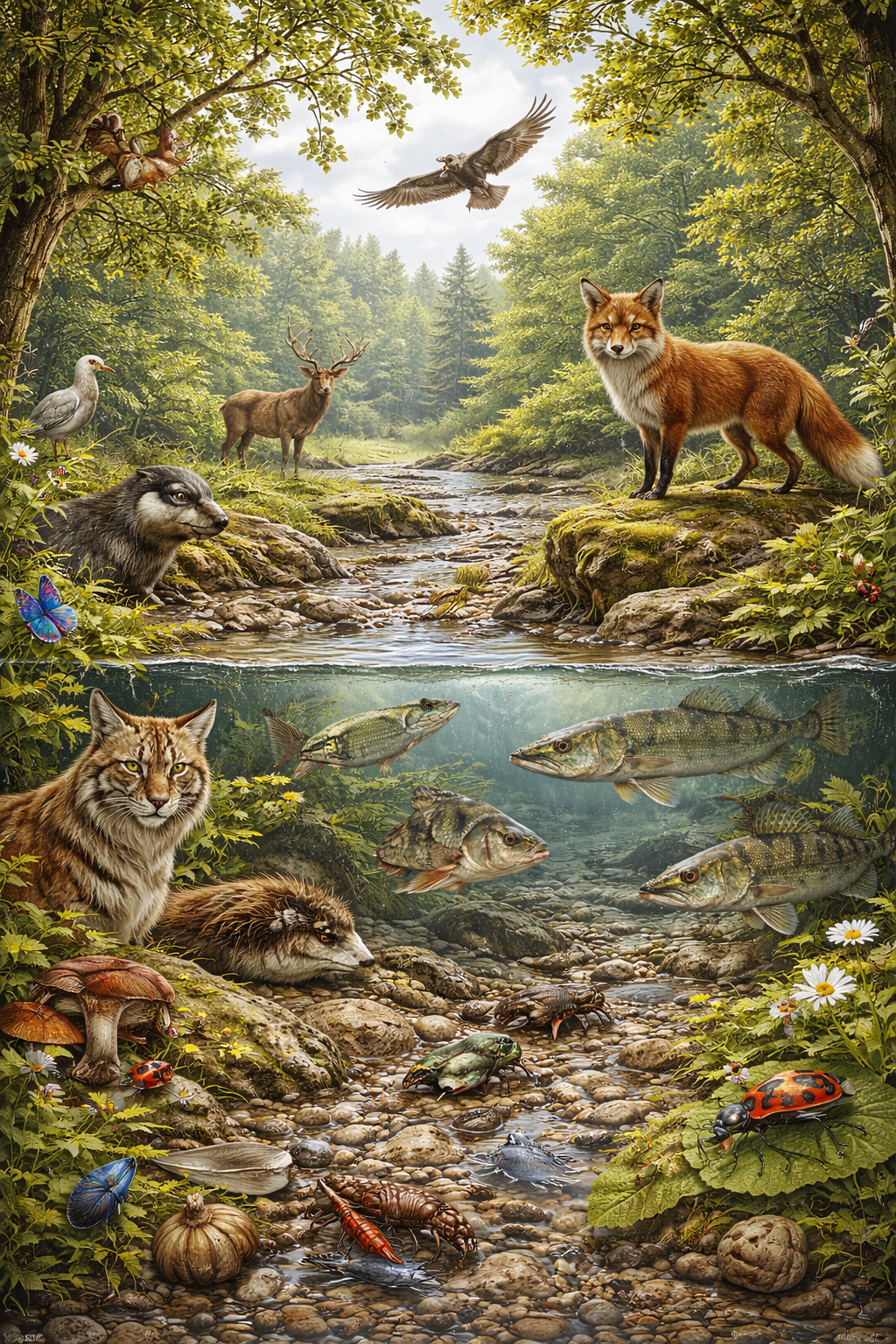
Here, fishing is very close connected with the surrounding countryside, and the river is home to several species, including carp, catfish, and perch.
Moldova also has numerous lakes and reservoirs.
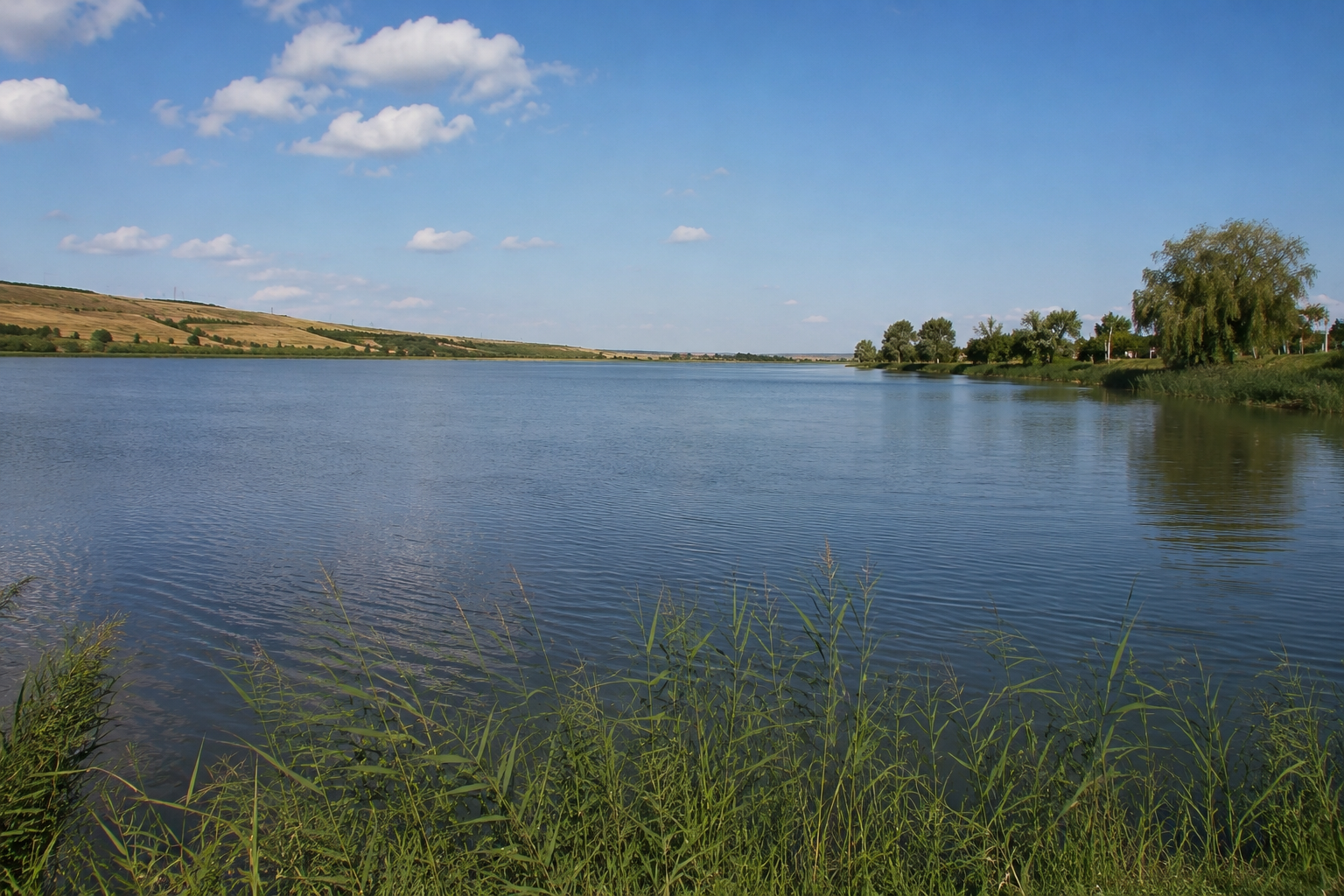
Ghidighici Reservoir, near Chișinău, is familiar to many local anglers, while Costești–Stânca Reservoir offers a very different setting with its large expanse of water.
Then there are the smaller lakes and ponds scattered across the country, some maintained specifically for fishing and others forming part of the local landscape.
Prut River
Stretches approximately 953 kilometers, flowing between Ukraine, Moldova, and Romania.
Traveling through Moldova's countryside and you will soon notice how many villages have a lake or pond nearby.
Around Comrat, Congaz, Taraclia, Ungheni, Călărași, and Hîncești, there are waters where local people have been fishing for years.
Some have designated fishing areas, while others are used mainly by residents who know the surroundings and where fishing is permitted.
You may see someone fishing from a small wooden platform, a group of friends preparing
lunch beside the water, or an angler patiently watching a float while the rest of the family enjoys
the afternoon.
For those who enjoy spending more time outdoors, a fishing trip can also include walking, photography, cycling, or exploring nearby villages.
In some places, accommodation and organised fishing facilities are available, making it possible to stay for a weekend rather than just a few hours.
Fishing conditions ofcourse vary throughout the year, and regulations, seasonal restrictions, and access arrangements are worth checking before setting out.
Some lakes are privately managed and require payment or permission.
At GoVisitMoldova, we are gradually exploring fishing destinations across the country, from
the larger rivers and reservoirs to smaller places that you as a visitor might otherwise pass
without noticing.
Whether you bring your own equipment or are simply curious about fishing in Moldova, we hope these pages will help you discover somewhere interesting for your next day beside the water.
Lake Cahul
Covering approximately 90 square kilometers, Lake Cahul is
surrounded by peaceful southern Moldovan landscapes.
Get your fishing permission, by
following the link.
Tight lines!
Some of the most special experiences are found away from the main streets.
In villages and smaller communities, you will discover hidden places that are not listed anywhere - small courtyards, family-run spots, or local gathering places where traditions are still part of the culture and everyday life.
Here, food is often homemade, recipes are passed down through generations, and the atmosphere feels personal and genuine.
You might find yourself sitting at a wooden table in a quiet yard, surrounded by nature, sharing simple but rich dishes prepared with care.
There may be no sign outside, no menu in multiple languages - just a place where people come together to eat, talk, and enjoy the time.
These hidden spots offer something very special and different.
They are not designed for tourism, but for real life - which is exactly what makes them memorable.
What defines Moldova’s dining and nightlife scene is this balance between the visible and the hidden.
From lively city evenings to quiet village dinners, from cafés to local courtyards, there is always a place to sit down, relax, and be part of
the moment.
It is not about where you go - it is about how it feels when you are there.
Moldova offers a relaxed and enjoyable food and social scene - one that feels natural, welcoming, and easy to be part of.
Mornings often begin slowly.
In cities and towns, cafés open early, serving fresh coffee, pastries, and simple breakfast dishes.
You will find both cozy indoor spaces and outdoor terraces where people
sit, talk, and ease into the day.
The atmosphere is unhurried, making it just as much about the moment as the food itself.
As the day continues, dining becomes a central part of the experience.
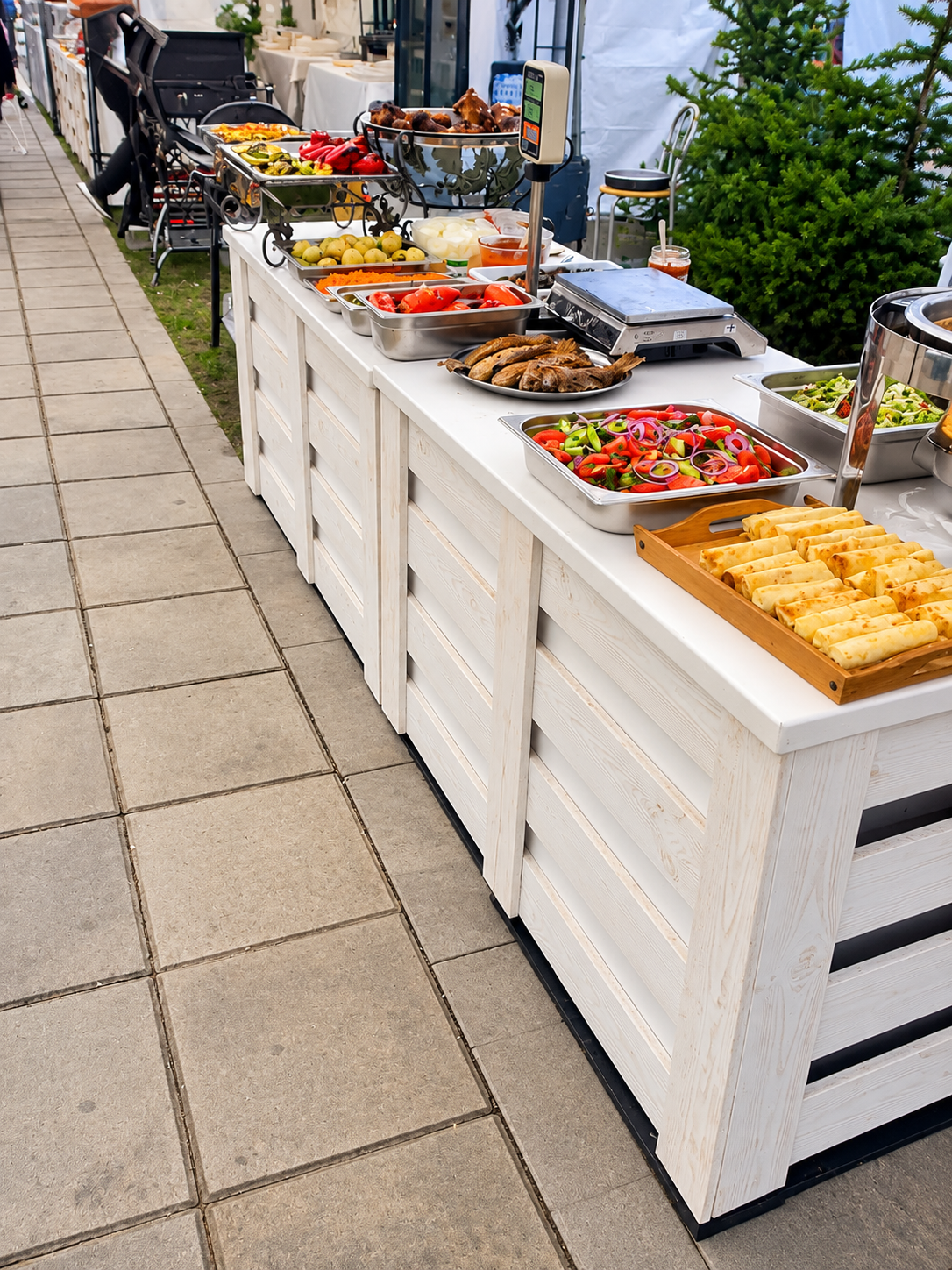
Across the country - from larger cities to smaller towns - you will find places serving both traditional Moldovan dishes and more modern cuisine.
Meals are often generous and prepared with care, and it is common to take your time, enjoy the setting, and share the experience with others.
In warmer months, outdoor dining becomes especially popular.
Terraces, courtyards, and garden settings create a relaxed environment where meals stretch into the evening.
Whether in a city square or a quiet corner of a town, the atmosphere remains comfortable and approachable.
Cafés continue to play an important role throughout the day and are places to meet, to work, or simply to pause.
In many locations, you will notice a mix of styles - from modern spaces to more traditional settings - each with its own character.
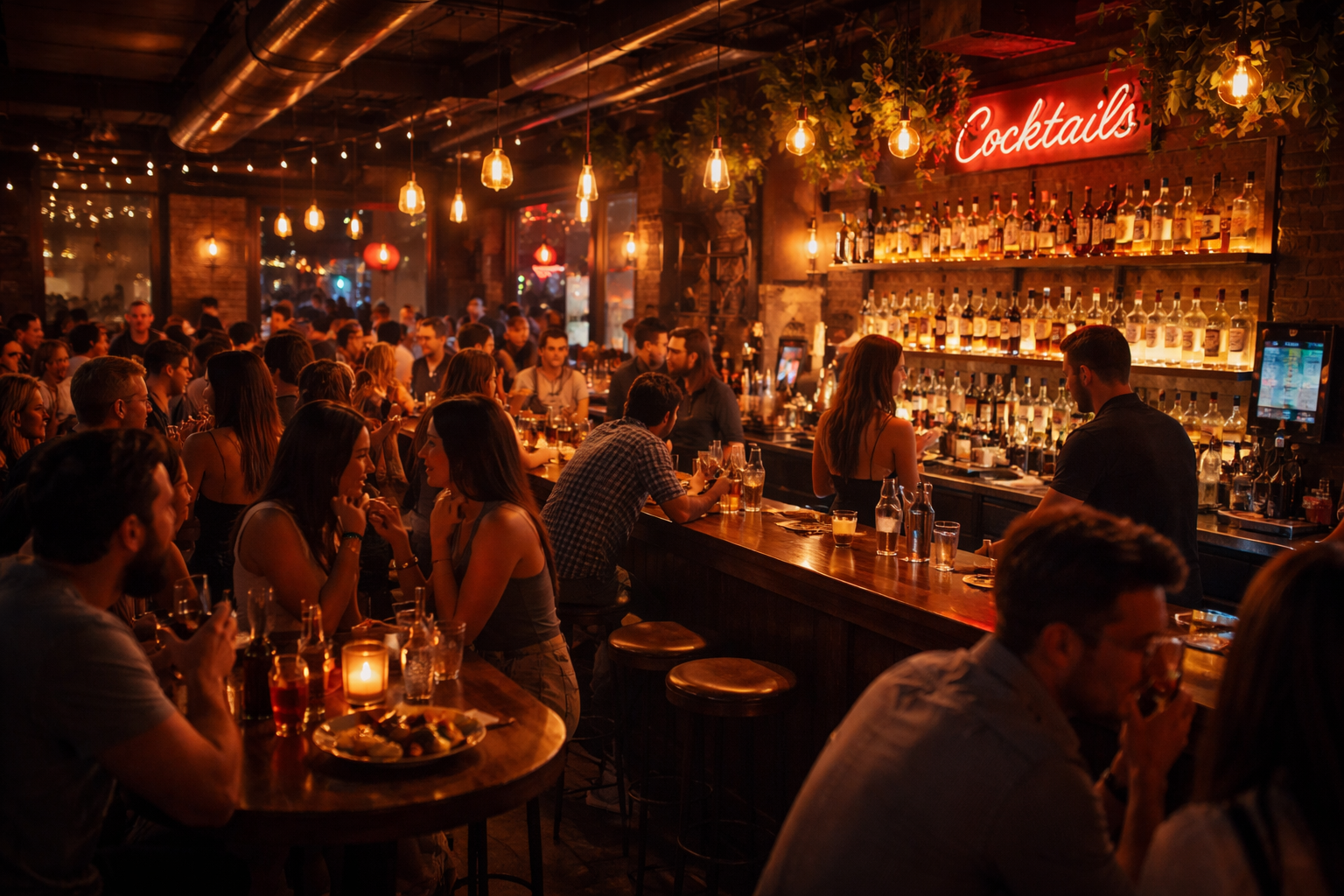
As evening turns into night, Moldova offers a varied but laid-back nightlife.
In Chișinău, the capital, streets and central areas become more lively, with music, lights, and people gathering to enjoy the evening.
In towns like Bălți, Cahul, and Orhei, nightlife is smaller and more local - often centered around terraces, late cafés, or relaxed meeting spots.
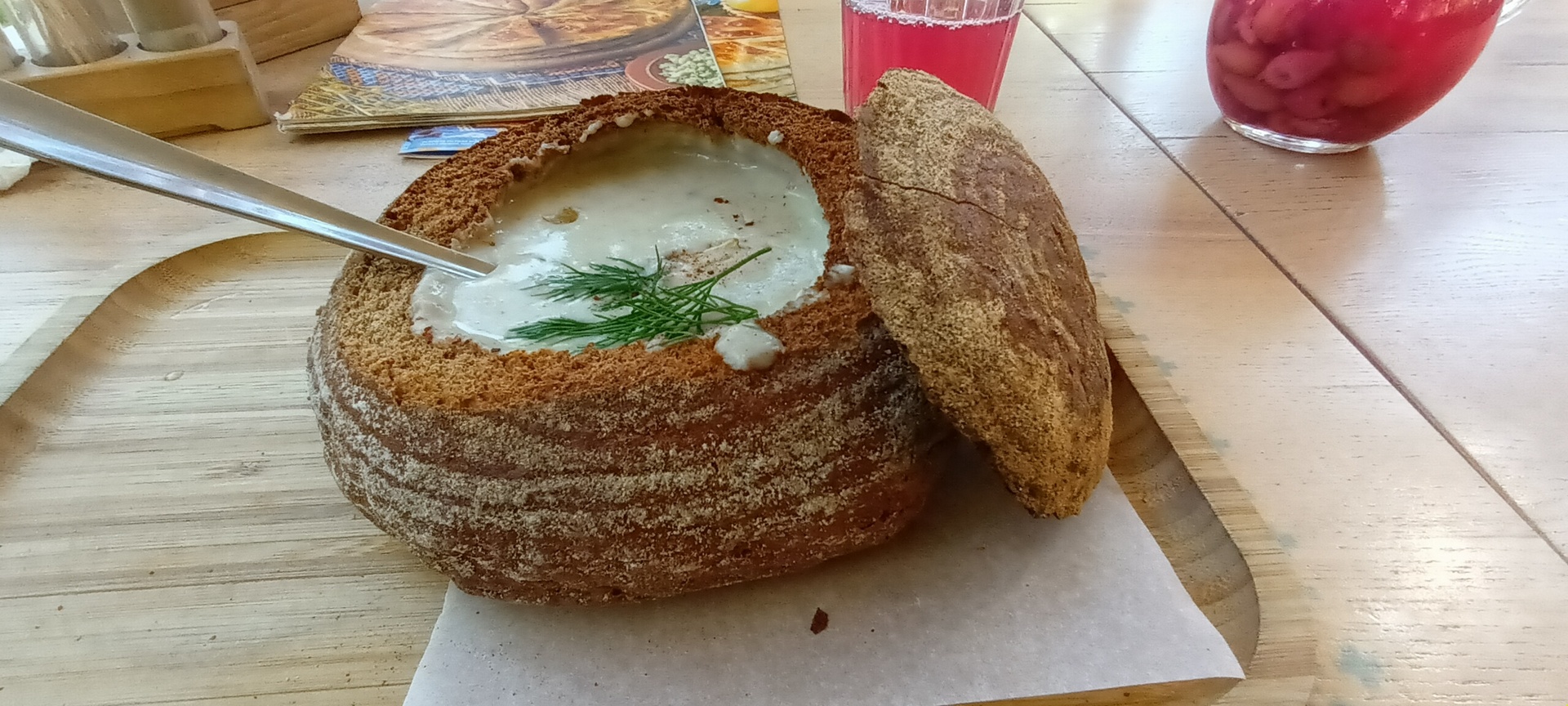
Supă de ciuperci în pâine
(Bread bowl mushroom soup)
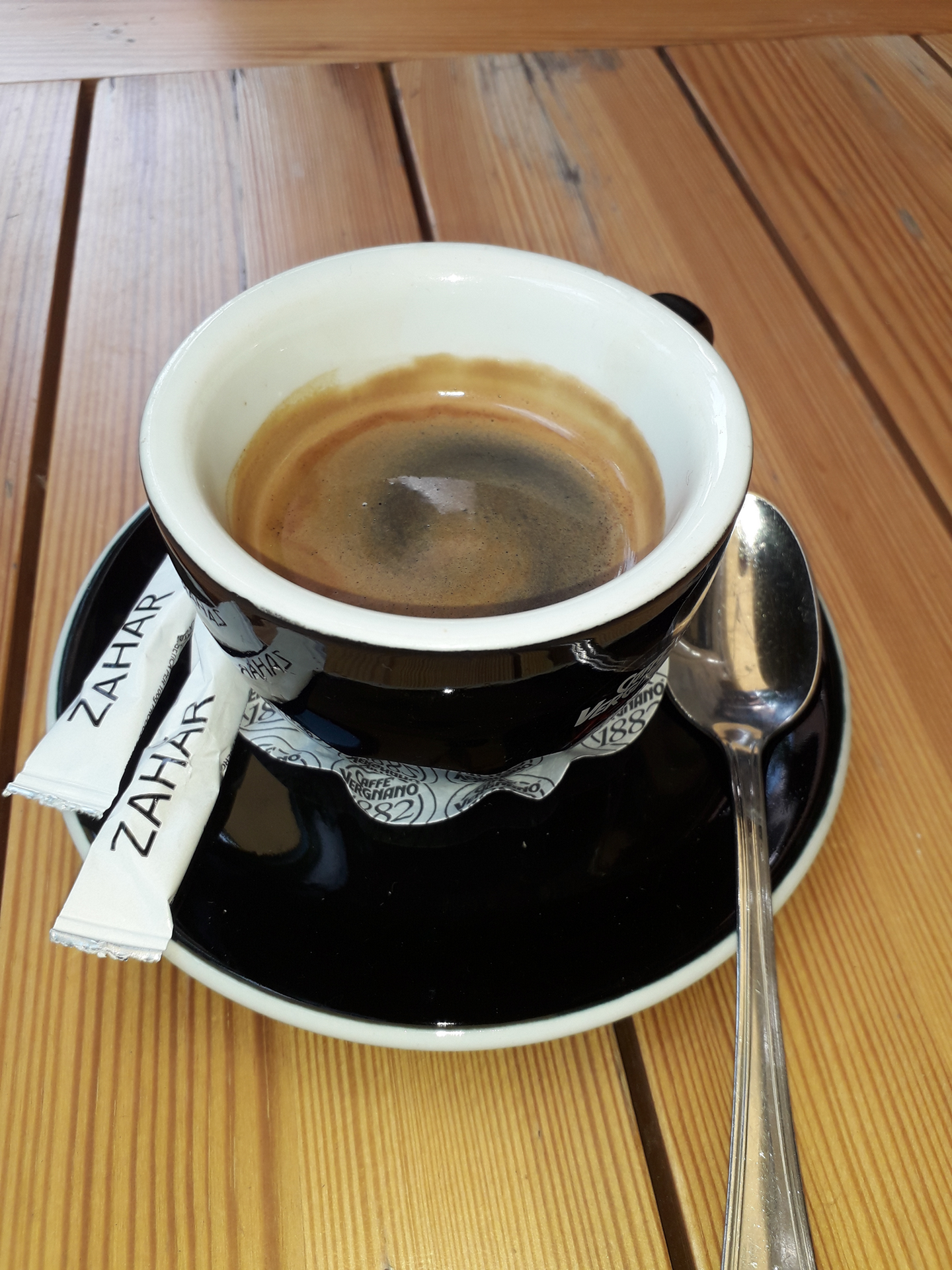
A simple, but good Cup of Coffee
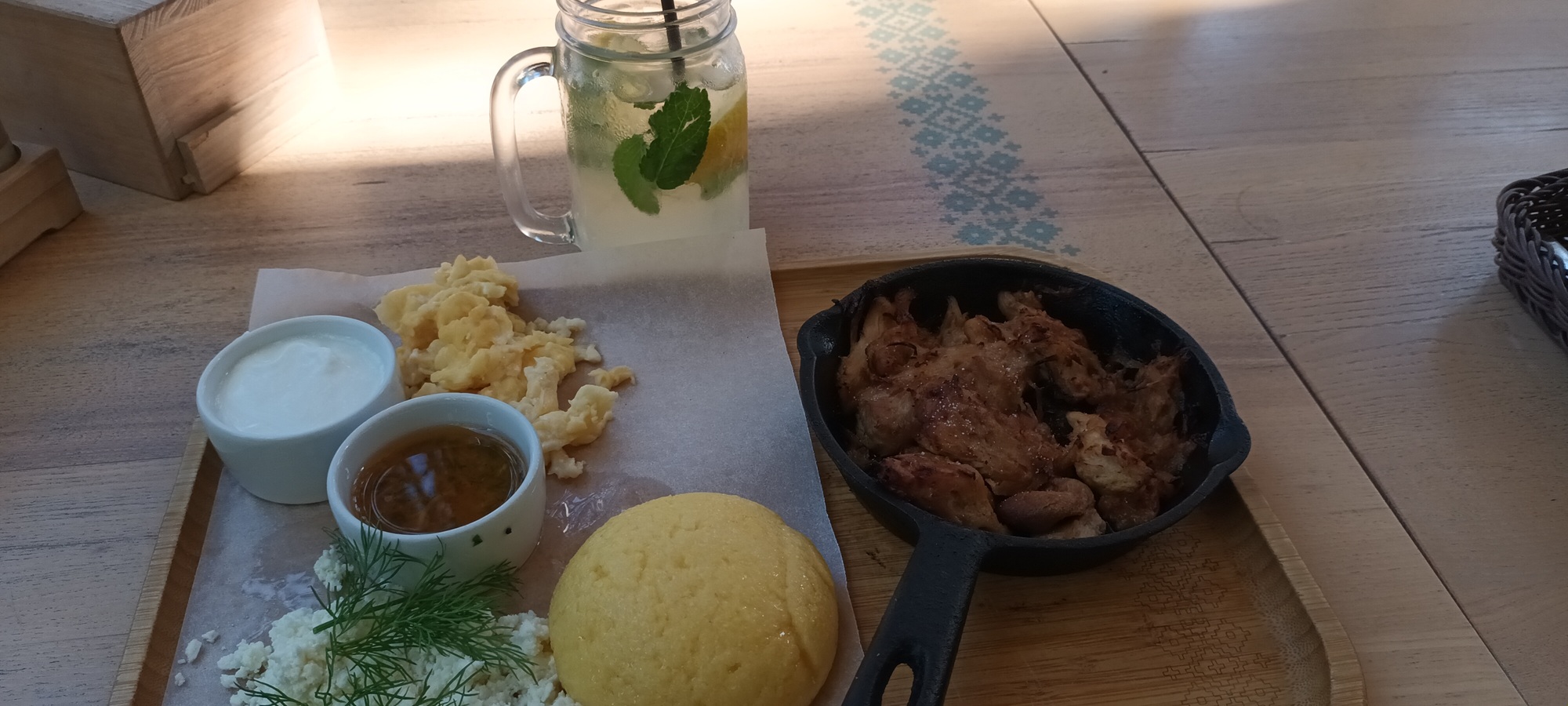
Mămăligă
with chicken, scrambled eggs, garlic
dip and fresh pressed lemon lemonade
Moldova’s nightlife is relaxed, social, and spread across the country - not only centered in one place, but experienced differently from city to city.
In Chișinău, evenings are the most lively.
Streets, central areas, and terraces fill with people, music, and light, but it is easy to move between different places, enjoy a drink, listen to music, or simply walk and take in the atmosphere.
The city offers variety, but still keeps a calm and approachable feeling.
In Bălți, nightlife has a more local character.
Evenings often gather around central streets and terraces, where people meet, talk, and enjoy music in a more relaxed setting.
It feels familiar and social rather than busy.
Further south, Cahul offers warm evening atmospheres, especially during spring and summer.
Open spaces, events, and terraces create a lively but comfortable environment where people stay out late and enjoy the night at a
slower atmosphere.
In Orhei, nightlife is smaller and more intimate.
It may be a lively terrace, a café open late, or a local event bringing people together.
The experience feels close and personal, with a strong sense of community.
In the autonomous region of Gagauzia, cities like Comrat and Ceadîr-Lunga offer a different cultural atmosphere.
Evenings here can include local music, gatherings, and events that reflect regional traditions and identity, giving visitors a unique perspective.
Across Moldova, nightlife is not only about specific places - it is also about the feeling.
In smaller towns and even villages, evenings often take place outdoors.
People gathering in squares, sitting on terraces, or meeting in local spots where conversations, music, and simple moments define the night.
What makes nightlife in Moldova special is its balance.
It is lively without being overwhelming, social without being crowded, and diverse without losing its local character.
Wherever you are - in a larger city on a modern discothèque, nightclub or in a smaller town - the night invites you to slow down, look around, and simply be part of it.
Your Journey Through Moldova Starts Here
There are still endless many places to discover, roads to travel, traditions to experience, and people to meet.
We hope GoVisitMoldova has given you a little inspiration for your own journey, whether you are visiting Moldova for the first time or returning to a country you already know.
Perhaps, somewhere along the way, you will discover a place that becomes one of your own favourites.
-
GoVisitMoldova continues to grow, with new places, stories and experiences added along the way.
So come back from time to time - there will always be more of Moldova to discover.