Moldovan desserts are closely tied to traditions and everyday life.
They have long been part of family gatherings, holidays, celebrations, and ordinary afternoons spent around a table.
Often prepared at home, they reflect a tradition where food is made with care and shared with others.
Many recipes have been passed from one generation to the next, carrying familiar
flavors, techniques, and memories with them.
While the ingredients are often humble - flour, dairy products, fruits, nuts, and honey - the desserts themselves can be surprisingly rich, detailed, and time-consuming to prepare.
More than something sweet, they are part of the traditions, customs, and moments that always have brought people together.
Traditional Sweet Treats
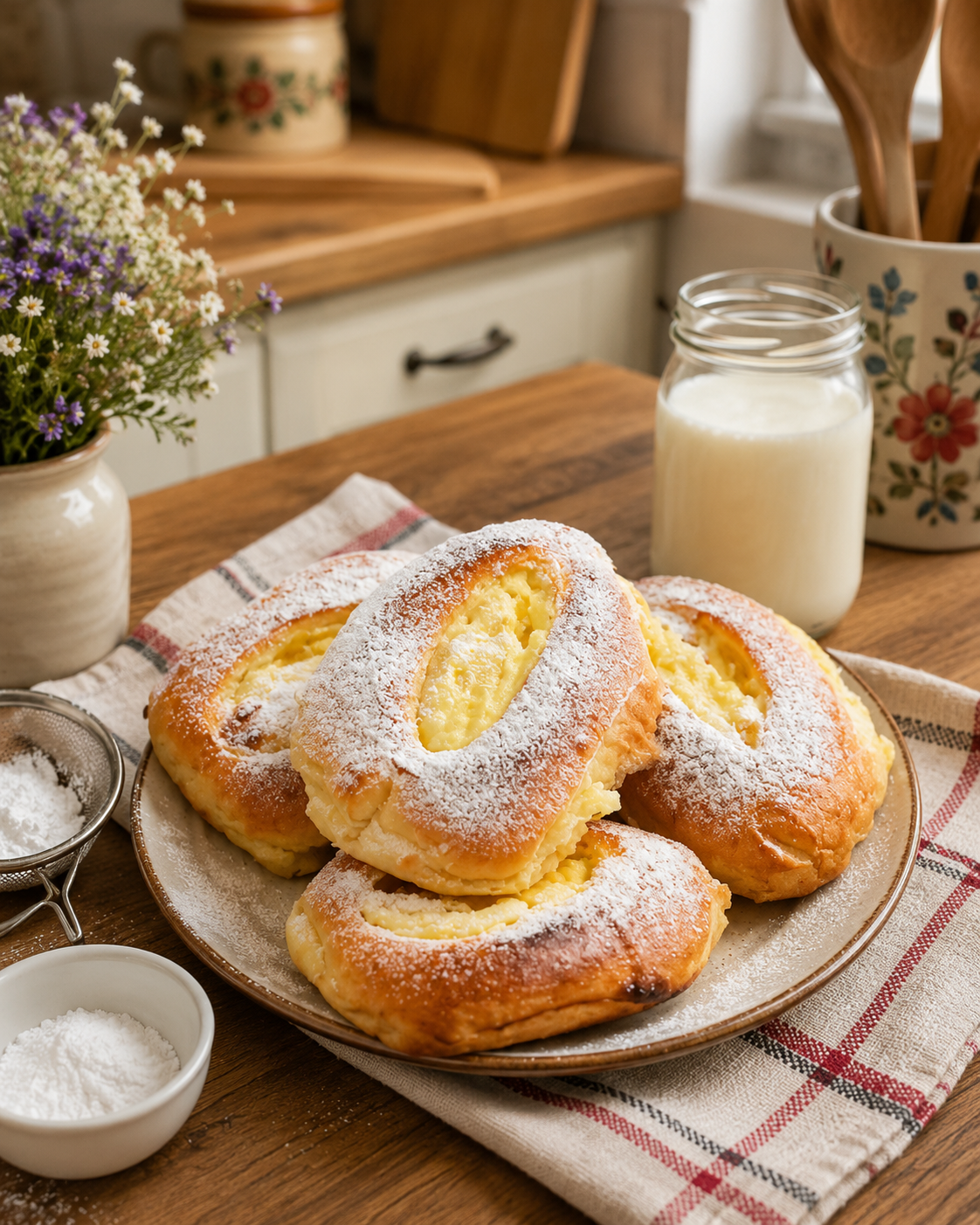
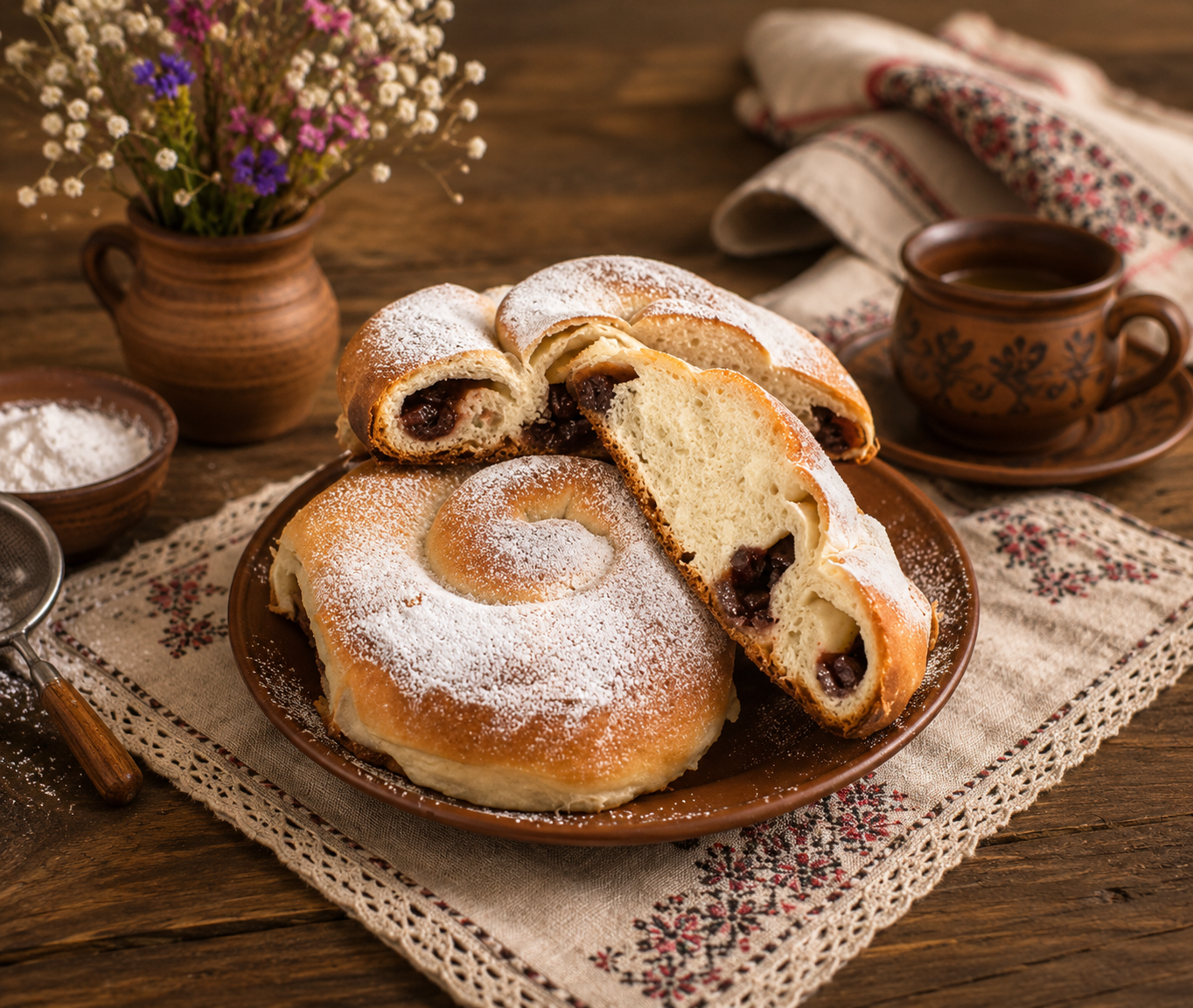
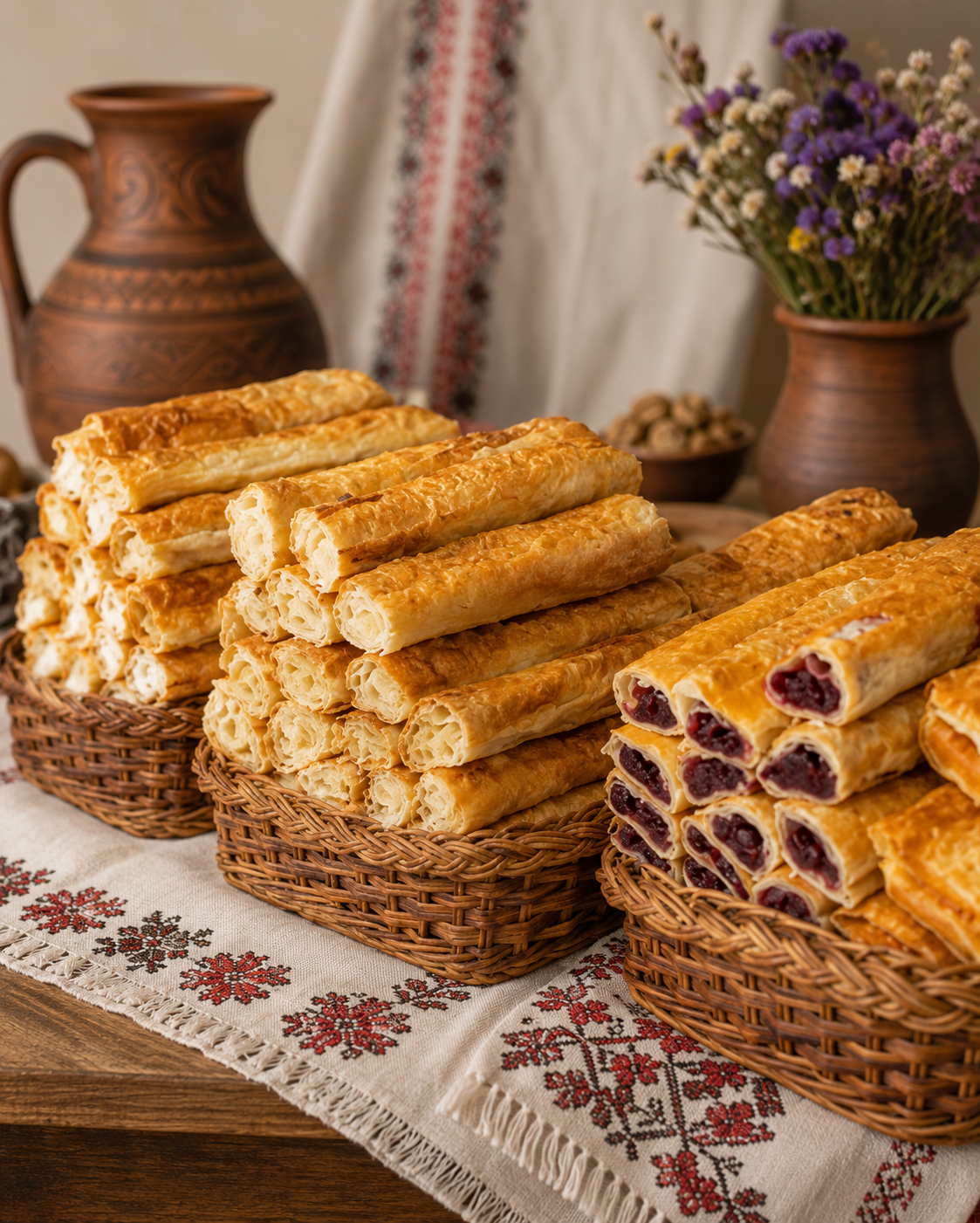
Plăcinte (Sweet Versions)
A beloved pastry that can be filled with apples, cherries, pumpkin, or sweet cheese.
Each region and family may have its own variation, but they are almost always served warm, soft, and freshly made.
Baba Neagră
One of the most distinctive desserts, known for its dark color and rich, caramelized texture.
Slowly baked over several hours, it develops a deep flavor that reflects patience and tradition.
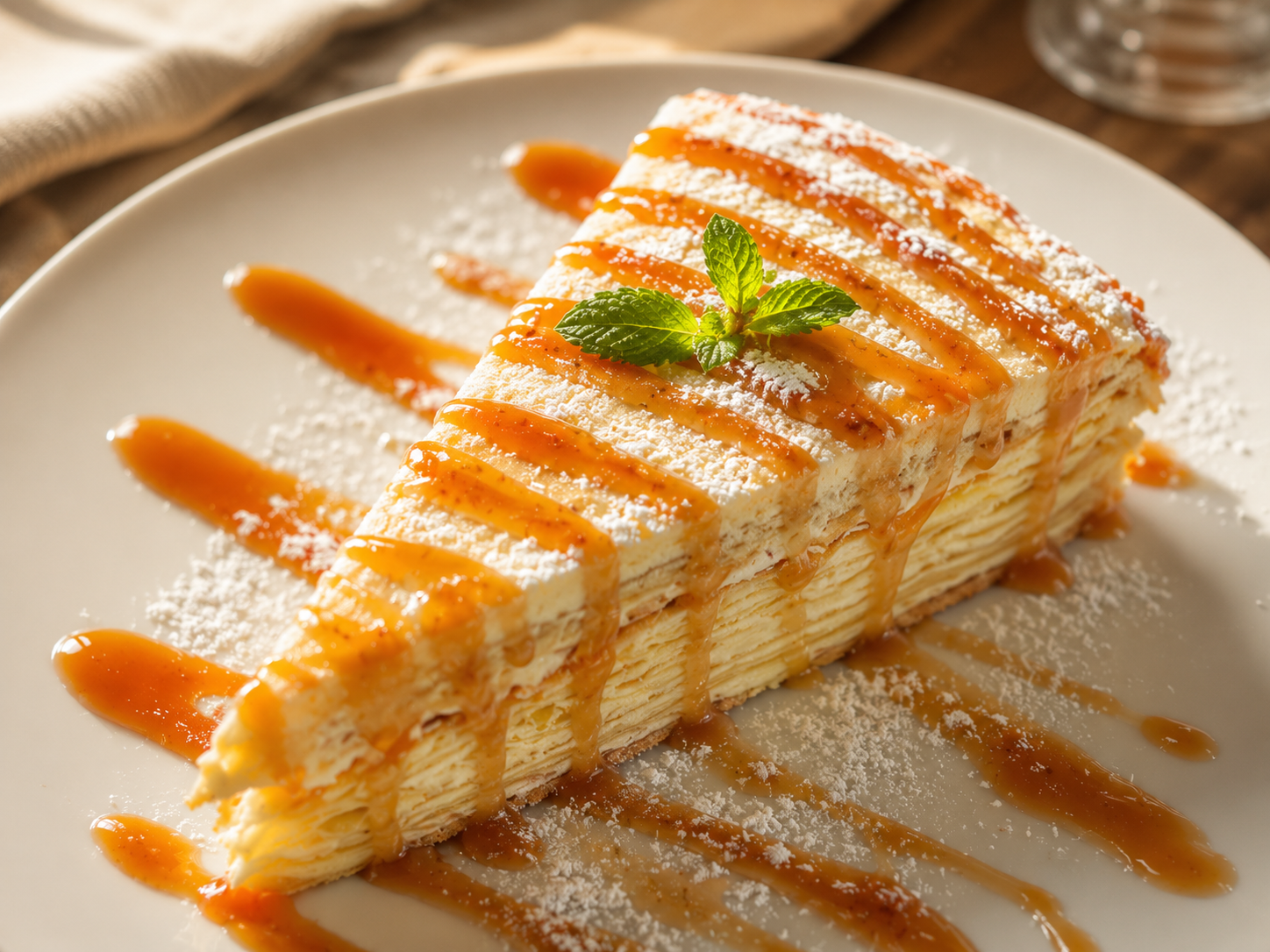
Clătite (Pancakes)
Thin, delicate pancakes filled with jam, honey, or sweet cheese.
They are simple, versatile, and enjoyed by both children and adults, often as a light dessert or an afternoon treat.
Fruits & Natural Sweetness
Fruits play a central role in desserts.
Apples, plums, cherries, grapes, and berries are used fresh, baked, or preserved, depending on the season.
In summer, desserts are lighter and fruit-based, while in colder months, preserved fruits and jams bring back the flavors of warmer days.
As the seasons change, so do many of the ingredients used in traditional desserts, giving the table a different character throughout the year.
Honey is also widely used, adding a gentle sweetness and depth of flavor and often it replaces refined sugar, giving desserts a more natural and traditional character.
Homemade Traditions
Much of the dessert culture is built around homemade preparation.
Recipes are passed down through generations, often remembered rather than written and in many cases, the old recipes are written on a piece of paper, which are placed between the pages in an old recipe book.
Jars of jam, preserved fruits, and sweet fillings are prepared during harvest seasons and stored for later use.
These homemade elements bring both flavor and meaning to desserts, connecting them to time, memory, and family traditions.
The Moment After the Meal
Desserts in Moldova are closely tied to the moment they are served.
They come when the pace slows down, when conversations continue, and when the table becomes a place for sharing more than just food.
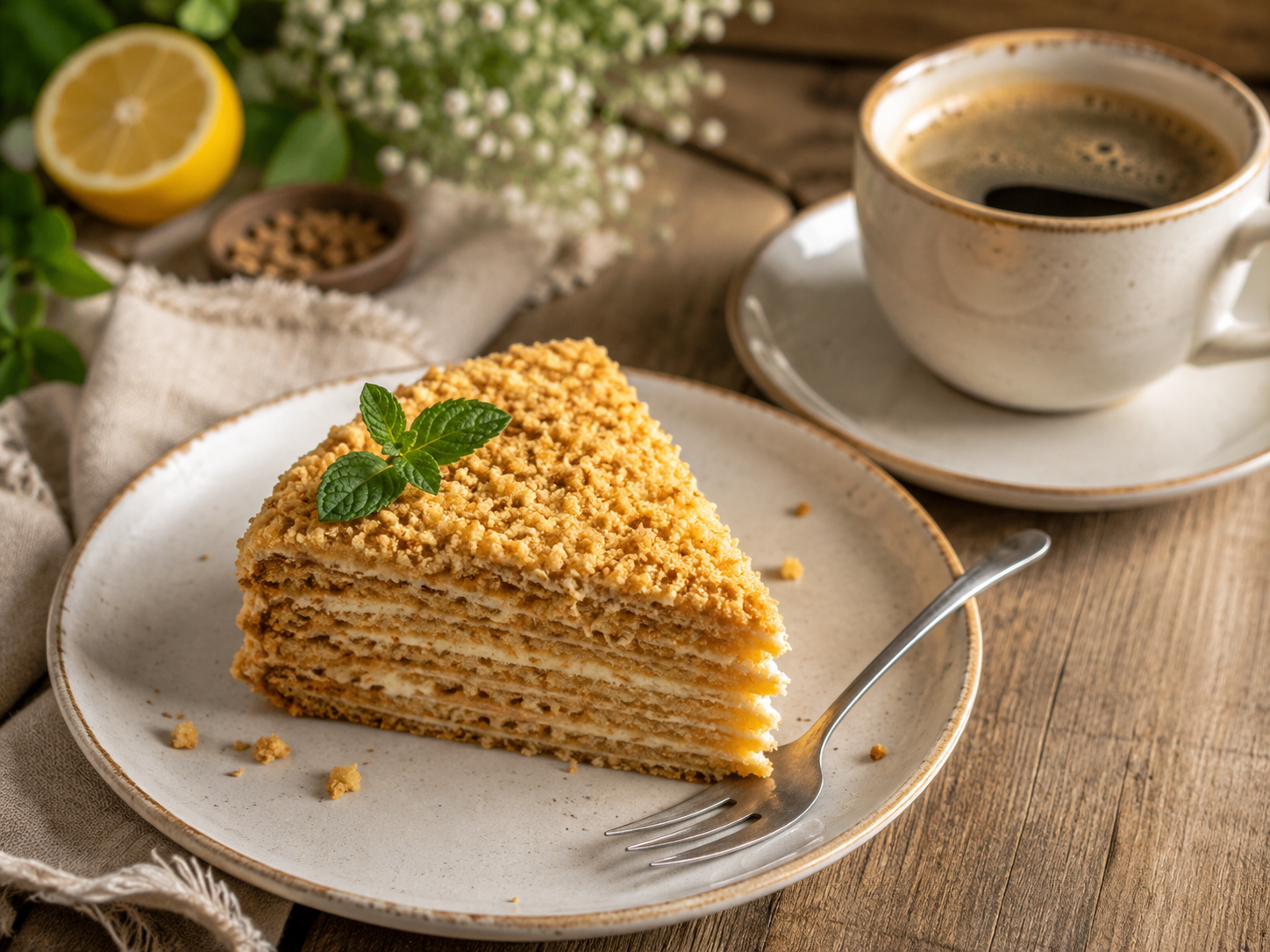
It is not uncommon for desserts to be enjoyed slowly, alongside tea, coffee, or simply
in good company.
In Moldova, desserts are not meant to impress — they are meant to comfort, to be shared, and to leave a gentle sweetness behind.
Milo's tip:
Never tell a Moldovan grandmother you're too full for dessert.
Milo tried... It didn't work. 😄

Se spune că dulcele nu este doar gust - este liniștea de după masă.
(It is said that sweetness is not only taste - it is the calm that follows a meal.)