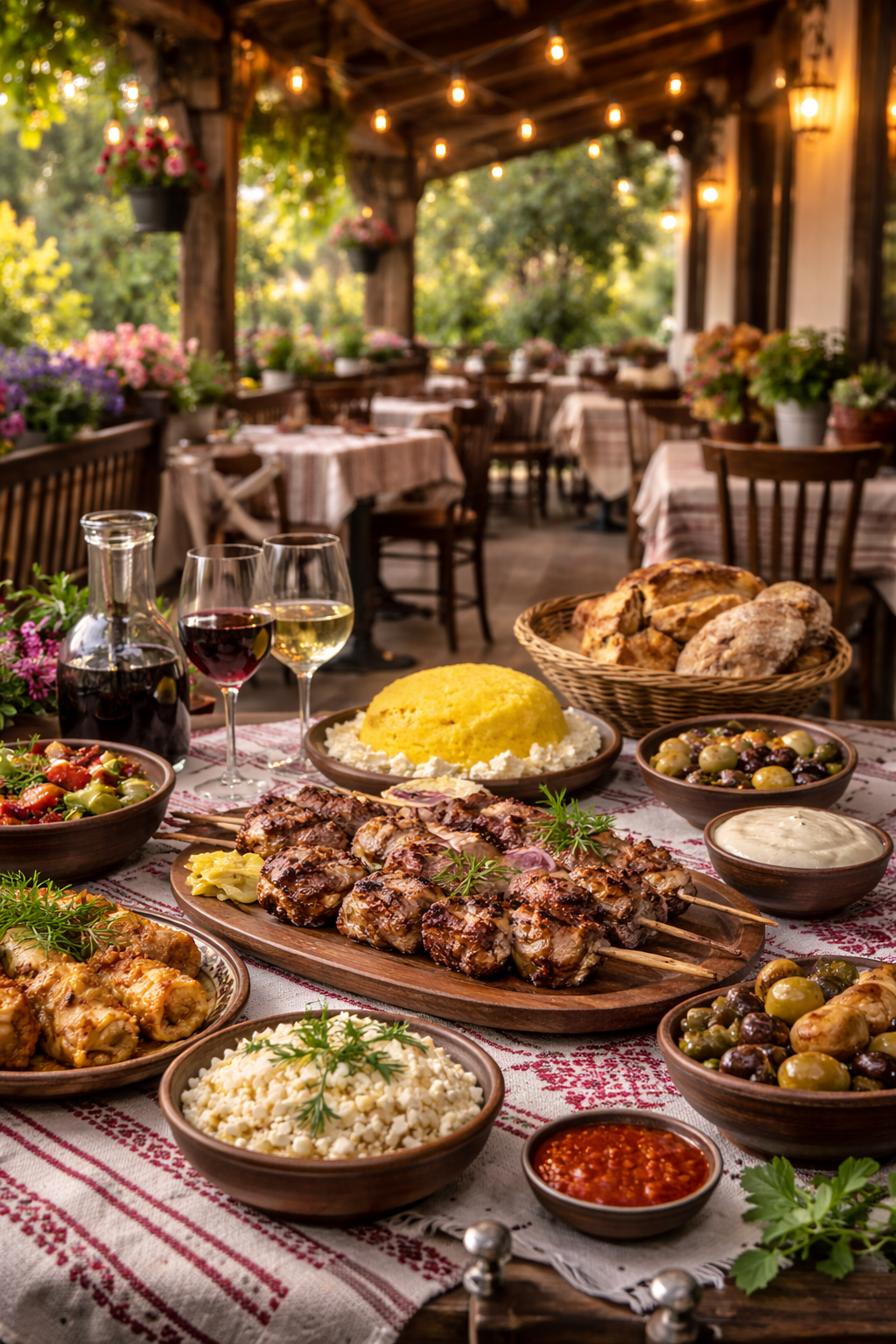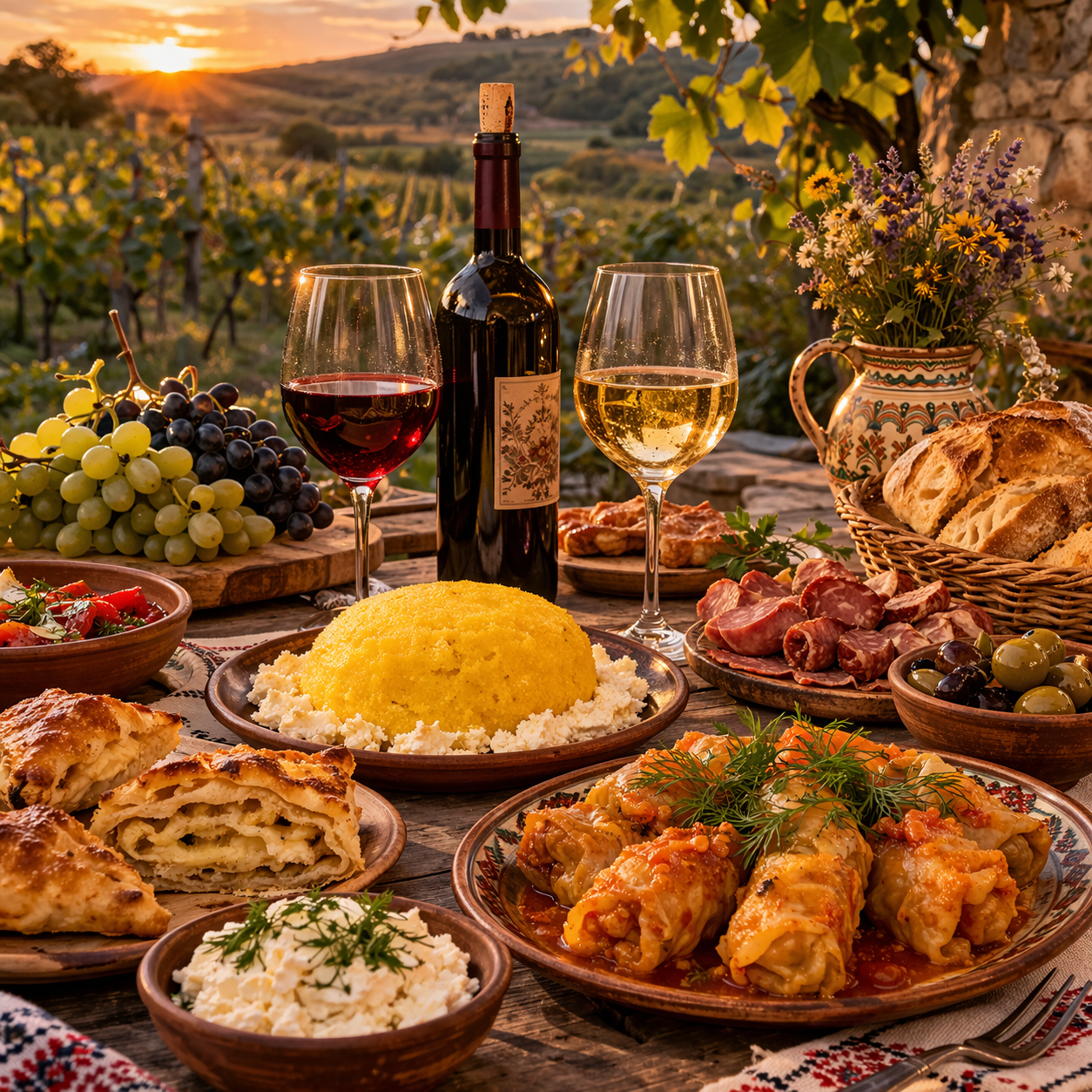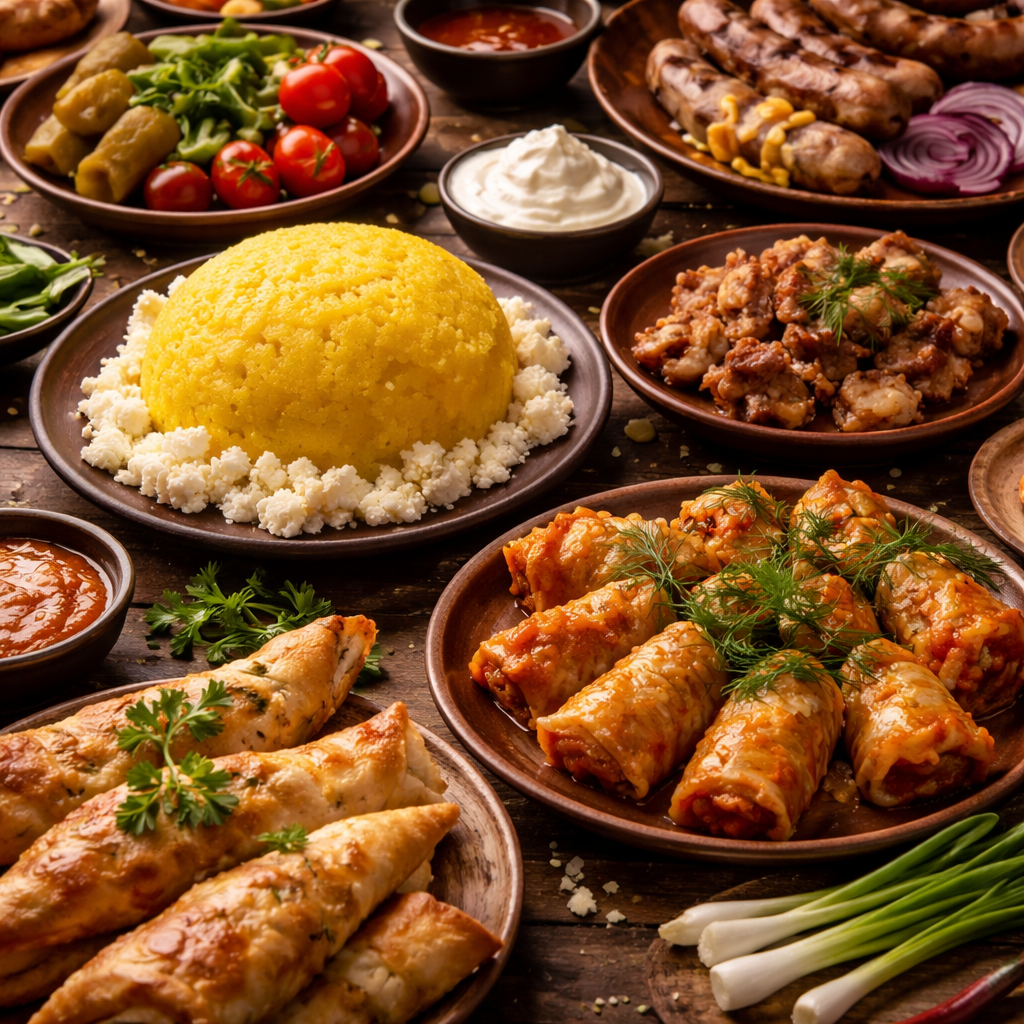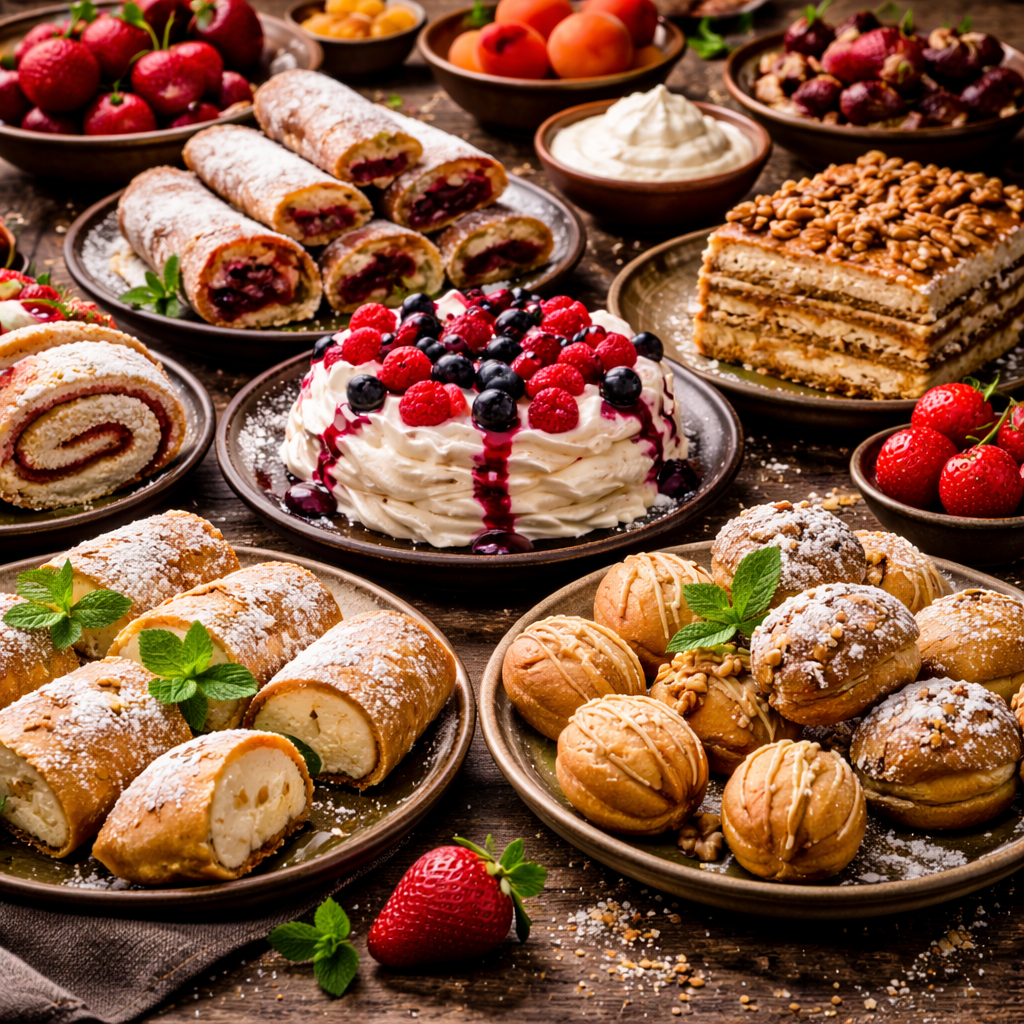
A lot of Moldovan cooking starts with quite ordinary ingredients.
Tomatoes, peppers, aubergines, cabbage, onions, potatoes and beans, Dill and parsley, fruit from the garden, cheese, sour cream, eggs, flour and bread.
Nothing particularly complicated.
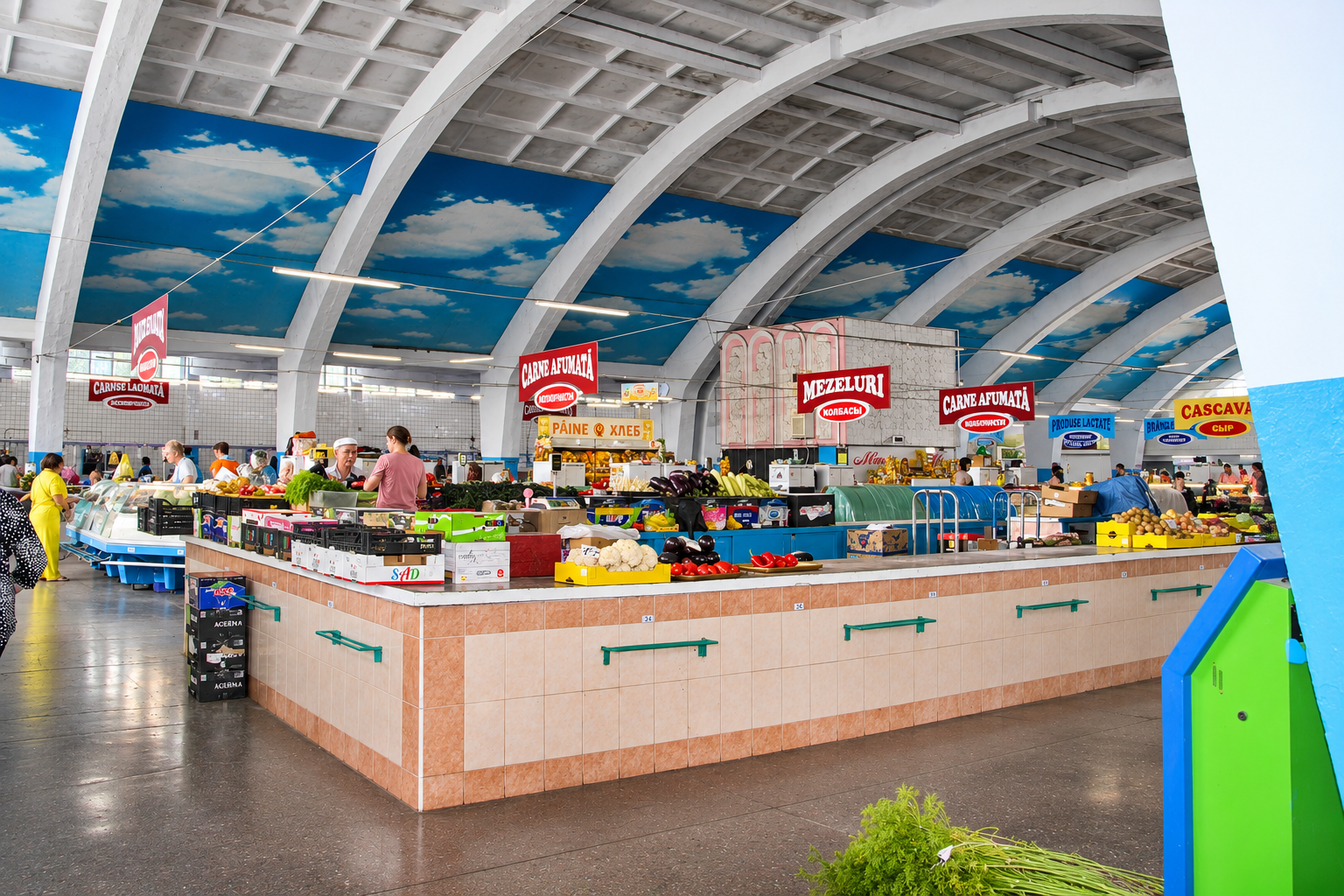
But walk through a market in summer and suddenly the word ordinary doesn't seem completely fair.
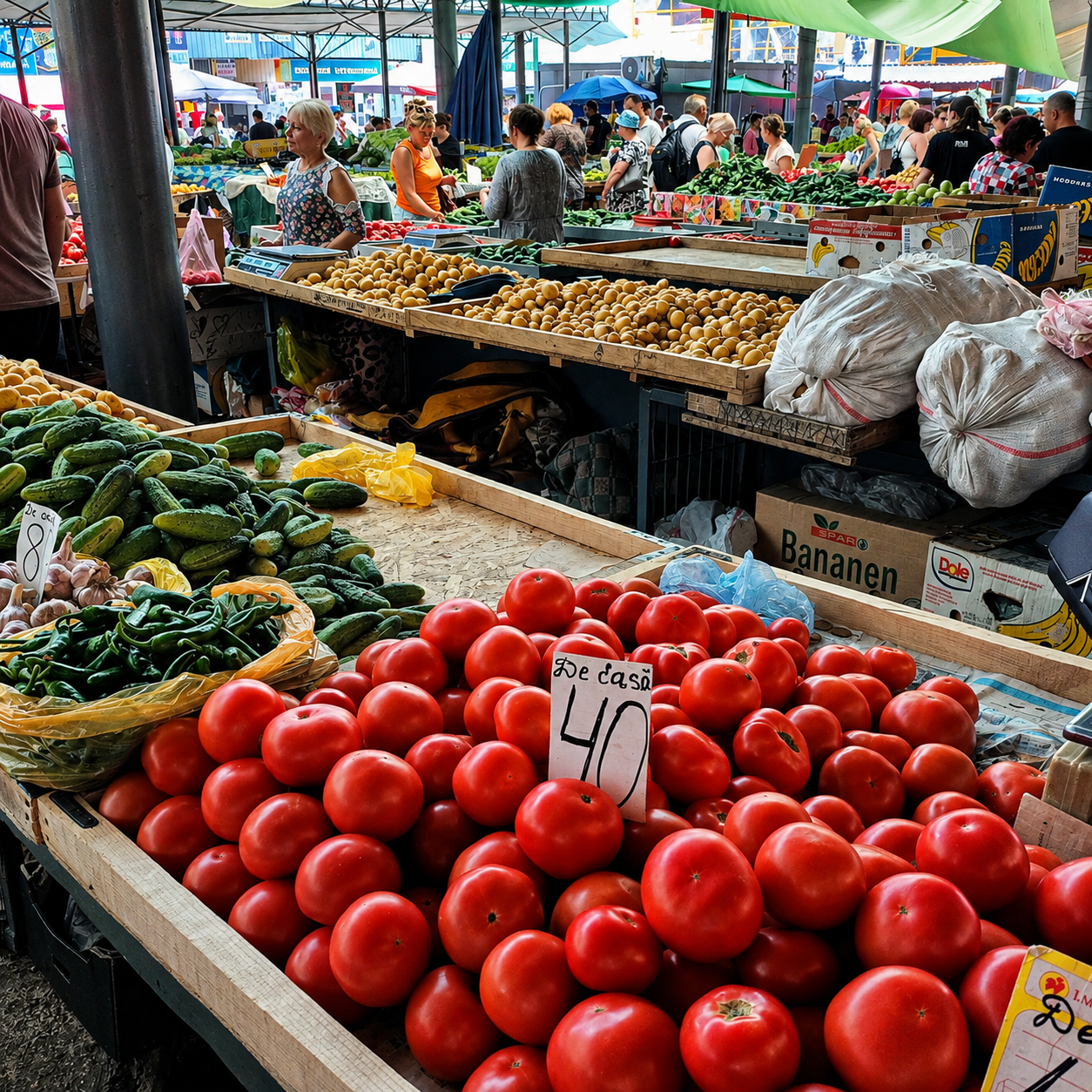
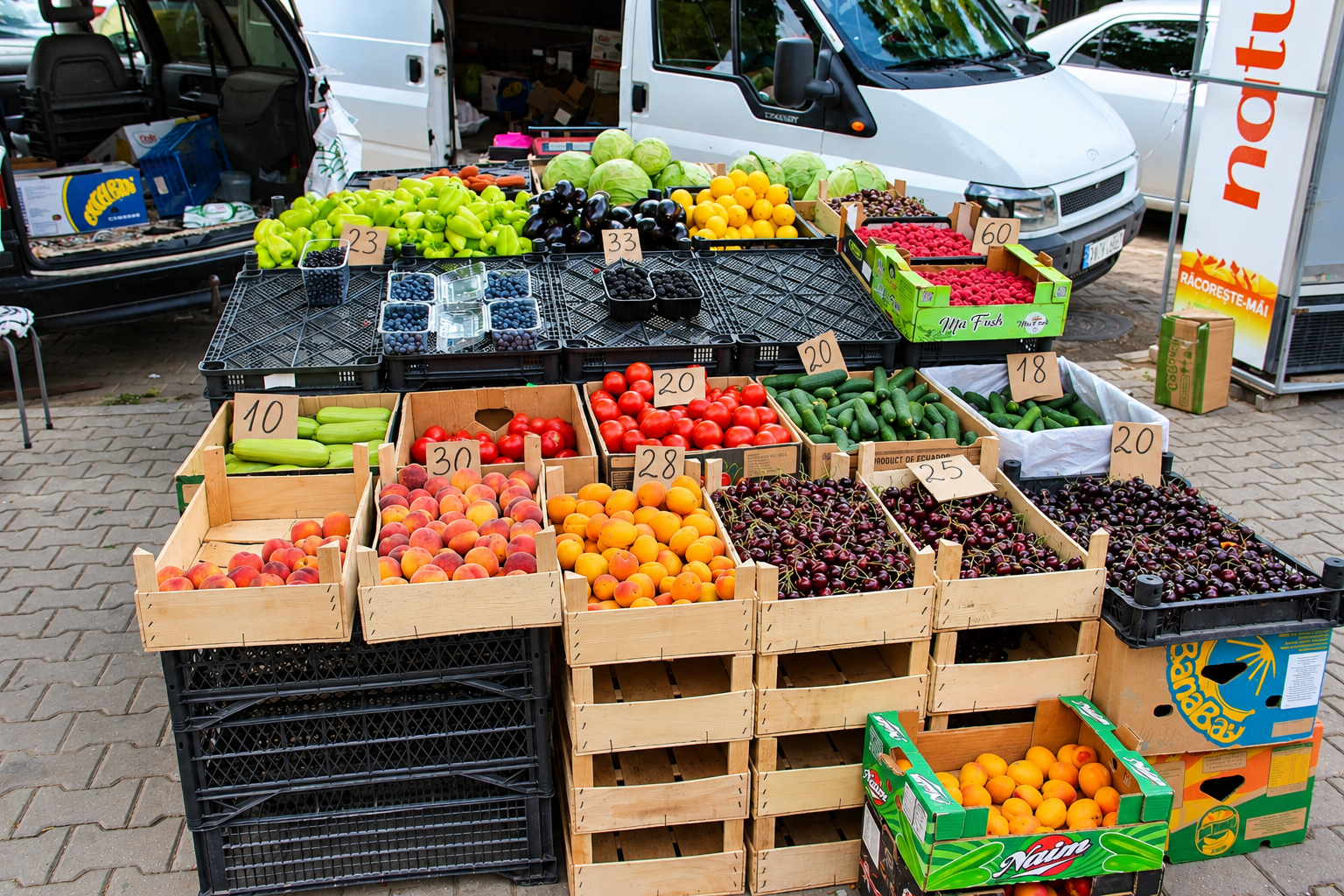
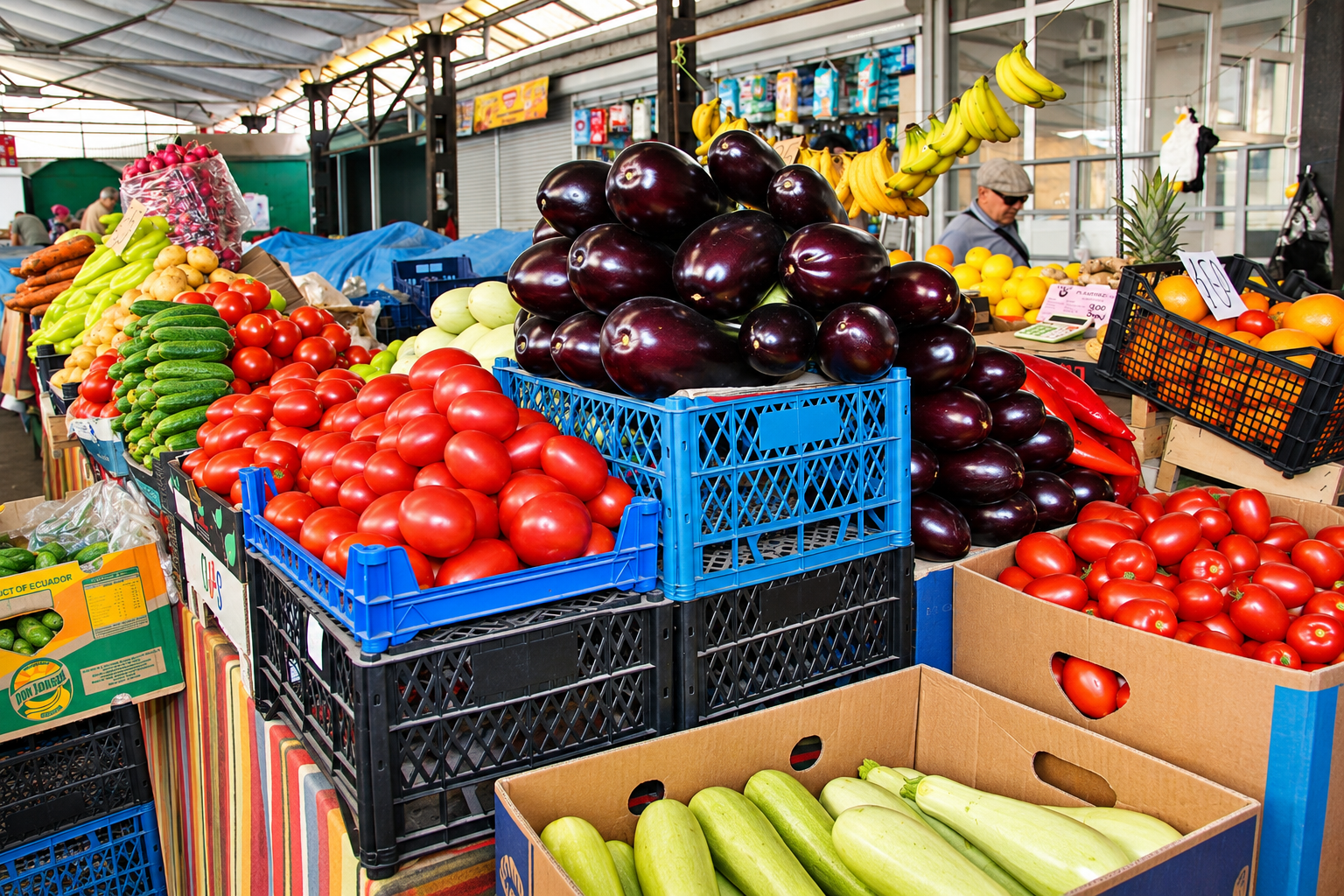
Tomatoes are piled high on tables, Peppers come in different colours and-
sizes, bunches of dill and parsley lie beside onions and garlic, while cherries, apricots, plums, peaches, grapes and watermelons appear as their seasons arrive.
Much of this doesn't only come from commercial farms.
People grow vegetables and fruit in their own gardens, bring produce from relatives in the countryside or buy it from somebody at the local market.
Sometimes you even know exactly whose garden it came from.
Dairy is another everyday part of the kitchen and Brânză, made from sheep's or cow's milk, appears with mămăligă, in pastries and in other dishes.
Smântână finds its way onto the table surprisingly often.
Then there is bread and resh bread is not decoration beside a Moldovan meal, but it gets eaten.
And quite often more of it gets eaten than you originally intended. ;-)
Meat may be grilled, roasted, cooked slowly or prepared for dishes that have been made in families for years.
But vegetables are certainly not there just to make the plate look prettier, they are a major part of the food.
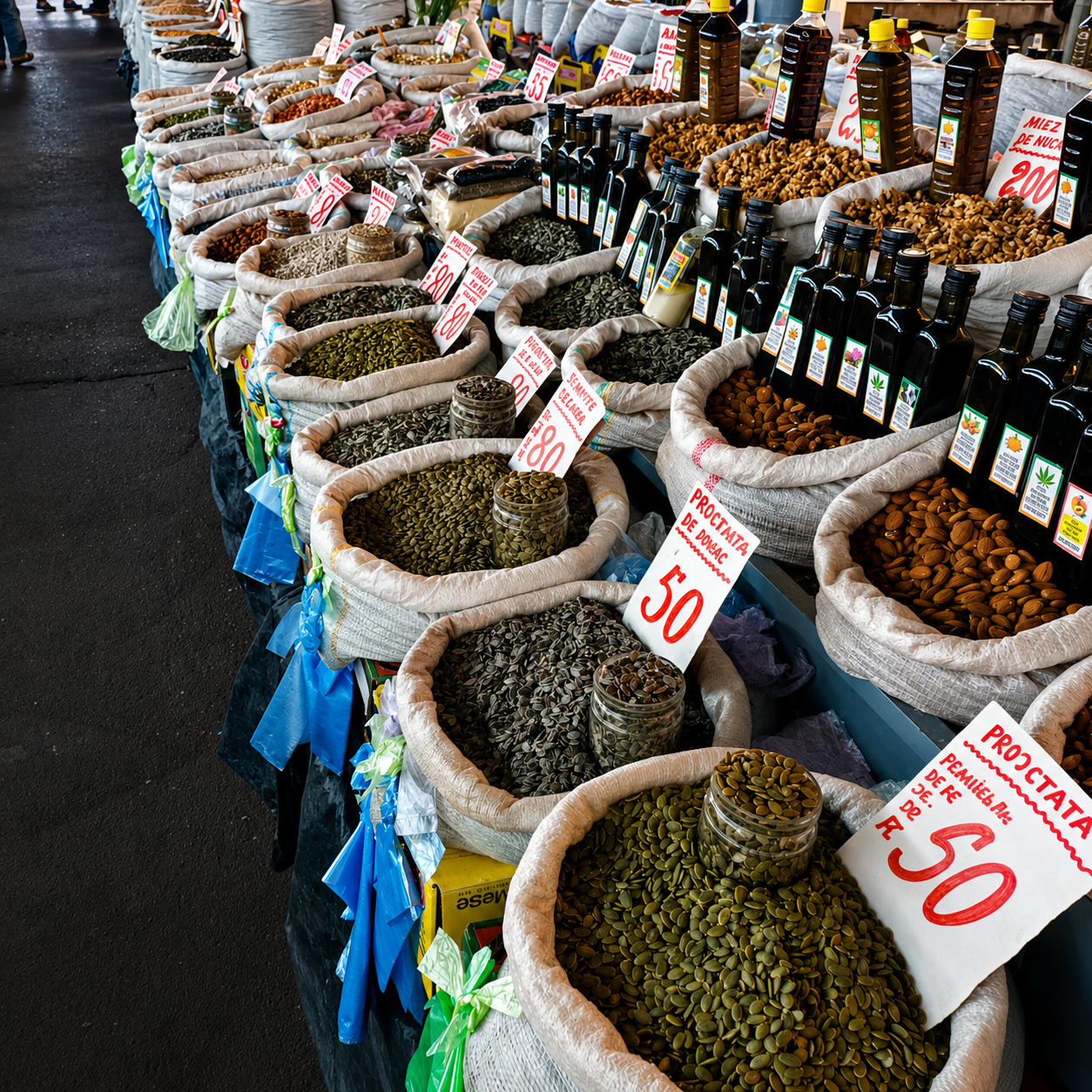
Seasonal Rhythm
What is available changes together with the seasons.
Spring brings the first fresh vegetables and herbs.
Tomatoes, cucumbers, peppers, berries, cherries, apricots and other fruit begin
appearing, followed by more as the summer continues.
And then summer takes over.
Markets fill with tomatoes, cucumbers, peppers, cherries, apricots, peaches, berries and watermelons.
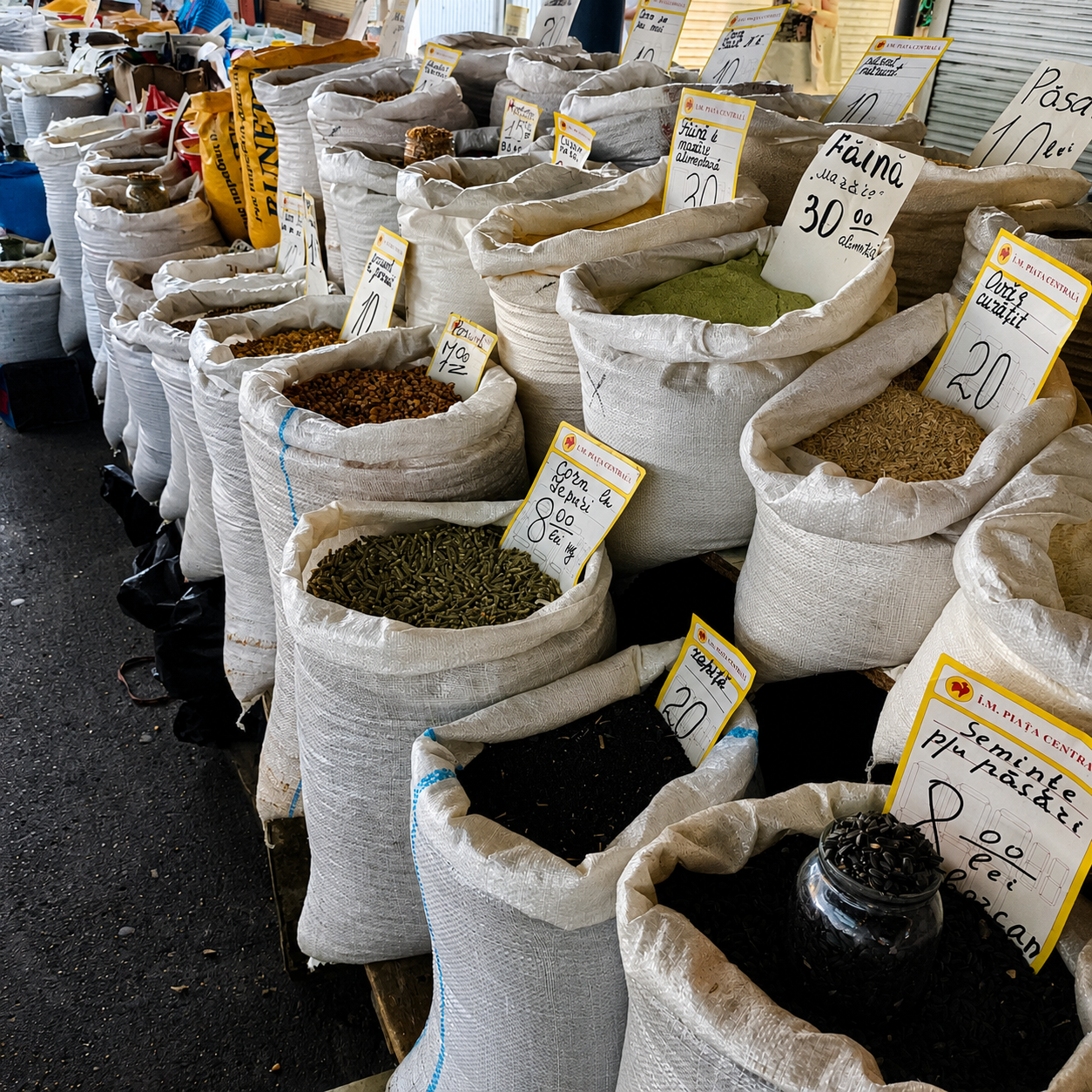
Stands become crowded with wooden boxes and buckets, while vendors arrange their produce, weigh vegetables and call out prices to passing customers.
In villages, gardens are busy too. Tomatoes ripen on their vines, cucumbers seem to grow faster than anyone can pick them, and fruit trees begin dropping their harvest.
When everything ripens at once, there is suddenly more than the family can eat.
Autumn is different again.
Grapes are harvested, apples, pears, plums, walnuts and vegetables are collected, and kitchens become busy preparing things that will still be eaten months later.
Jars appear, lots of jars.
Pickled tomatoes and cucumbers, peppers, vegetables, jams, compotes and other preserves are prepared for winter.
Some families make a little, while others appear to be preparing for a winter lasting approximately three years. ;-)
Then winter comes.
Fresh seasonal produce becomes more limited, but summer hasn't completely disappeared.
Some of it is sitting in jars, bottles, freezers, cellars and cupboards waiting to return to the table.That cycle is still part of everyday food in Moldova.
You eat what is growing now and when there is too much of it, you find a way to keep
some for later.
Se spune că pământul dă ceea ce îi este oferit - iar când este îngrijit cu
răbdare, răsplătește din plin.
-
It is said that the land gives what it is given - and when cared for with
patience, it gives back in abundance.