There is something very unique about an old fortress that makes you curious.
Perhaps it is the enormous walls, the towers, or simply the thought of how many people have stood in exactly the same place before you.
You look at the stones and wonder how they managed to build something so enormous without the machines we have today.
Then you begin to think about the people.
Those who built it, those who defended it, and those who lived nearby, maybe wondering what would happen the next time soldiers appeared on the horizon.
These fortresses were once places where decisions could change the lives of thousands of people.
Today, we can walk through their gates without giving much thought to what it once meant to enter them.
Imagine arriving at a fortress several hundred years ago and you would probably hear people working long before you reached the entrance.
Horses, carts, soldiers calling to one another, and craftsmen repairing whatever needed attention.
There might be merchants arriving with supplies, someone carrying water, or a blacksmith working somewhere behind the walls.
It was not always about battles and defending the fortress and most days, life had to continue, just as it did in the villages and towns outside.
People needed food, somewhere to sleep, clothes to wear and tools to work with and even behind the strongest walls, ordinary life never stopped.
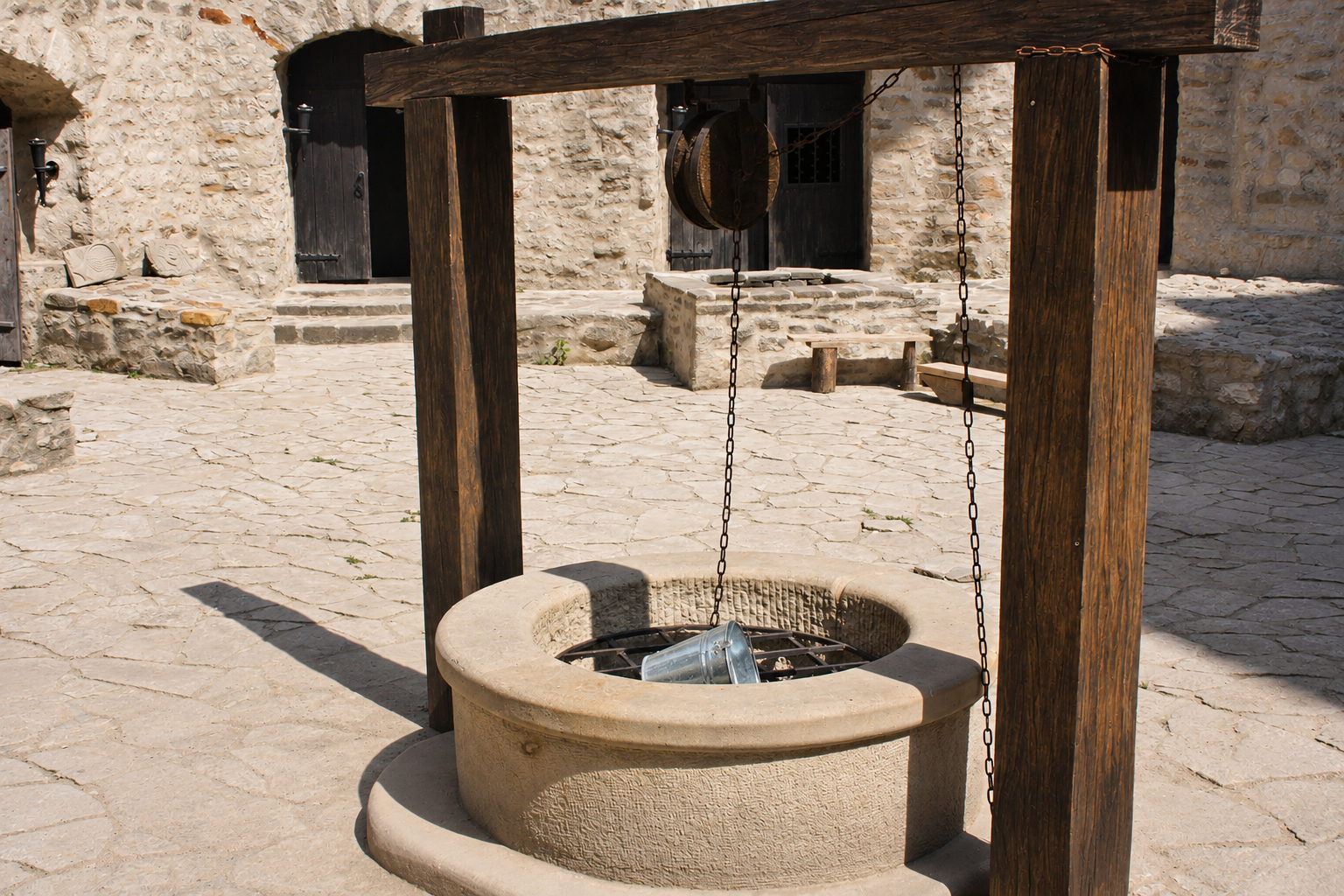
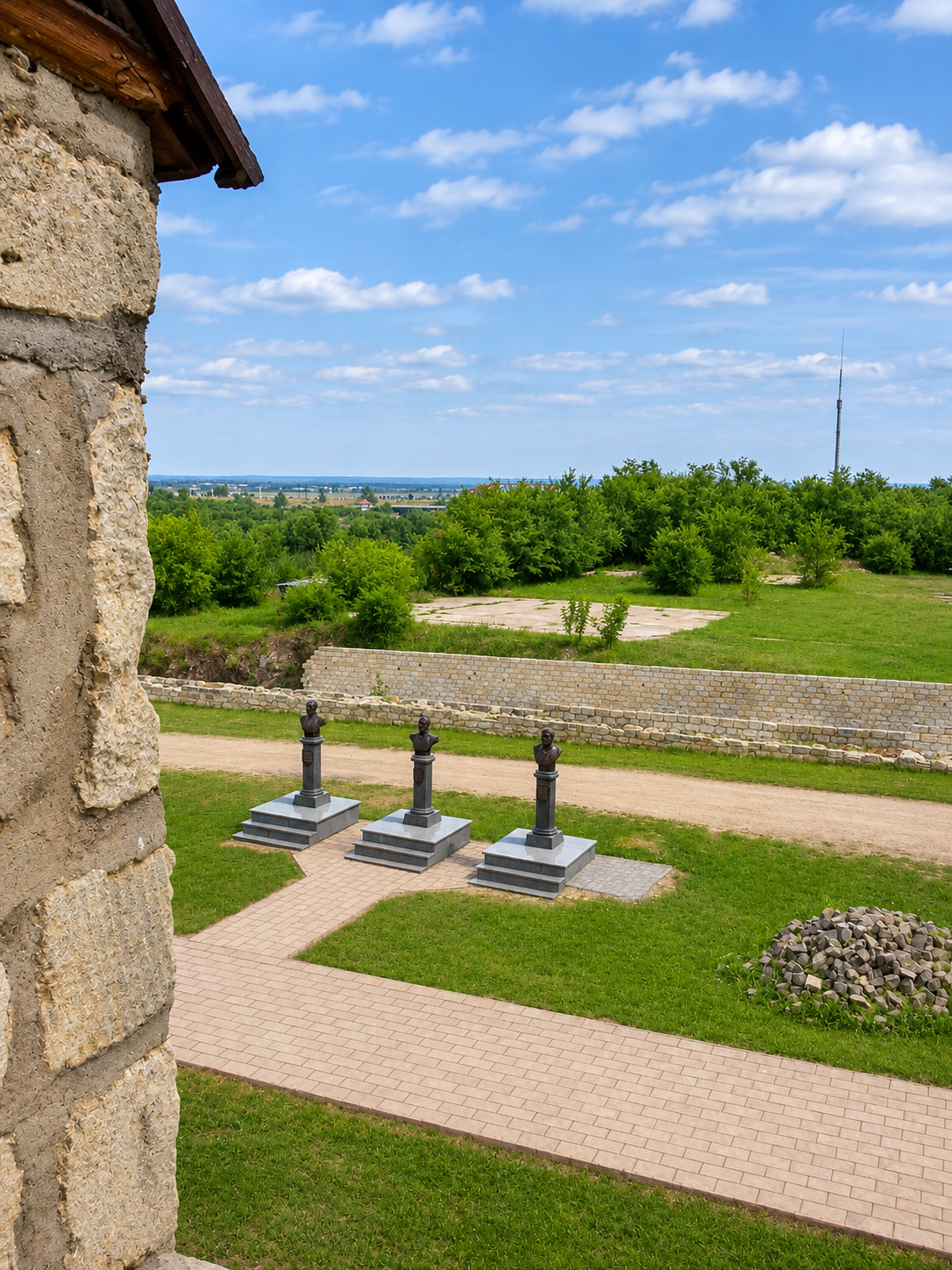
One thing that is easy to forget is just how much work went into keeping a fortress functioning.
Someone had to bring food and water, someone had to repair the
roofs, sharpen tools, look after the horses and make sure there was enough firewood when winter came.
Imagine those winters.
Cold stone walls, wind finding its way through every little opening, and people trying to keep warm while carrying out their daily duties.
Then came spring, with muddy roads, repairs to be made and supplies arriving again.
We often remember fortresses because of the battles fought around
them, but most of their existence was filled with ordinary days and ordinary people doing what needed to be done.
Of course, the world outside the walls did not stand still.
Towns grew, roads changed, new buildings appeared, and eventually the old fortresses were no longer able to serve the same military purpose.
Some parts were damaged, others rebuilt or restored, and what we see today is a mixture of different periods.
But there is still something remarkable about being able to place your hand against a wall that has stood for hundreds of years.
The people who built it could hardly have imagined that centuries
later, visitors would arrive carrying cameras and mobile phones, taking photographs of the very walls they had spent years constructing.
Can you imagine what they would have thought about that?
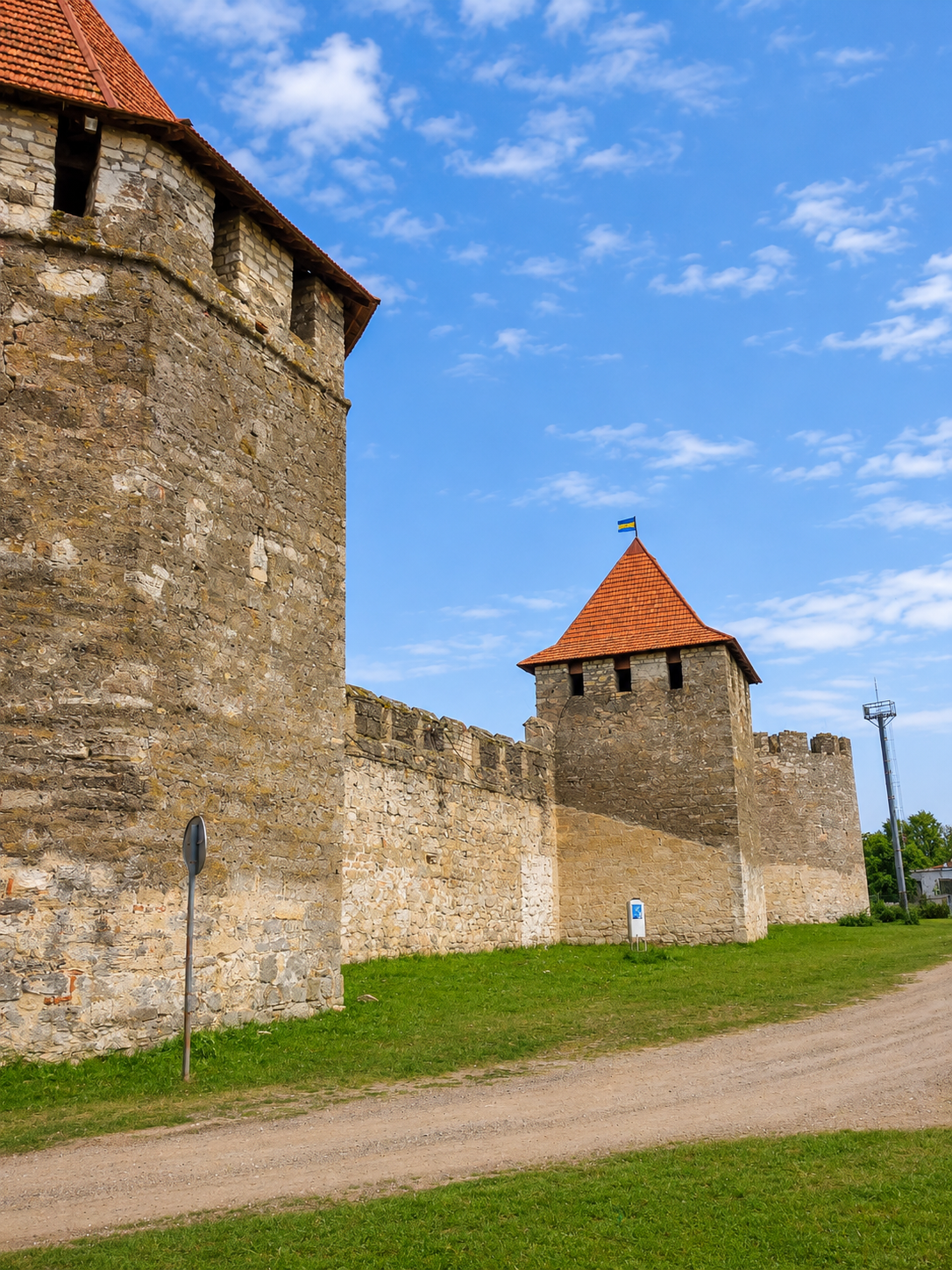
Soroca and Bender are very different places, and that is part of what makes visiting both interesting.
One is compact, with its round walls standing close to the river and the other is much larger, with long defensive walls and courtyards where you can spend considerable time walking around.
Neither is simply a collection of old stones.
They were places where people worked, worried, laughed, argued, ate their meals and tried to make a living, even during difficult times.
When you walk out through the gates again, returning to the streets and the modern life outside, perhaps you will look back once more.
Not necessarily because of the size of the walls, but because of all the lives that passed through them long before we were here.
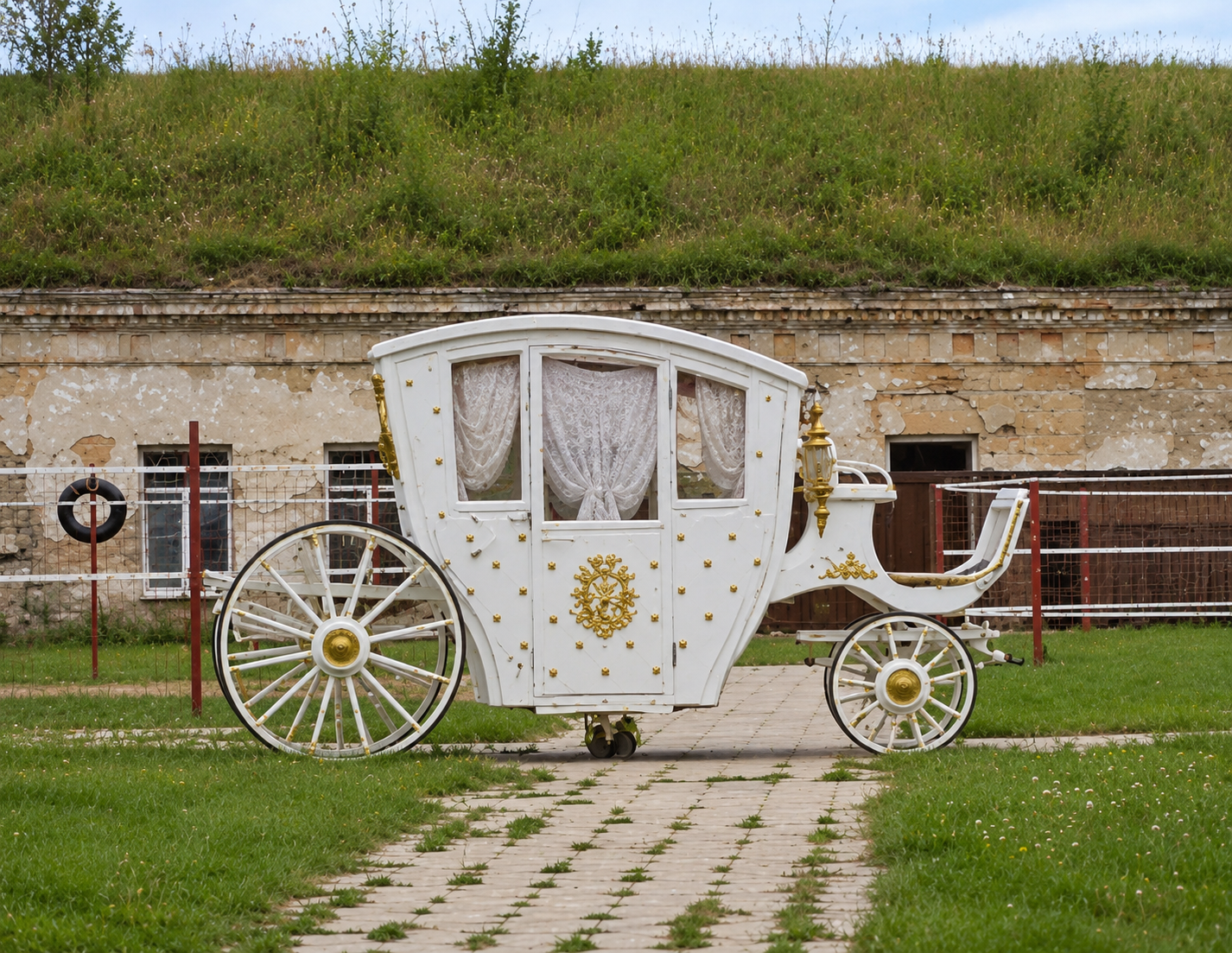
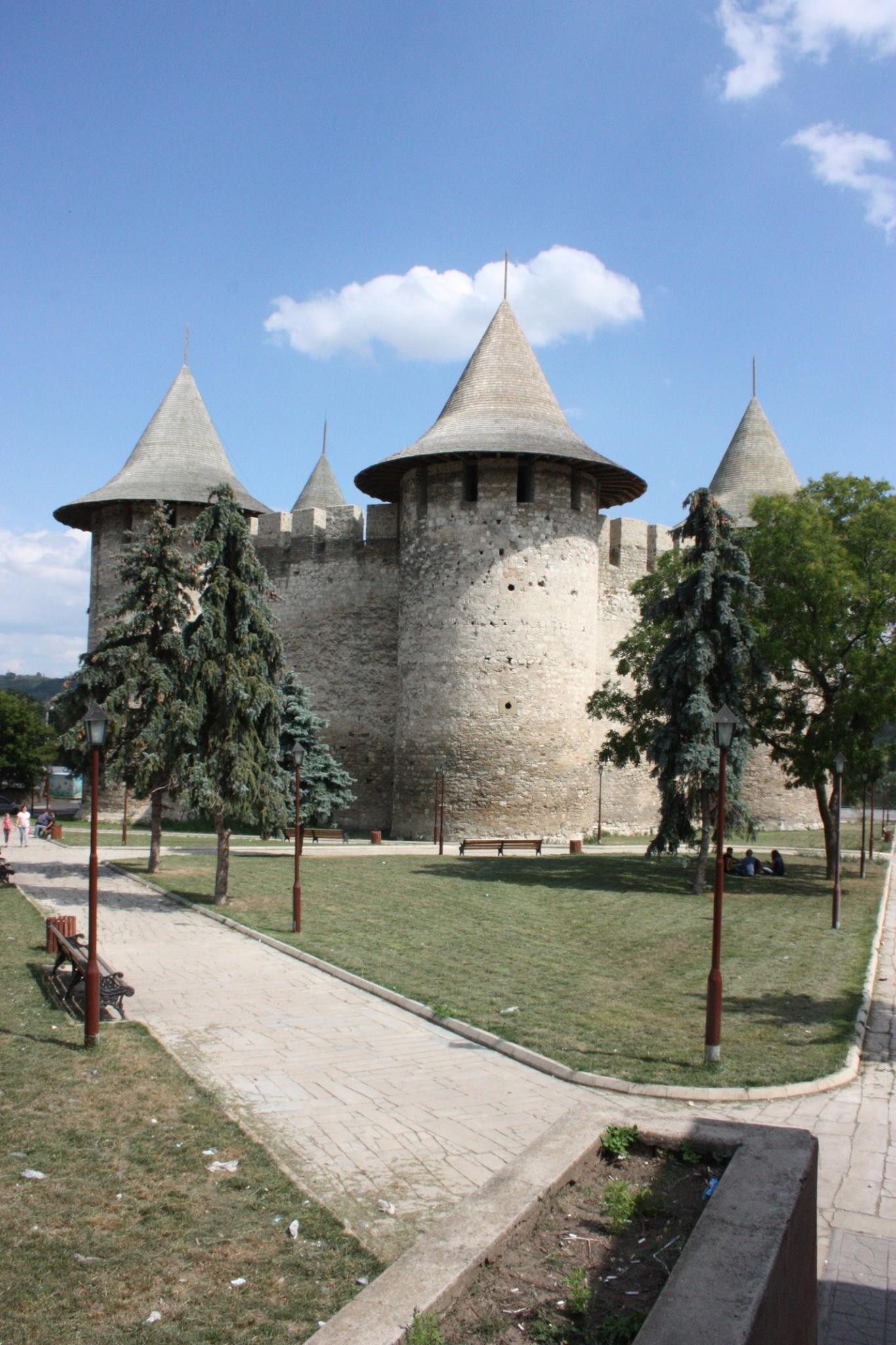
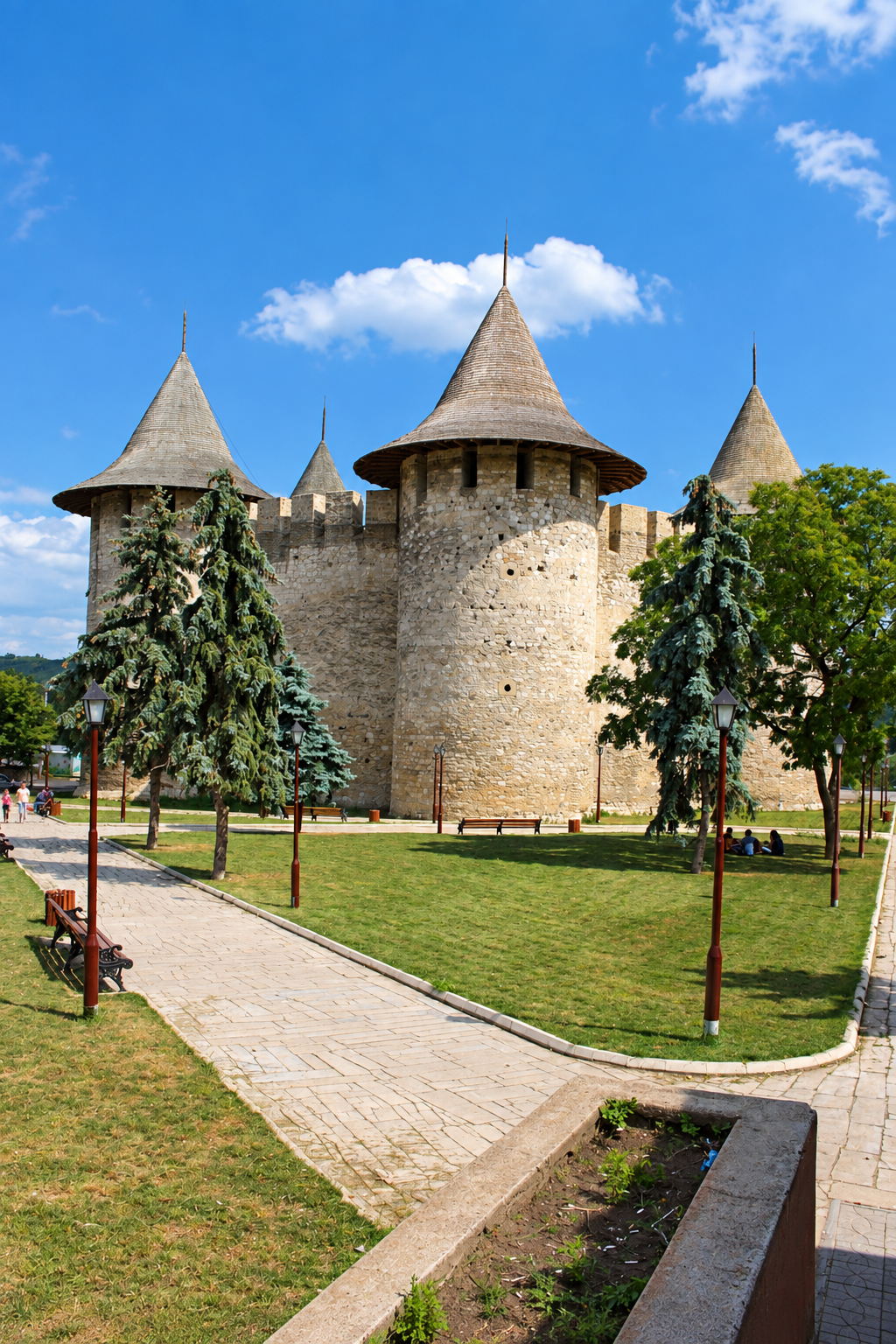
In Soroca, the fortress stands close to the Dniester River, almost as though the town has simply grown around it and accepted that it belongs there.
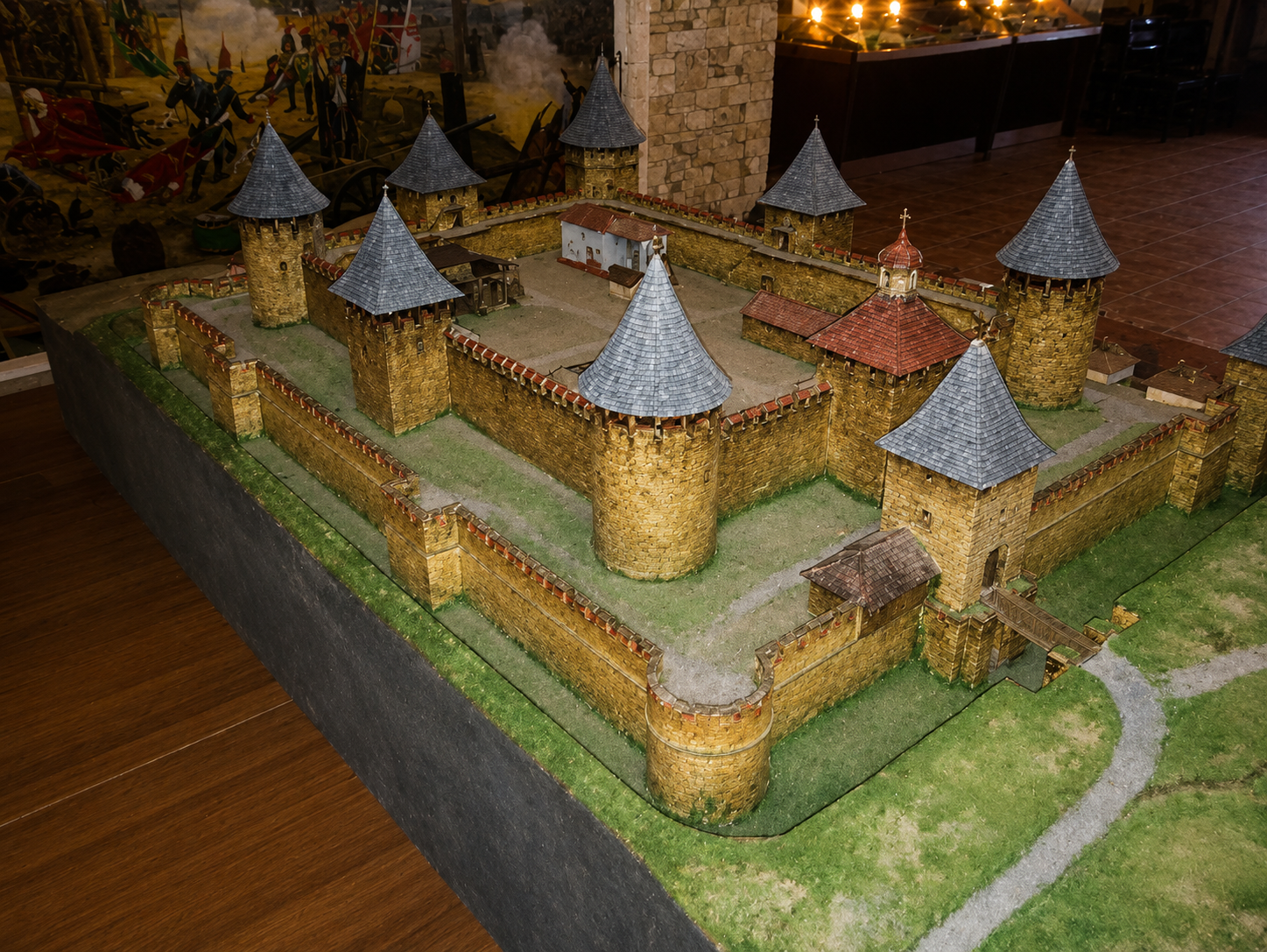
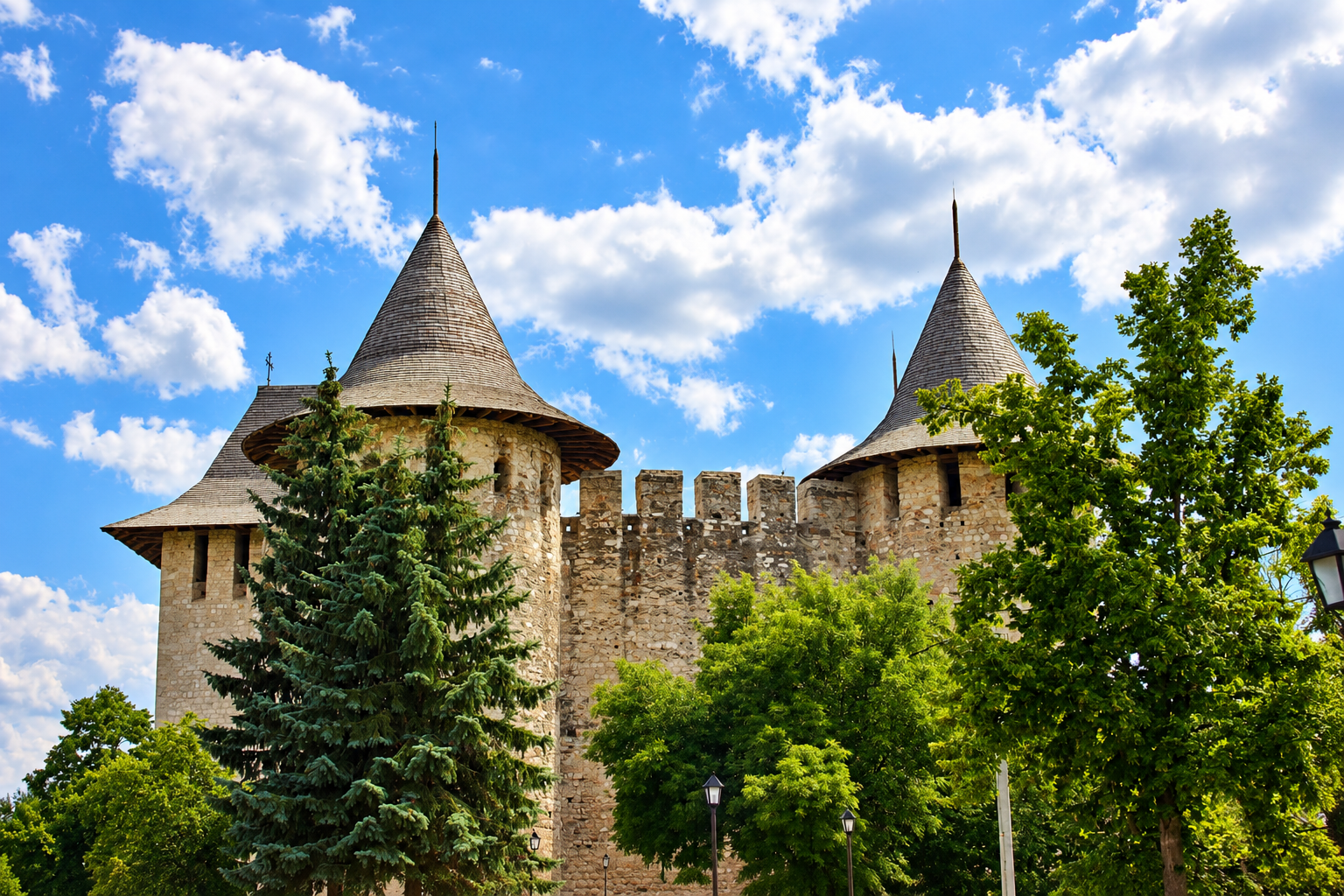
It is not enormous, but its round shape, five towers and thick stone walls make it immediately recognisable.
You can walk around the outside and see how carefully everything was positioned.
There is not much space wasted, and the courtyard inside is much smaller than you might think and expect.
The present stone fortress was built during the reign of Petru Rareș in the 16th century, although the location had been used for defence long before that.
While the river continues flowing past, the town carries on with its everyday life, with shops, houses and people going about their business only a short distance from the old walls.
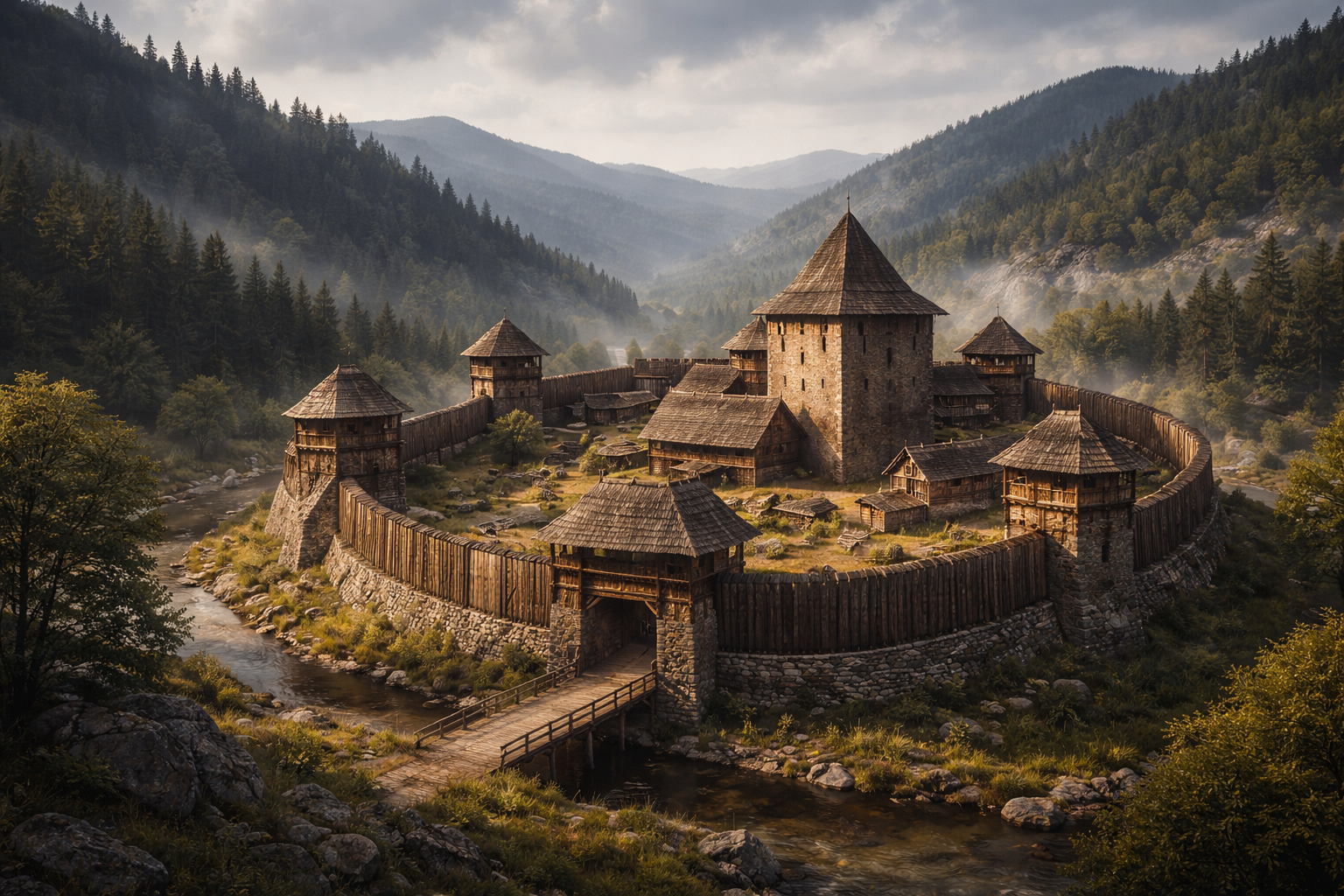
Bender is another experience altogether.
Here, the walls stretch much further, the courtyards are larger, and you quickly understand that this was a place built to accommodate a considerable
military presence.
The fortress was developed under Ottoman rule during the 16th century and later witnessed many changes as different powers fought for control of the region.
But when you are standing inside, it is not necessary to think about every ruler or every battle.
Sometimes you find yourself looking at an old doorway, a staircase, or a section of wall and wondering who used it, how often it was repaired, and what the place looked like when hundreds of people were living and working there.
Our journey through the old fortresses is far from finished.
Soroca and Bender are only the beginning and there are more places, more walls and more stories waiting to become part of GoVisitMoldova.
To be continued...
Unii spun că nu zidurile te țin înăuntru, ci liniștea dintre ele.
-
Some say it is not the walls that hold you, but the silence between them.