History

There are very many aspects of the Moldovan history.

We cant cover them all, but we'll try our best.

On these pages we try to cover, the history of the country as a whole, and the history of specific areas/subject's, we cover as deep as we can, under the 
catagories, which you can click you into on the buttons down below.

We try to cover every corner, of the history of Moldova.

What kind of Country is Moldova?

Yes that is a difficult question to answer! The Moldovan culture and the moldovan soul, has been shaped by centuries, in good and bad.

But one thing is for certain! 

Moldova is original and has developed it's own strong idendity, through 
millinias, historical persons and periods.

Today Moldova stay stronger, then ever before and the country's idendity and soul are not difficult to see, feel and exsperience. 

It is everywhere, the country, places, buildings and not least the people!

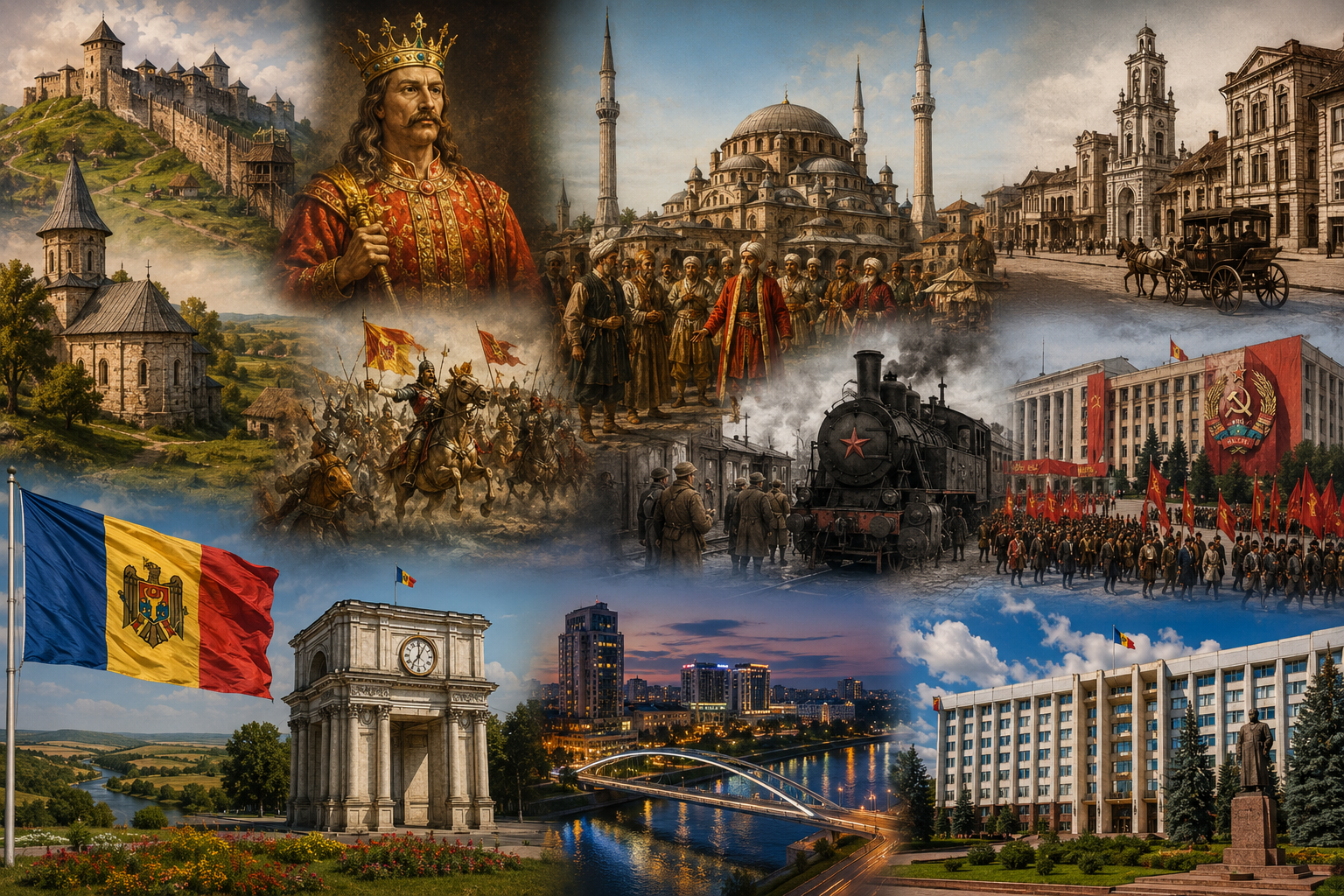
Let's go on a journay, back in time.

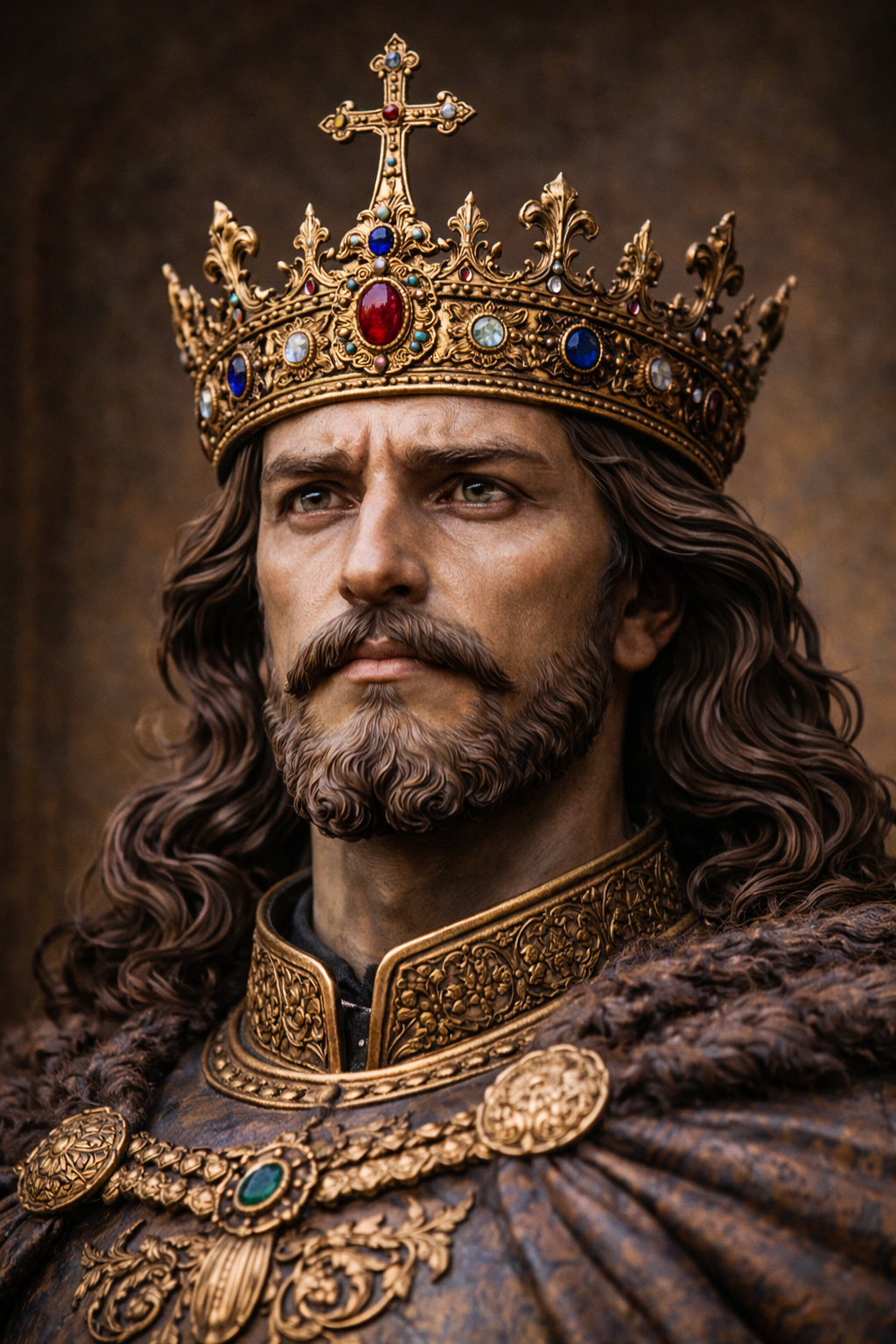
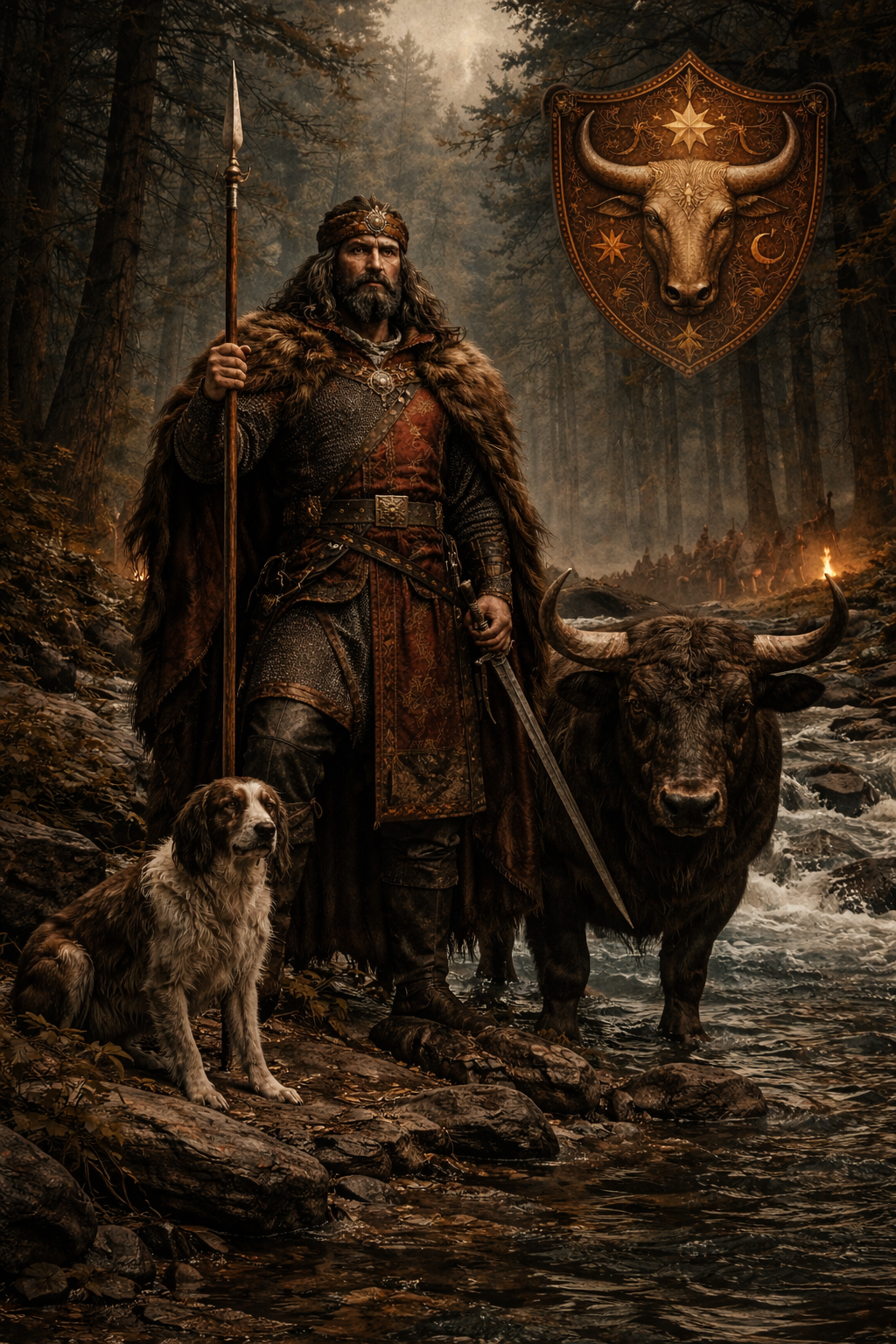
* No original portraits of the early Moldovan rulers exist.

The images shown are artistic interpretations, created to 
help visualize the people behind the history. 

*Years of rule of the early rulers are estimatated.

Much of what we know comes from later chronicles and traditions, where 
history and legend are mixed together.*
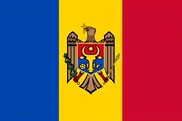

The Early Foundations.

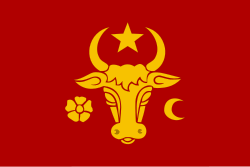
The story of Moldova begins long before it became a state. In ancient times, the region was inhabited by Dacian tribes, later influenced by the Roman Empire. 

After the Romans withdrew, waves of migrating peoples passed through the area, including Slavs and other groups, leaving cultural traces behind. In the 14th century, the Principality of Moldova was founded. 

One of its most important rulers was Ștefan cel Mare (Stephen the Great), who strengthened the state, defended it against external threats, and built many monasteries that still stand today.

Under his leadership, Moldova became a recognized and respected principality in the region.

Between Empires.

From the 16th century onward, Moldova came under the influence of the Ottoman Empire.

Although it remained partly autonomous, it had to pay tribute and follow Ottoman interests. 

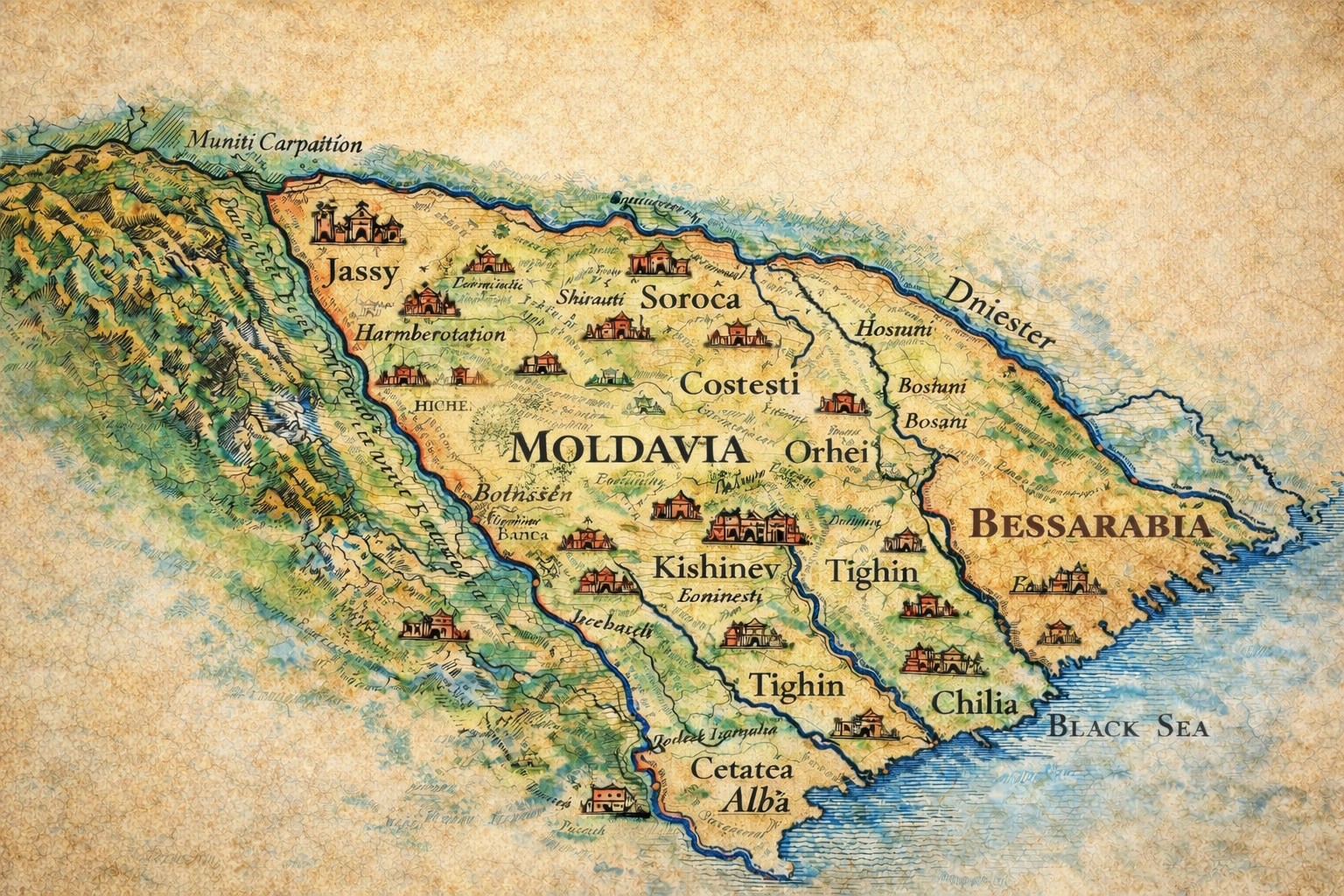
In 1812, a major change occurred when the eastern part of Moldova, known as Bessarabia, was annexed by the Russian Empire.

This marked the beginning of a long period of Russian influence, which shaped 
administration, language use, and political structures. 

Union and Division.
After the collapse of the Russian Empire in 1917, Bessarabia united with Romania in 1918.

For a short period, Moldova became part of a larger Romanian state, sharing language and- 
cultural ties. 

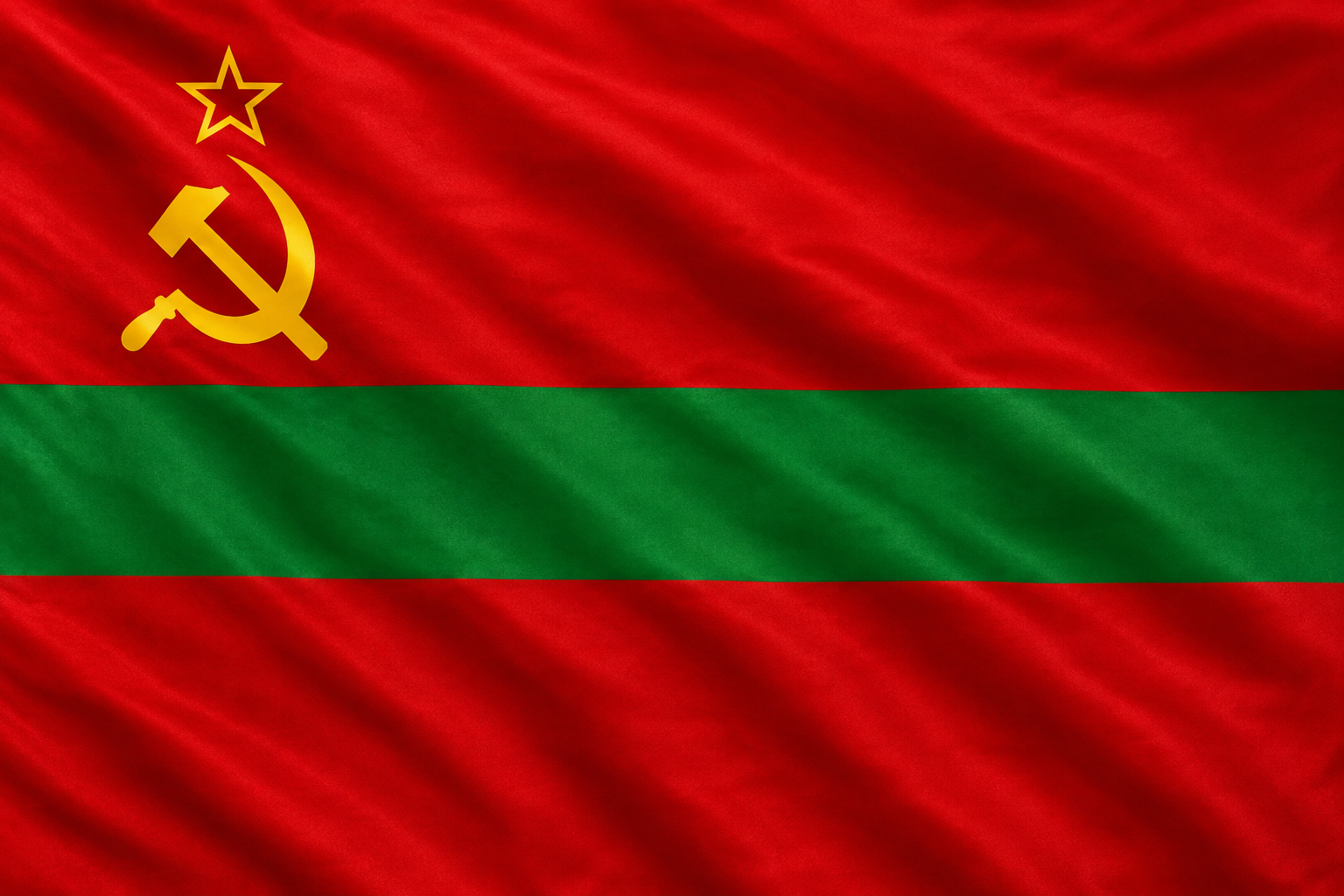
However, in 1940, during the events surrounding World War II, the Soviet Union annexed the region and established the Moldavian Soviet Socialist Republic. 

This period brought industrialization and urban development, but also strict political control and cultural suppression.


Independence and Modern Moldova.

With the fall of the Soviet Union in 1991, Moldova declared independence and became the Republic of Moldova. 

Since then, the country has worked to build its own identity as a modern European state, balancing historical influences from both East and West. 

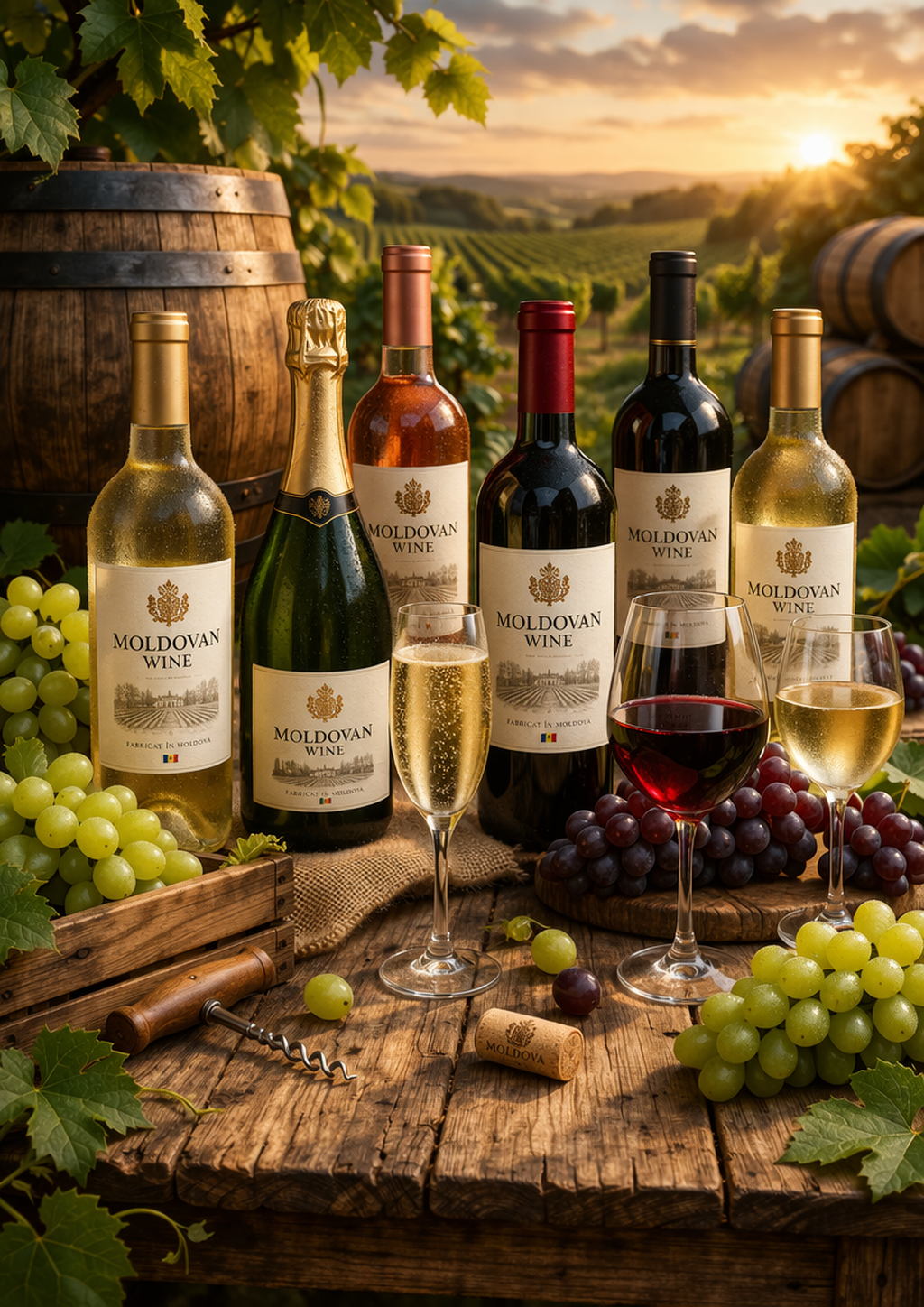
Moldova today is known for its vineyards, traditions, and strong sense of community, while continuing to develop politically and economically.


Why Is It Called “Moldova?
 
The name Moldova comes from the Moldova River, where the early principality was first established. 

There is also a well-known legend about the name:

It tells of a ruler named Dragoș, whose beloved hunting dog, Molda, drowned in the river during a hunt and in her memory, the river-and later the land-was named Moldova. 

Whether legend or history, the name reflects a deep connection between the land, its people, and 
its stories.

A Note About History.

We know that history can contain subjects, events, and periods that are sensitive and may 
still bring strong feelings, sadness, or disagreement.

Our intention is not to create anger, reopen old wounds, or tell anyone what they 
should believe about the past.

We try to present Moldova's history in a way that gives visitors and readers an opportunity to understand what happened, how the country developed, and why parts of its history still matter today.


History can be complicated.

Different people may remember and understand the same events differently, and we respect that.

Our purpose is simply to give others a picture of the history, encourage them to learn 
more, and perhaps understand Moldova a little better.


Moldova Through Times

Moldovan Rulers

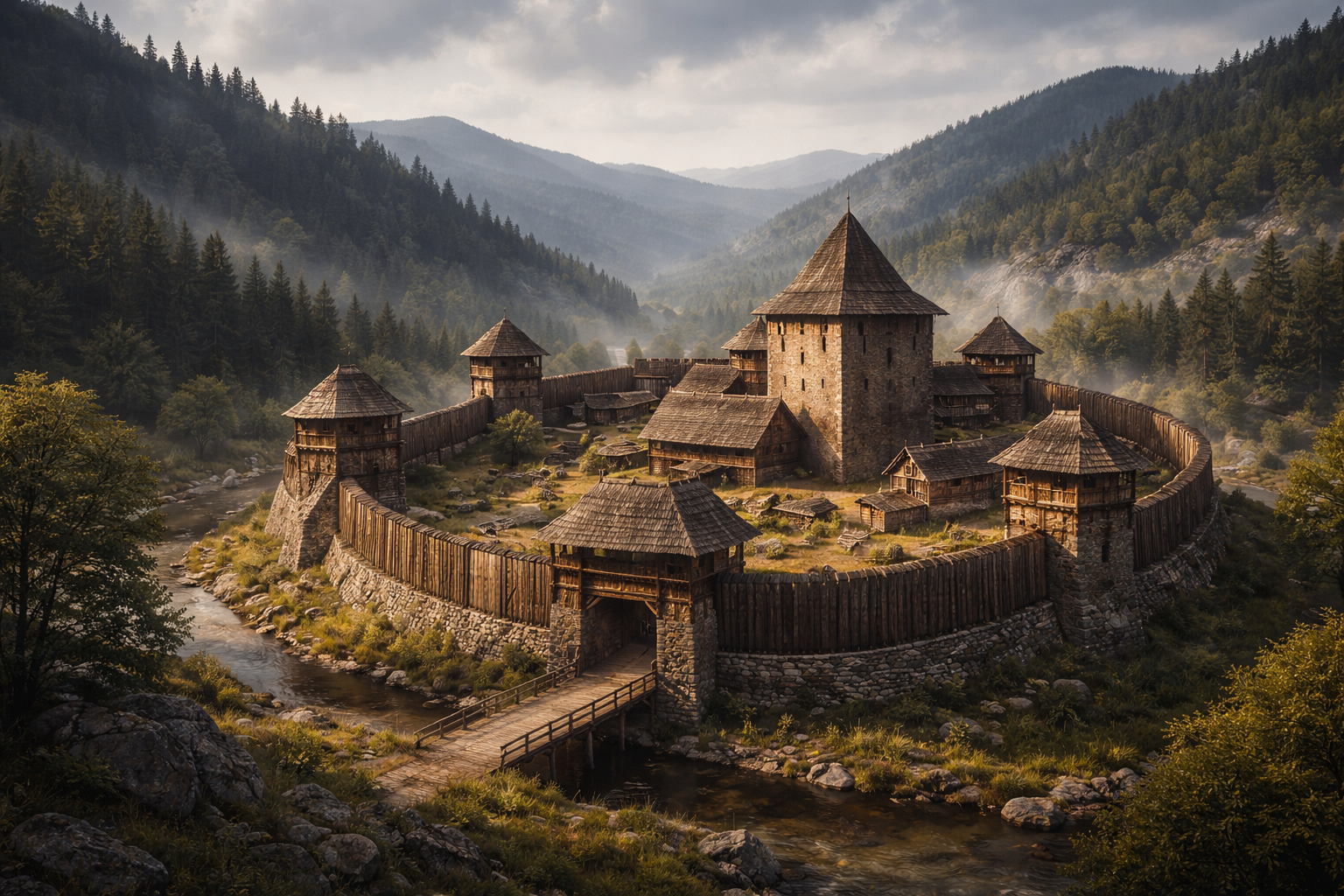
Fortresses

Wine History

<< Back Home >>