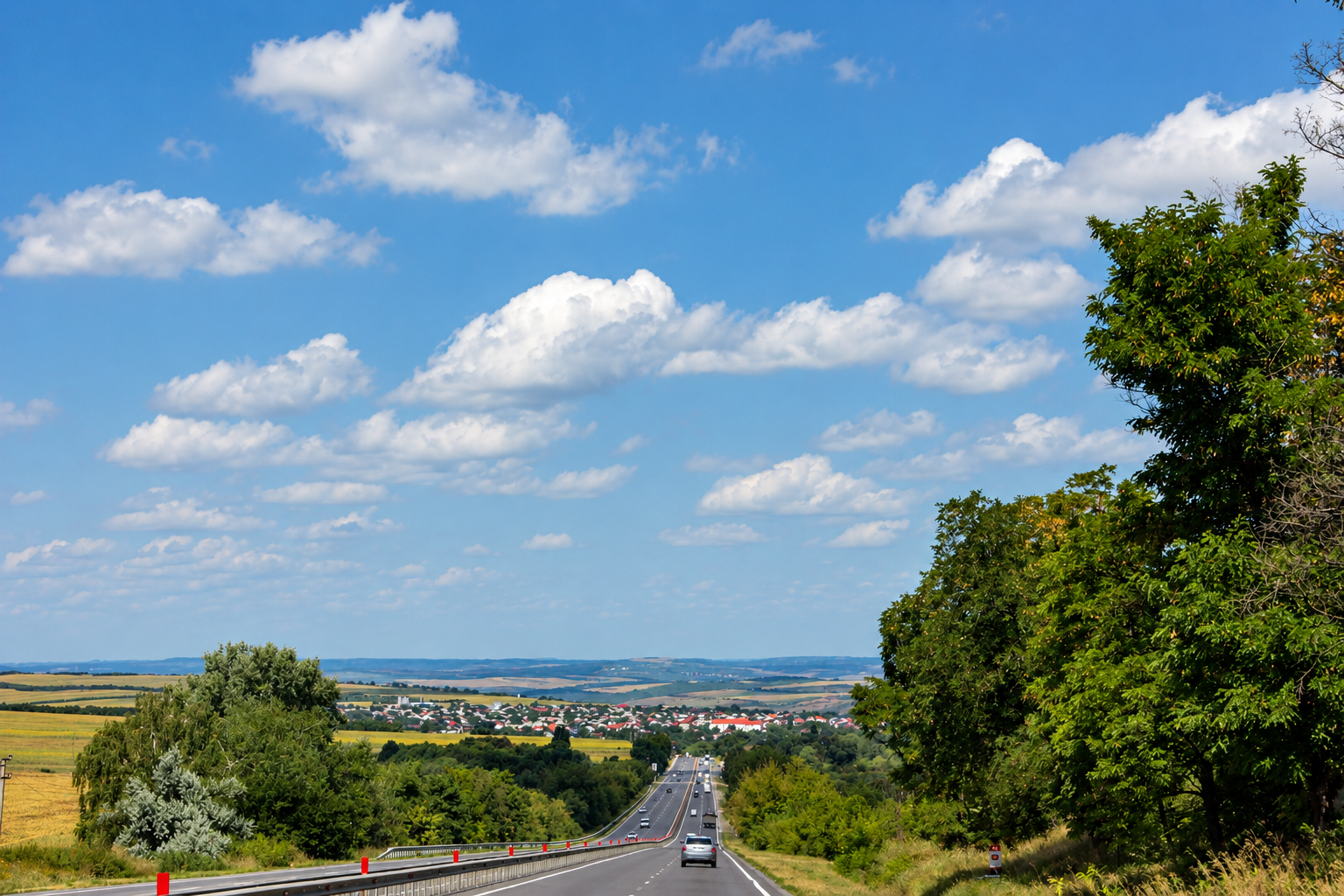
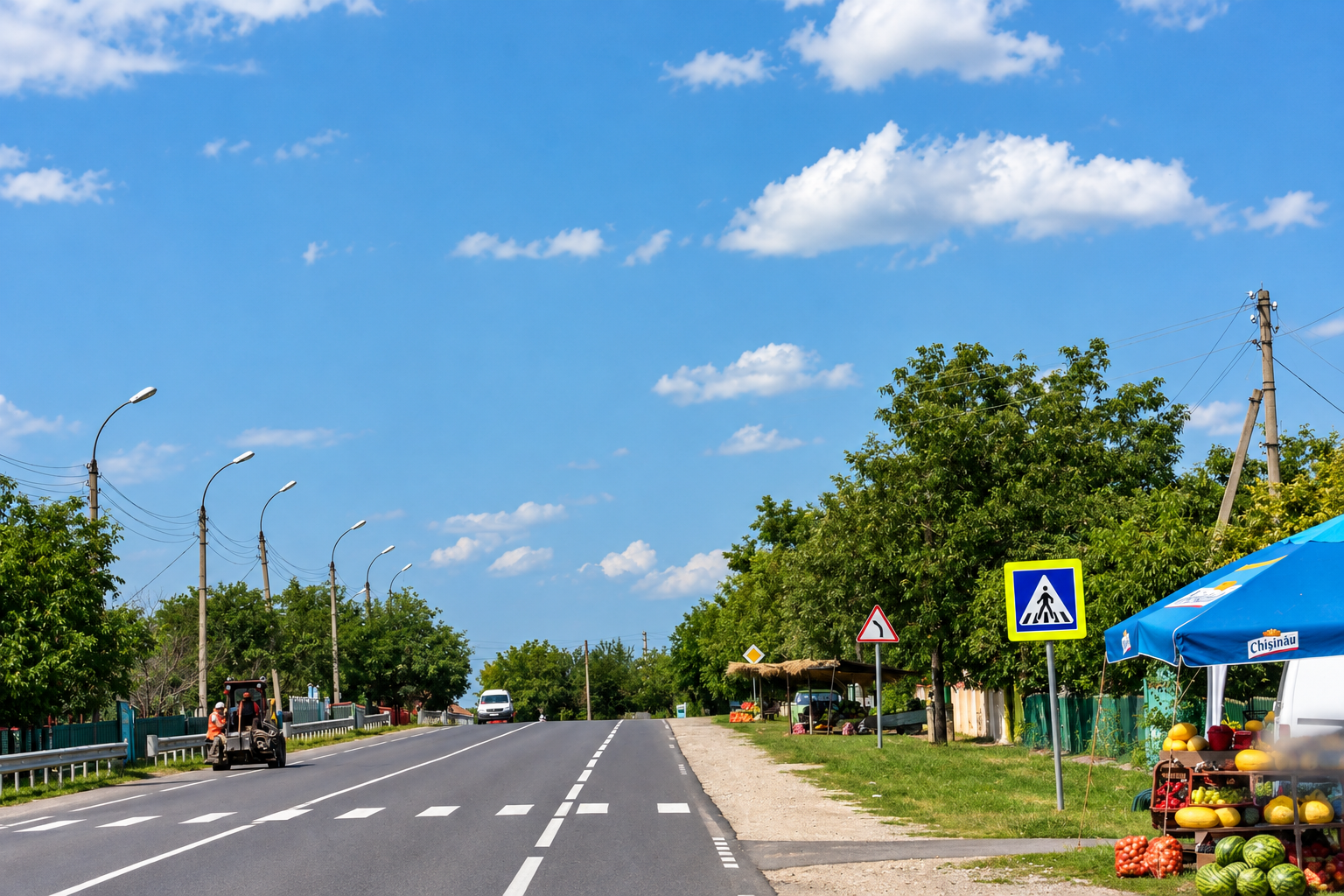
The road from Chișinău towards Soroca gradually takes you away from the busy traffic of the capital and into a much more open landscape.
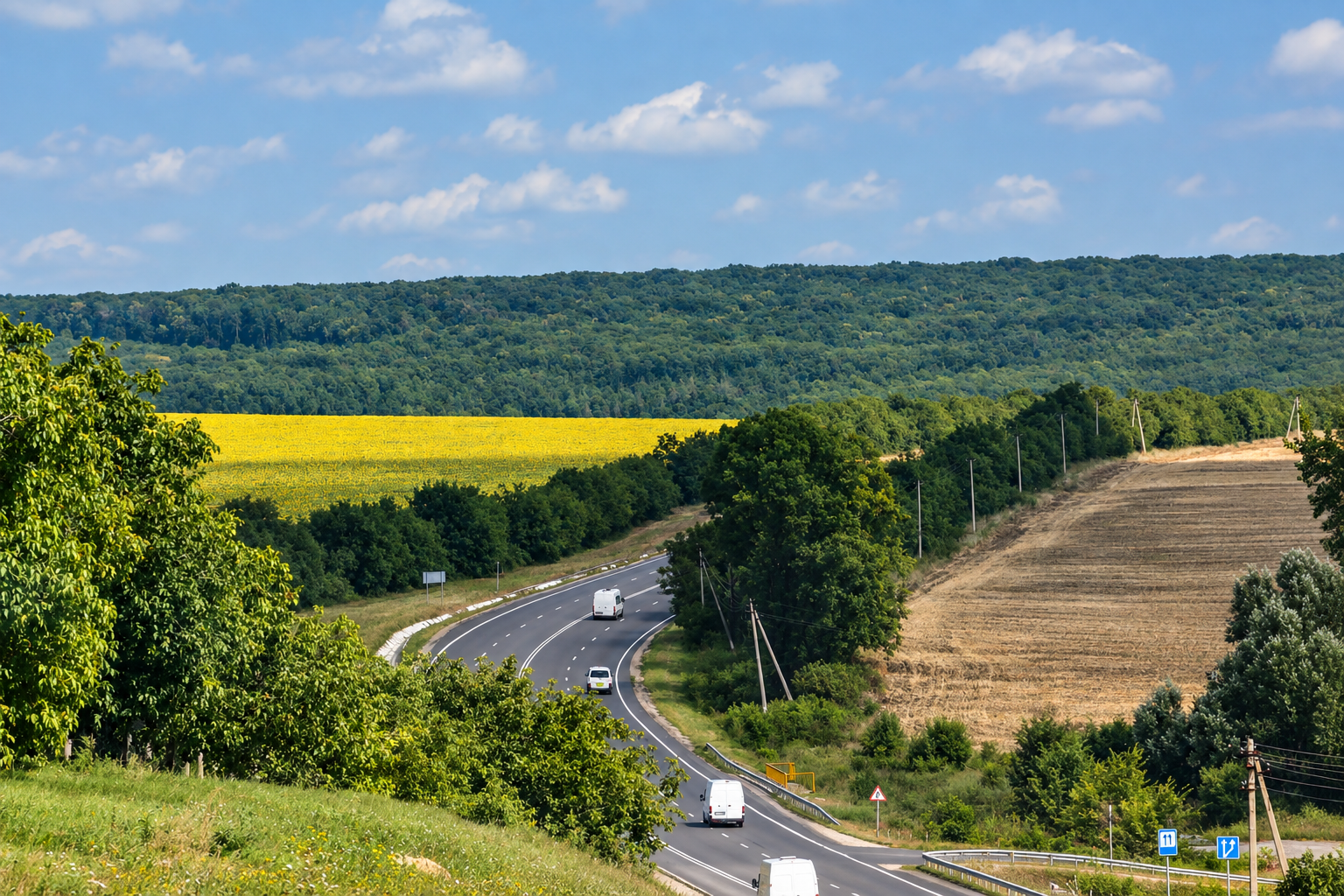
The road runs between large fields, climbs over low hills and drops again on the other side and sometimes you can see several kilometres ahead.
Other times the road disappears around the next bend and you have absolutely no idea what will be waiting behind it.
That is when driving becomes more interesting than simply getting from A to B.
Give yourself some extra time, because there are smaller roads where you can turn away from the main route and explore a little.
You may find a good view, you may find an old building, a church or something else you hadn't expected.
Sometimes you drive down a road, look around and decide there was absolutely no reason to go there.
Then you turn around, but you haven't lost anything except ten minutes.
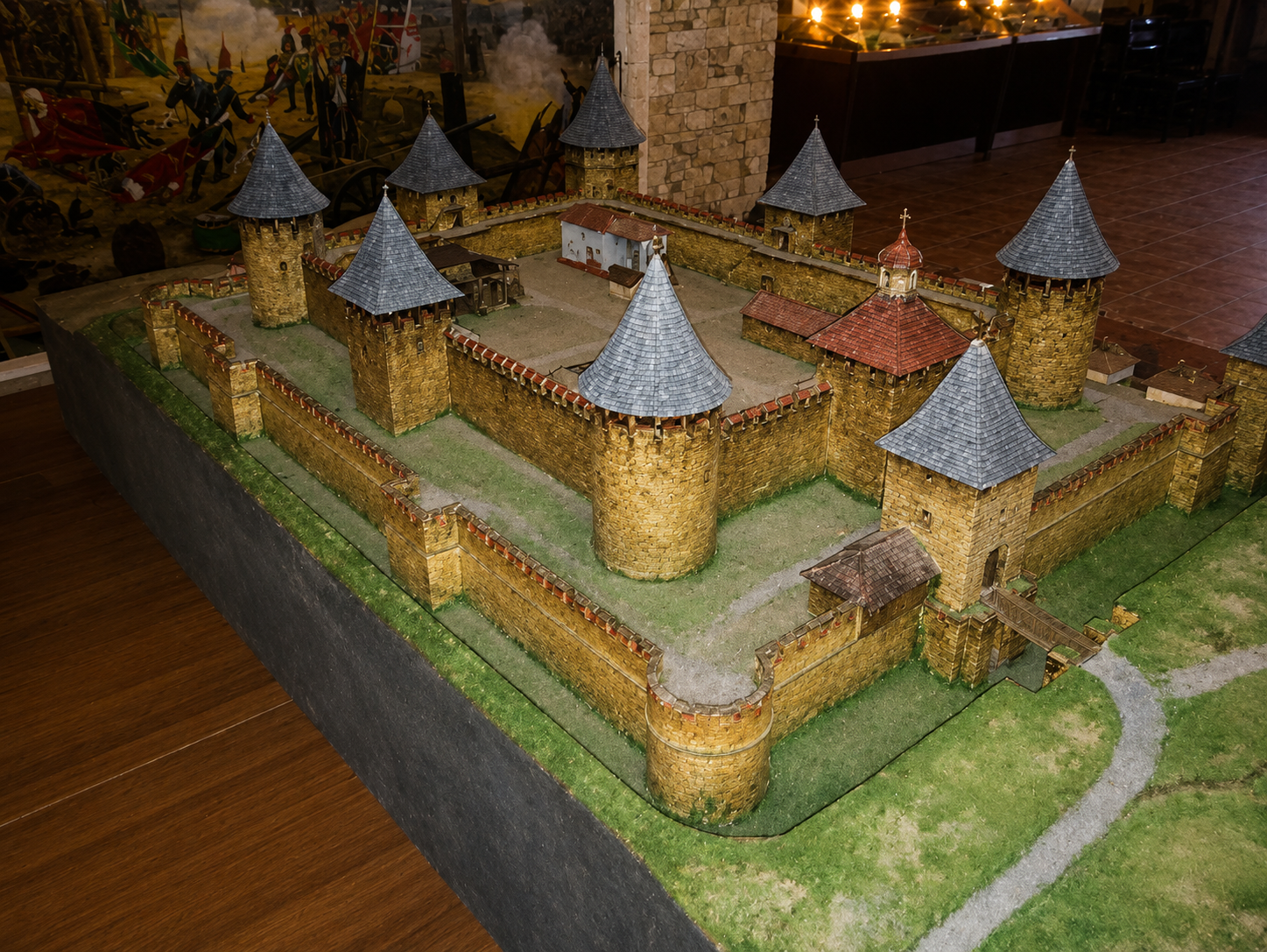
Later, Petru Rareș had a new fortress built in stone on the remains of the earlier fortification.
That is the fortress standing here today.
If you have already explored the rulers here on GoVisitMoldova, the name should be familiar.
Here you are no longer looking at Petru Rareș on a history page, but you are walking into one of the places connected directly with his reign
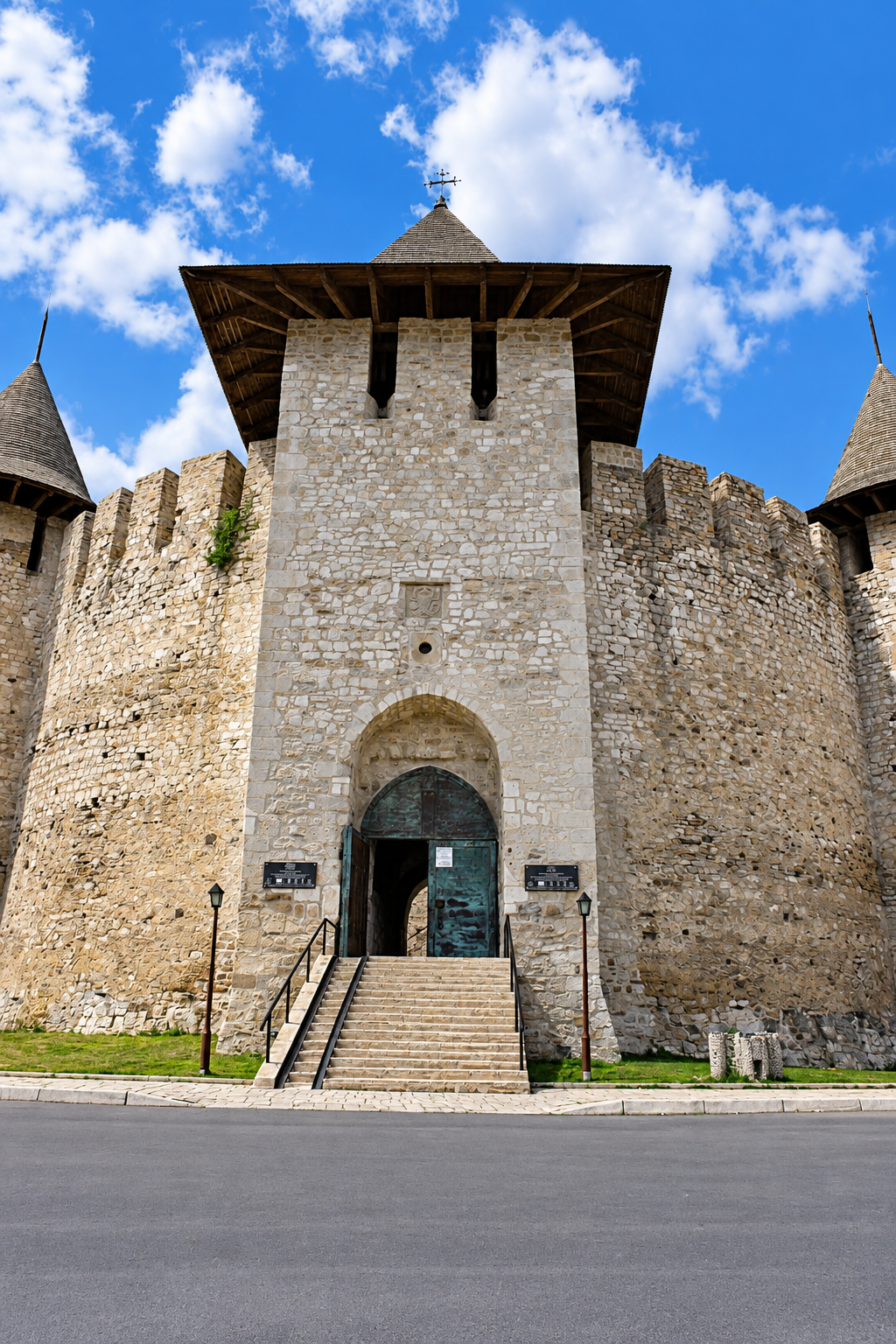
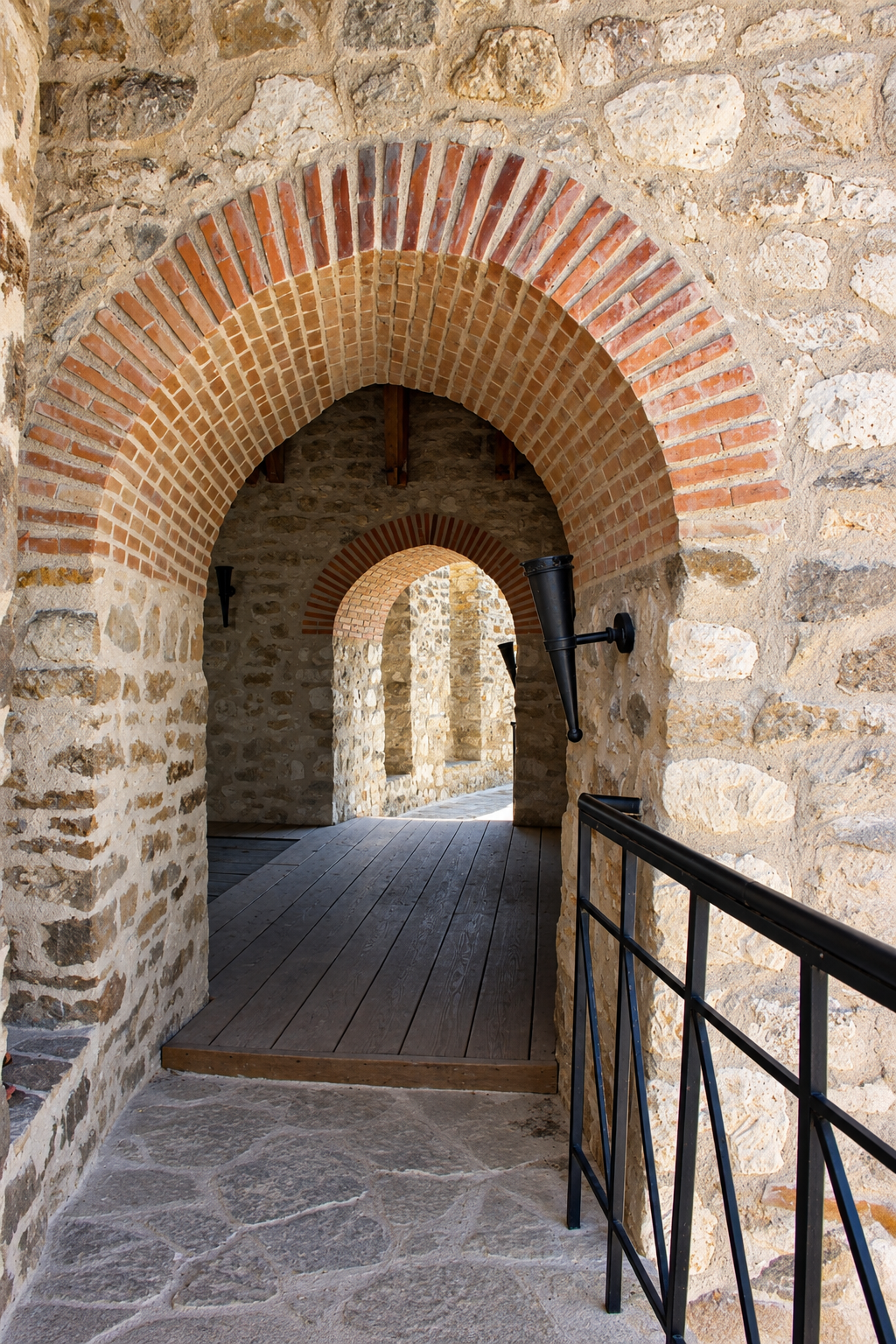
Now go inside and you begin to climb the steps, then enter through the gate into a stone passage.
For a moment there isn't much daylight, but then the passage opens and you step into the courtyard.
Stop there for a second.
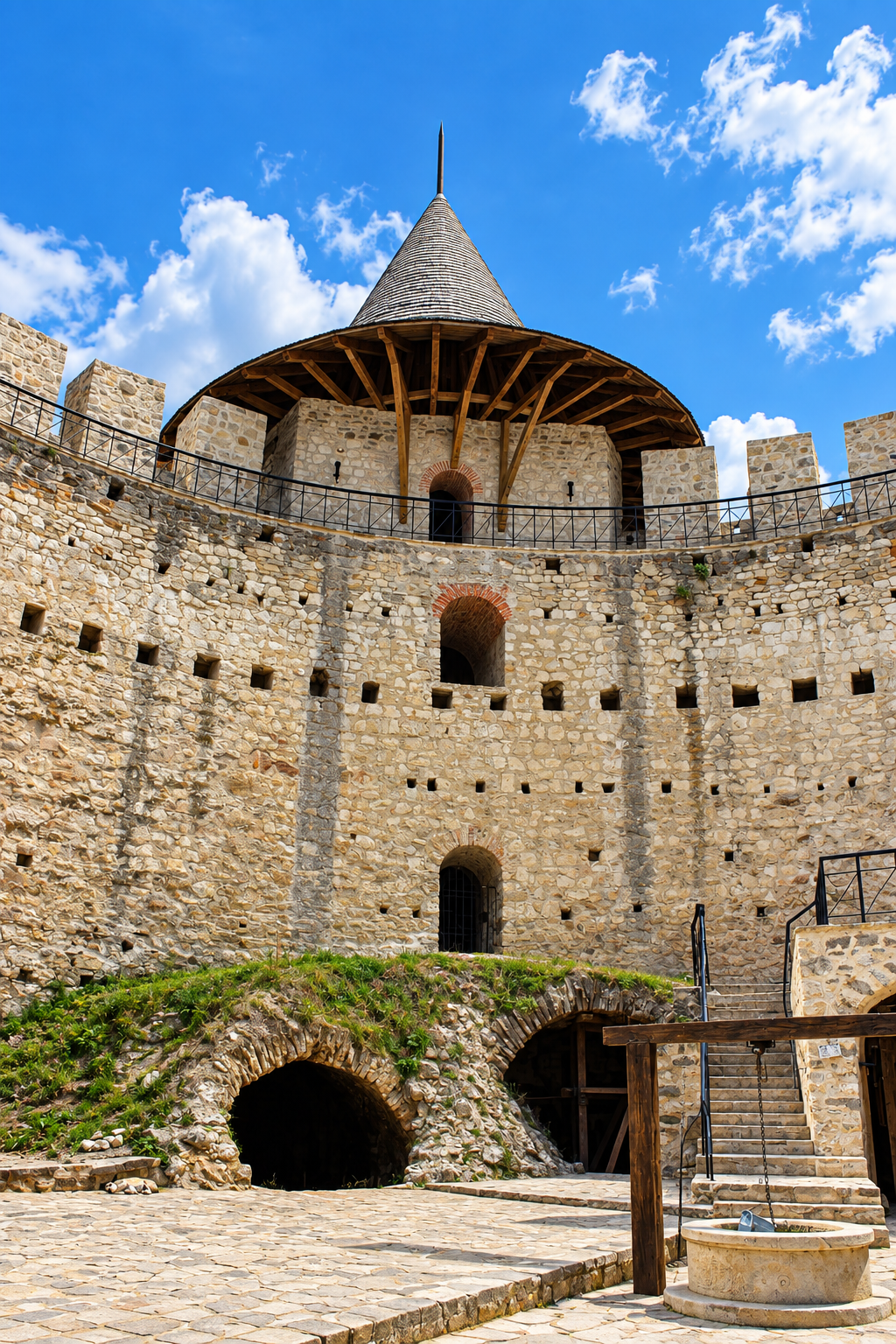
The fortress that looked quite large and enormous from outside suddenly feels much smaller and more enclosed.
Everything is around you.
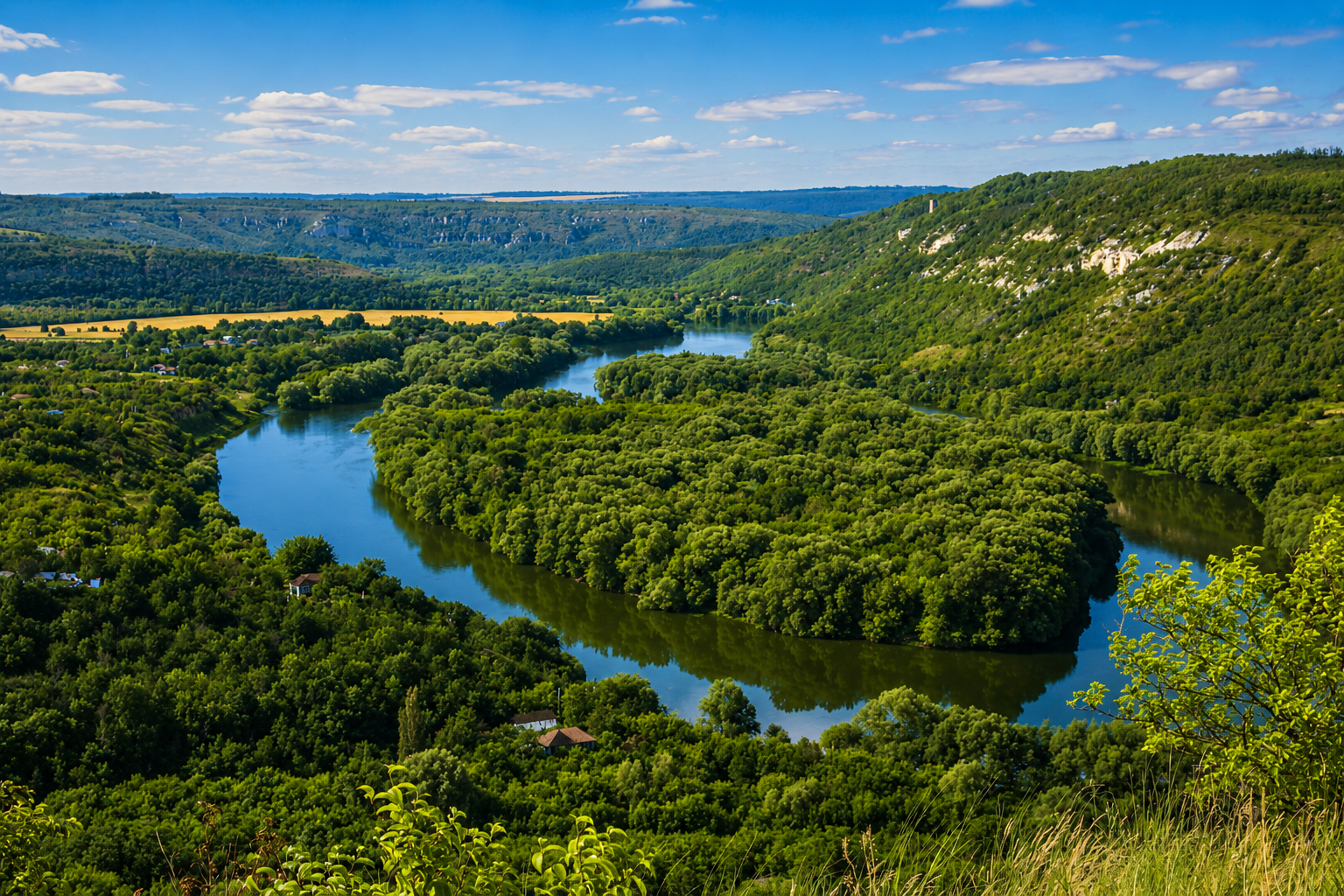
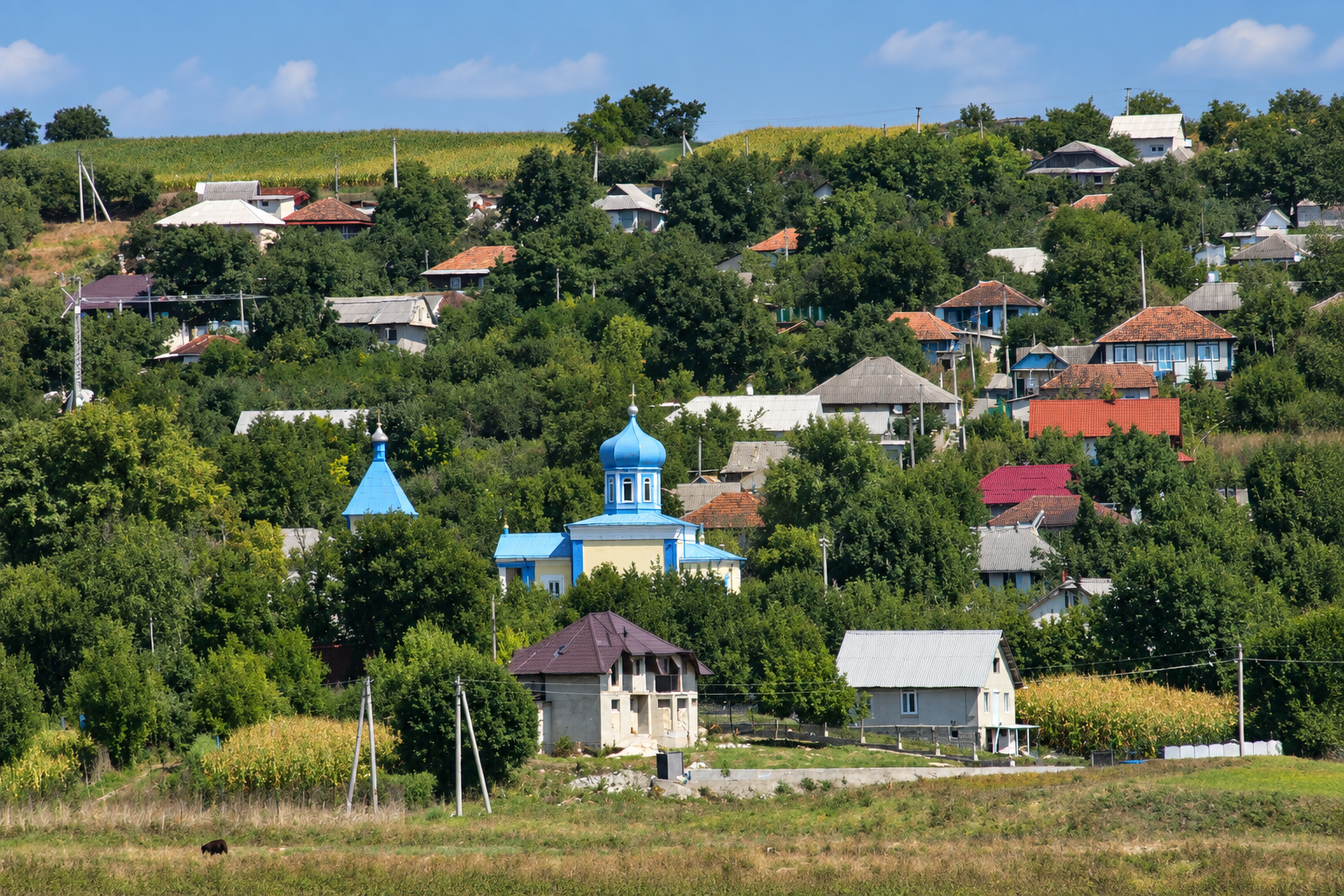
The further north you drive, the landscape changes little by little.
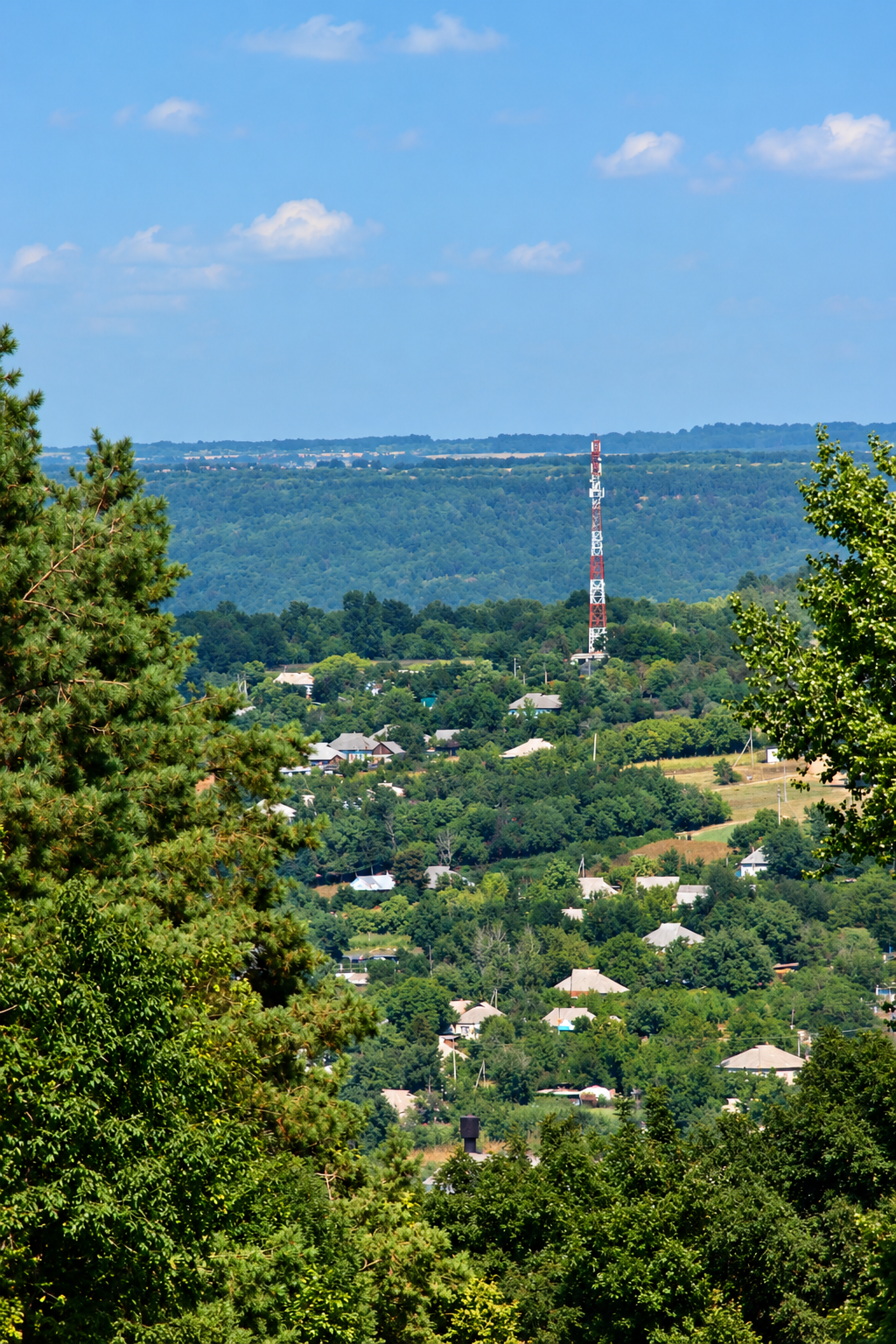
There are more hills, more trees and places where the road suddenly opens into a wide view across the countryside.
Then comes a sharp bend, a bridge or another climb and everything changes again and The condition of the roads can change too.
The main road can be easy driving, while a smaller road can very quickly, make you reduce the speed and watch where you put the wheels.
If you are exploring, that is simply something of the exsperience.
If you see somewhere you want to stop. Then stop .Get out of the car, because there are views along the way that you will never really notice if you only see them for three seconds through the windscreen.
You don't need a tourist attraction every time.
Sometimes there is just a field, a forest, a hill and a lot of space in front of you, then just have a look and get back into the car and continue north.
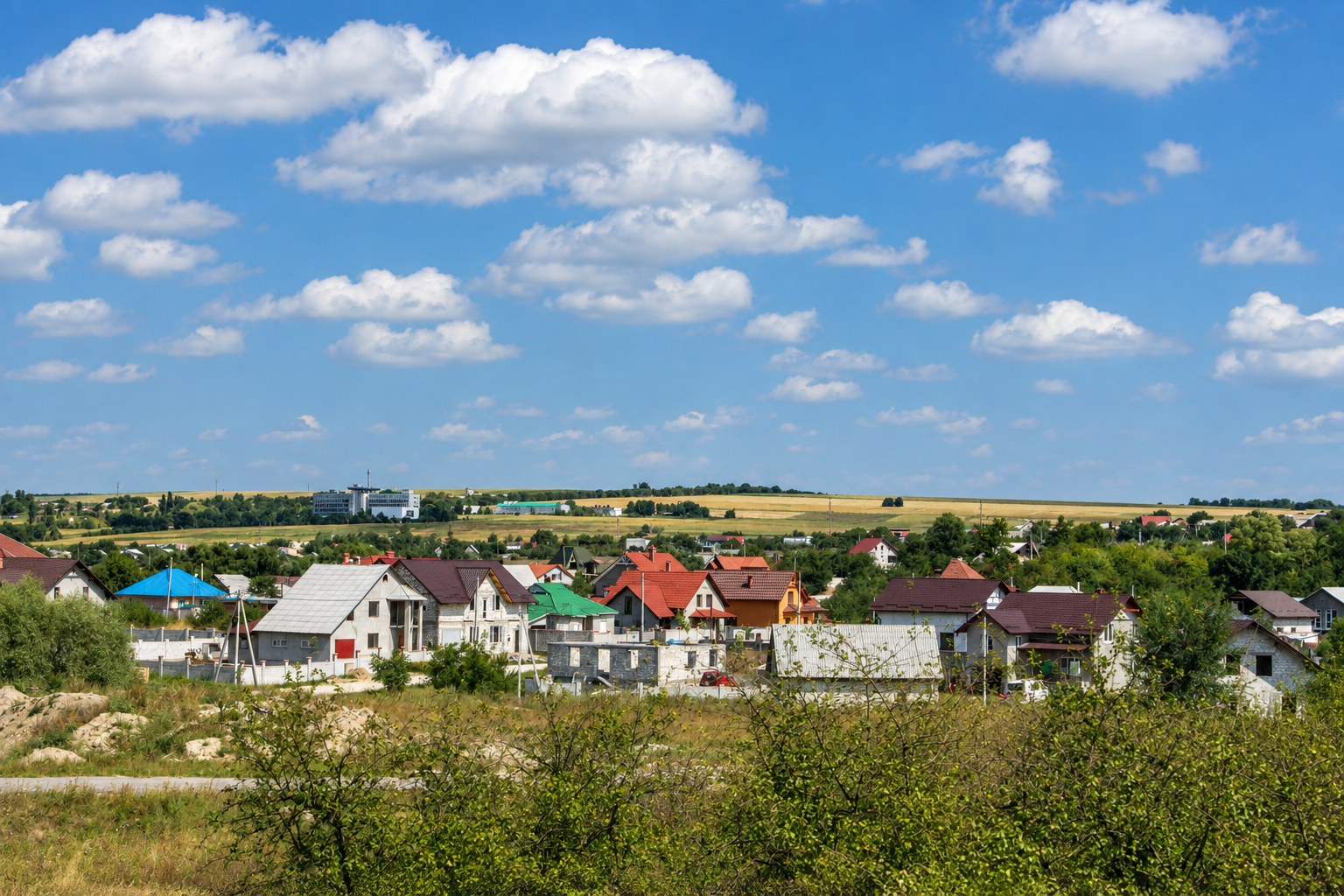
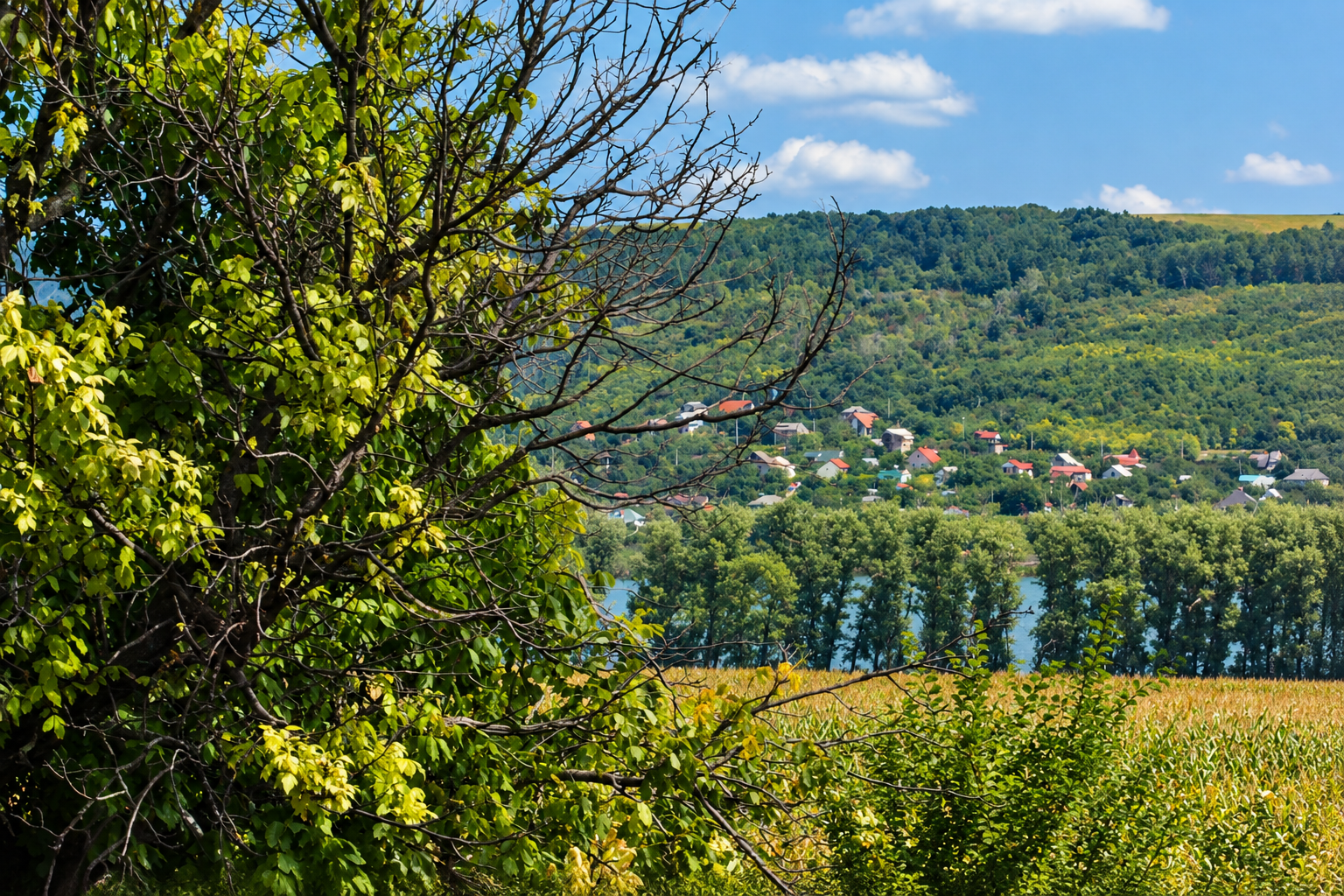
Eventually the countryside begins to give way to Soroca.
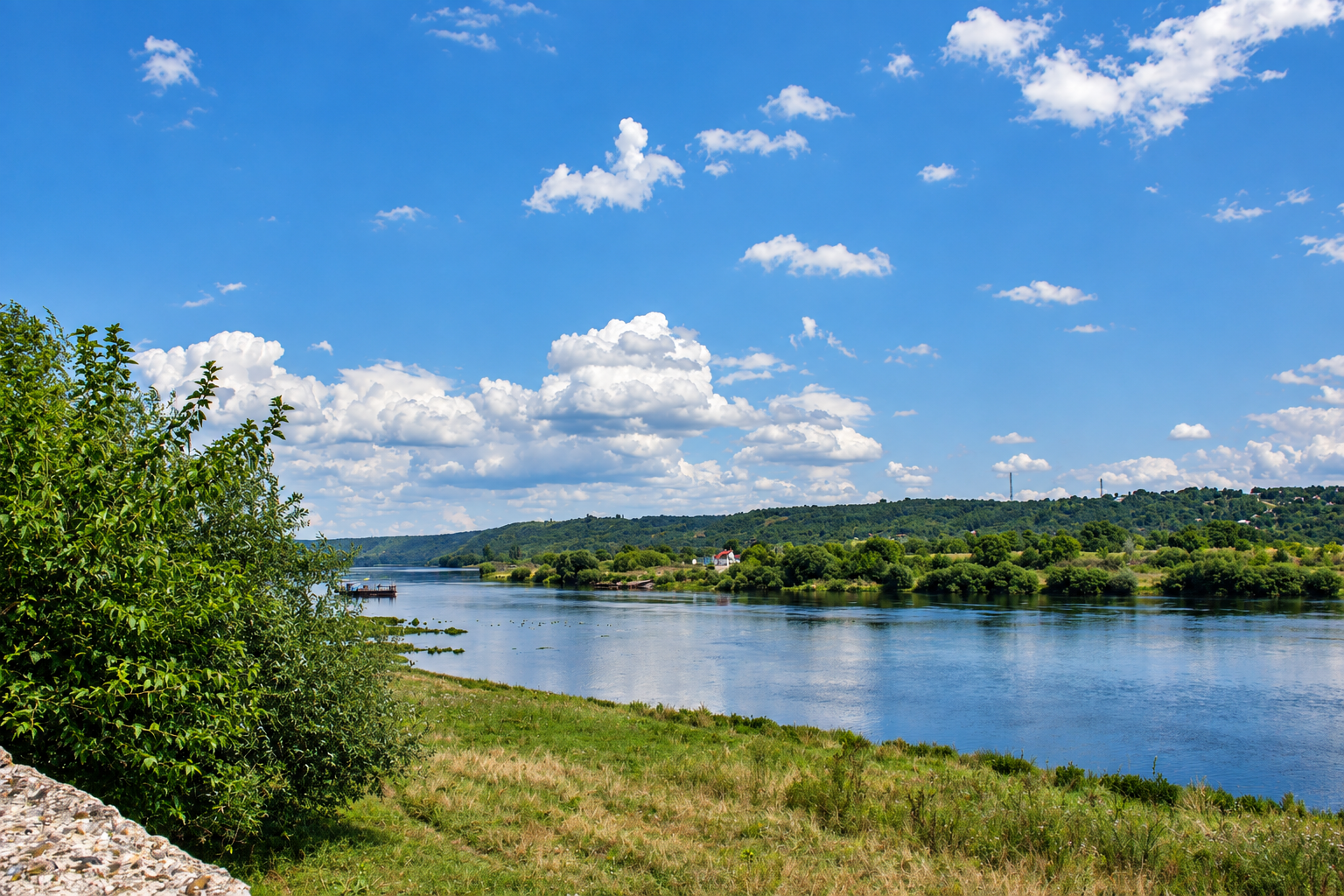
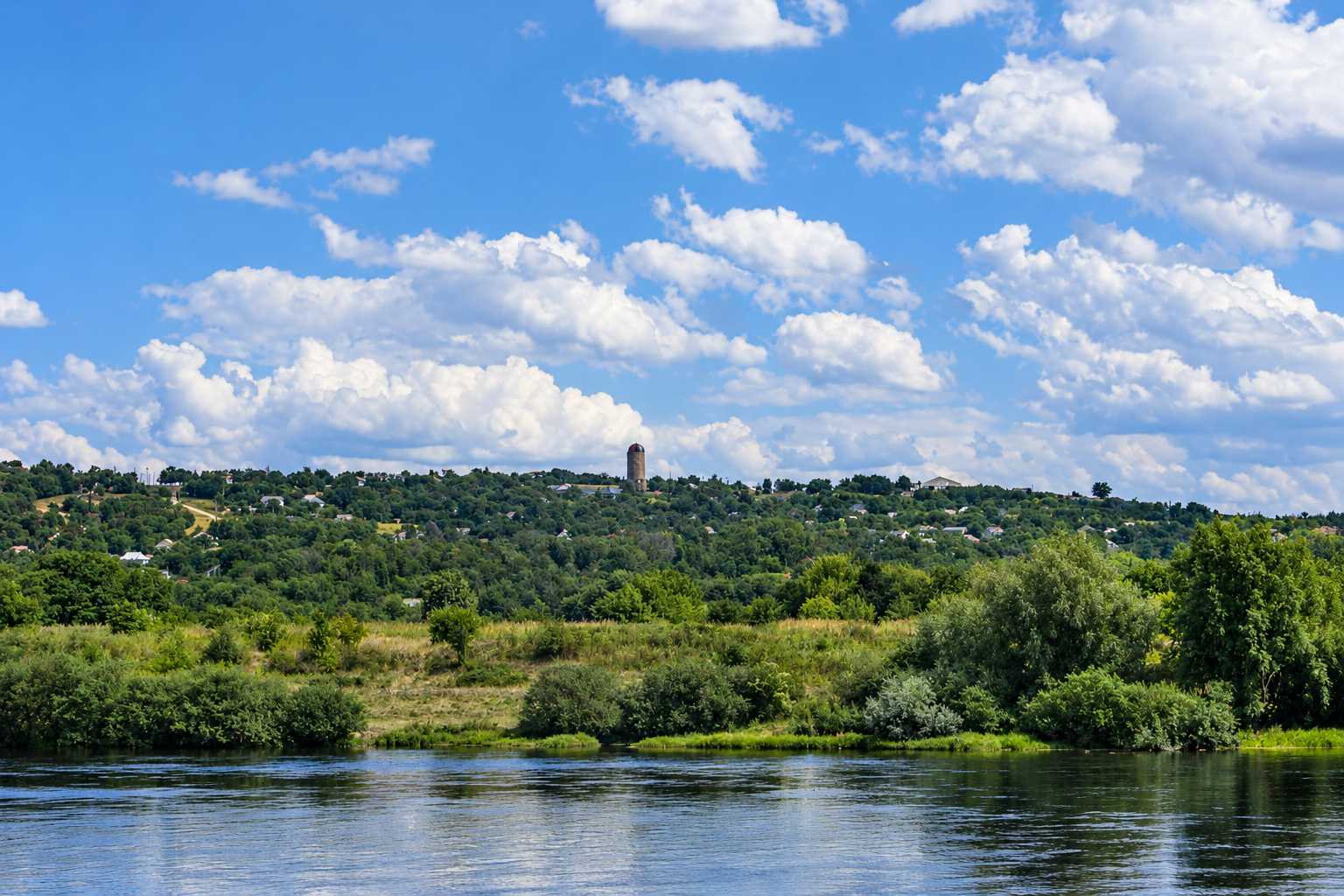
The city is built across the hills beside the Dniester, so it doesn't appear in front of you immidiatly.
You see different parts of it as you move through the streets, the houses cover the slopes, church domes rise between the rooftops, and further down is the river.
Then comes the reason why you are here... Soroca Fortress.
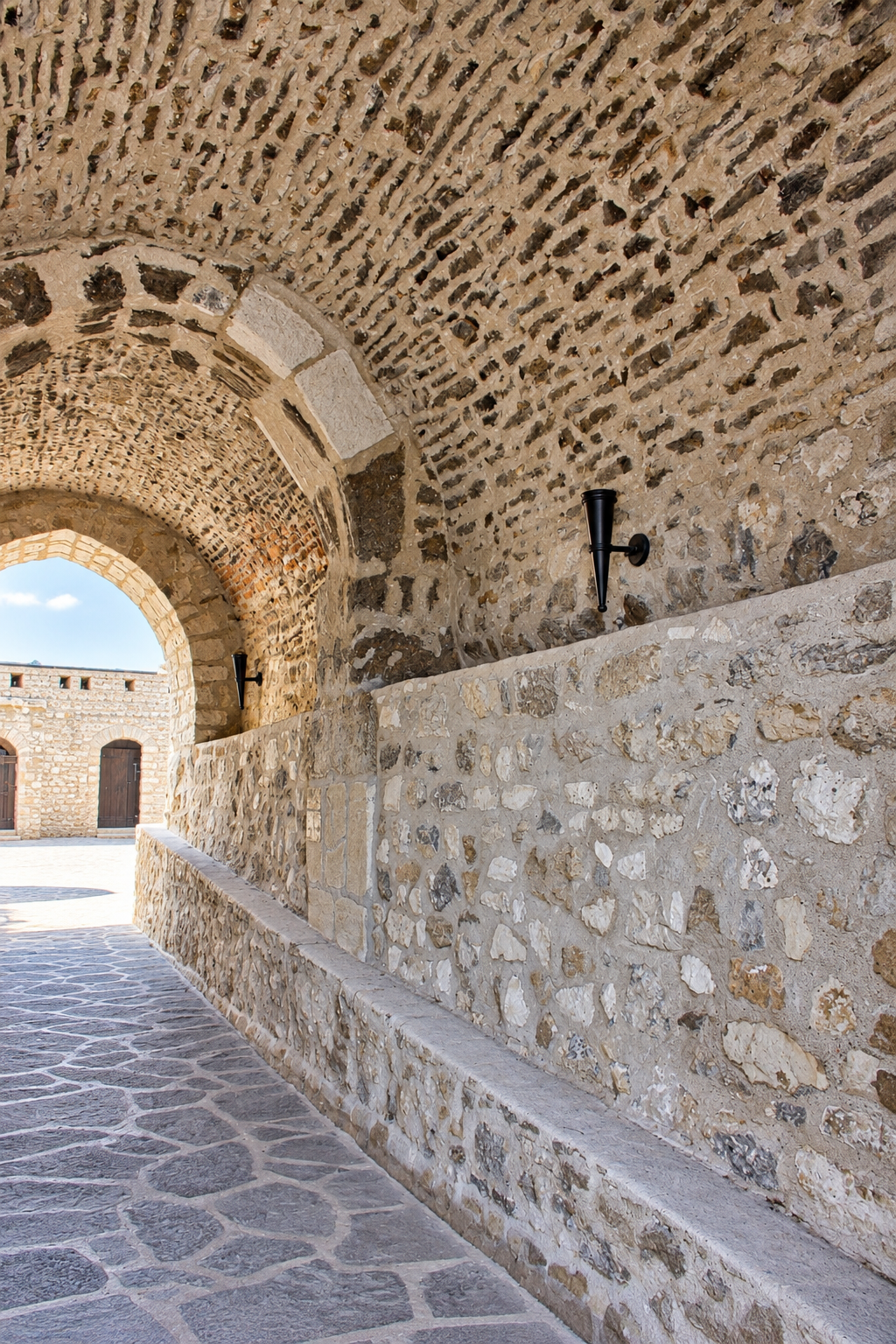
There isn't a particular direction you have to follow.
There are doors, stairs, rooms, passages and different levels, just choose one and see where it goes.
Come back down and choose another.
Some rooms are dark and simple, others have exhibitions or small openings through the walls.
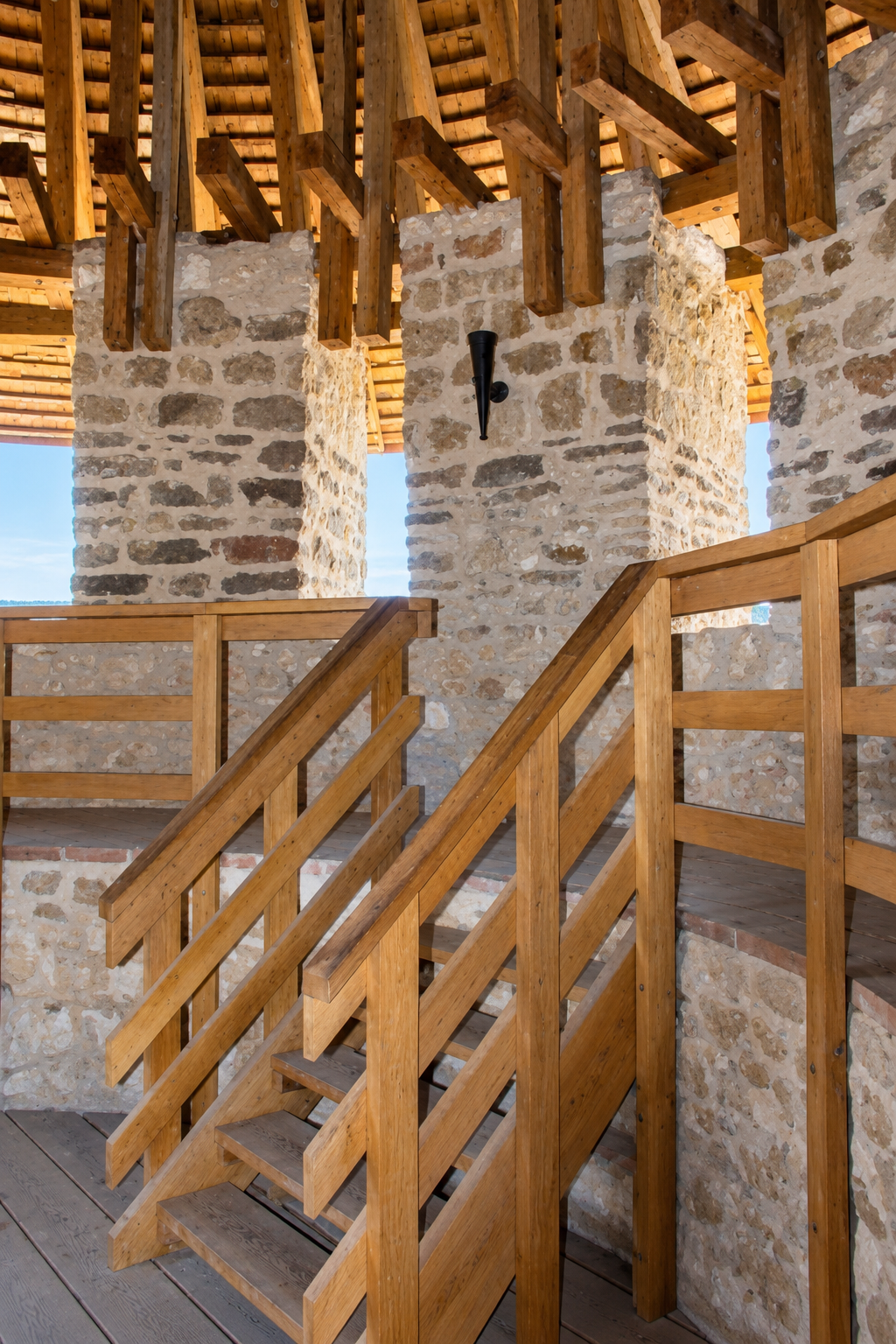
Then a staircase takes you higher and you can look down into the courtyard you were standing in a few minutes earlier.
This is much better than following arrows around a building, just
explore freely
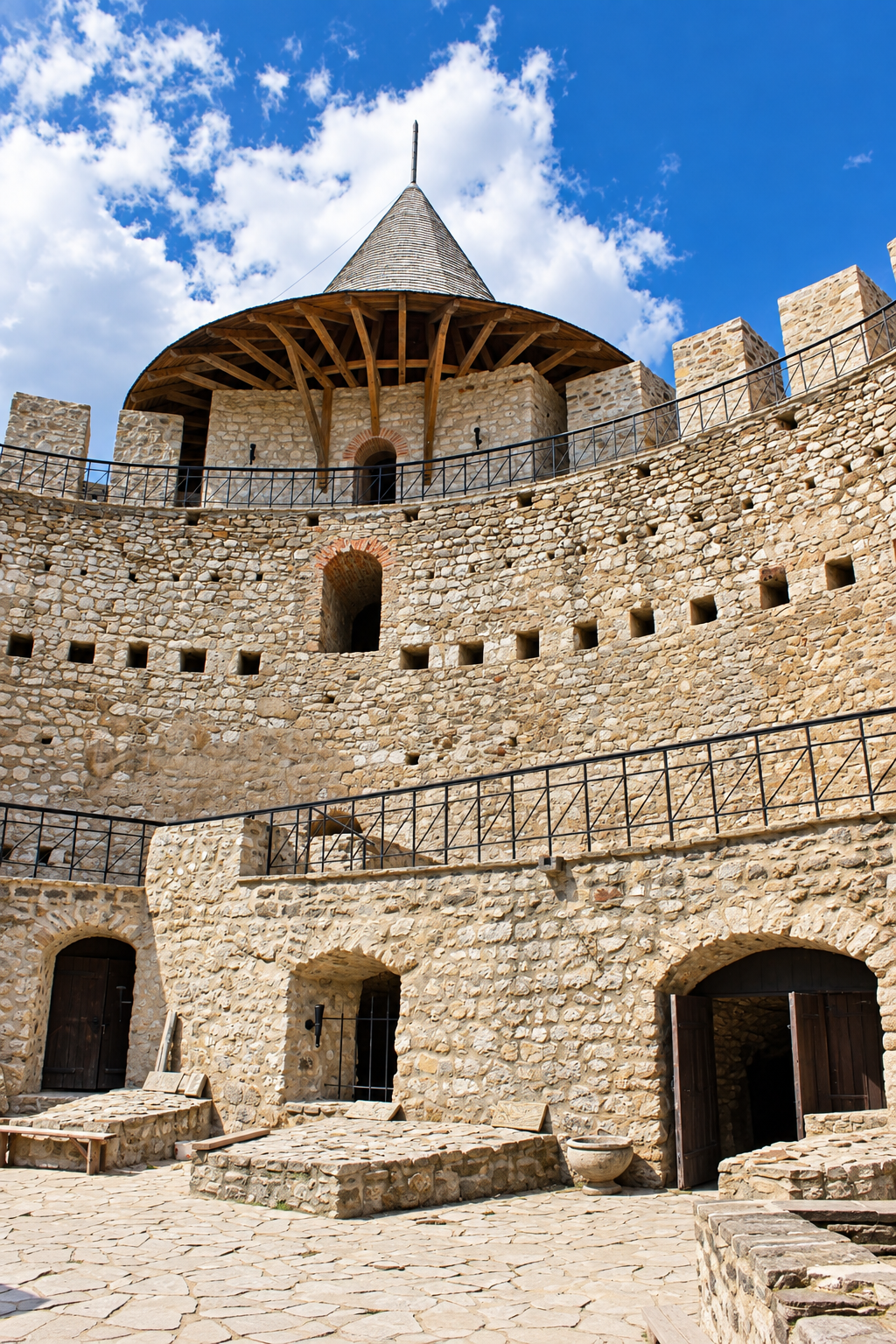
The courtyard also changes when you look upwards.
The walls continue several levels above you, with windows, wooden walkways, stairs and openings in the towers.
People walking above give you an idea of the scale.
Then you notice another staircase and of course you have to see where that one goes too.
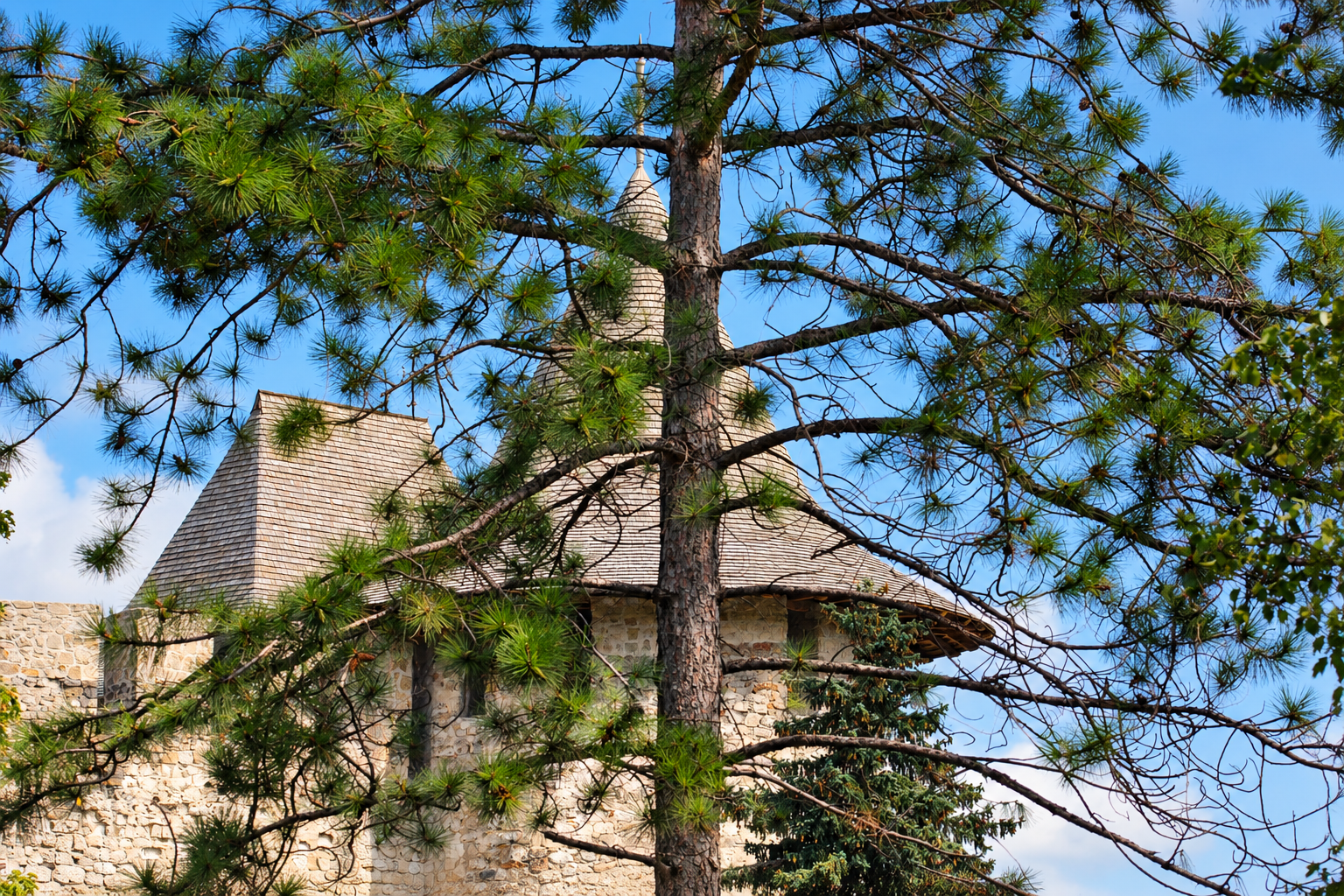
You may see part of the fortress through the trees before you see all of it.
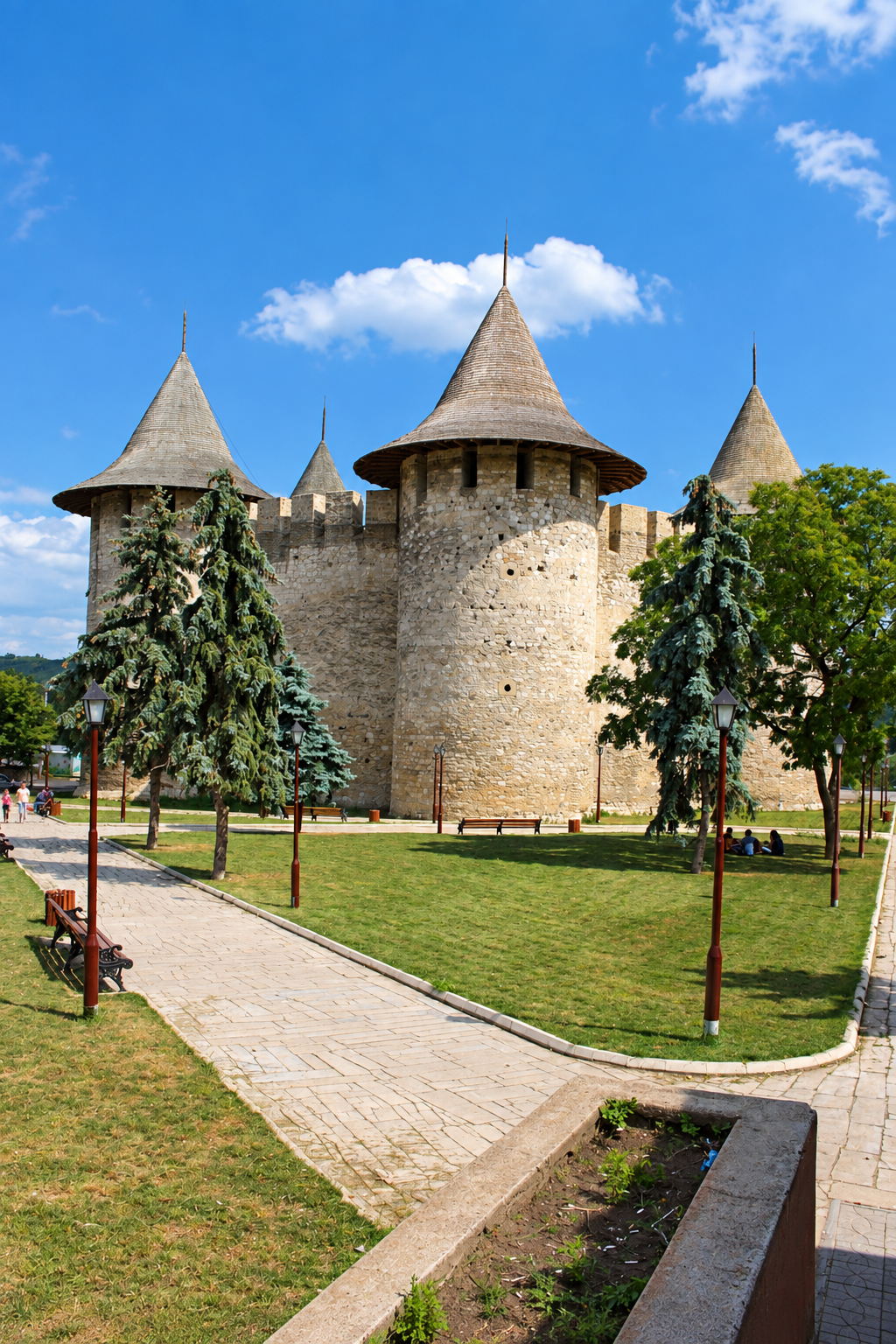
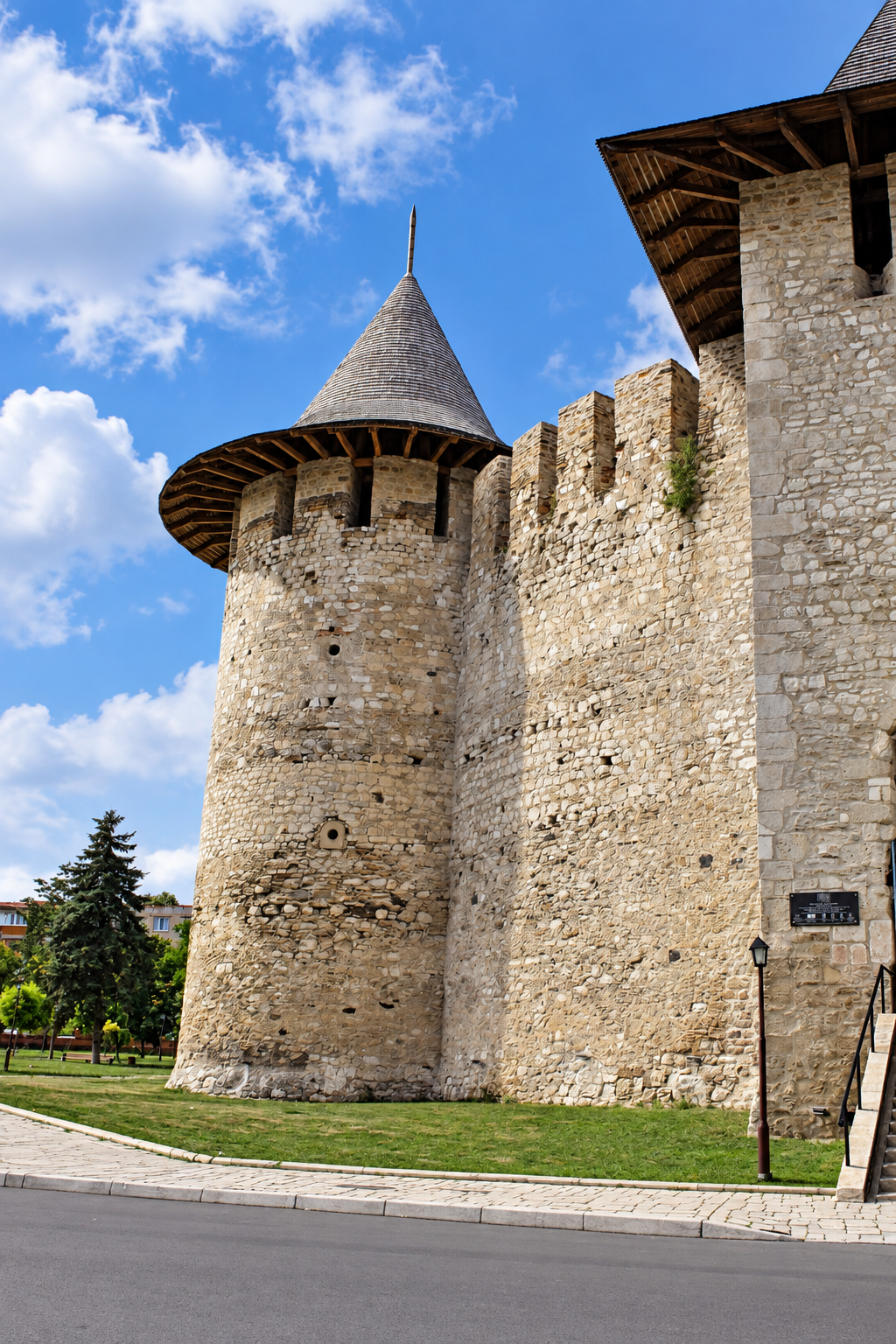
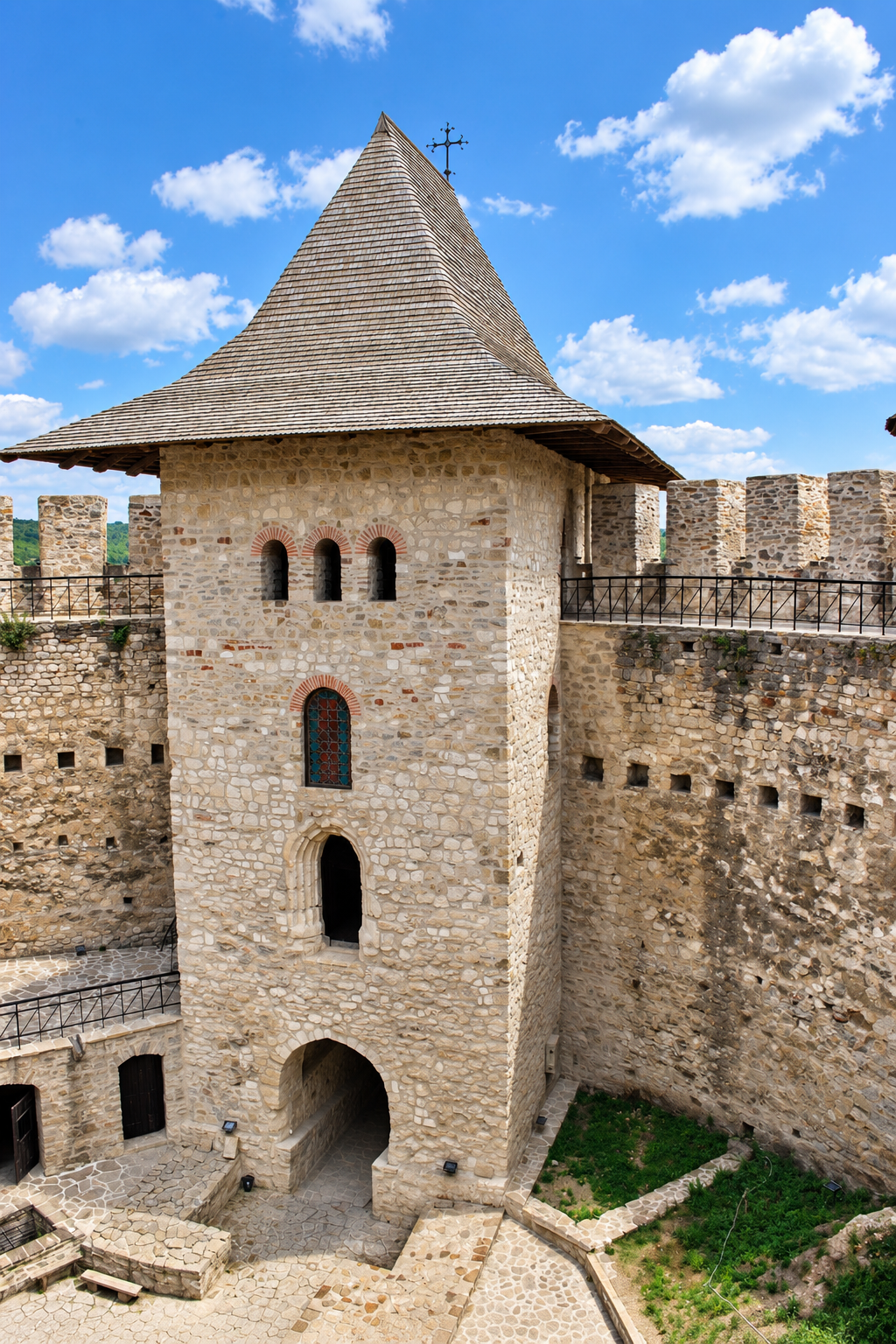
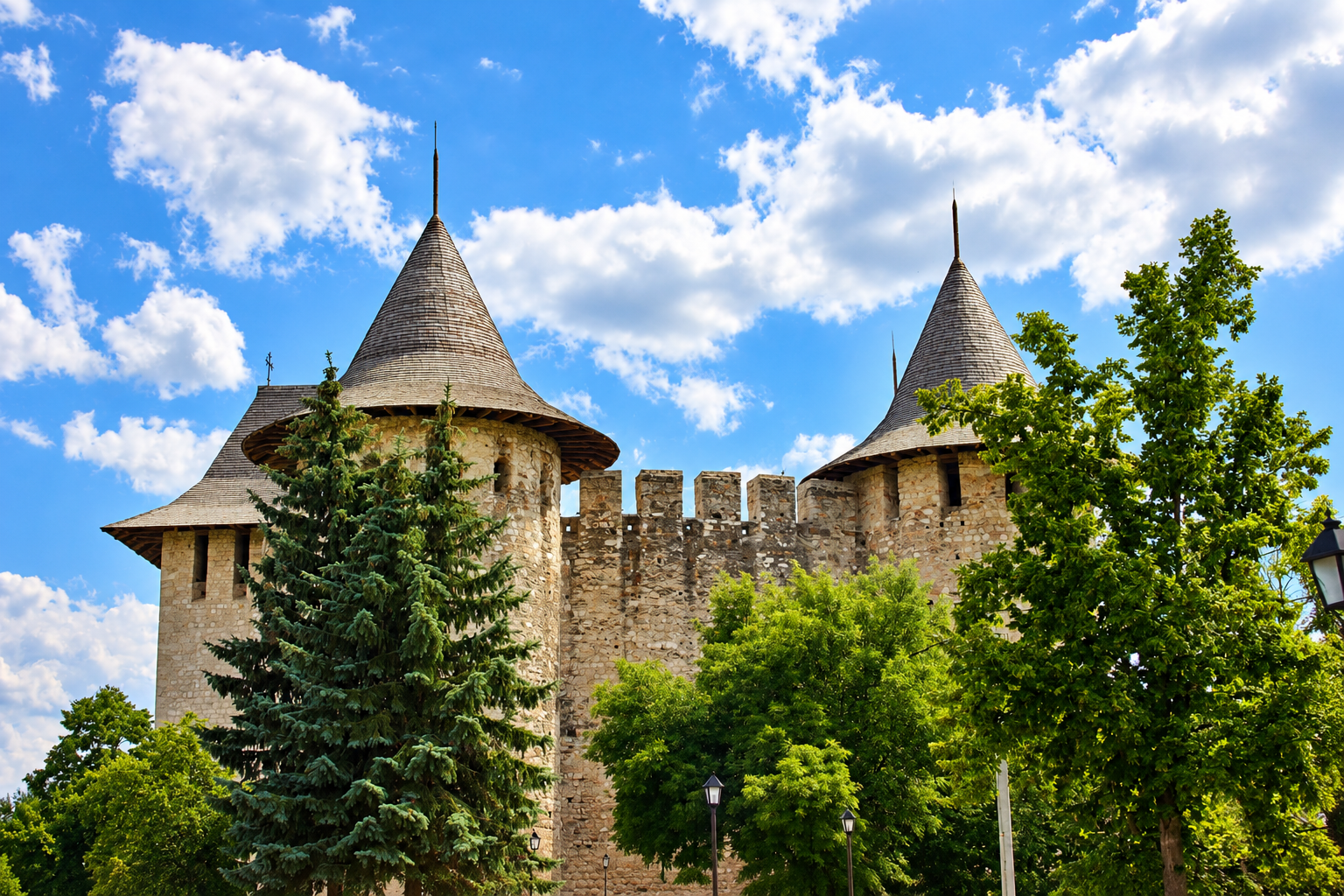
A tower, a steep roof, part of a stone wall, then you get closer and the fortress appears properly.
Five centuries of history suddenly become considerably easier to understand when there is a massive stone tower standing in front of you.
You are in no hurry to find the entrance.
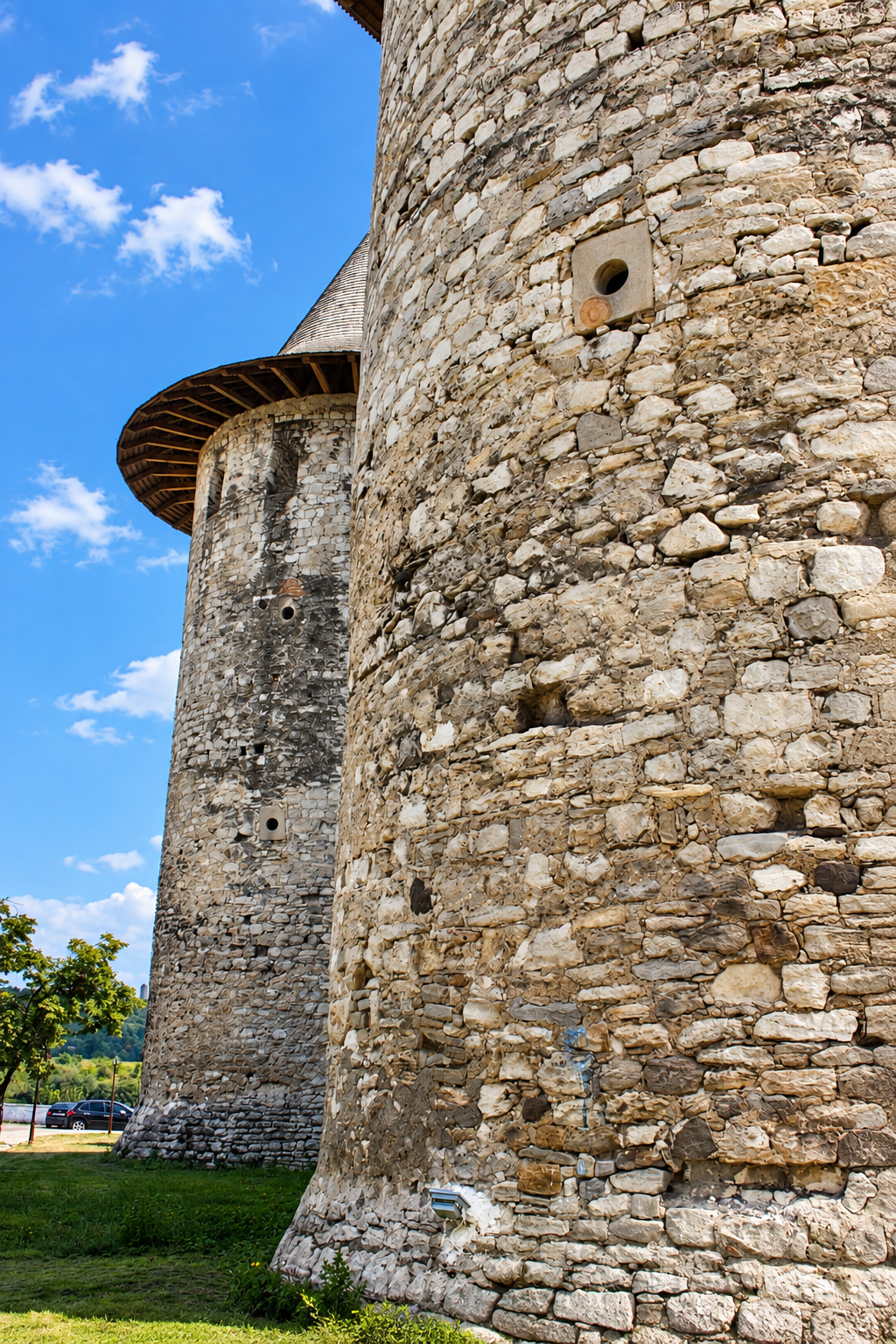
Walk around first, then get close to the walls and look at the stonework, just walk around the towers.
Look at the small openings high in the walls and the steep roofs above them.
From a distance, Soroca Fortress looks almost perfectly shaped and up
close, you begin seeing all the irregular stones, repairs and little details, only a short distance away is the Dniester.
This can be a very interesting place to bring children.
They don't only have to stand in front of something old while an adult explains why it is important.
They can enter it, walk through the passages, climb the stairs and look through the openings.
Then find another room, go into a tower and try to work out where they are compared with the courtyard below.
Suddenly history isn't just something written in a schoolbook.
They are standing inside it.
(Just keep an eye on younger children, because there are steep stairs, uneven surfaces and high places.)
Apparently child safety regulations were not Petru Rareș' highest priority. ;-)
The towers are worth exploring slowly.
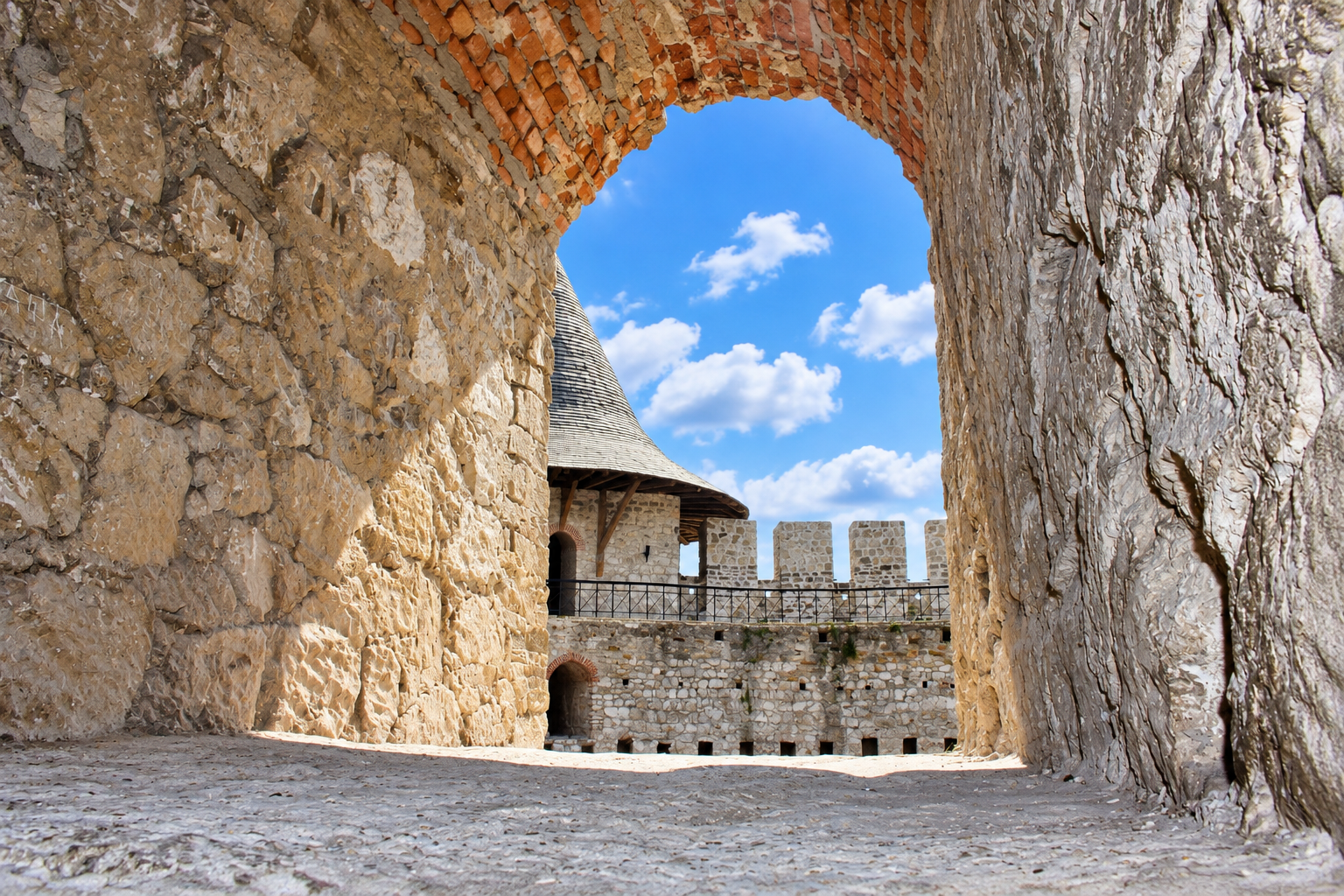
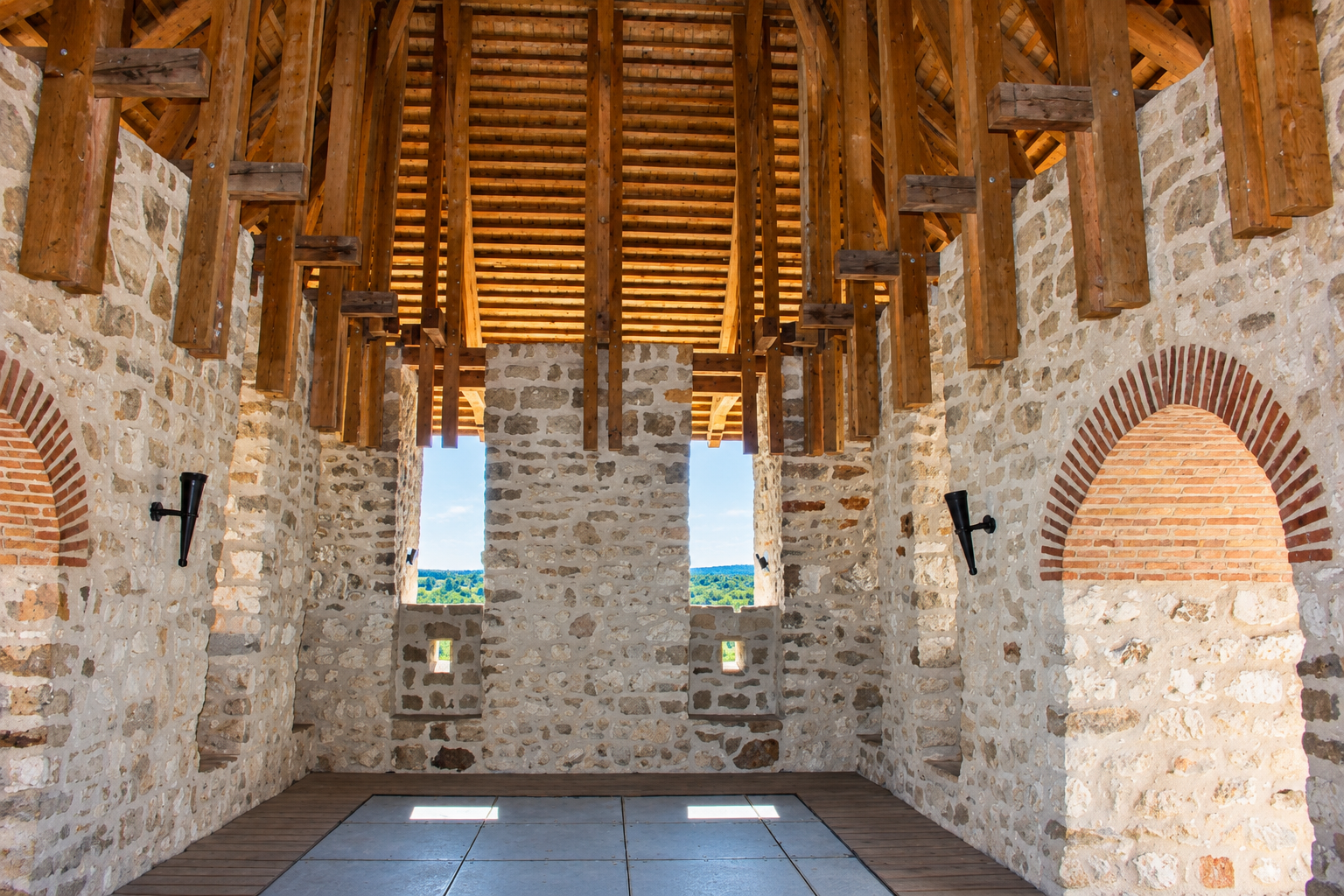
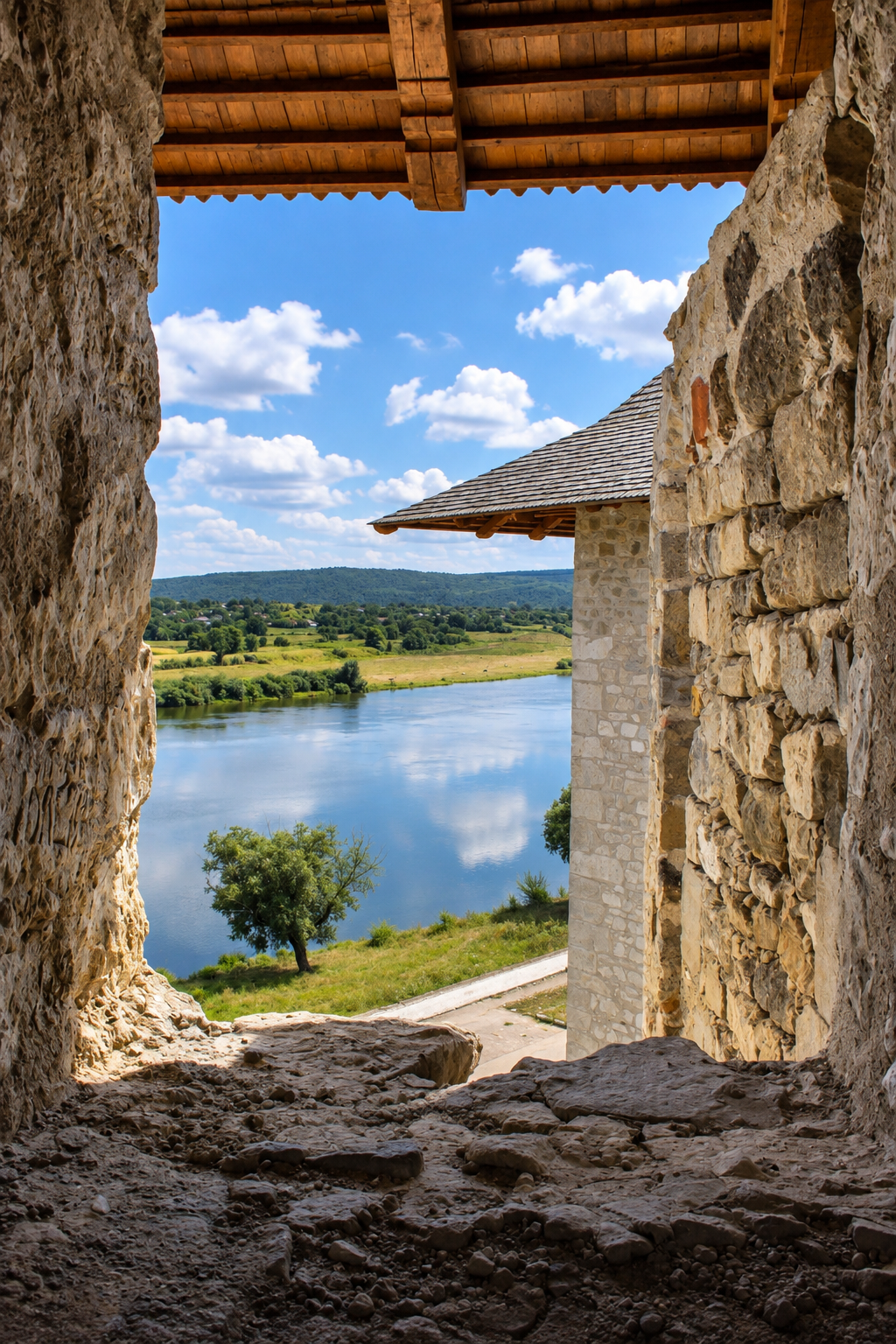
The thick walls make some of the rooms surprisingly small, and daylight often enters through narrow windows and openings.
Look through them.
What is now a view towards Soroca or the Dniester once had a very
different purpose.
Then turn around and you are back inside the stone tower again.
It is one of those places where a few steps can completely change what you are looking at.
Walk down towards the water.
The fortress stands beside one of the places where the Dniester has been crossed for centuries.
Across the river is Ukraine.
Today you can stand beside the water, watch the river and look across to the opposite bank.
Five hundred years ago, being able to control this part of the river was considerably more serious.
The crossing was used by merchants, but it also had military importance and that is one of the reasons a fortress was established here
The story of Soroca Fortress did not begin with the stone walls you see today.
A fortification at Soroca is documented on 12 July 1499, during the reign of Ștefan cel Mare.
That earlier fortress was built from wood and earth and helped defend the crossing of the Dniester.
It remained in use under Bogdan III and into the reign of Petru Rareș.
Soroca Fortress has been repaired and restored several times.
One major restoration project took place before its reopening in May 2015 and the Work included the towers, guard walkway, entrance stairs, courtyard and other parts of the structure.
You can see modern work in places and without restoration, places like this eventually disappear.
The important thing is that we can still walk through the gate.
Eventually you come down from the towers and return to the courtyard and perhaps you discover one last doorway you missed earlier.
Then you walk through the entrance passage again and back outside.
Turn around and now the fortress looks a little different, but now you know what is behind the walls.
You know how small the courtyard is, how thick the towers are and how many stairs and passages are hidden inside.
Don't get straight back into the car.
The Dniester is right beside you and take a walk along the river for a while or find somewhere to sit.
You drove north through Moldova, explored along the way and ended up inside a fortress that has stood beside this crossing for centuries.
And there is still more of Soroca to explore.
Unii spun că zidurile nu au uitat niciodată cine le-a trecut pragul.
-
Some say the walls have never forgotten those who passed through them.