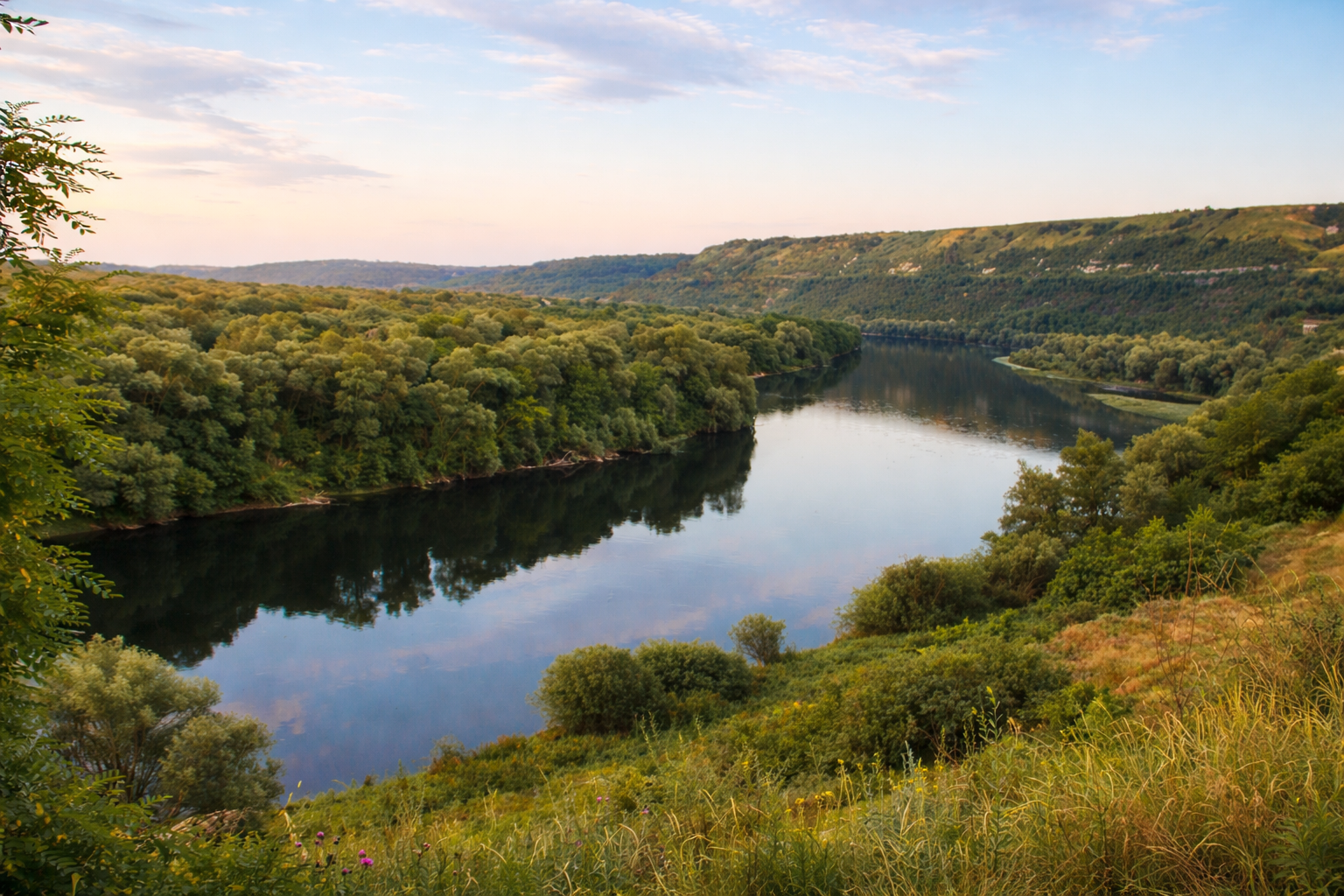
Dniester River near Molovata, Molovata Nouă and Cocieri
The closer you get to the fishing areas around Molovata it changes gradually as you pass through places like Cocieri, Molovata and Molovata Nouă.
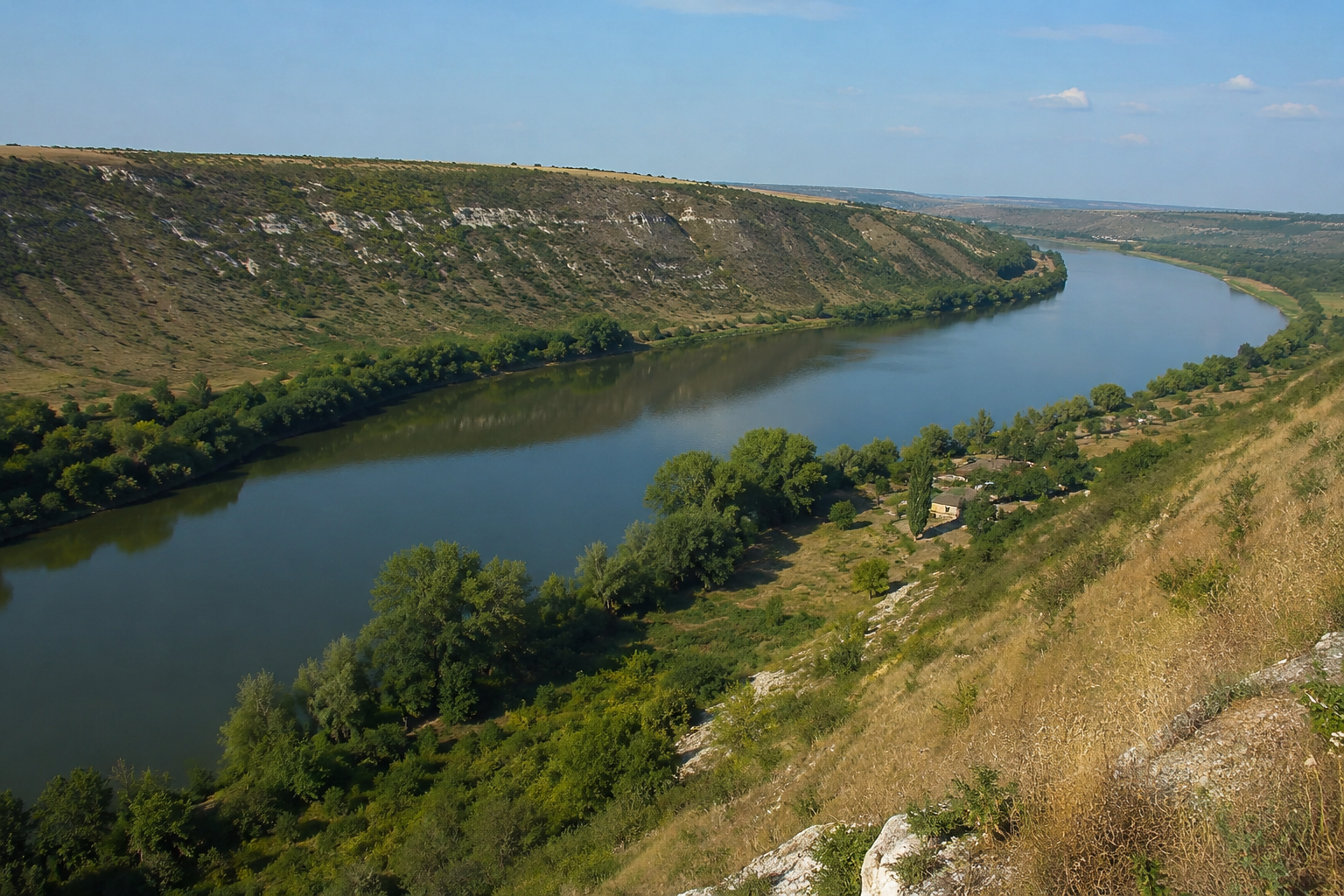
Now and then the Dniester can be seen between the trees before disappearing again behind the land.
Small roads lead towards the water, boats rest along the shoreline, and very soon it becomes clear that life here has always been connected to the river.
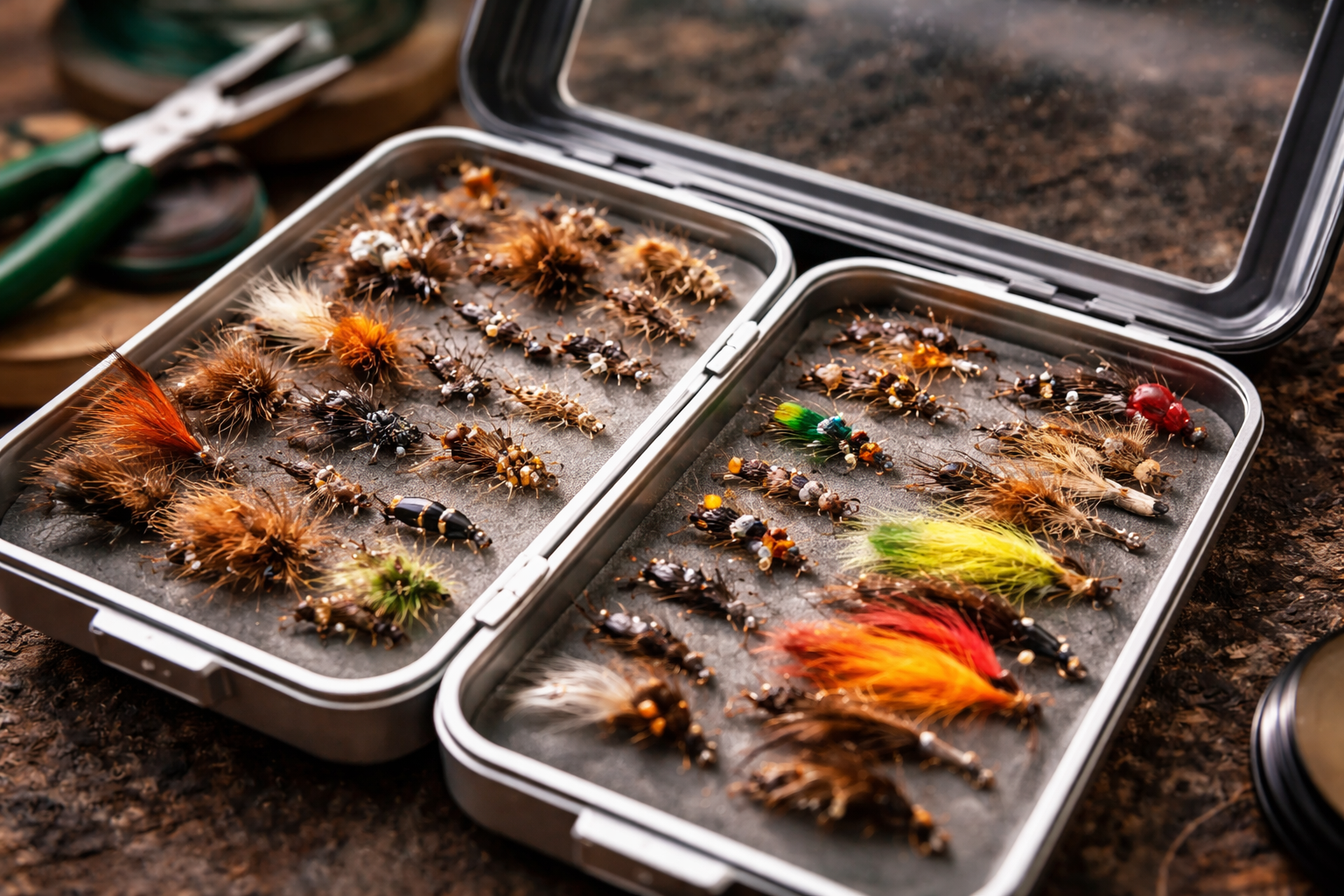
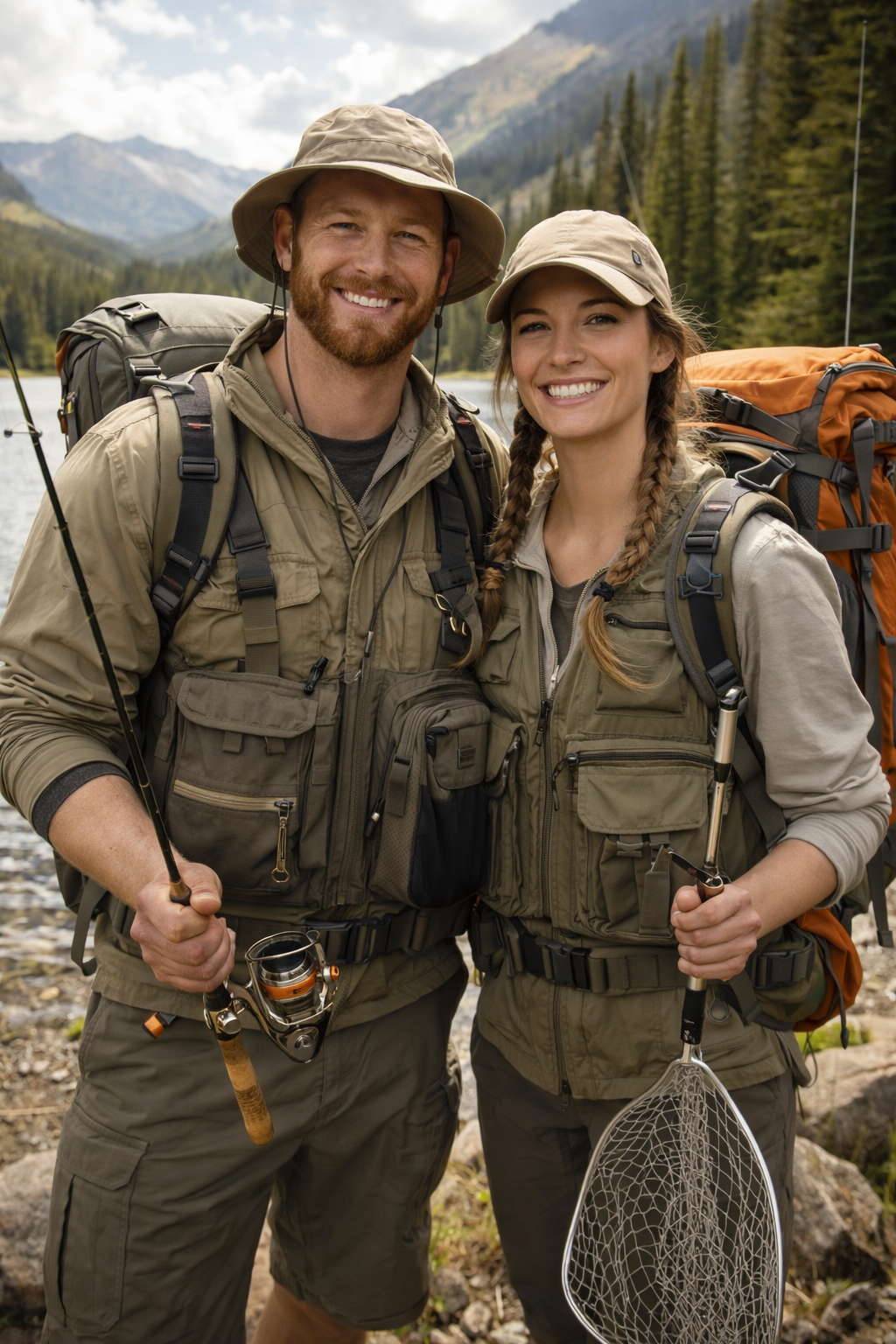
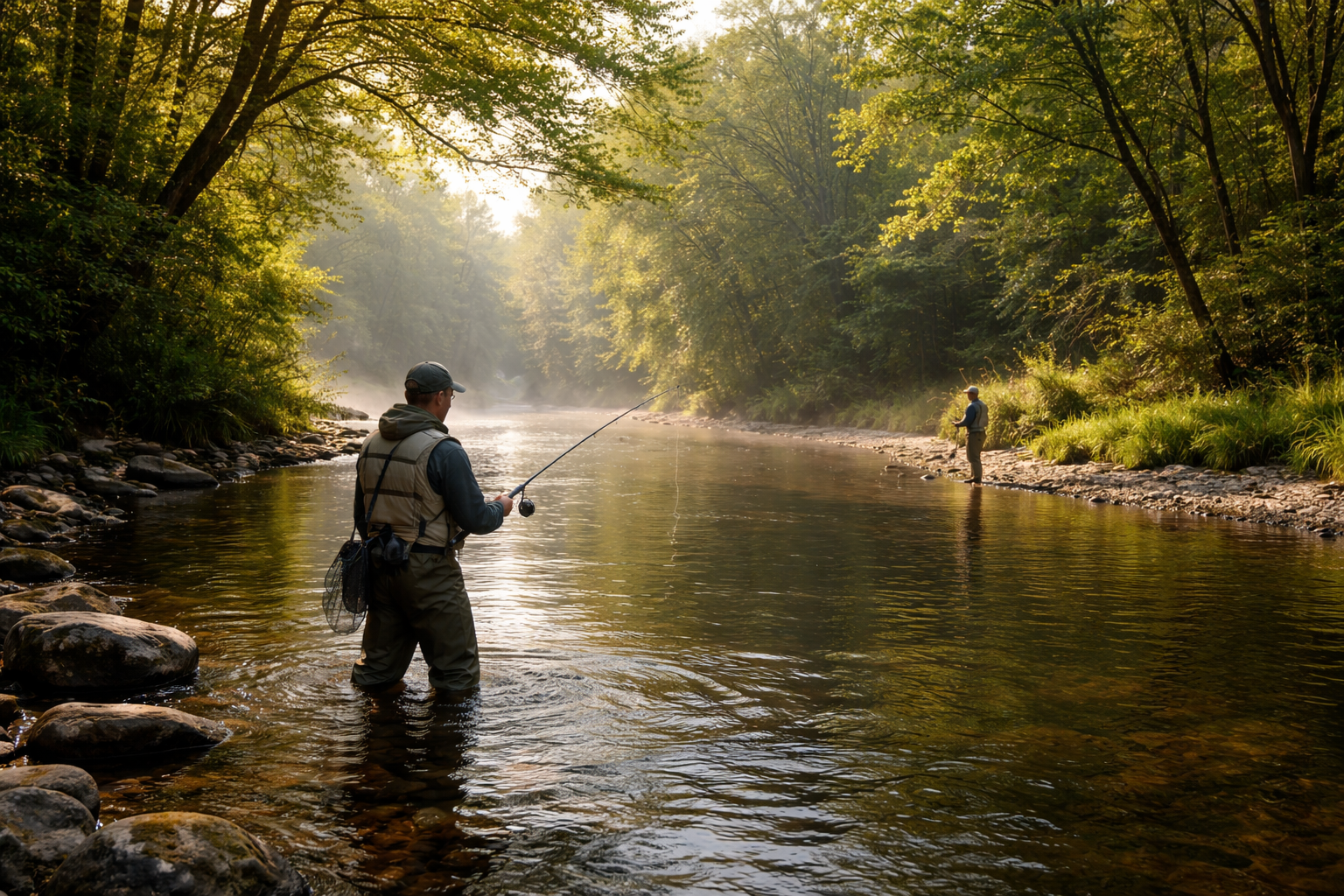
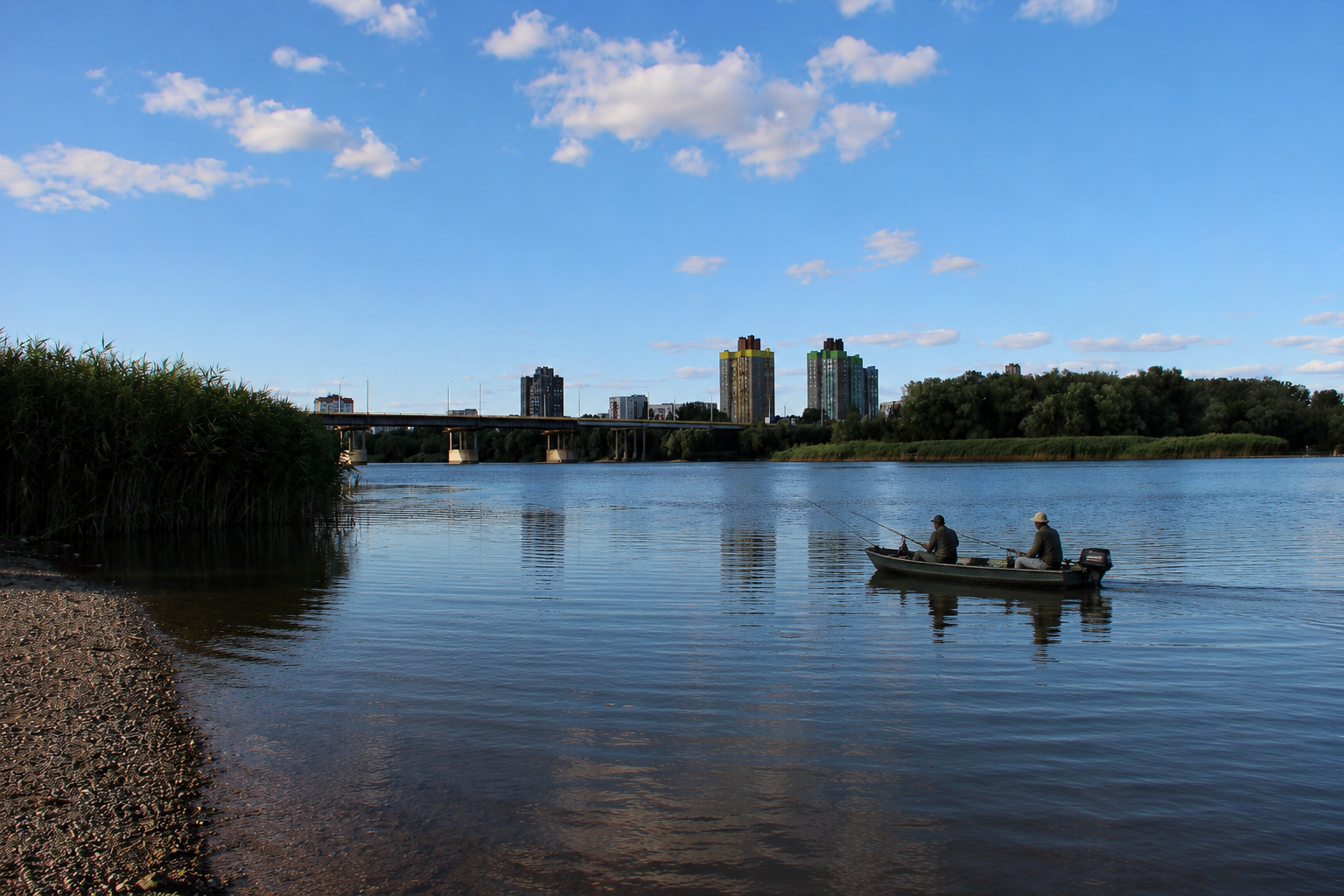
Someone is repairing a boat near the shore, another is preparing fishing gear and along the banks, fishermen are already standing quietly near the water long before sunrise.
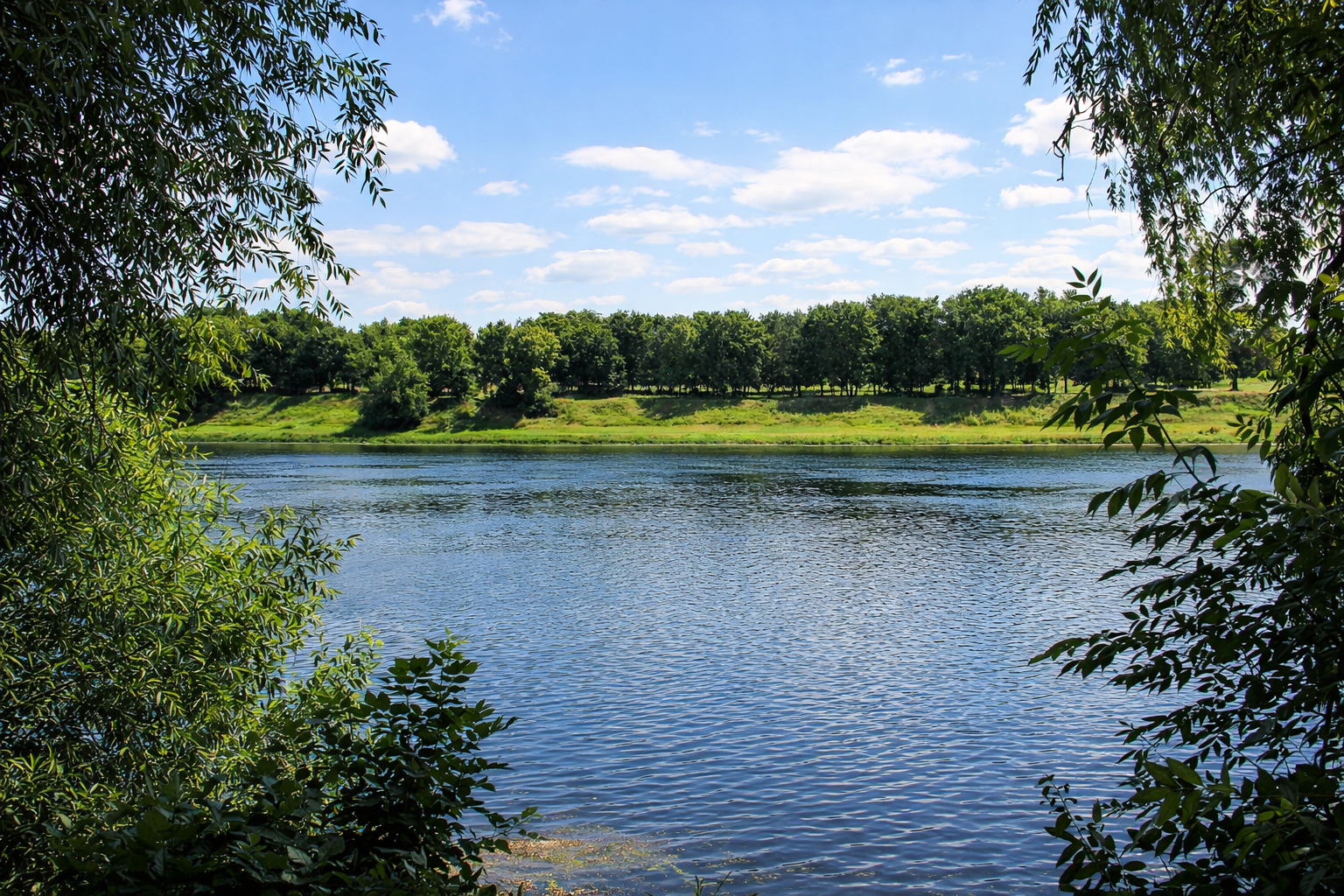
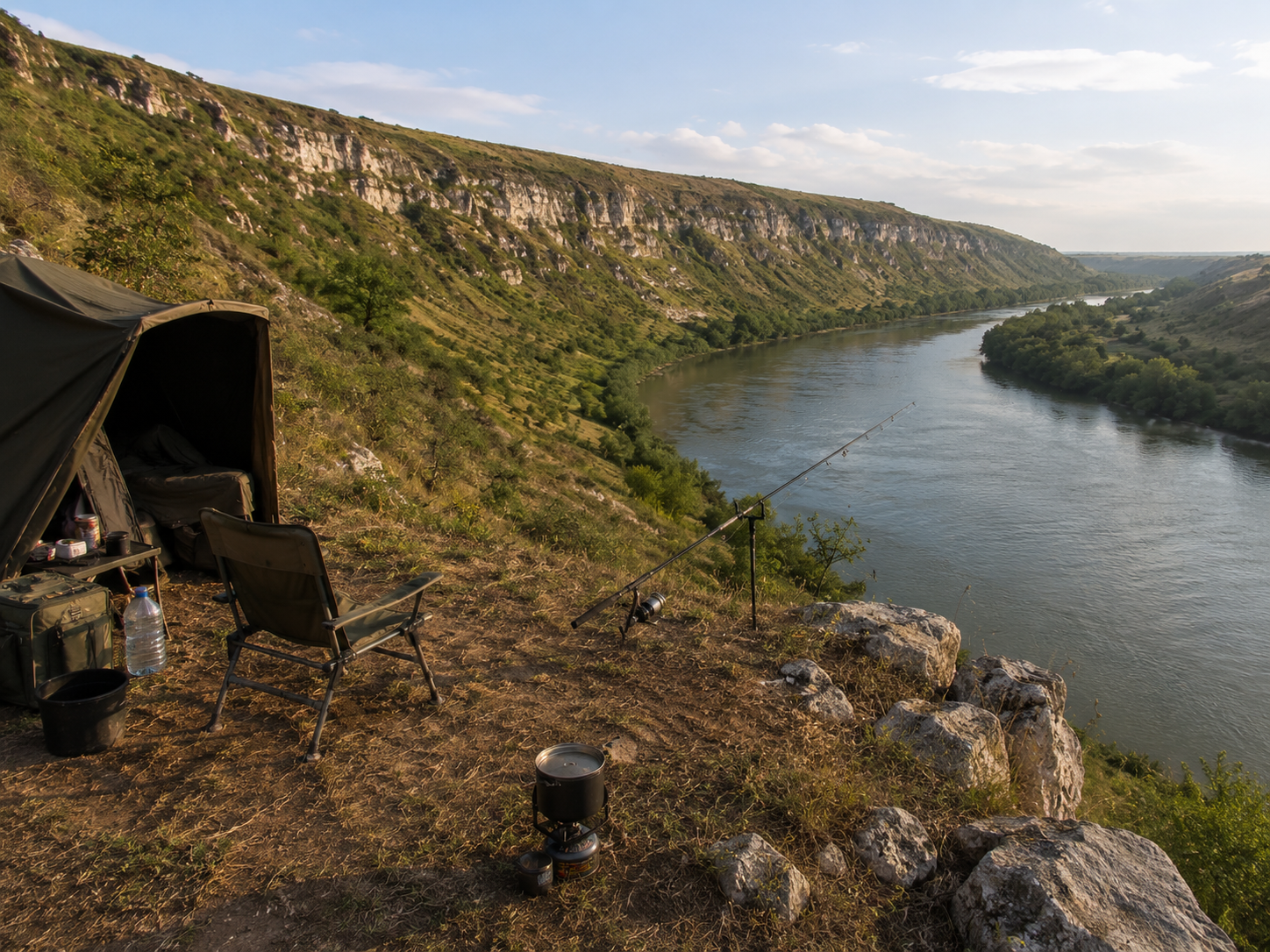
The Dniester River is Moldova's largest river and runs for approximately 1,362 kilometres from its source in the Carpathian Mountains to the Black Sea, flowing through both Ukraine and Moldova along the way.
In this part of the Dniester fishing is often a matter of patience.
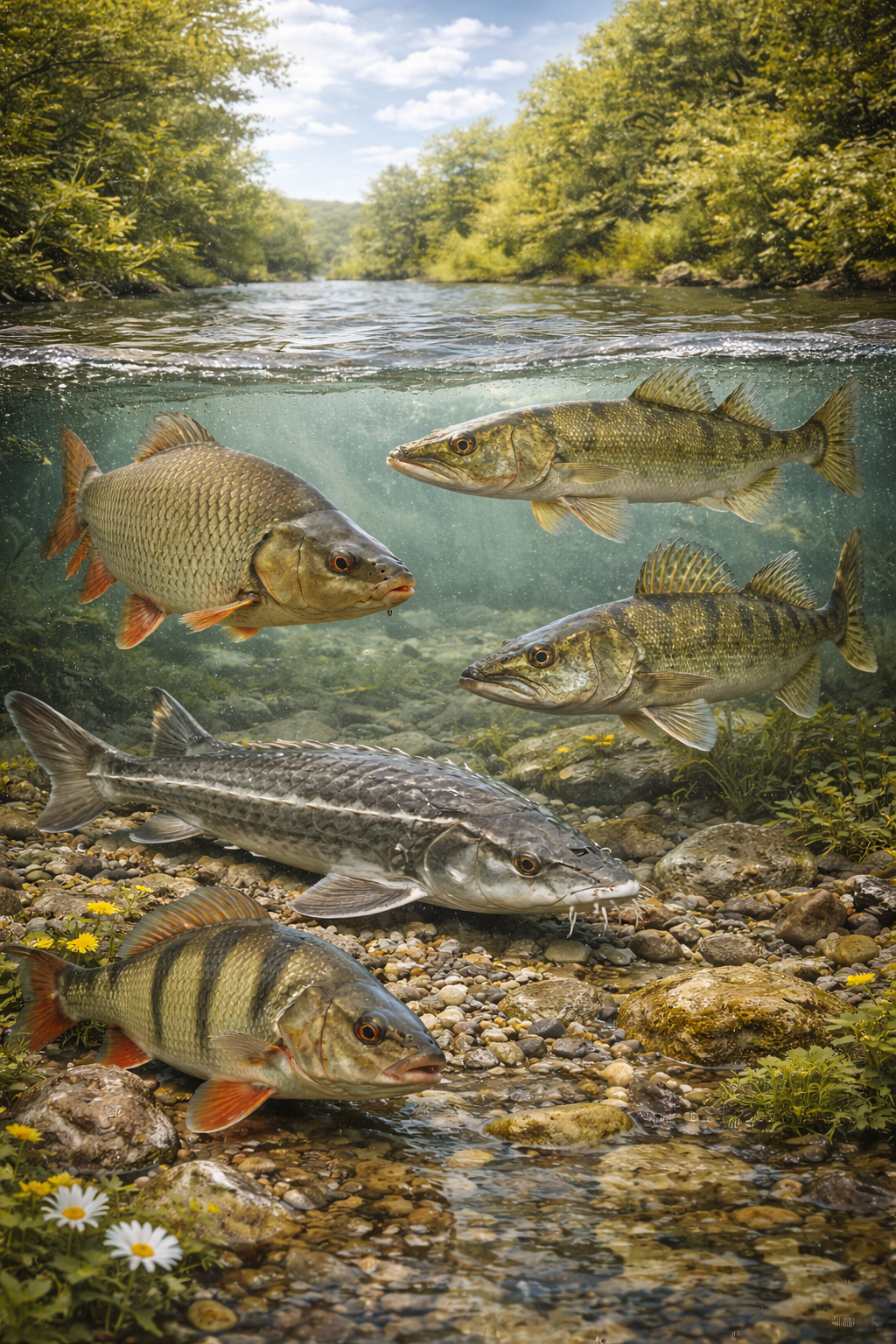
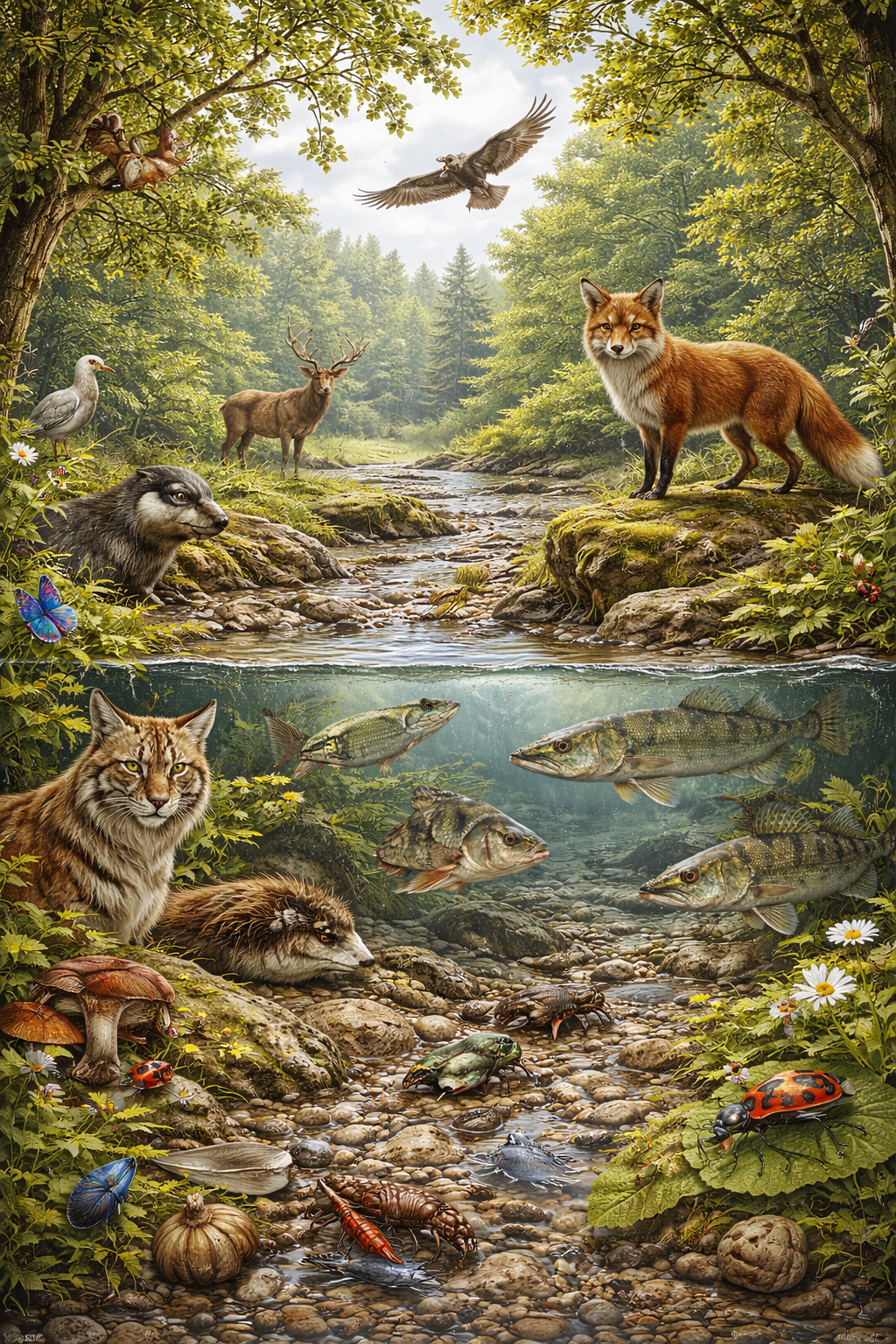
Some of the stretches near Molovata have some more calm water, softer banks, and reeds along the shoreline where carp, crucian carp, roach, bream, and perch are regularly caught during the warmer months.
Many fishermen prefer arriving early in the morning or returning towards evening, when the river is more quiet, there is less stream in the water and the surface are more calm
It is possible for you to be camping in some areas along the river, and during the warmer months it is not unusual but very common to see fishermen staying overnight near their favourite fishing spots.
Small tents, folding chairs, simple cooking equipment, and campfires often appear along the riverbanks as evening approaches.
If you decide to stay overnight, remember to respect private property, farmland, and the people living in the nearby villages.
Pike are regularly caught near the reeds and areas with underwater
vegetation, especially during spring and autumn when they swim through the shallower parts of the river.
You can also expect to find catfish in the deeper sections of the
Dniester, particularly near drop-offs and slower channels.
Most anglers will never land one of the really large ones, but that does not stop people from talking about them.
Along the river, stories about giant catfish have a habit of growing a little every time they are told. (Anglers stories)
If you are lucky, zander can also show up in deeper water, usually during the early morning or later in the evening when the light begins to fade.
Campfires are more sensitive.
In some areas, especially during dry summer periods, open fires may be restricted or discouraged because of fire risk.
Small controlled fires are sometimes used by local fishermen near the riverbanks, especially for cooking, but it is important to be careful, avoid forested areas, and always fully extinguish any fire before leaving.
Visitors should also check local conditions and restrictions, as rules can vary depending on season and exact location.
Many fishermen come here for more than the fish.
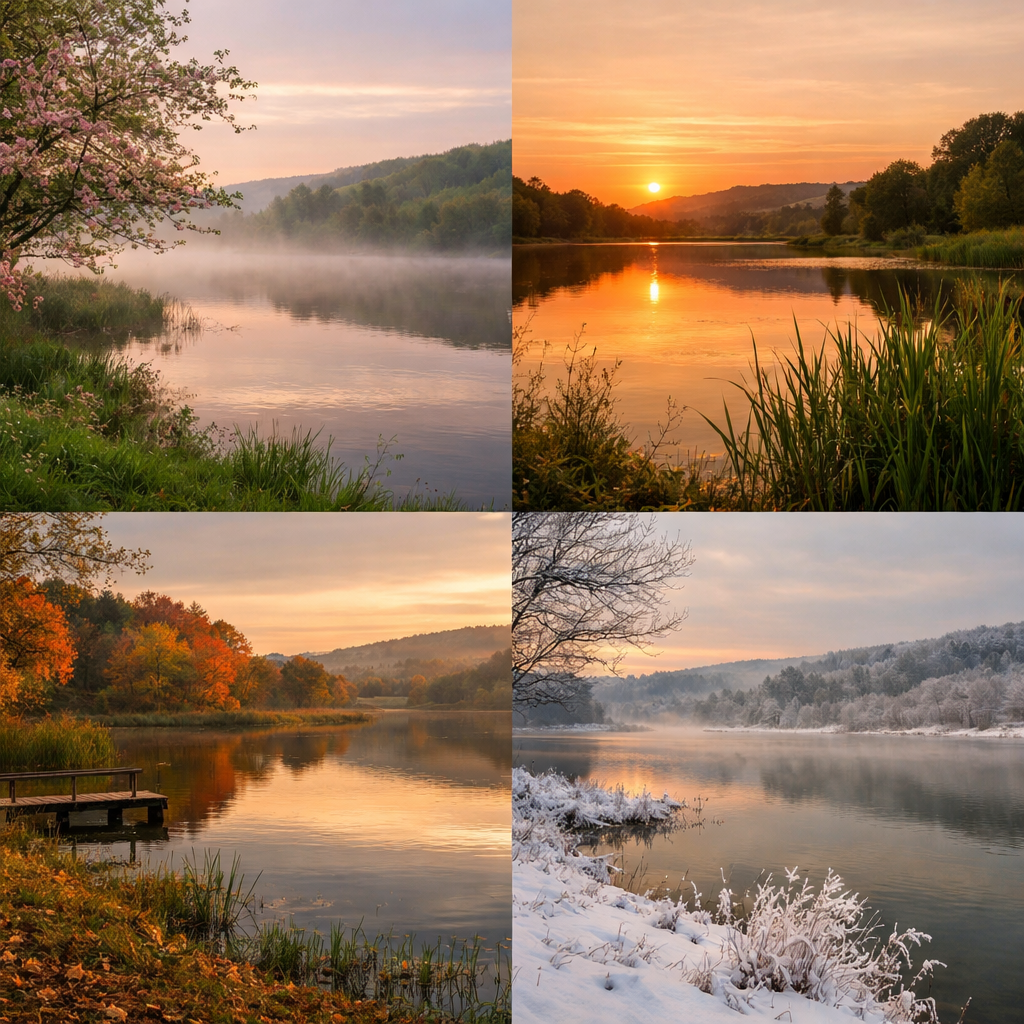
Early in the morning, mist often hangs above the water while boats move slowly along the river.
The hills on both sides of the Dniester soften the sounds around you, and for long periods the only things you hear are the water, the birds, and the occasional movement from another fisherman further along the bank.
You can sit for a long time without feeling any need to be somewhere else and just enjoy the calm and the sounds of nature unfolding.
You will noticing the small things that might otherwise pass you by.
Curtains moving behind open windows. Flowers growing along old
fences, wooden benches standing outside gates where people sit in the evenings watching the road.
The sound of footsteps against gravel, a conversation carrying through the calm air before fading again.
Maybe that is why these villages are difficult to forget.
When you leave, the road are heading forward while the river disappears behind the trees, and before you notice it, you are on your way
somewhere else.
Yet a few things have a habit of keep staying in your memory.
A conversation outside a gate, a fisherman along the riverbank, a quiet evening by the water.
Small things perhaps, but not always easy to leave behind.
⚠️
Locuri ca acesta rămân frumoase pentru că oamenii de
dinaintea ta le-au tratat cu grijă.
Te rugăm să lași râul și natura din jur la fel de curate
și liniștite
cum le-ai găsit.
-
Places like this stay beautiful because people before you
treated them with care.
Please leave the lakes, rivers and surrounding nature as quietly
and cleanly as you found it.
Unii spun că pe Nistru timpul curge altfel.
-
Some say time moves differently on the Dniester.