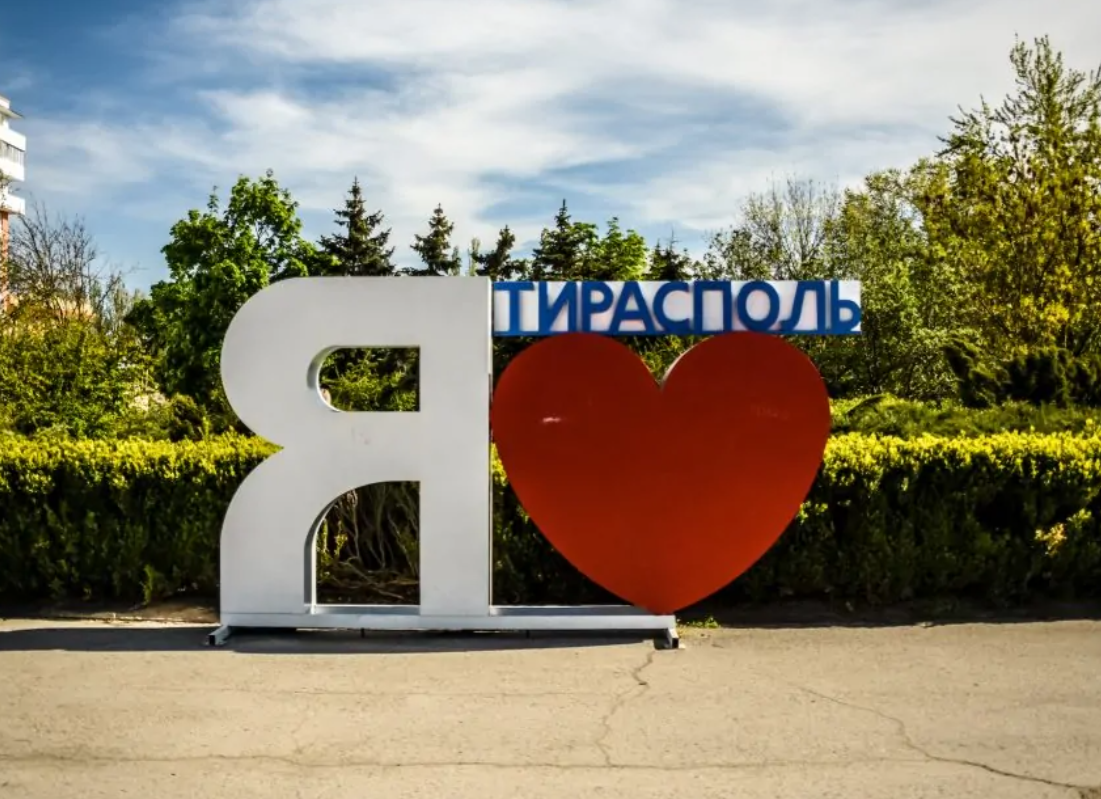
Crossing into Transnistria does not feel like simply driving from one Moldovan region into another.
At the border crossing, cars, minibuses, and buses stop while travelers often have to step outside and enter smaller control buildings to receive the temporary travel document required for entering the region.
Questions about where you will stay, how long you plan staying there, and where you are going are asked before continuing deeper toward Bender or Tiraspol.
Standing there beside the checkpoint, with guards, barriers, documents, flags, and vehicles waiting beside the road.
Many visitors already begin feeling that they are entering somewhere different from the rest of Moldova before even continuing further into the region.
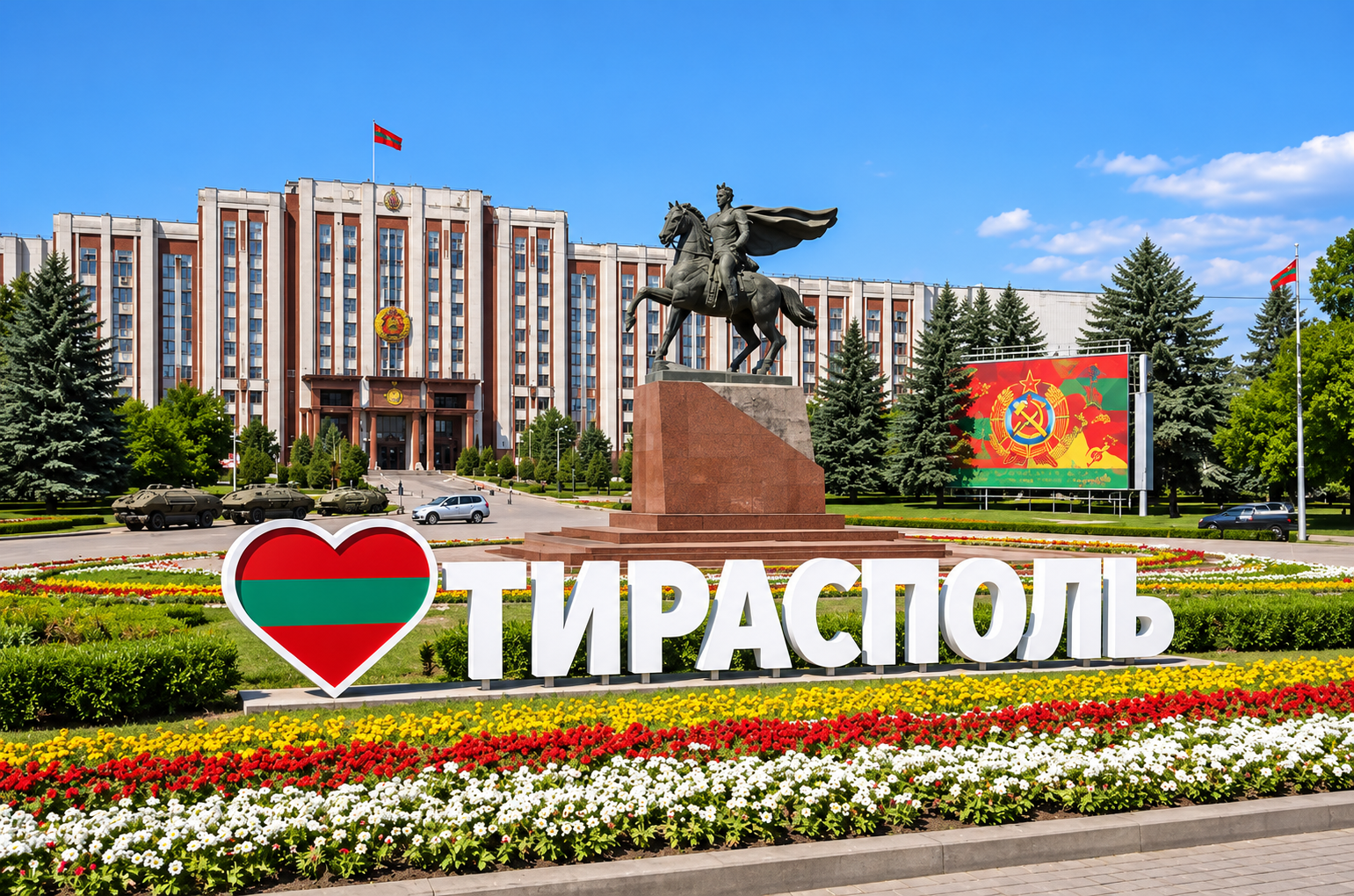
After passing the checkpoint and returning to the road again, the Soviet atmosphere begins surrounding you more and more with apartment blocks, military
memorials, factories, trolleybus wires, and heavy government buildings appearing beside the streets.
At the beginning it is only small things you notice andoads become broader and quieter while the architecture are of another era.
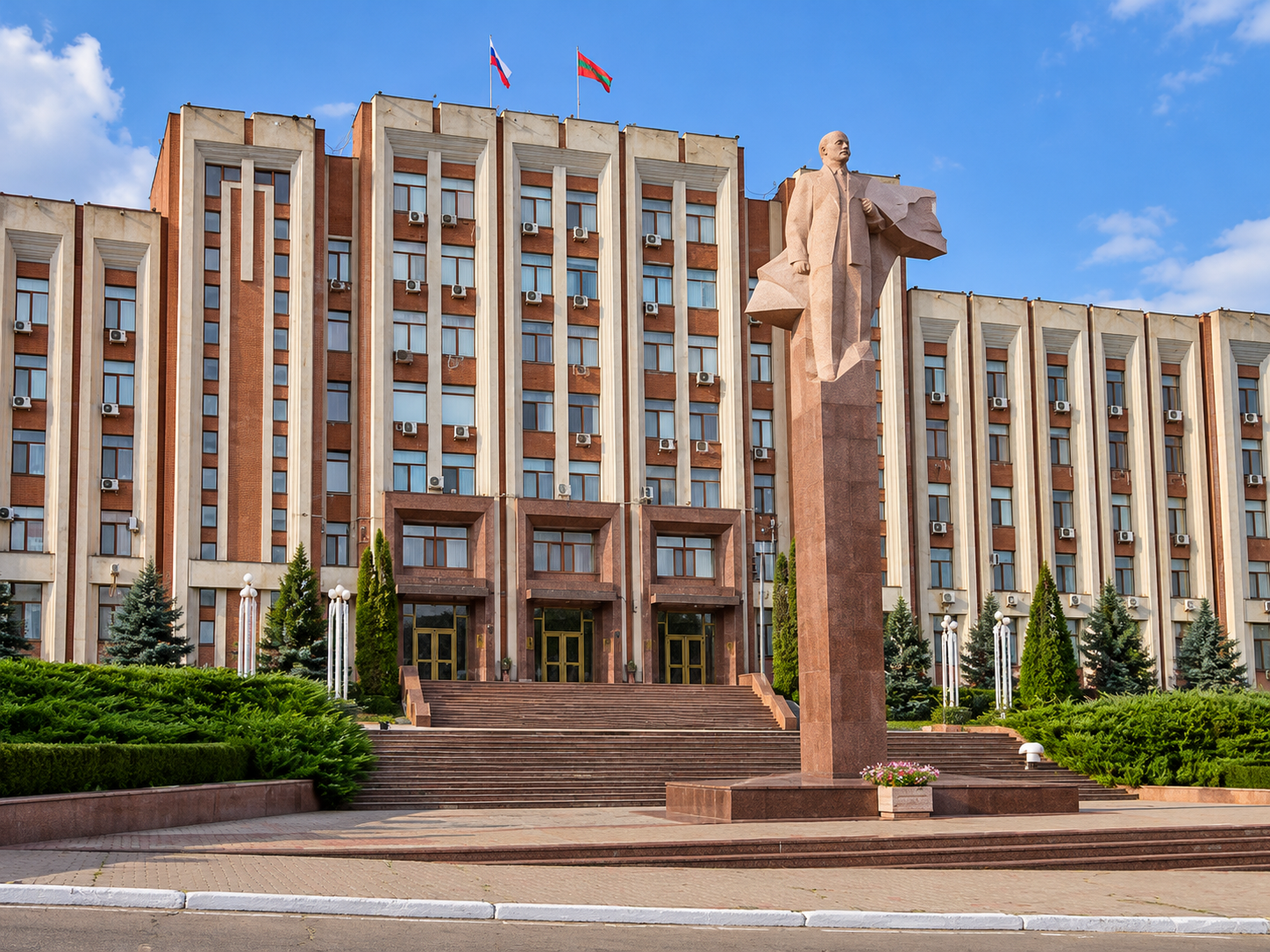
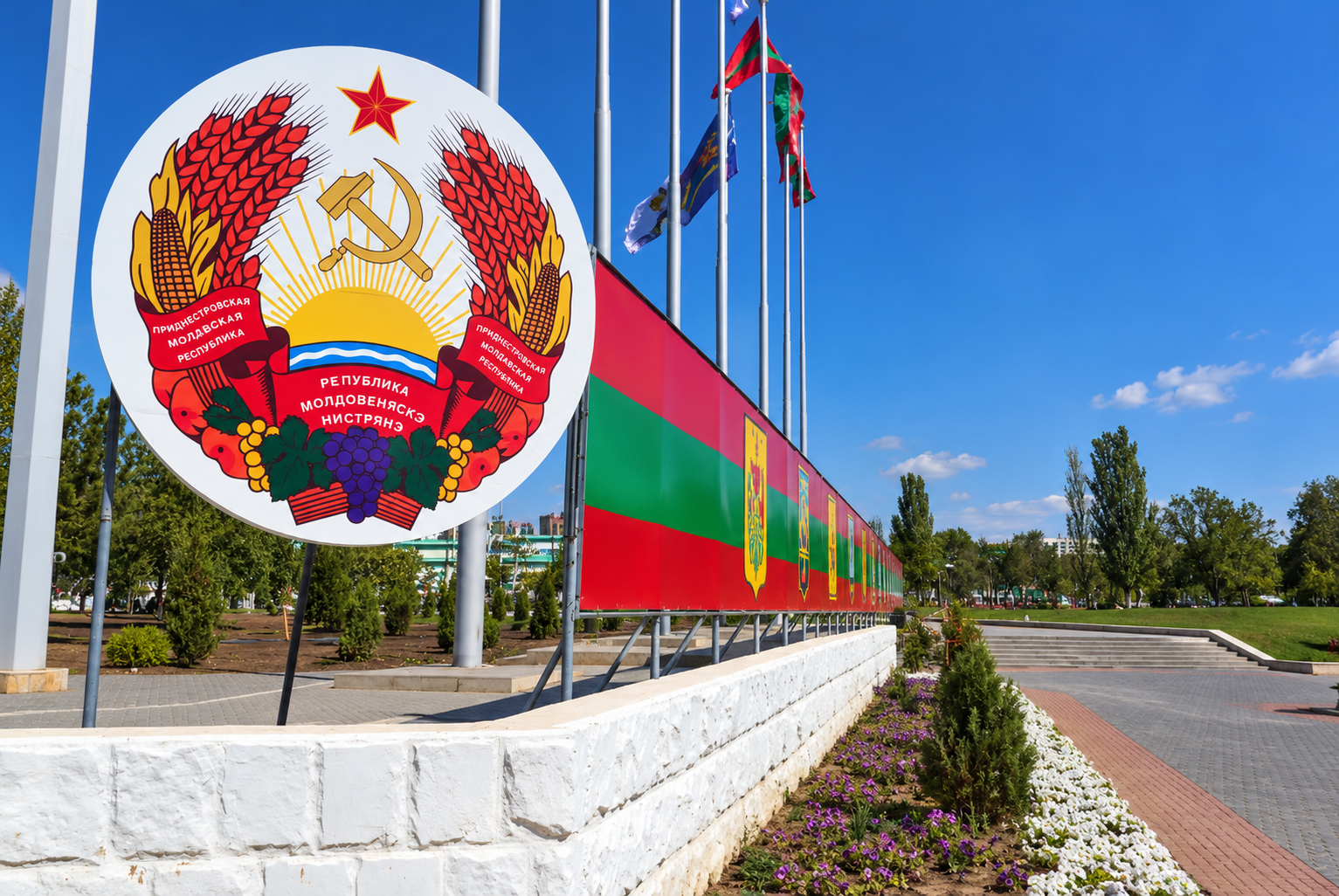
Red and green flags move slowly above official buildings and public squares while Soviet stars, old mosaics, statues, and tanks mounted high on stone pedestals remain openly visible beside the roads in a way rarely seen in most of Europe today.
And after some time inside the region, you begin understanding that what makes Transnistria feel unusual is not only one monument or one building.
It is how concentrated everything becomes together and how street after street where the Soviet world still physically surrounds everyday life.
Deeper through the region along the roads connecting Bender, Tiraspol, Dubăsari and Rîbnița, wide boulevards streatching between apartment districts while trolleybuses still driver beneath wires stretched above the streets exactly as they have for decades.
In Tiraspol, roads like 25 Octombrie Street passes giant government buildings with broad facades, columns, flags, open squares, and heavy stone architecture that almost feels oversized compared to the slower movement of the city around them.
Some of the monuments feel enormous standing beside them.
It does not feel like history displayed behind glass.
It feels like life simply kept moving while much of the Soviet world remained standing around it.
But Transnistria is not only Soviet apartment blocks, flags, and military memorials.
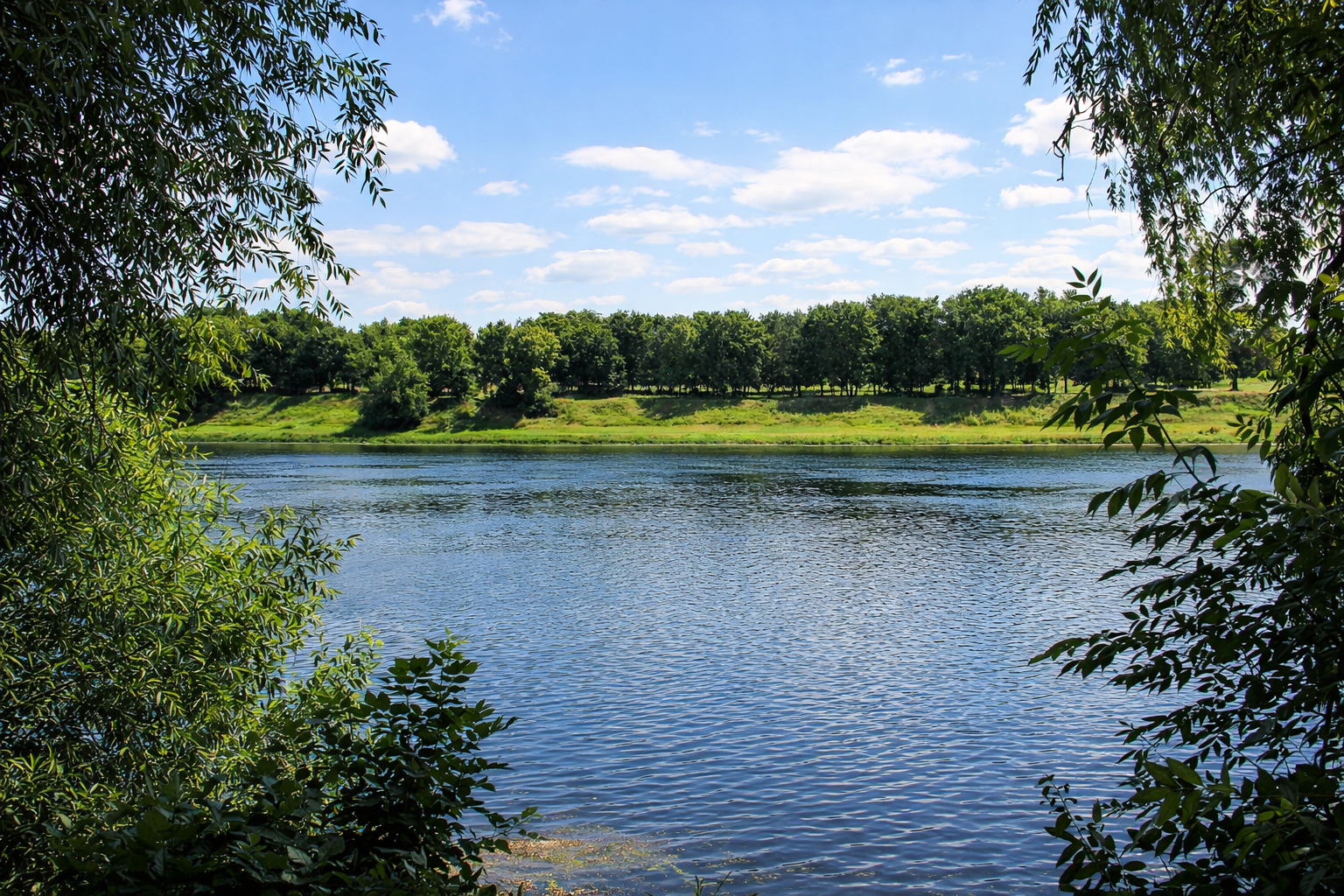
Some of the region’s oldest and most important historical places also stand here beside the Dniester River.
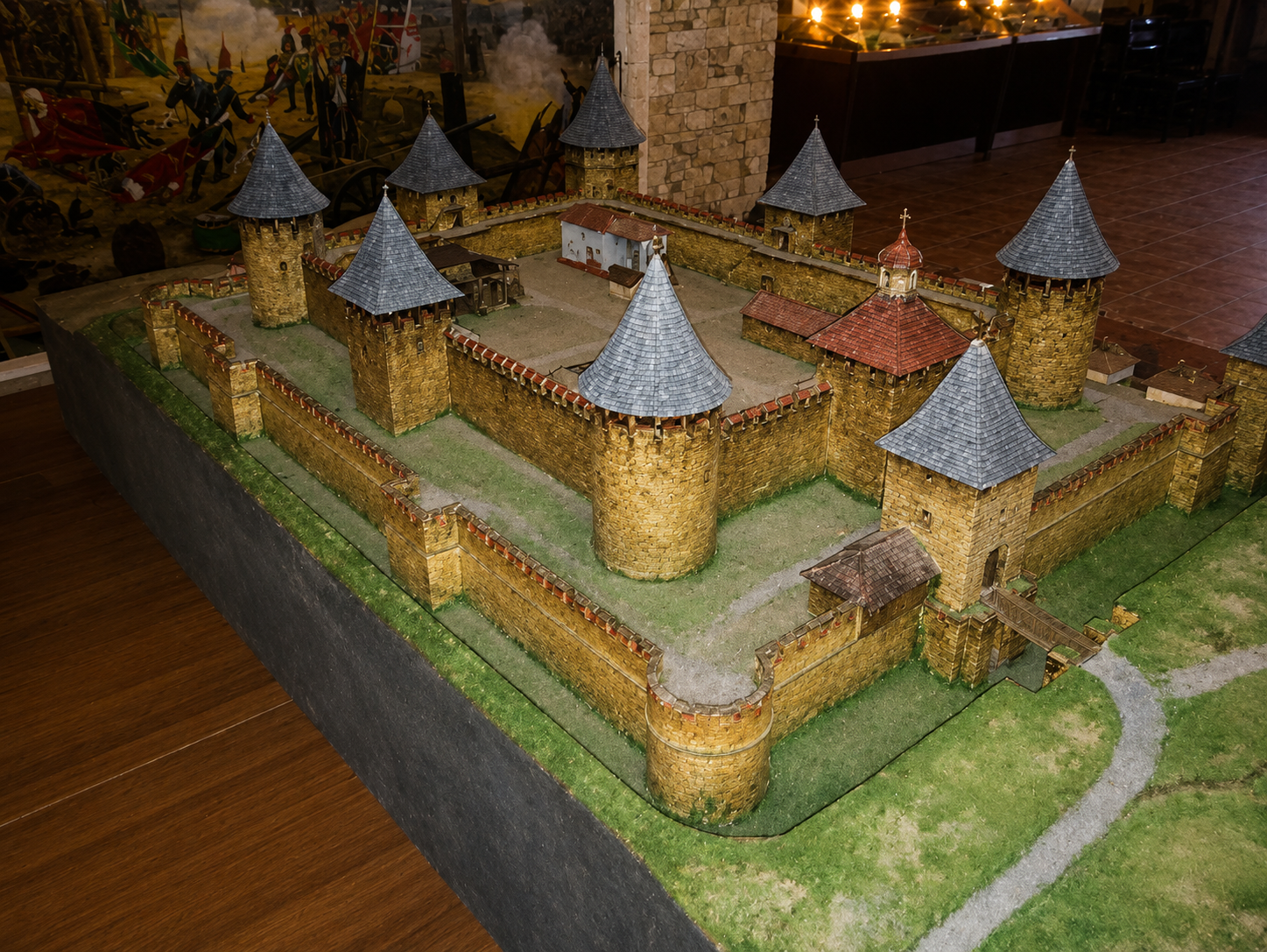
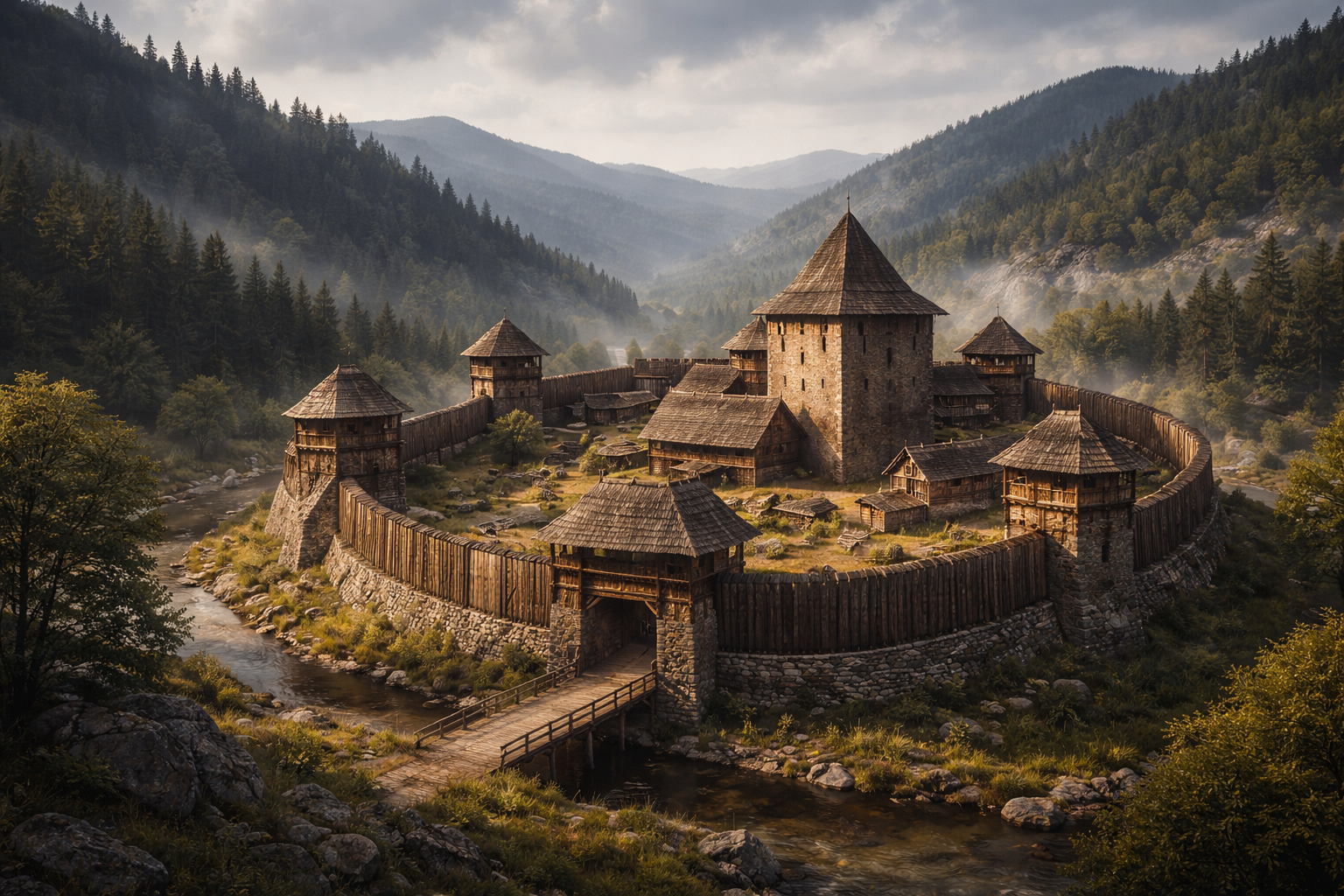
In Bender, the massive Bender Fortress still rises above the riverbanks with thick stone walls and towers first rebuilt during the 16th century after Sultan Suleiman the Magnificent captured the fortress under the Ottoman Empire.
Long before Soviet monuments and apartment districts appeared, Ottoman
soldiers, Moldavian rulers, Russian armies, traders, horse riders, and travelers moved through these same lands while battles and empires fought for control of the river crossing beside the fortress walls.
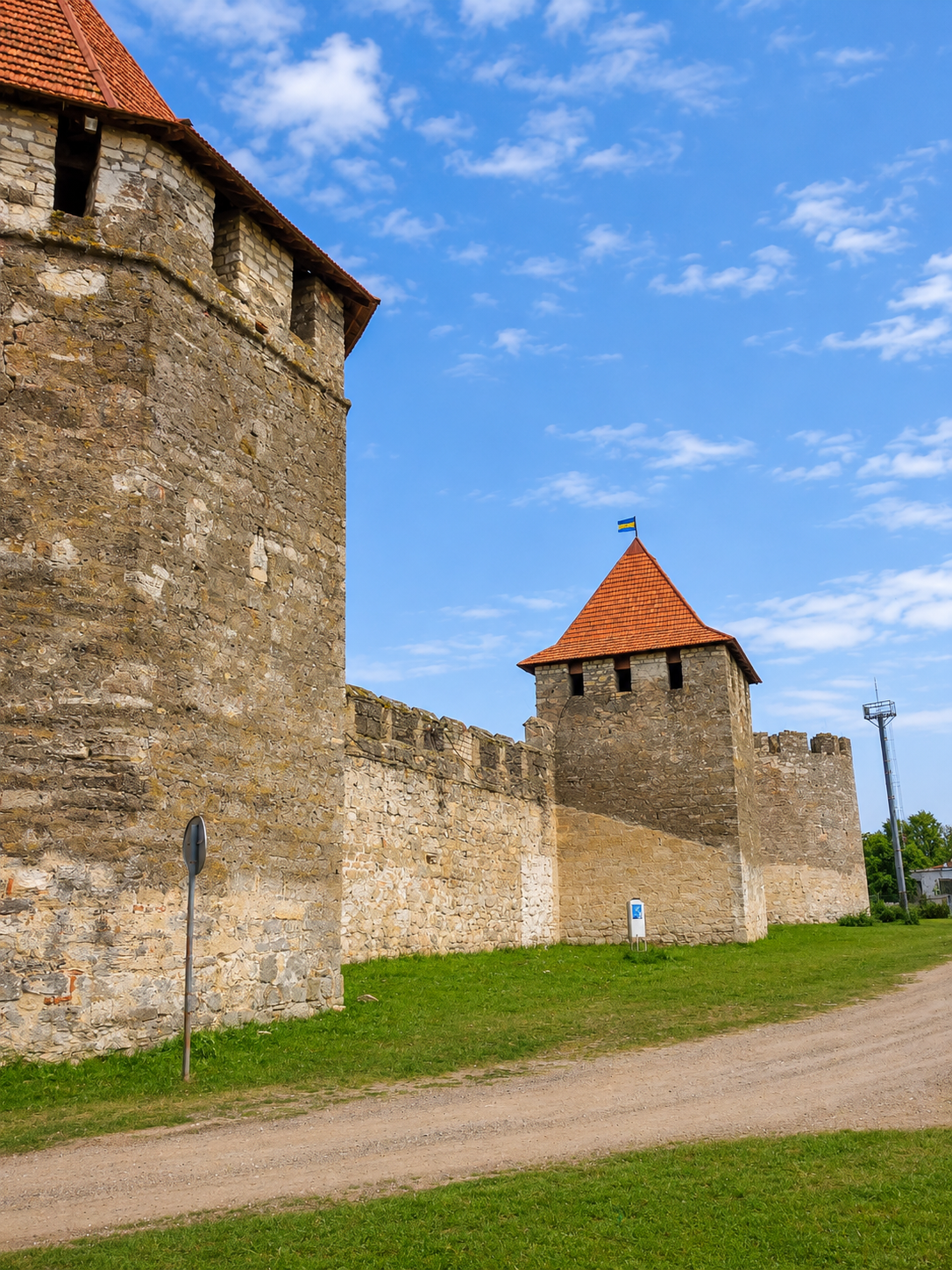
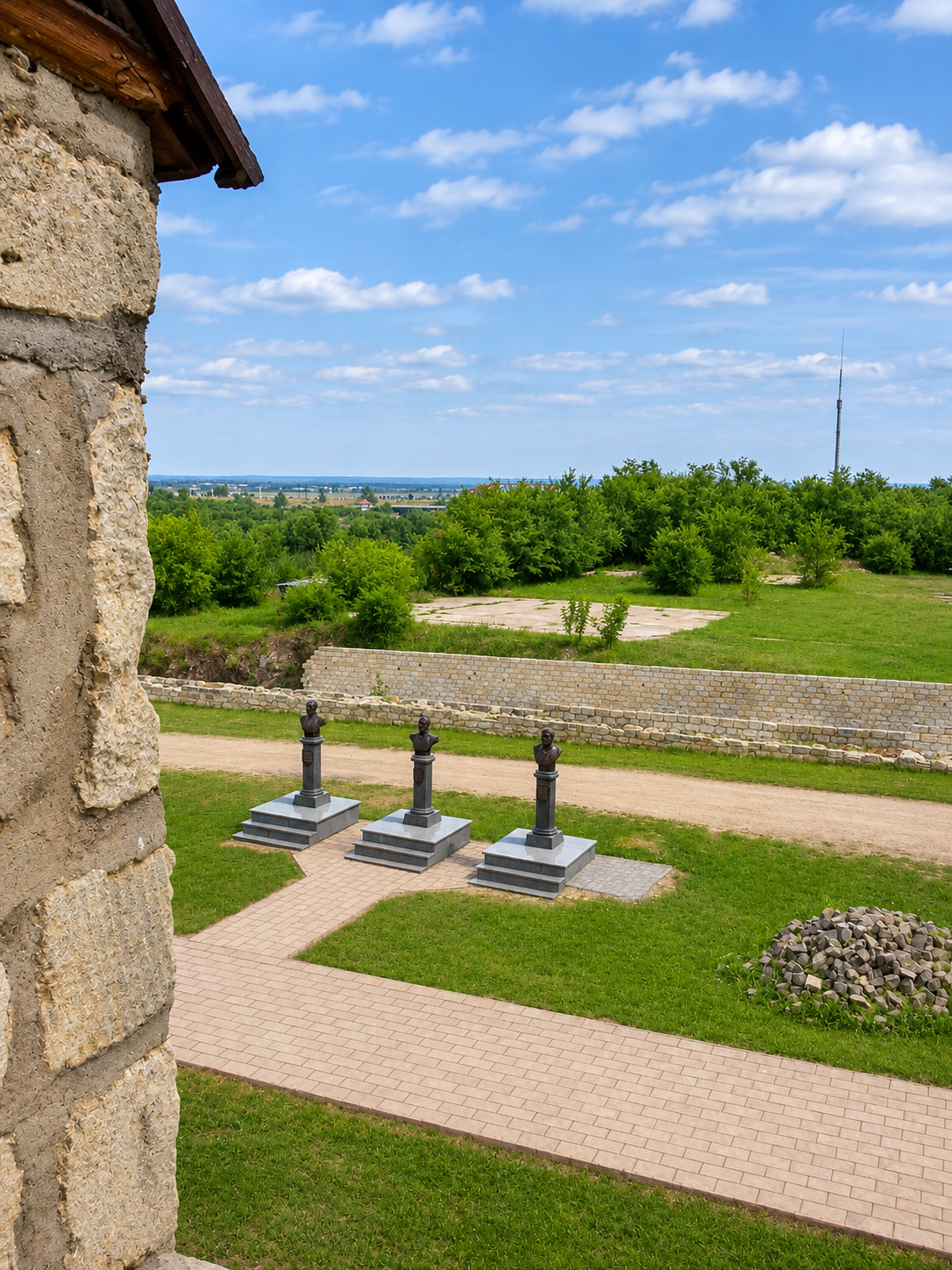
And even today, the atmosphere changes immediately when the fortress appears beside the road.
The apartment blocks suddenly give way to thick medieval stone walls, old fortification towers, cannons, heavy gates, and river fog moving beside the fortress beneath the evening light.
It becomes a reminder that Transnistria stood between empires and frontiers long before Soviet monuments and apartment districts appeared here.
Further you move through the region, places like Noul Neamț Monastery rises above the trees with golden domes visible between villages, hills, and Soviet-era districts.
The monastery was founded during the 19th century by monks connected to the famous Neamț Monastery in Romania after religious conflicts inside the Russian Empire pushed monks eastward into Bessarabia.
Even during the Soviet decades, when many monasteries and churches across the region were damaged, closed, or turned into warehouses or institutions, the monastery survived and remained one of the most important Orthodox religious places in the area.
Dark memorial walls rises from parks while tanks remain facing the roads below and Soviet mosaics still cover entire building walls beneath rows of trees planted generations ago.
In some places, the red and green flags continue moving above the squares while old Soviet stars remain fixed into concrete walls and memorial stones blackened by
rain, snow, and decades of different weather.
Trolleybuses rattle slowly through the streets, while old apartment balconies, faded facades, sidewalks, garages, and giant concrete buildings stretch beside the roads for long distances.
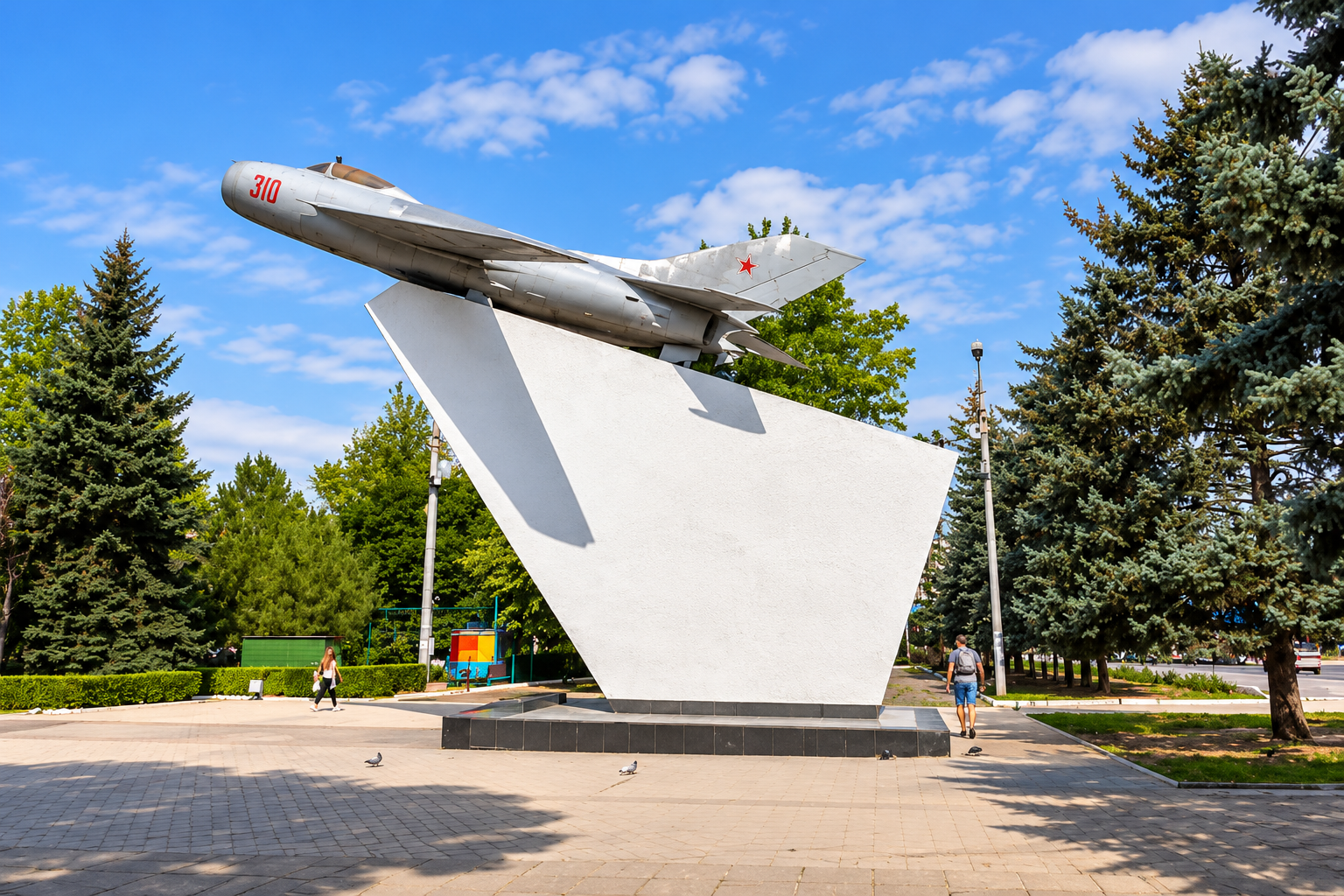
Some might say it feels arranged and preserved like a museum, but it's not.
Cars continue driving around the monuments every day while grocery
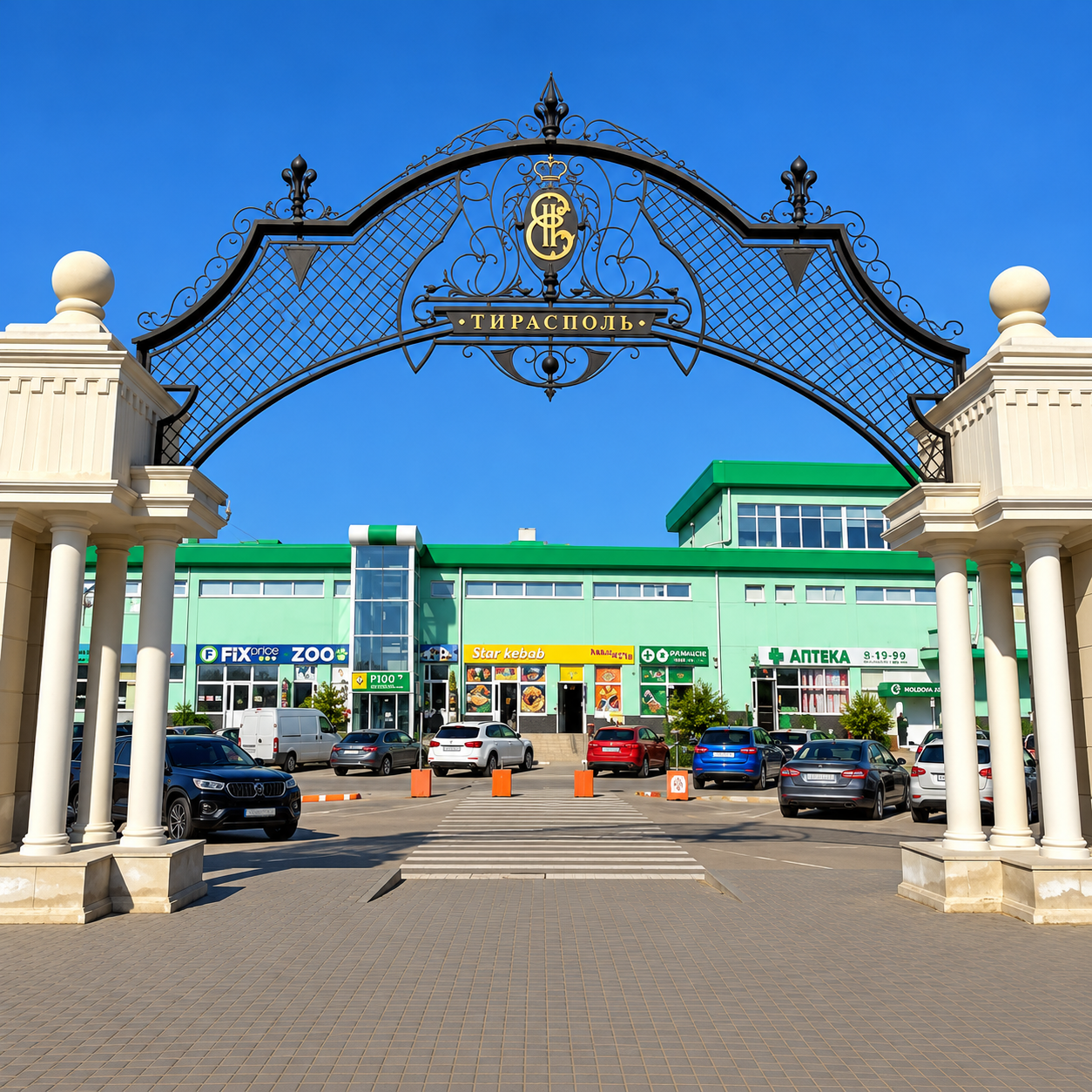
stores, bakeries, pharmacies, cafés, flower stands, kiosks, schools, playgrounds, and apartment entrances stand directly beside Soviet memorials, people pass without thinking much about it anymore.
Somebody sells fruit beside a bus stop and trolleybuses continue driving slowly through the streets beneath the same trees planted long ago.
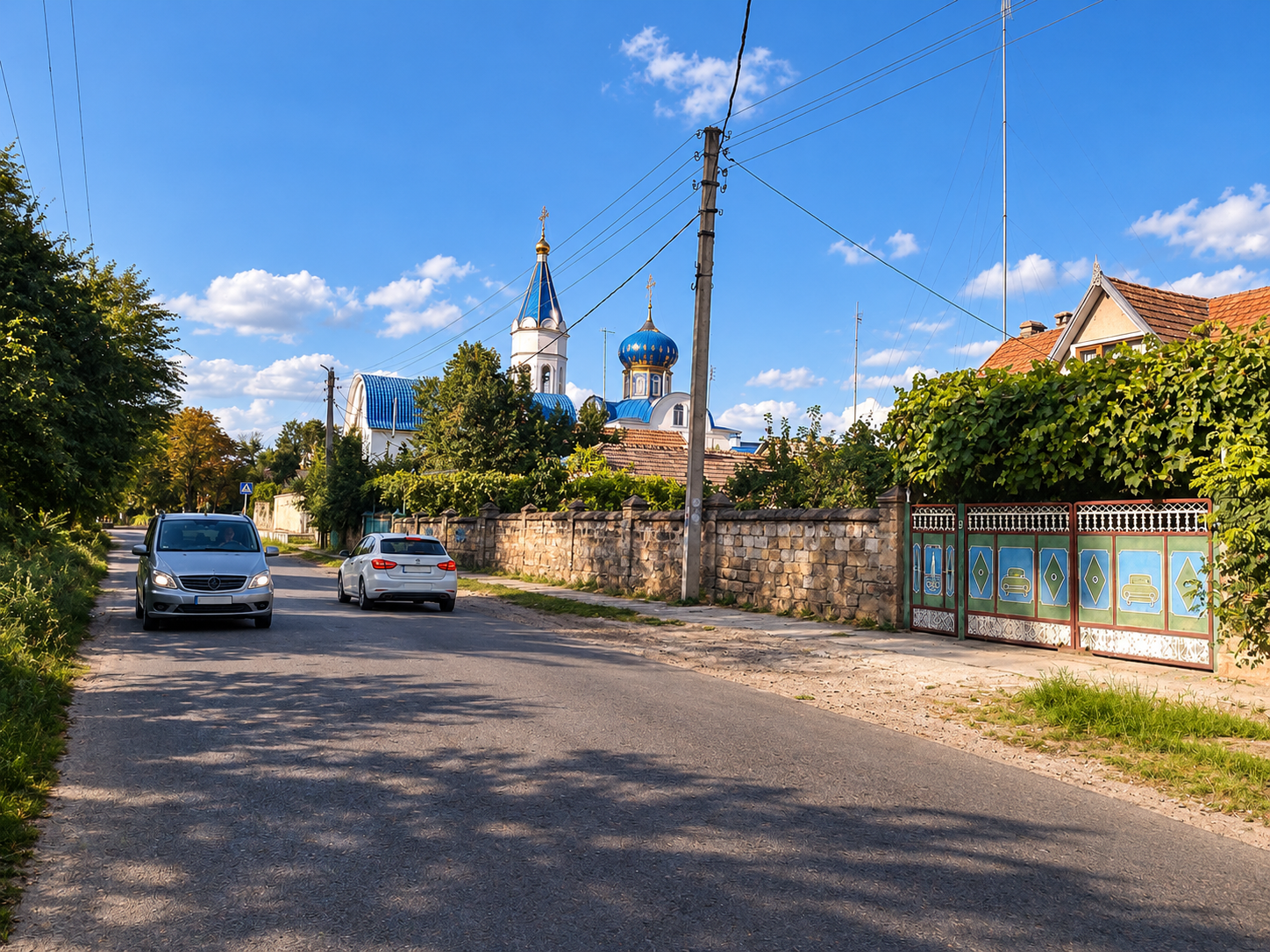
Perhaps that's why it makes Transnistria feel difficult to explain properly afterward.
One moment you drive past Soviet tanks, red stars, giant government buildings, endless apartment districts, and military memorials, and only a short distance later you pass Orthodox monasteries, vineyards, village roads, roadside fruit
sellers, chickens moving through dusty yards, and church domes rising above the trees beside the Dniester River.
Despite how different Transnistria first appears, beneath the Soviet atmosphere it still feels deeply connected to Moldova.
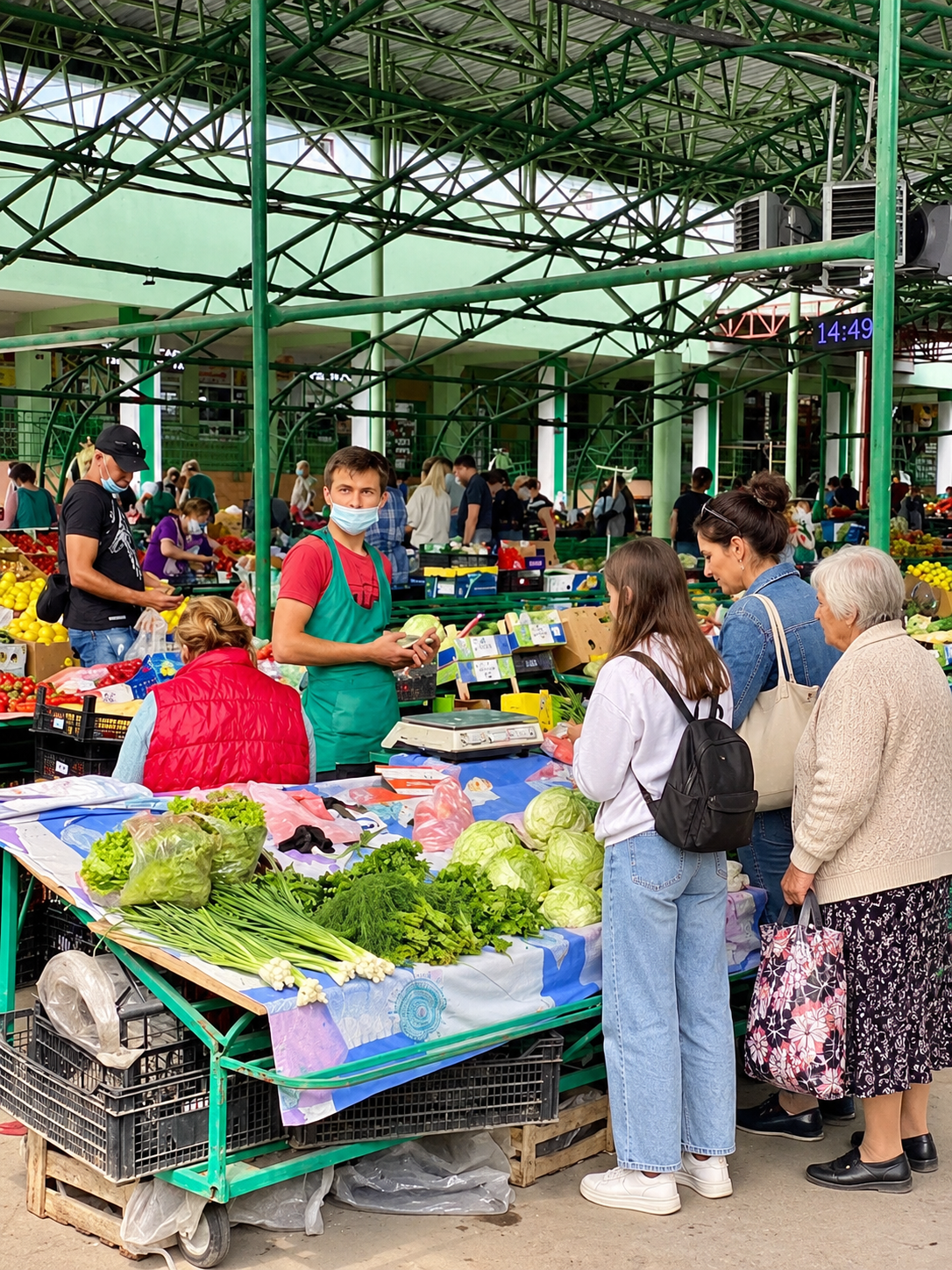
The roadside fruit sellers. The village gardens. The Orthodox churches. The apartment courtyards. The slower evenings. The small local markets. The people sitting outside speaking quietly during warm summer evenings.
Underneath the Soviet symbols and heavy government buildings, much of the everyday life still feels very familiar to the rest of Moldova.
Perhaps that is why so many visitors leave Transnistria with a strange feeling afterward.
Not because it feels completely like Soviet and not because it feels separated from Moldova.
But because it feels like several different periods of history existing beside each other continuesly while time feel like it moved on differently.
⚠️ Border & Travel Information
Entering Transnistria is different from travelling in the rest of Moldova.
At the checkpoint, you will normally receive a temporary entry permit and may be asked why you are visiting, where you are staying and how long you plan to stay.
Always carry your original passport and entry permit with you, even when just walking around and don't rely on copies or photographs on your phone.
Check the time on your permit carefully.
You must leave the region before it expires, or you could face fines and difficulties with local authorities and passport checks may also take place when entering or leaving, it is
quite normal.
Several countries advise against visiting Transnistria, and help from your embassy may be limited, so check your country's latest travel advice before going, and avoid photographing checkpoints, military buildings or security personnel.Rules can change, so pay
attention to local instructions.
Transnistria is a beautiful region with much to discover, but please take this information seriously so you can enjoy your visit without unnecessary problems.
3 Facts
Sciții, sarmații și triburile slave au locuit și au traversat regiunea
Nistrului cu mult înainte de apariția orașelor moderne.
-
Scythians, Sarmatians and Slavic tribes lived in and travelled through the
Dniester region long before modern cities appeared.
-
Nistrul a fost timp de secole o rută importantă pentru
comerț, transport și legături între comunități.
-
For centuries, the Dniester was an important route for trade, transport
and connections between communities.
-
Bender a devenit un important centru comercial datorită poziției
sale la o trecere peste Nistru.
-
Bender developed into an important trading centre because of its
location at a crossing of the Dniester.