The Folklore tradition was never something people just sat down and created, it was simply a part of everyday life.
Part of the stories told in the evenings, the songs people sang, the traditions they followed, and the beliefs they carried with them from one generation to the next.
Long time before of these things were written down, they were already being shared.
Around family tables, at celebrations, in villages, and through everyday conversations, and was not just something separate from life.
It was life.
Beginning to Explore
From here, you can continue into the different parts of
folklore - traditions, rituals, symbols, and stories that have been carried forward through generations.
Each on of the parts has its own place and together, they form the folklore that continues to be remembered, shared, and passed on today.
You could hear it in the way people told stories. You could see it in the way homes were shaped and decorated.
You could feel it in traditions that were repeated, not because they were preserved, but because they simply continued.
And even as time moved forward, much of it remained.
Not unchanged - but recognizable.
Folklore carries something more than tradition.
A symbol is never only a symbol, a ritual is never only a moment, a story is never
only a story.
Behind them are the people who carried them forward, repeated them, remembered them, and passed them on.
Sometimes without even thinking about it and that is how folklore survives.
Not in books or museums alone, but in the things people do, tell, remember
and continues to do
Perhaps that is why the Moldovan folklore feels different and that is why you do not have to go looking for it all the time.
You simply come across it, see it, feel it, everywhere.
Quietly, unexpectedly, and sometimes in the places where you were not looking for it at all.
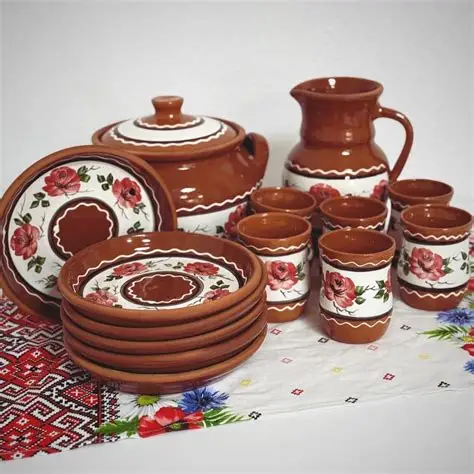
Traditions & Daily Life
In Moldova, tradition is not only for special moments but exist in the everyday.
Not always noticed, not always explained, not loud but present in the things people do without thinking about them.
Things which have been repeated so many times that they no longer feel like tradition and they simply feels as a natural part of life.
You can see it in the way food is prepared.
Recipes are not very often followed exactly, however they are always known and passed from one generation to another, not through written instructions, but through
memory, observation, and years of practice.
A meal is never only about the ingredients.
It is also about the person who are preparing it, the time it takes to make it, and the people gathered around the table when it is finally shared.
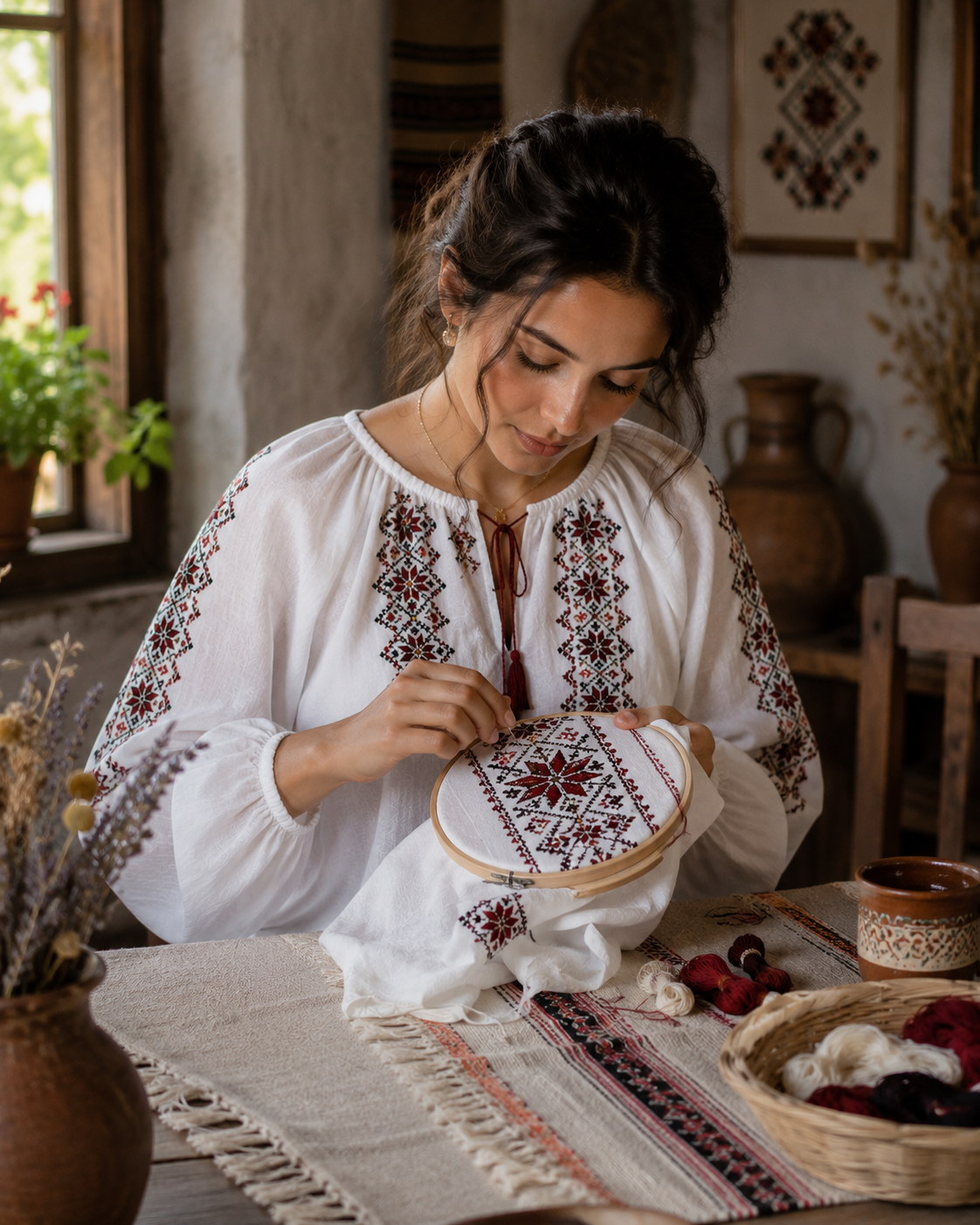
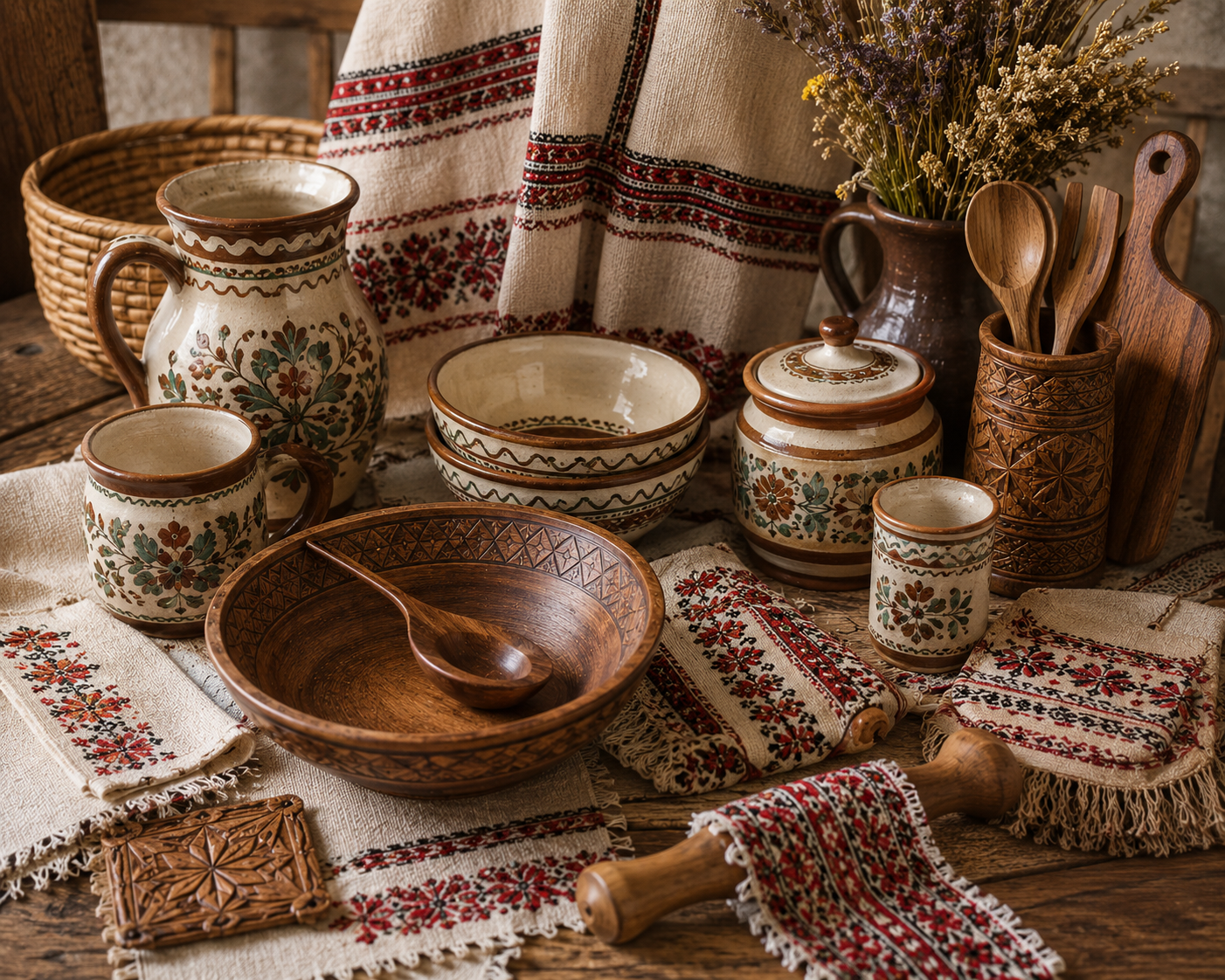
You can also see it in the way homes are shaped or decorated and not only in the buildings themselves, but in the details.
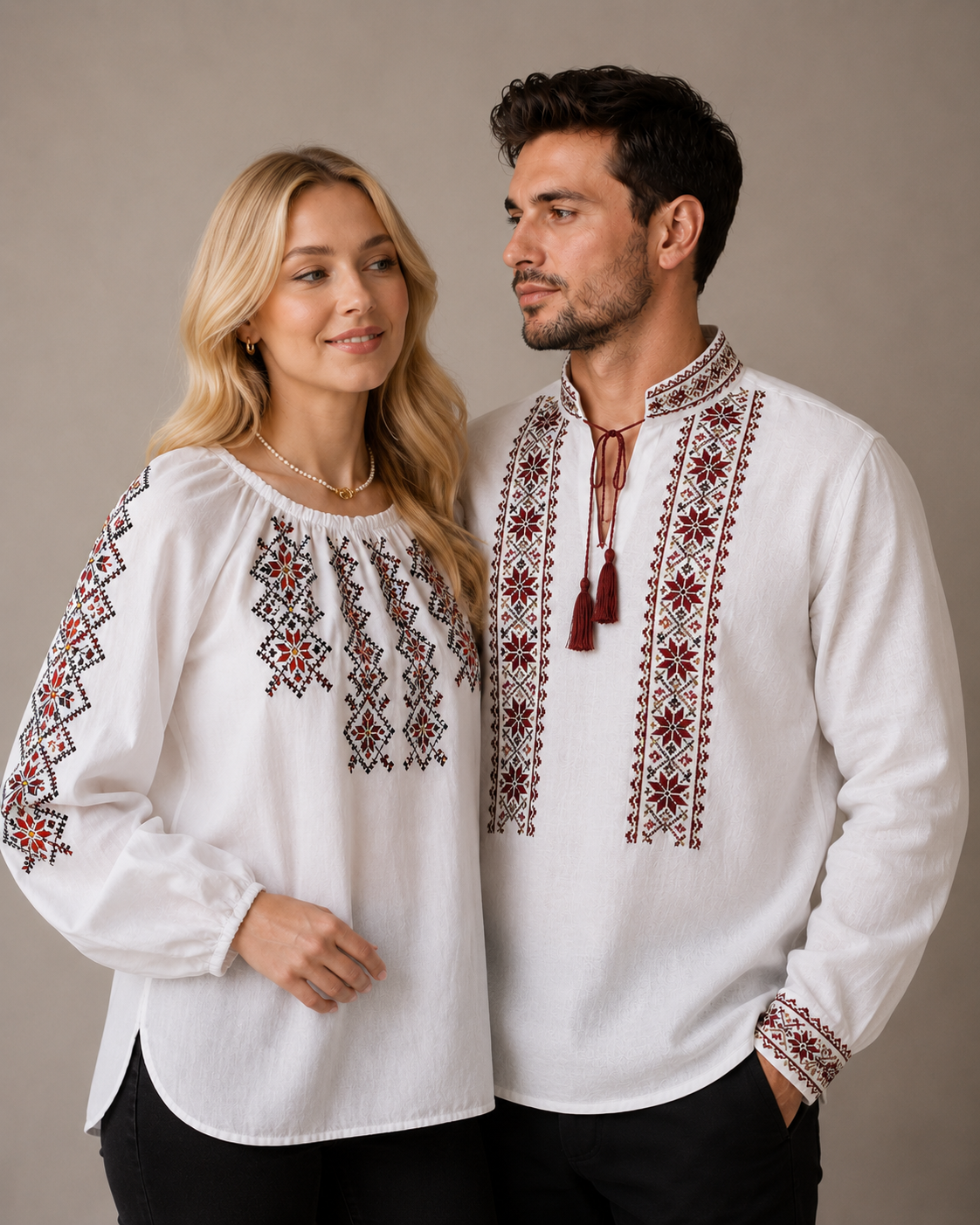
In textiles, embroidery, woodwork, and objects carrying patterns and symbols that have been passed down through many generations.
Most people do not stop and think about them.
They are simply there, part of the home, part of everyday life, and part of a tradition that continues quietly.
It lives in the work, in the vineyards, in the gardens, and in the care of the land that is both practical and personal.
Generations have worked the same fields, planted the same gardens, and followed the seasons in much the same way.
The connection to the land is not something people talk about very often, but are simply part of the life.
What makes these traditions different and to stand out, is not how they have
been preserved.
It is that they were never separated from everyday life and were not something people needed to remember.
They were something people naturally continued.
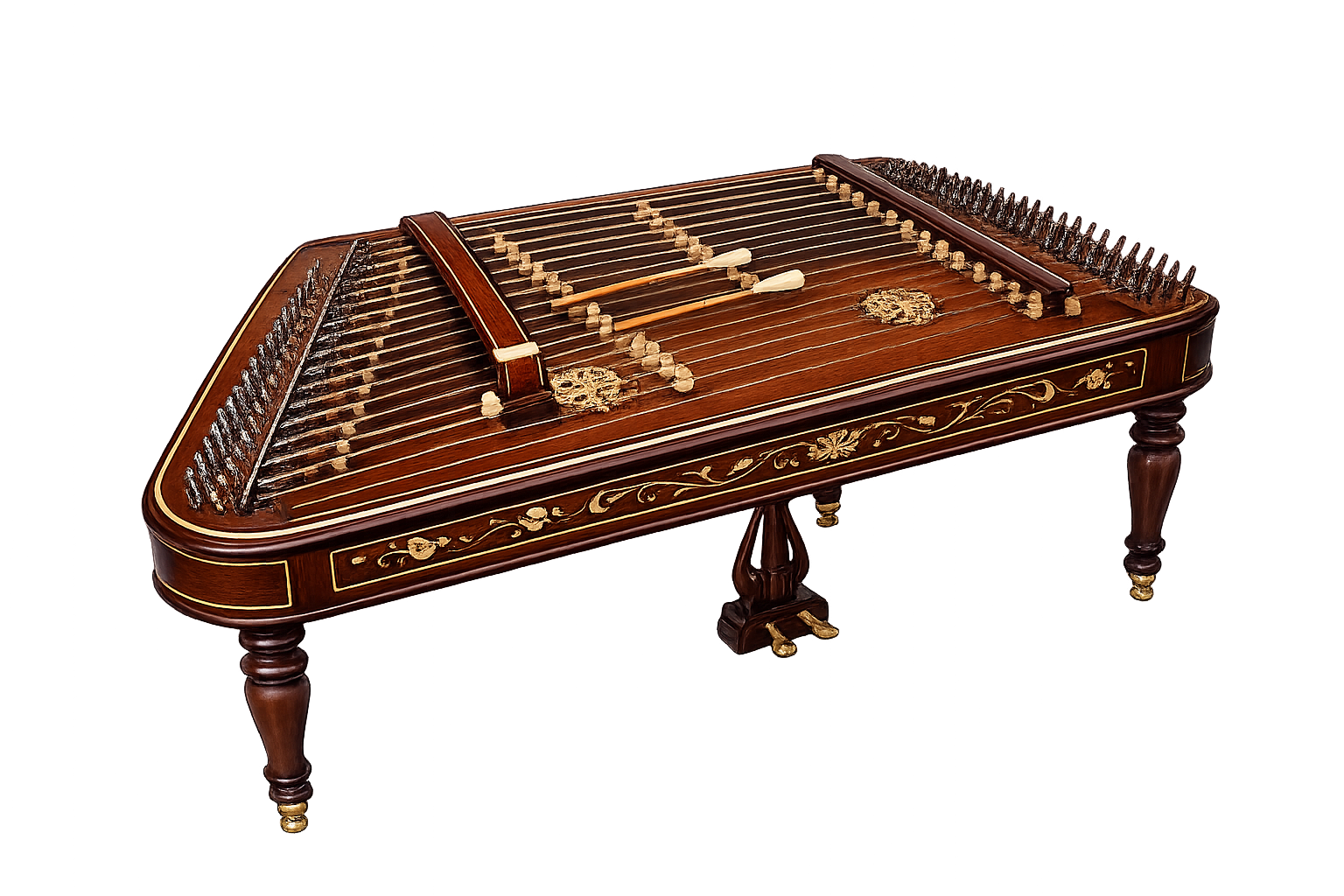
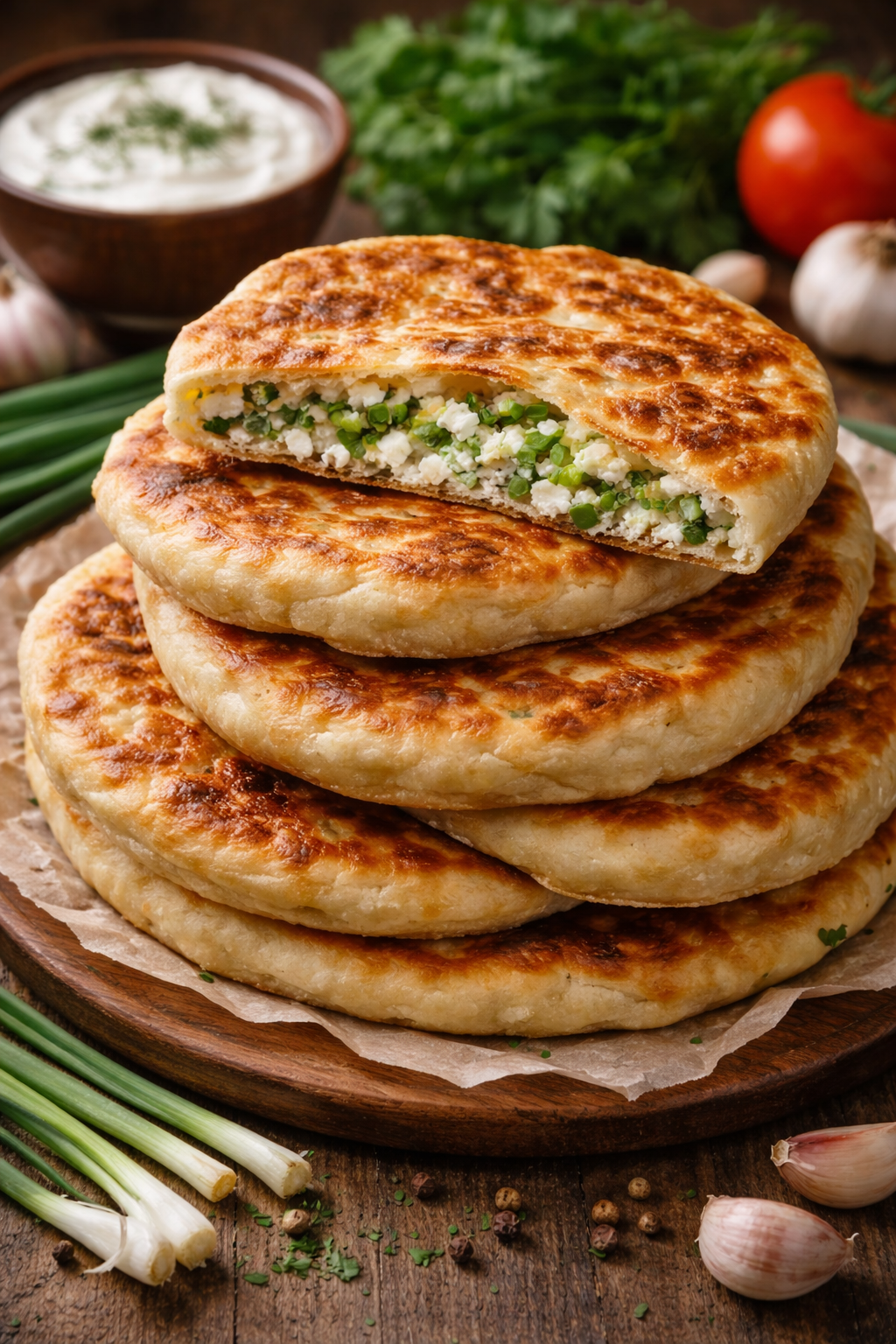
Even today, the life still changes, the cities continues to grow, new habits appear, and each generation add something unique of its own.
But many of these traditions remain, some continues openly, while thers become less noticed.
But non of them disappear completely, and from time to time you still come across them in places where you did'nt exspect them.
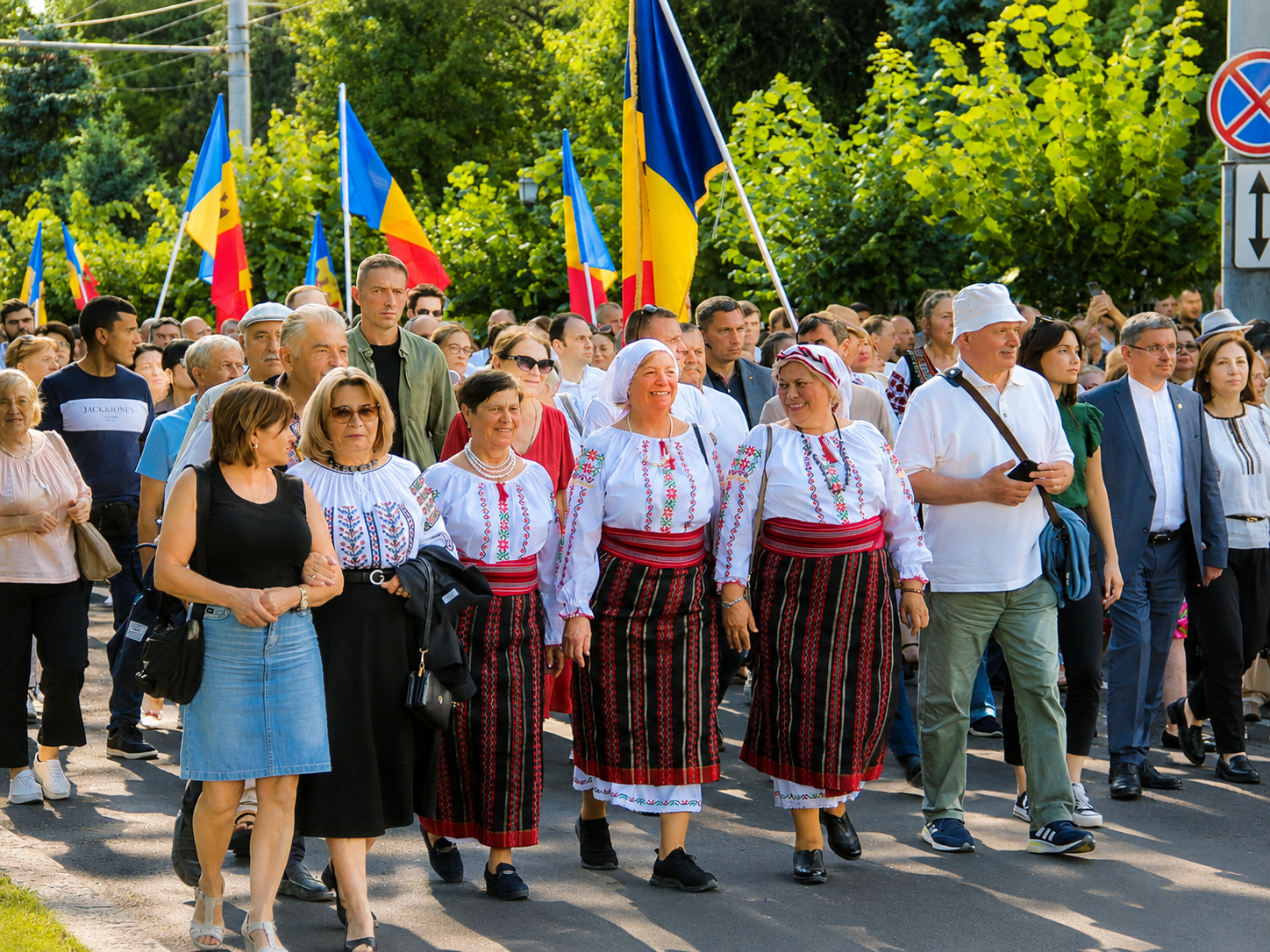
Perhaps that is why they still feel so real, they are not a performance, they
are still part of how people live.
Rituals & Celebrations
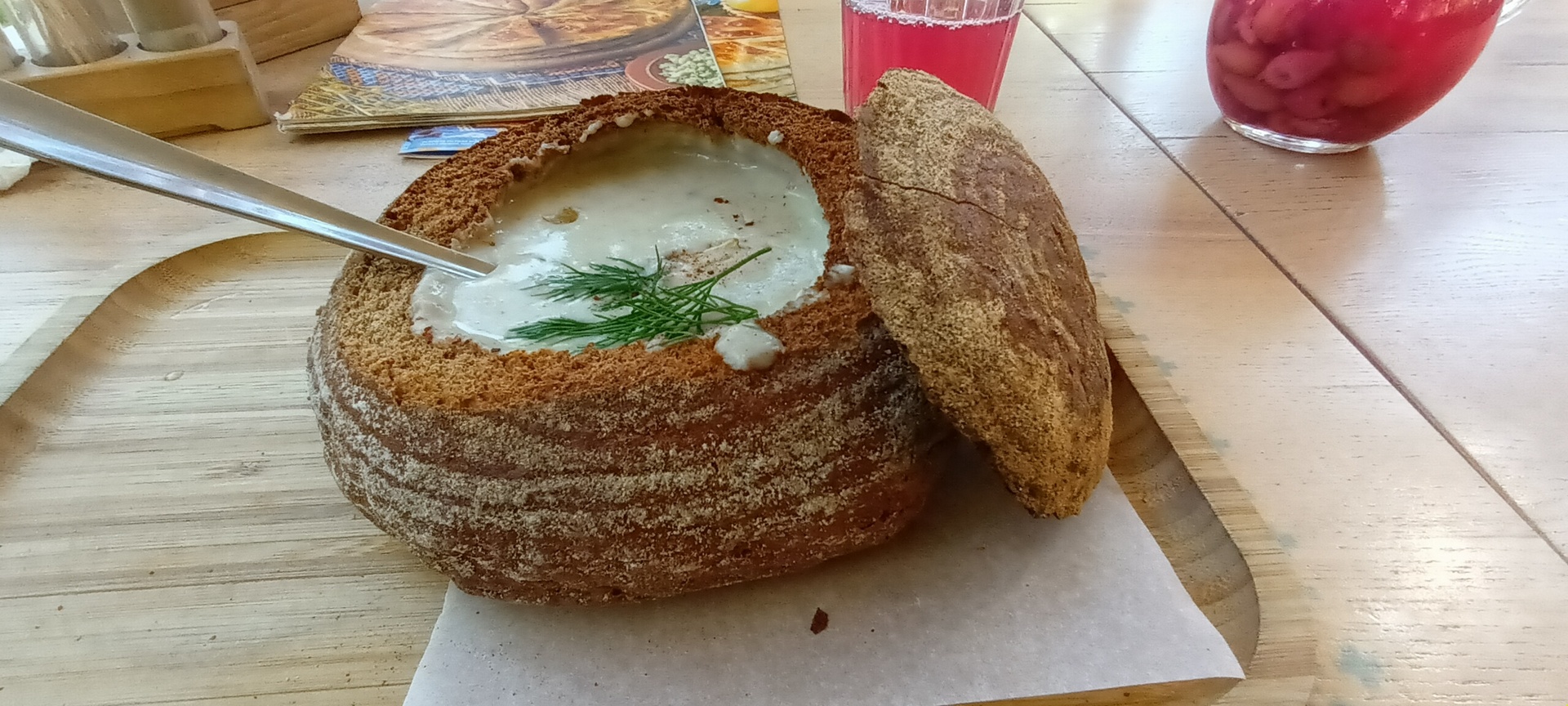
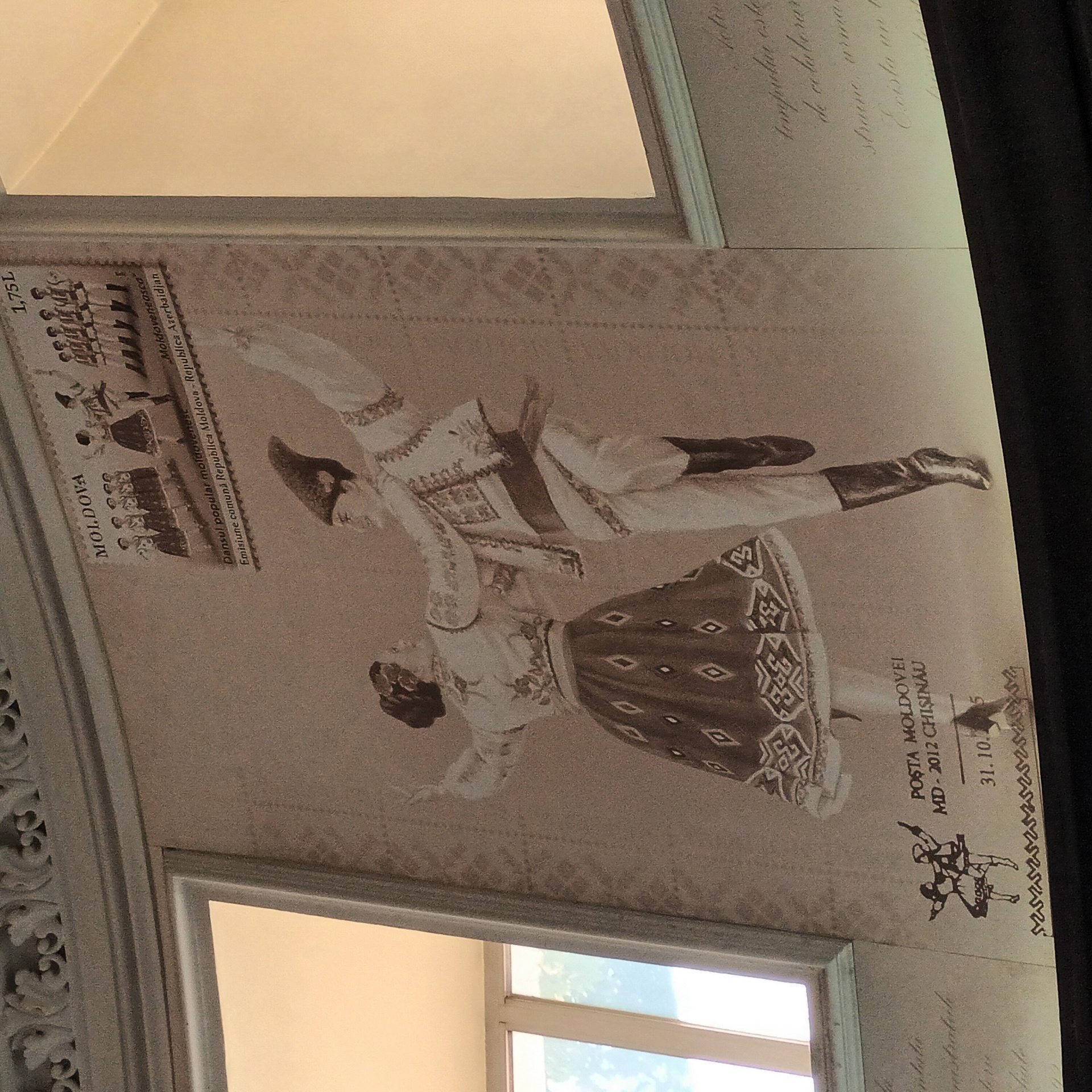
Some of the moments in Moldova are not part of normal everyday life.
They are standing apart, not because they are rare, but because people gather
around them.
Families, friends, neighbours, and sometimes entire communities meets for a
few hours, or sometimes a few days, attention shifts towards something there are shared.
A celebration, a tradition, a holiday, or an event that people have been looking forward
to for weeks.
Rituals are not only about the celebrations themselfs, but are about the connection.
To people, to time and to things that have been repeated so many times that they no longer belong to one generation alone.
They are carried forward, shared, and repeated again, becoming a very important part of something larger than any one person.
It is visible in seasonal traditions, in spring, during harvest, and in the small customs that return one year after another.
A thread. a gesture, a shared tradition there are passed from one person to another.
Simple things, perhaps, but rarely without meaning.
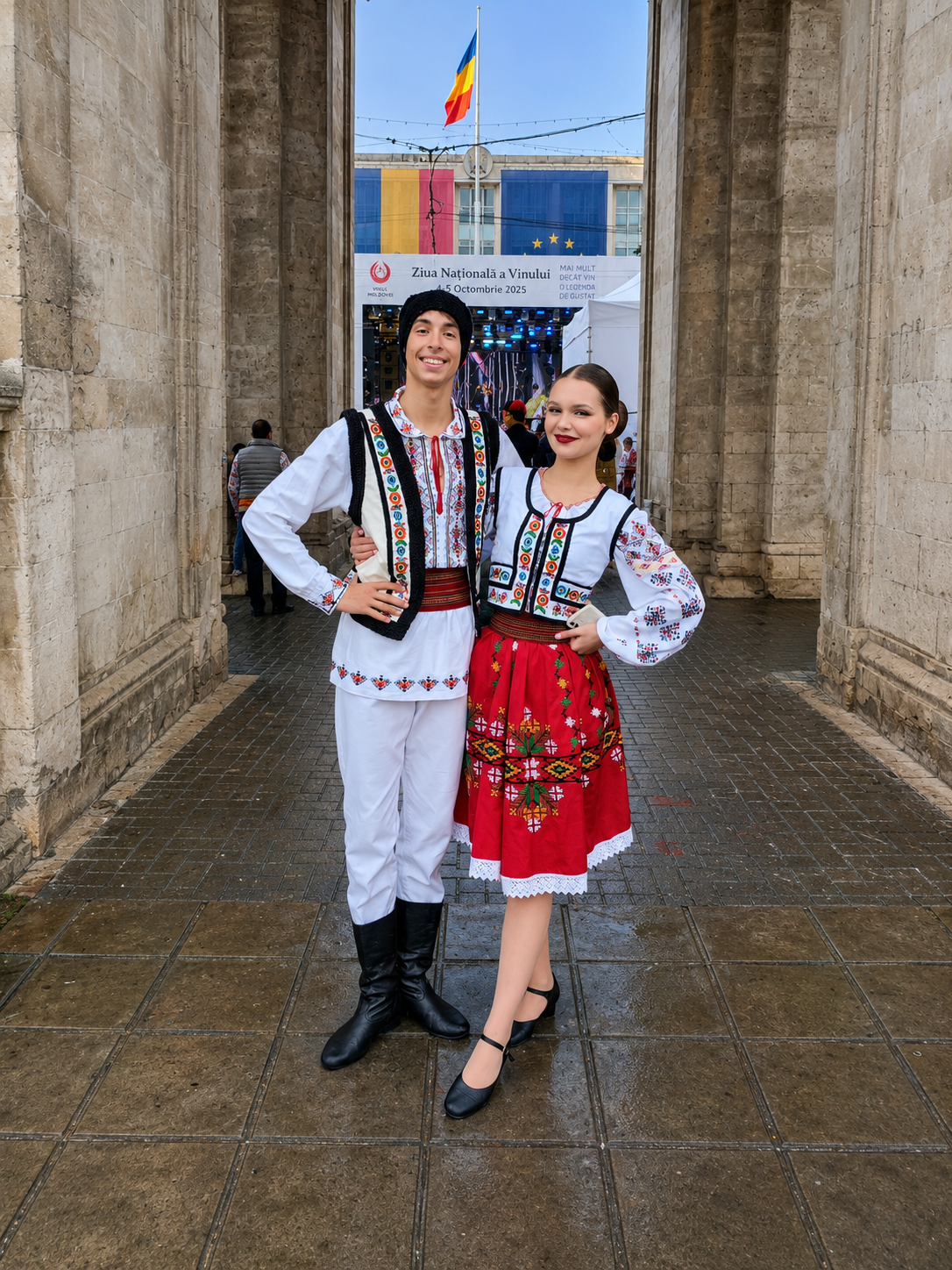
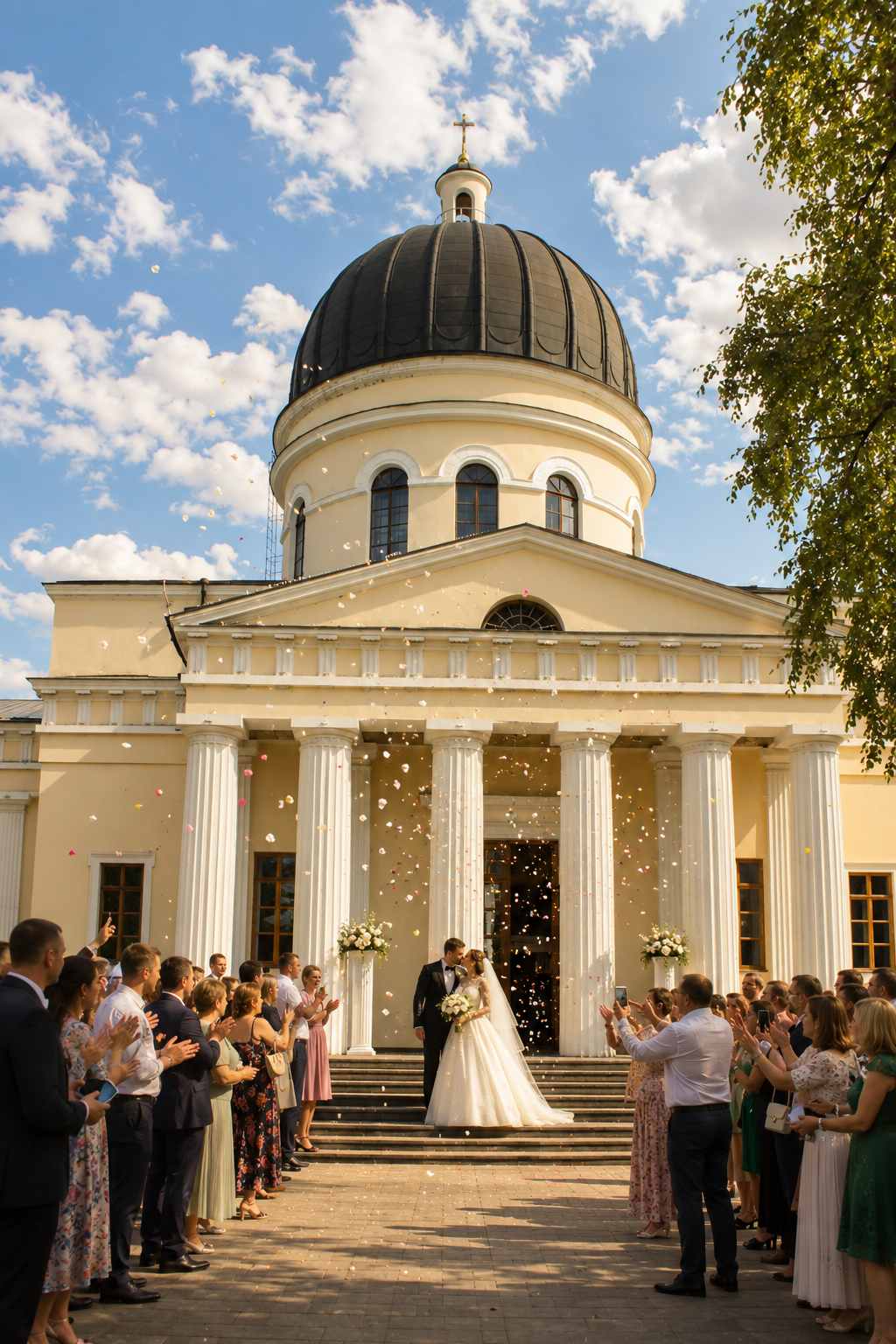
You see it in the weddings, and not only as a celebration, but in the many moments that surround it.
Music, dance, gestures, and traditions that are passed down through one generation
to the next.
For a moment, it is not only about the couple, it is about everyone gathered around them.
What makes these rituals lasting is not how they are preserved.
It is how they are felt.
They are not repeated out of habit alone. They are repeated because they still mean something.
You feel it during the religious celebrations.
Light in the darkness, quiet gatherings and shared moments where belief and tradition often stand side by side.
For many people, these are not only religious occasions.
They are also moments that brings the families together and continue the traditions that have been passed on from one generation to the next.
What makes these rituals lasting is not how they are preserved and kept, it is that they still have a very important place in people's lives.
They are not repeated out for a habit alone but they are repeated because they still have an enormous meaning to the Moldovan people.
Chiar și pe măsură ce viața și lumea se schimbă, aceste momente rămân.
Uneori mai mici, alteori mai liniștite.Dar încă sunt acolo, aducând oamenii
împreunăși creând un puternic sentiment de apartenență.
-
Even as the life and the world changes, these moments stay.
Sometimes smaller, sometimes quieter.
But still there, still bringing people together, still creating a strong bond.
Symbols & Meanings
The meaning is often not spoken, in Moldova, it is shown.
Not directly, not nessesary explained, but carried through the symbols that appear again and again.
In textiles, in objects, and in small details that may seem just decorative at first, but often carry a story of their own.
You see it in more simple objects.
A thread tied around the wrist, a woven carpet, and a carved piece of wood.
They are much more than objects alone and carry traces of stories, beliefs, and traditions that have been passed on naturally from one generation to the next.
A pattern is never only just a pattern, and the lines are repeated with important intention.
Colours are carefully chosen, shapes return across generations, not because they are
copied, but because they continue to make sense and importance, to the
Moldovan people.
What you see is not randomly and people understood these symbols long before anyone felt and had the need to explain them.
Even much of it is not fully explained today.
People may still follow these traditions, recognise these symbols, and understand their place without always knowing how to describe them.
The meaning are remaining, even when the explanation, is too difficult or
has been forgotten.
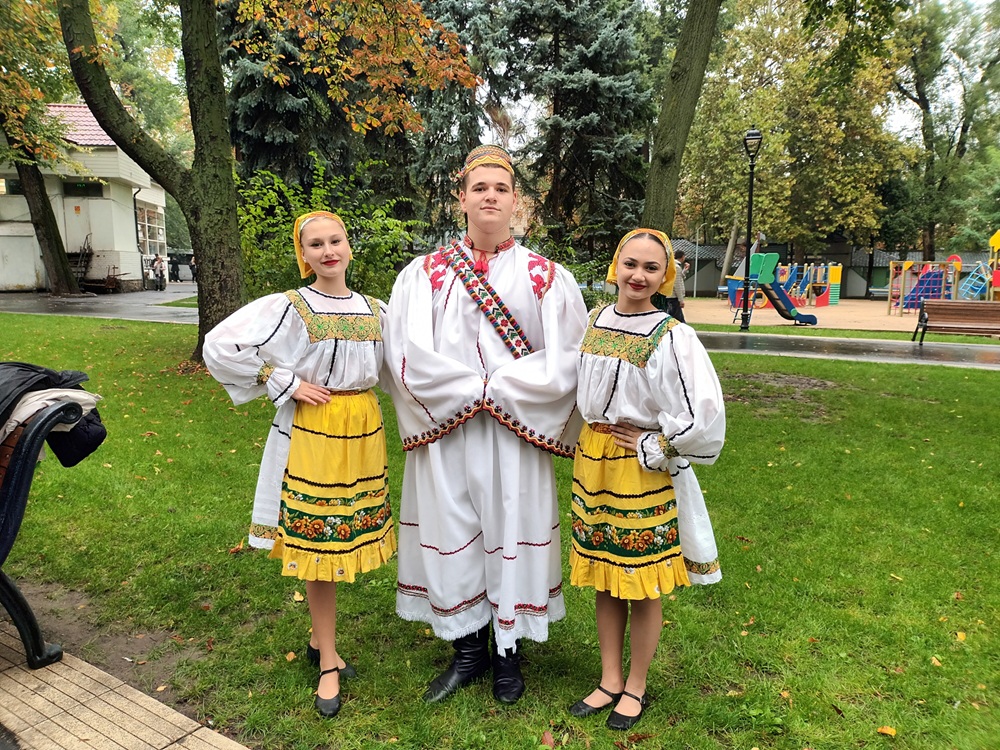
You find it in the embroidery, in traditional clothing and fabrics that were once and are still quite often made by hand, each detail was- and are very carefully chosen with purpose.
What makes these symbols last is not that they were and are defined, but that they were- and how they are still being used.
Repeated, carried forward, and woven into everyday life until they became familiar to one generation after another.
Chiar și astăzi, atunci când apar, ele spun încă o parte importantă a poveștii.
Nu întotdeauna clar și evident, nu întotdeauna în întregime, dar suficient pentru a
arăta cât de importante sunt și astăzi.
-
And even today, when they appear, they still tell an important part of the story.
Not always clear and loud, not always completely, but enough to tell how much they matter today.
Stories & Beliefs
Before things were written down, they were told.
Not once, but many times and changed a bit, with each person telling, shaped by the
voice, the moment, and the listener.
No fixed stories.
They moved and passed on, from one person to another, carrying something forward even as the details shifted.
And somehow, they continued, into the present and became one of the most important parts of the Moldovan idendity.
You find them in quiet and calm moments, in conversations that begin simply and slowly moving into something deeper.
In the memories with someone and passed on without anyone knowing exactly where they began.
In the stories that have been told for so long that they simply became part of how people understood the world around them.
Alongside the stories, there are beliefs.
Not always strict, and not always followed in the same way by everyone, but present.
A sense that certain things carry the meaning beyond what is visible and that some traditions are respected for reasons that are not always put into words.
That not everything needs an explanation.
Stories are not only meant for entertainment only.
They speak about fear, hope, uncertainty, and things that are not always easy to
explain directly.
Through characters, symbols, and events, they give people a way to talk about questions that do not always have clear answers.
That is one reason they have continued to be told for generations.
These beliefs are not always spoken openly, sometimes they are simply understood.
It is in small gestures, in habits, in the way something is done without anyone have
to ask why.
What makes them last is not certainty, it is continuity.
Noone need to prove them, they only just need to be remembered and carried on forward, to the next.
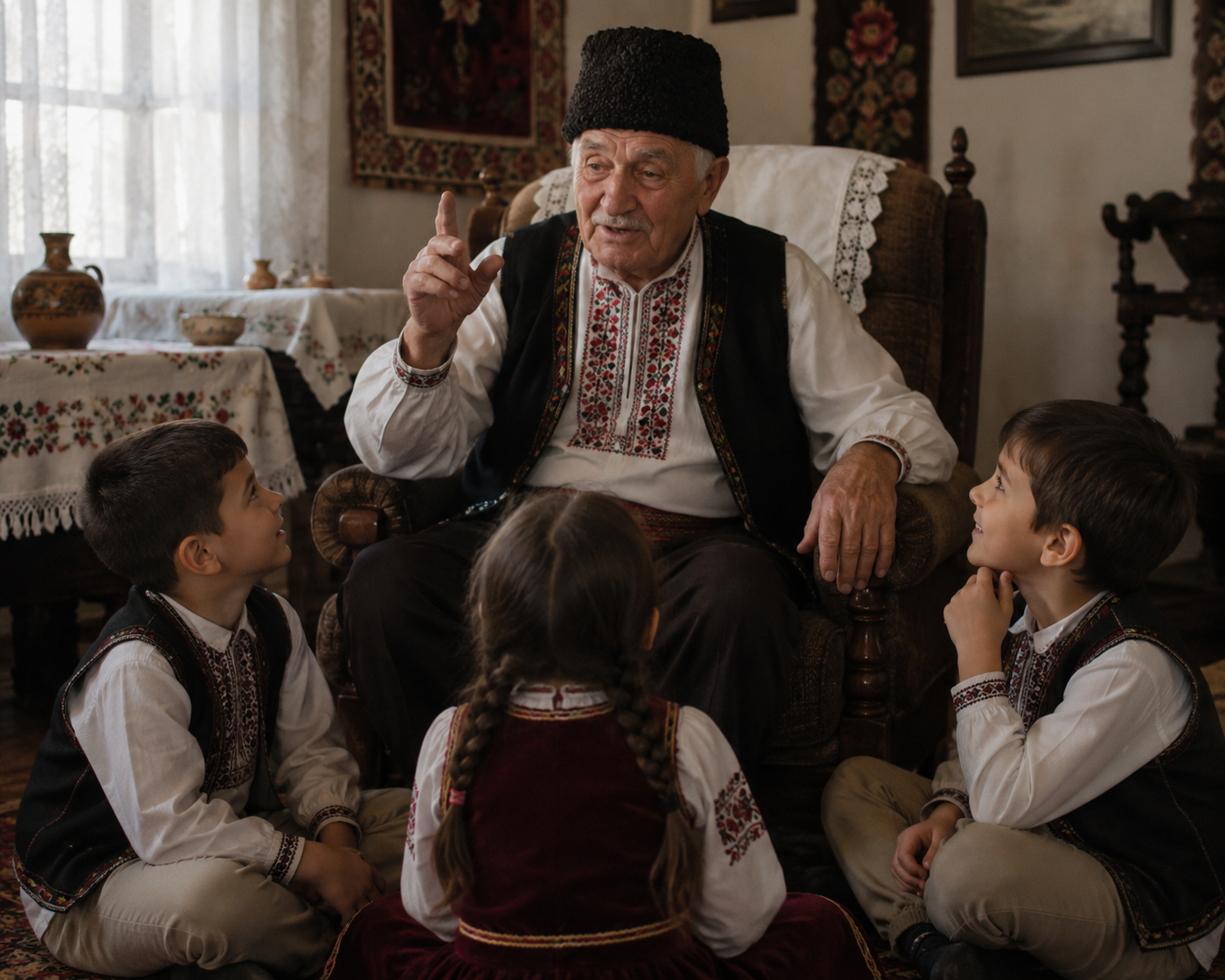
Chiar și astăzi, când multe s-au schimbat, aceste povești și credințe nu dispar.
Devin mai liniștite, mai subtile.
Dar rămân.
-
Even today, when much has changed, these stories and beliefs do not disappear.
They become more quiet, more subtle.
But they remain.
Folklore in Music
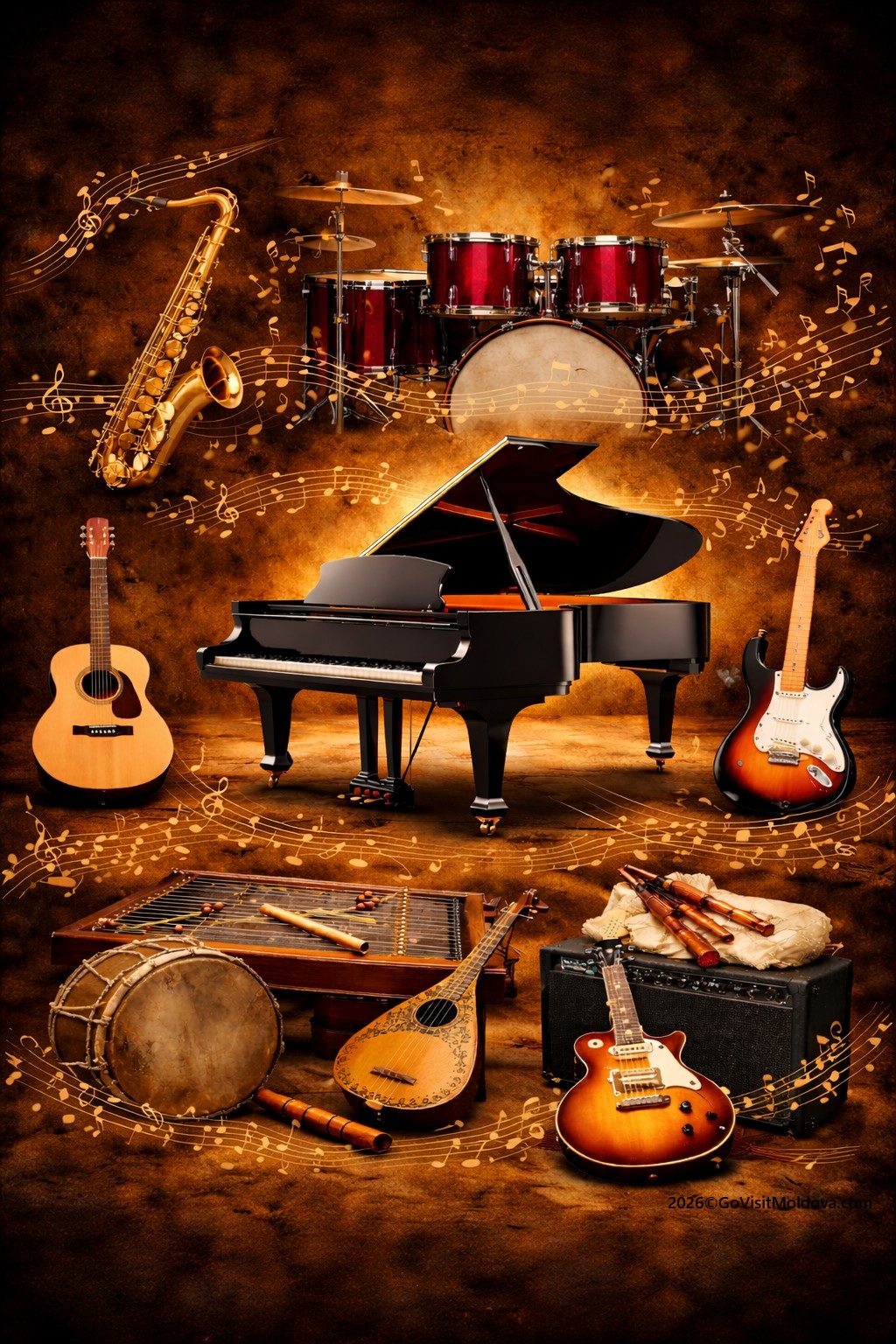
Perhaps that is why the music feels so central and are crusial part, when the stories are no longer told in the same way, the music carries them on.
And with it, many of the traditions, memories, and stories that came before.
Long before it was written, before it was recorded, it was sung, by the people.
Music is where much of the folklore has been carried forward most strongly - not as something preserved, but as something that continued to make it live.
A melody could travel further than words, and a song could hold what was not always
easy to explain.
People remembered the songs, and through them, the stories carried on.
The Moldovan folklore is not something that only belongs to the past.
It has never been placed there, but it continues to the greatest extent today, throughout everyday life, through traditions, habits, stories, and small details that often passes unnoticed.
It is not something you just come and learn and absolutly not all at once.
Instead, you come across it gradually, learn it over a long period of time, through conversations, in celebrations, in music, in symbols and customs that have been carried through many generations.
In the villages, music was part of the gatherings, celebrations, and moments when people came together.
Not performed for any audience, but shared.
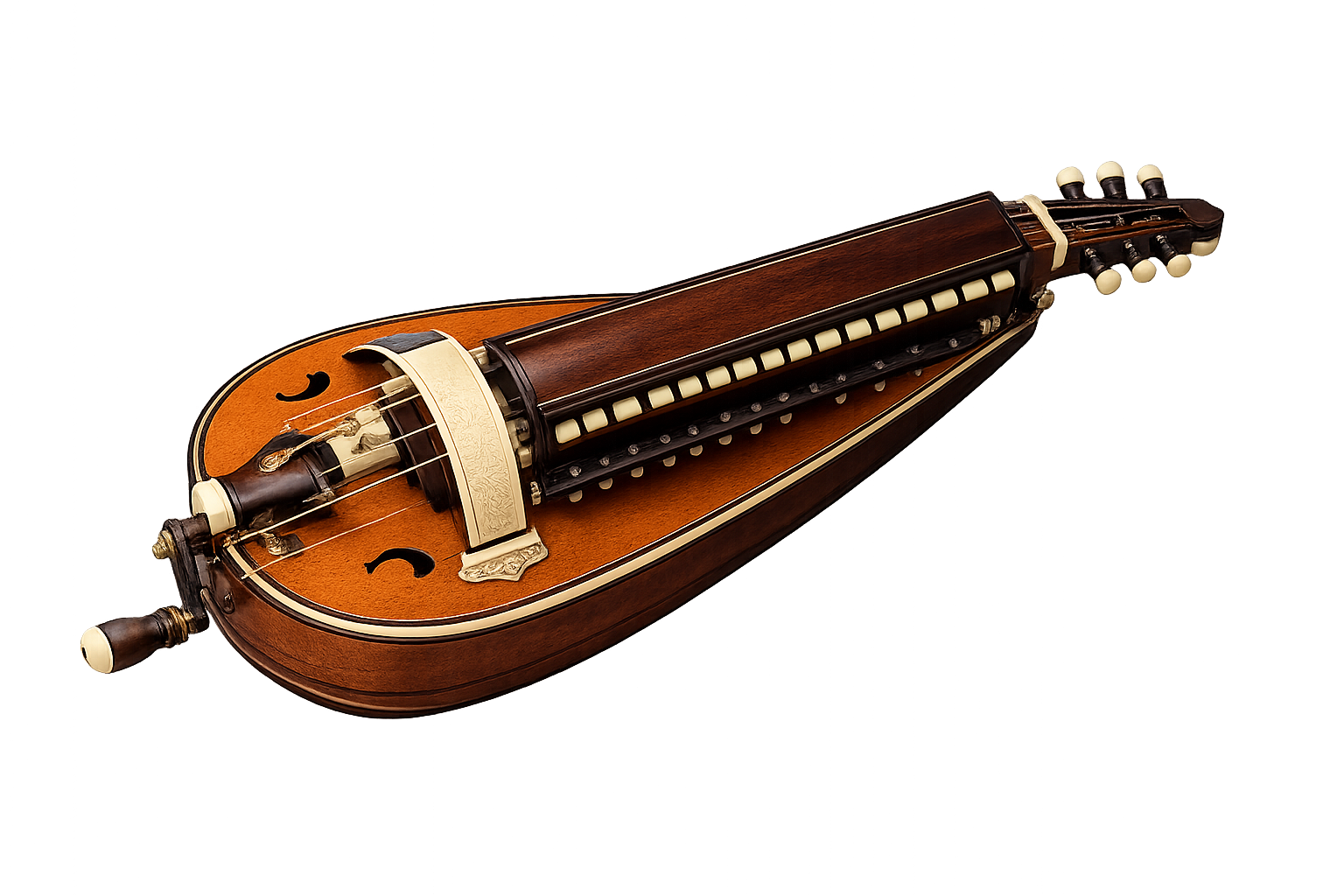
A violin, an accordion, a voice - simple in form, but never empty, every single song carried a story, a feeling and memory.
Within the music, you could hear everything else, through the lyrics and melodies and the traditions, the rituals, the symbols, the beliefs.
All of it found its way into the songs.
Sometimes joyful, sometimes filled with longing, often both at the same time, the music ended, but the melody remained.
It lives in the traditions that continues, in stories that are remembered, and in customs there remain a natural part of everyday life, even they changed with time, from
very early times.
Today, its influence still remains.
The music may in some cases sound different, and new influences have become a part of the sound, but even so, many of the melodies, emotions, and traditions that shaped earlier generations are still to be heard.
Folclorul este o parte centrală și esențială a culturii moldovenești și a modului în care oamenii își înțeleg identitatea, tradițiile și locul lor în lume.
-
Folklore is a central and a crusial part of the Moldovan culture and self-understanding.