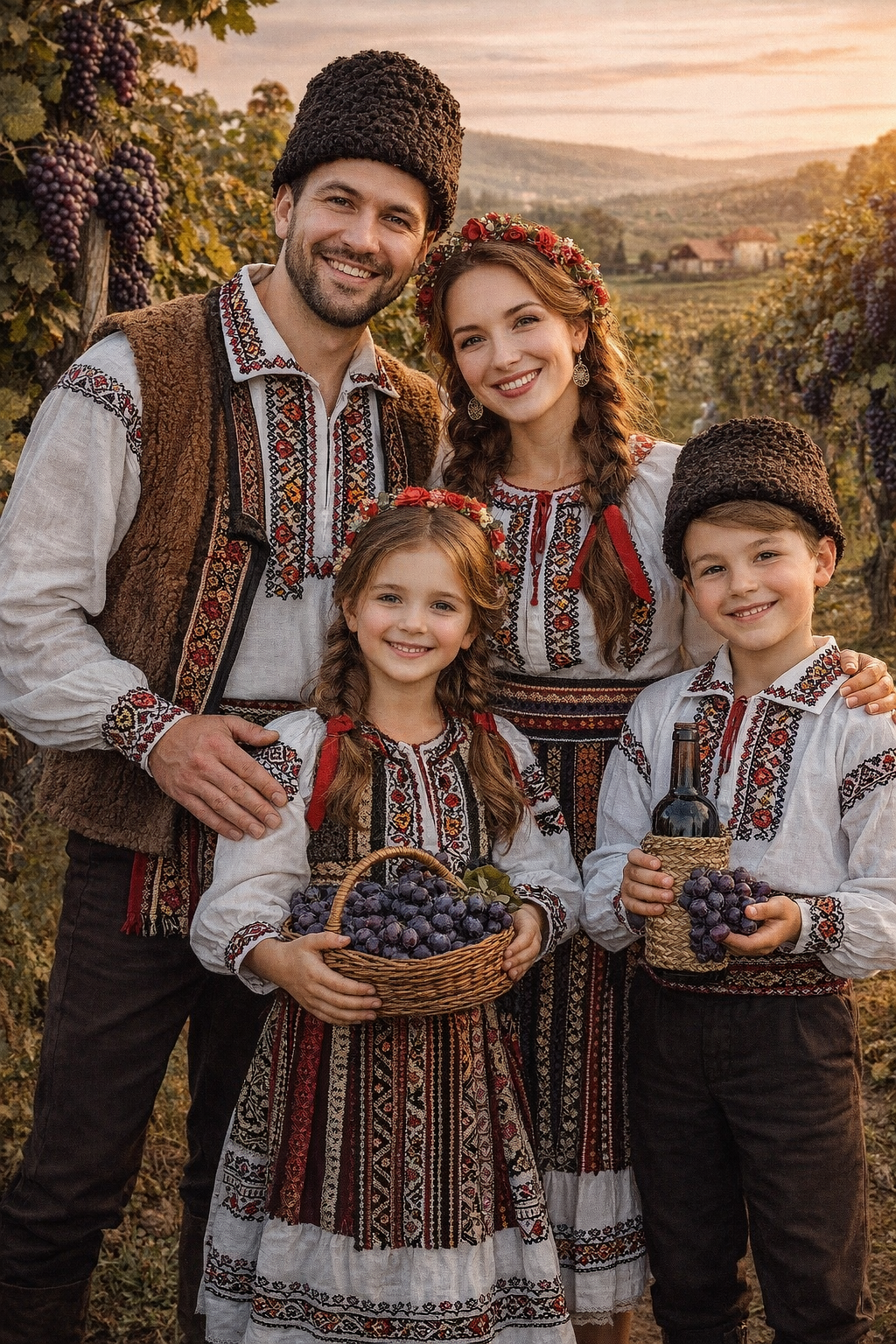
Opera doesn't require you to understand every word.
The lights go down, the orchestra begins to play, a singer walks onto the stage and suddenly a human voice has to fill an entire theatre without a microphone doing
the work for it.
That alone can be impressive and then the story begins.
Love, jealousy, anger, betrayal, death - opera has never been particularly interested in having a quiet evening. ;-)
And even when the performance is in a language you don't understand, it is usually not very difficult to work out when things are going badly.
Moldova's professional opera tradition developed strongly during the 1950s.
The first Moldovan national opera, David Gershfeld's Grozovanul, was staged in-
Chișinău in 1956, and the Moldovan State Opera and Ballet Theatre was formally established in 1957.
The repertoire grew quickly.
Verdi, Puccini, Bizet, Rossini and Tchaikovsky appeared alongside works by Moldovan composers, and generations of singers, musicians, conductors and stage workers built the opera tradition that are continuing today.
Among them was Maria Bieșu, who became Moldova's most internationally recognised opera singer and one of the great names in the country's cultural history.
The Opera in Moldova was no longer simply something imported from elsewhere, but Moldova had its own singers, its own productions and its own stage.
The Opera scene is centred in Chișinău.
For you as a visitor, you don't have to know anything about opera beforehand, but check what is playing, buy a ticket and go.
Find your seat before the lights go down and then let the professionals take care
of the rest. ;-)
The National Opera
At the centre of Moldova's opera tradition stands the Maria Bieșu National Opera and Ballet Theatre on Ștefan cel Mare Boulevard in central Chișinău.
The institution dates from the 1950s, while the large theatre building visitors see today opened in 1980. In 2012, the theatre was officially named after Maria Bieșu.
-Capacity: approximately 1,200 seats.
-Location: Ștefan cel Mare Boulevard, central Chișinău.
- Performances: opera, ballet, concerts and festivals.
The building is large, but once the audience starts arriving it changes quickly.
People leave their coats, find their seats, look through the programme and talk while the orchestra prepares below the stage.
Then the lights dim, onversations stop and for the next few hours, the stage has
everybody's attention.
Voices of Opera
(A selection of artists connected to Moldova’s operatic tradition)
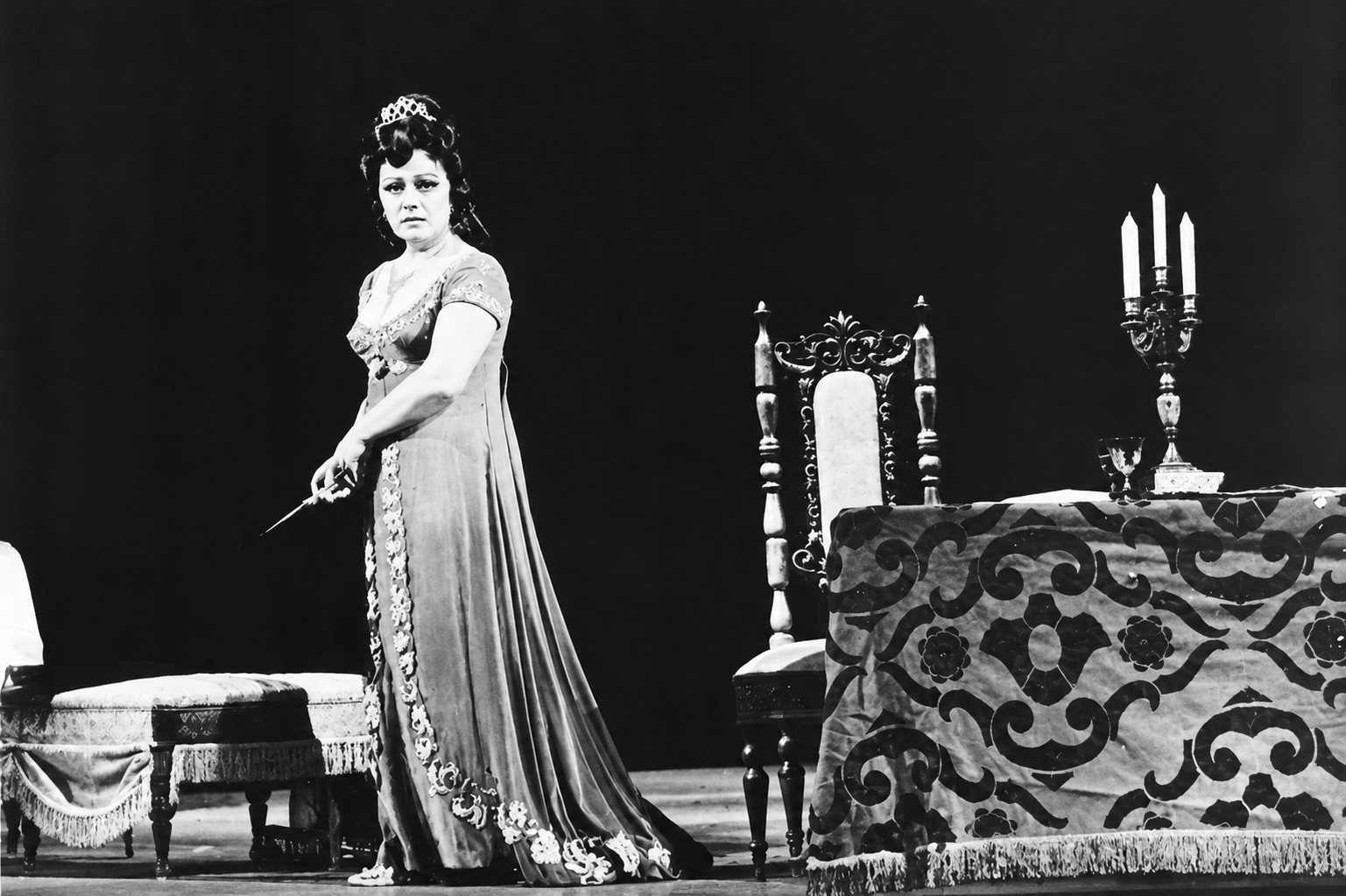
Maria Bieșu
1935 – 2012
One of the most important voices in Moldovan opera, with an international career that brought recognition far beyond the country.
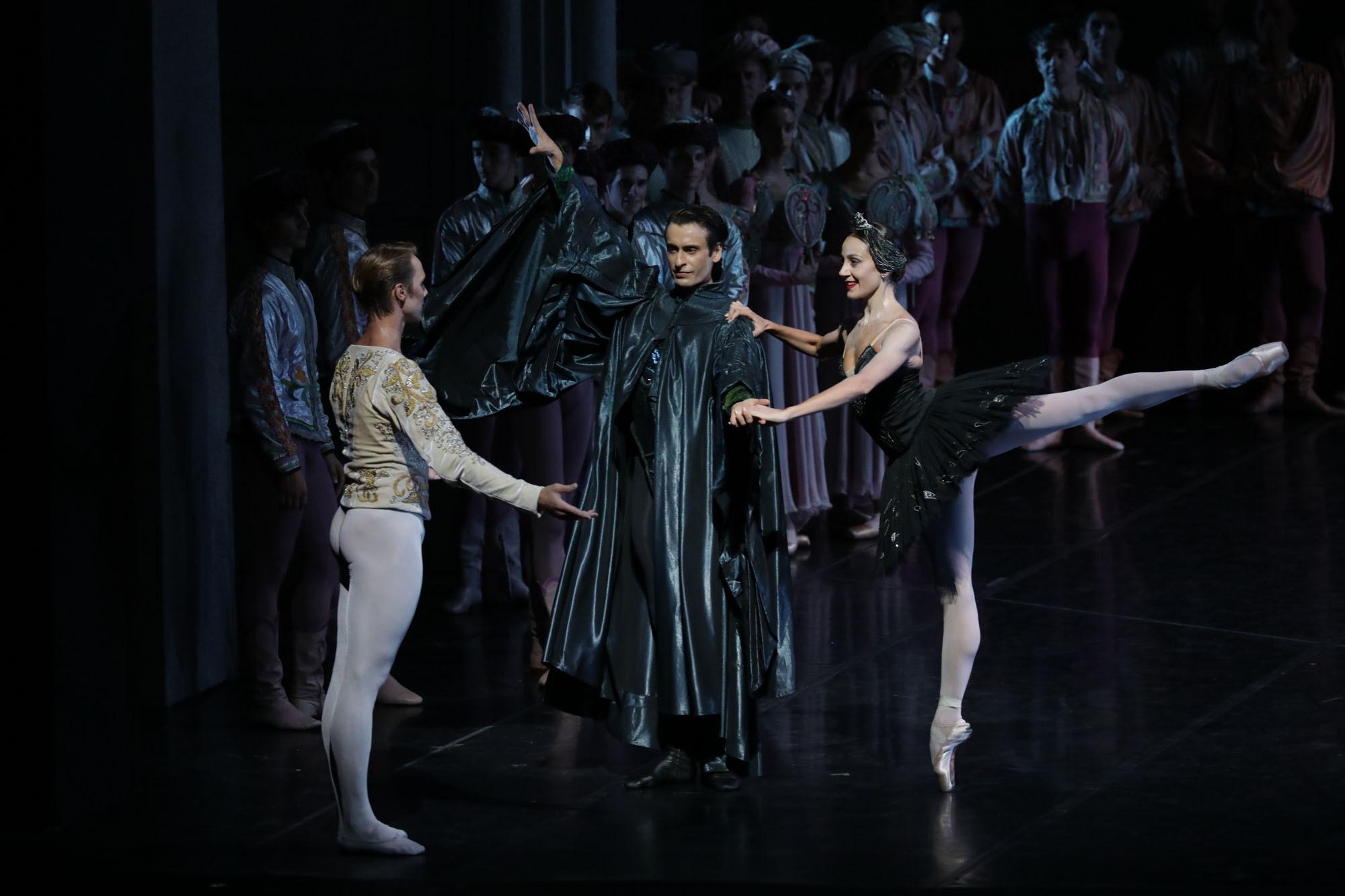
Mihail Munteanu
Born: 1943
A central figure on the national opera stage, known for powerful and lasting performances.
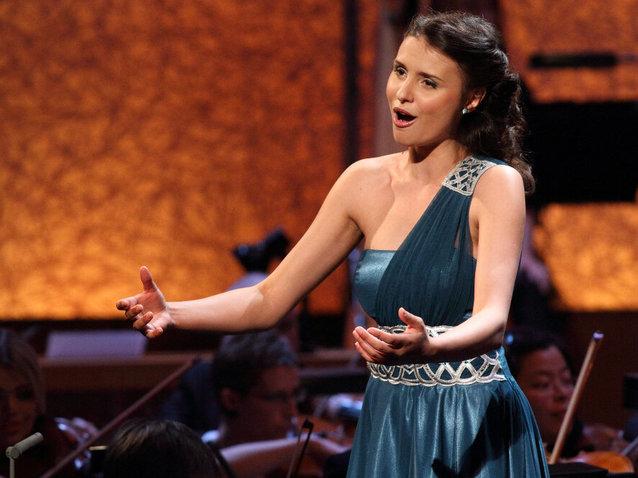
Valentina Naforniță
Born: 1987
An internationally acclaimed soprano performing on major European stages, including the Vienna State Opera.
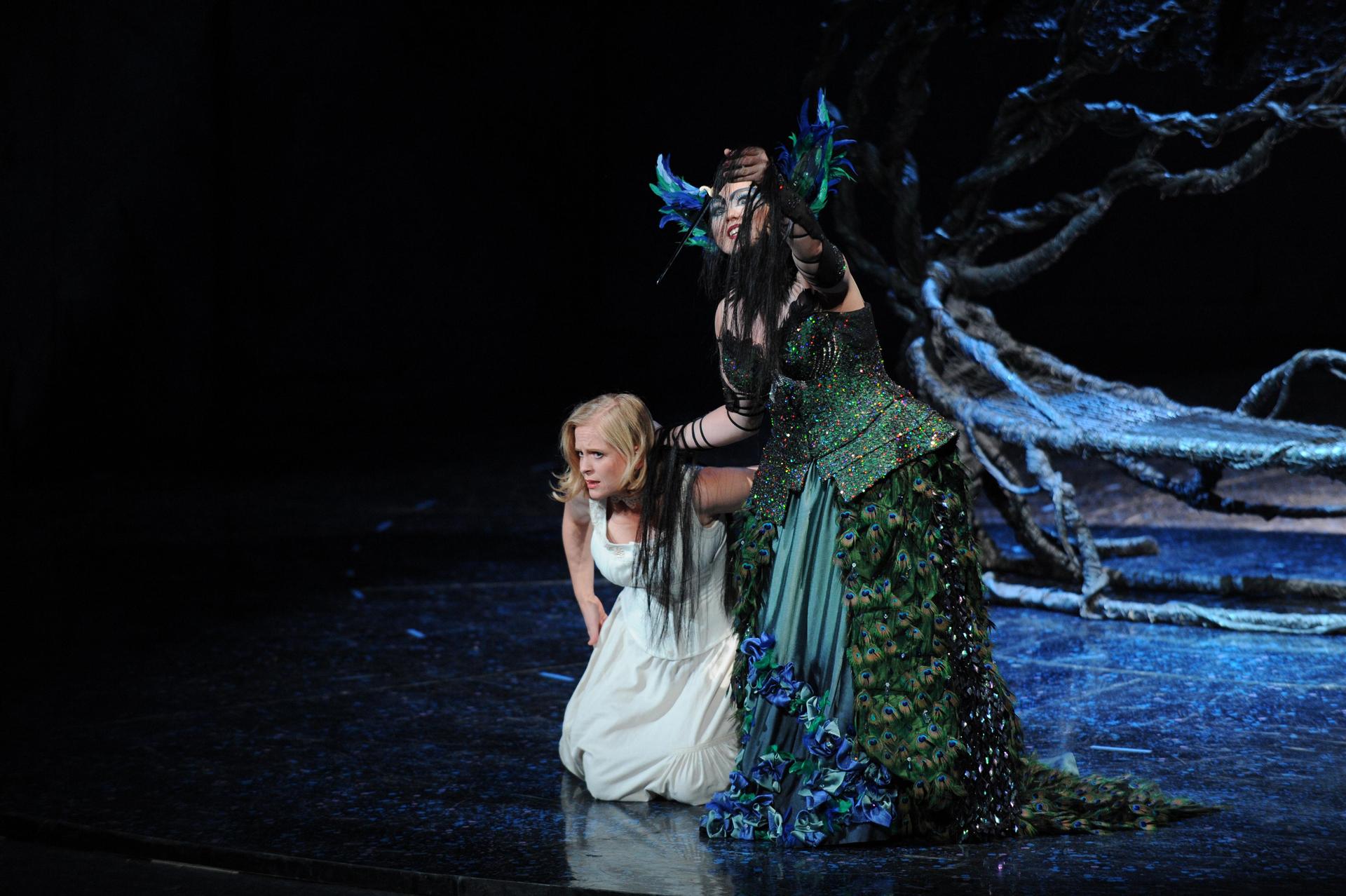
Maria Bieșu - A Voice from Moldova
Elena Moșuc
Born: 1964
A globally recognized opera singer with performances on some of the world’s most prestigious stages.
Maria Bieșu became one of Moldova's greatest opera singers and one of the country's best-known cultural figures.
Born in 1935 in Volintiri, in southern Moldova, she began singing at a young age and later joined the opera stage in Chișinău.
Her career eventually took her far beyond Moldova, performing on international stages and becoming particularly known for her interpretation of Cio-Cio-San in Puccini's Madama Butterfly.
But Moldova remained at the centre of her life and career.
In 1990, she founded the International Festival of Opera and Ballet Stars, bringing singers and performers from different
countries to Chișinău.
After her death in 2012, the festival took her name, as did Moldova's National Opera and Ballet Theatre.
Today, her name is difficult to separate from opera in Moldova.
Walk into the National Opera in Chișinău, and Maria Bieșu is still
part of the story.
Fie iubești opera, fie poți trăi cu ea, fie pur și simplu nu o simți deloc.
Nu îți cere atenția.
Dar atunci când ajunge la tine, rămâne.
-
You either love opera, you can live with it, or you don’t feel it at all.
It doesn’t ask for your attention.
But when it reaches you, it stays.