Artists & Performers
(A selection across time, styles, and generations - each representinga different part of Moldovan sound)
Music doesn't belong to one generation or one genre.
You can hear traditional music at a village celebration and, a few hours later, hear Moldovan pop, rock or electronic music coming from a stage in Chișinău.
Both belong here and traditional music still has an important place.
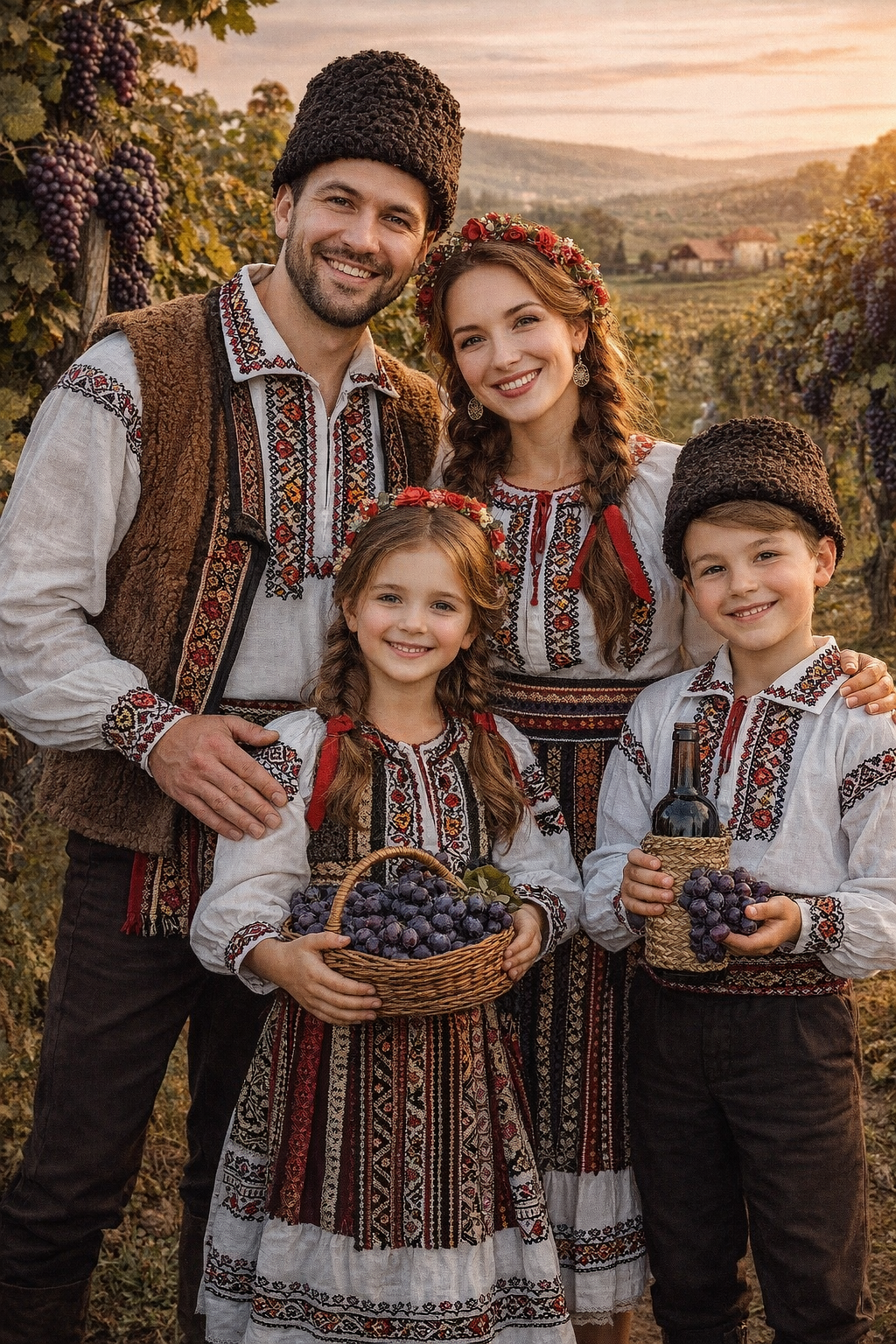
The violin, accordion, nai and other instruments have accompanied
weddings, celebrations and dances for generations, and many melodies are
immediately recognisable to Moldovans.
But the story didn't stop there.
Moldova has produced many classical musicians, composers, rock bands, pop singers, rappers and electronic artists.
Some perform mainly at home, others have built audiences far beyond the country's borders and sometimes the old and the new meet.
A traditional rhythm appears inside a modern song, Folk instruments are used alongside electronic sounds and an old melody is rearranged for a completely different generation.
You don't need to understand Romanian to notice it.
Go to a concert, a festival or a wedding and watch what happens when everybody recognises the first few notes of a song.
Suddenly people who were sitting down aren't sitting anymore. ;-)
Music has changed with Moldova, and it continues to change, but people are still
listening, singing and dancing.
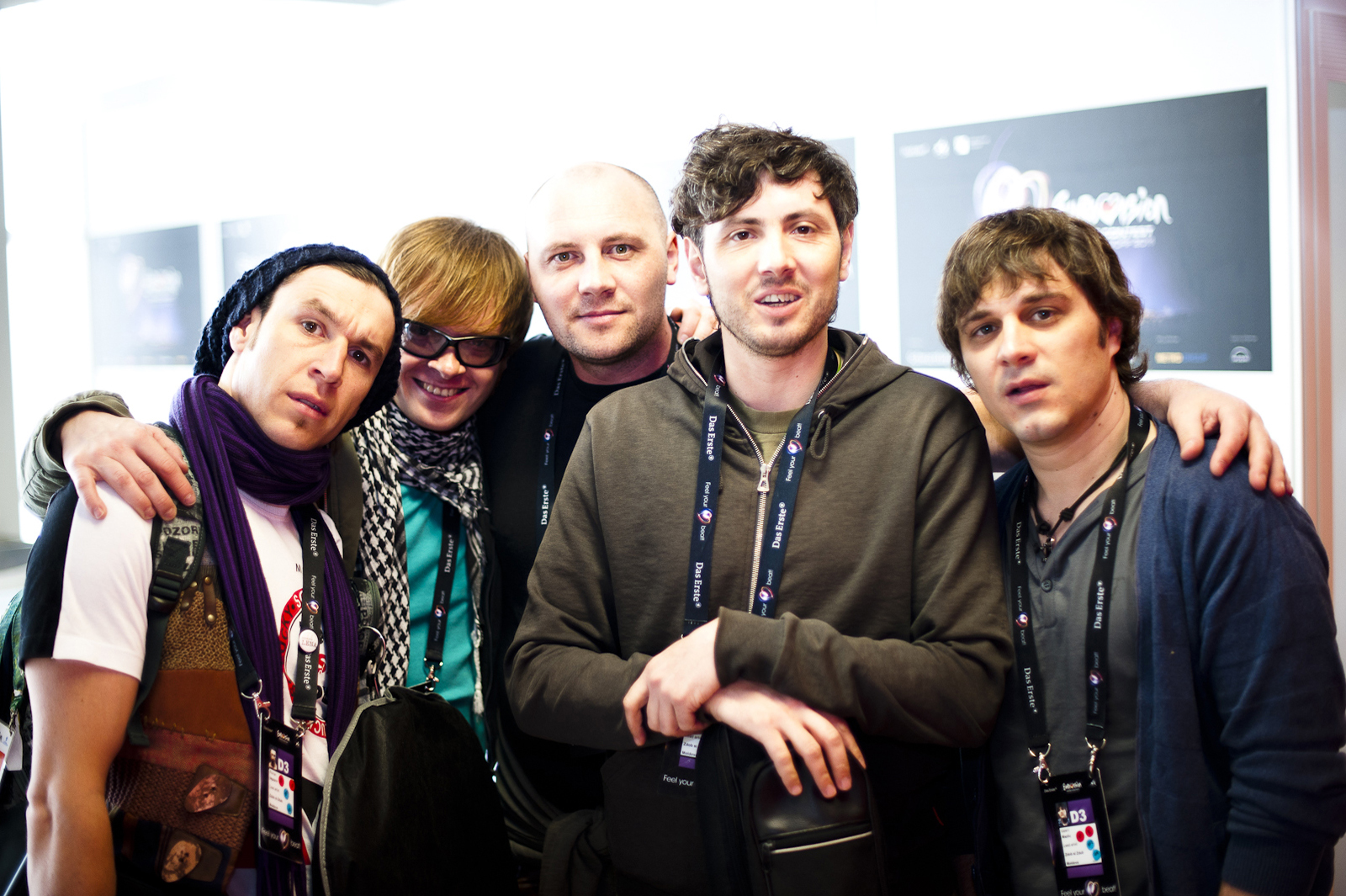
Zdob și Zdub
Formed: 1994
Eurovision: 2005, 2011, 2022
A unique blend of rock and traditional Moldovan sound, gaining strong international recognition through repeated Eurovision appearances.
O-Zone
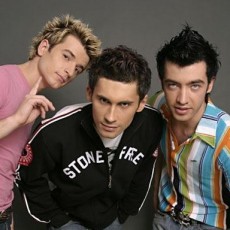
Active: 1999–2005
Global breakthrough: 2003 (“Dragostea Din Tei”)
One of the most internationally successful Moldovan acts, reaching worldwide charts.
Dan Bălan
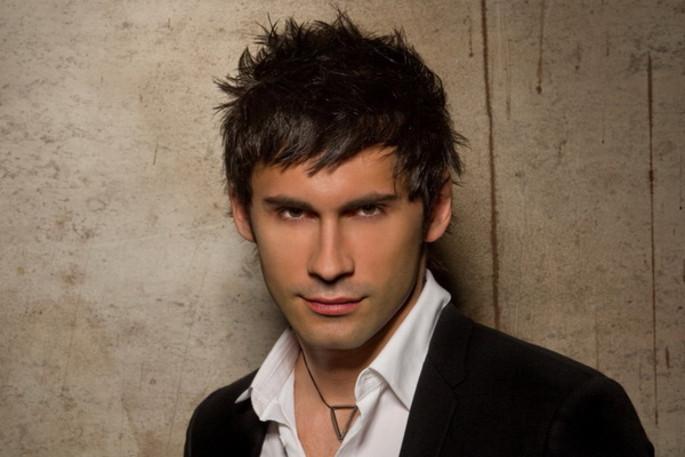
Born: 1979
Career start: Late 1990s
Member of O-Zone, later a successful solo artist with major international presence.
Natalia Barbu
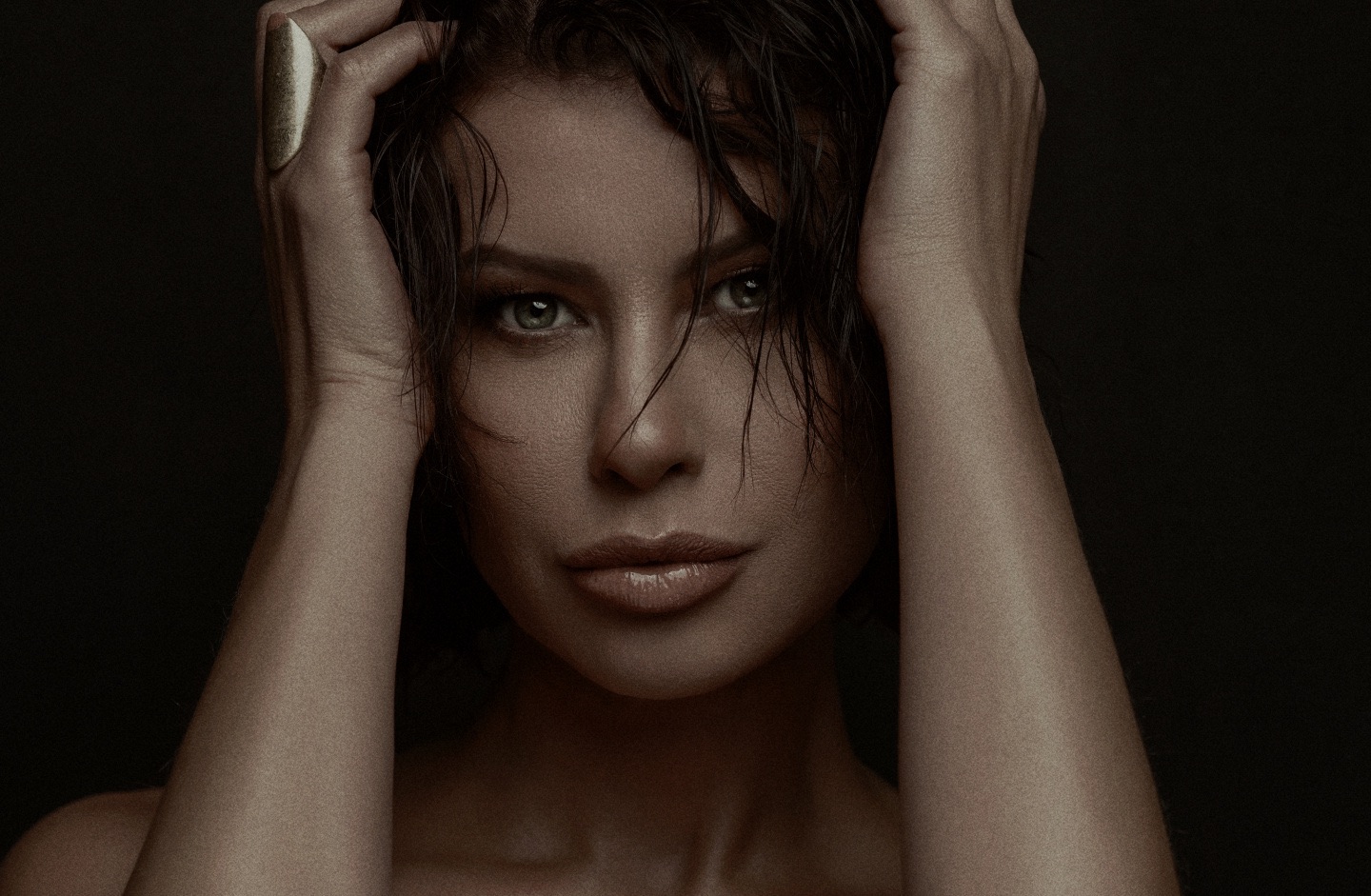
Born: 1979
Eurovision: 2007
Singer and violinist blending classical and modern influences.

Carla's Dreams
Active: Since 2012
An anonymous project with strong success across Romania and international audiences.
Where Moldovan Music Is Headed
Nobody really knows what Moldovan music will sound like ten or twenty years from now and that is probably a good thing.
Young artists have access to audiences their predecessors could hardly have imagined.
A song recorded in Chișinău can reach listeners across Europe within hours, and Moldovan artists increasingly work with musicians, producers and audiences
outside the country.
That brings new influences.
Pop, rock, hip-hop, electronic music and other styles continue to develop, while traditional music remains very much alive beside them.
Some artists will mix the two and others won't.
They don't have to because what matters is that Moldovan musicians have more ways than ever to create, experiment and find an audience.
Some will become internationally known, others will fill stages and clubs at home and somewhere right now, somebody in Moldova is probably making music that none of us has heard yet.
We will just have to listen and see where they take it.
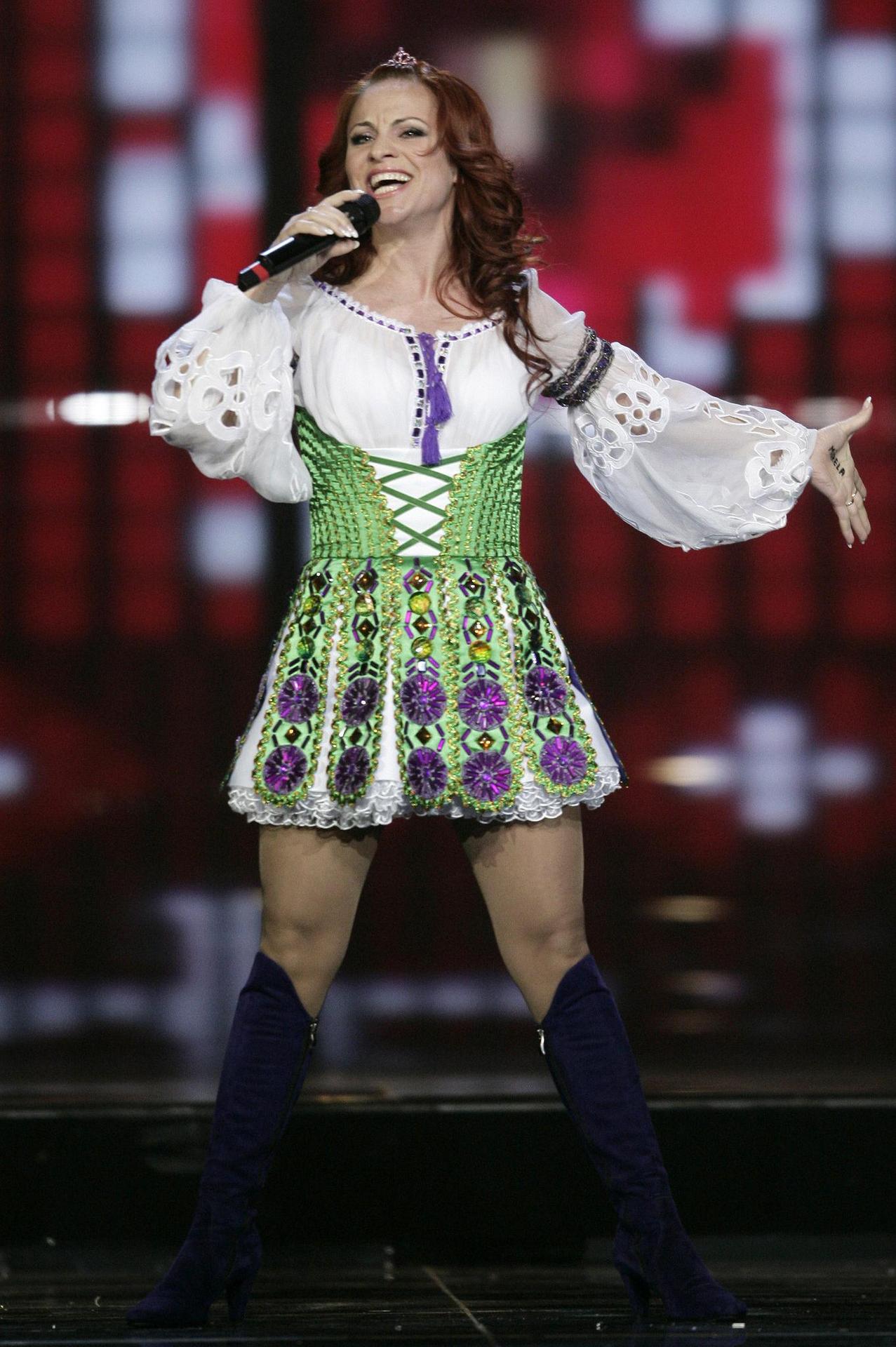
Nelly Ciobanu
Born: 1974
Eurovision: 2009
Recognized for powerful vocals and strong stage performances.
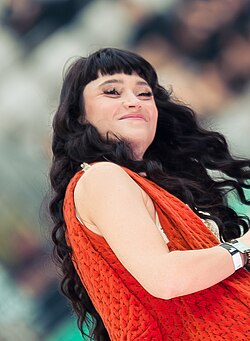
Irina Rimes
Born: 1991
Career breakthrough: 2016
One of the most influential modern Moldovan artists with wide international reach.
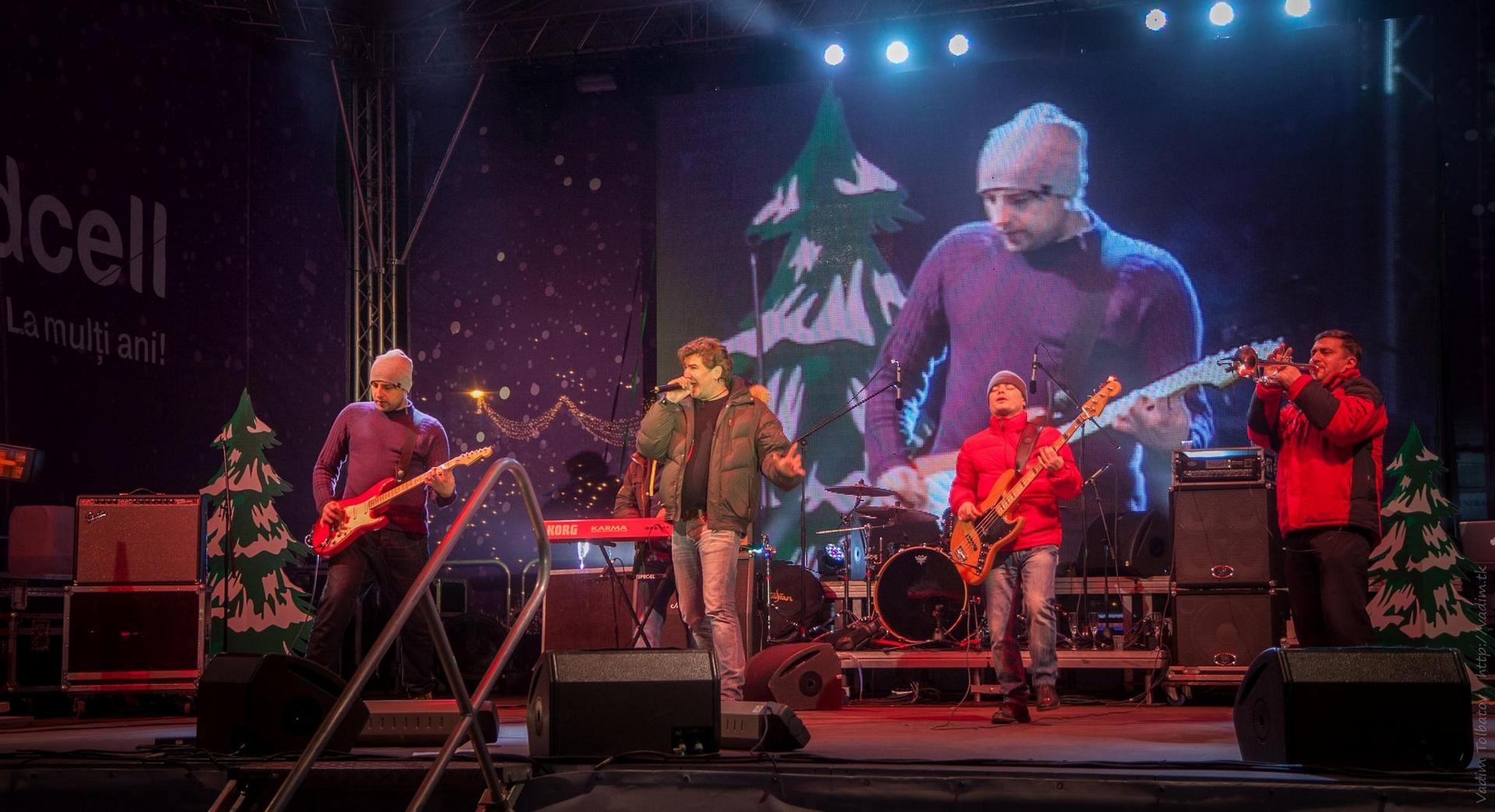
Gândul Mâței
Formed: 1996
A long-standing band combining rock, folk, and alternative styles.
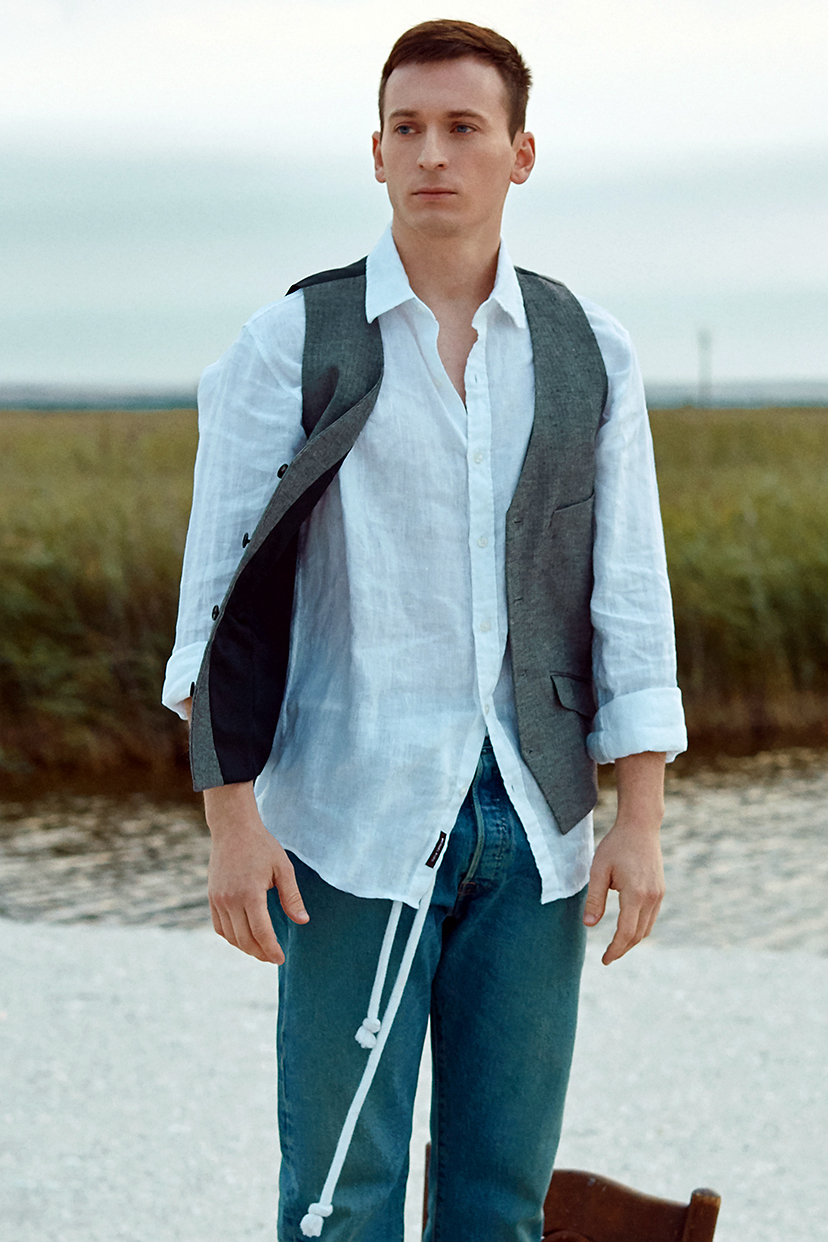
The Motans
Active: Since 2016
Known for emotional songwriting and a strong presence in modern pop/alternative music.
(Founded by Denis Roabeș. born 1989)
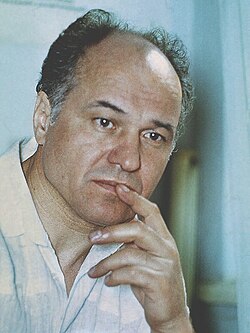
Eugen Doga - A Life in Music
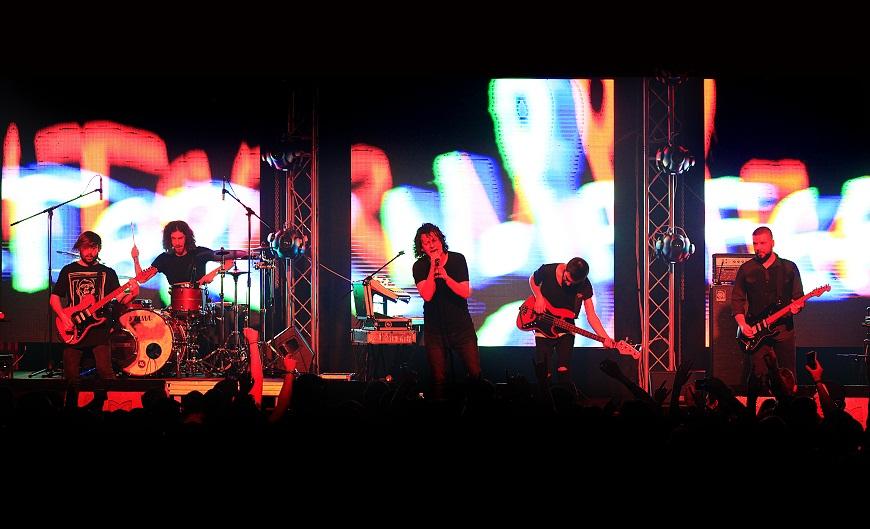
Alternosfera
Formed: 1998
One of the most influential alternative rock bands in the region.
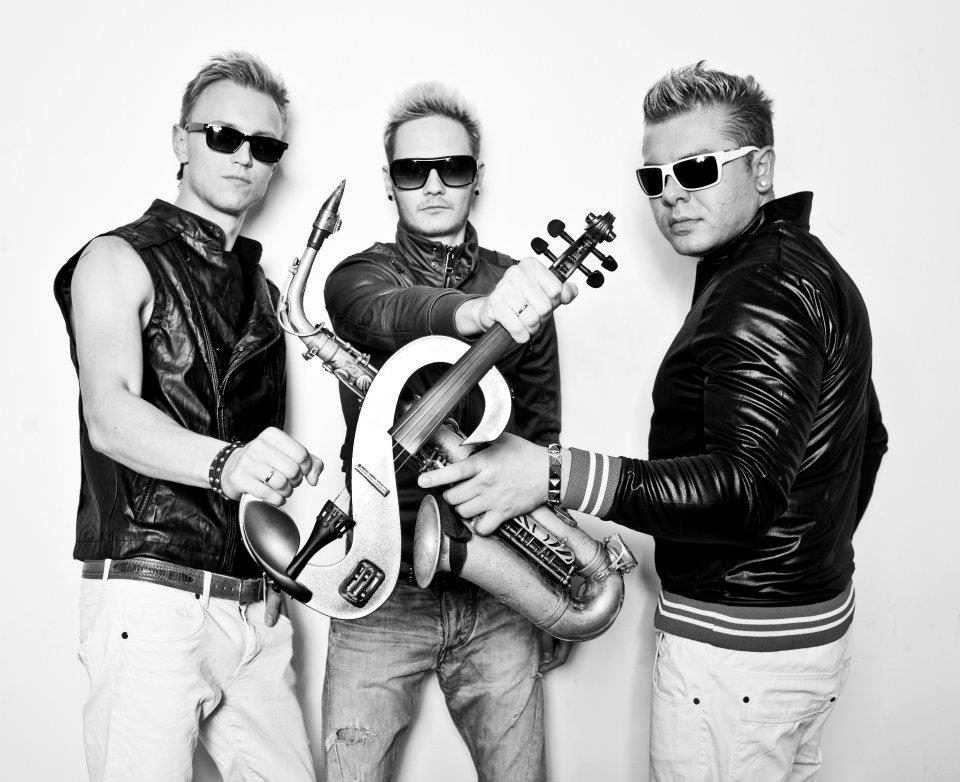
Sunstroke Project
Formed: 2007
Eurovision: 2010, 2017
International viral success (“Epic Sax Guy”) and strong global recognition.
Eugen Doga was one of Moldova's most important composers and one of the country's best-known musical figures internationally.
Born in 1937 in Mocra, near the Dniester, he studied cello and composition in Chișinău before building a career that lasted more than six decades.
He wrote symphonic and chamber music, ballet, songs and music for more
than 200 films.
His best-known work is probably the waltz from the film;
"My Sweet and Tender Beast."
His music travelled far beyond Moldova and was heard internationally, including at several Olympic Games.
Doga died in 2025 at the age of 88, but his music remains very much part of Moldova.
You may arrive to Moldova without knowing the name Eugen Doga, but there is a good chance you will leave having heard his music.
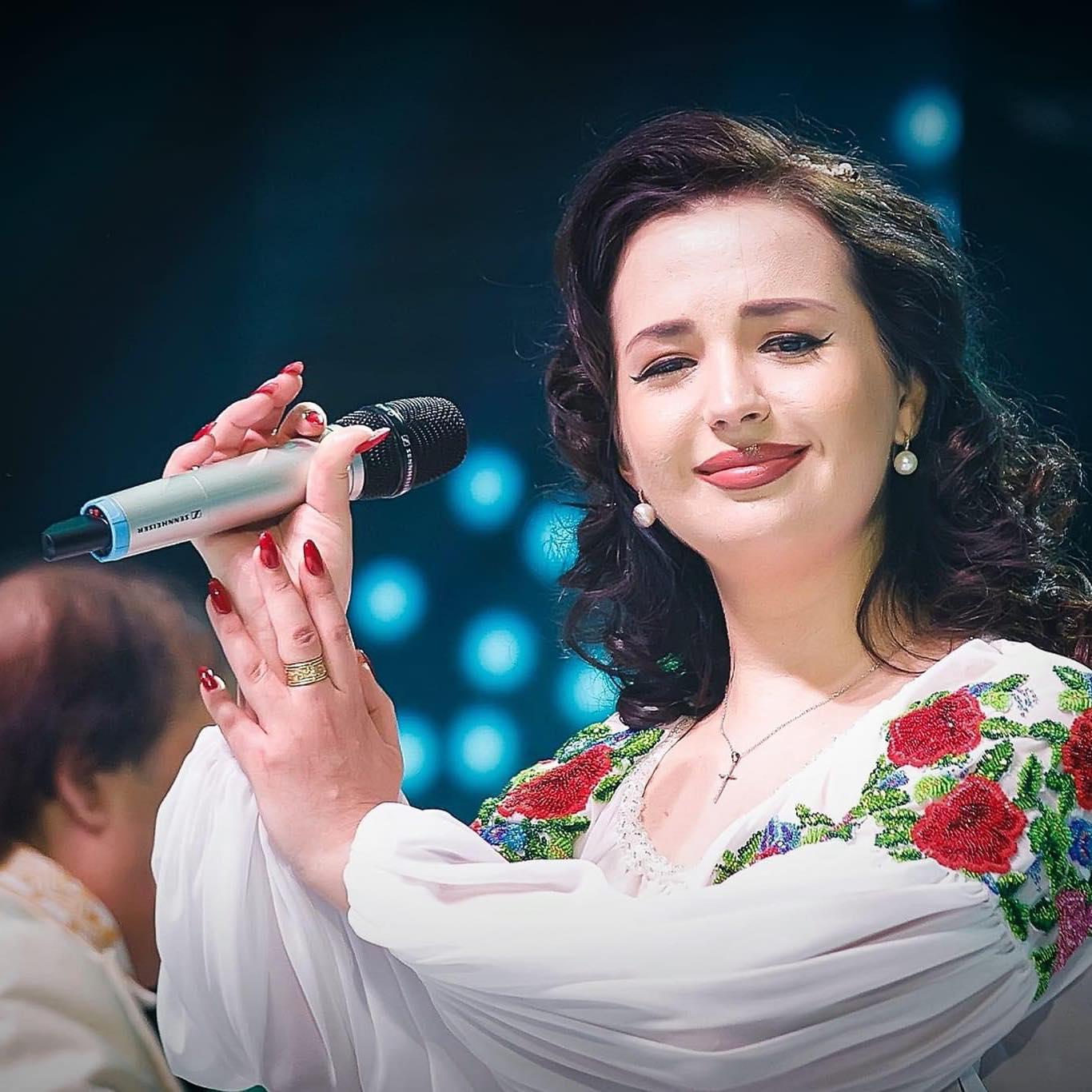
Doina Sulac
Born: 1972
A key figure in preserving Moldovan folklore traditions.
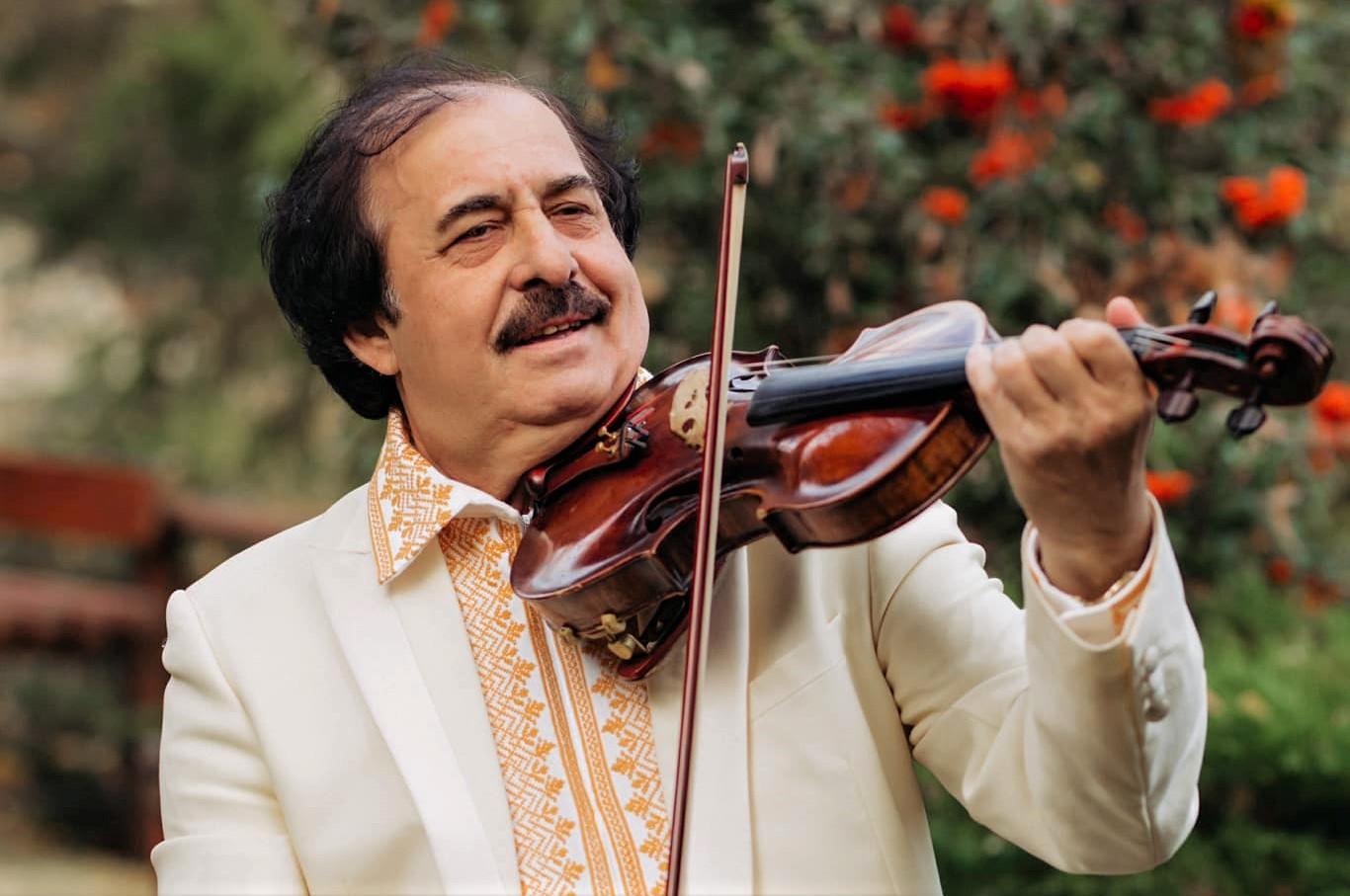
Nicolae Botgros
Born: 1953
Leader of Lăutarii orchestra since 1978
One of the most important figures in traditional Moldovan music.
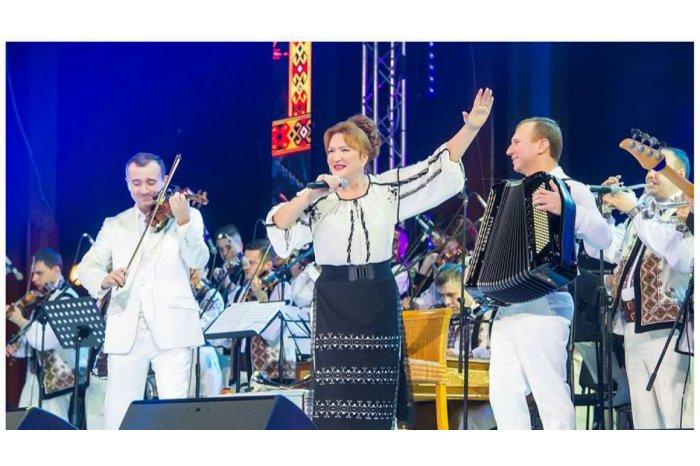
Zinaida Julea
Born: 1940
A respected voice in traditional Moldovan music across generations.
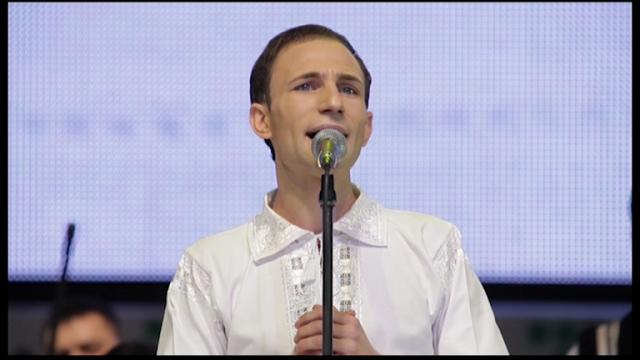
Ion Paladi
Born: 1984
Represents a modern continuation of traditional Moldovan music.