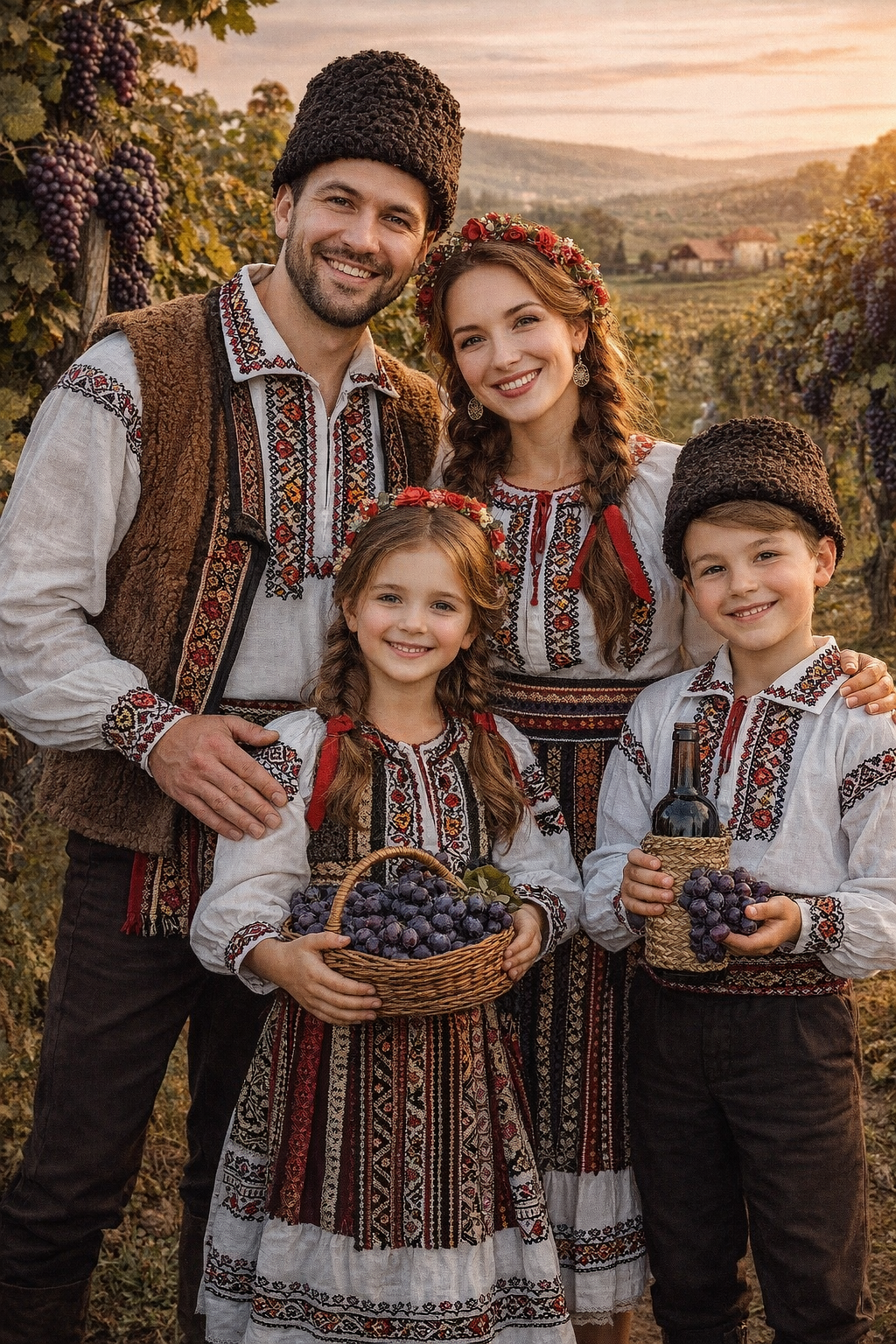
Moldovan literature has a long history, but not everything began with books.
For generations, people passed stories from one person to another, telling them at
home, during gatherings or while working together.
Some were stories about people and places, others were legends, poems or memories of events that had happened long before.
As writing became more widespread, these stories and experiences found their way onto paper and something that once belonged to a conversation or storytelling, could suddenly be read by people who had never met the person telling it.
Voices of Literature
(A selection of writers across generations - from
foundational voices to contemporary authors continuing the tradition)
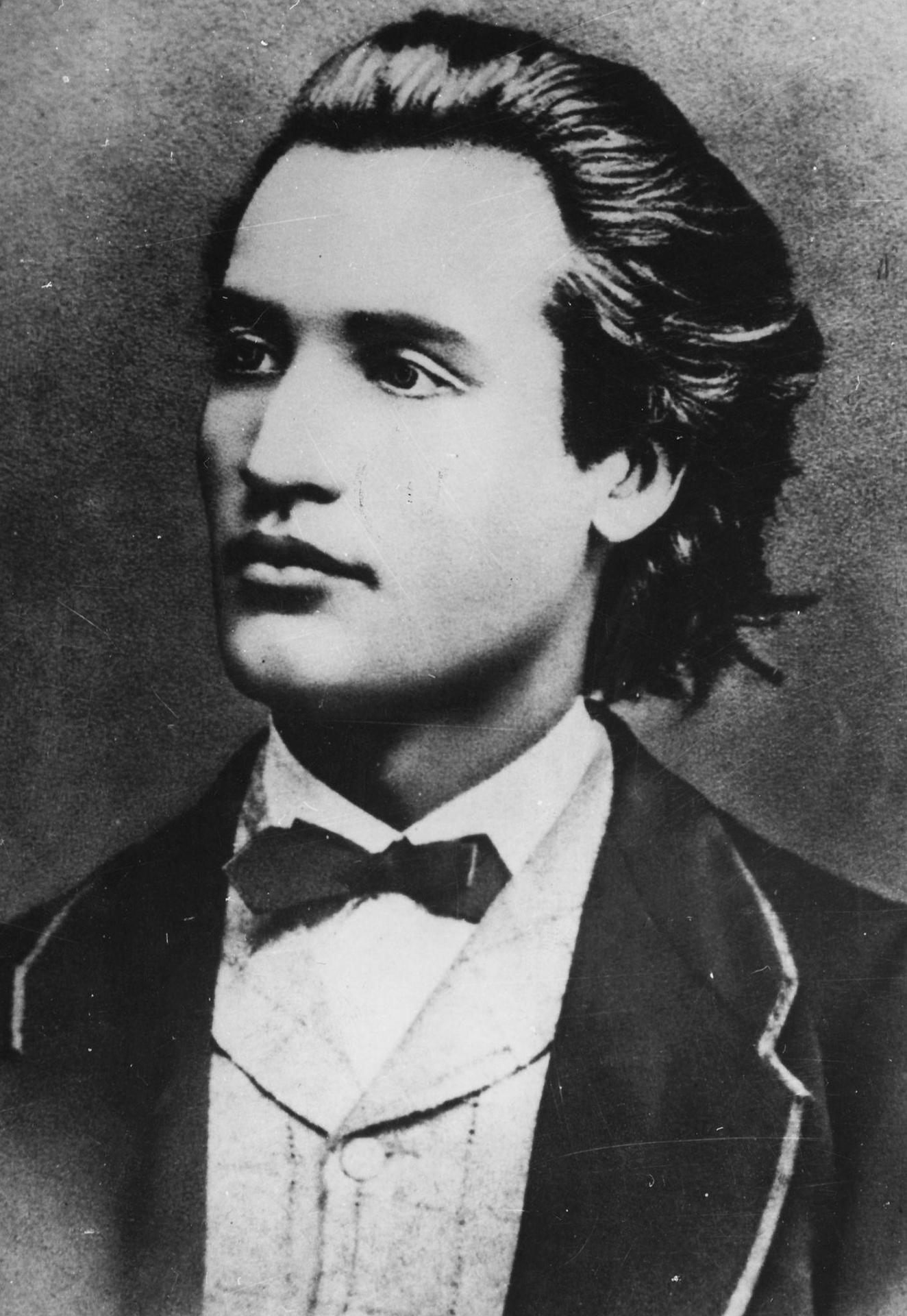
Mihai Eminescu
Born: 1850 – 1889
One of the most important literary figures connected to the region, shaping poetic language and identity.
Moldova has experienced many changes over the centuries, and its literature has developed alongside them.
Writers have described village life, family relationships, traditions and the difficulties people faced, but also love, humour and the small things that make everyday life familiar.
Language has played an important part, particularly during periods when political and social changes influenced what could be published and how people expressed themselves.
Some writers addressed these matters directly, while others used fictional characters and stories to describe what was happening around them.
Not everything a writer wanted to say could always be written openly.
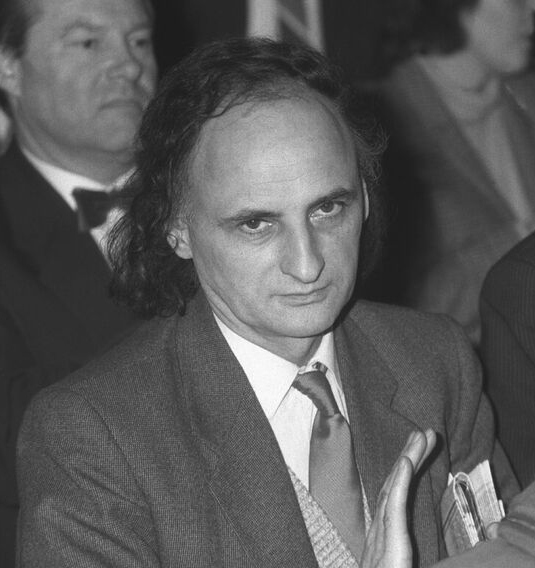
Grigore Vieru
Born: 1935 – 2009
A central voice in Moldovan literature, known for emotional poetry rooted in identity, language, and belonging.
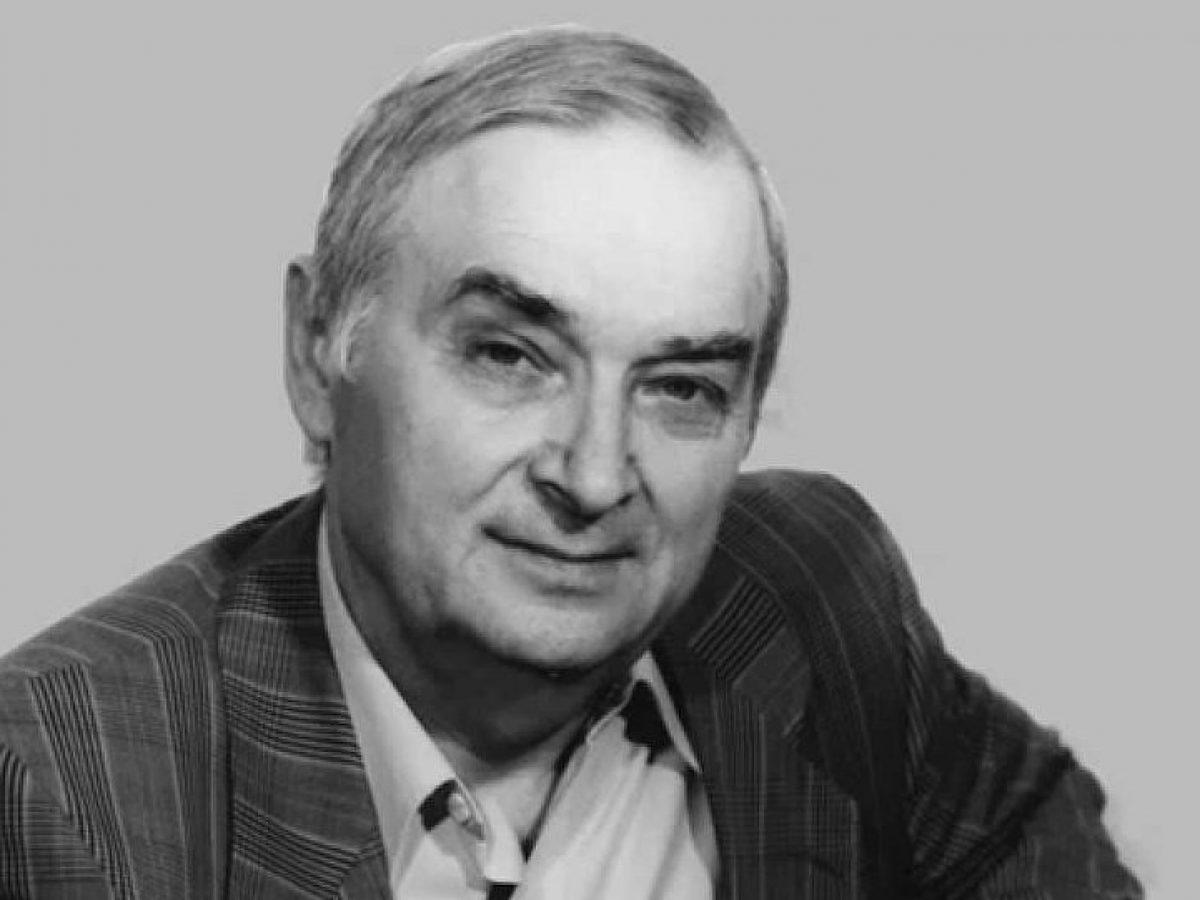
Ion Druță
Born: 1928 – 2023
One of the most respected writers in Moldova, capturing rural life, tradition, and the deeper layers of Moldovan identity.
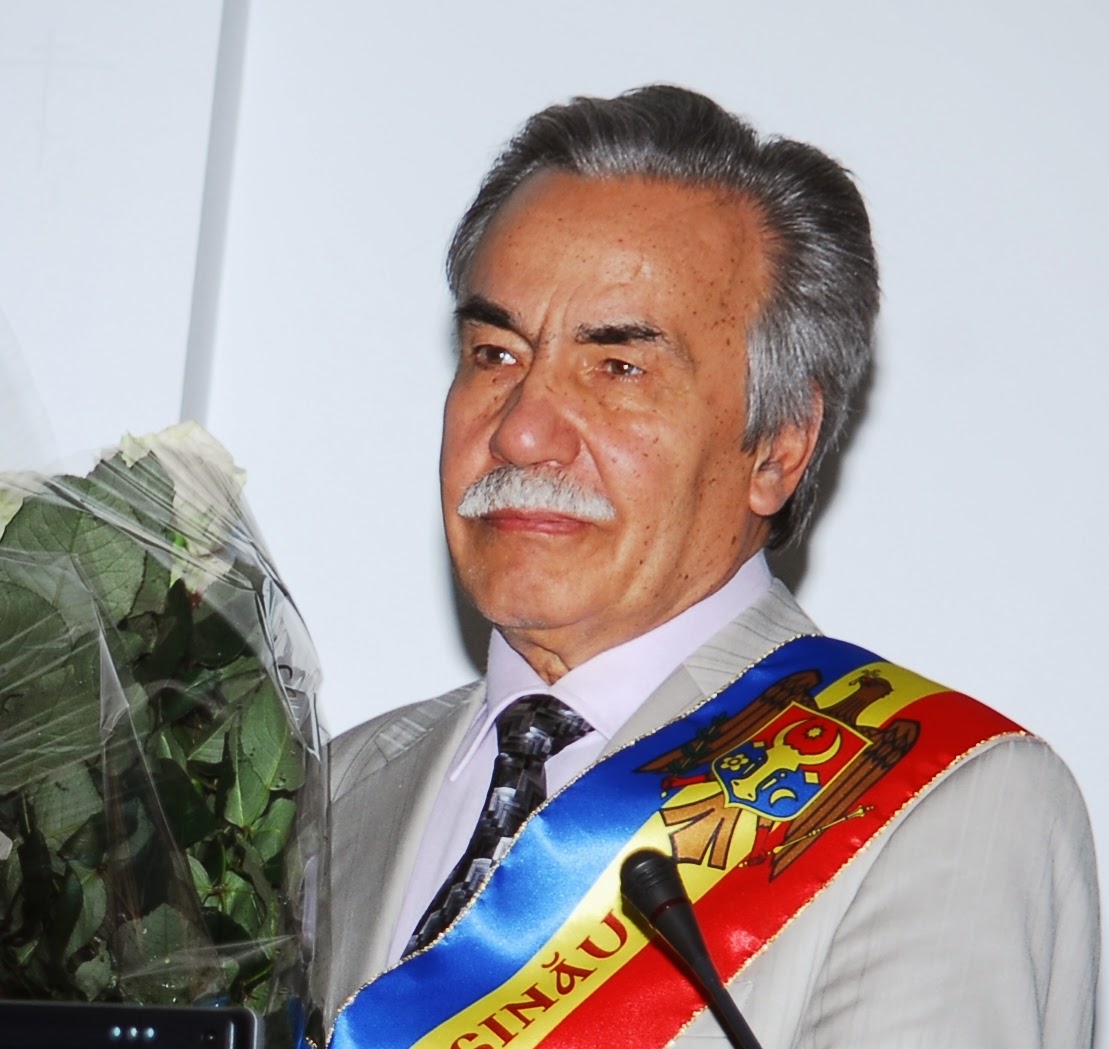
Dumitru Matcovschi
Born: 1939 – 2013
A strong literary and cultural voice during periods of
change, reflecting national consciousness and resilience.
A book does not have to describe an important historical event to tell you something about Moldova, but sometimes a conversation between two characters, a description of a family gathering or an ordinary day in a village can reveal quite a lot about how people lived.
You may recognise the situations even if the story takes place many years ago.
People disagree, fall in love, worry about their children, laugh at one another and make decisions they later regret.
Some stories are funny, others are sad, and a few leave you wondering what happened after the final page and sometimes you keep reading much longer than you originally had planned, simply because you want to know what happens next.
Contemporary Voices
(Carrying the tradition forward in new forms)
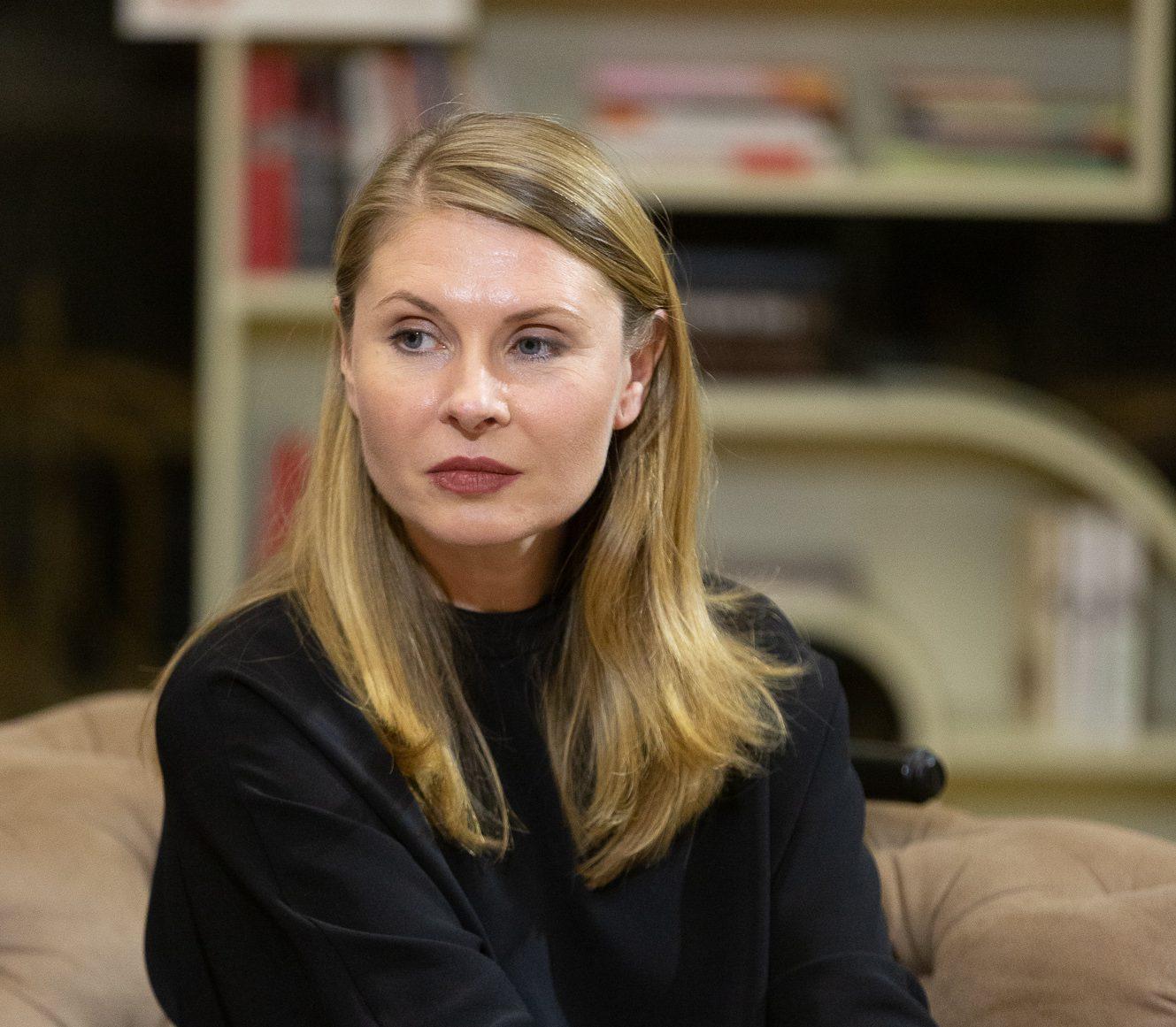
Tatiana Țîbuleac
Born: 1978
Internationally recognized author, known for deeply emotional and modern narratives, translated into multiple languages.
A Living Tradition
Moldovan literature is not something that belongs only to the past.
Authors continue to write about life in Moldova, including the changes taking place in towns and villages, relationships between generations and the experiences of people who leave the country.
Leaving home and returning again have become familiar subjects, alongside family, language and the question of where people feel they belong and younger writers bring their own experiences into their work, often describing a Moldova that is quite different from the one their parents or grandparents knew.
Some publish novels, others write poetry, short stories or books for children and while the books written a hundred years ago are still there to be discovered, new ones continue to appear on the shelves.
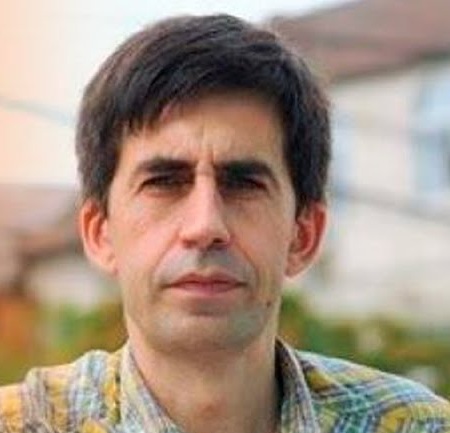
Iulian Ciocan
Born: 1968
A contemporary voice reflecting modern Moldovan society with realism and subtle observation.

Paula Erizanu
Born: 1992
Represents a younger generation, bringing fresh perspective and new forms of expression.

Alexandru Vakulovski
Born: 1978
A modern literary voice exploring identity, culture, and contemporary life across borders.
Literature in Moldova is not something that remains on the page.
It moves quietly between past and present, between what has been written and what is still being understood.
And in that space, it continues - not only as words, but as something that stays.