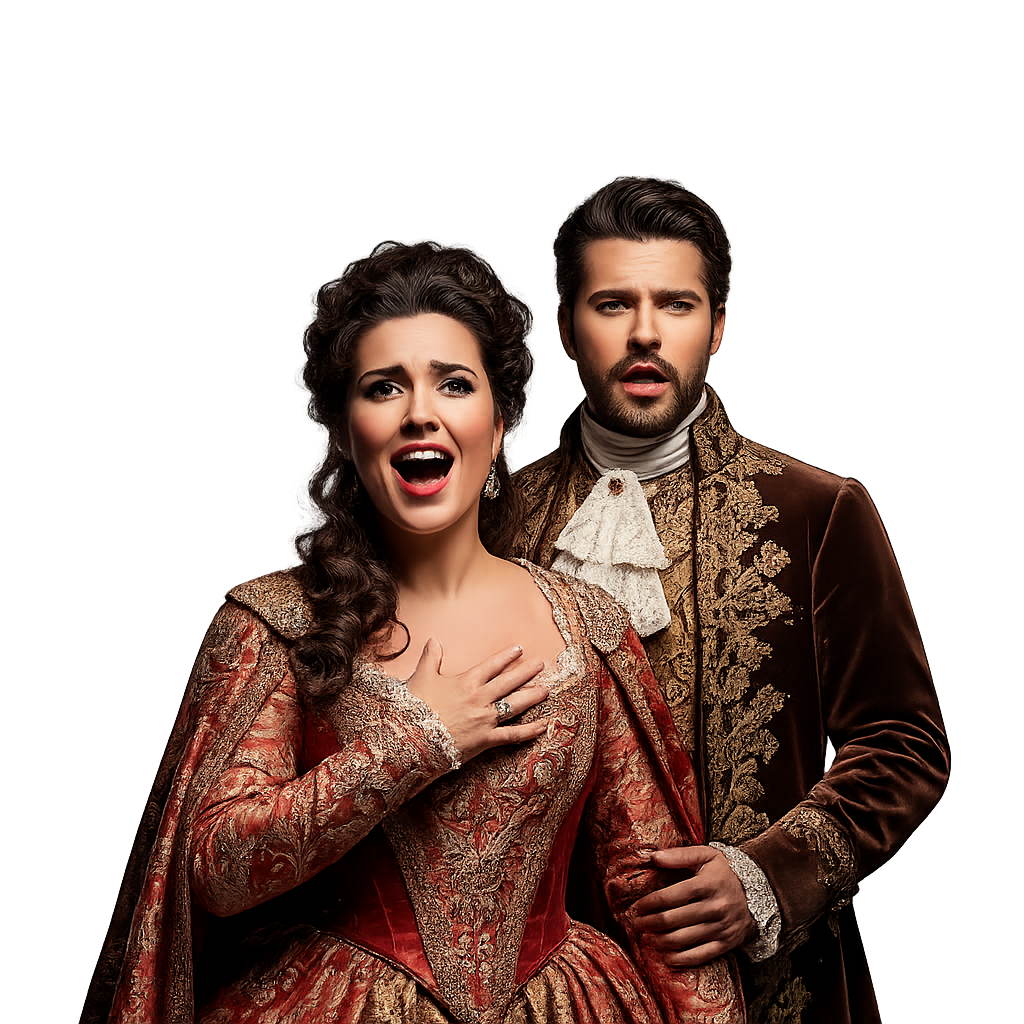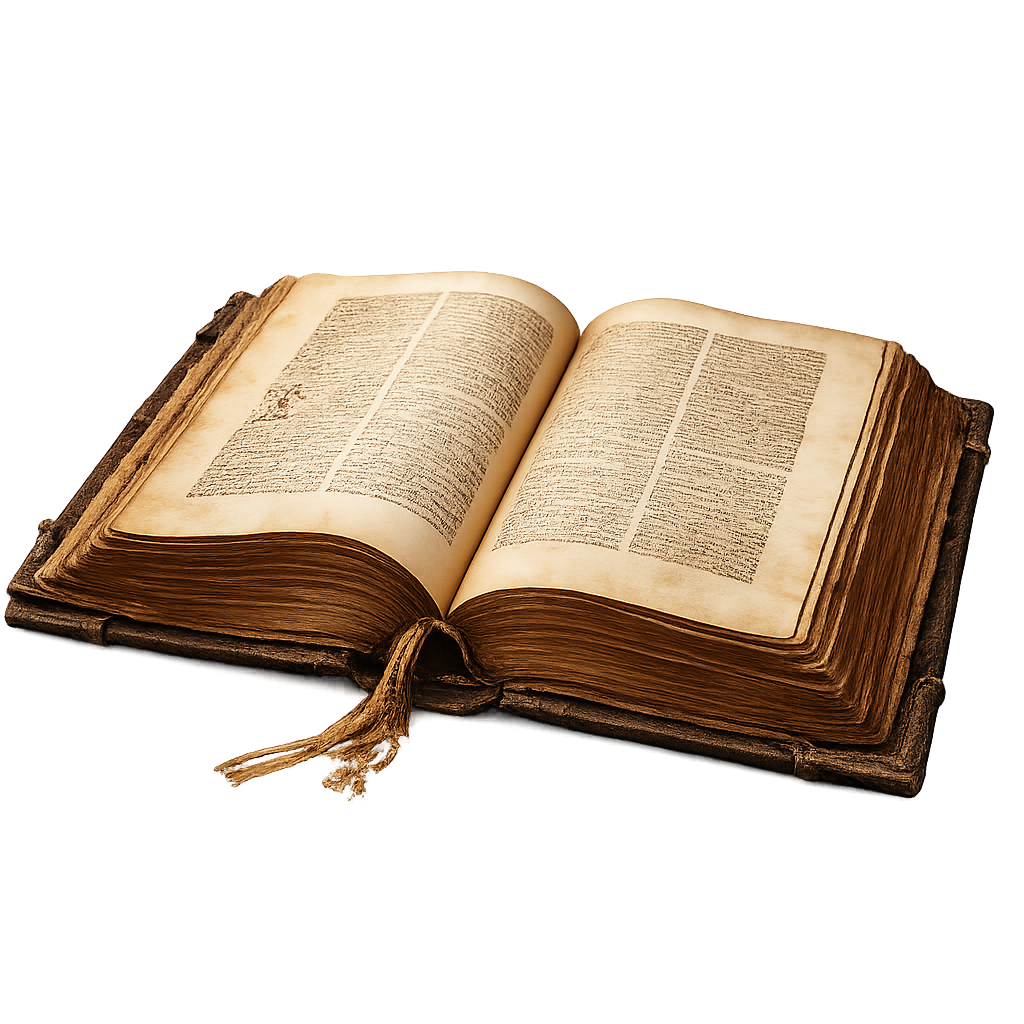
Theater in Moldova feels closer.
There is no distance created by voice alone, no space to hide behind music and what happens on stage is carried directly through words, through movement, through presence.
You see it as it unfolds, and for a moment, it becomes something shared between those on stage and those watching.
It is immediate.
You follow a story, but at the same time, you feel something beneath it - something that is not always written, but still understood. A pause, a look, a silence that says more than words.
And often, that is what stays.
You don’t need to understand every line.
You don’t need to know the background.
Because when it reaches you, it does so directly.
Theater in Moldova has grown from both tradition and reflection.
It developed through periods where stories became a way of understanding change, of expressing what could not always be said openly, and of holding on to something that felt real. Over time, it became more than performance. It became a space where society, history, and personal experience could meet.
Today, it continues in that same way.
Not separate from life - but part of it.
Beyond the Main Stage
Theater in Moldova does not remain only in formal buildings.
It appears in smaller venues, in cultural houses, in festivals, and in spaces where the setting is simpler, but the connection remains. Here, the experience often becomes even more immediate, with less distance between actor and audience.
It is not about size.
It is about presence.
Voices of Theater
(A selection of figures connected to Moldovan theater and performance)
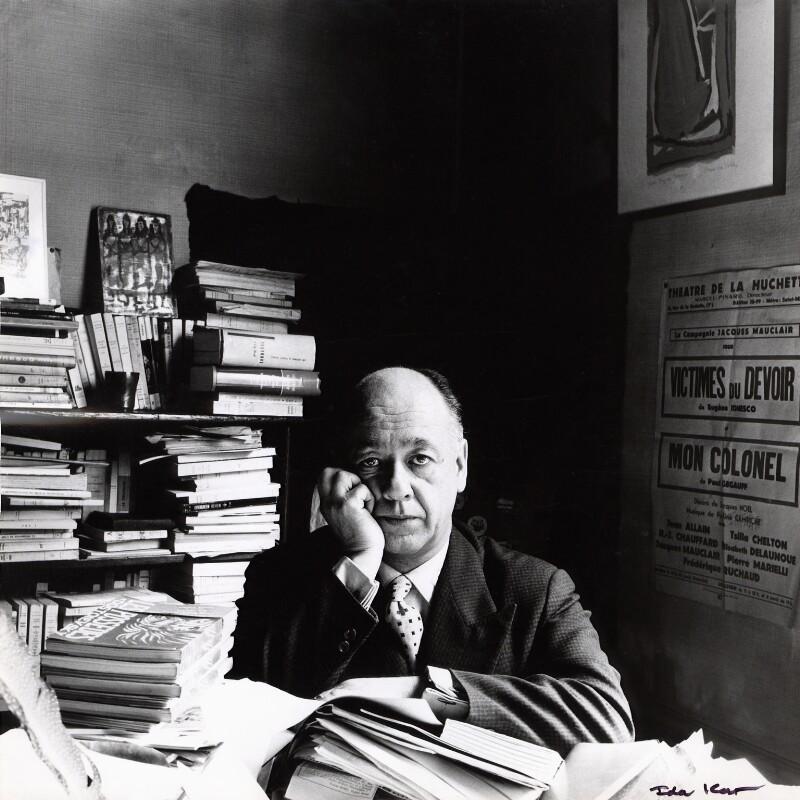
Eugene Ionesco
1909 – 1994
One of the most influential playwrights of the 20th century, associated with the Theatre of the Absurd, with roots
connected to Moldova.
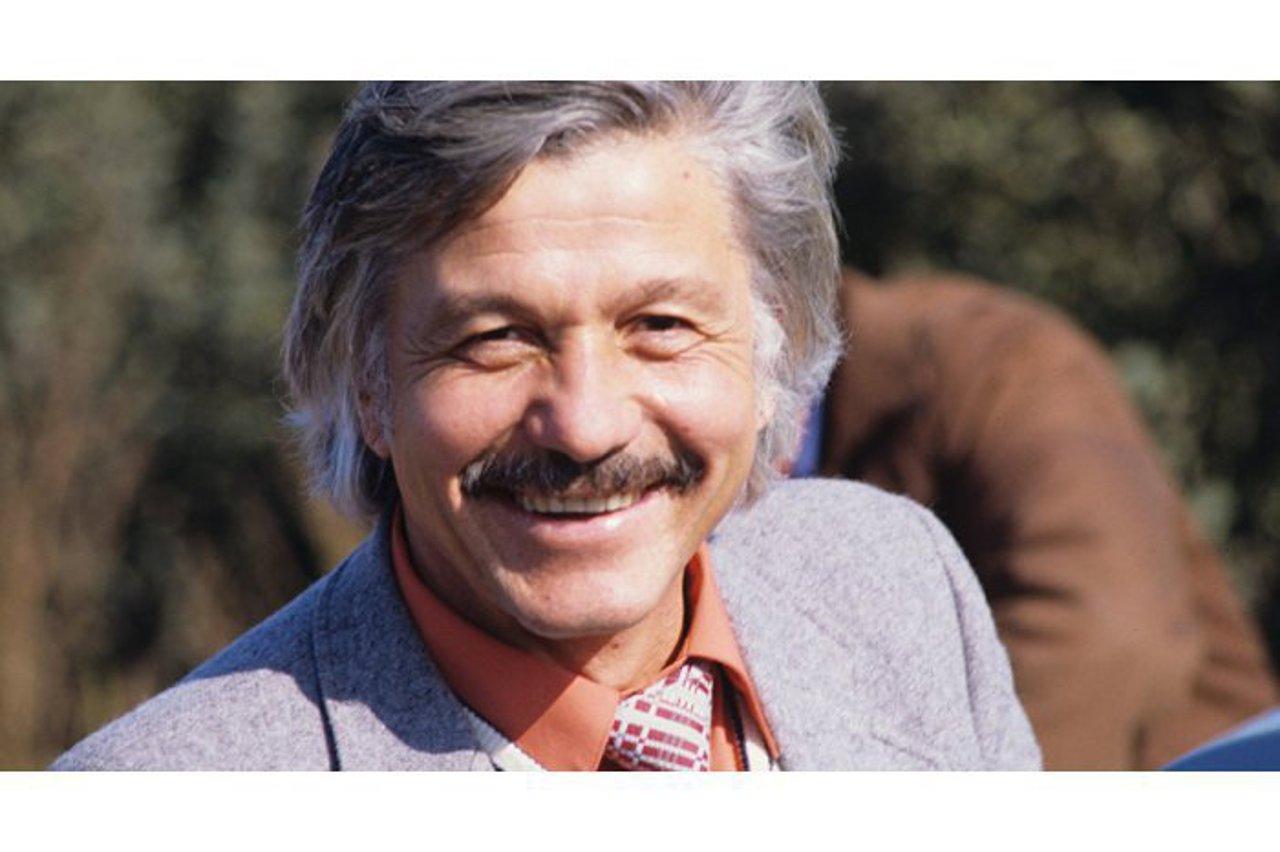
Mihai Volontir
1934 – 2015
A deeply respected actor whose work in theater and film made him a central cultural figure.
The National Theater Scene
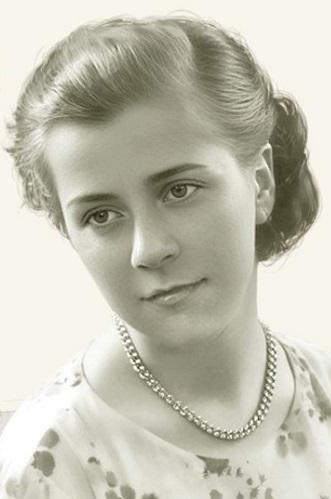
Nina Vodă-Mocreac
1937 - 2013
A respected stage actress known for her presence in Moldovan theater and television, representing continuity in modern performance.
At the center of theater life in Moldova is the Mihai Eminescu National Theater.
One of the most important dramatic theaters in the country, it carries both classical works and modern productions, reflecting different periods and perspectives.
Alongside it, other stages contribute to the cultural life of the capital:
- Eugene Ionesco Theater - known for contemporary and experimental performances.
- Luceafărul Theater - connecting classic and modern works.
These spaces are not large in scale compared to major European capitals, but that is part of their character.
- They feel closer.
- More direct.
- More personal.
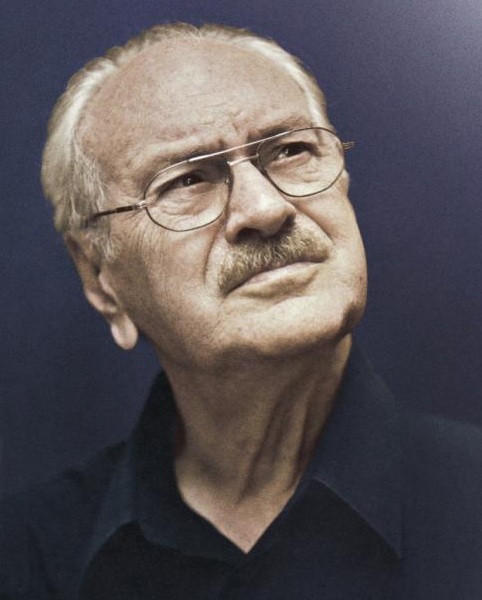
Ion Ungureanu
1935 – 2017
An important figure in Moldovan theater, contributing both artistically and culturally.
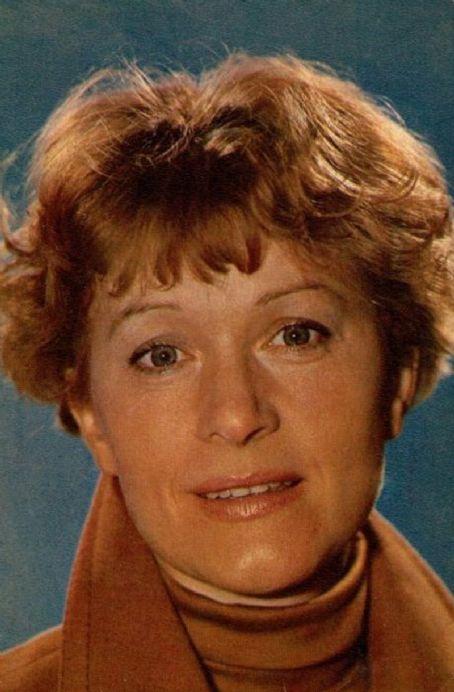
Valentina Tăzlăuanu
Born: 1950 – 2022
Writer, critic, and cultural voice who contributed significantly to the development and reflection of theater and arts in Moldova.
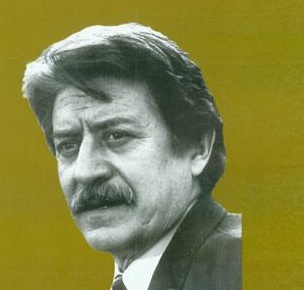
Valeriu Cupcea
1929 - 1989
A key name in the development of modern Moldovan theater.
Teatrul are o tradiție îndelungată în Moldova, cu spectacole care variază de la piese clasice la producții
moderne ce reflectă viața de zi cu zi, relațiile de familie și schimbările din societate.
Femeile au avut un rol important în această tradiție, nu doar ca actrițe, ci și ca regizoare, dramaturge și
povestitoare, contribuind la ceea ce publicul vede pe scenă.
-
Theatre has a long tradition in Moldova, with performances ranging from classical plays to modern
productions that reflect everyday life, family relationships and social changes.
Women have played an important part in this tradition, not only as actresses, but also as directors, playwrights
and storytellers, helping shape what audiences see on stage.