Leaving Chișinău behind and travelling south towards Găgăuzia, you will without doubt begin to notice a change in the countryside.
Along the M3, towards Cimișlia and further south to Comrat, the forests become
fewer, the hillsides are more open, and the fields stretch further into the distance.
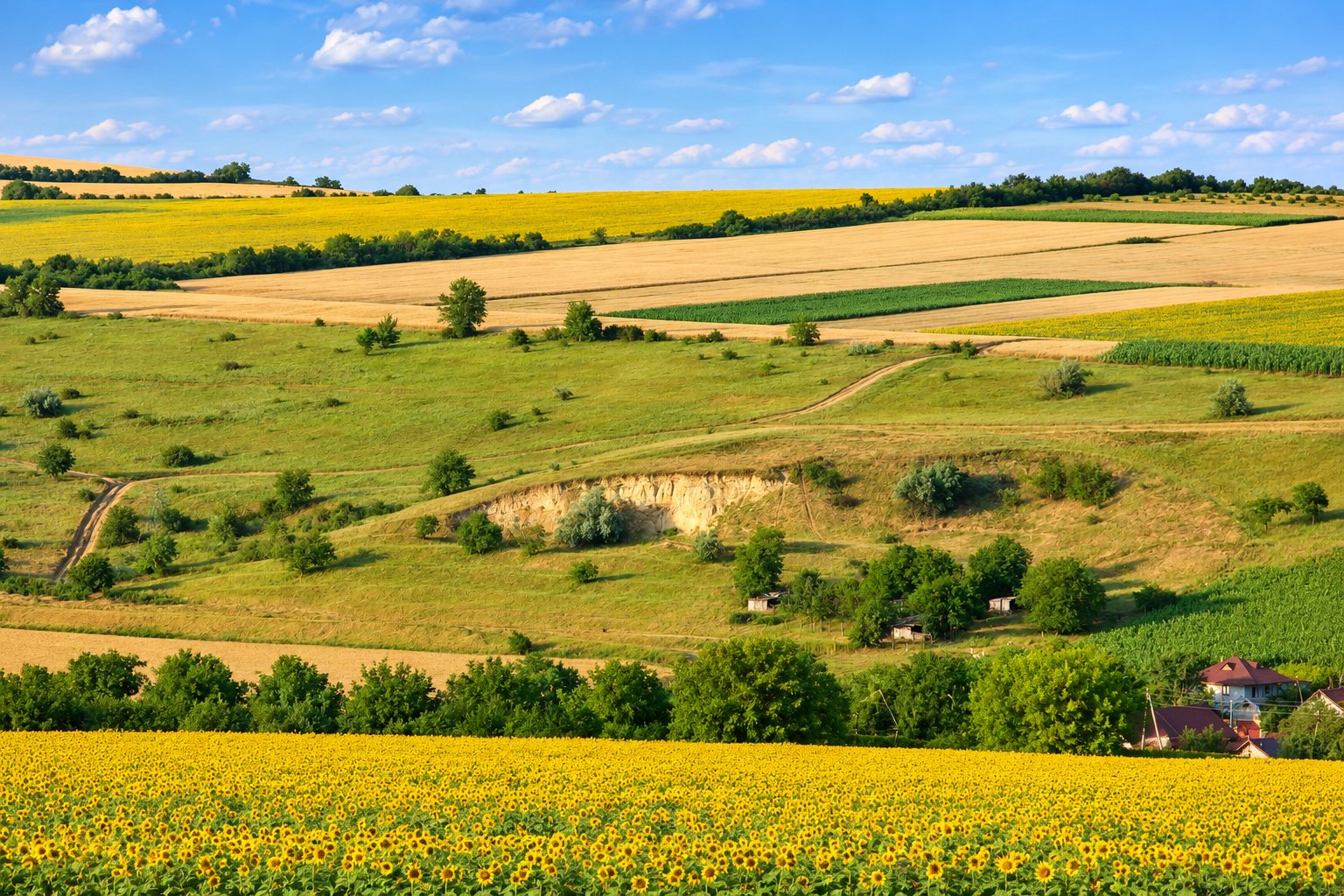
You are passing villages, vineyards, orchards and large fields of sunflowers and grain.
In summer, the roadsides can be dry and dusty, especially when tractors and trucks are driving and moving between the fields.
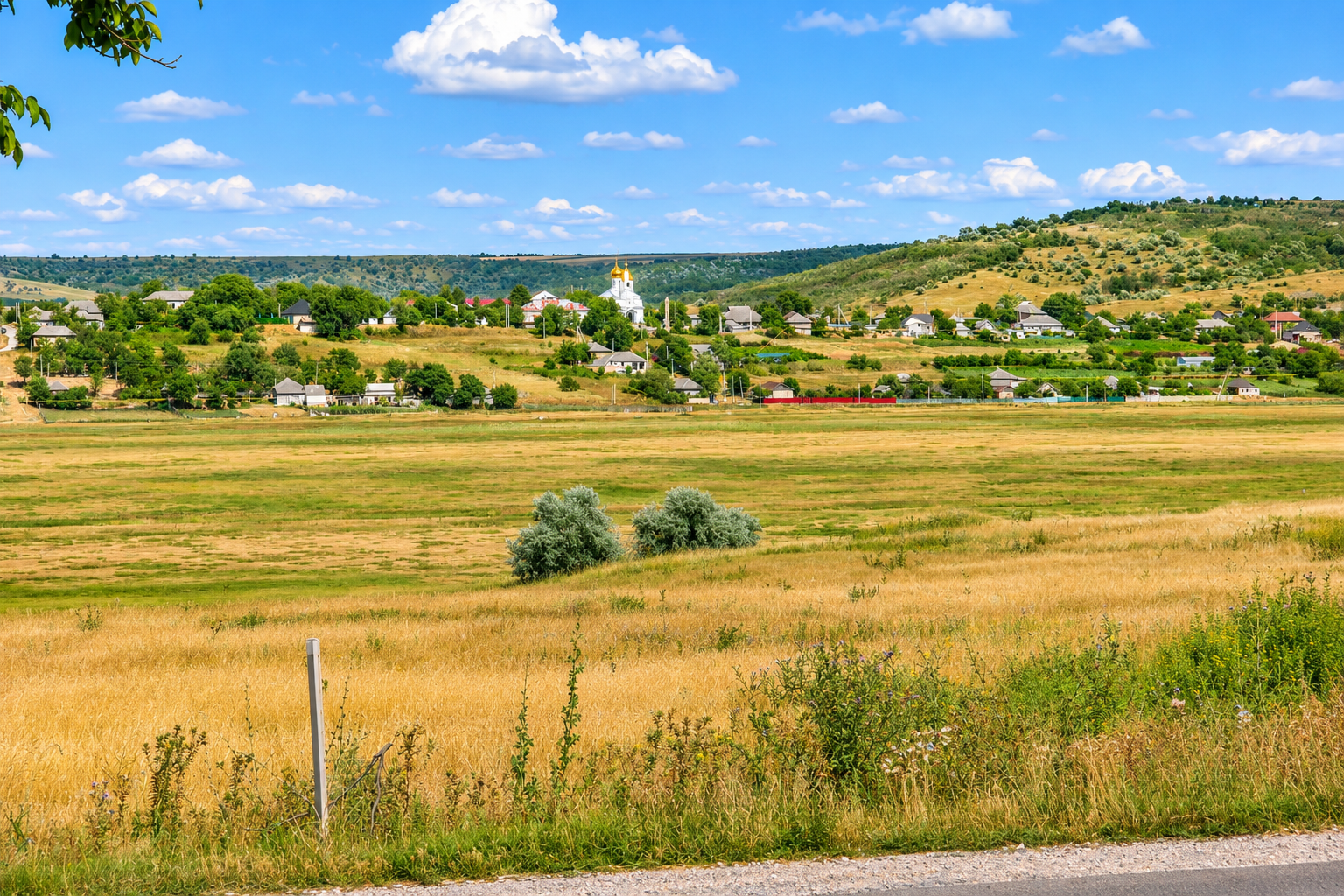
This is the steppe and forest-steppe landscape of southern Moldova.
Much of the original grassland has been turned into agricultural land, but the open countryside is still very different from the wooded hillsides around central Moldova and as you travel further south, you start to understand just how much the landscape can change within a single country.
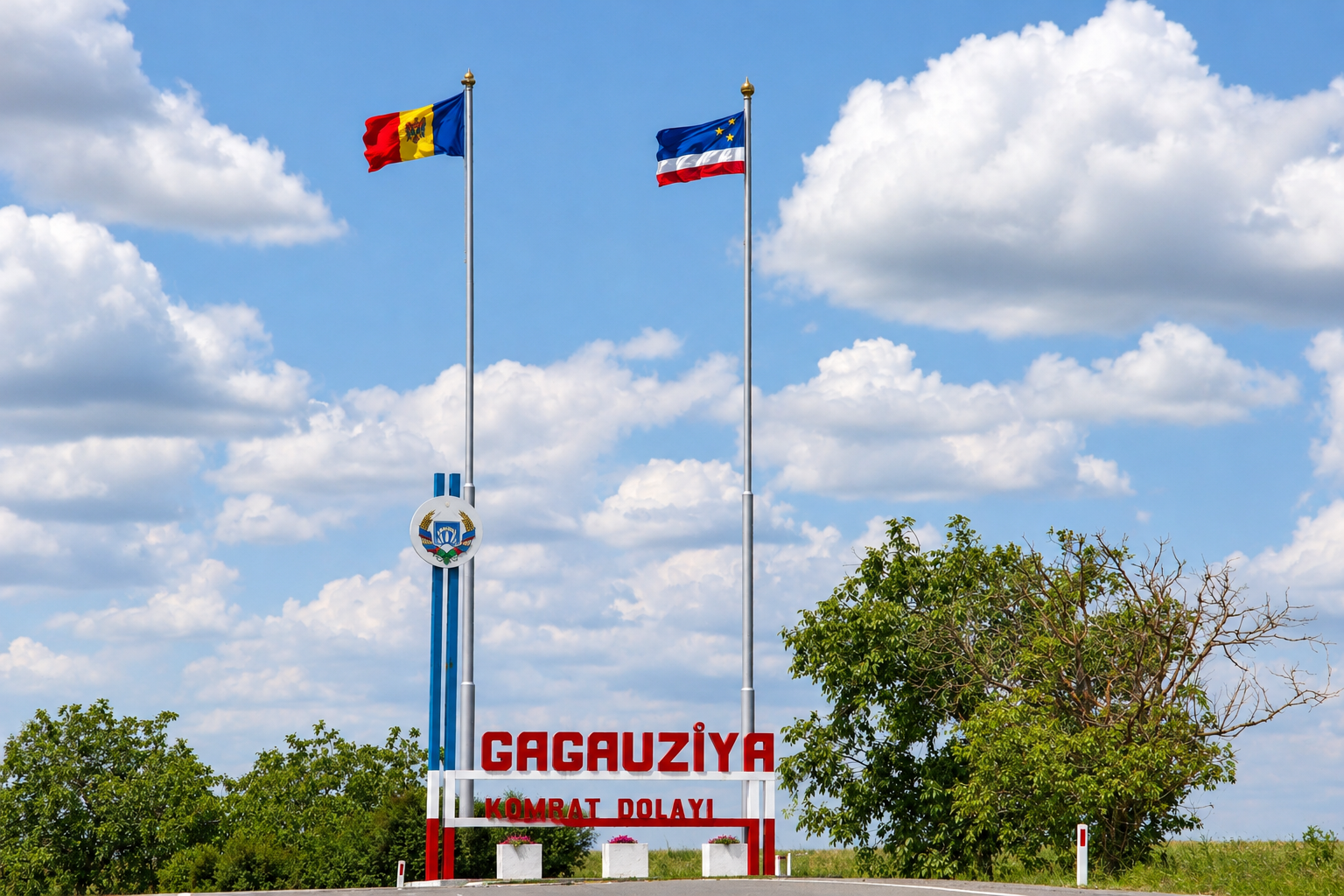
Between Comrat, Ceadîr-Lunga and Vulcănești, you will find villages such as
Congaz, Avdarma, Beșalma, Tomai and Baurci, where there are long village
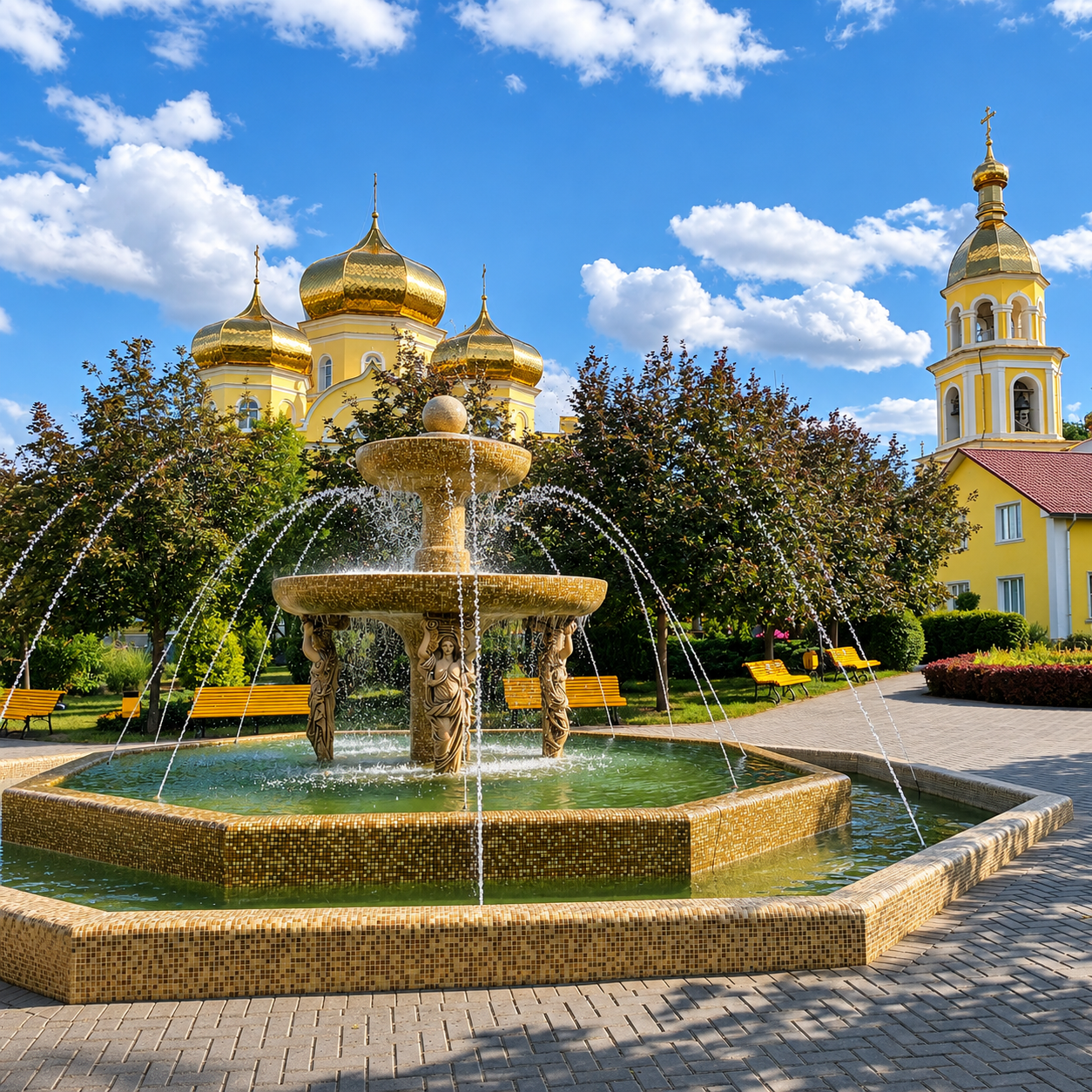
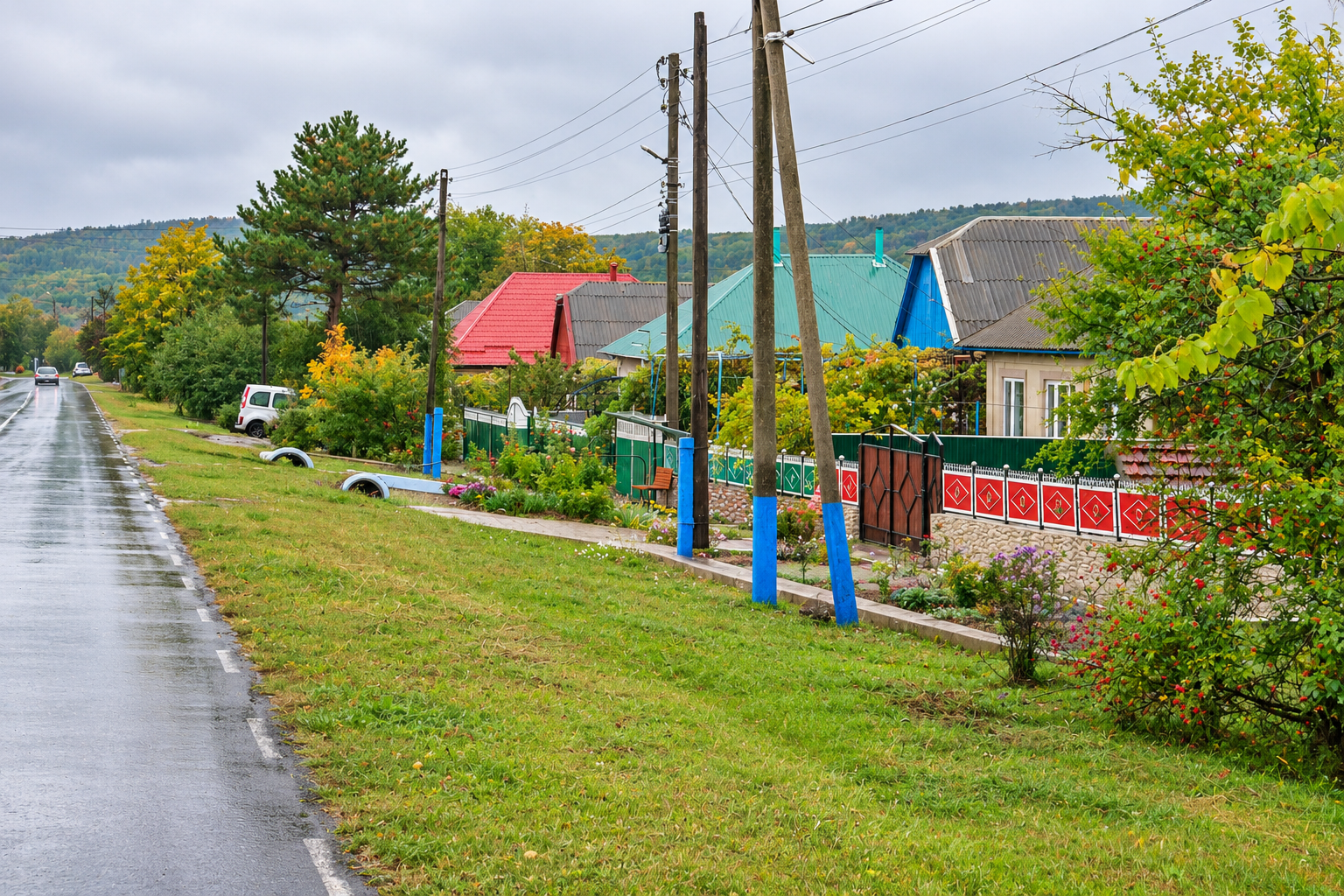
streets, houses with colourful metal gates, grapevines growing over fences and Orthodox churches standing among the trees.
In some places, the roads are covered with asphalt and in good condition, in others, you may find gravel roads, potholes and dust, particularly during the dry summer months.
Small shops, roadside markets and bus stops are part of the everyday village life.
You may see people working in their gardens, selling vegetables or sitting outside their homes and if you turn away from the main roads, you will often find a very different side of Gagauzia.
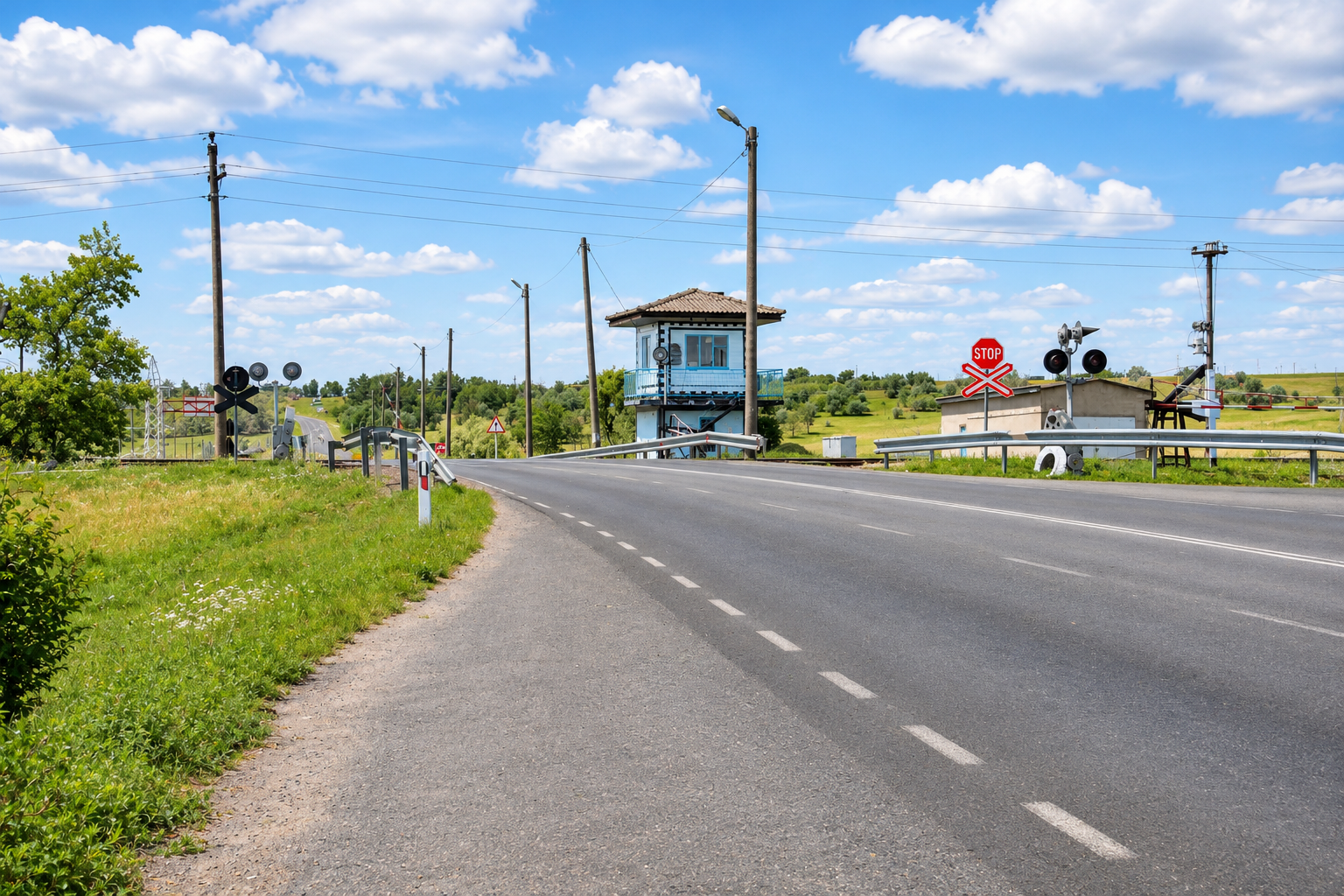
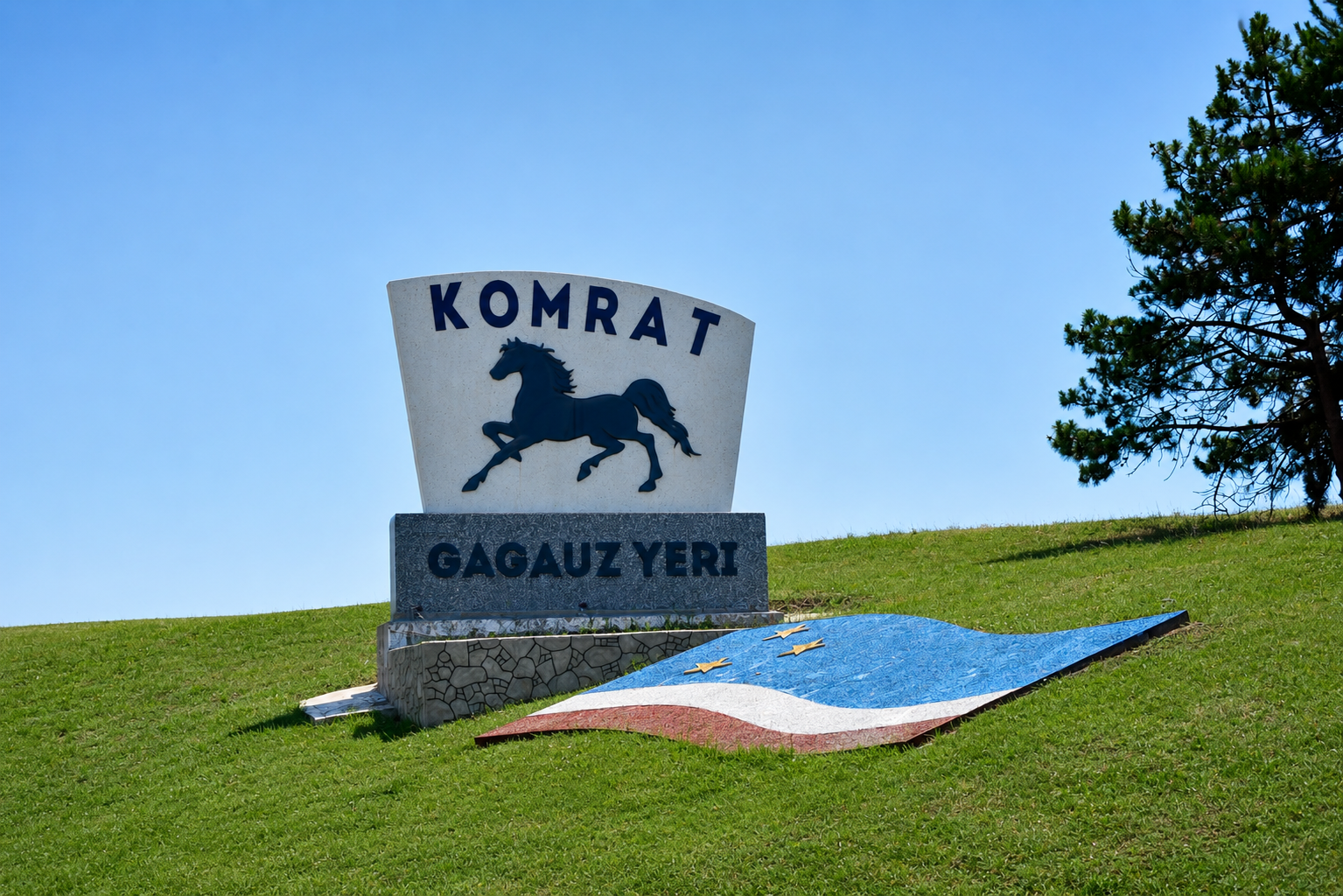
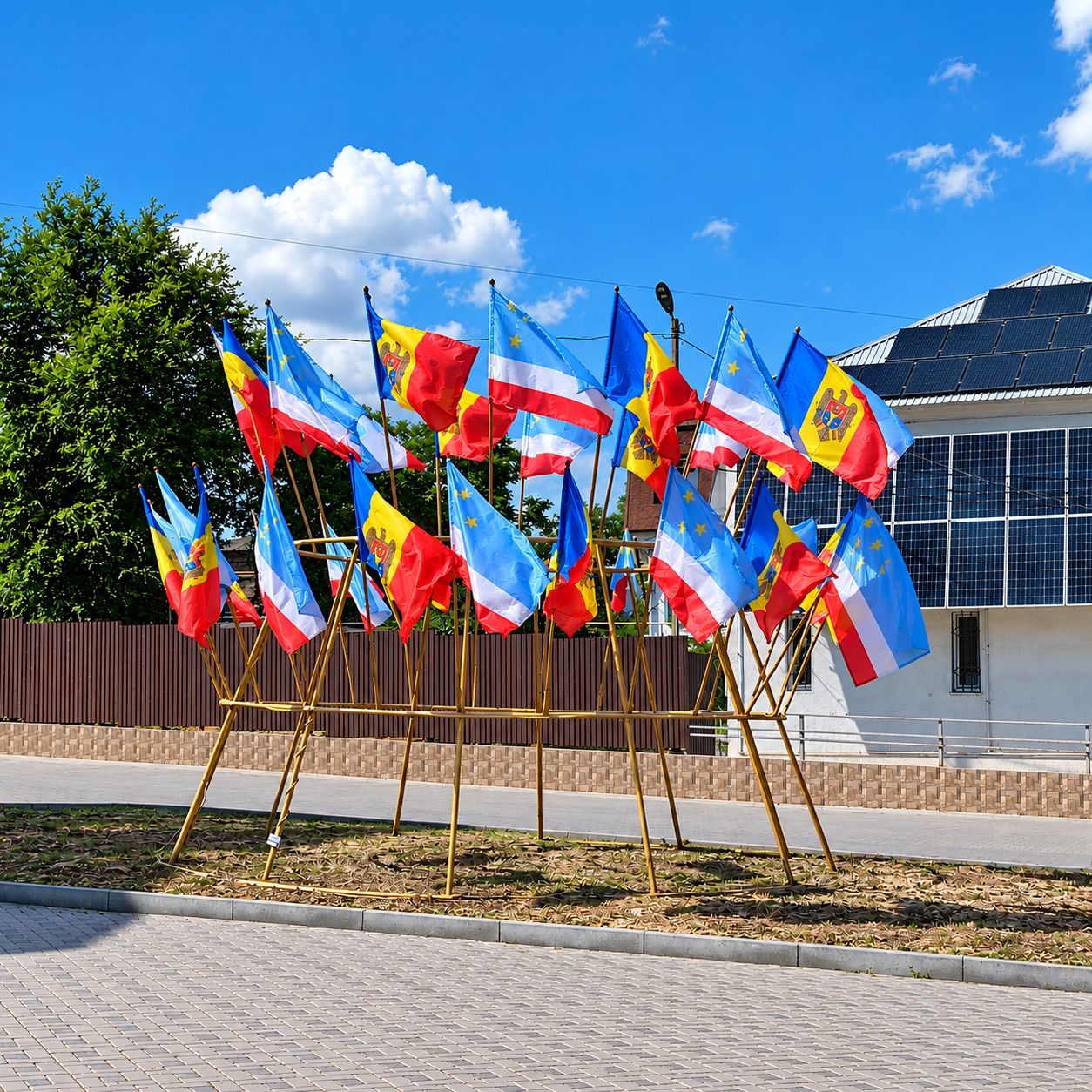
Găgăuzia is an autonomous territorial unit within the Republic of Moldova.
It has its own language, cultural traditions and local institutions, but it is also closely connected to the rest of the country.
Travelling through the region, you will recognise many things from other parts
of Moldova.
The houses, gardens, village shops, markets and churches are often familiar.
But there are also differences, especially in the languages you hear, the local traditions and the history of the Găgăuzi people.
It is Moldova, but with its own unique character.
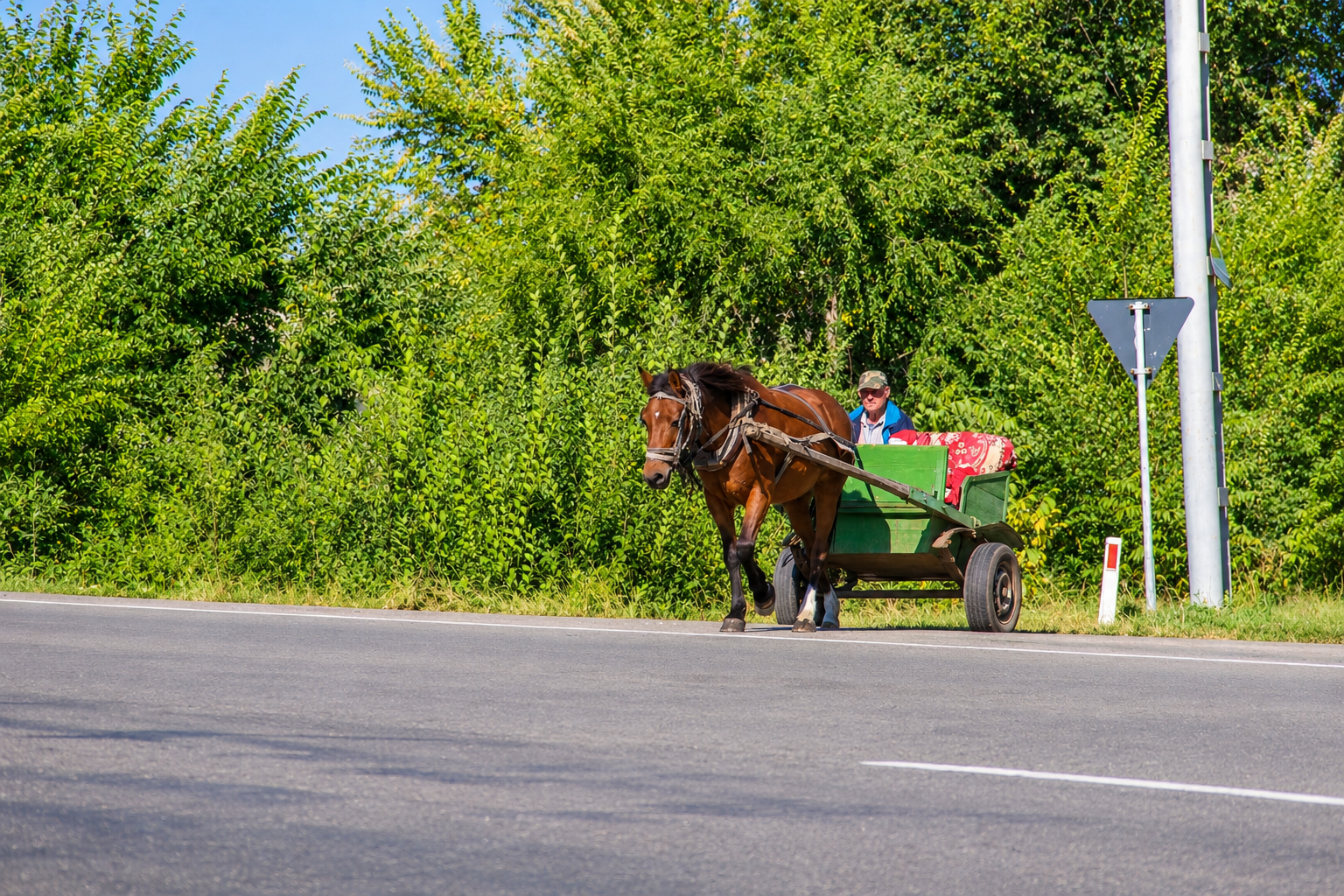
Even tractors, cars and other machinery have replaced much of the traditional work done by horses, you may still occasionally see them in rural Găgăuzia.
In some villages, horse-drawn carts and small stables remain part of everyday life and surroundings.
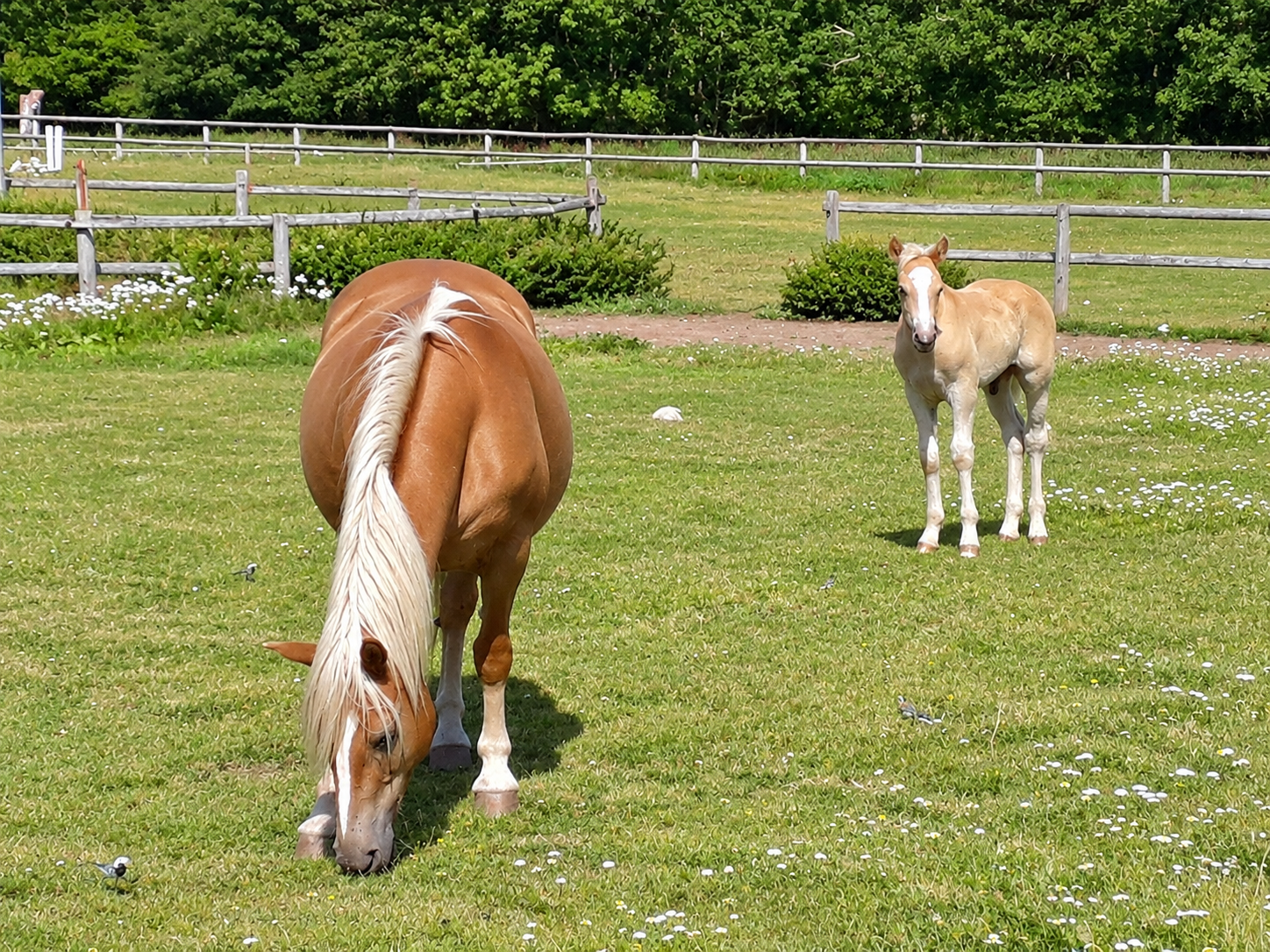
Horse breeding have also continued in the region, including at farms where breeding and equestrian activities are part of their work.
The relationship between horses and the countryside has changed over time, but it remains part of the agricultural history of southern Moldova.
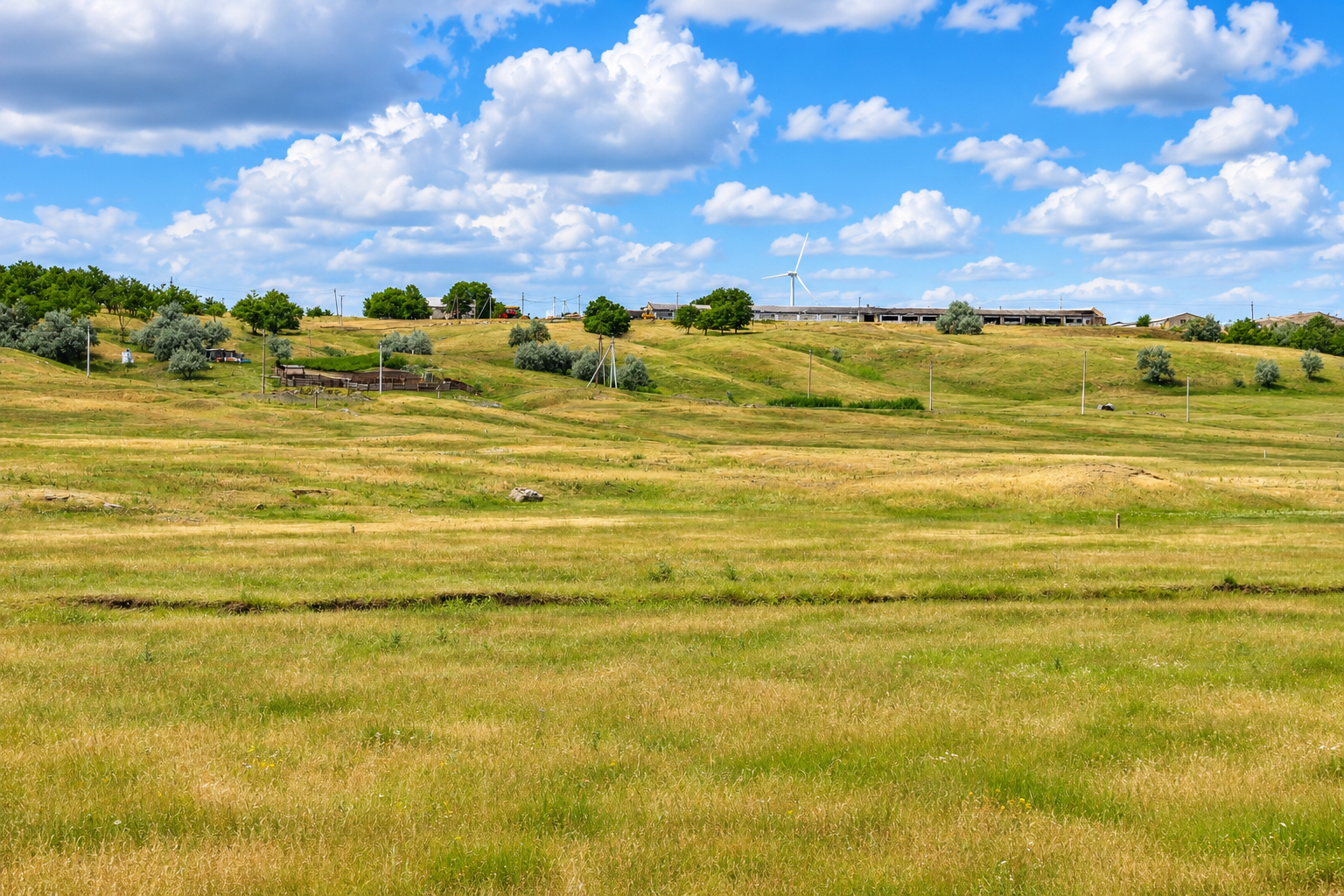
The steppe landscape is a very important part of Găgăuzia.
Unlike the more wooded parts of central Moldova, much of the south is open agricultural countryside, with the rolling hillsides, broad fields and fewer large forests.
During summer, the sun can be strong, and dry winds move across the fields.
After rain, some of the smaller dirt roads can become muddy and difficult to drive and the landscape also changes with the agricultural seasons.
Fields that are green in spring may be filled with sunflowers or grain during
summer, while after the harvest, large areas of farmland are left bare.
It is a landscape that may look very simple at first, but there is plenty to discover as you travel through it.
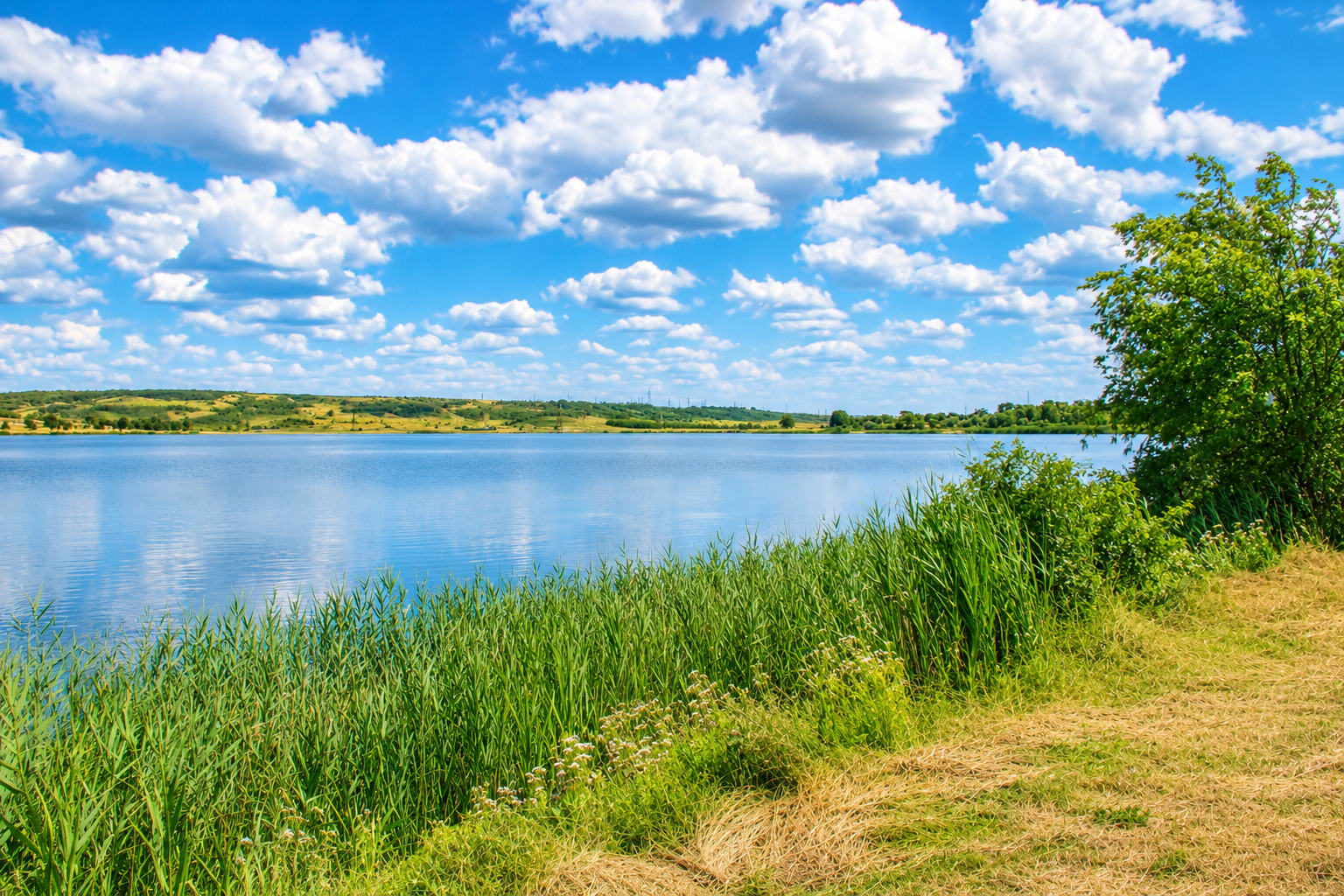
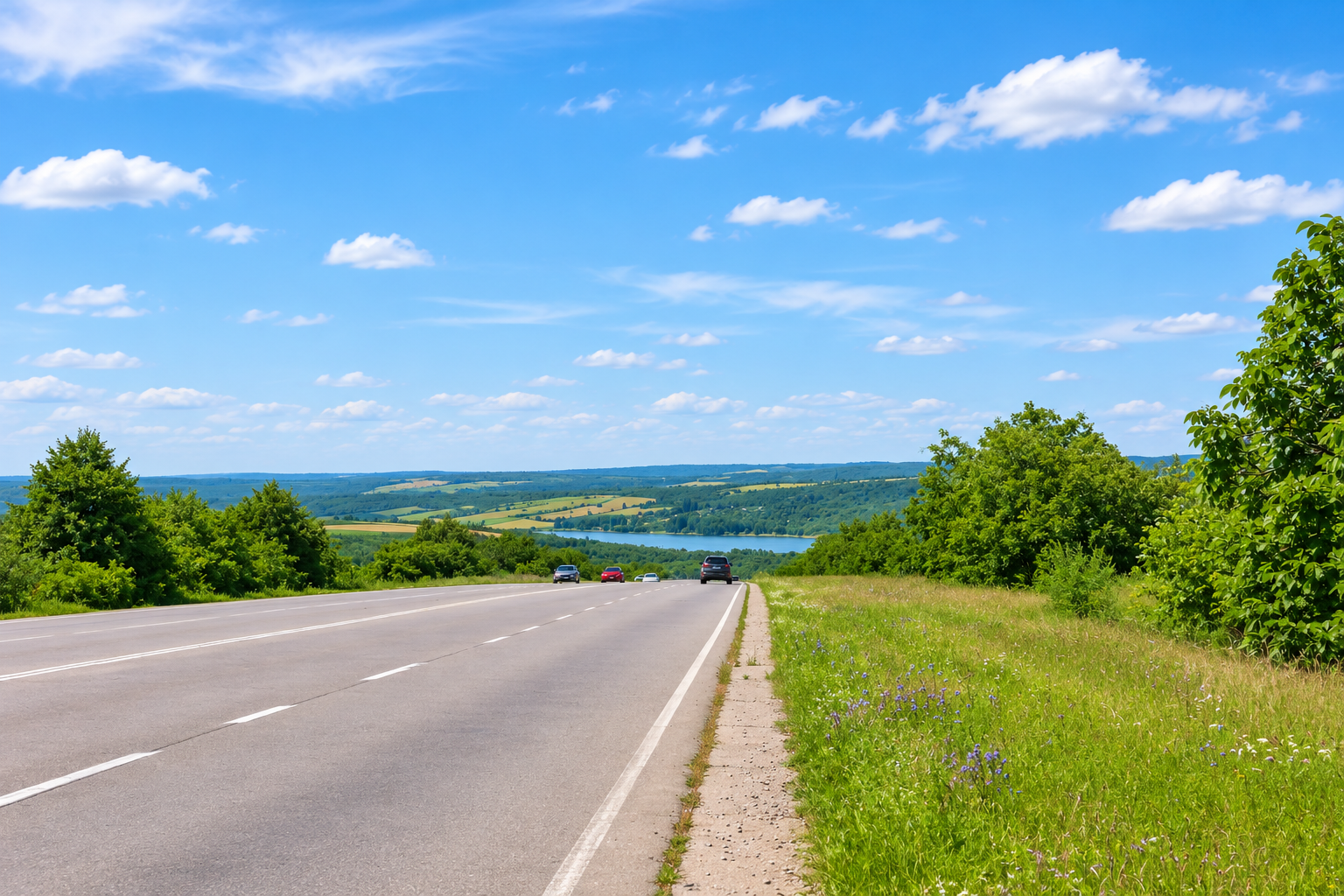
There is much more to Găgăuzia than its villages and wide steppe landscapes.
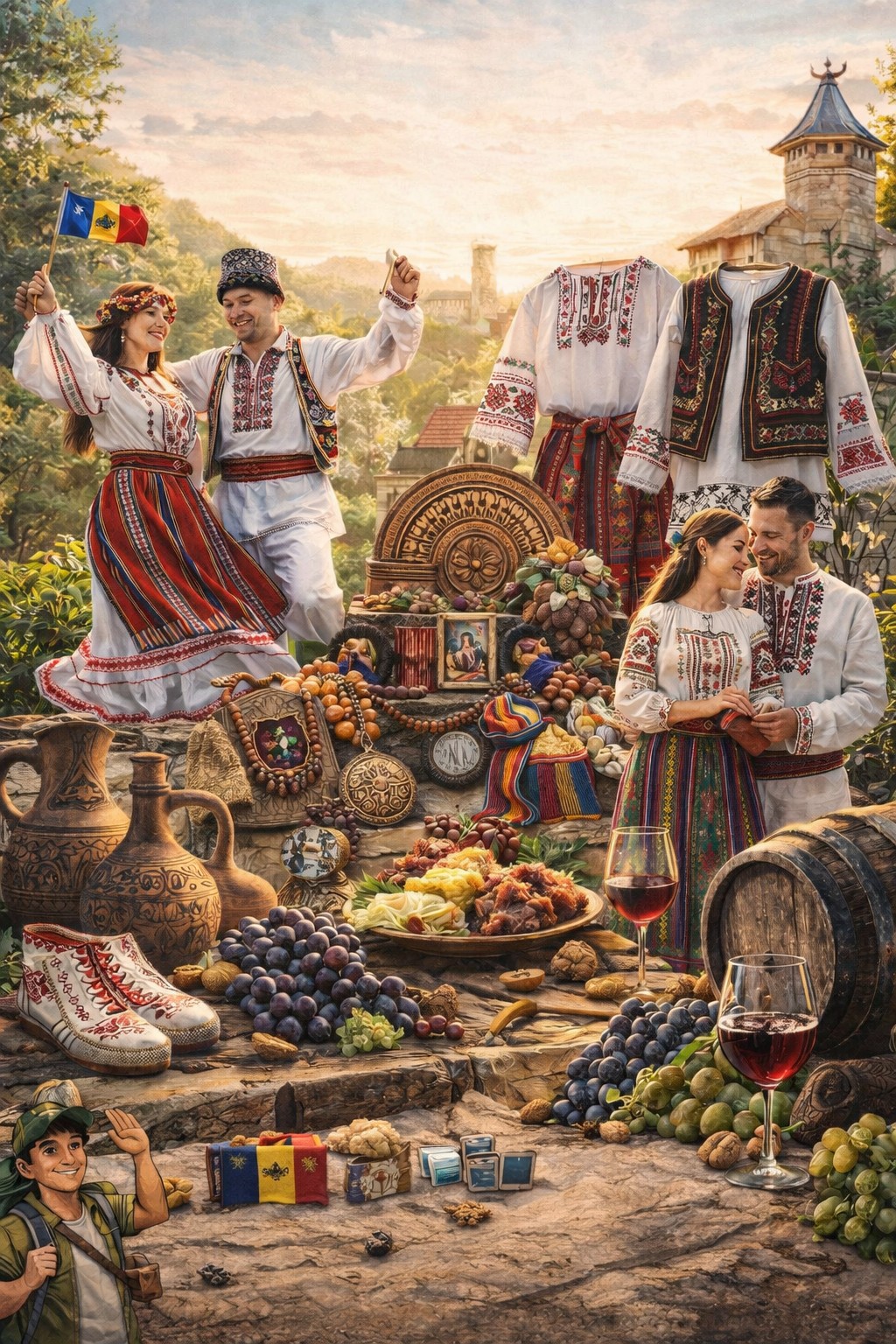
Food, music, traditional clothing and family celebrations are all part of the region's cultural life.
Some traditions are shared with neighbouring communities, while others have been preserved within Găgăuzi families for generations.
At local festivals, you will come across traditional dances, folk music, handmade crafts and dishes prepared from recipes passed down through families.
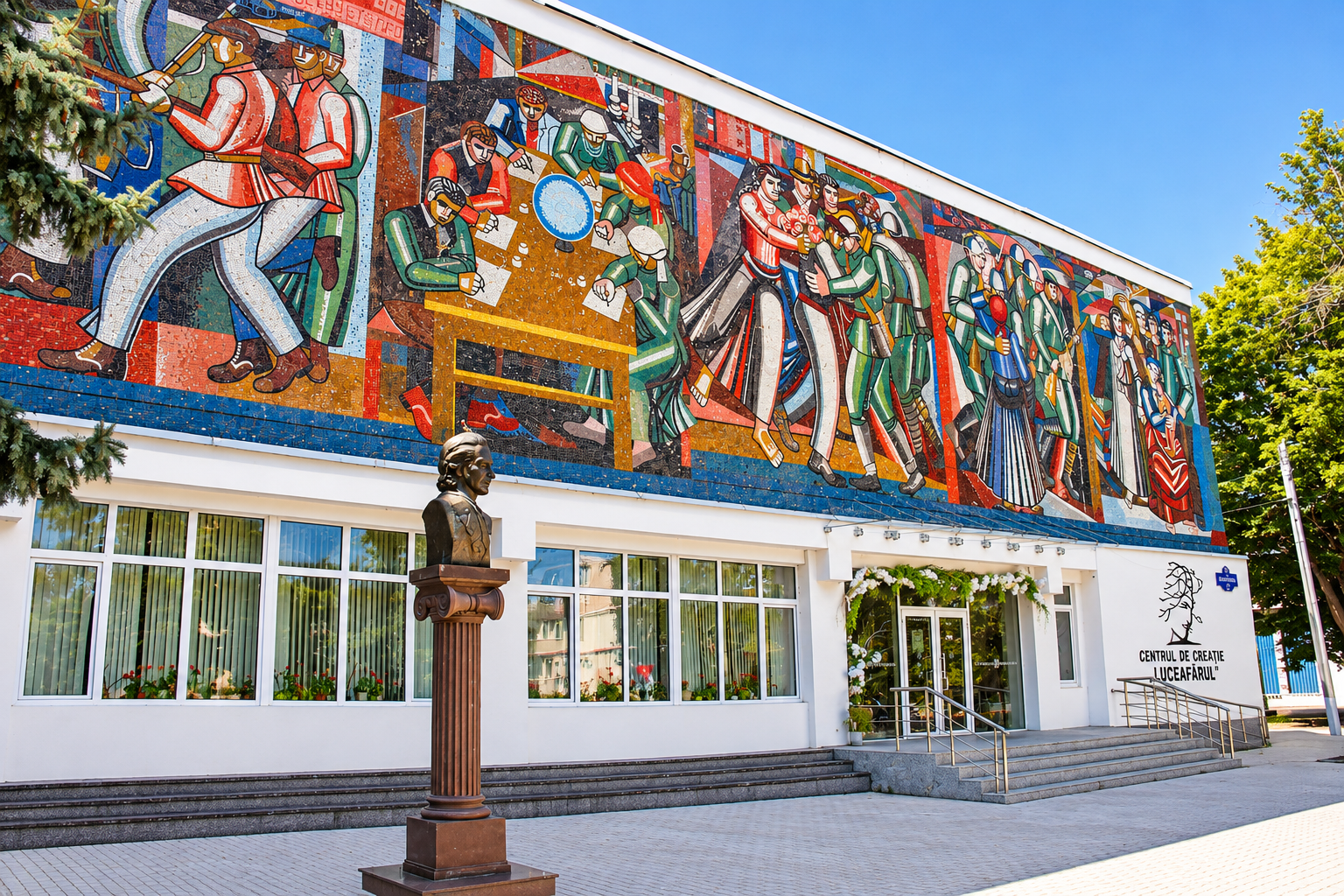
In villages such as Beșalma and Avdarma, museums and cultural centres help preserve this heritage, these are worth visiting if you want to understand more about the people who live here.
If you have the opportunity to attend a local celebration, take it, because you will learn much more about Găgăuzia by meeting its people than by simply driving through it.
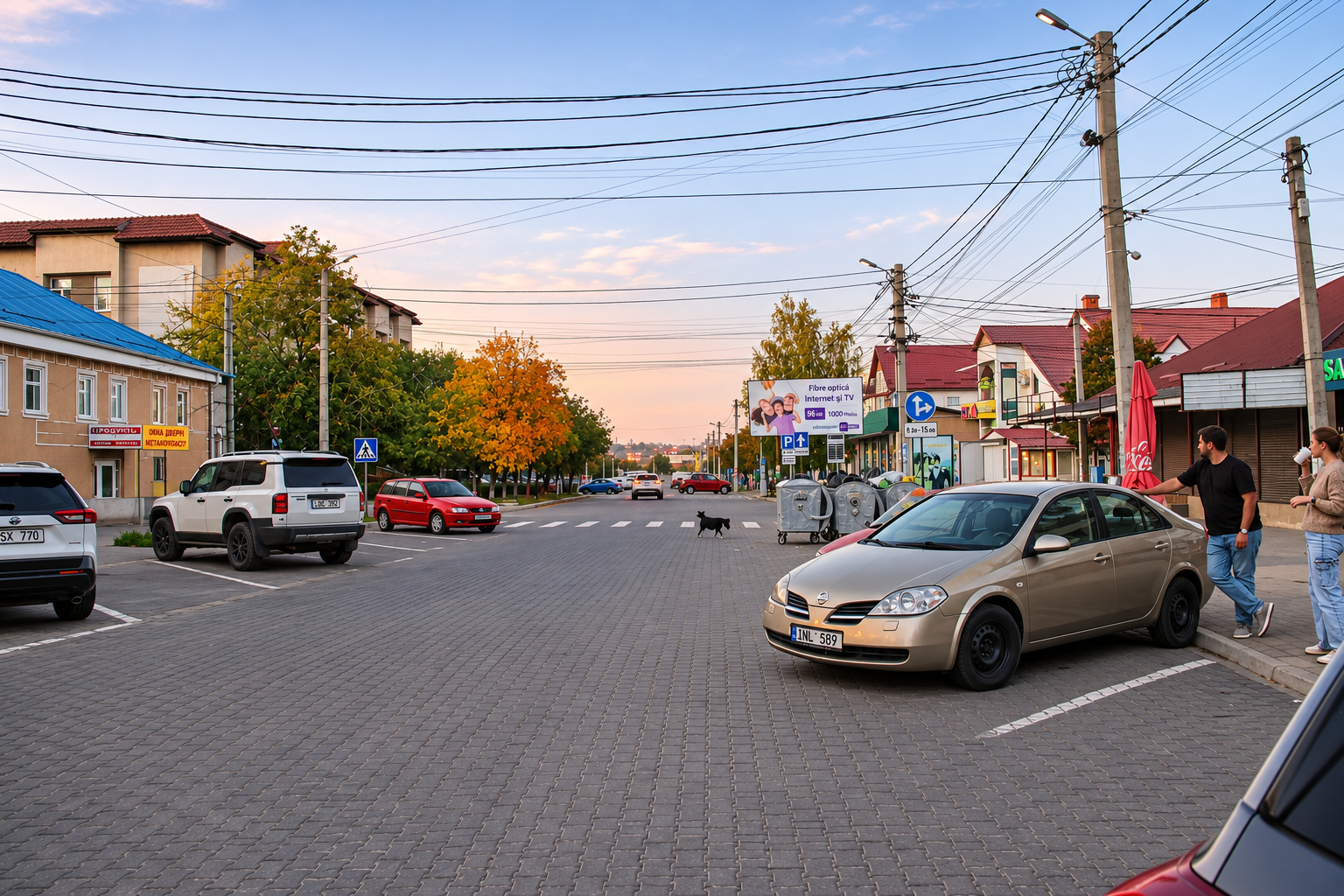
In Comrat, broad streets passes apartment buildings, shops, markets, bakeries and government offices and you will hear different languages in the streets, but it is quite normal for conversations to move between Găgăuz, Russian and Romanian.
During the warmer months, people gather in parks, sit outside cafés or stop to talk with someone they know.
But leave the main roads and get into the smaller villages, and you will see another side of Găgăuzia.
Houses with colourful gates, gardens filled with vegetables and grapevines growing
over courtyards.
Some roads are covered with asphalt, others are not, and you may come across a horse pulling a small cart and It is worth and veryy highly recommended, taking the smaller roads sometimes.
There is much more to see than what you find along the main highway.
Horses have been an important part of agricultural life in Găgăuzia for generations.
The open steppe and forest-steppe landscape made horses useful for travelling between villages, transporting goods, pulling carts and working on farms and long before tractors, cars and modern transport became common, horses were an important part of everyday life, especially for families living in rural areas.
The distances between settlements and agricultural fields could be considerable, and horses helped people travel and work across the countryside and when you look across the open fields today, it is not difficult to understand why horses were once so important.
There are several places where you can learn more about Gagauzia's history
and traditions.
The National Găgăuz History and Ethnographic Museum in Beșalma is one of them, with collections connected to Găgăuz culture, language, traditional clothing, household objects and everyday life.
Across the region, you will also find Orthodox churches, village houses, cultural
centres, monuments and older public buildings.
Some buildings are well maintained, while others show their age.
In places, Soviet-era architecture stands beside older village homes and more recent built buildings and sometimes a small village church or an old house tells you just as much about the area as a larger monument.
Găgăuzia is worth and highly recommanded visiting for more than Comrat and the other main towns.
Take the smaller roads when you have time.
Visit the villages, stop at a local market, look at the churches and spend some time in the countrysideand you will find a roadside stall selling fruit or homemade
products, a small café where people are sitting outside, or a village you had not
planned to visit.
The open steppe landscape, the language, the villages and the traditions all contribute to the character of this part of Moldova.
If you have the opportunity, talk to the people you meet.
You may learn something about the region that you would never discover from a road sign or a guidebook.
Because Găgăuzia is not only about the places you visit, but also about the people
who live there.
Travelling through the smaller villages gives you another view of Găgăuzia.
You may come across older houses standing beside newly built ones, small
shops, roadside wells, churches and gardens where families grow vegetables and grapes and where some roads are covered with asphalt, others are still gravel or dirt.
In places, you may see chickens near the roadside, tractors parked outside houses or agricultural equipment standing in a yard.
The villages are not all alike.
Some have newer houses and well-maintained streets, while others have buildings that have seen the years work on them.
It is worth remembering that these are places where people live and work, not attractions created for visitors.
The Găgăuzi are a Turkic-speaking people who are traditionally Orthodox Christian.
Their language is very close related to Turkish, and speakers of the two languages can understand parts of each other's speech, even they are not identical.
Many Găgăuzi families settled in southern Bessarabia during the late 18th and early 19th centuries, arriving from areas of the Balkans and over generations, they built
villages, cultivated the land and maintained their own language and traditions.
Horses were an important part of agricultural life, used for transport, working the fields and carrying goods between villages.
The open steppe landscape made them particularly useful and today, much has changed, but the connection to the land and village life remains an important part of Gagauz identity.
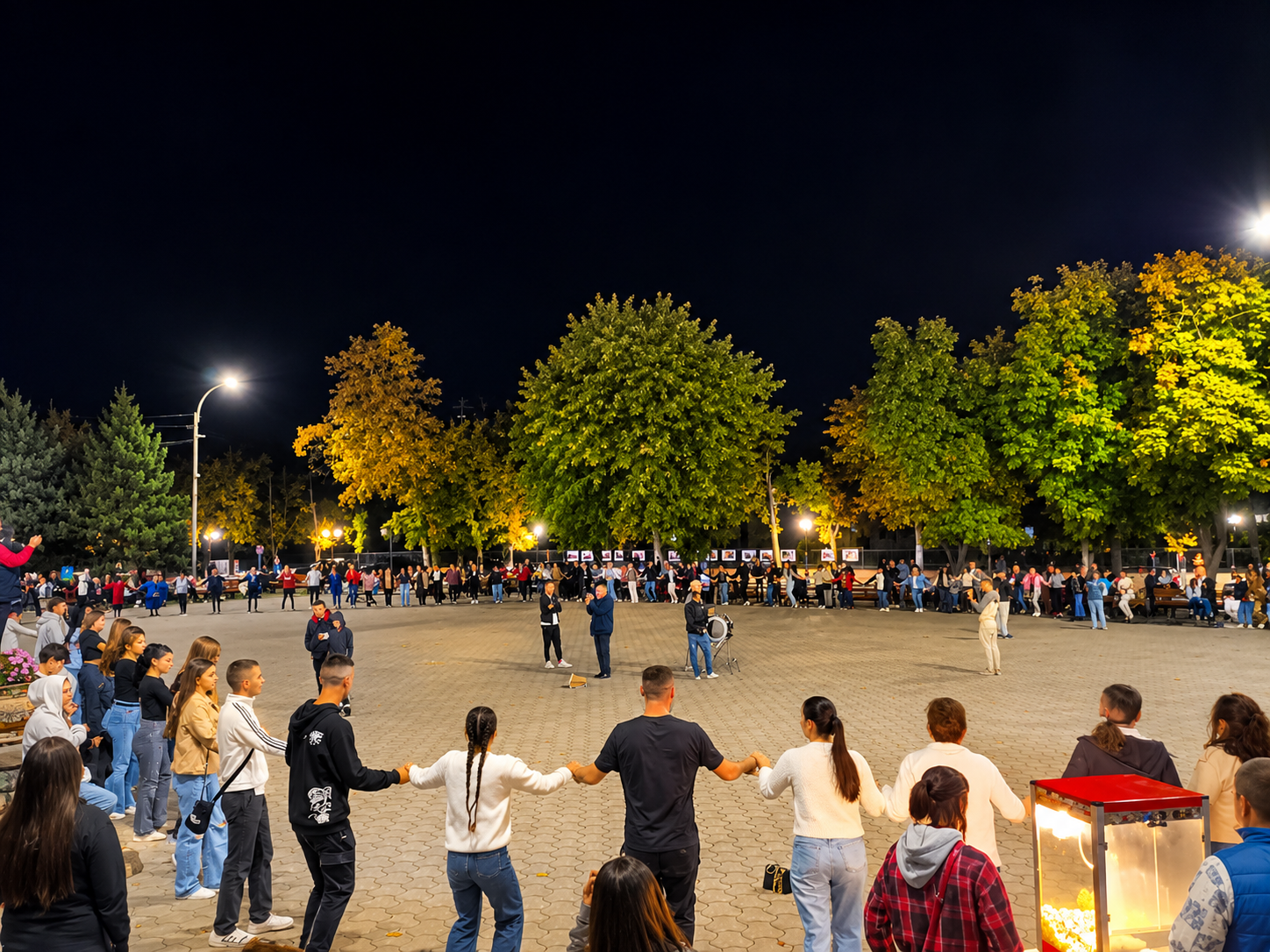
An ordinary Sunday evening in Cahul, where both elderly, middle aged- teenagers and children gathers to dance on a local square and there
are no speciel reason.
Just to come together and celebrate and spend a short moment together in the ordinary busy everyday
În Găgăuzia se află ferma At-Prolin, cunoscută pentru creșterea cailor.
-
Găgăuzia is home to At-Prolin Horse Farm, known for horse breeding.
-
Satul Beșalma găzduiește Muzeul Național de Istorie și Etnografie Găgăuză.
-
The village of Beșalma is home to the National Găgăuz History and Ethnographic Museum.
-
Găgăuzia este formată din mai multe teritorii separate, nu dintr-o singură regiune continuă.
-
Găgăuzia consists of several separate territories rather than one continuous region.