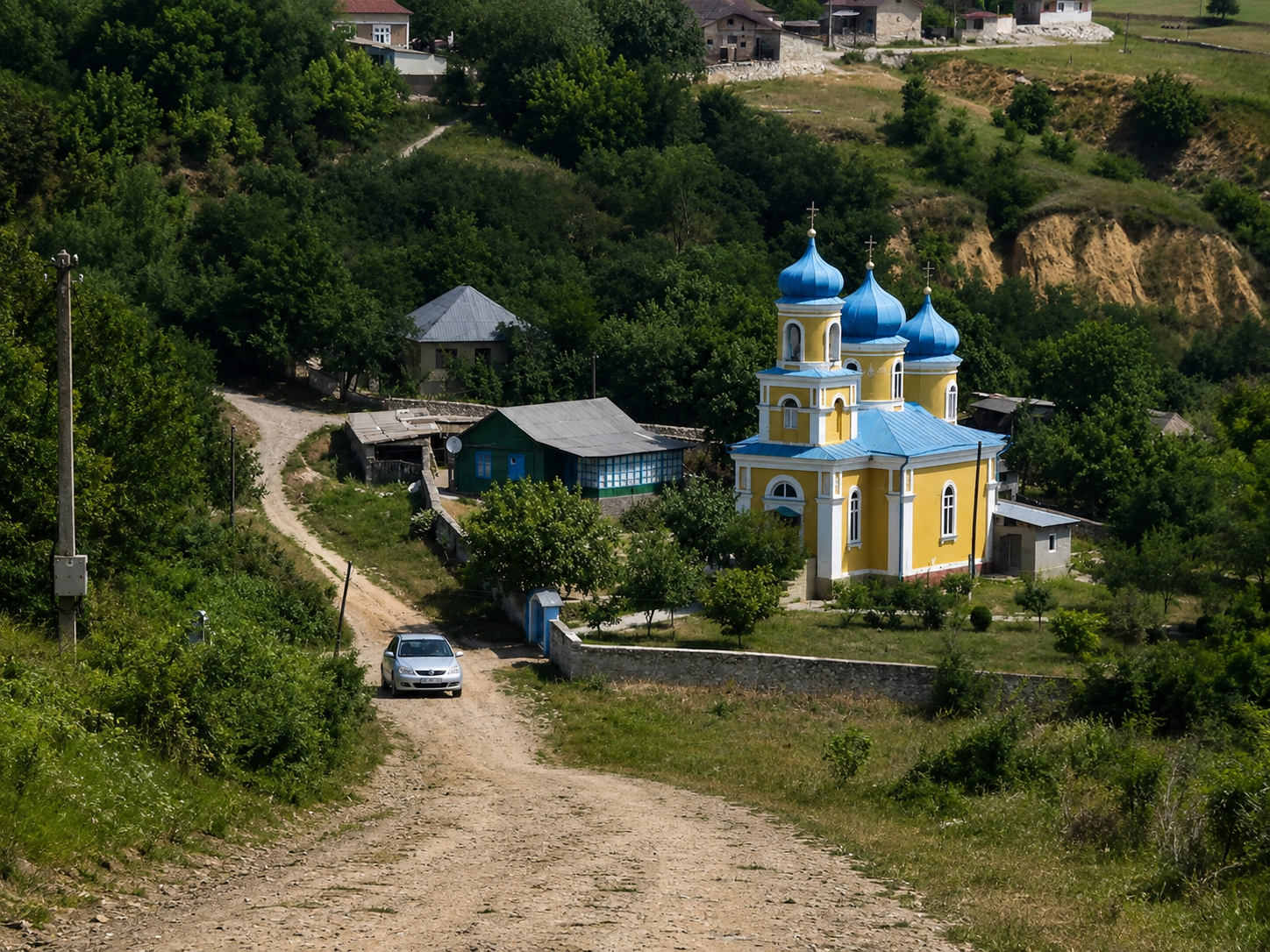
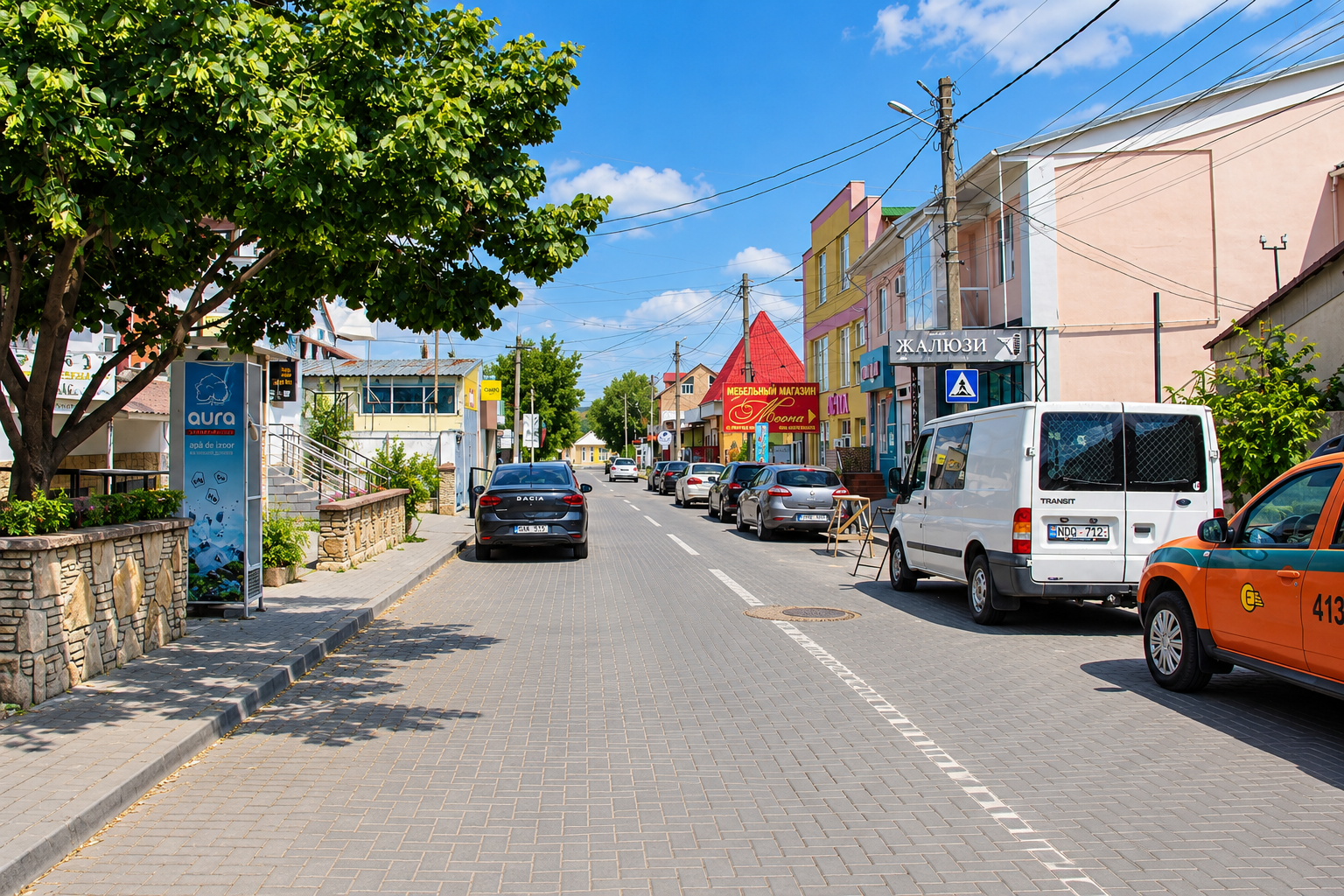
Arriving to Comrat, you may be very surprised by how much space there is.
Some of the streets are remarkably wide, while most buildings remain relatively low, even though Comrat is the administrative capital of Găgăuzia, it still has the appearance of a smaller Moldovan town in many places.
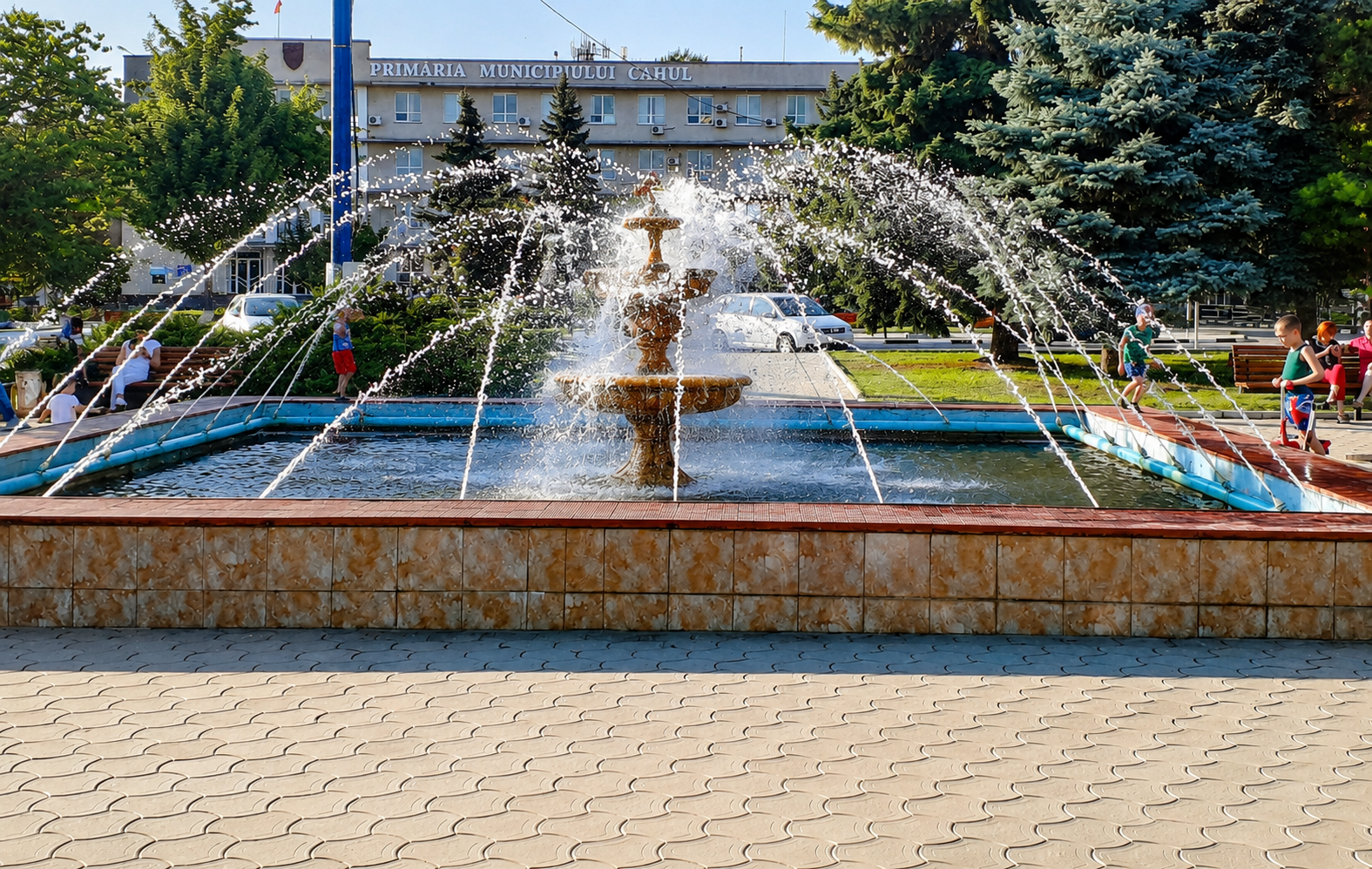
Along the roads are trees, shops, cafés and houses with gardens behind their fences.
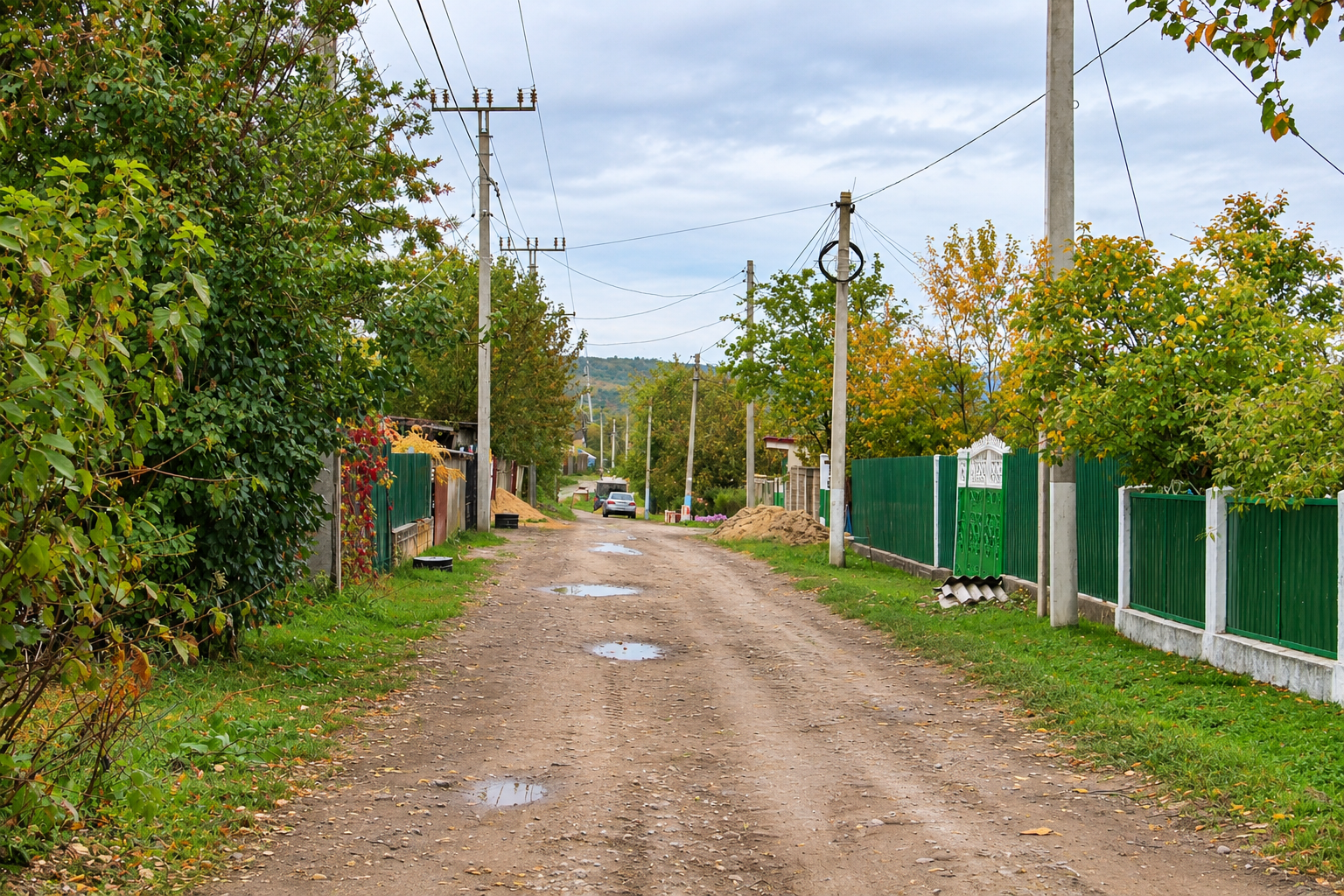
Some streets have been modernised, while others still have uneven surfaces, older houses and the occasional stretch where the sidewalk simply disappears.
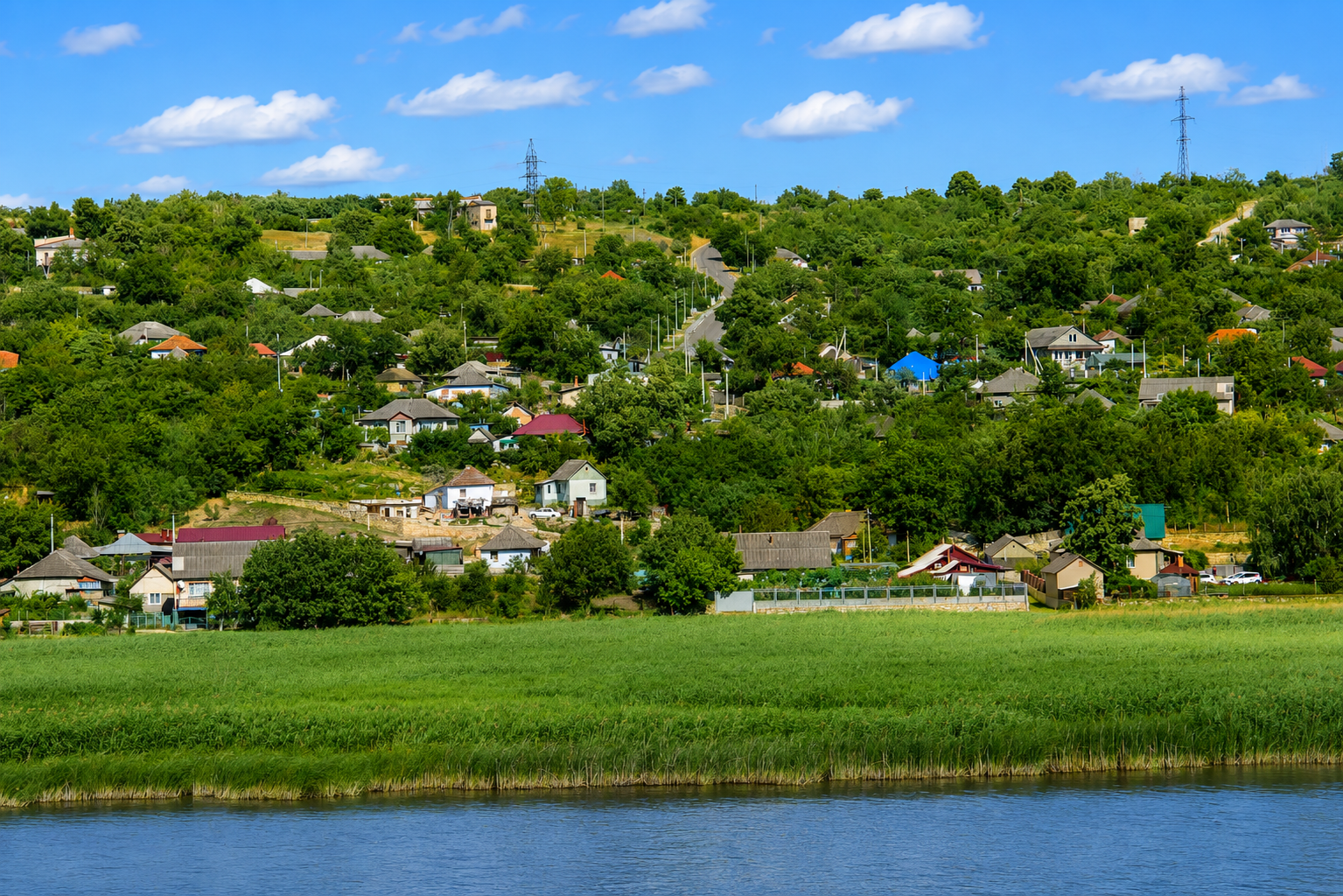
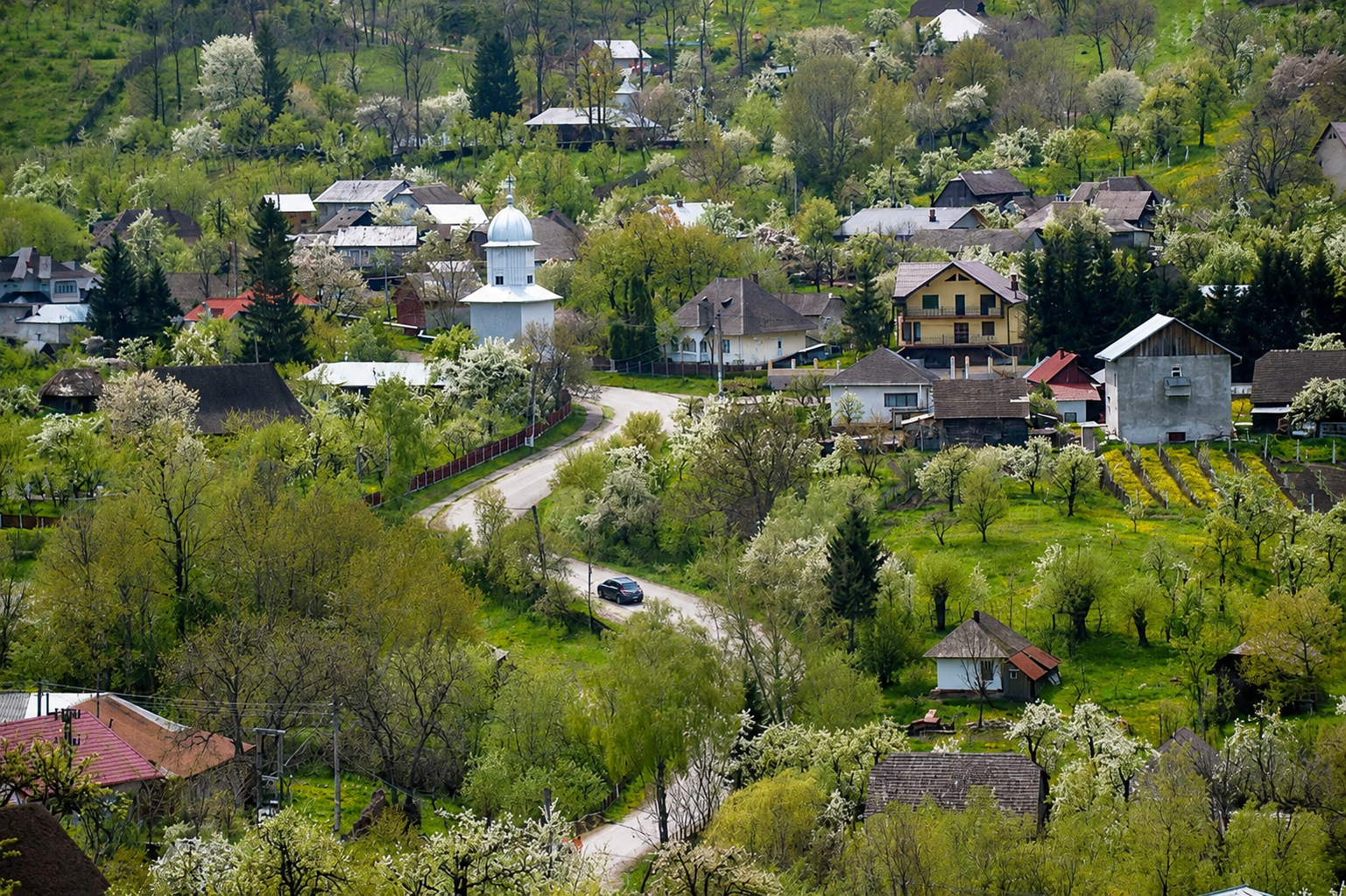
There are places where you can stand among the houses and see the the amazing countryside beyond them.
Comrat has its own way of welcoming visitors, and it is worth taking a little time to look around before continue forward.

Comrat is home to approximately 20,000 people and serves as the administrative centre of Găgăuzia, in southern Moldova.
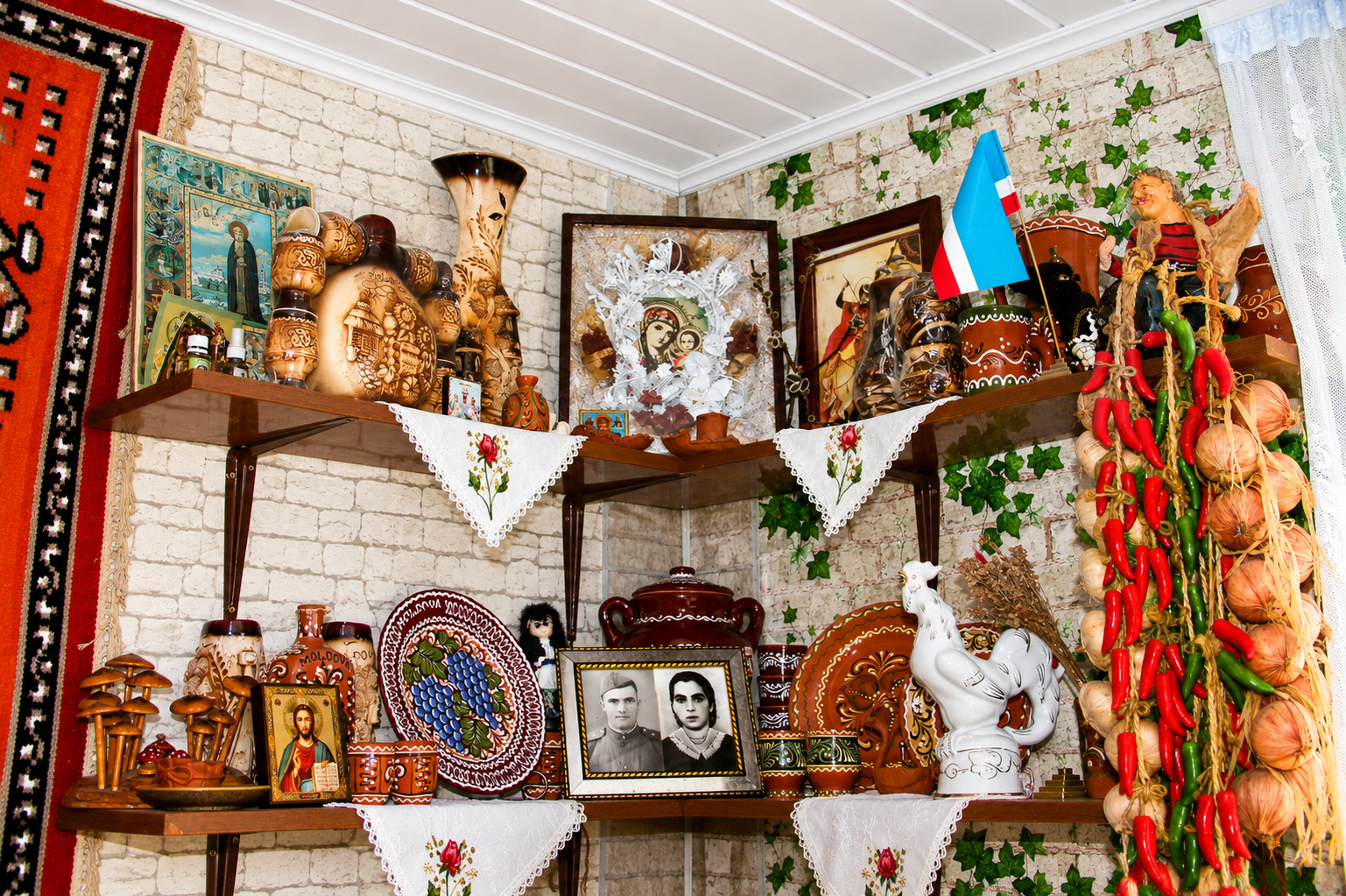
The Găgăuz people have their own language, traditions and cultural heritage, which have survived through generations of changes in the region.
You will hear different languages while walking through Comrat.
Găgăuz, Romanian and Russian are part of daily life, sometimes spoken within a short distance of each other.
The Găgăuz language itself has many fascinating nuances, with different
accents, pronunciations and expressions.
Even within Găgăuzia, you may notice differences in the way people speak, adding another dimension to the region's cultural identity.
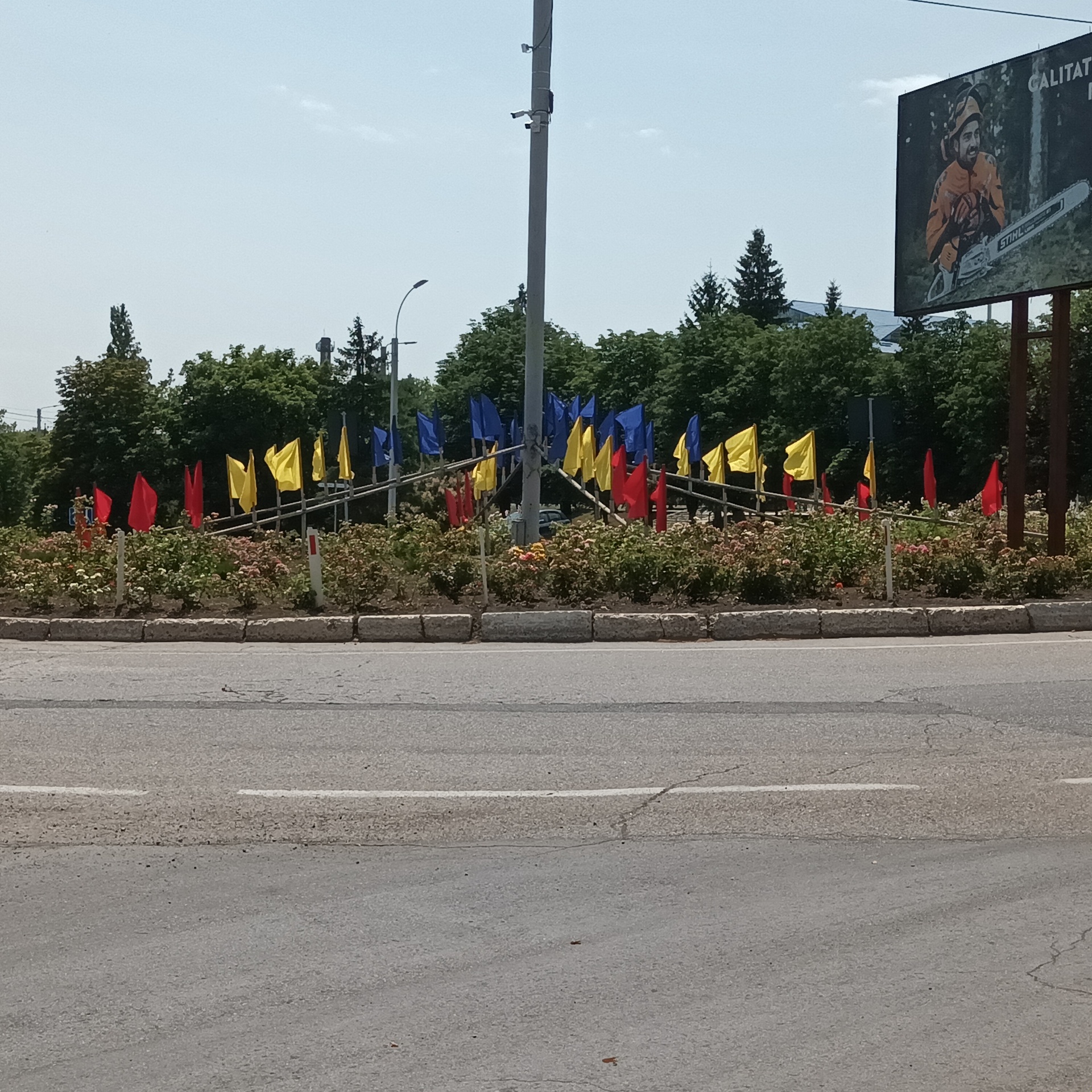
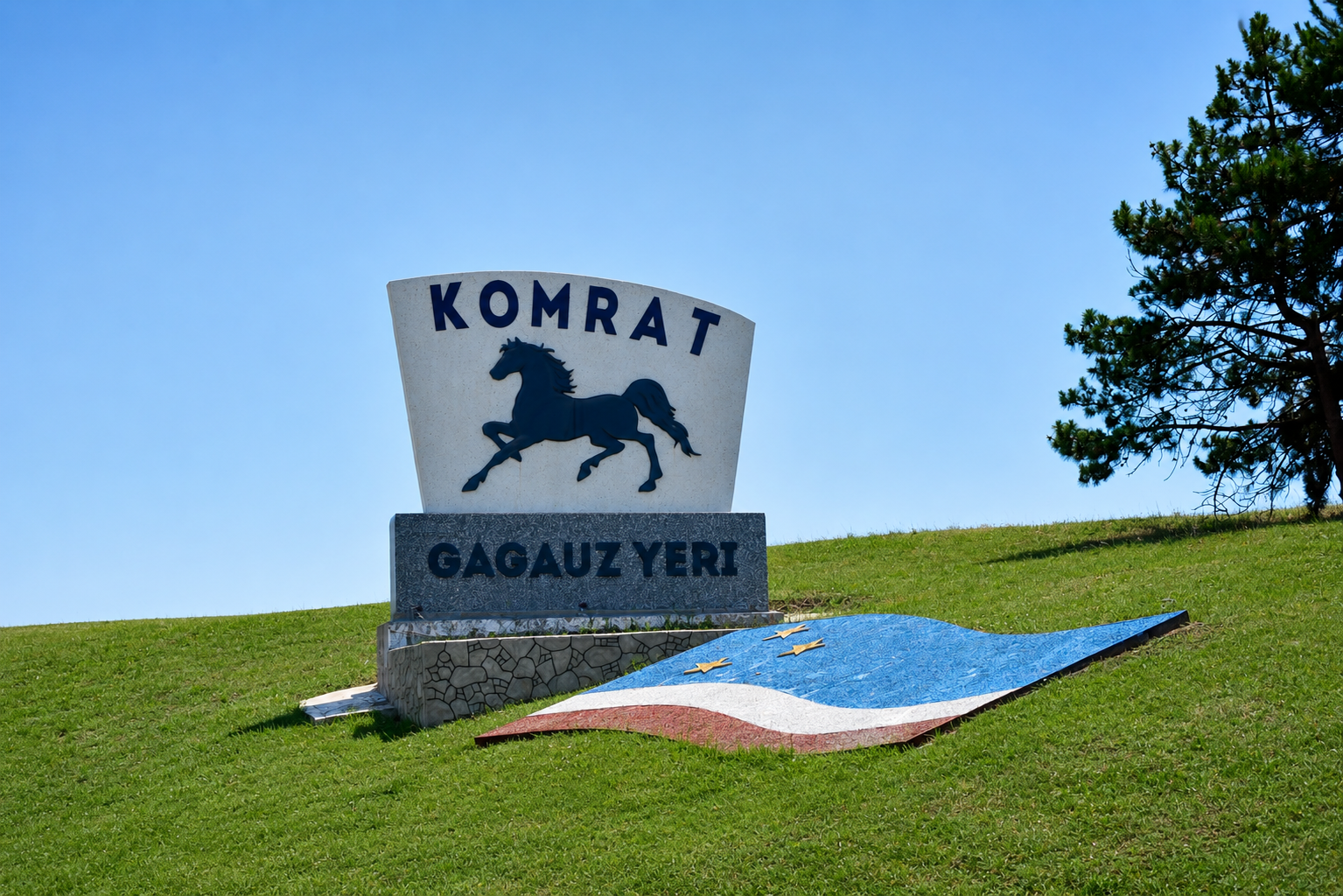
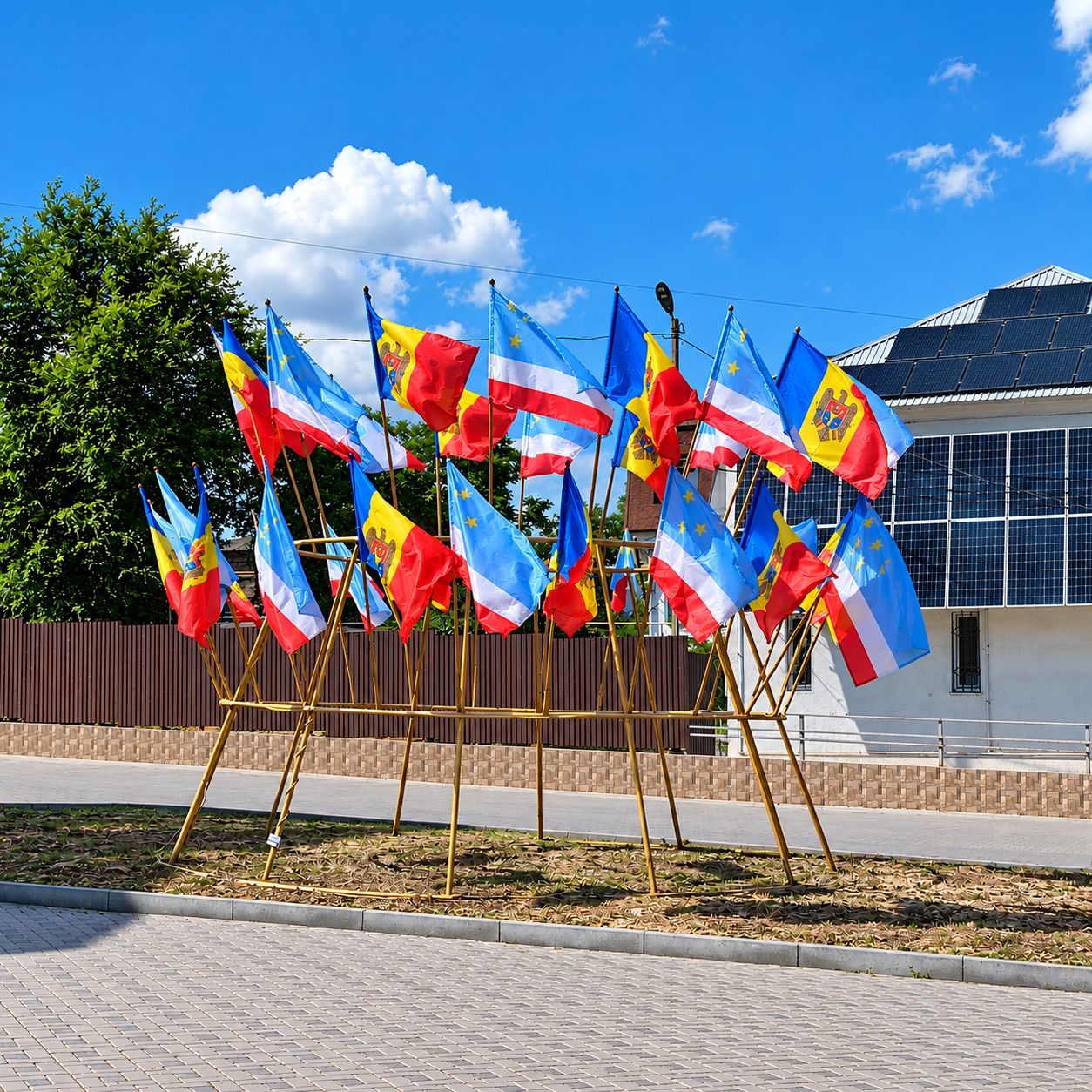
The Găgăuzian flags are also easy to recognise, appearing alongside Moldovan flags in different parts of the city.
For visitors who have spent most of their time in Chișinău or northern Moldova, Comrat offers an opportunity to become acquainted with another part of the country's
cultural life.
Comrat has changed over the years, and you can see it in the buildings.
Older houses stand along streets where much newer homes and commercial buildings have appeared.
Some have small gardens behind their fences, while others stand directly beside the sidewalks.
There are apartment buildings, public institutions, shops and cafés, but much of the city still consists of relatively low buildings.
In some places, the difference between old and new is quite striking.
A modern building may stand beside a house that has been there for generations, with no attempt to make the two look alike or similar.
Perhaps that is part of Comrat as well.
A city that has developed over time, with different periods still visible along its streets.
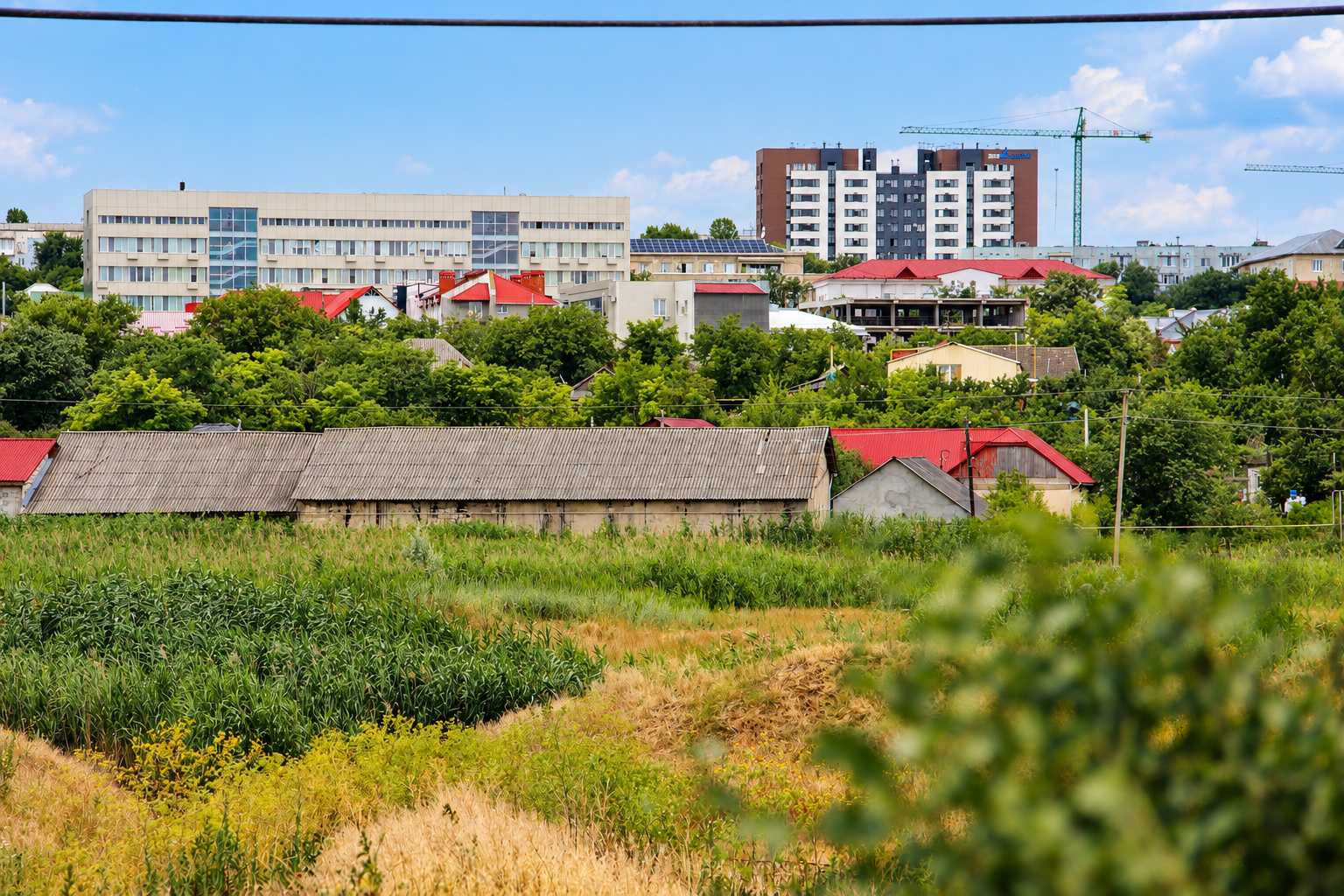
You do not have to walk or travel very far from the centre of Comrat before the buildings begin to disappear, somehow in a naturally way.
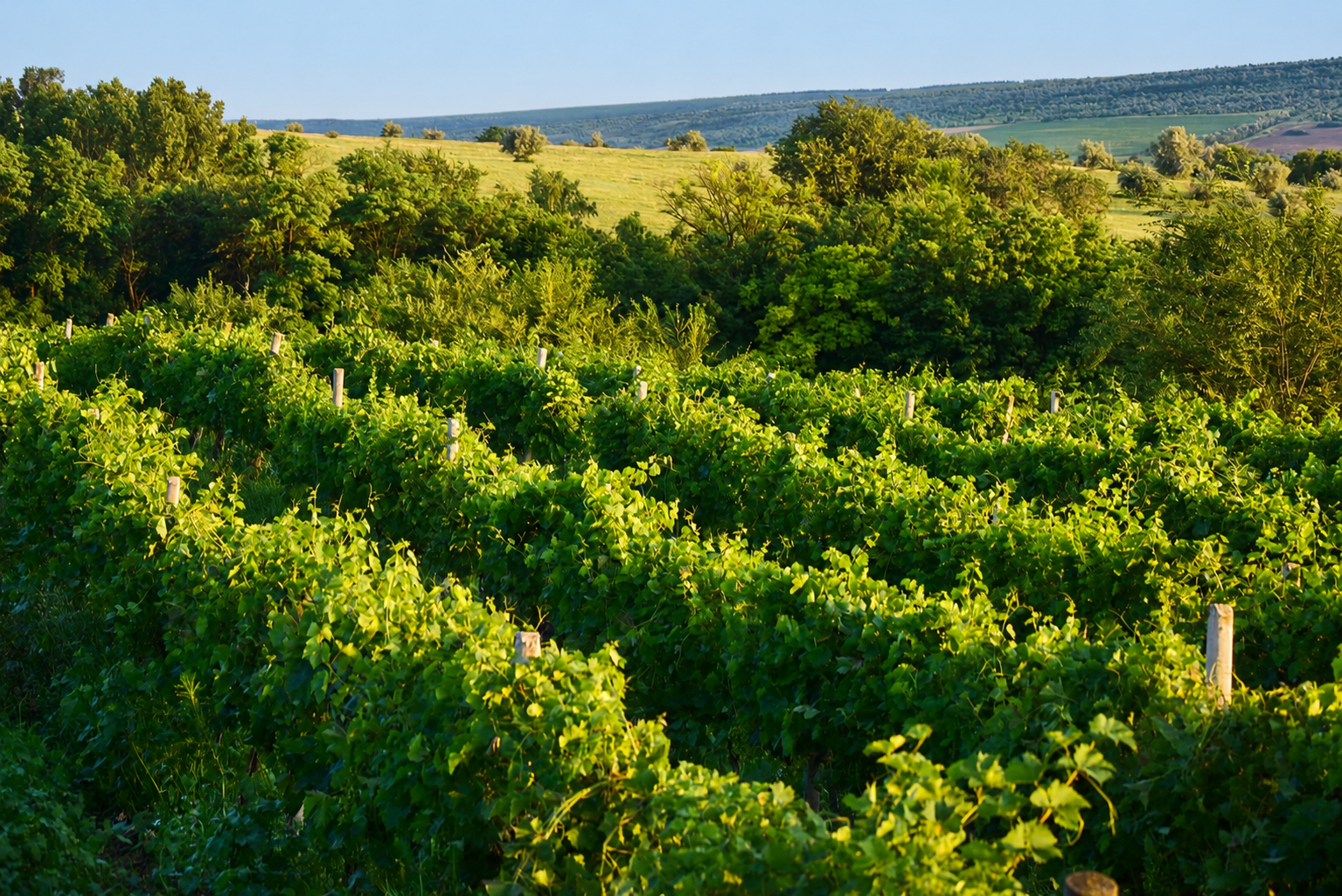
Fields stretch across the surrounding landscape, with vineyards, agricultural land and low hills reaching towards the horizon.
Agriculture has been an important part of life in this region for generations, and the connection between the city and the countryside is still very visible.
Even from some of the streets on the outskirts and on the edge of the city, you can look beyond the houses and see the open land surrounding Comrat.
It is a reminder of how close the city remains connected to the villages and agricultural communities of southern Moldova.
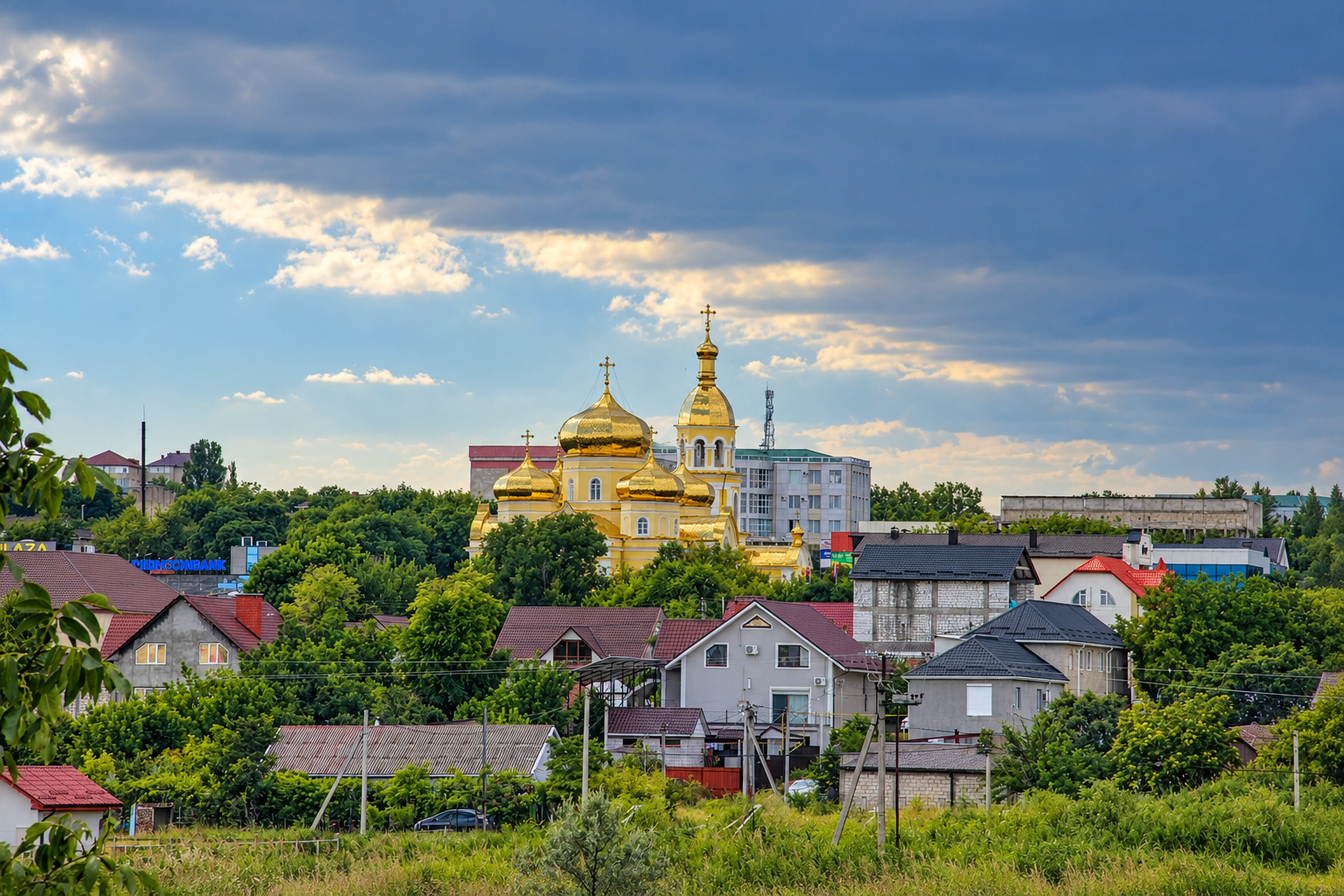
From several places around Comrat, the golden domes of the Cathedral of St. John rise above the rooftops and trees.
They are particularly noticeable when approaching the city from a distance, where the houses and buildings appear almost gathered around them.
Closer to the centre, the cathedral becomes part of the surrounding streets.
People walk past on their way to shops, cars move through the nearby roads, and conversations continue outside cafés.
The cathedral is one of Comrat's most recognisable buildings, and its golden domes have become a familiar part of the city's appearance.
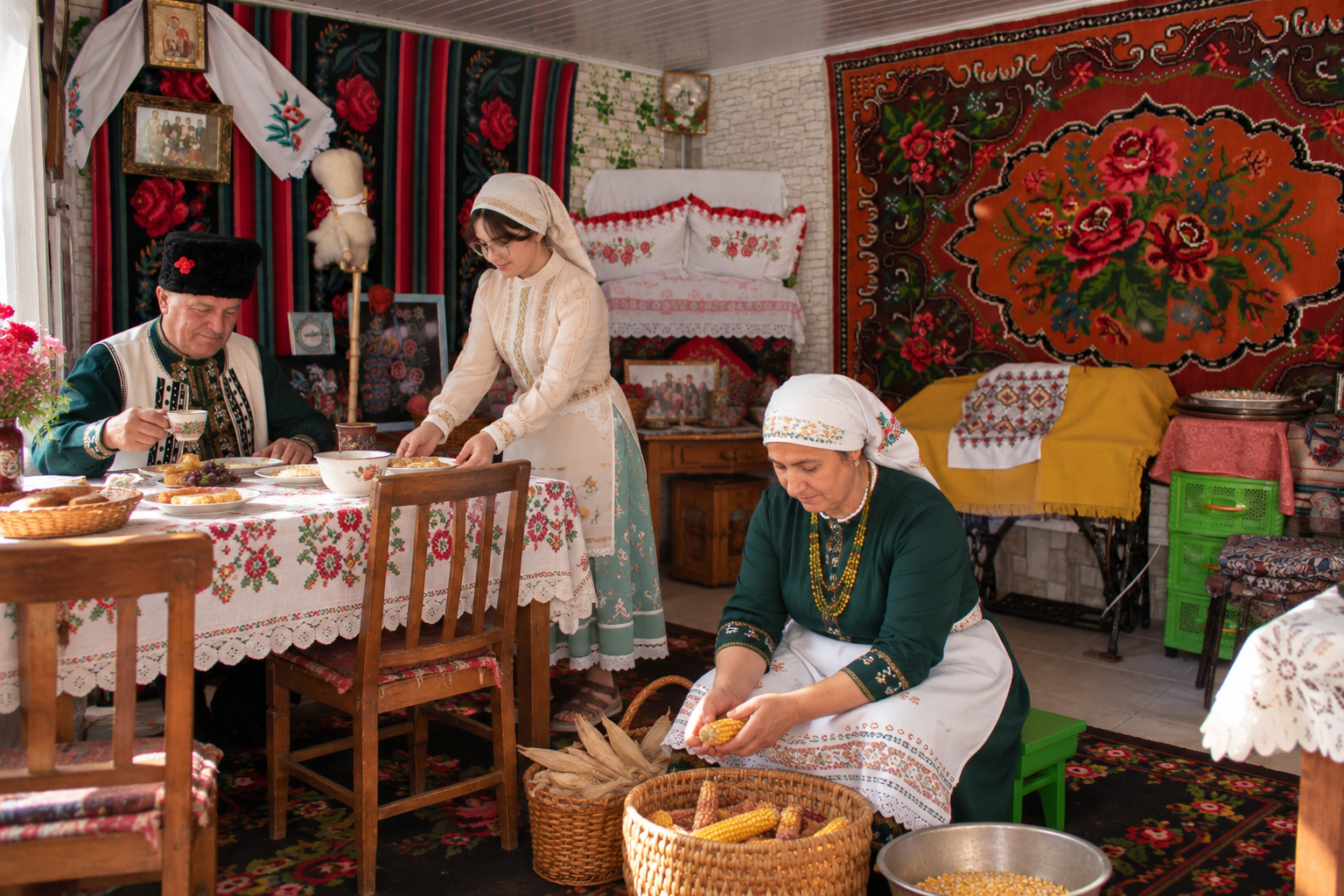
There is another side of Comrat that cannot really be understood by looking at its buildings or streets alone.
It belongs to the people.
The Găgăuz language, traditions, music and celebrations have been passed from one generation to another, and they remain an important part of life in the region.
During cultural events and festivals, these traditions become especially visible, but they are also very present on ordinary days, in conversations, family life and the way people speak about their home.
You may not notice everything during a short visit.
Some things only become familiar after spending longer time here, meeting people and listening to their stories.
There is certainly more to Găgăuzia than can be discovered in a single afternoon.
Comrat may not be the first city that comes to your mind when you plan a journey through Moldova, yet it is a place with a history, a culture and a population that have helped shape the southern part of the country.
Its wide streets, golden cathedral domes, residential neighbourhoods and surrounding countryside tell part of that story.
The people, their traditions and their everyday lives tell the rest.There are still streets to explore, conversations to have and places beyond the centre that deserve attention.And perhaps the best way to discover Comrat is to allow yourself enough time to see more than the road passing through it.
Comrat este strâns legat de istoria poporului găgăuz, o comunitate creștină ortodoxă de origine turcică care s-a stabilit în sudul Moldovei la sfârșitul secolului al XVIII-lea și începutul secolului al XIX-lea.
De-a lungul timpului, această regiune și-a dezvoltat propria identitate distinctă, recunoscută oficial în anul 1994 prin înființarea Găgăuziei ca unitate teritorială autonomă în cadrul Republicii Moldova, cu Comrat drept centru administrativ.
-
Comrat is closely connected to the history of the Gagauz people, a Turkic-speaking Orthodox Christian community that settled in southern Moldova during
the late 18th and early 19th centuries.
Over time, this region developed its own distinct identity, which was formally recognized in 1994 with the establishment of Găgăuzia as an autonomous territorial unit within Moldova, with Comrat as its administrative center.