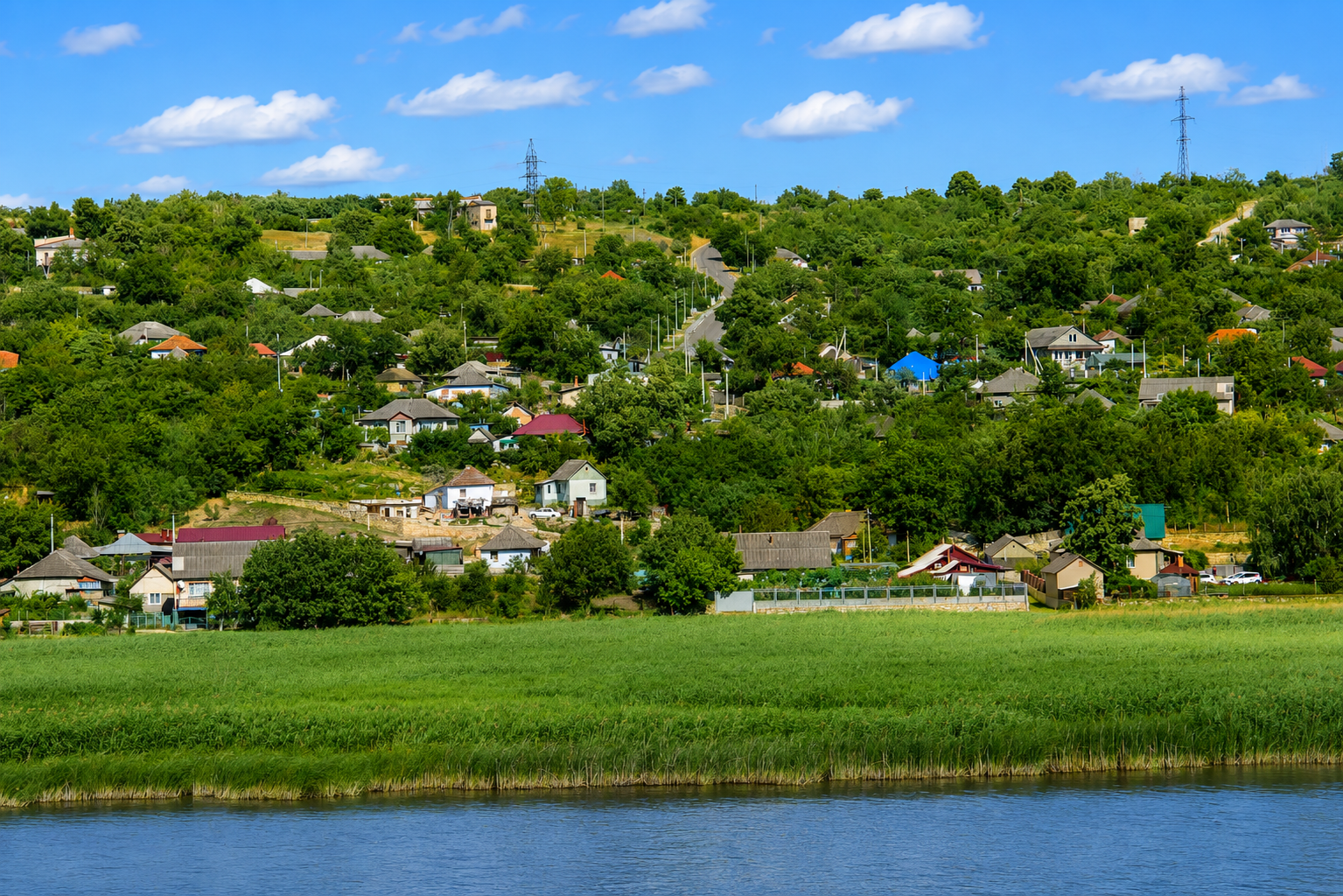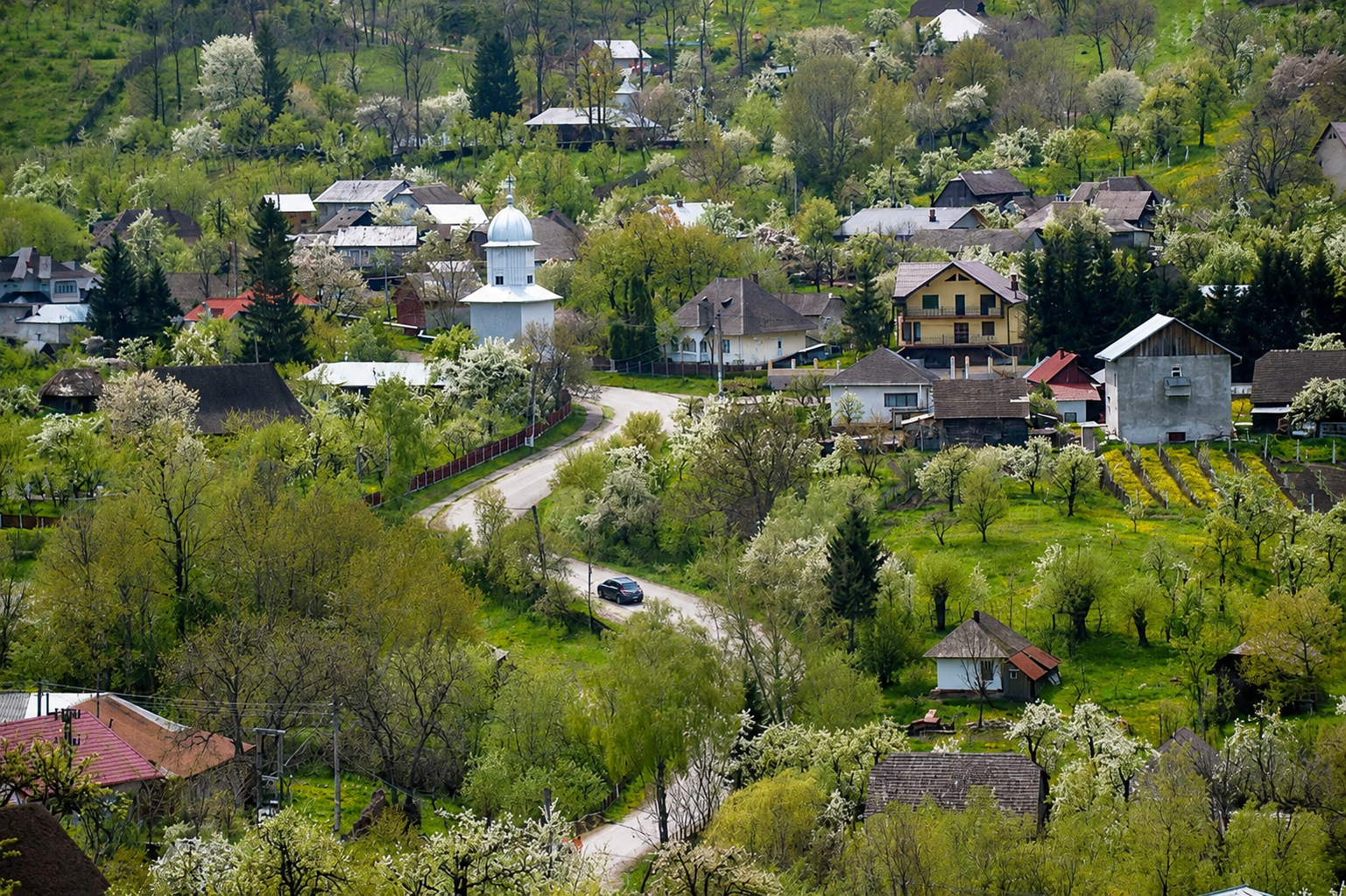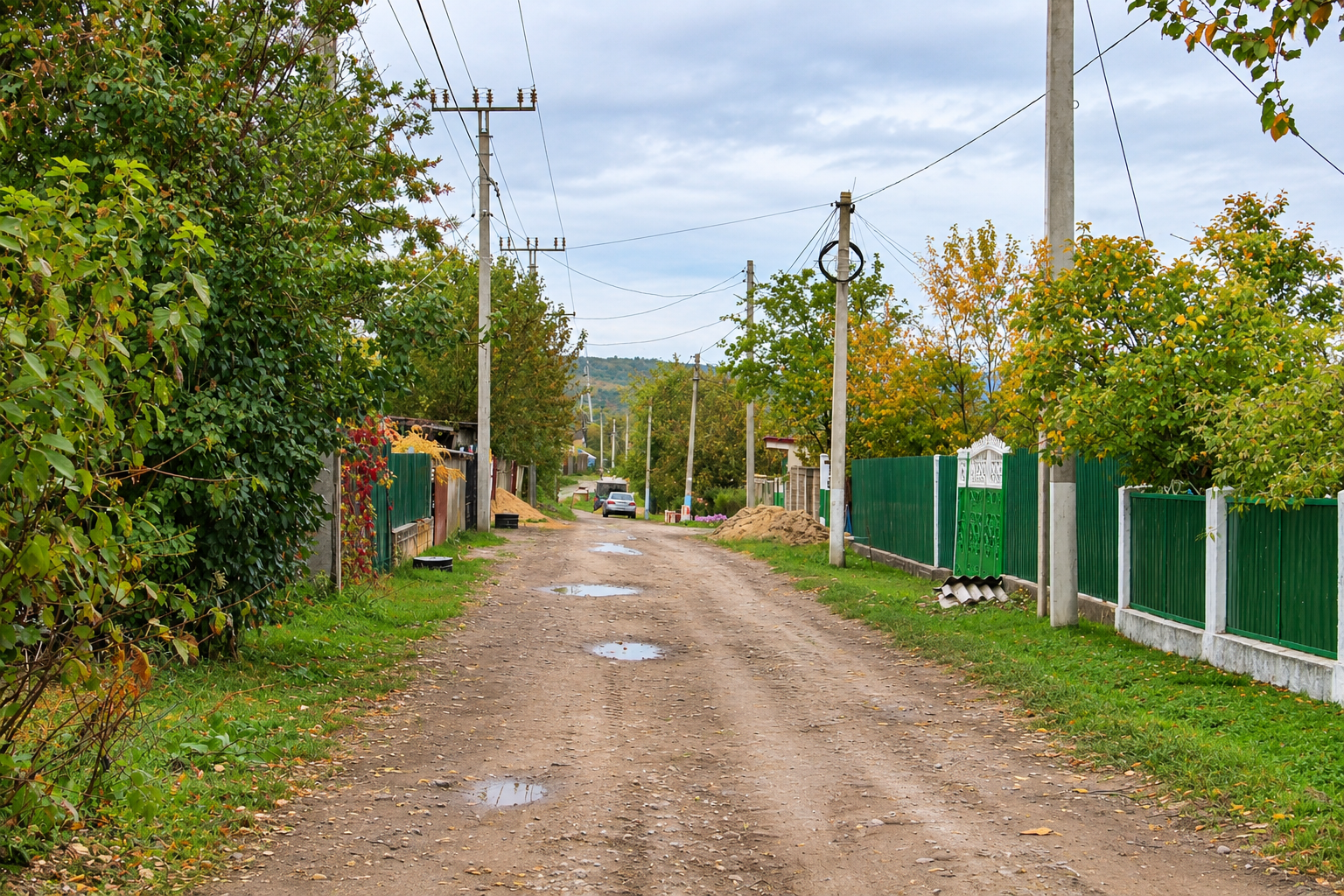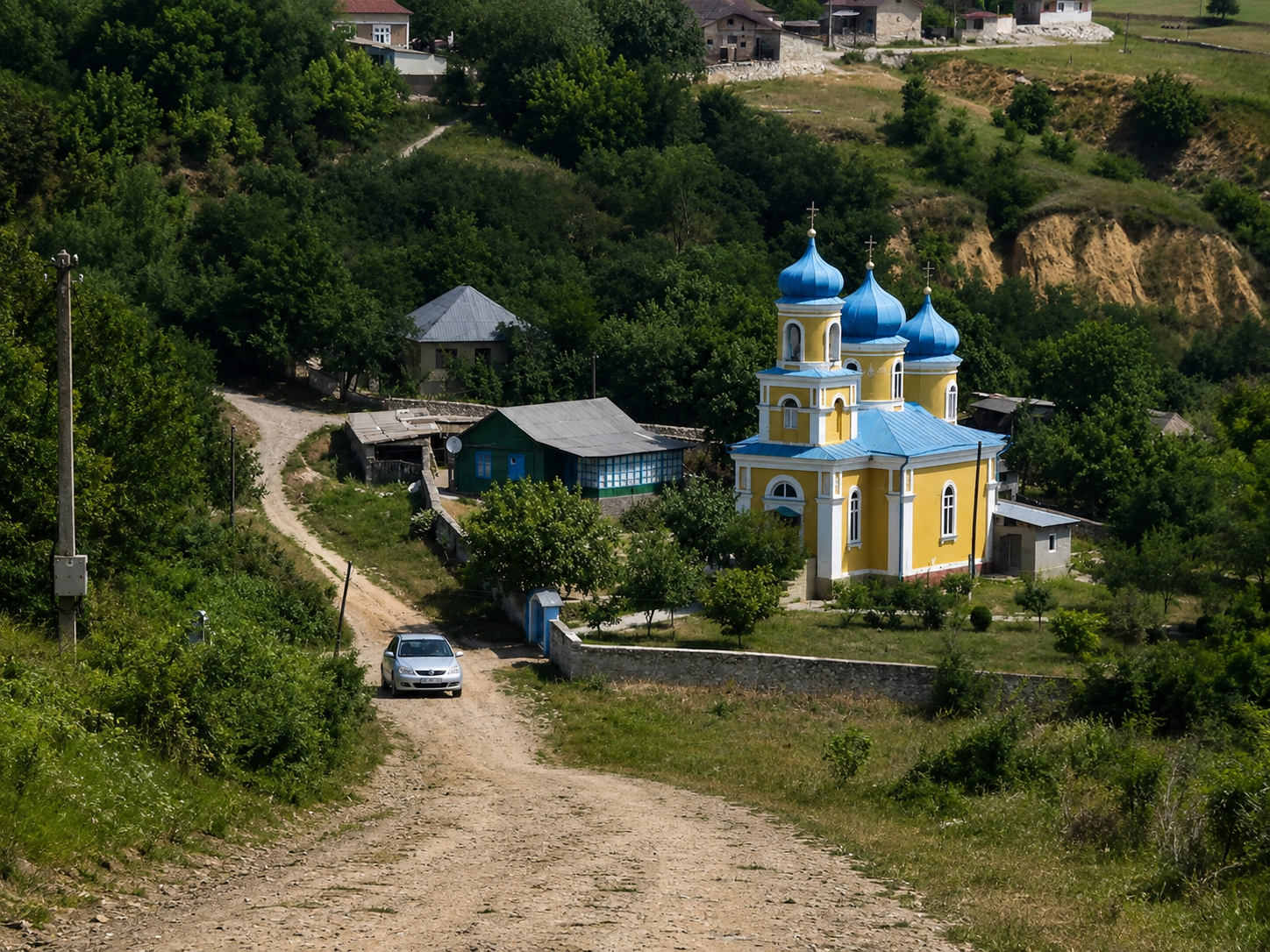
Cahul has a character of its ownand the city is not large, yet it feels open and spacious.
The wide streets, parks, and public squares create a sense of room that is noticeable throughout much of the city.
Located in the south of Moldova, close to the borders with Romania and
Ukraine, Cahul is home to around 35,000 people.
First mentioned in 1502, it gradually developed into an important regional center serving the surrounding communities.
Over time, Cahul became known far beyond southern Moldova for its mineral and thermal waters.
People travelled here to visit the sanatoriums, rest, and seek treatment, helping to establish a reputation that remains closely connected to the city today.
Even now, health and wellness continue to be an important part of Cahul's identity.
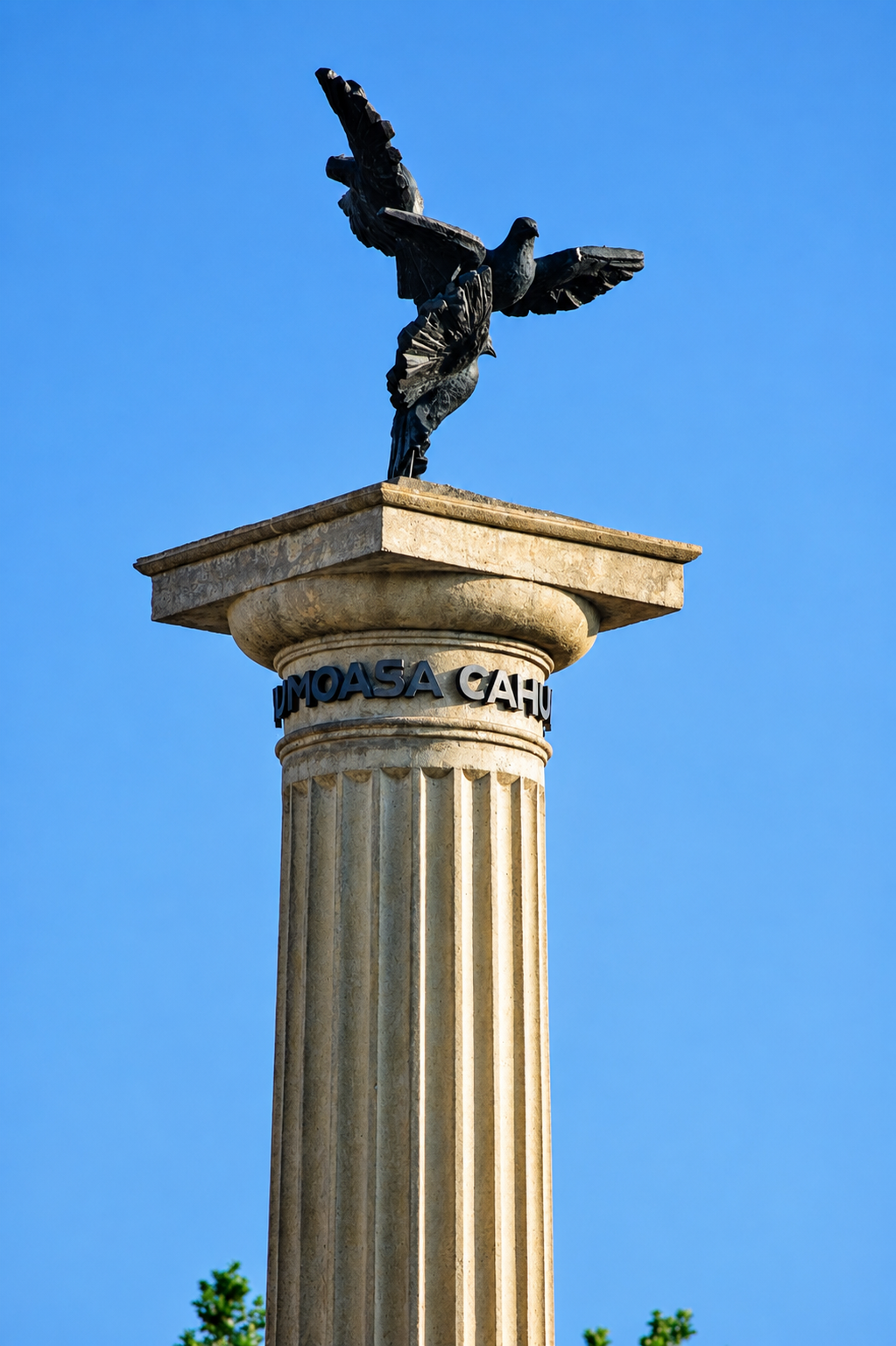
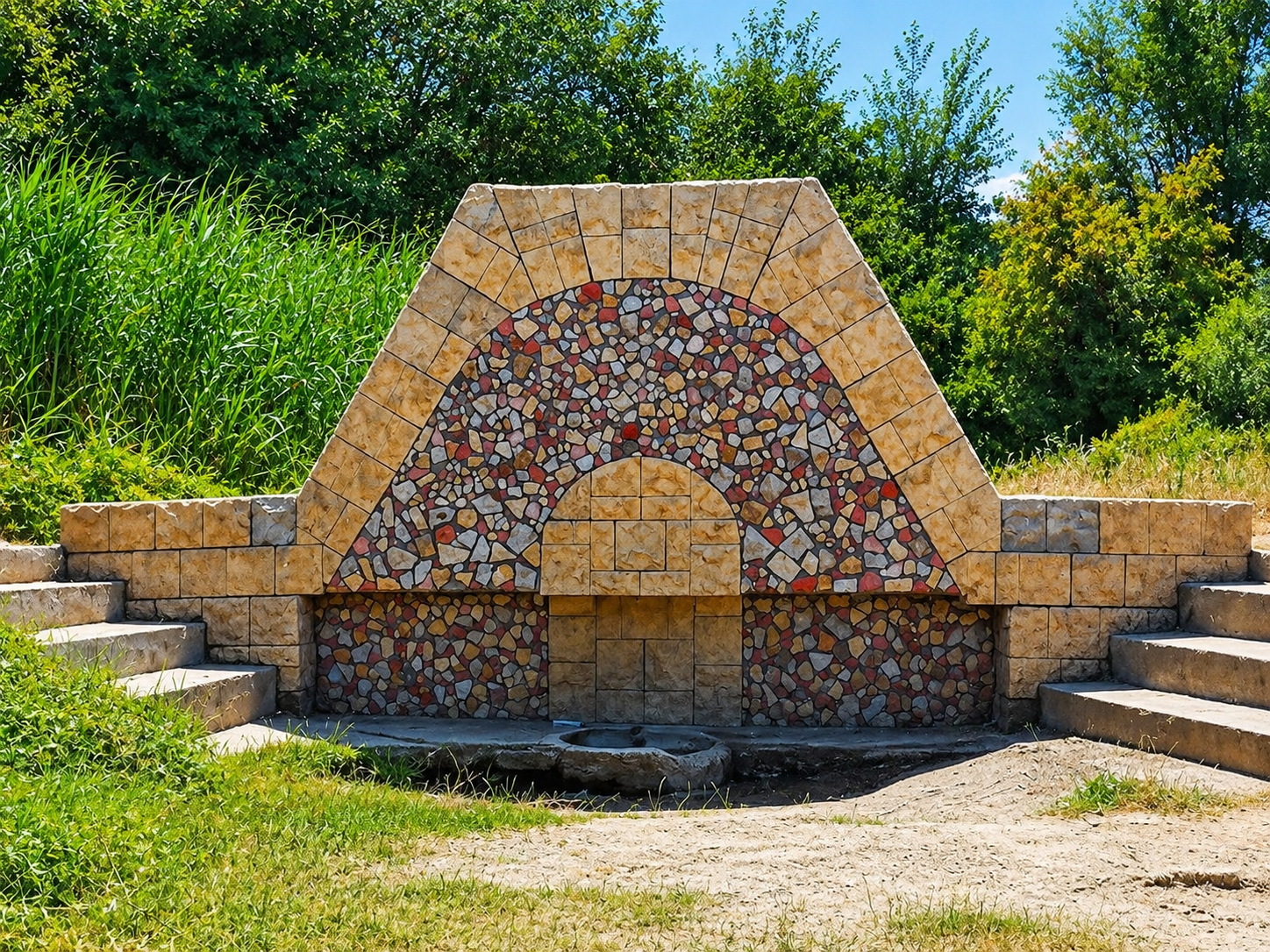
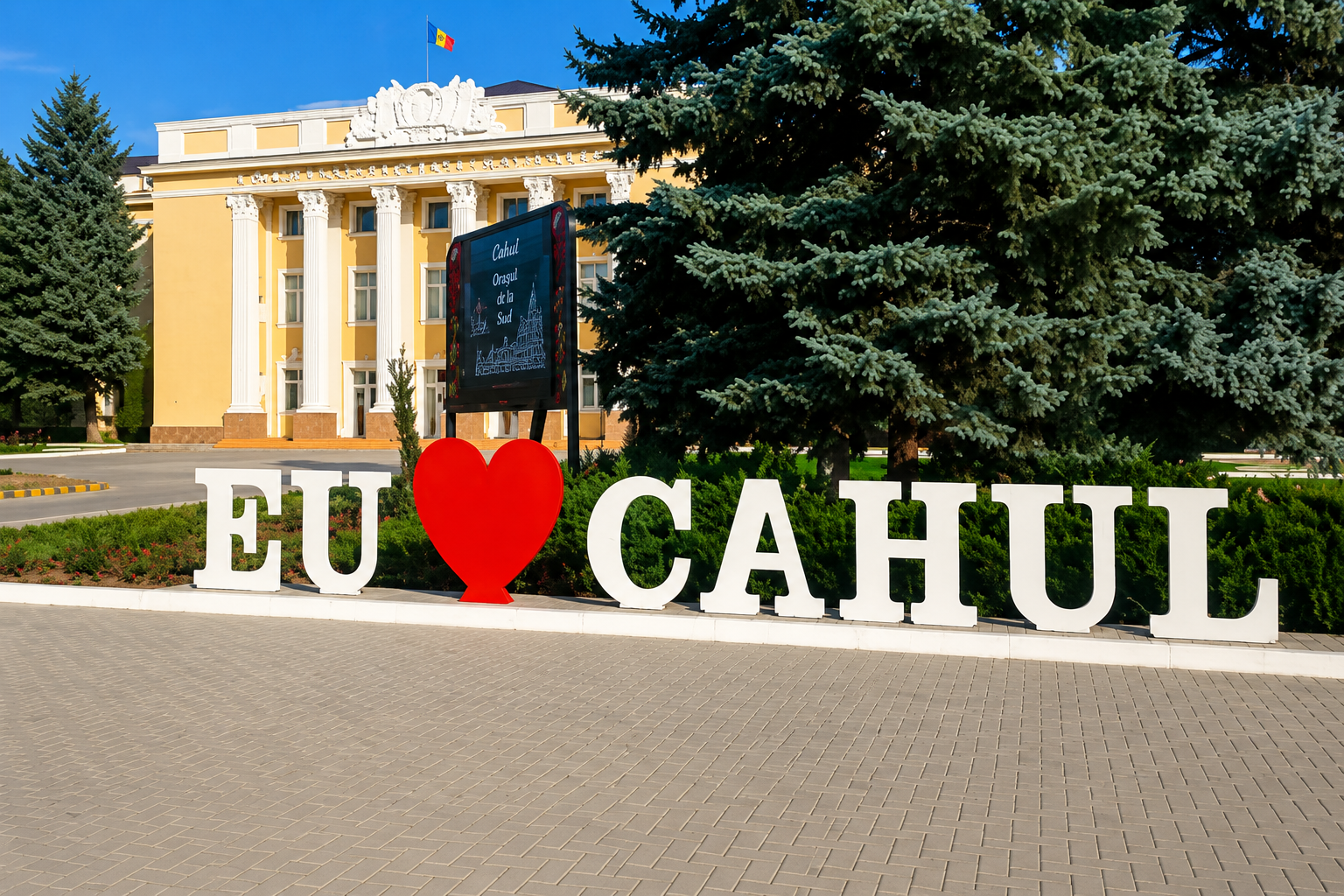
Walking through Cahul, it is easy to notice the amount of greenery.
Trees line many of the streets, providing shade during the warmer months and softening the view of the buildings around them.
The city center opens into parks, squares, and public spaces where people meet, sit on benches, or simply pass through as part of their daily routines.
Cafés, shops, and public buildings are never far away, giving the center a feeling of activity without feeling crowded.
Much of Cahul is experienced on foot, allowing visitors to notice the small details that make up everyday life in the city.
The buildings of Cahul tell the story of a city that has grown gradually over many generations.
Older homes stand alongside apartment blocks, public buildings, and newer developments, each reflecting a different chapter in the city's history.
Walking through the city, it is easy to notice how these different periods exist side by side.
A familiar old house may stand just around the corner from a newer building, while traces of the past remain visible in streets and neighbourhoods that continue to be part of everyday life.
Together, they give Cahul a comfortable and lived-in character.
The city has changed over time, but it has done so without losing the feeling of being a place where people have deep roots and a strong connection to their surroundings.
In the heart of Cahul, the central square is one of those places where people naturally end up.
Friends meet here, families pass through, and familiar faces stop for a few words before continuing on their way.
At different hours of the day, the people change, but the role of the square remains much the same.
It is a place where daily life becomes visible, where neighbours meet, and where the city gathers without really planning to.
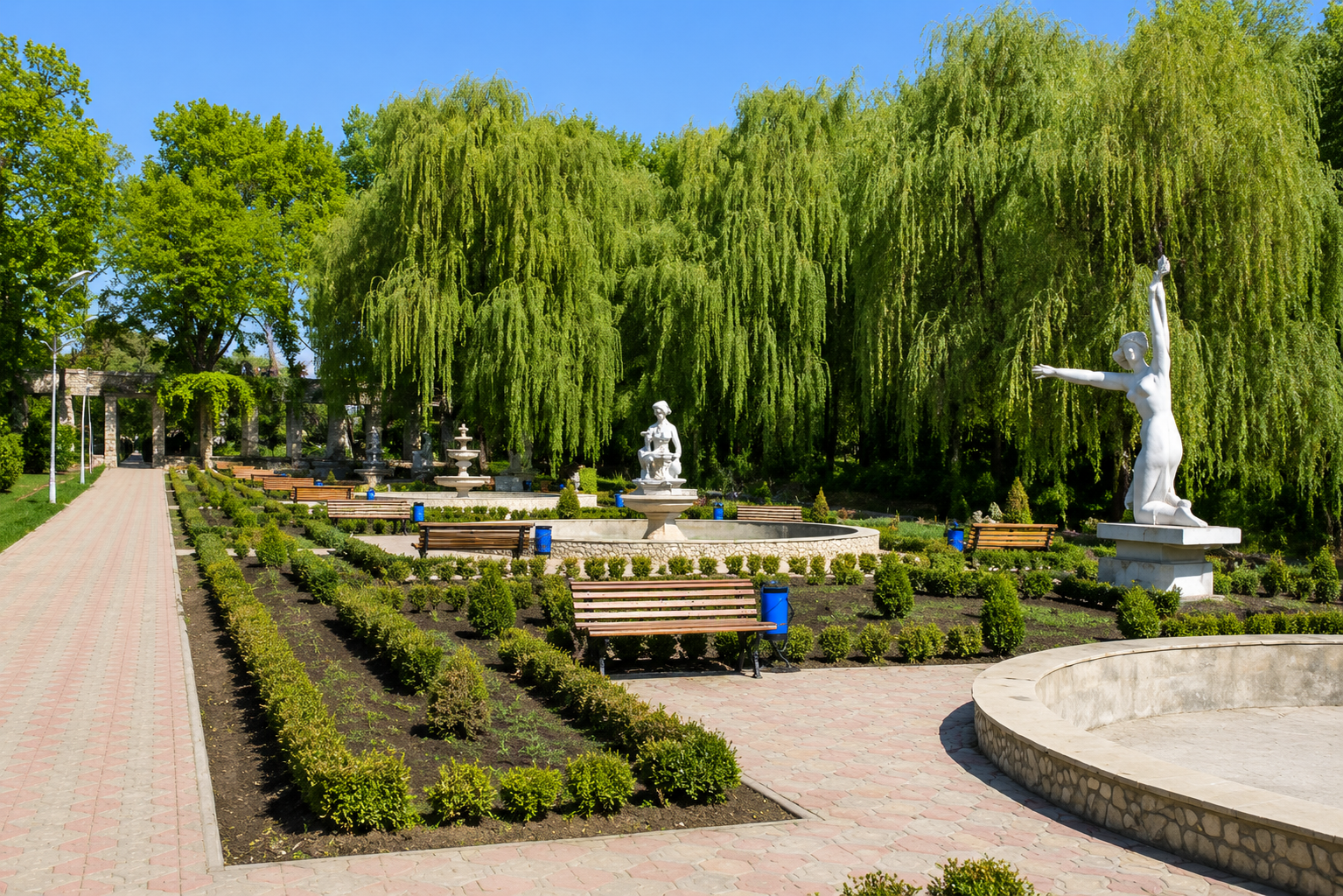
Not far from the center, parks and green spaces become part of the city's character.
Walking paths follow the water, benches face the scenery, and open areas invite people to stop for a while and enjoy their surroundings and each others company.
On warm afternoons and summer evenings, people gather here to meet
friends, take a walk, or simply spend time outdoors.
The combination of water, greenery, and open space gives these areas a welcoming atmosphere that many visitors remember long after leaving Cahul.
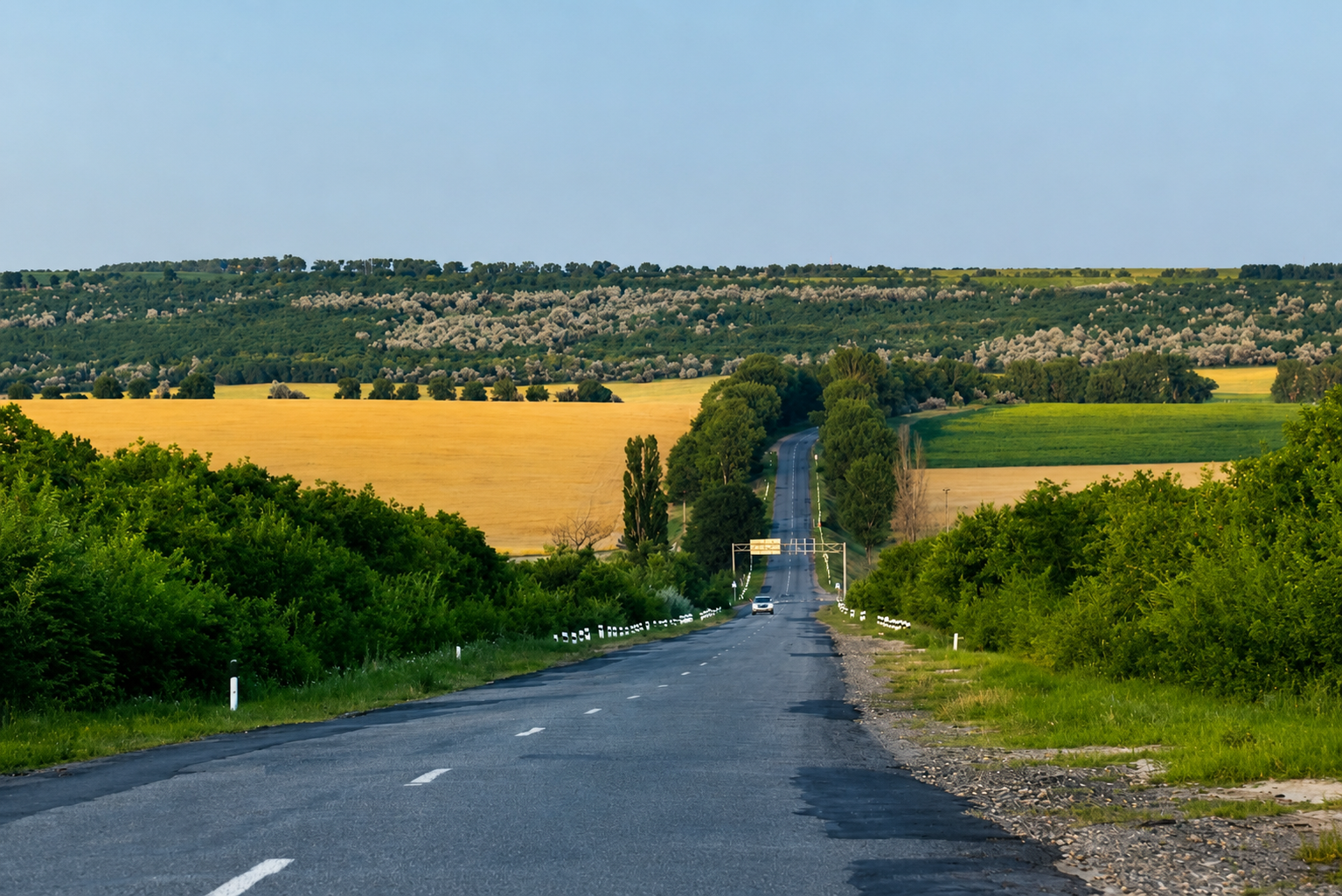
Ask people what they remember about Cahul, and many will mention different things.
A park, a square, a walk beside the water, a café, or simply the atmosphere of the city itself.
Together, these small impressions create the character that makes Cahul different from anywhere else in Moldova.
Nu departe de Cahul, peisajul poartă o istorie care încă este amintită. În anul 1770, aici a avut loc una dintre cele mai mari bătălii din regiune.
Astăzi, câmpurile se întind liniștite sub cerul deschis, iar la prima vedere nimic nu trădează ceea ce s-a petrecut odinioară.
Totuși, pentru cei care cunosc istoria locului, aceste întinderi au o semnificație aparte. Generații întregi au privit același peisaj, iar memoria evenimentelor care au avut loc aici continuă să facă parte din identitatea regiunii.
-
Not far from Cahul, the land carries a history that is still remembered, even if it is not spoken about directly.
In 1770, a battle took place here, one of the largest in the region. Today, nothing dramatic marks it. The fields remain open, quiet, almost unchanged.
Yet something about the place holds that memory, not as a story
told, but as something that never fully left.