Ciocana is an interesting one because it feels different from both Centru and Botanica.
Centru is the historic and administrative heart, while Botanica has the
boulevards, parks, and busy southern entrance to the city.
Ciocana often feels more residential, more local, less focused on visitors and more on everyday life.
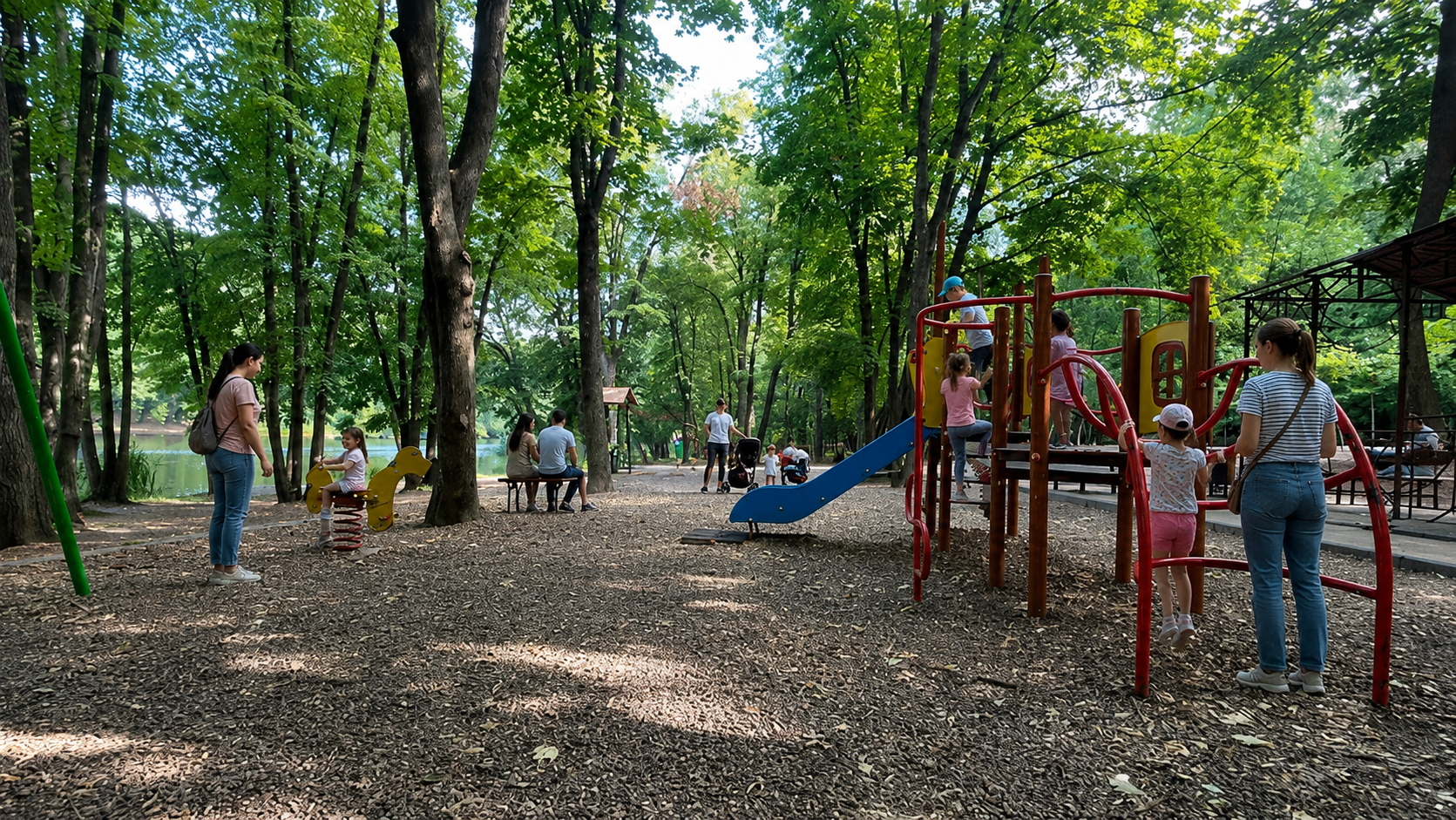
One thing that makes Ciocana feel different is the green space between the apartment buildings.
Courtyards, trees, playgrounds, benches, and walking paths break up the larger residential areas.
During the day, people move between shops, markets, pharmacies, cafés, and trolleybus stops, while evenings bring neighbours outdoors and children onto
the playgrounds.
Most people spending time here are not just passing through.
They live here.
They know the courtyards, the shortcuts between buildings, the small shops, and the people they meet along the way.
That everyday character is part of what gives Ciocana its identity.
Most of Ciocana was built during the large Soviet expansion eastward when Chișinău grew rapidly during the 1970s and 1980s.
Entire neighbourhoods were built for factory workers, engineers, teachers, drivers, and thousands of families moving into the growing capital.
Schools, clinics, trolleybus lines, playgrounds, garages, and apartment blocks were planned together as part of everyday life.
And even today, Ciocana still carries that feeling physically.
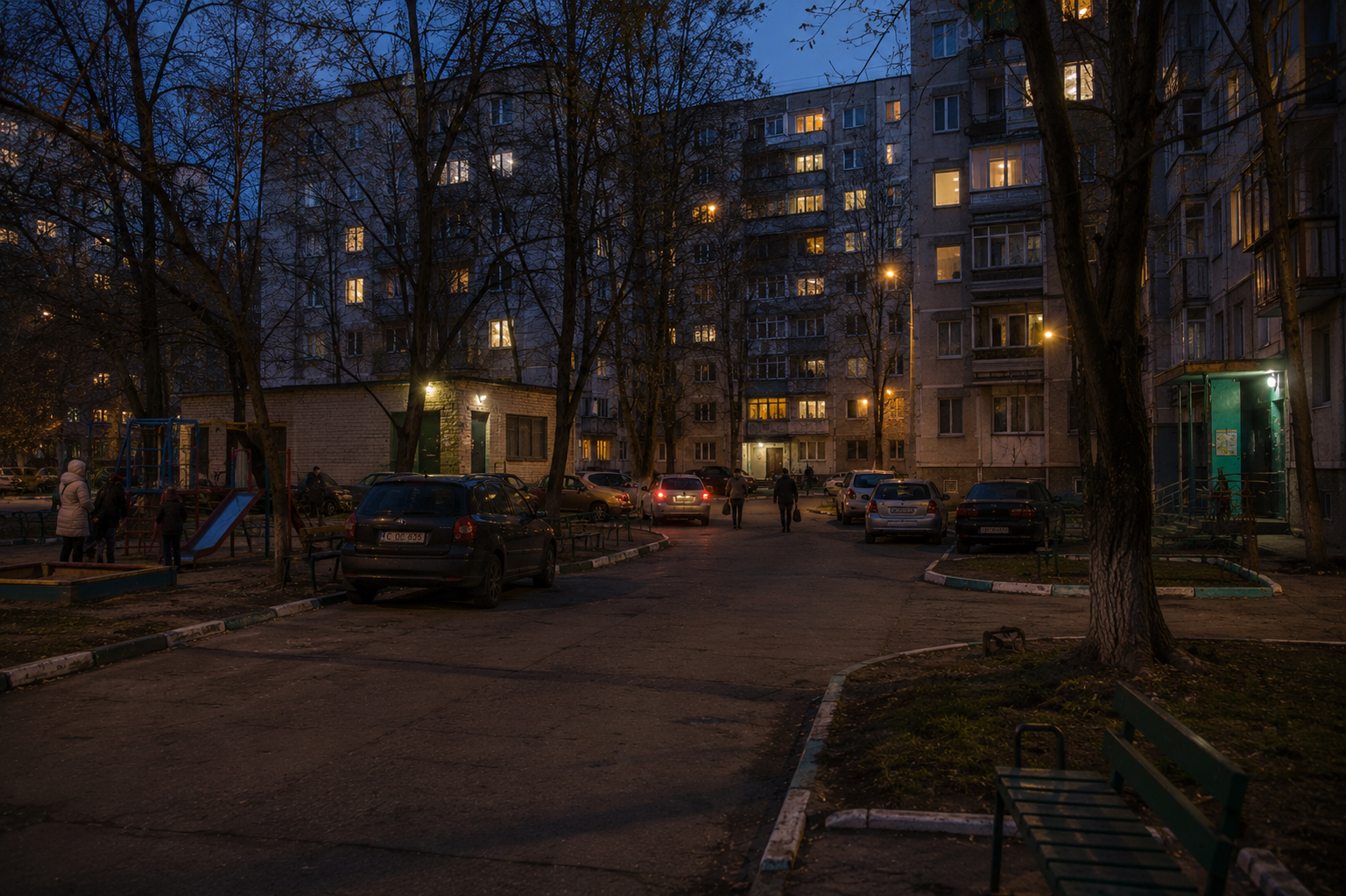
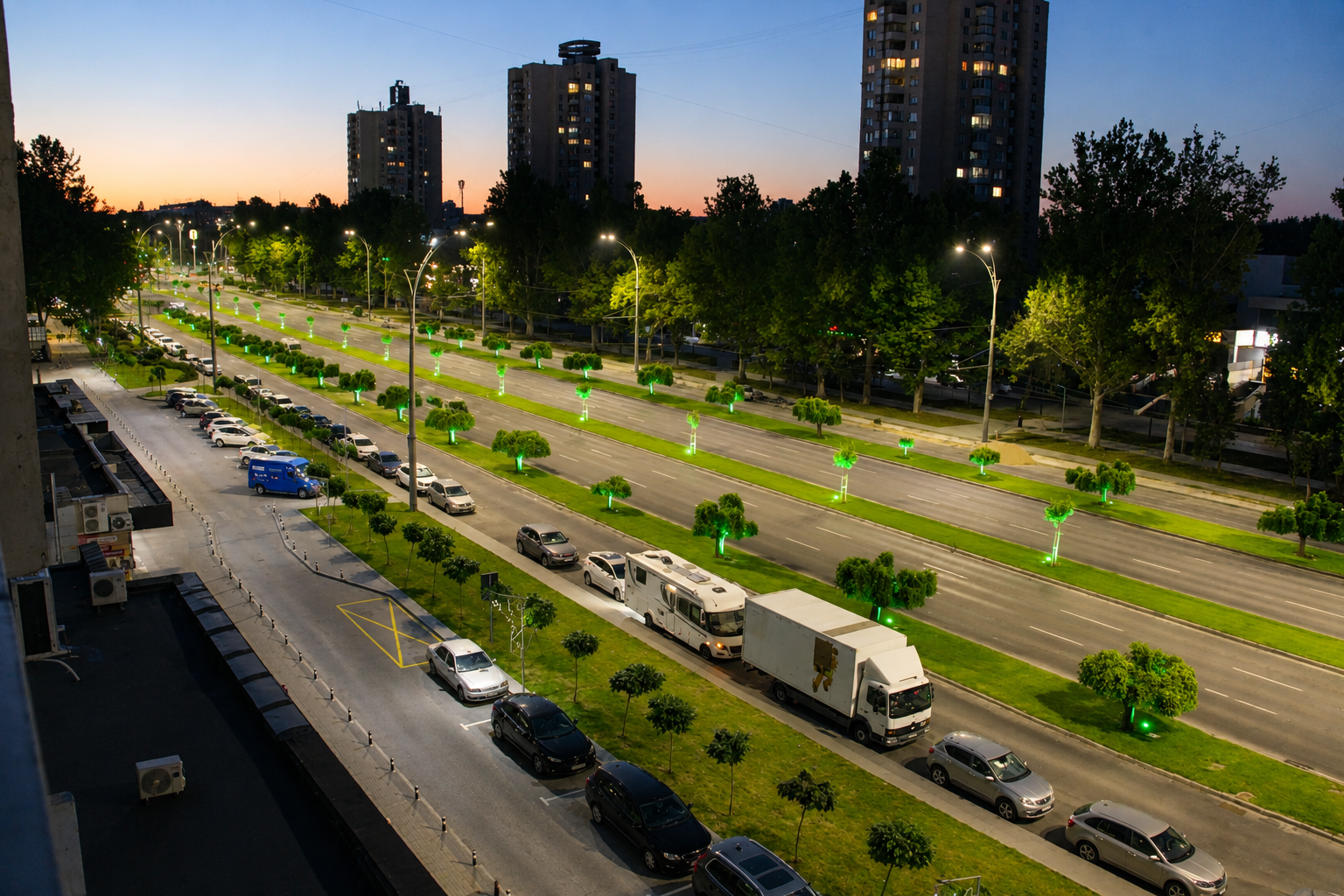
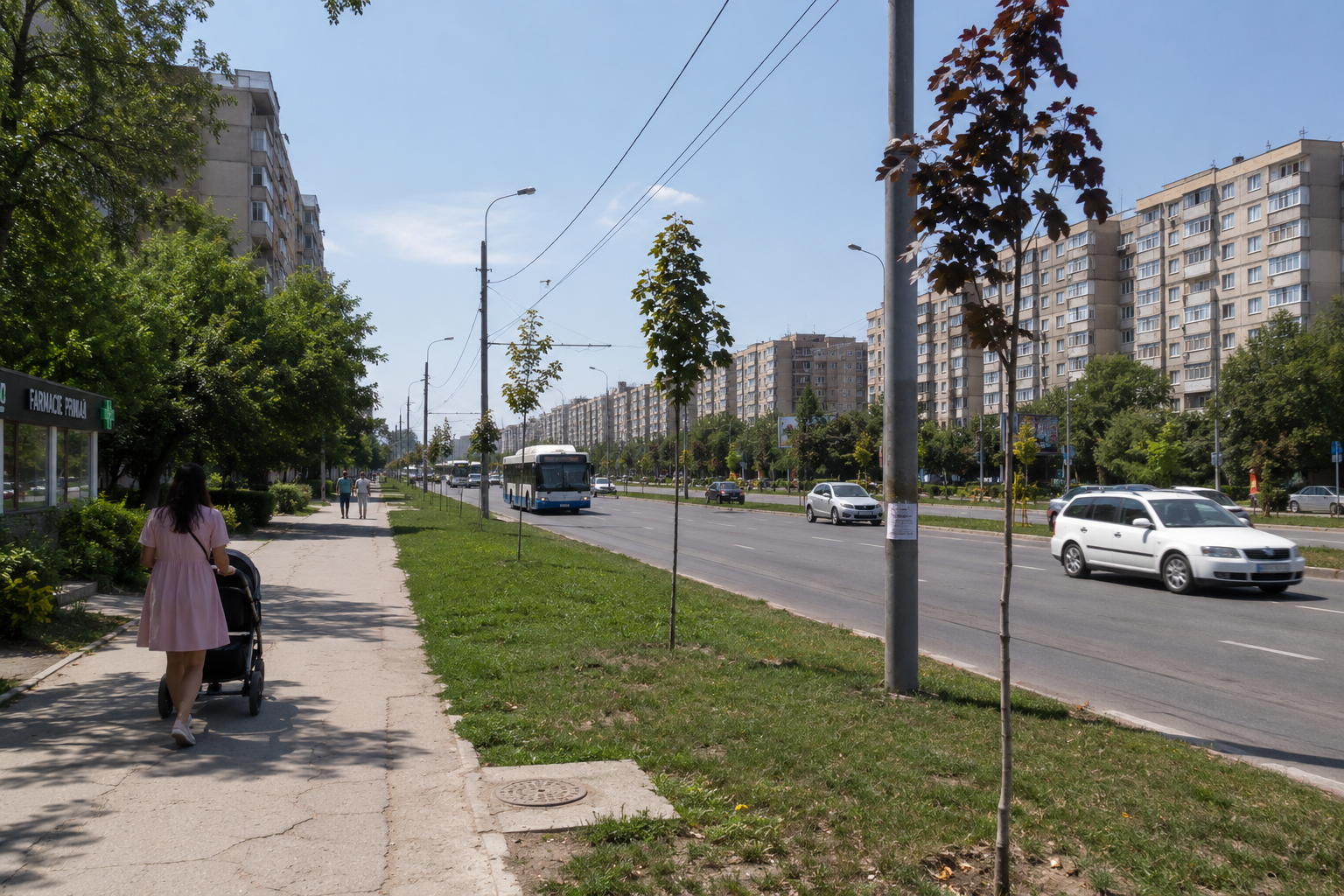
You feel it in the broad roads, the open courtyards, the spacing between buildings, and the endless apartment windows stretching across the district during evenings.
The schools, playgrounds, garages, trolleybus lines, and apartment blocks still fit together much as they were originally planned to.
Decades have passed, trees have grown taller, and the district has developed its own identity, but the structure of Ciocana remains easy to see.
Today, it often feels less like a residential area and more like its own small city existing beside the rest of Chișinău.
There is more sky above you in Ciocana, or at least it feels that way.
There is a sense of openness here that is different from the more central parts of Chișinău.
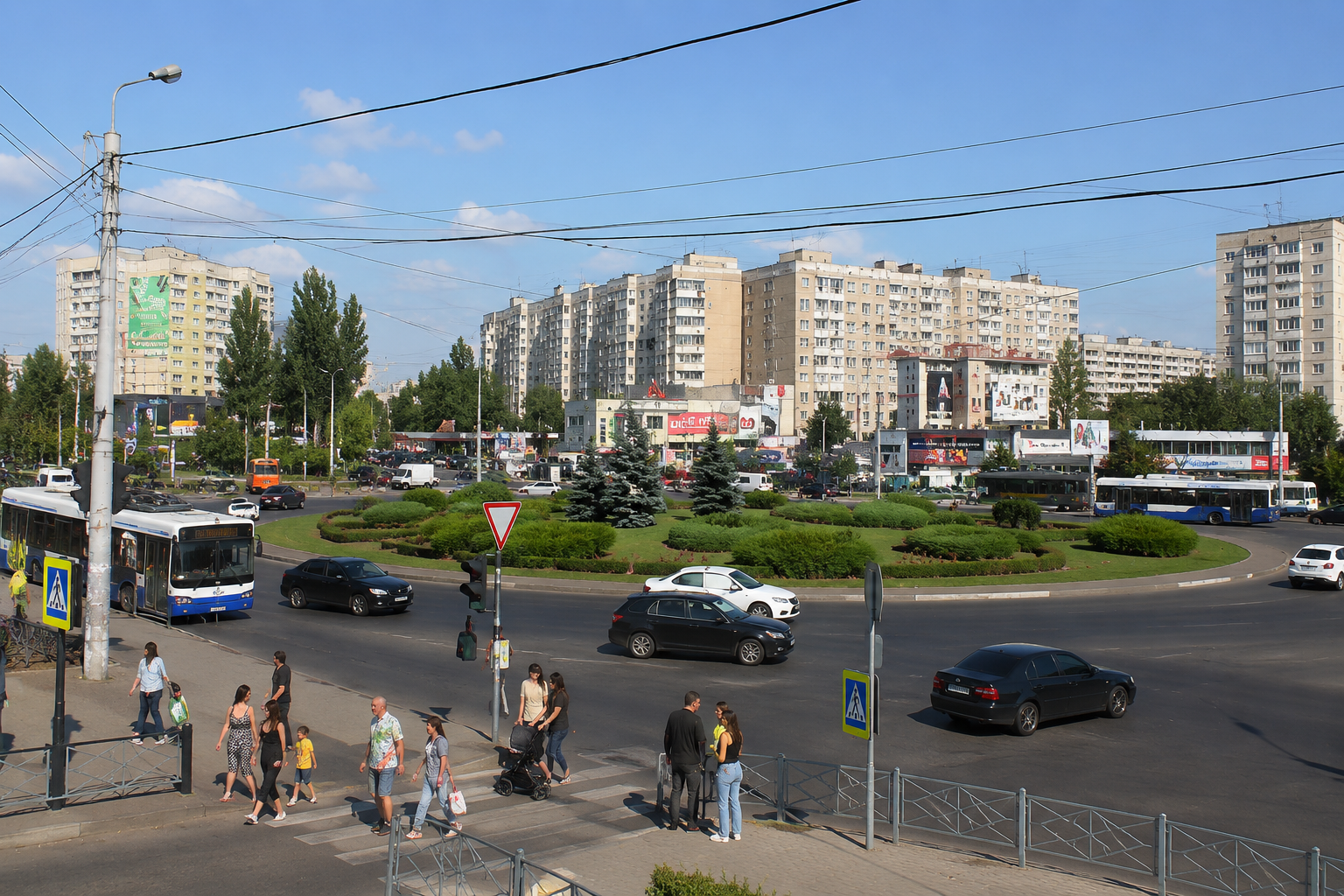
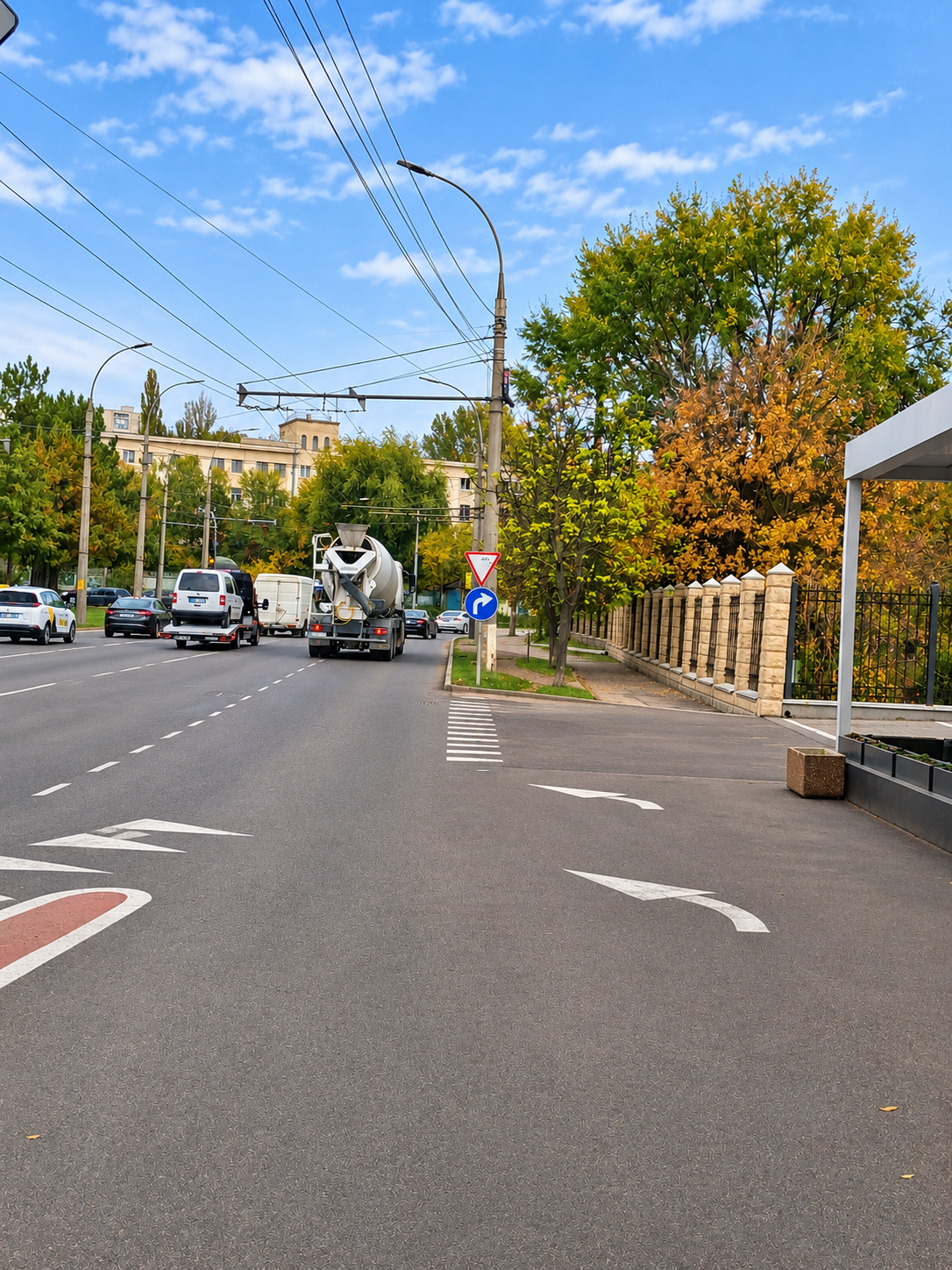
The roads feel longer too, especially in the evening, when the apartment blocks and trolleybus lines seem to continue towards the eastern edge of the city.
It does not feel empty. It just feels less enclosed.
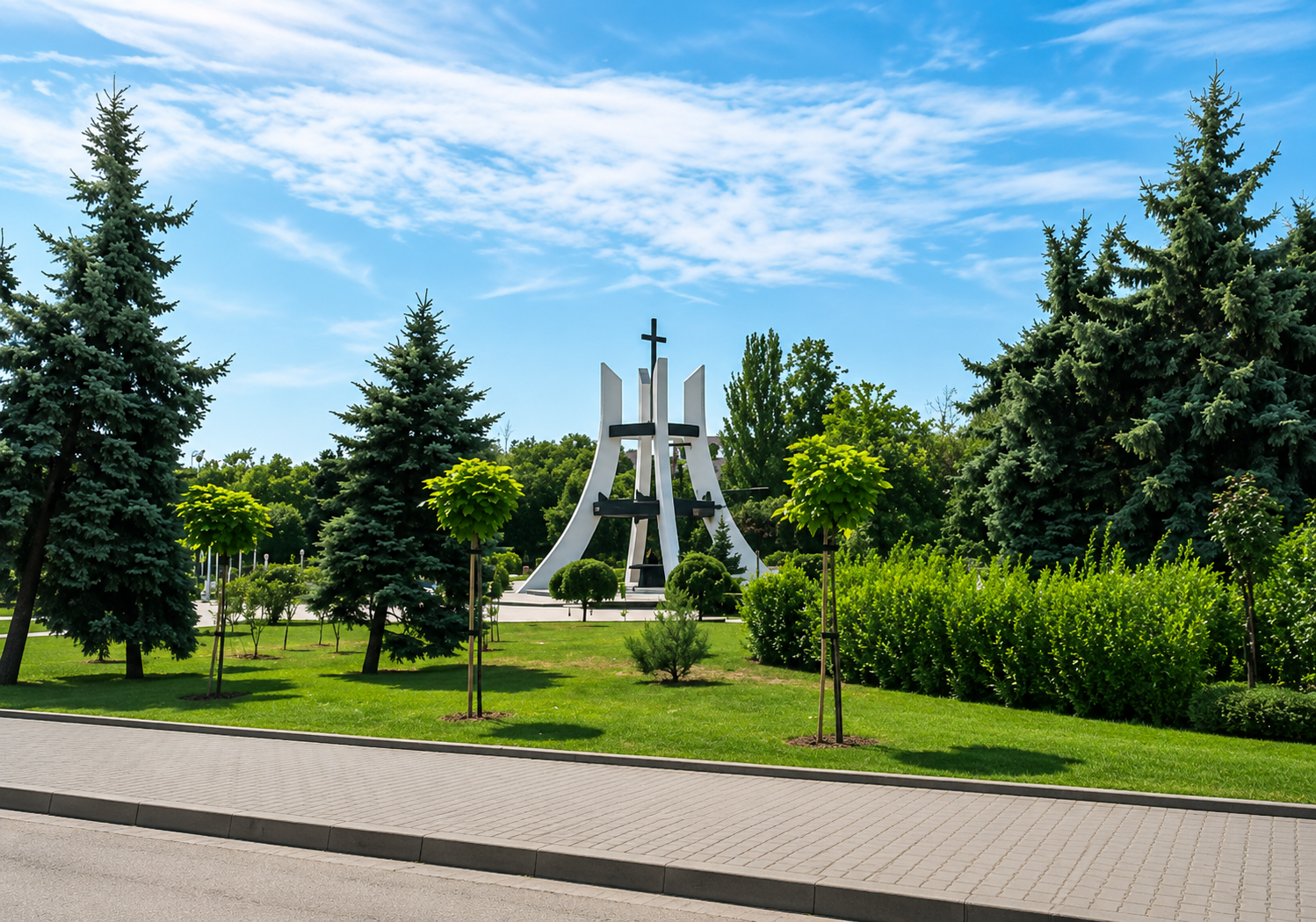
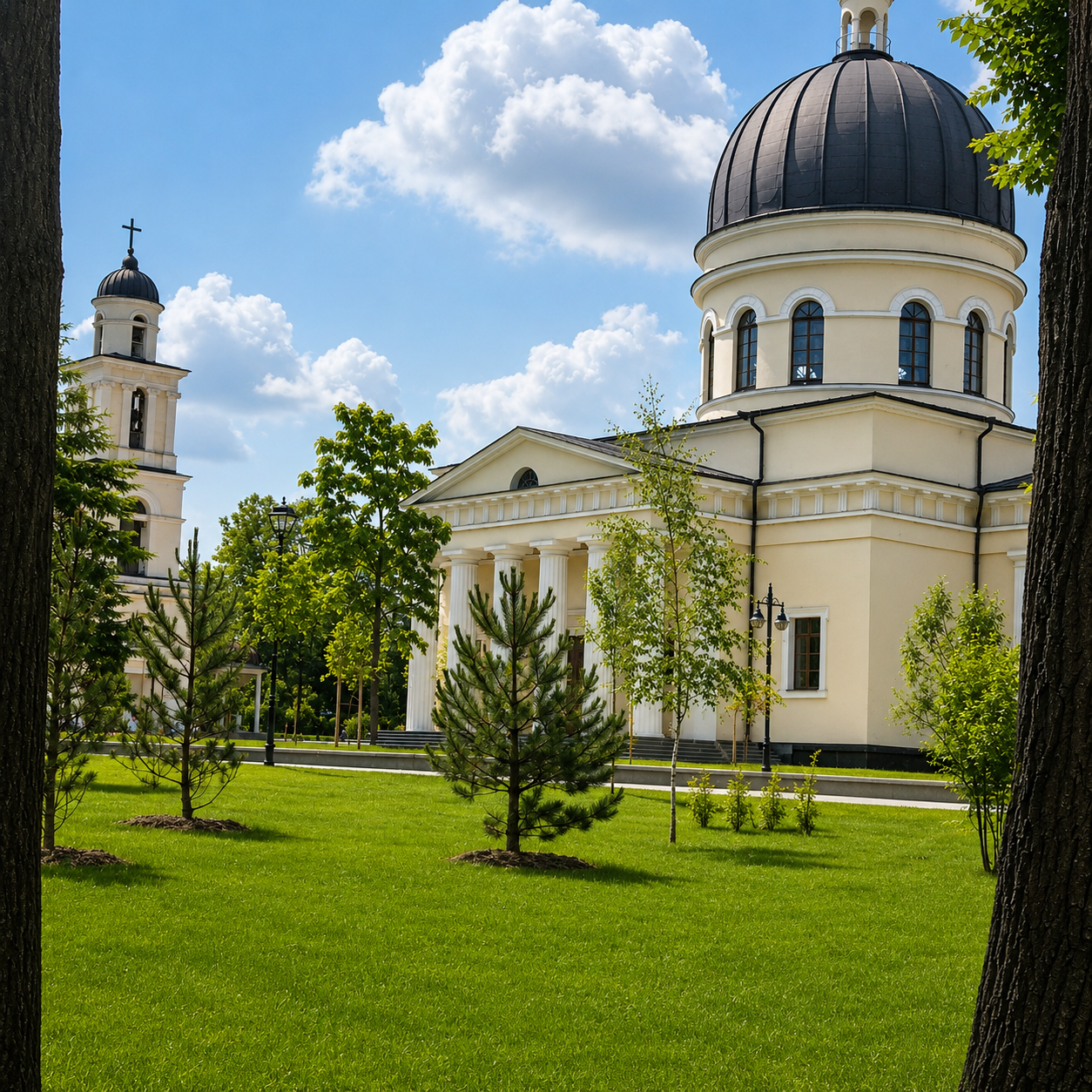
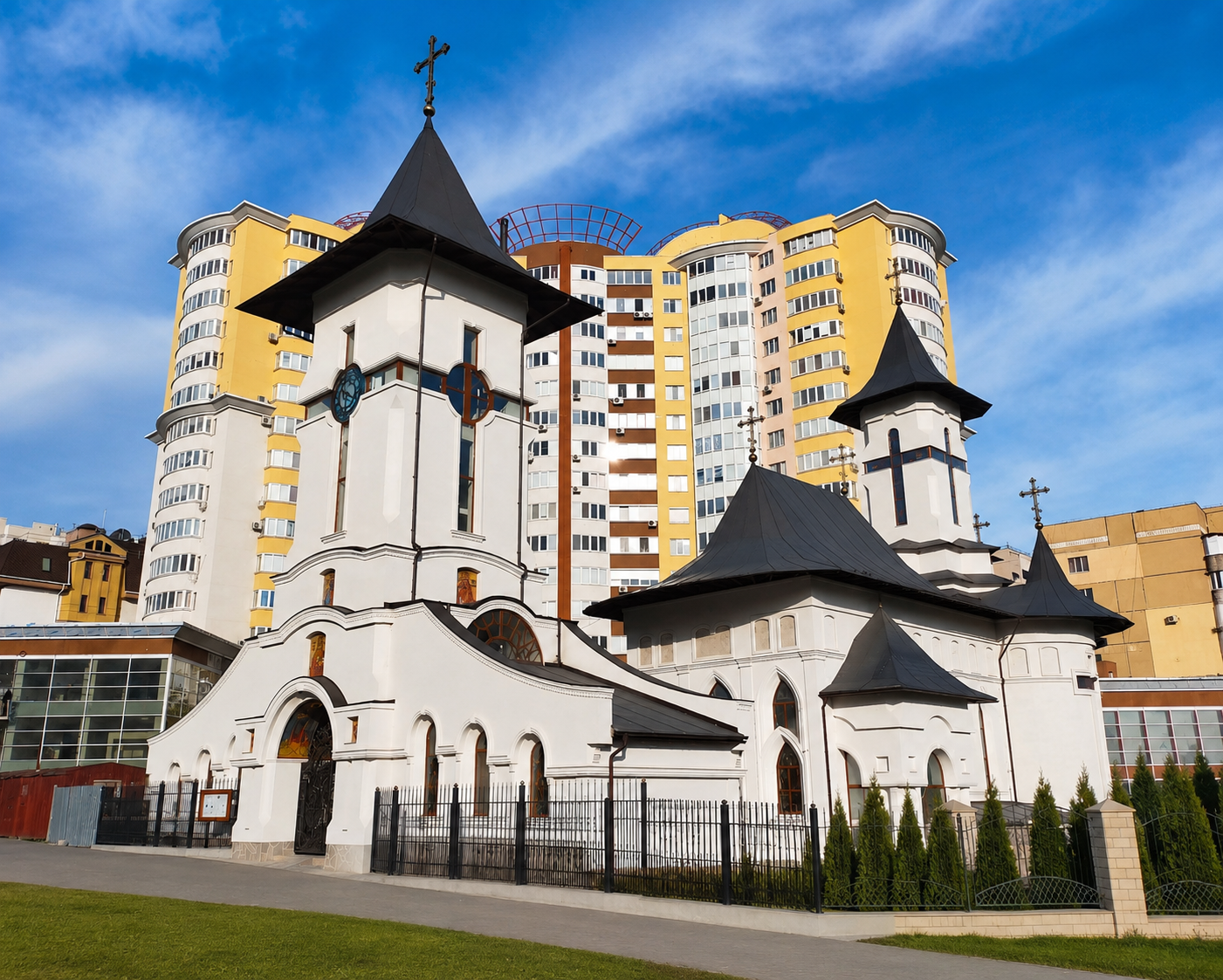
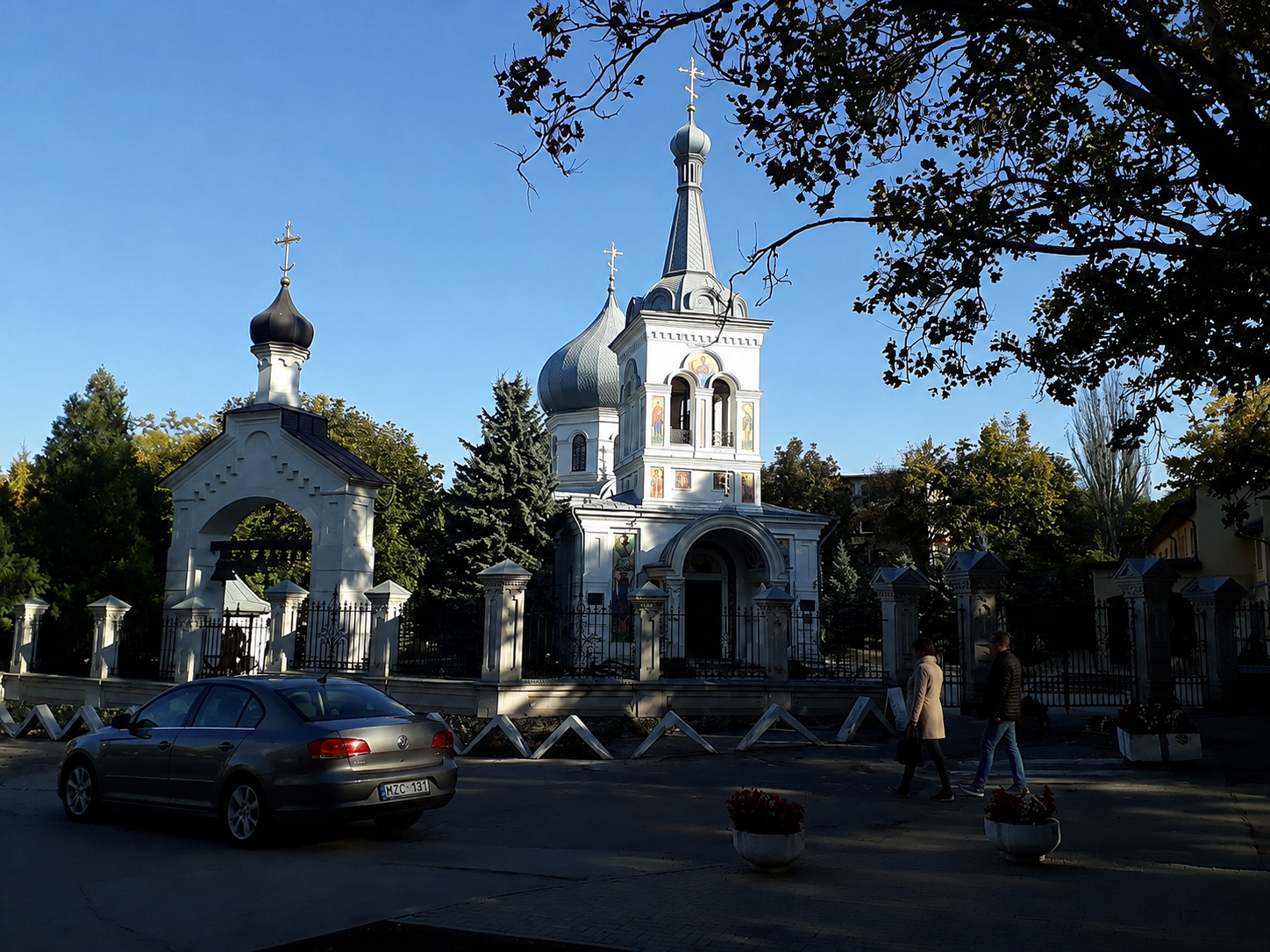
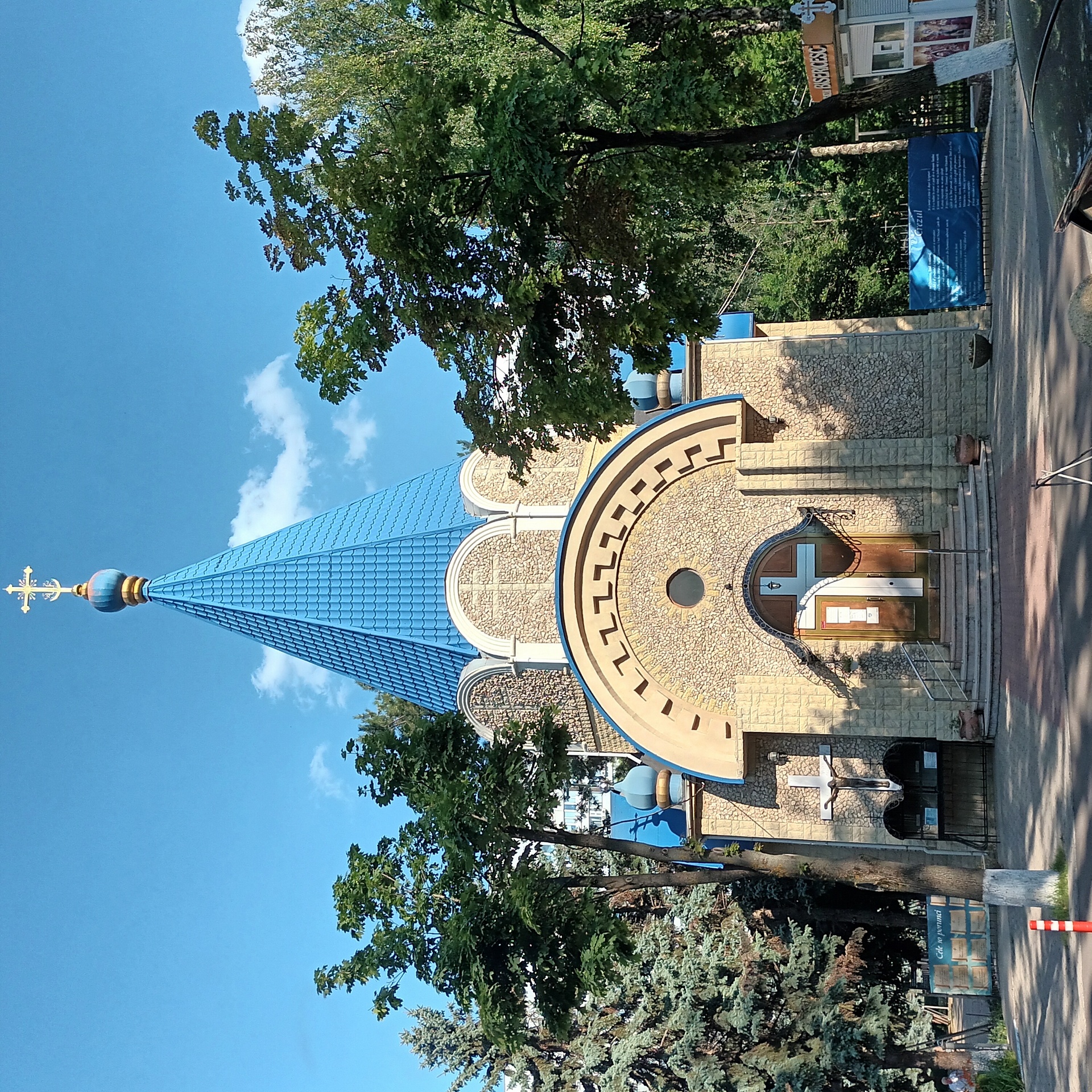
Suddenly you notice the golden church domes which are rising into the sky.
Near Church of Saint Dumitru, people are passing by, during the day, many do not stop, but just pass like it is an ordinary building.
The church began rising during the late 1990s after the collapse of the Soviet Union, when religion slowly returned more openly to Moldovan life.
Local priests, workers, residents, and donations from ordinary families helped build churches like this across Chișinău.
Perhaps that is why places like Saint Dumitru never feel far from the neighbourhood around them.
They were built by the people.
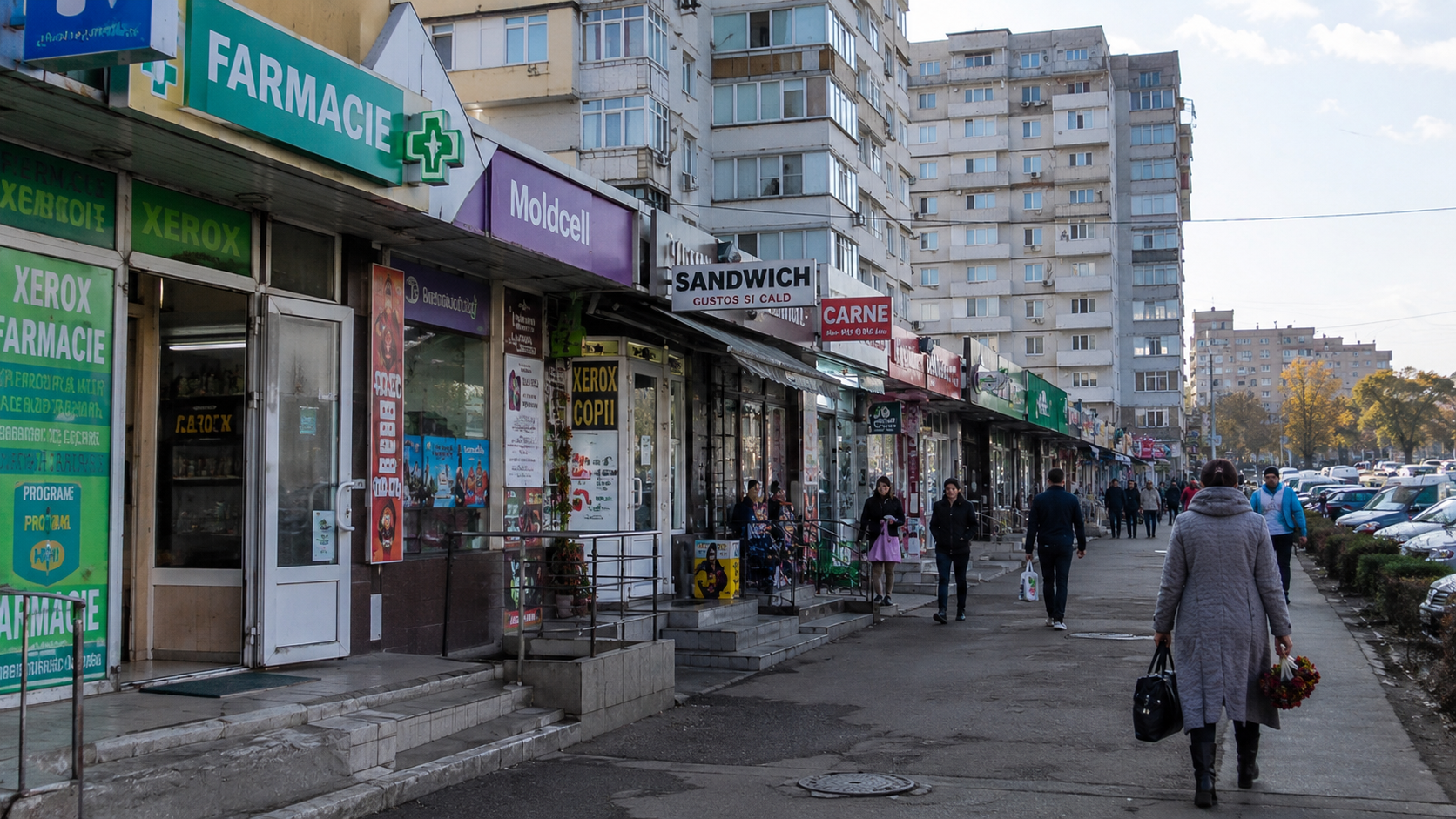
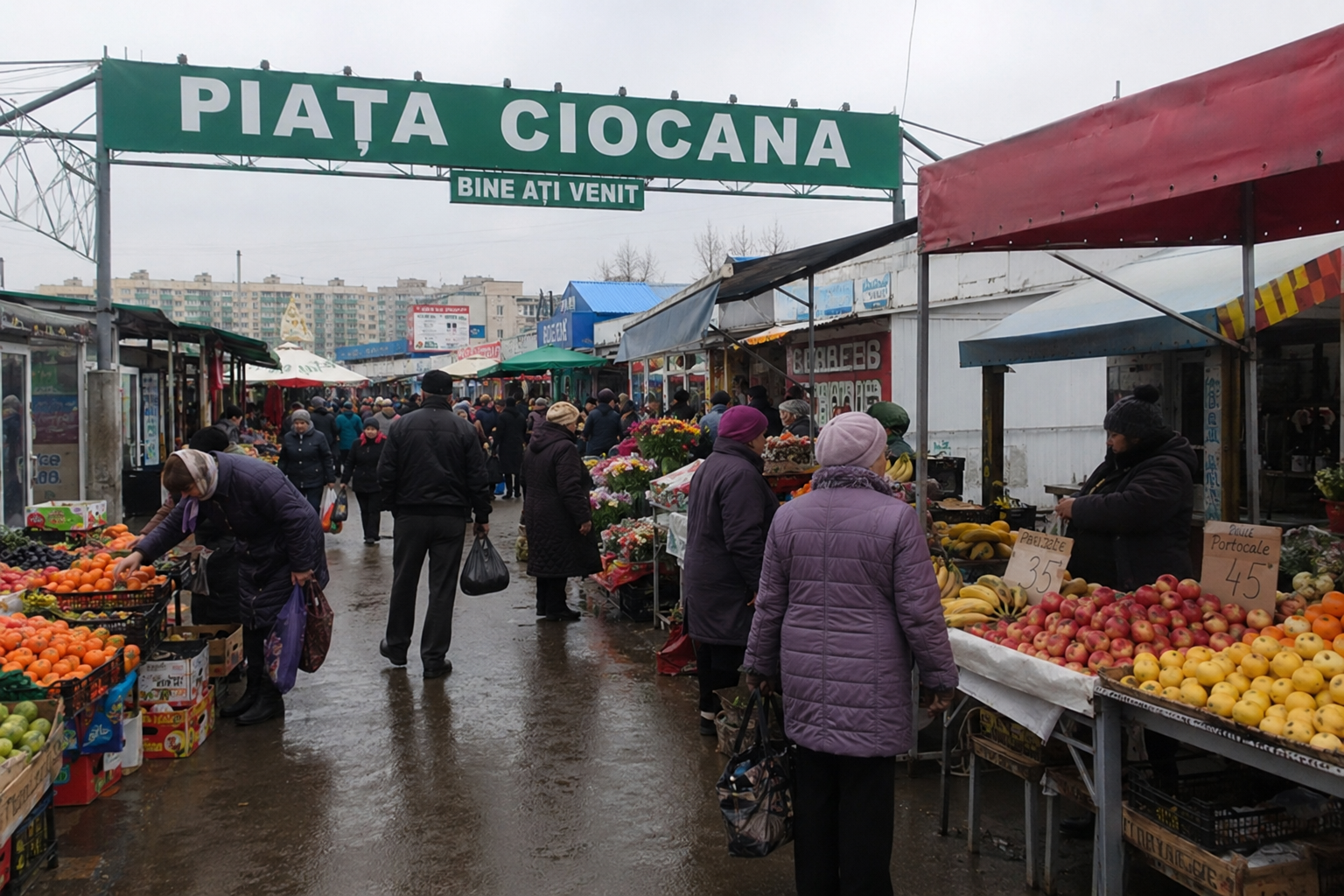
Not shopping streets like in Centru, but smaller everyday places beneath apartment blocks where ordinary life moves on from morning until late evening.
Pharmacies glowing green through the darkness, tiny flower shops squeezed between grocery stores and phone shops.
Bright advertisements fading in the sunlight.
Sound seems to travel further here.
You hear conversations drifting through the evening air, somebody laughing from a balcony several floors above, a dog barking somewhere near the garages, and a trolleybus groaning through an intersection while birds suddenly rise together from the trees beside the road.
Sound seems to travel much more far here.
You hear conversations drifting through the evening air, somebody laughing from a balcony several floors above, a dog barking somewhere near the garages, and a trolleybus groaning through an intersection while birds suddenly rise together from the trees beside the road.
Unlike Centru, Ciocana often feels calmer and more domestic.
Life continues outside the apartments, neighbours stop to talk, children play together, and people sit on benches long after they have come home from work.
Grandparents and parents sit beneath the trees, watching as their children and grandchildren play nearby.
Teenagers gather near kiosks and bus stops, drinking juice or a soft drink and talking about whatever is important that day.
Near the garages, somebody is often fixing something.
A tyre, a bicycle, a radio and tools lie scattered nearby while neighbours stop to see how the work is going.
Not always for a long conversation, but ometimes just a few minutes before everybody continues with their things and the day.
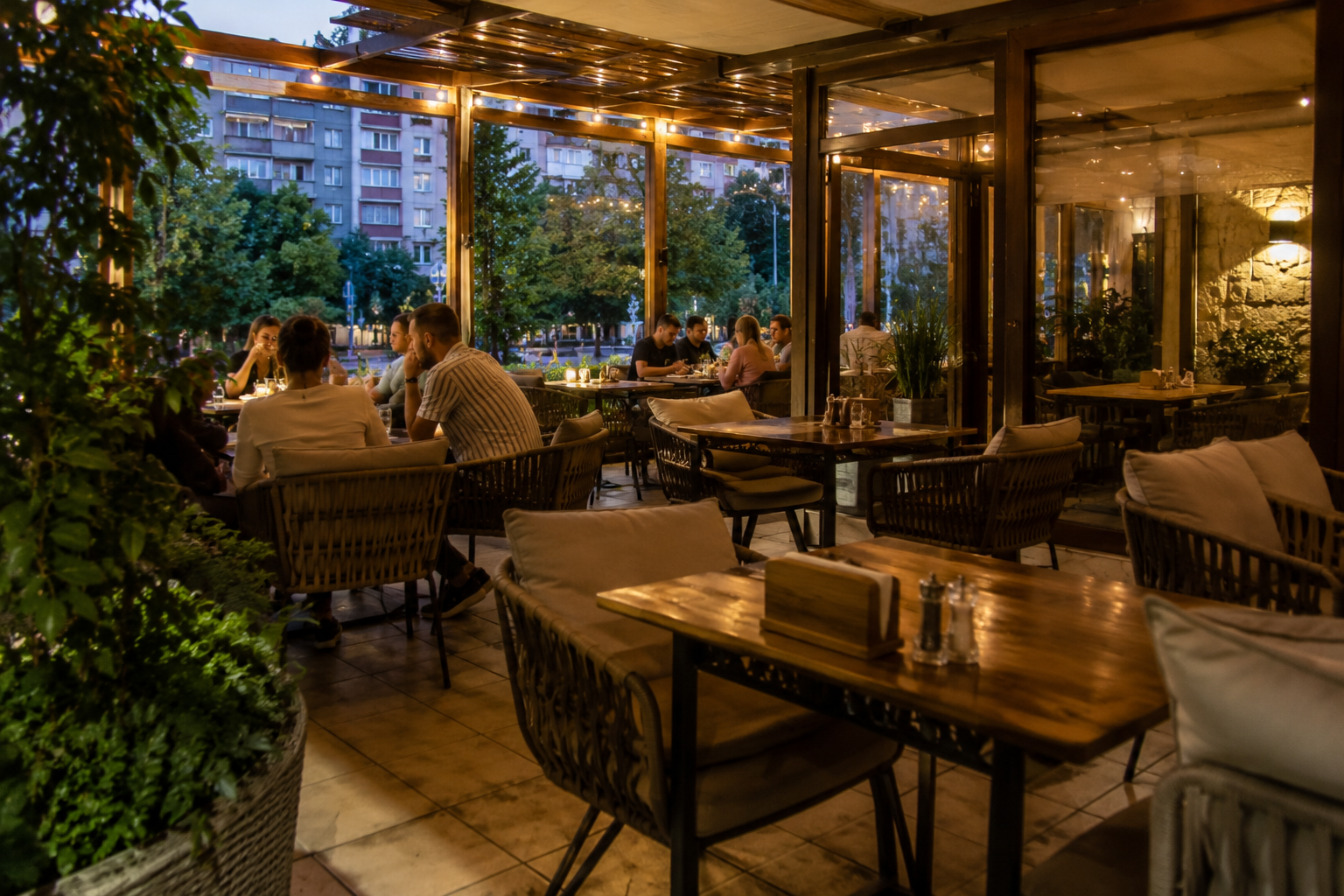
Cafés not in the polished central-city way, but smaller cafés where people sit by the windows drinking coffee while trolleybuses pass by outside.
Simple restaurants serving grilled meat, soup, pizza, pastries, and Moldovan food and each time the door opens, the smell of cooking follows the air, out into the evening.
During summer evenings, you sometimes smell grilled meat, baked dough, garlic, or roasted vegetables before you even see where it comes from.
Returning from the grocery store, someone meets a neighbour near the entrance and stops for a few minutes beneath the trees, while two heavy shopping bags rest beside a bench.
Two younger men stand beside a parked car discussing football, the weather, or simply whatever comes to mind as evening makes its entrance across the district.
Near the smaller shops, somebody always seems to know somebody else and once you stop looking only at the apartment blocks, you begin noticing these smaller details everywhere.
During rainy evenings, those shop windows almost become part of the soul of
Ciocana itself.
Reflections from trolleybuses, headlights, apartment windows, and traffic lights slide slowly across wet glass while somebody inside chooses pastries near the counter.
Somewhere behind the shelves, the cashier already looks tired from the long day.
Outside, the wind pushes rainwater across the pavement while another trolleybus drives through the intersection beneath the apartment blocks.
At evening is when Ciocana perhaps are feeling most like itself.
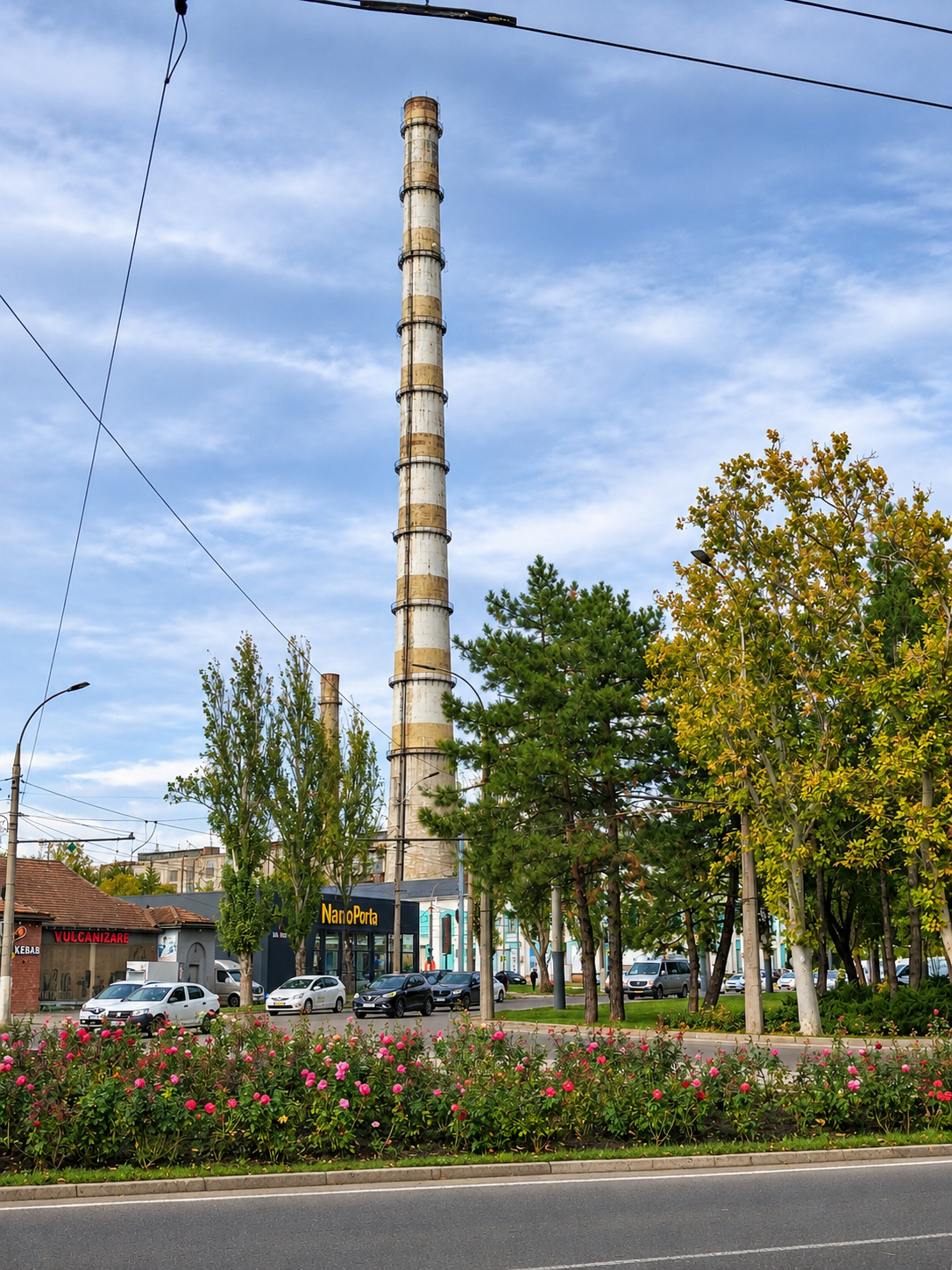
Traffic moves toward the center while apartment windows begin glowing farther and farther into the distance until the eastern side of the city almost feels endless beneath the darkening sky.
The buildings stand further apart, the lights spread differently than in other
sectors, more wider softer and more distant.
And thats might be the reason why it feels like that
Somewhere above the courtyards, you can see the light from a TV while lights are still on in a kitchen where somebody has not yet gone to bed.
A balcony door opens for a moment before closing again. Laughter is heard somewhere between the apartment blocks and fades into the night air.
Above the long roads, courtyards, and apartment buildings of Ciocana, the wind continues moving across the eastern side of Chișinău long after the district has become quiet.
Old mosaic decorations near schools and kindergartens, faded geometric patterns beside entrancesand bus stops that have stood here since the district expanded in
the 1970s and 1980s.
Even some of the old metal playground structures are still there, having survived generations of children and more Moldovan winters than anyone can remember.
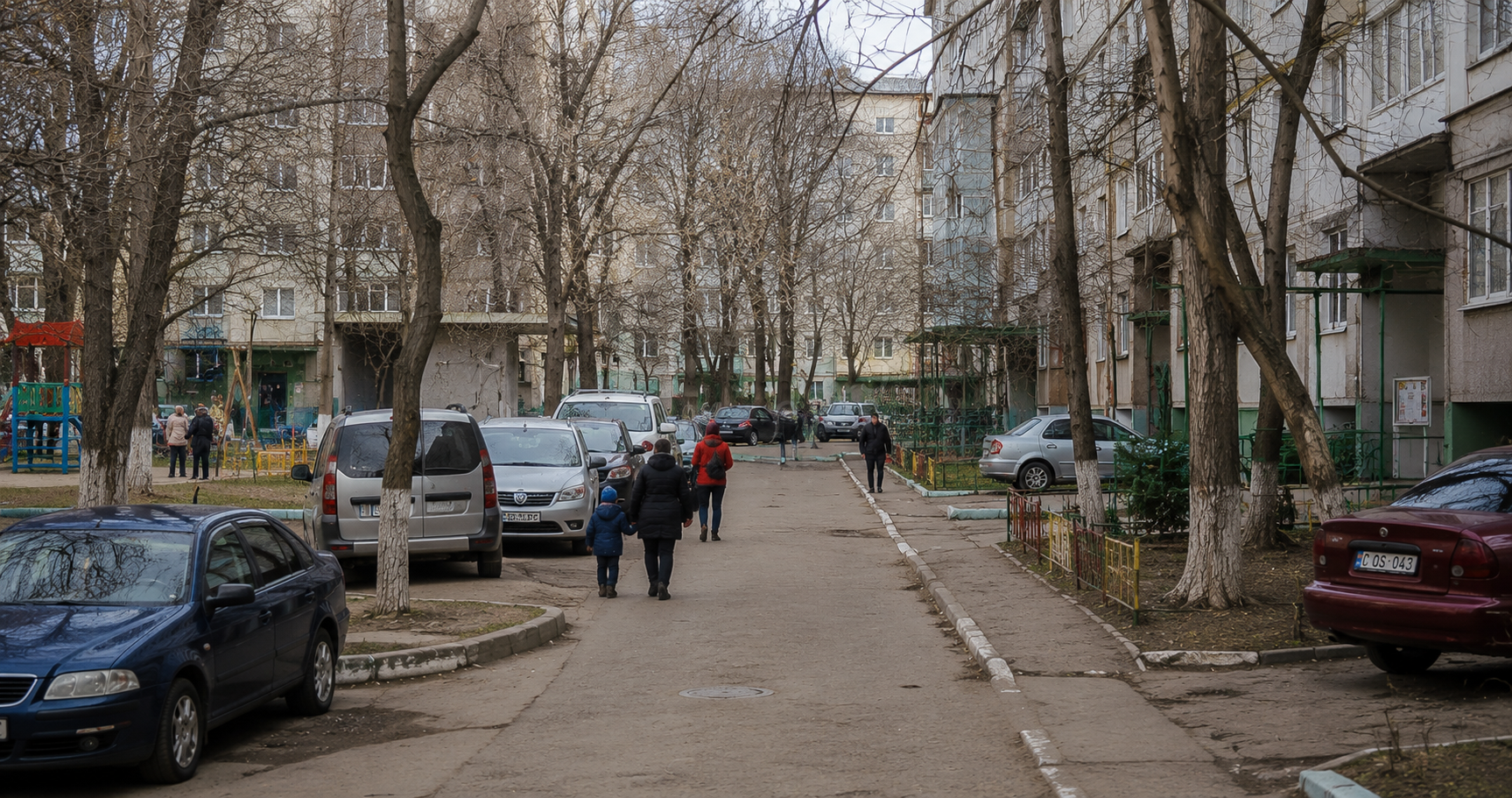
The buildings in Ciocana feel different from many other parts of the city.
There are still long apartment blocks from the Soviet decades, but they are often separated by larger courtyards, playgrounds, trees, sports grounds, and green spaces.
In many places, there is more room between the buildings, giving the district a more open feeling
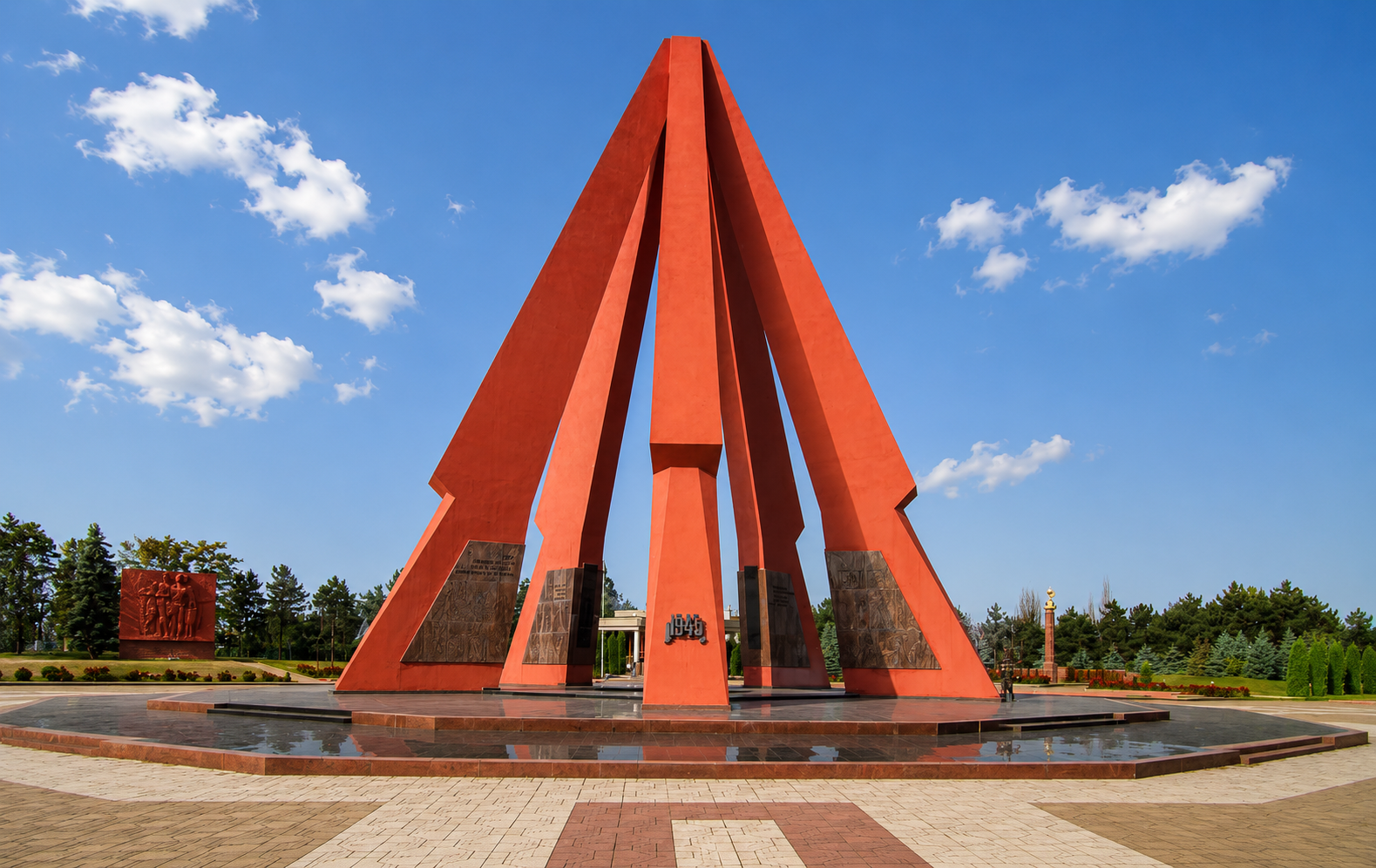
Near schools and walking paths, smaller Soviet memorial stones still stand beneath the trees, dedicated to the soldiers, veterans, and people connected to the older history of the district.
Many pass them every day without stopping, yet they remain there between the courtyards and apartment blocks, quiet reminders of the generations that lived here before.
At the smaller shops, which too are a part of the everyday life, people stop for bread, fruit, drinks, or something for dinner on the way home.
Shopkeepers know many of the regular customers, neighbours meet outside the
entrances, and a quick visit often turns into a short conversation before everyone
continues on their way and in different directions.
3 Facts
Cu mult înainte de extinderea Chișinăului, zona Ciocana era acoperită de
câmpuri, livezi, vii și mici așezări rurale.
Drumurile de aici erau folosite de călători, agricultori și negustori.
-
Long before Chișinău expanded eastward, Ciocana was an area of fields, orchards, vineyards and small rural settlements.
Travelers, farmers and merchants used the roads passing through the area.
-
În secolele XVIII și XIX, terenurile din jurul actualei Ciocana erau folosite pentru agricultură, unele aparținând familiilor boierești și mănăstirilor.
Viile și livezile dominau peisajul.
-
During the 18th and 19th centuries, land around present-day Ciocana was used for
farming, with some estates belonging to boyar families and monasteries.
Vineyards and orchards shaped the landscape.
-
Înainte de extinderea orașului în perioada sovietică, Ciocana era o zonă de periferie cu grădini, terenuri agricole, mori de vânt și case răsfirate.
-
Before the city's Soviet-era expansion, Ciocana was an outlying area with gardens, farmland, windmills and scattered houses.