Other parts of Chișinău feels different from Telecentru.
The first time you move around in the sector, it can be very difficult to explain exactly why.
Something simply feels different, in this sector and thats maybe the reason why Telecentru never feels like one thing.
Part of it feels busy and important, a part of it feels old and worn and yey another part of it feels almost silent enough to forget you are still inside a capital city.
Maybe because of the hilly terrain, everything seems to moving differently here.
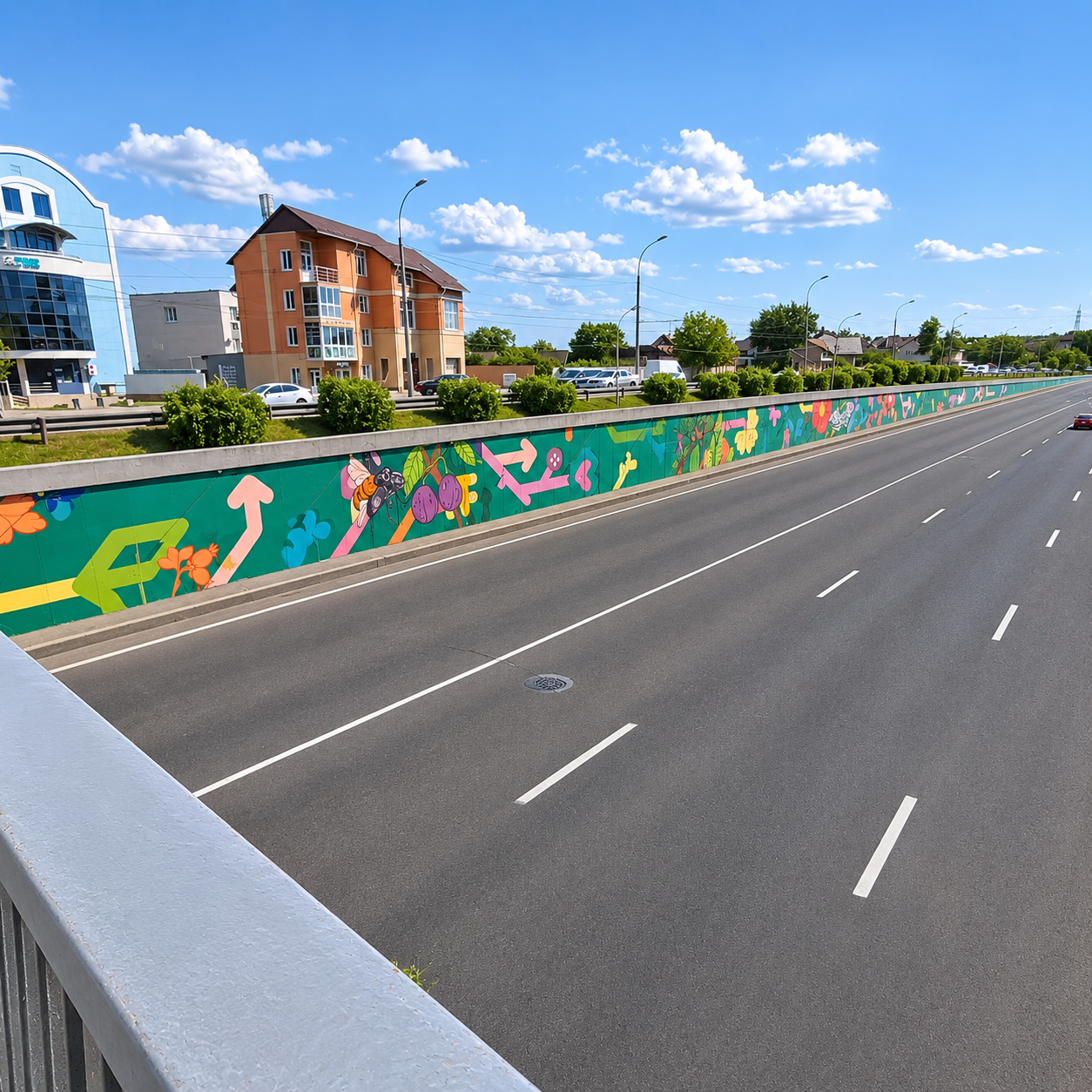
Around Șoseaua Hîncești and Strada Miorița, roads climb and bend through the area while trolleybuses drive slowly uphill beneath apartment blocks, cafés, kiosks, universities, garages and trees hanging above the retaining walls.
You are constantly moving upward or downward in Telecentru.
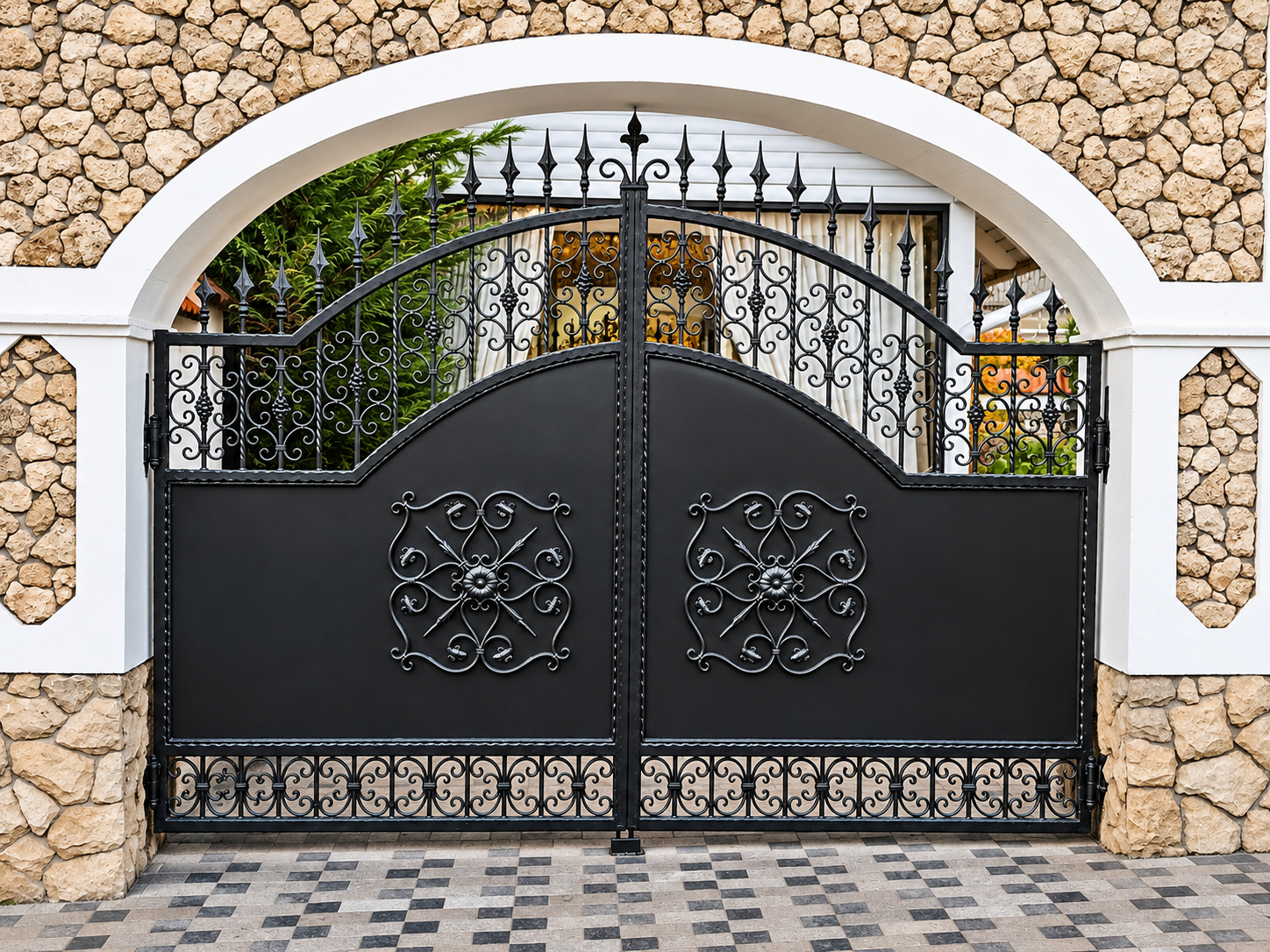
One moment you are standing just beside noisy traffic and buses, and a few minutes later walking through a more silent side street where plants climb old fences and somebody's garden still survives behind a gate older than many of the apartment buildings around it.
Because the roads rise and fall so much, sounds travel strangely through Telecentru.
Voices echo uphill between the buildings, the dogs bark somewhere lower down the slope and music escapes briefly from an open car window before disappearing again
into the traffic.
During weekends, the sound of church bells sometimes drift through the hills while trolleybuses continue humming beneath the electrical wires.
Telecentru still carries visible pieces from several different periods, all mixed together.
Older one-floor homes hidden behind grapevines, stone fences surviving beside Soviet apartment blocks, gardens squeezed between newer buildings, apartment houses from the Soviet period climbing the hills next to cafés, grocery stores, offices and newer businesses.
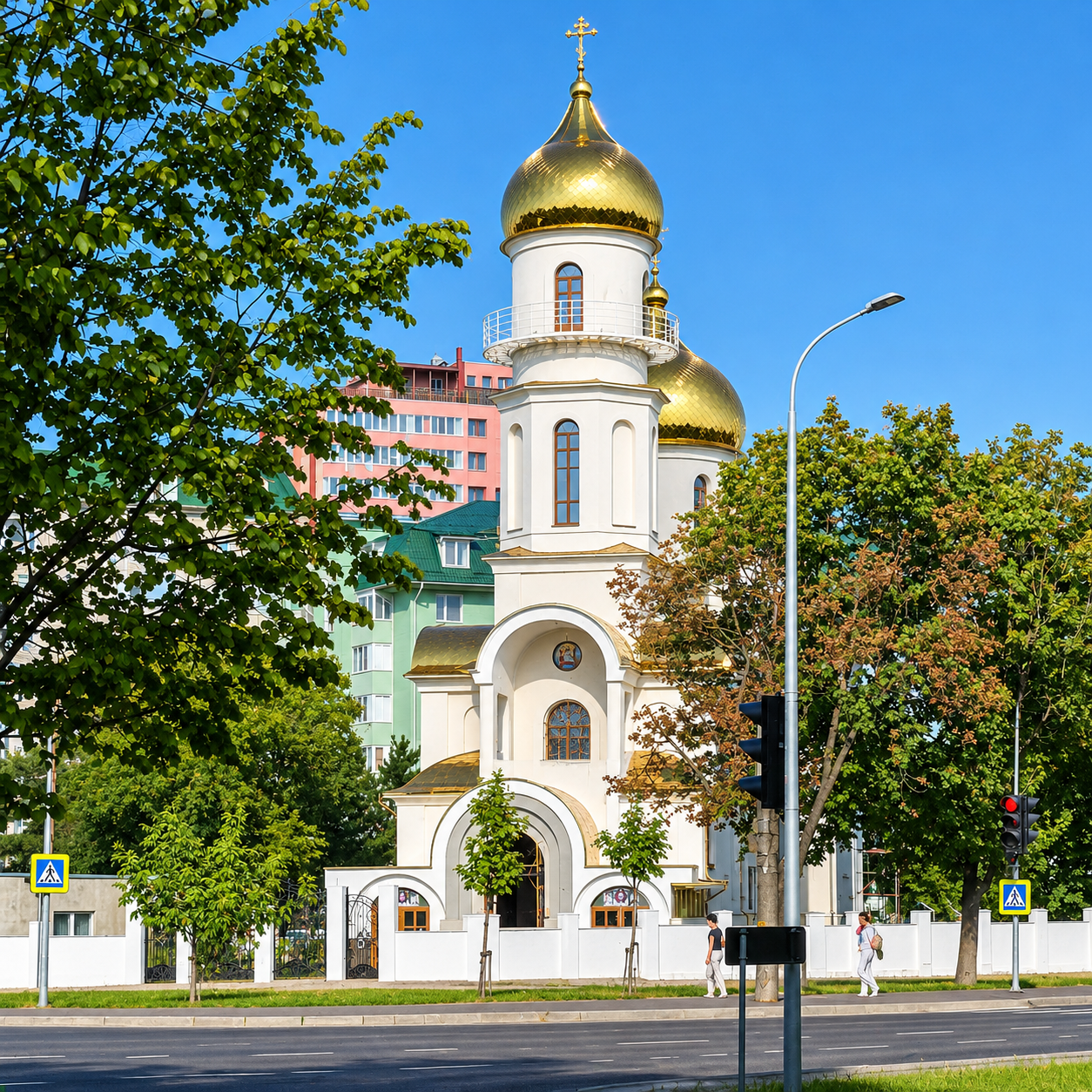
And then somewhere between it all, a church dome suddenly appears above the rooftops and trees.
Religion is still visible in the everyday streets of Telecentru.
A church may appear between apartment buildings, trees and traffic, almost as if the city simply grew around it.
People enter for a few minutes and come out again while trolleybuses, cars and ordinary life continue just outside.
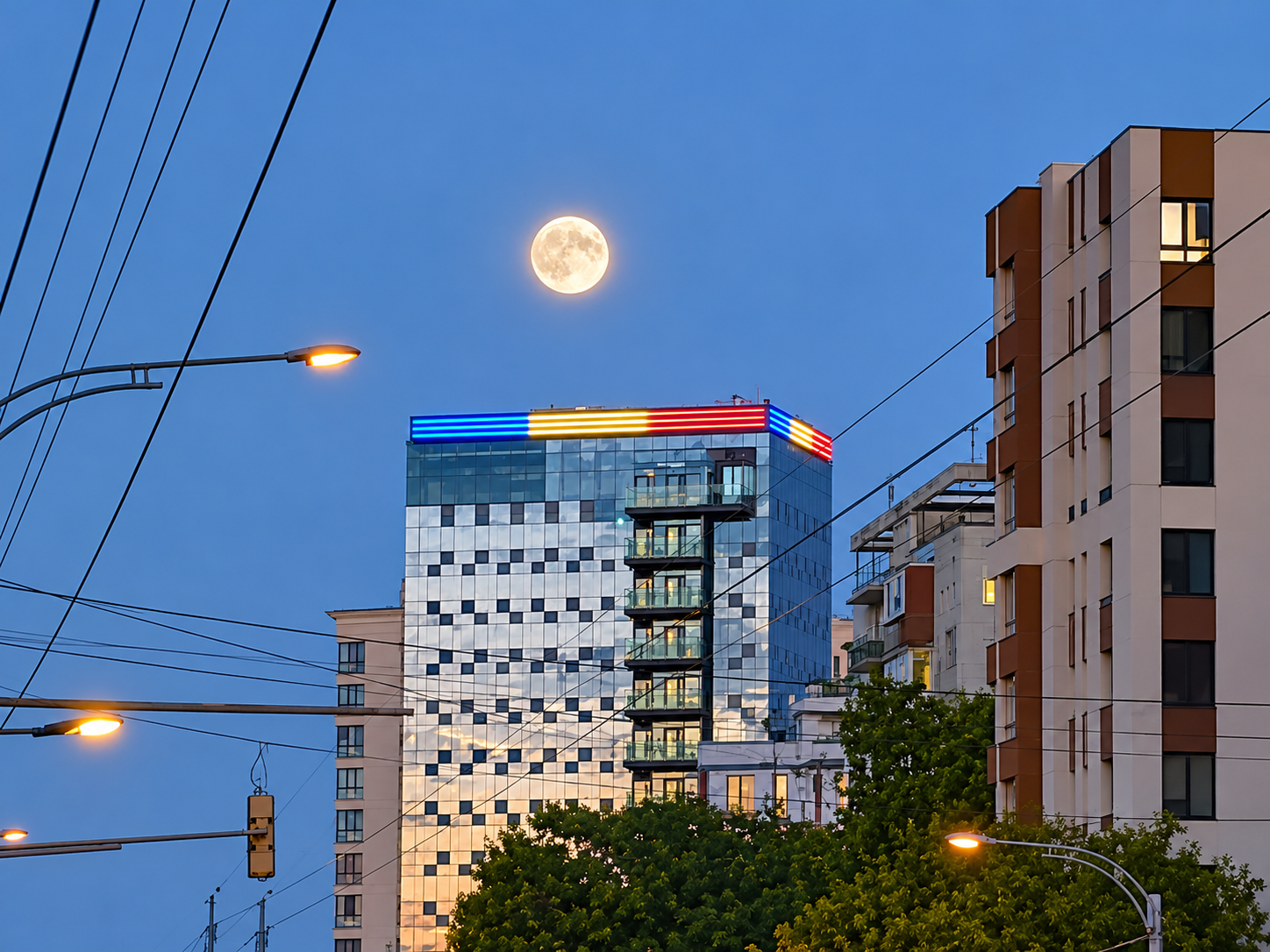
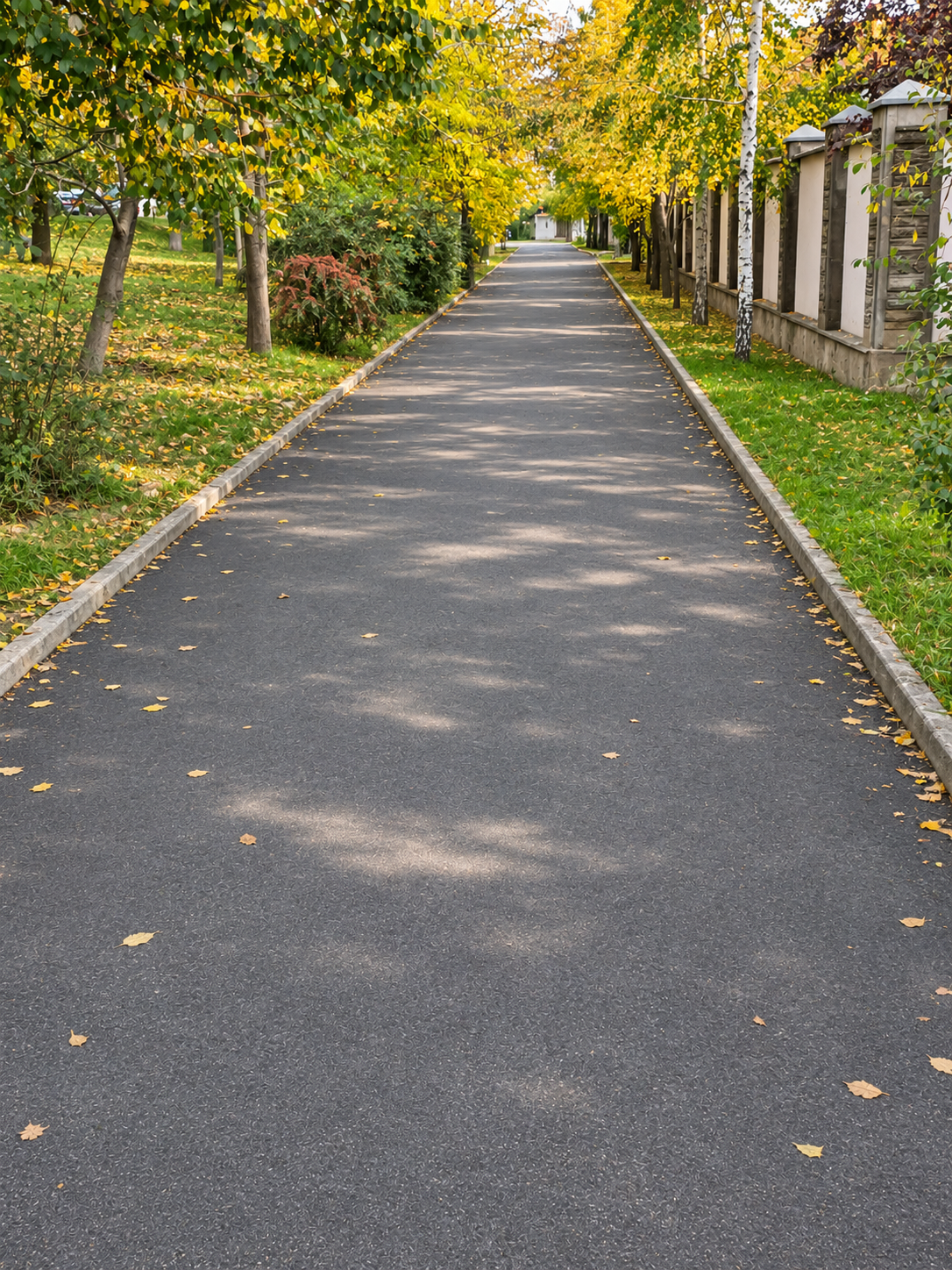
Older women quietly cross themselves while passing a church, Priests sometimes move through the same streets as students, workers and people waiting for trolleybuses.
During darker winter evenings, candles glow behind church windows while rainwater slowly finds its way downhill through the roads outside.
The past appears in smaller details too.
Older stones, plaques and traces of previous decades still remain between courtyards, institutions and trees.
Many people probably pass them every day without thinking much about them, they simply stay there while the city around them continues changing.
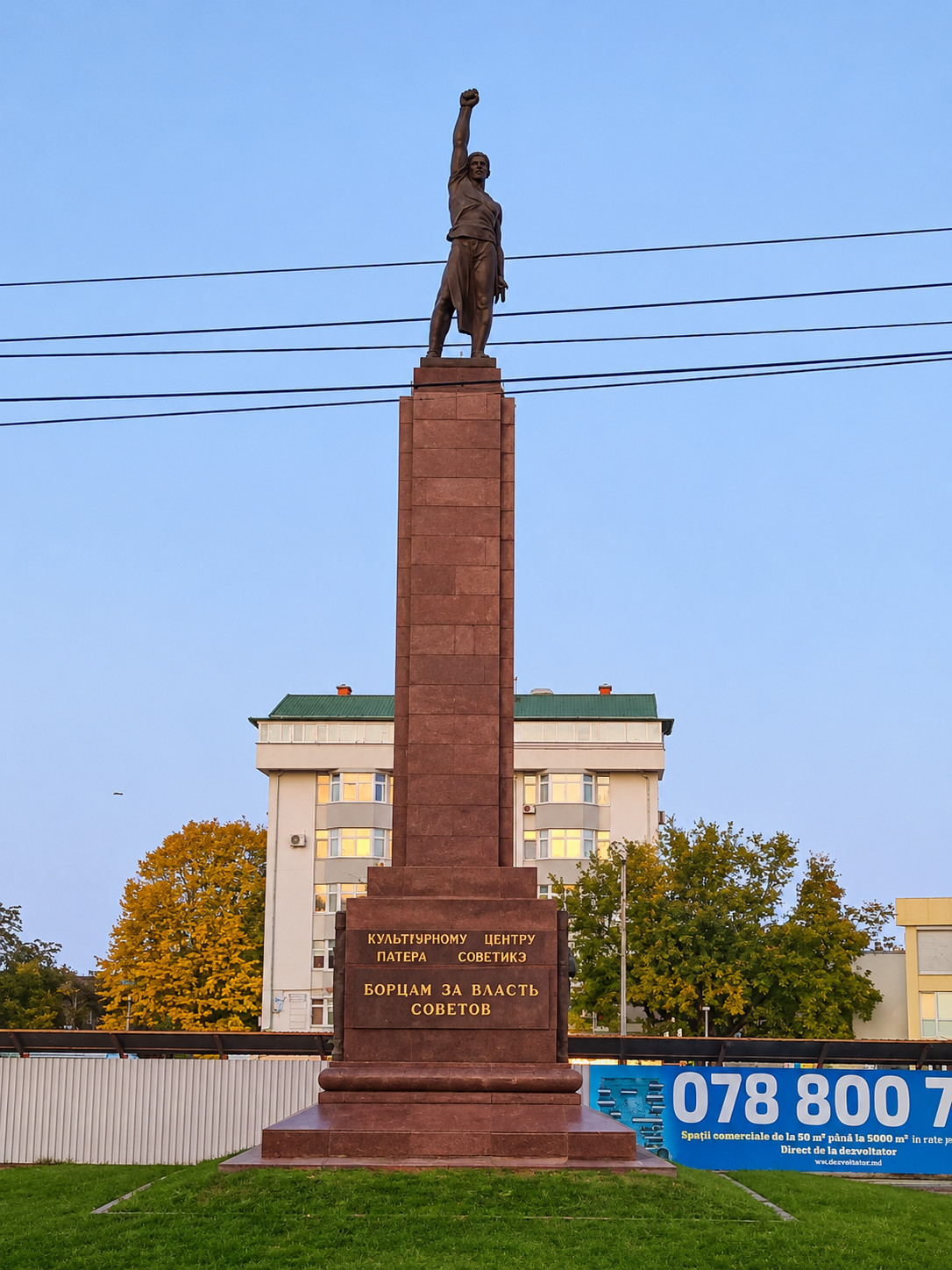
Unlike parts of the city that feel more polished, Telecentru feels that it is lived in.
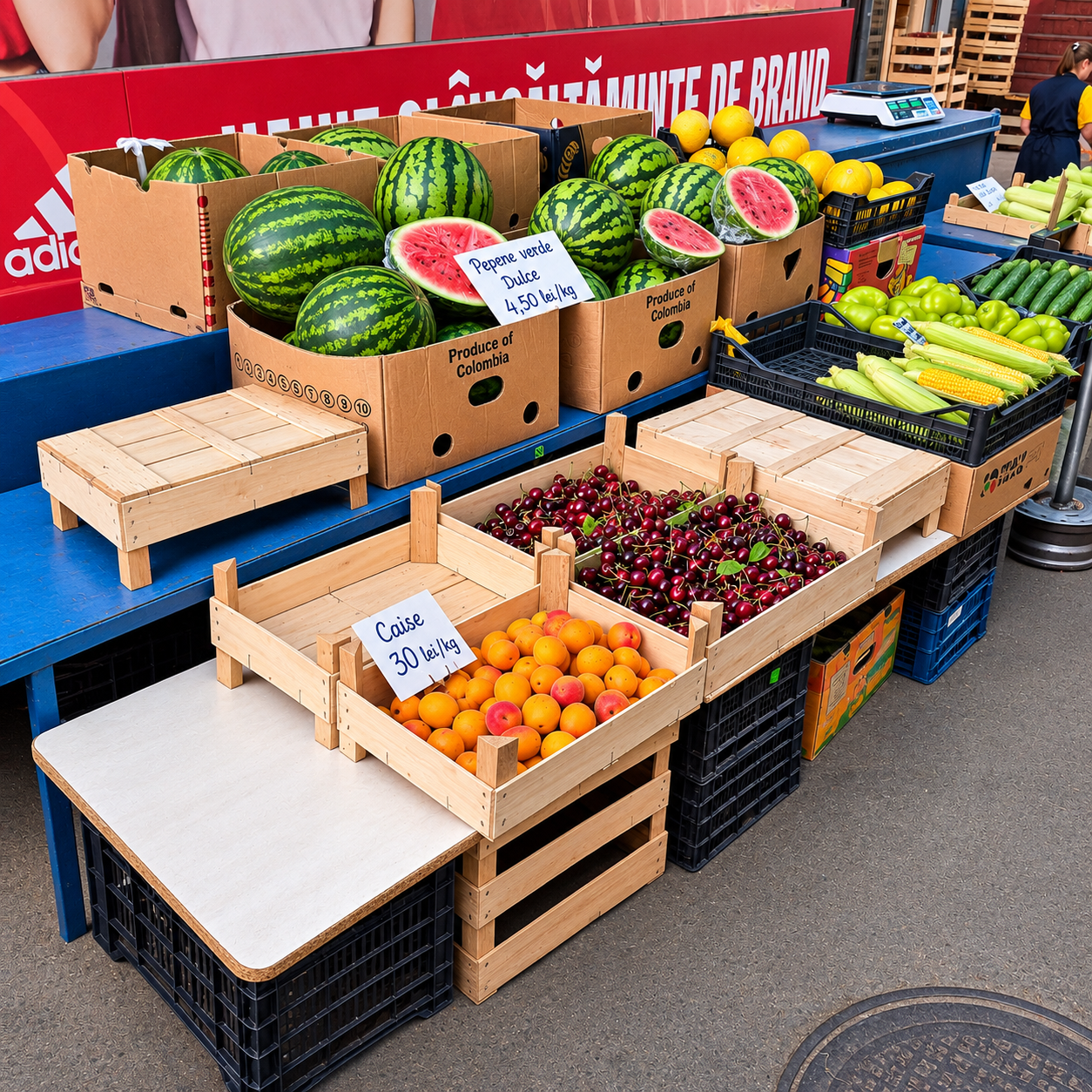
A delivery driver carries crates into a grocery store beneath an apartment block while somebody nearby drags home heavy shopping bags filled with bread and vegetables.
Students hurry downhill laughing because they are late, while an older man slowly washes dust from his car beside the curb with a hose stretched across the sidewalk.
Near stairways between the hills, children kick footballs against the walls while somebody higher above shakes dust from carpets hanging over a balcony rail.
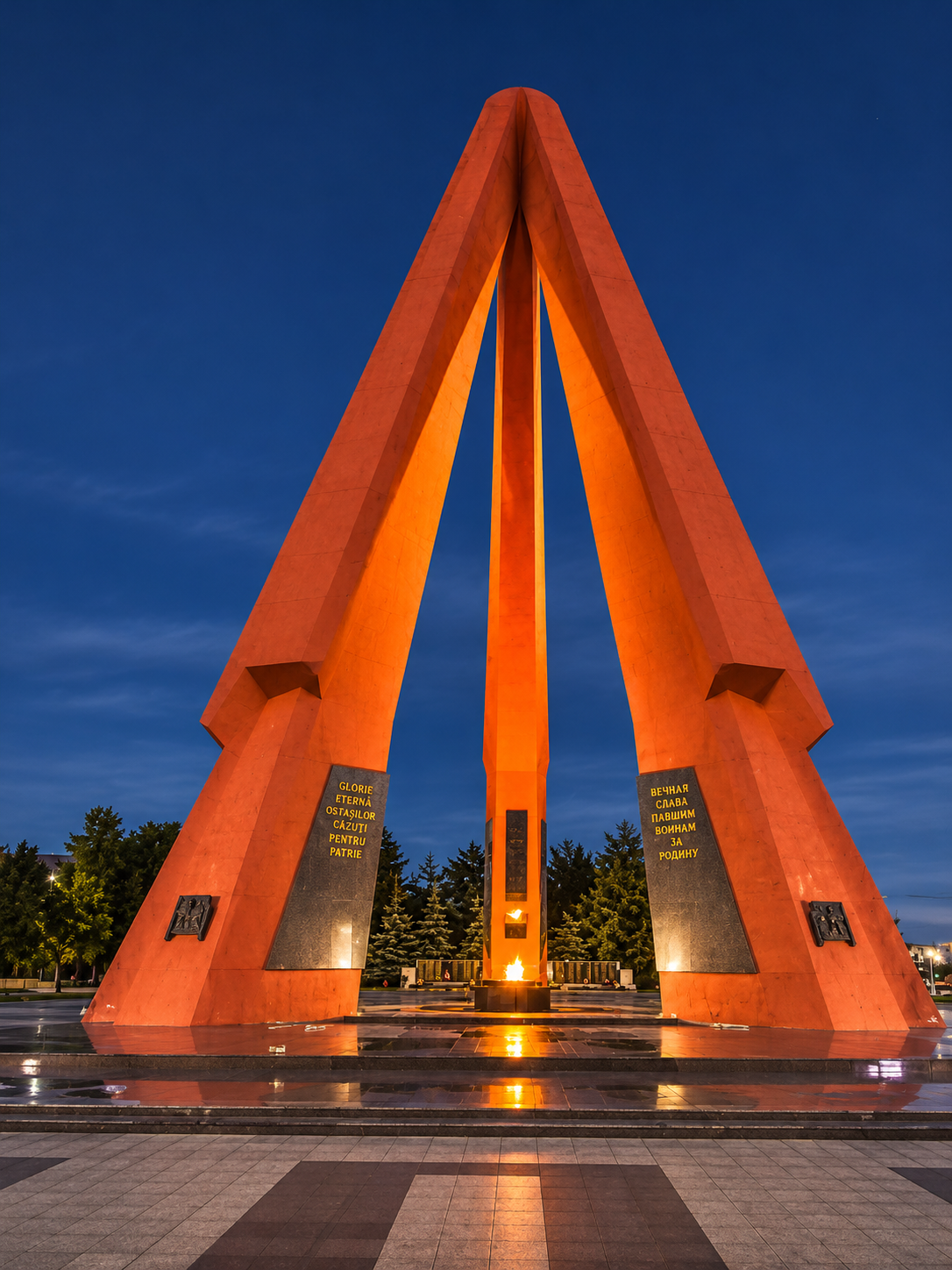
People stop to talk here constantly, but not because they have planned to, but It simply happens naturally.
Two neighbors suddenly meet beside a bakery and remain standing there talking, while smells from warm bread drift out and into the air every time the door opens.
Taxi drivers lean beside parked cars discussing football, prices, politics, or somebody they both know.
Near kiosks and grocery shops, somebody always seems to recognize somebody else.
A stray dog sleeps near an apartment entrance beneath a green pharmacy sign glowing through the evening darkness.
Another slowly crosses the road near a trolleybus stop before disappearing downhill between garages and fences.
Cats move silently beside stairways and older homes, while somebody leaves food for them near a tree or beneath a bench without making a big thing out of it.
Once you stop looking only at the traffic and apartment buildings, you begin noticing the smaller details everywhere.
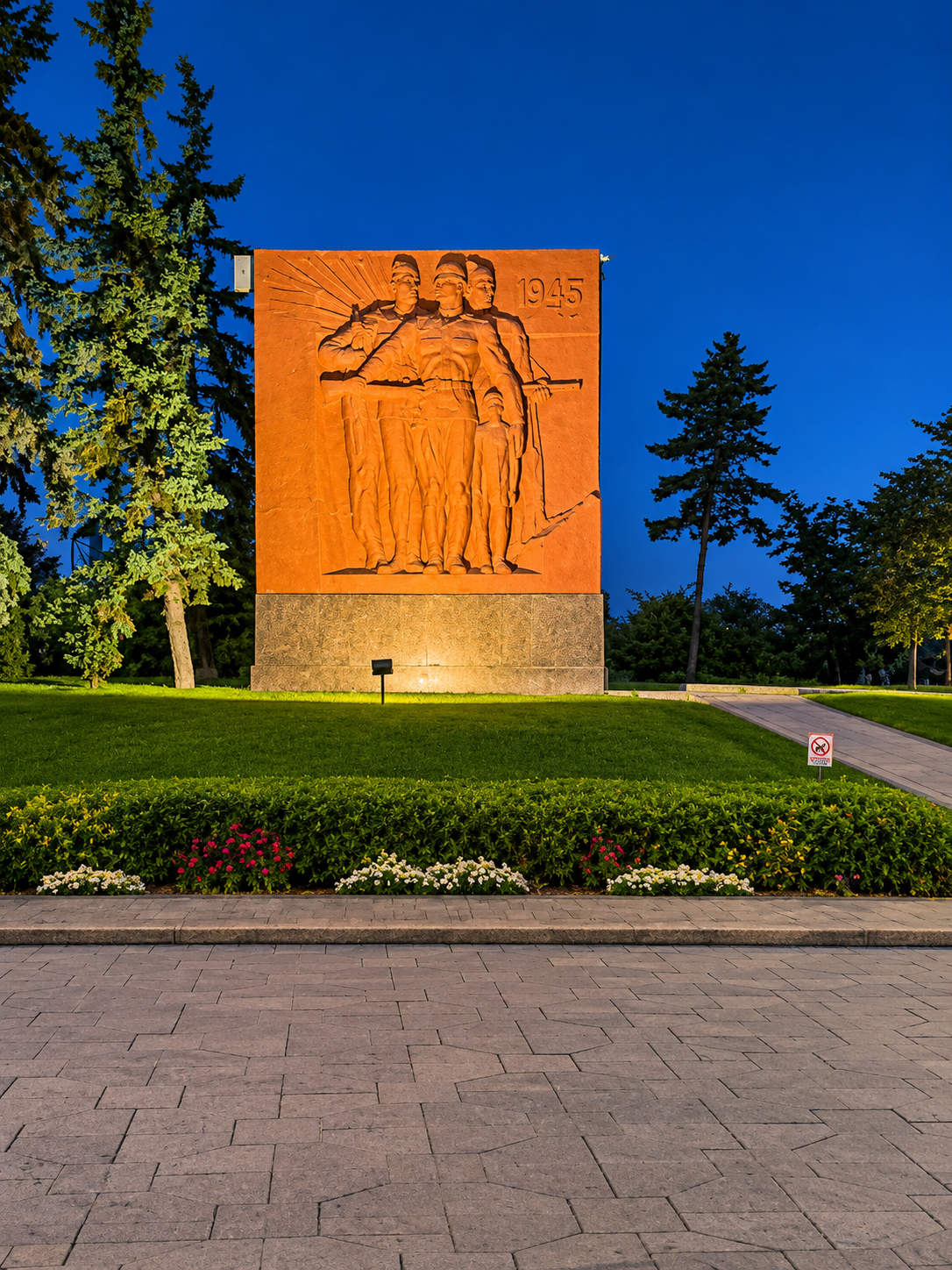
Old traces from the Soviet period still survive between institutes, schools and apartment buildings, stone stairways have been worn smooth by decades of footsteps, while older concrete structures stand beneath newer advertisements and glowing pharmacy signs.
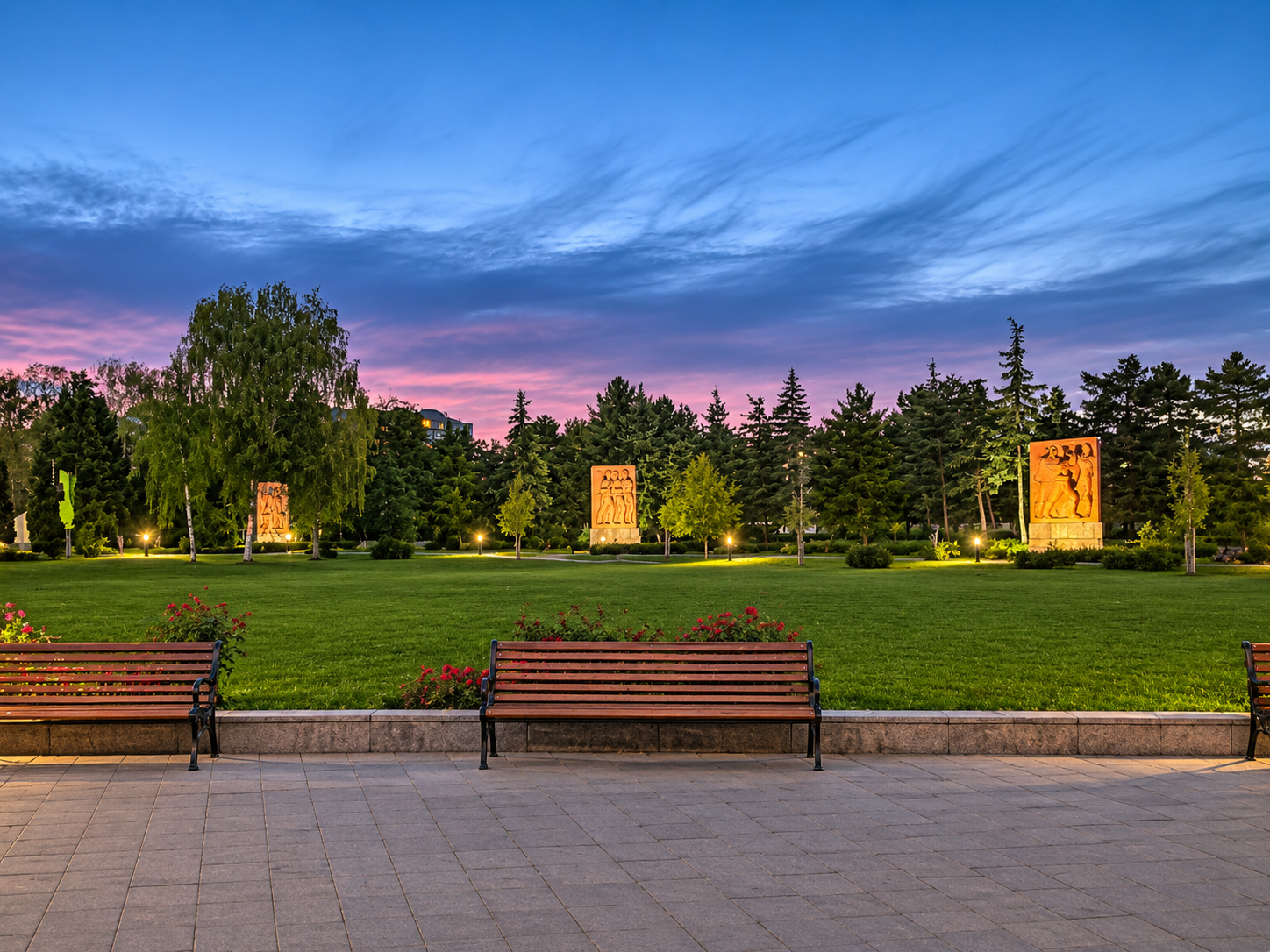
Retaining walls are covered by climbing plants, large trees hang above the roads before suddenly opening toward views across rooftops and distant parts of the city below.
As you move through Telecentru, you begin to understand why the area feels different from many other parts of Chișinău.
Long before today's apartment blocks were built across these hills, roads were already running south from the city toward settlements and countryside beyond Chișinău.
The city grew outward, but the hills and the old routes remained underneath it.
The cafés and restaurants are a natural part of the sector, though not in a polished, fancy or fashionable way.
Students sit near windows drinking coffee before lectures while workers stop for
soup, pastries or grilled meat during colder afternoons.
The smell of baked dough, garlic, coffee, grilled food and warm bread drifts outward each time somebody opens a café door along the hillsides.
Telecentru almost changes character completely after the rain.
Headlights stretch across the wet roads while trolleybuses move through reflections from cafés, apartment windows and traffic signals.
You smell it instantly, the wet leaves, the wet roads and it somehow calms you down.
People continue walking uphill beneath umbrellas toward apartment buildings glowing above the roads.
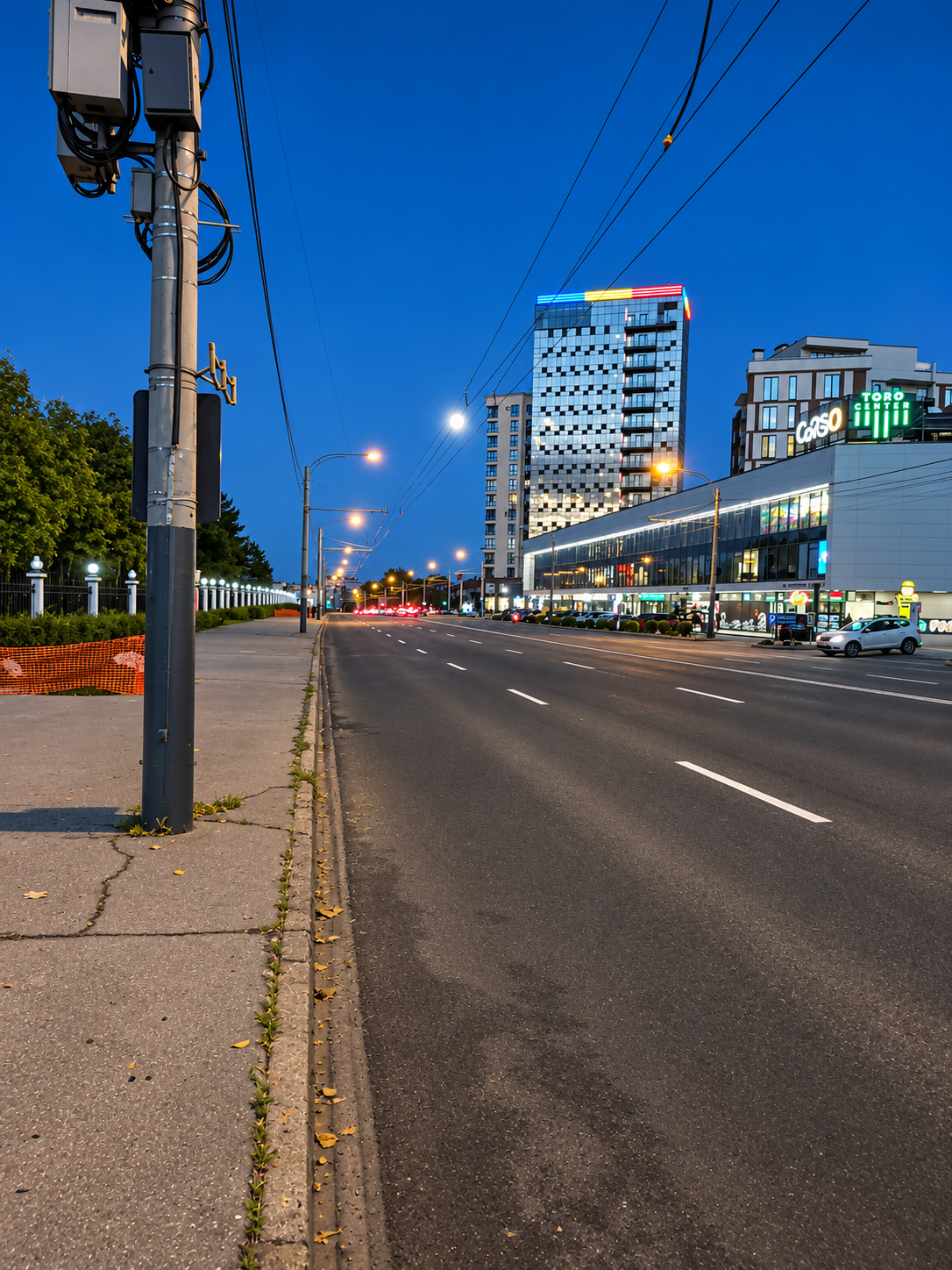
In the evening, traffic still moves through the hilly roads while apartment windows slowly begin lighting up above the slopes, one after another.
Somewhere below, music is heard softly from an open café door while somebody waits paciently at a trolleybus stop, looking down toward the lights spreading across the city.
Telecentru still feels awake somehow.
Cars continue along the roads while voices are briefly heard between the hillsides and above the trees, another balcony light suddenly switches on.
While the night air moves slowly through the hills of Telecentru, life still continues long after midnight.
3 Facts
Drumuri vechi
Dealurile Telecentrului erau traversate de drumuri spre sud cu mult înainte
ca orașul modern să se extindă aici.
Old Routes
The hills of Telecentru were crossed by roads leading south from Chișinău long before the modern city expanded here.
-
Vii și livezi
În secolele XVIII și XIX, vii, livezi și grădini acopereau o mare parte din terenurile din jur.
Vineyards & Orchards
In the 18th and 19th centuries, vineyards, orchards and gardens covered
much of the surrounding land.
-
Înainte de blocuri
Case mici, ferme și drumuri vechi existau aici înainte ca dezvoltarea din perioada
sovietică să transforme dealurile.
Before the Blocks
Small homes, farms and old roads existed here before Soviet-era development
changed the hillsides.