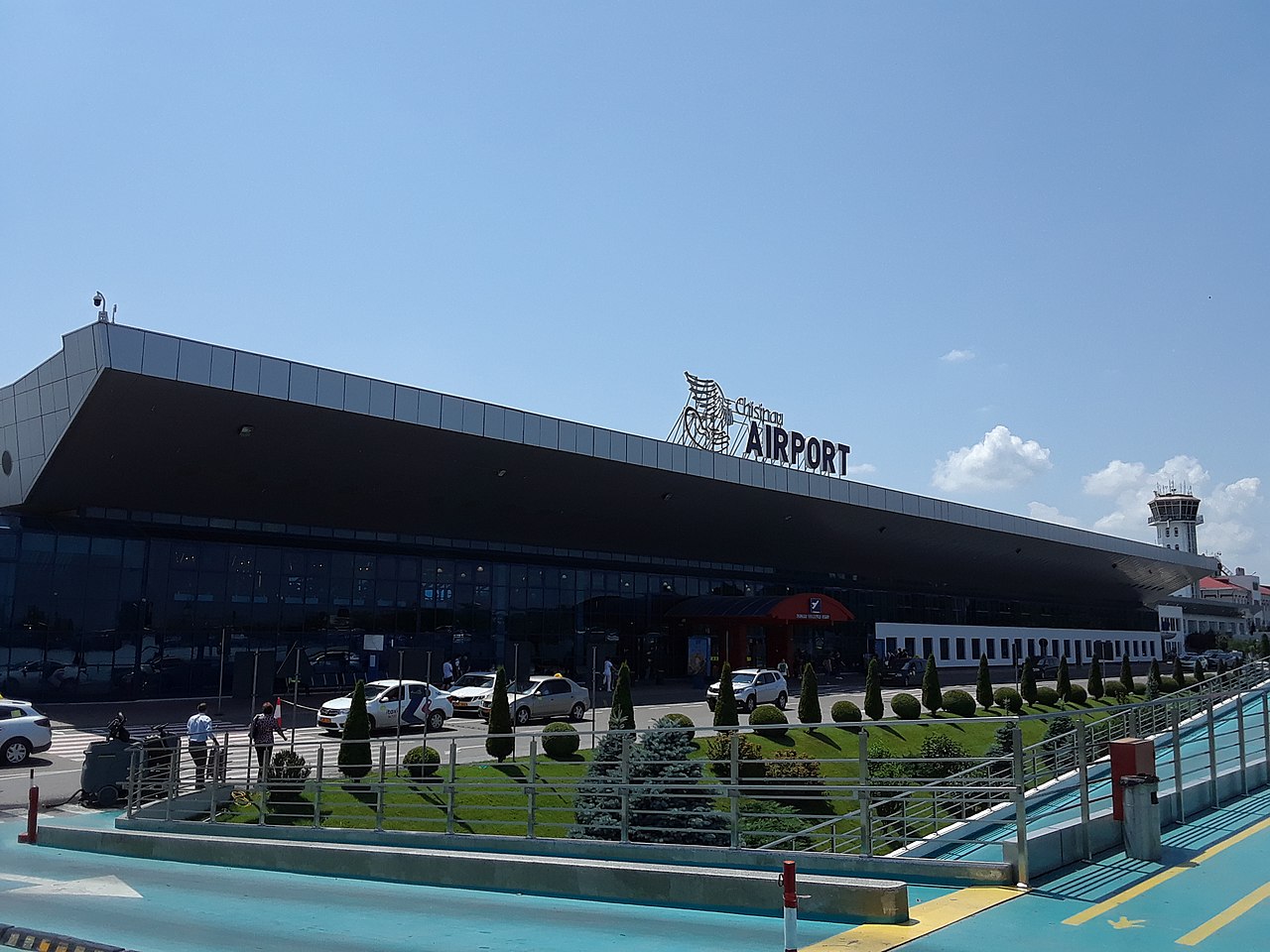
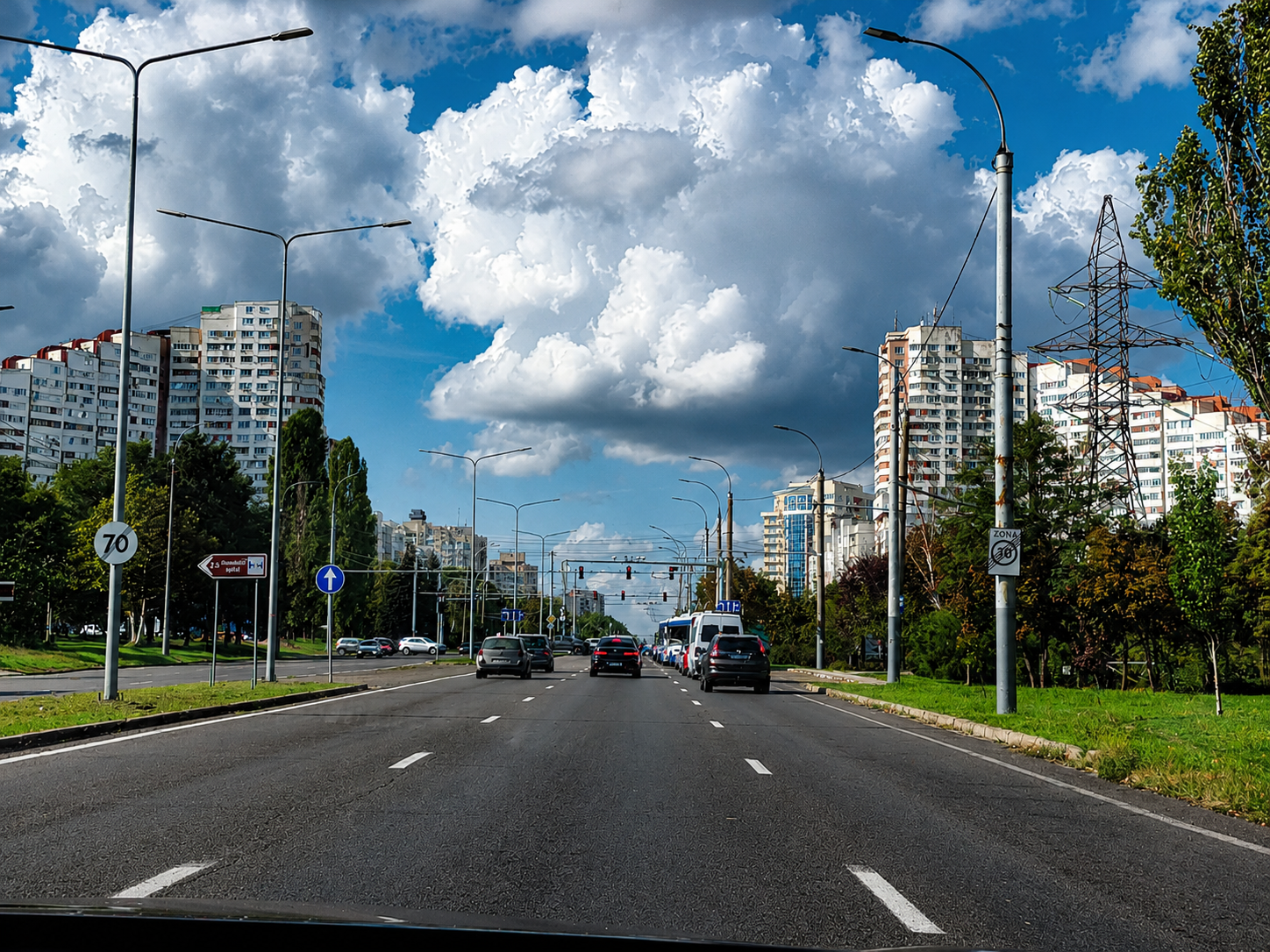
When you are getting closer to Chișinău from the airport, one of the first landmarks you may notice, is the City Gate.
Two enormous apartment buildings stand on opposite sides of Dacia Boulevard, forming an entrance to the capital.
They were built during the Soviet period, and their size is impressive, especially when you drive between them for the first time.
Beyond the City Gate, the road continues towards the centre, passing apartment buildings, shops, trees and the everyday traffic of Chișinău.
Welcome to Moldova's capital! 😊
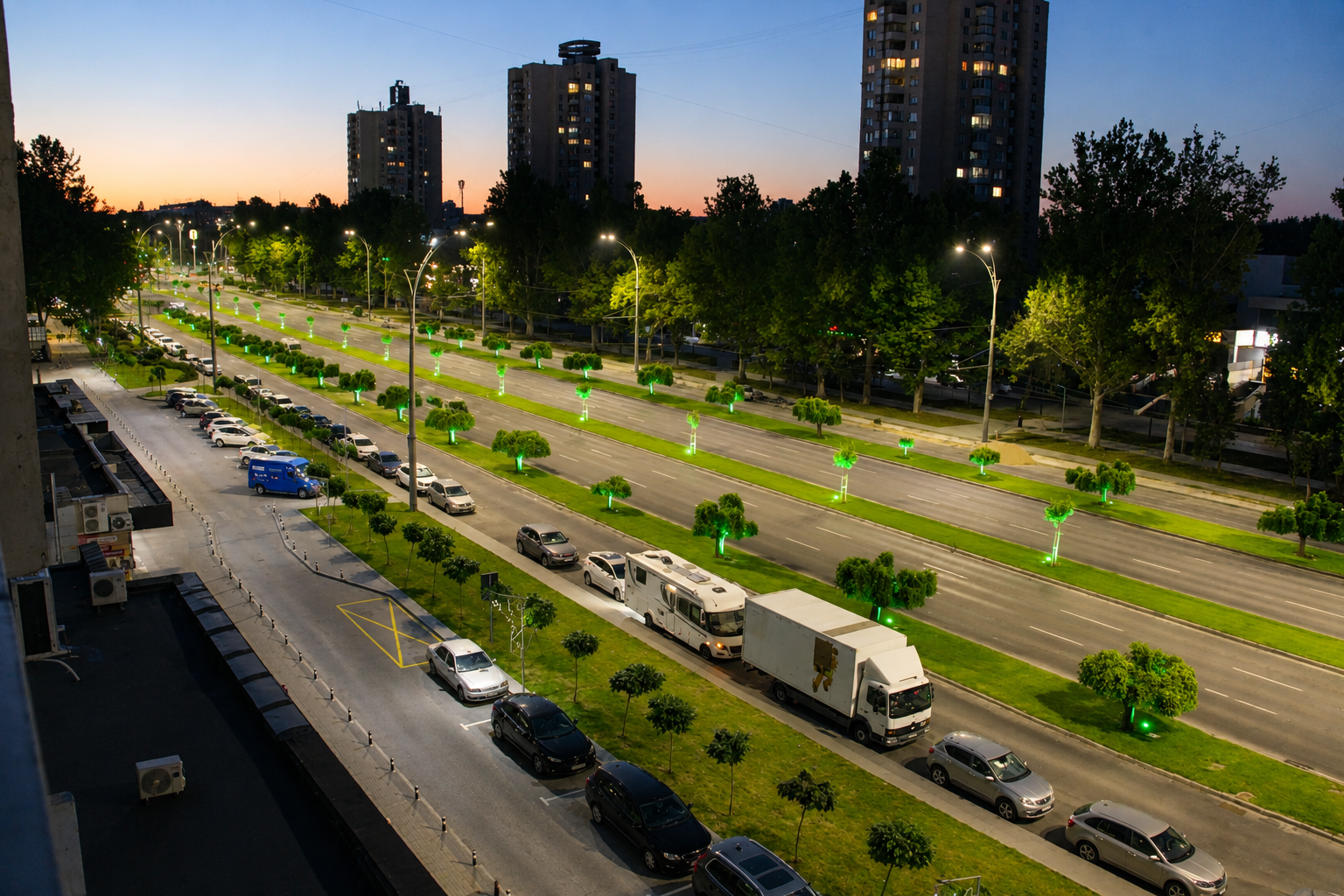
Chișinău is a city of contrasts.
Wide boulevards with trolleybuses and busy intersections connect neighbourhoods where smaller streets, courtyards and older houses have survived between modern developments.
In some places, new apartment buildings rise beside houses that have stood for generations.
Elsewhere, large Soviet residential blocks dominate the view, with shops, cafés and small businesses occupying their ground floors.
There is plenty to discover beyond the main streets, and sometimes an ordinary turn around a corner leads to something worth stopping for.
Chișinău is divided into five administrative sectors, and each offers a different part of the city to explore.
Centru - The historical and administrative heart of Chișinău, with important buildings, museums, theatres, shops and some of the city's best-known streets.
Buiucani - A mixture of residential neighbourhoods, green spaces, educational institutions and quieter streets, including areas with older houses.
Rîșcani - Busy streets, residential districts, markets and parks, where much of the city's everyday life takes place.
Botanica - A large southern sector with apartment neighbourhoods, markets, parks and the familiar City Gate along Dacia Boulevard.
Ciocana - An eastern sector with extensive residential areas, broad streets, newer developments and neighbourhoods that continue to grow.
Telecentru - Although Telecentru is officially part of Centru Sector, many Moldovans speak of it and treat it almost as a separate sector of Chișinău.
It has its own character, with older houses, Soviet-era apartment buildings, residential streets and elevated views across the city.
For this reason, we have chosen to give Telecentru its own page on GoVisitMoldova, allowing visitors to discover this part of the capital in greater detail.
Each sector has its own page on GoVisitMoldova, with photographs, local information and places worth discovering.
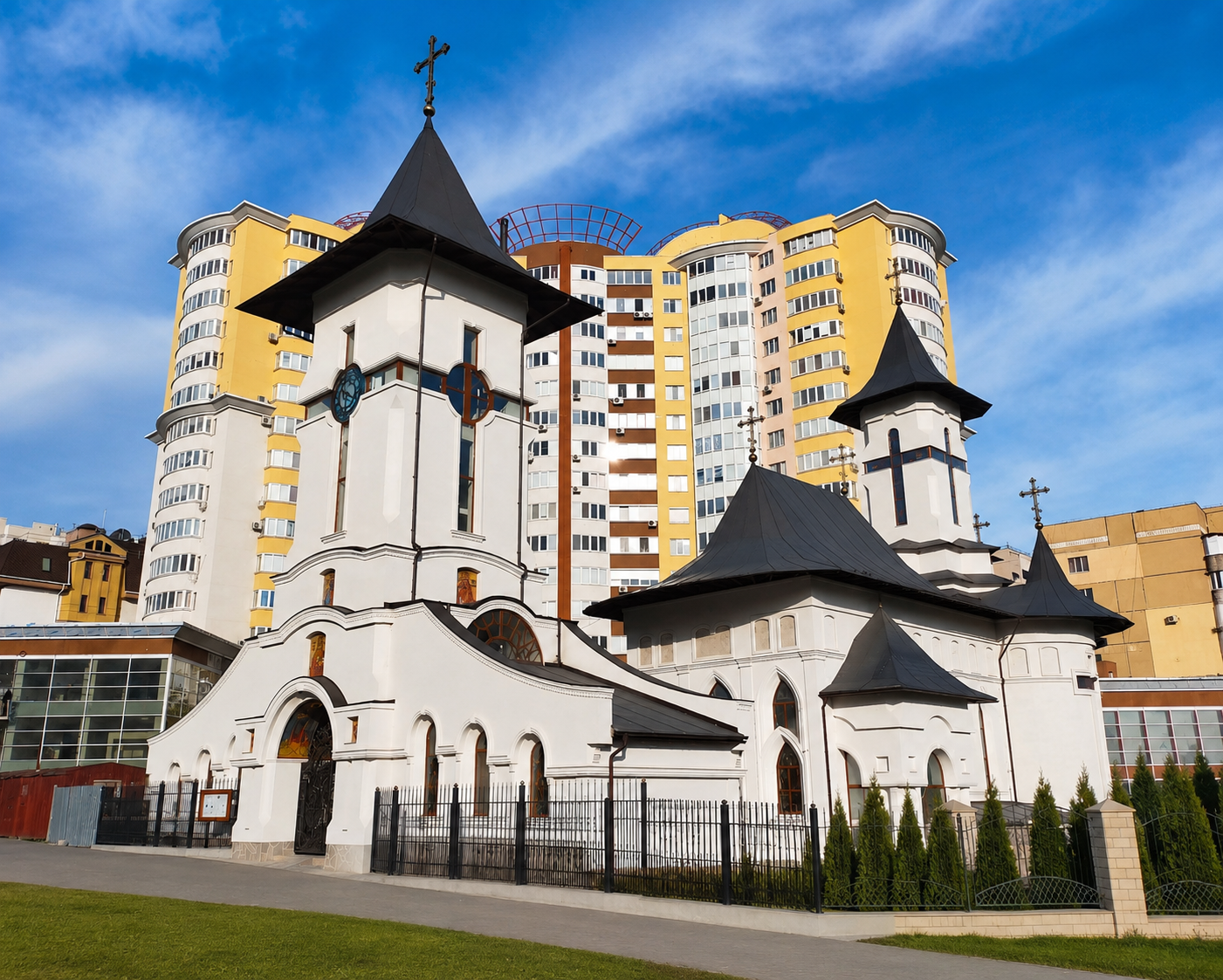
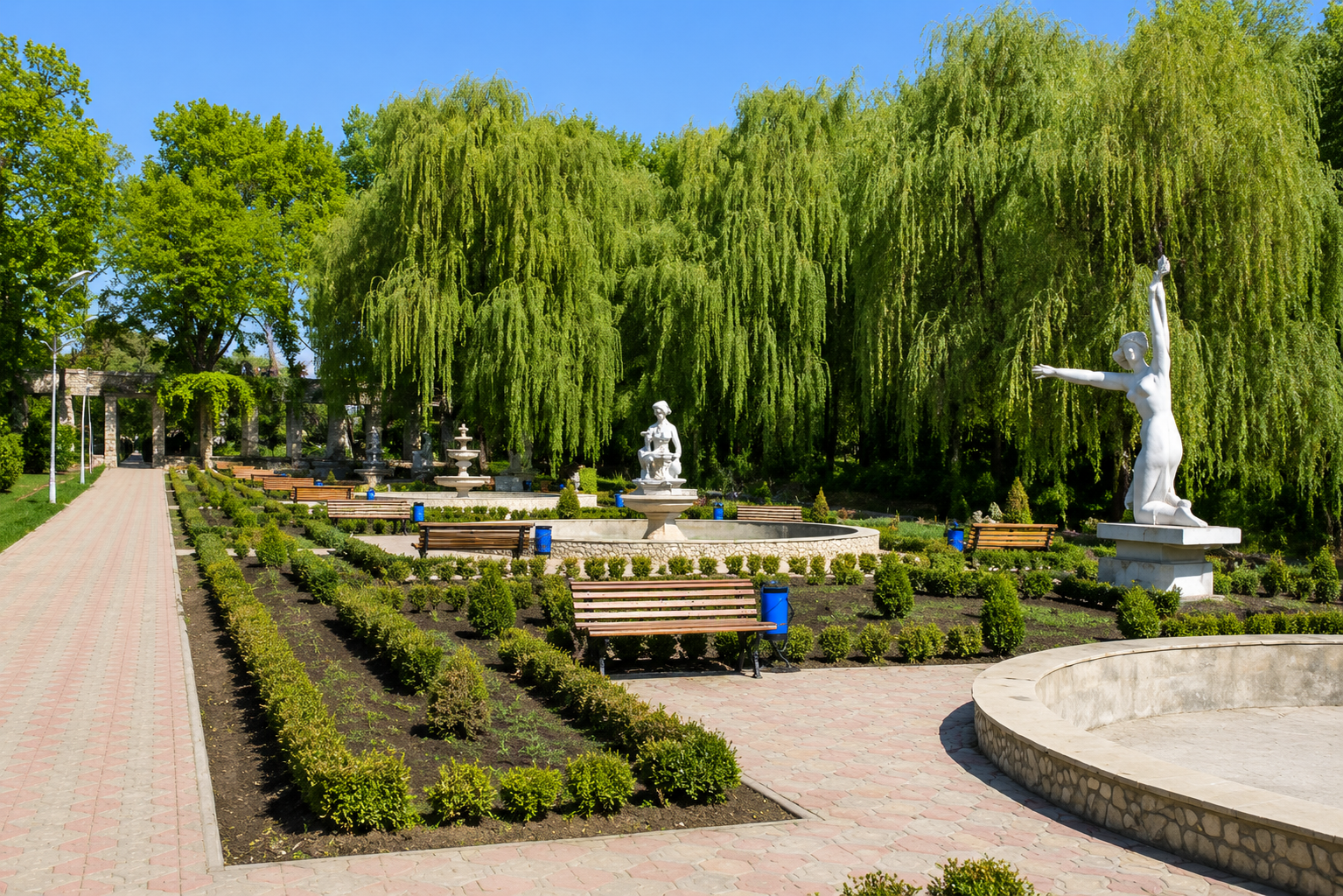
One of the pleasant things about Chișinău is the amount of greenery, trees, bushes, plants and flowers, found throughout the city.
Large trees line many streets, sometimes forming almost continuous canopies above the sidewalks.
Between residential buildings, there are courtyards with benches, playgrounds and small gardens.
The city also has several larger parks.
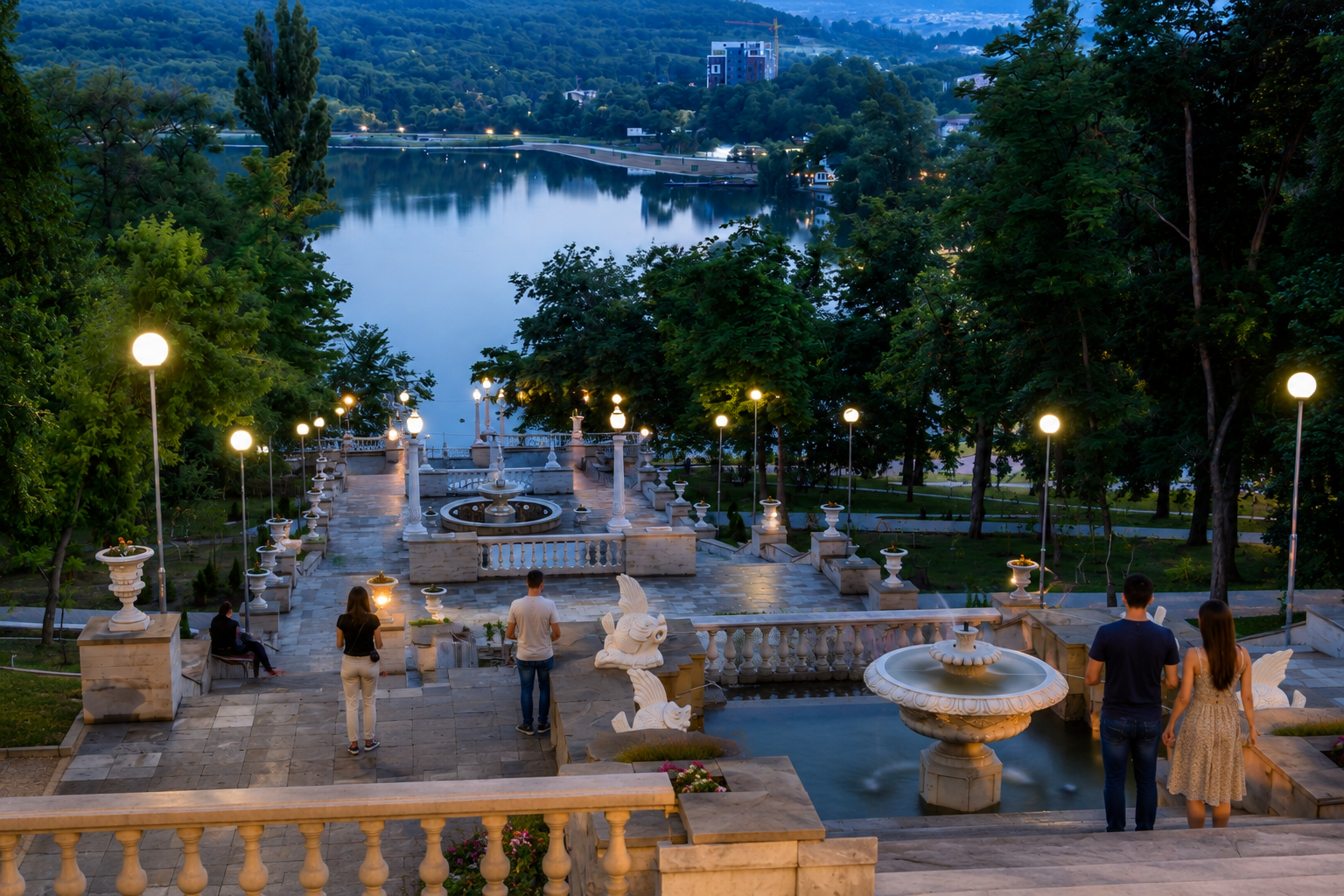
Ștefan cel Mare Central Park, close to the centre, is a familiar meeting place, while Valea Morilor Park offers a lake, walking paths and space for outdoor activities.
Further from the centre, other parks and green areas provide places for walking, cycling or simply spending an afternoon outside.
During the warmer months, the trees make quite a difference when the temperature rises.
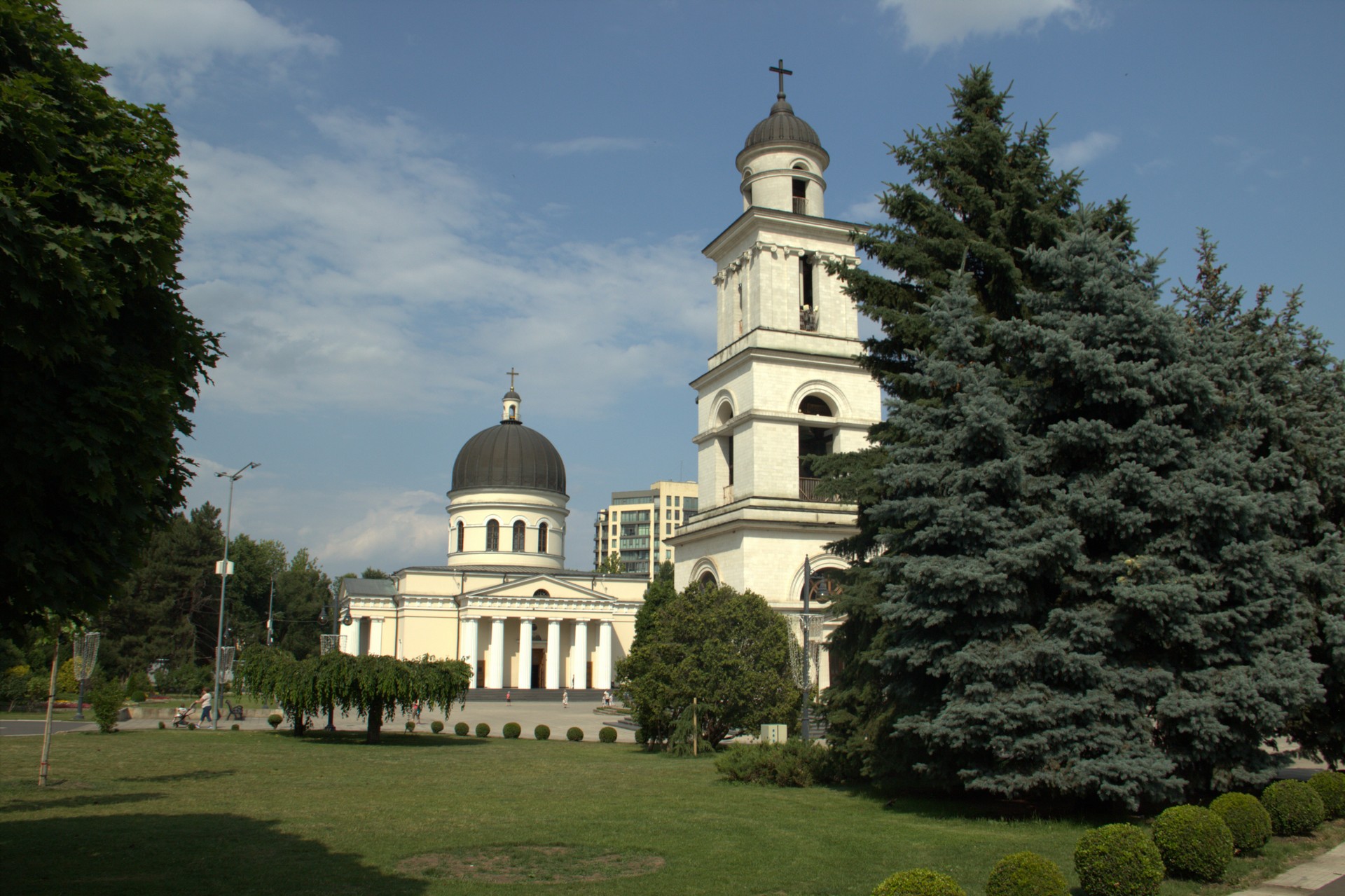
Some of Chișinău's most interesting buildings are not necessarily the largest or most famous.
Look at the older houses along the streets of Centru, where decorative balconies, carved doors, ornamental window frames and carefully shaped façades remain from earlier periods.
Some have been beautifully restored, while others show their age, with peeling
plaster, weathered wood and repairs made over many decades.
The details are often above street level, so it is worth and interesting looking up occasionally and a walk through Chișinău can become a small architectural expedition.
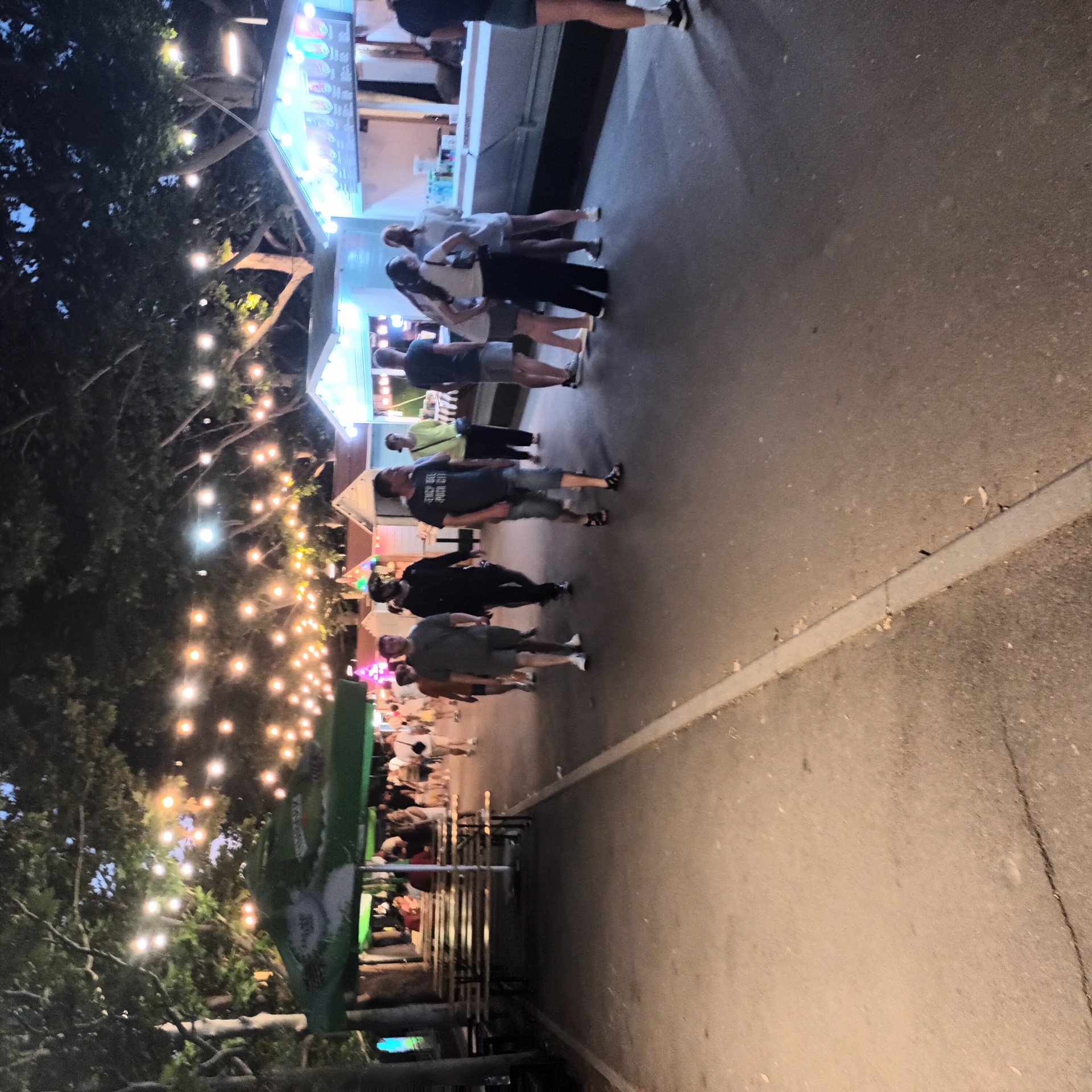
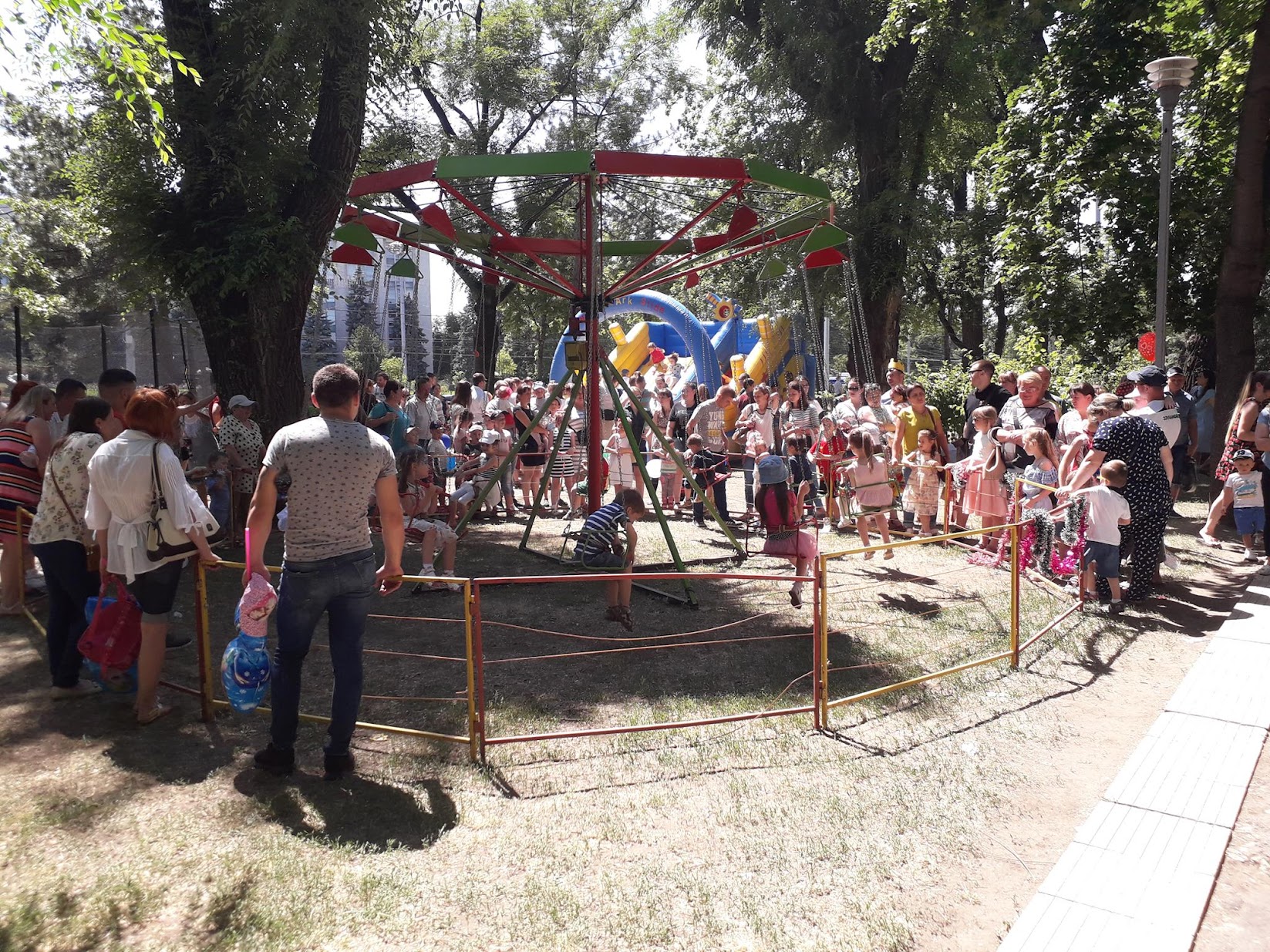
Chișinău was first mentioned in written records in 1436, when it was a small settlement in the Principality of Moldavia.
Its development accelerated during the 19th century, when Bessarabia was part of the Russian Empire.
Streets, public buildings, churches and residential neighbourhoods expanded as the
town grew.
The 20th century brought wars, destruction, reconstruction and major changes to the city.
During the Soviet period, broad boulevards, apartment districts and public buildings transformed much of Chișinău.
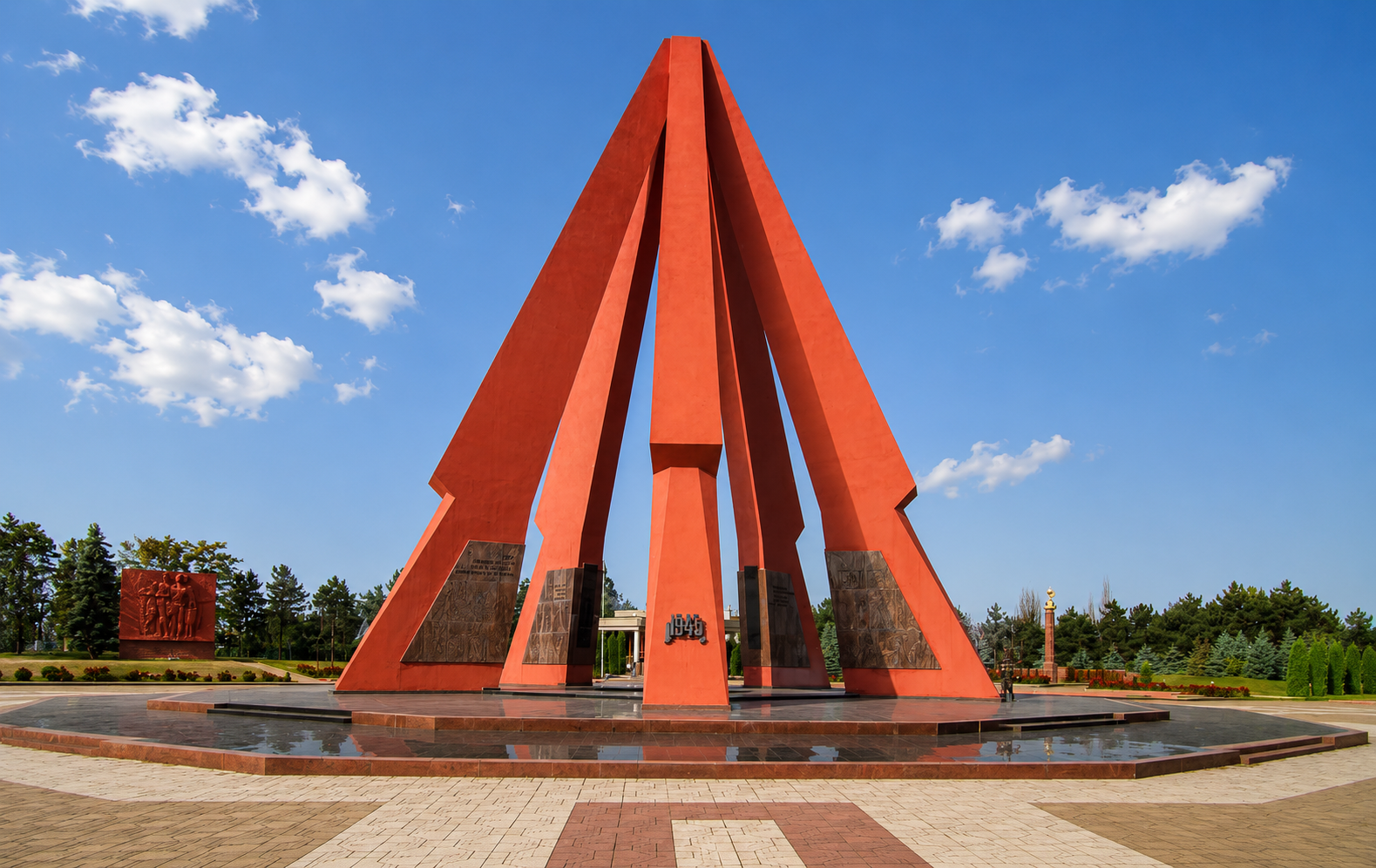
Today, the capital brings together architecture and traces of all these periodsand some of its history is found in museums and monuments.
Much of it can simply be seen along the streets.
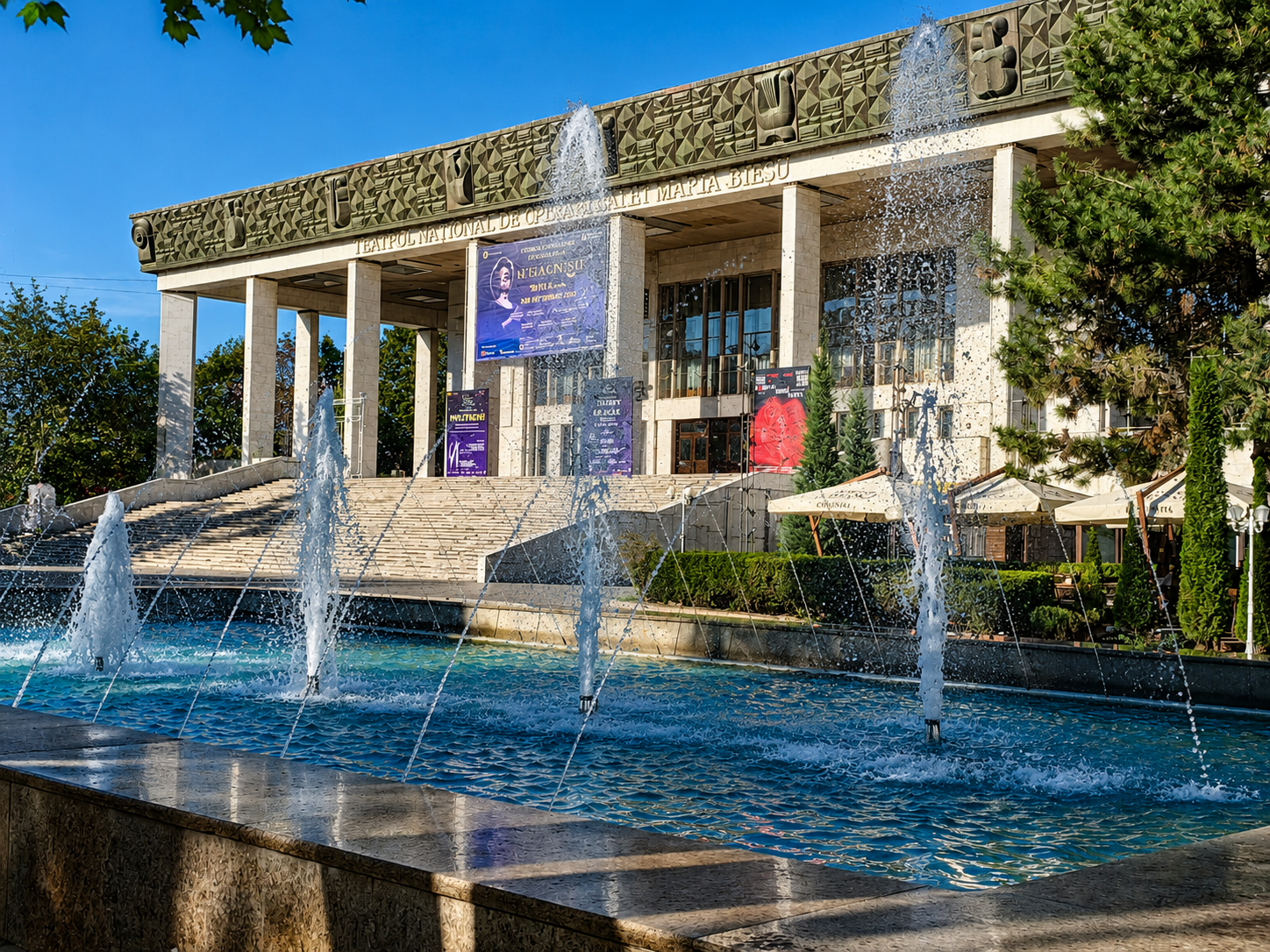
Walking is one of the best ways to discover the central parts of Chișinău.
Along the main streets, you will find cafés, restaurants, shops, museums and public buildings.
But take a smaller side street, and the surroundings can change considerably, where there are old houses behind fences, courtyards filled with greenery, small shops and architectural details that are easily missed from a car or trolleybus.
Not every street is perfectly maintained, and some sidewalks are uneven, so watch where you step.
That is also part of exploring a city that is still developing and changing, so comfortable shoes are a good idea.
So is bringing your camera, because the city might reveal something very special, which are hard to discover in other european big cities.
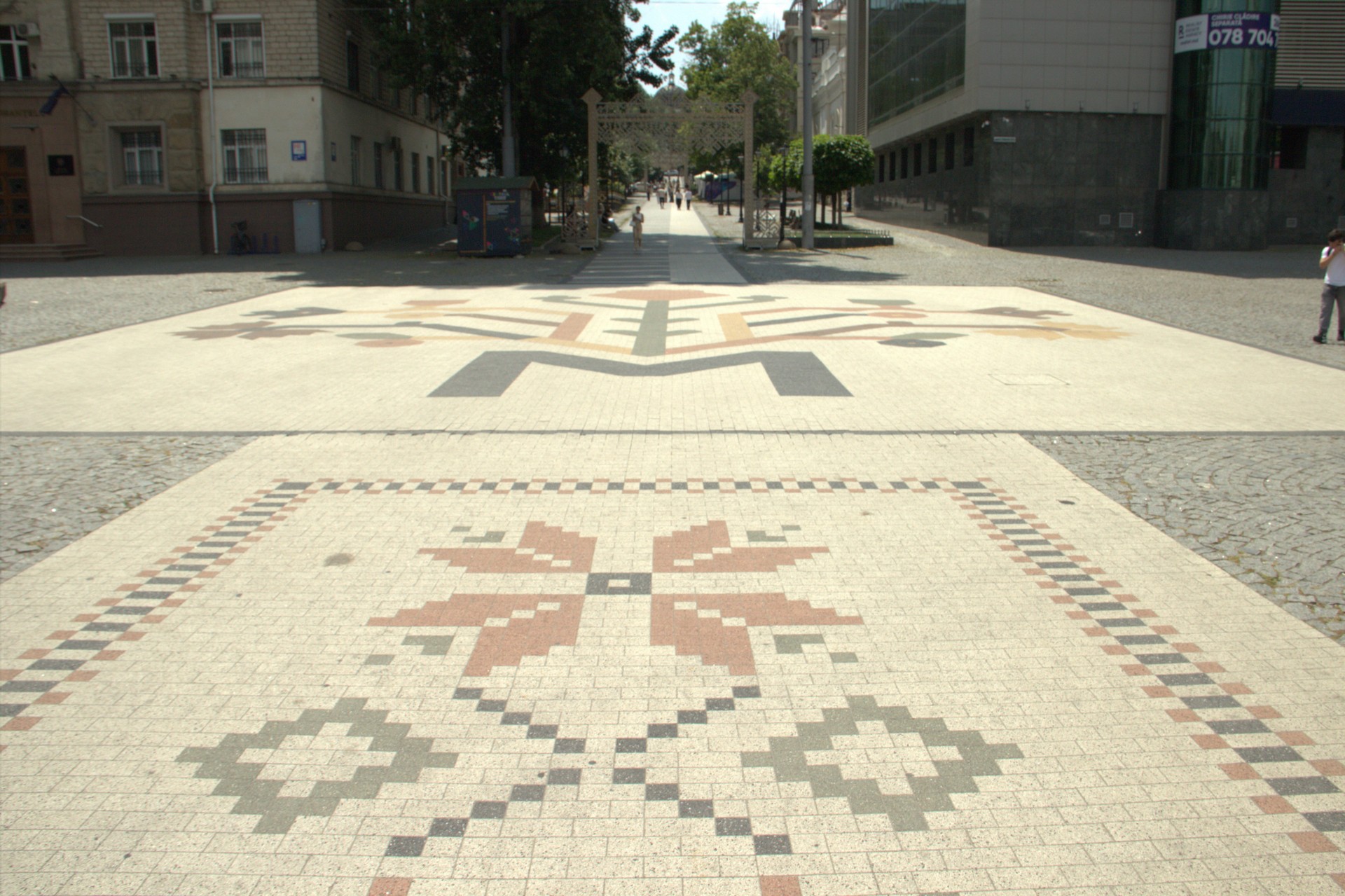
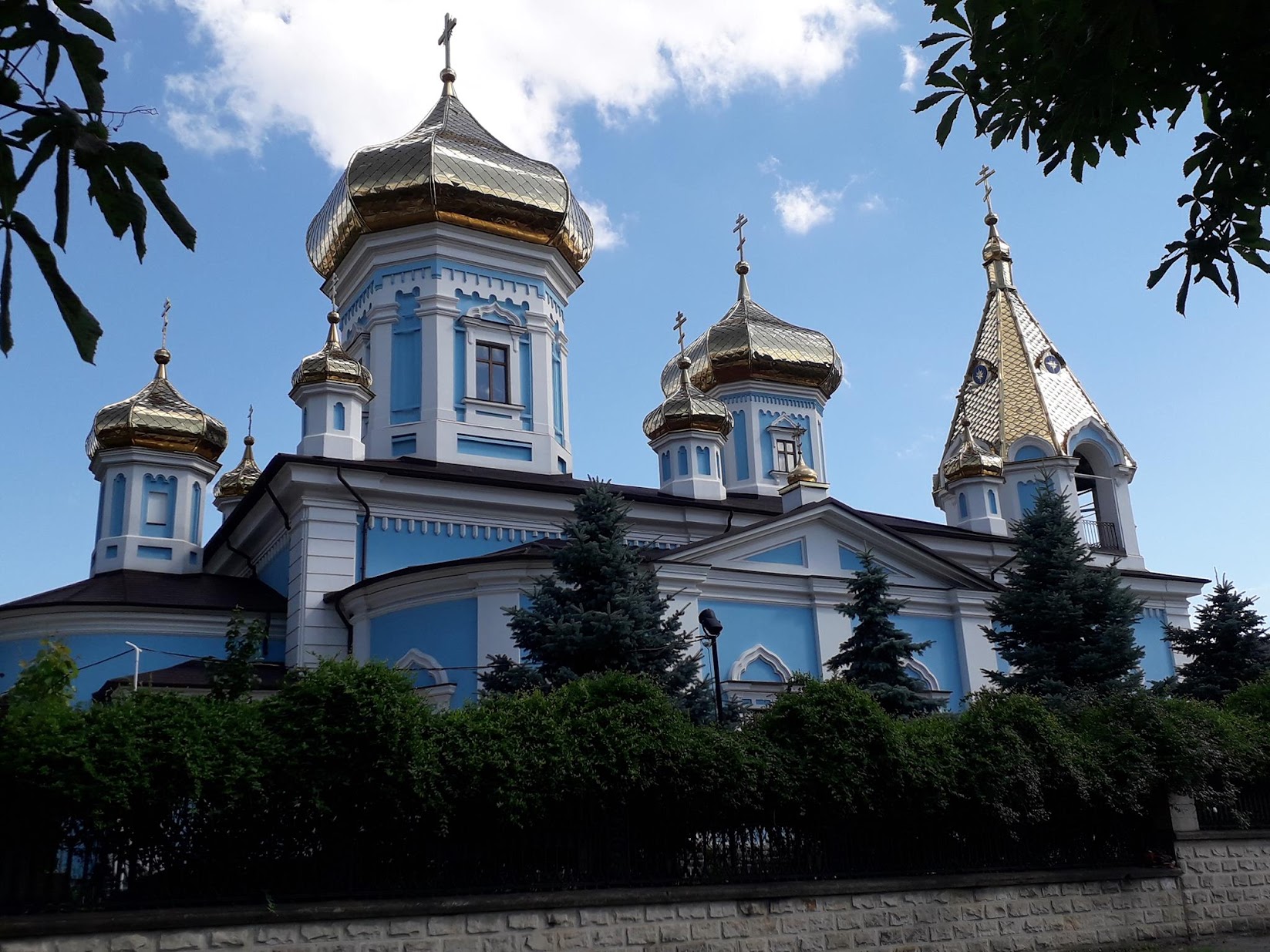
For many visitors, Chișinău is the first stop in Moldova.
It is where you arrive, find your accommodation, exchange money, enjoy your first meal and begin planning where to go next.
From here, roads lead towards the vineyards of central Moldova, the forests of Codrii, the Dniester River, Gagauzia, northern towns and villages, and many other destinations across the country.
But before leaving the capital, give Chișinău some time of its own.
There is more here than an airport, a hotel and a road leading somewhere else and Chișinău is a destination worth exploring, too.
Se spune că Chișinăul a început nu ca un oraș, ci ca un loc unde oamenii se opreau.
Un izvor mic, cu apă limpede, atrăgea călători, păstori și oameni aflați în trecere.
Nu exista niciun plan de a întemeia un oraș, nicio intenție de a construi ceva măreț.
Era doar un loc unde se găsea apă, unde oamenii se puteau odihni și unde un lucru atât de simplu îi făcea să mai rămână puțin.
Și, cu timpul, au rămas.Au apărut case, potecile s-au transformat în străzi, iar ceea ce fusese cândva doar un popas pe drum a devenit, încetul cu încetul, o așezare.
Nu prin forță, nu după un plan, ci prin simplul fapt că viața a continuat acolo.
Și poate că, într-un fel, Chișinăul păstrează și astăzi ceva din acel început - un loc unde oamenii sosesc și rămân mai mult decât se așteptau.
-
It is said that Chișinău began not as a city, but as a place where people stopped.
A small spring, clear and steady, drew travelers, shepherds, and those passing through.
There was no plan for a city, no intention of building something large.
Only a place where water could be found, where people could rest, where something simple made them stay a little longer.
And over time, they did.Houses appeared, paths became streets, and what was once only a stop along the way slowly became something that remained.
Not by force, not by design, but by quiet continuation.And perhaps, in a way,
Chișinău still carries that beginning - a place where people arrive and stay longer than they expected.