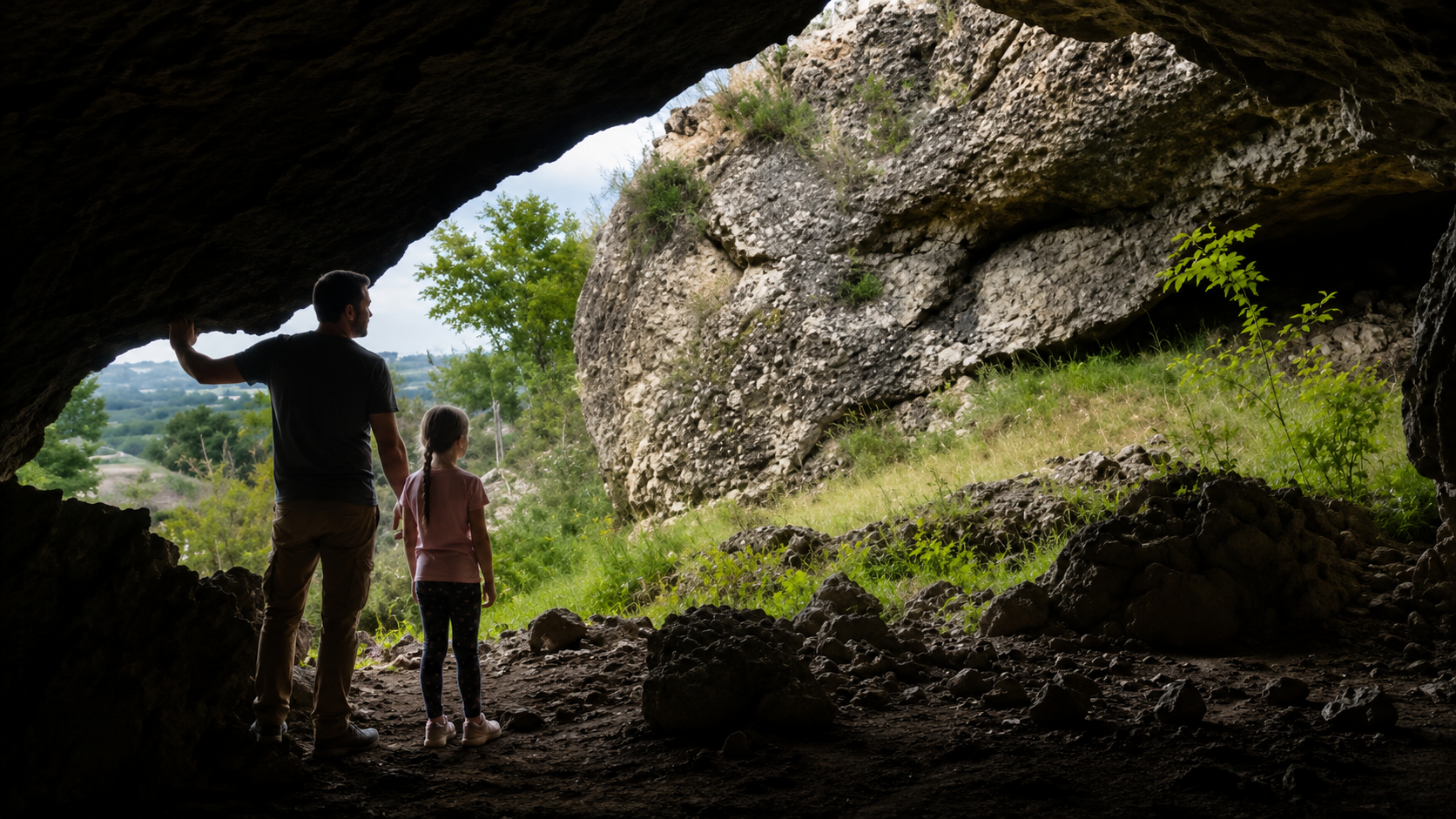
North of Chișinău, the open fields give way to more uneven ground, and the longer you go, the less it feels like a place you just simply pass through.
You follow smaller roads, turn where it feels less obvious, and at some point you stop the car because the rest is not meant to be driven.
From there, you walk.
The path down toward Țipova Monastery is smaller and uneven, and it keeps going lower than you expect.
At times it feels simple, then suddenly steeper, and you pay more attention to where you place your steps.
It is not difficult, but it asks for your focus, and that becomes part of the experience.
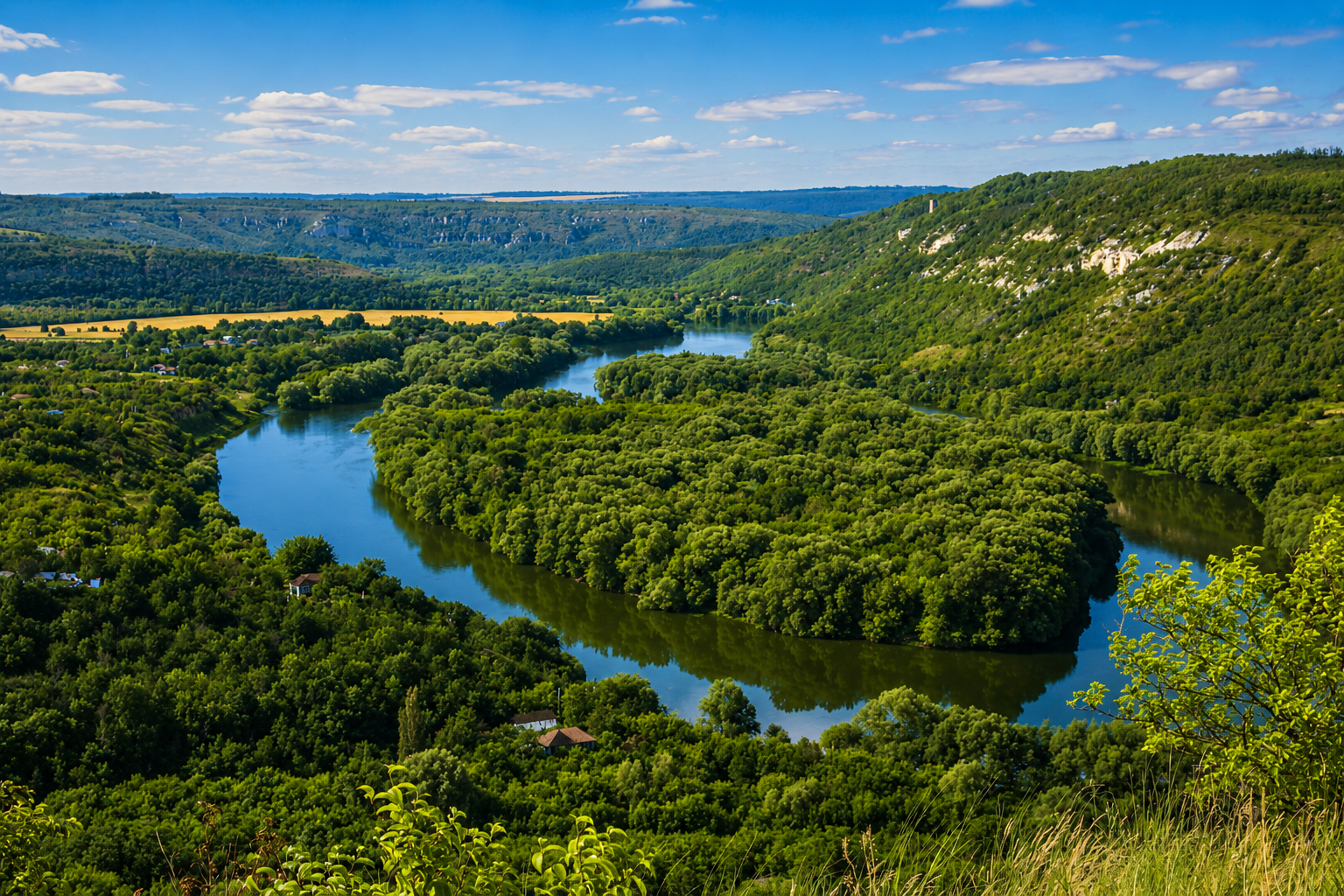
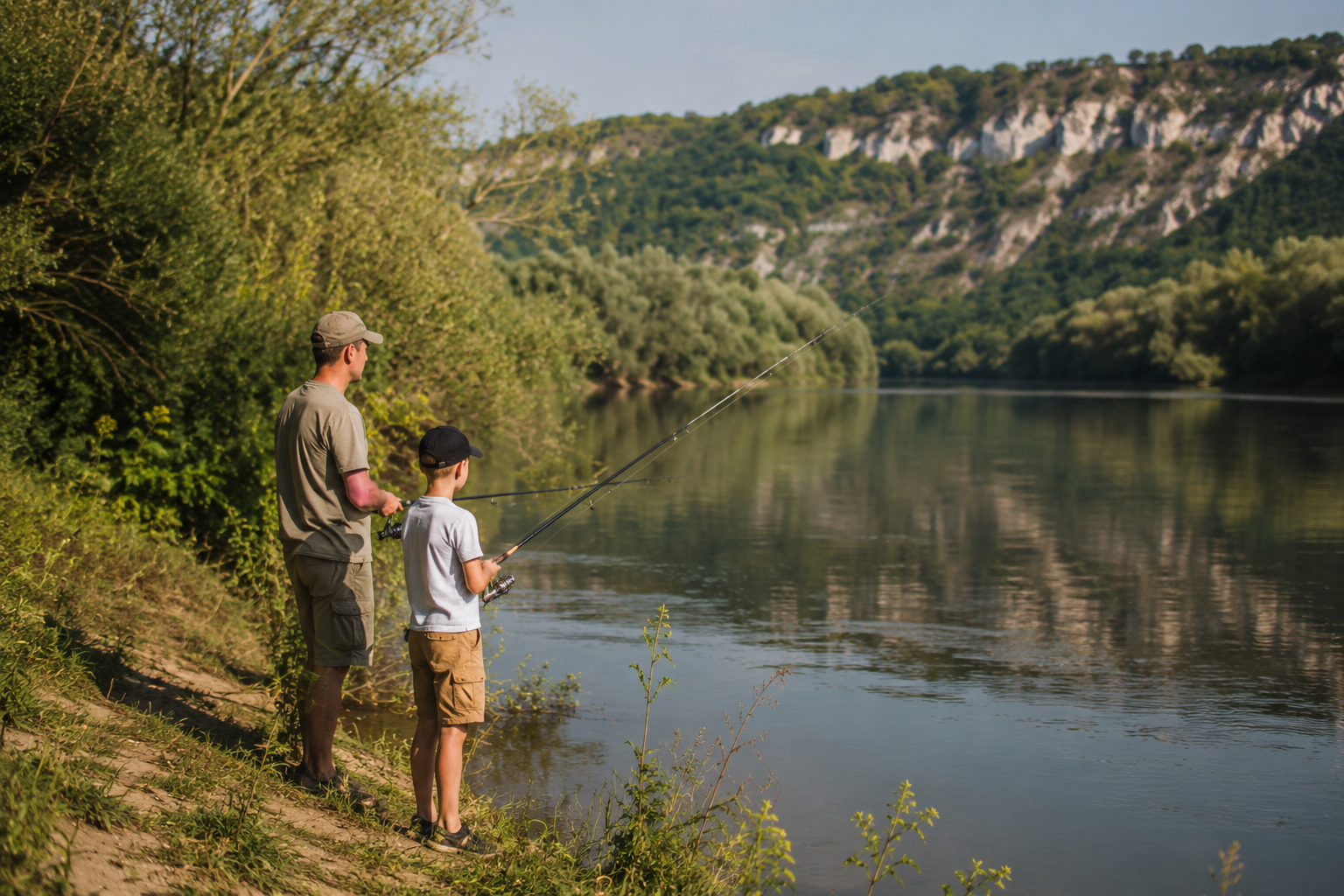
The valley stretches out, and the Dniester River appears below, calm and wide, holding the whole landscape together.
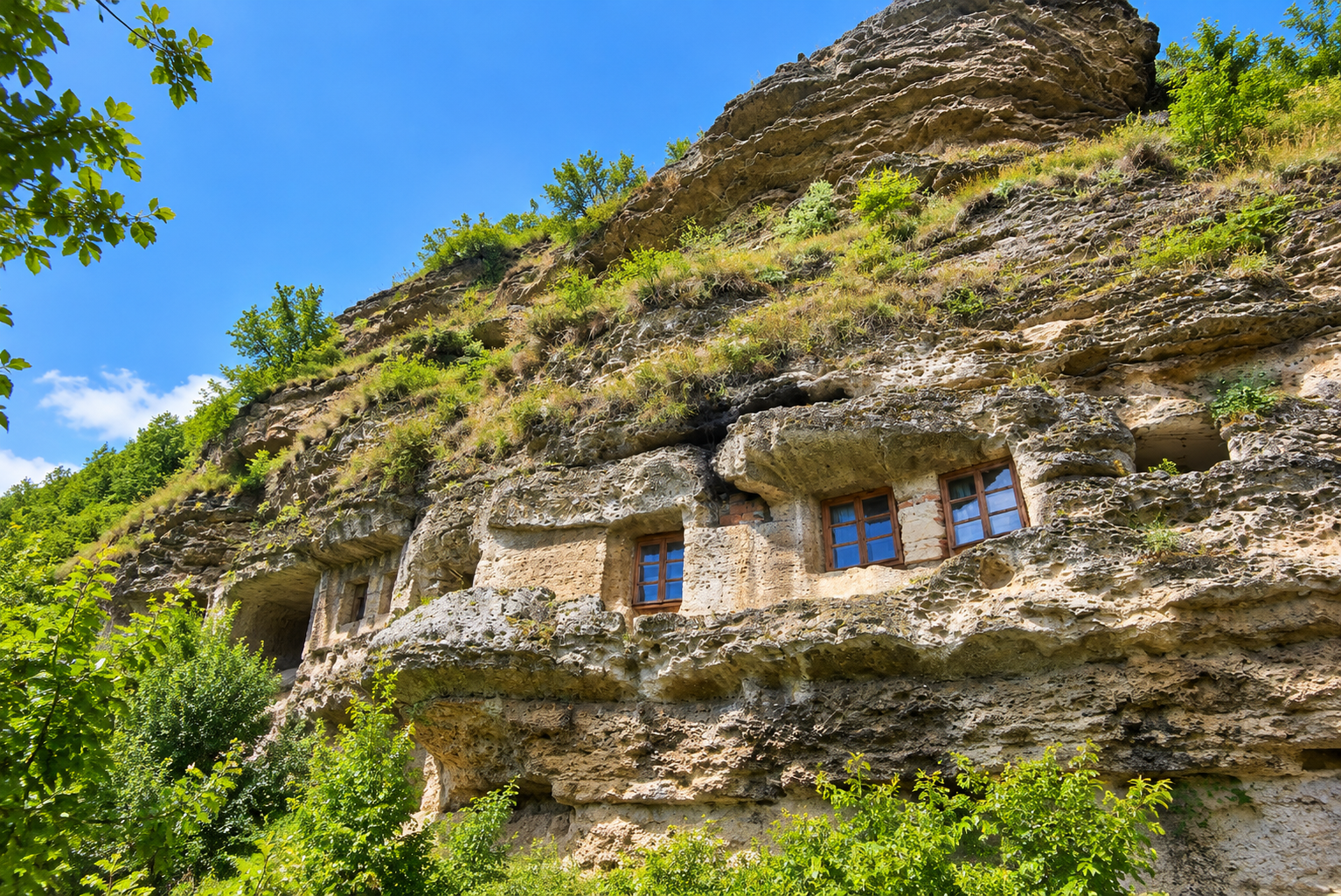
The cliffs rise around you, higher than they first seemed from above, and you begin to understand how deep the place actually is.
You don't see all of the monastery immediately.
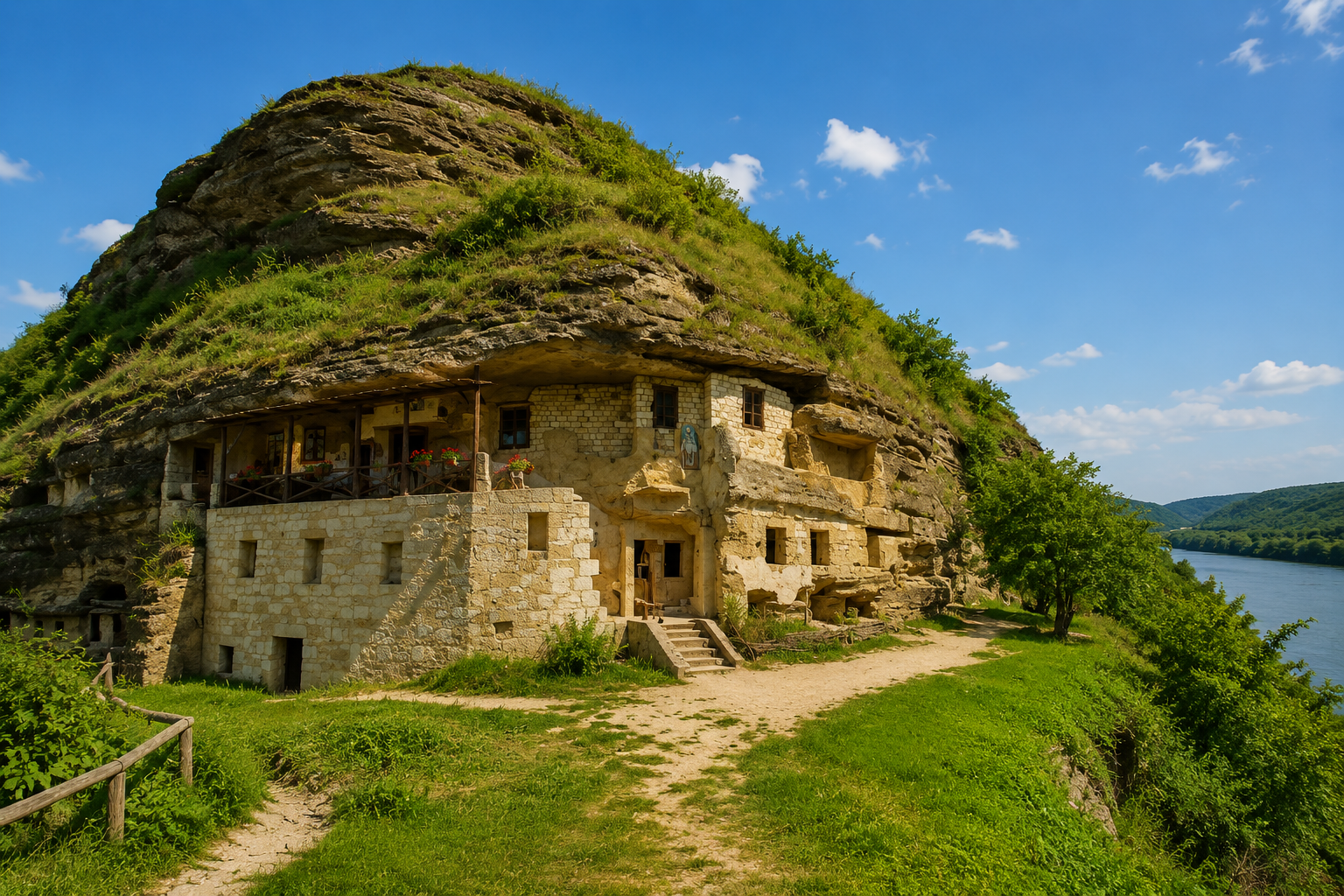
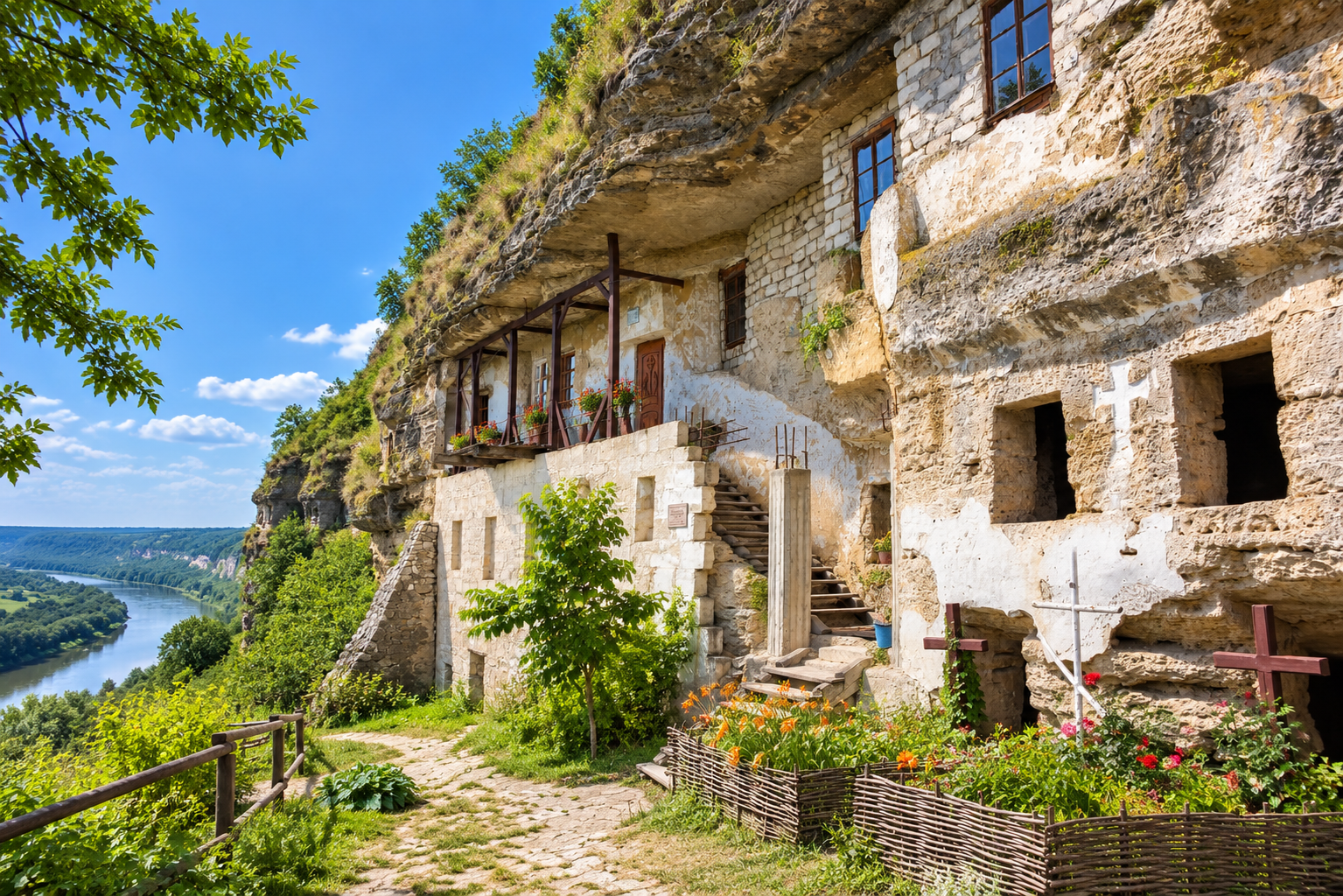
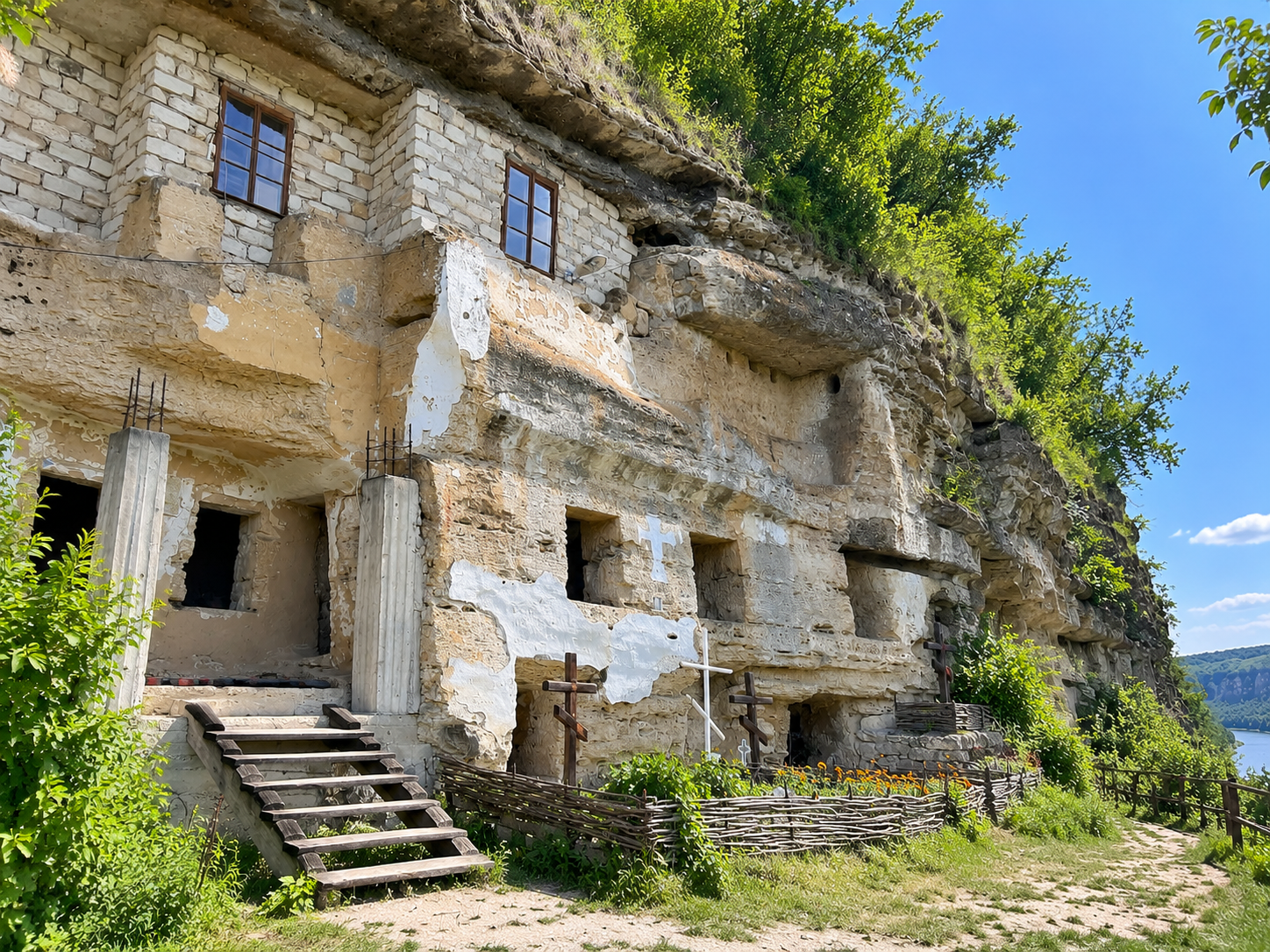
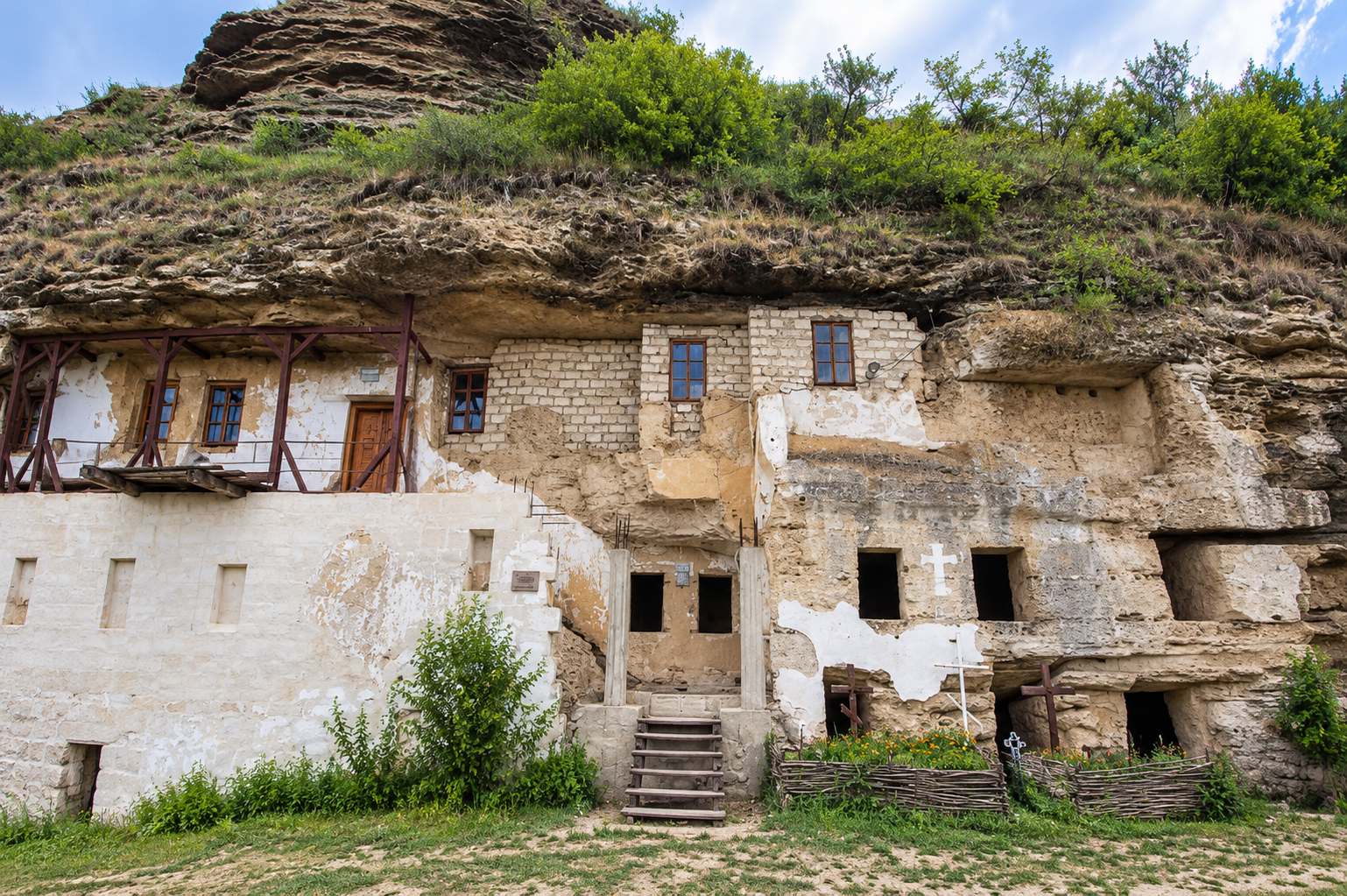
You notice parts of it in the rock, small openings, carved spaces, and then more of it becomes visible as you get closer.
It feels less like a building and more like something that has been shaped directly into the cliff, following the lines that were already there.
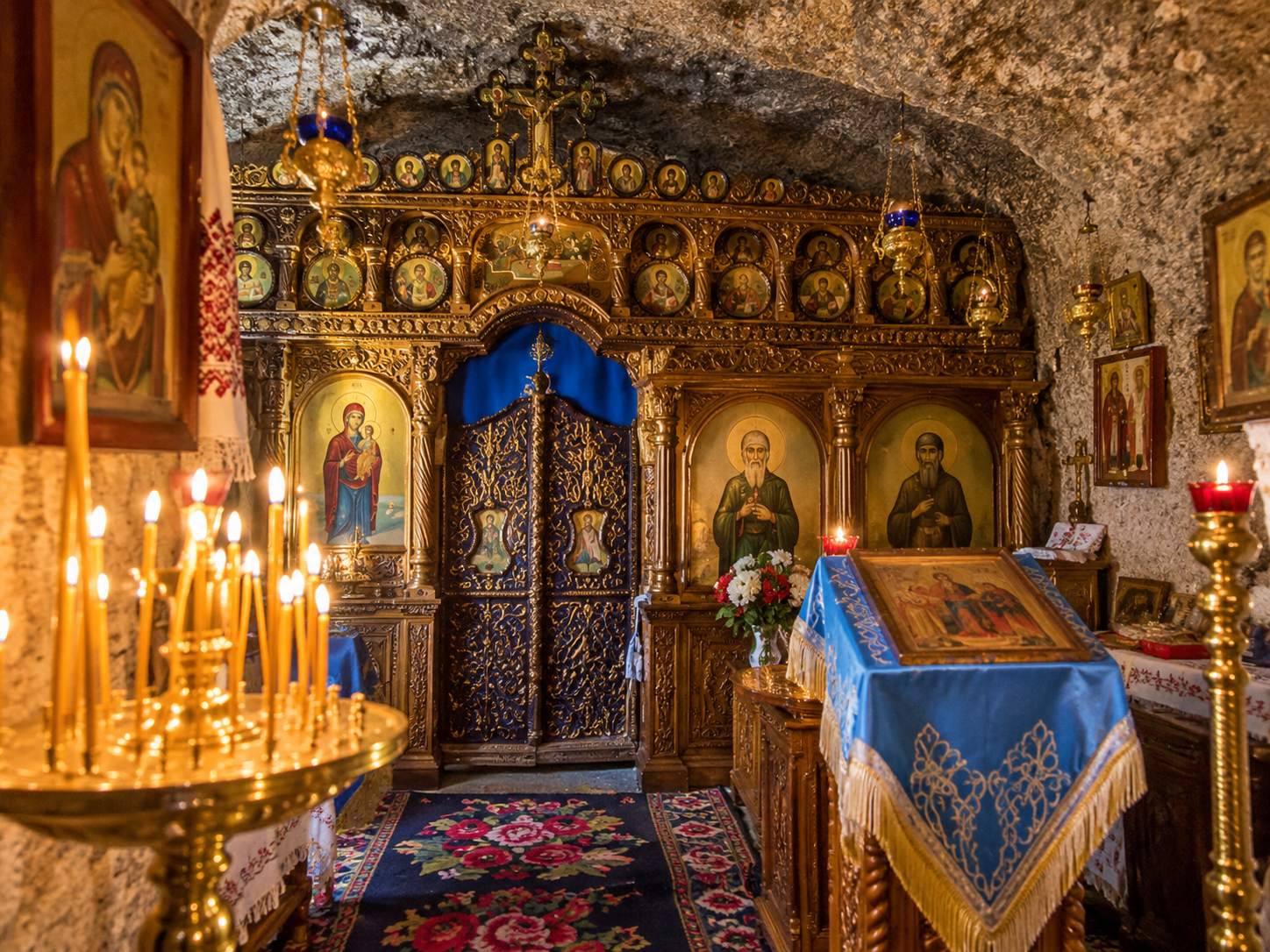
The caves date back many centuries, with some parts believed to go as far back as the 10th century, and over time they have been used as a place of retreat and worship.
You do not need to know the full history to feel that it has been here for a long time. It shows in how everything fits into the cliff without forcing itself into it.
You move very slowly along the rock face, sometimes muchcloser to the edge than you actual wish and are sometimes stepping into small spaces carved into the stone.
The texture of the rock, the drop toward the river, and the quiet around you make you slow down without thinking about it.
The view is breathaking.
There are a very few people here than at other monasteries.
You will notice it immediately.
The space feels more isolated, more left as it is and even when others are around, it does not change the feeling especially much.
The way back up is very different.
The same path feels much steeper, longer, and you notice the way up more than the descent and you stop once or twice, not only to rest, but
to look back.
The view changes again when you turn around.
The walk back, feels longer than you thought it would and not because there is something specific you are looking for, but because it is difficult to stop.
Every time you think you have seen enough, you take a few more steps and you forget all about time.
When you reach the top, you have to stand for a moment before leaving and not because you need to, but because it feels very natural to do so.
Unii spun că aici liniștea nu vine din lipsa sunetului, ci din locul în care te afli.
-
Some say the quiet here does not come from silence, but from where you are.