There are places in Moldova where you arrive, take a photograph and leave twenty minutes later.
Don't do that with Orheiul Vechi.
Orheiul Vechi lies around 55 kilometres from Chișinău, about one hour by car, making it an easy road trip from the capital.
Leave Chișinău in the morning, put some music on, grab a coffee before leaving the city, and simply drive north.
It is not far away, but it soon begins to feel like it.
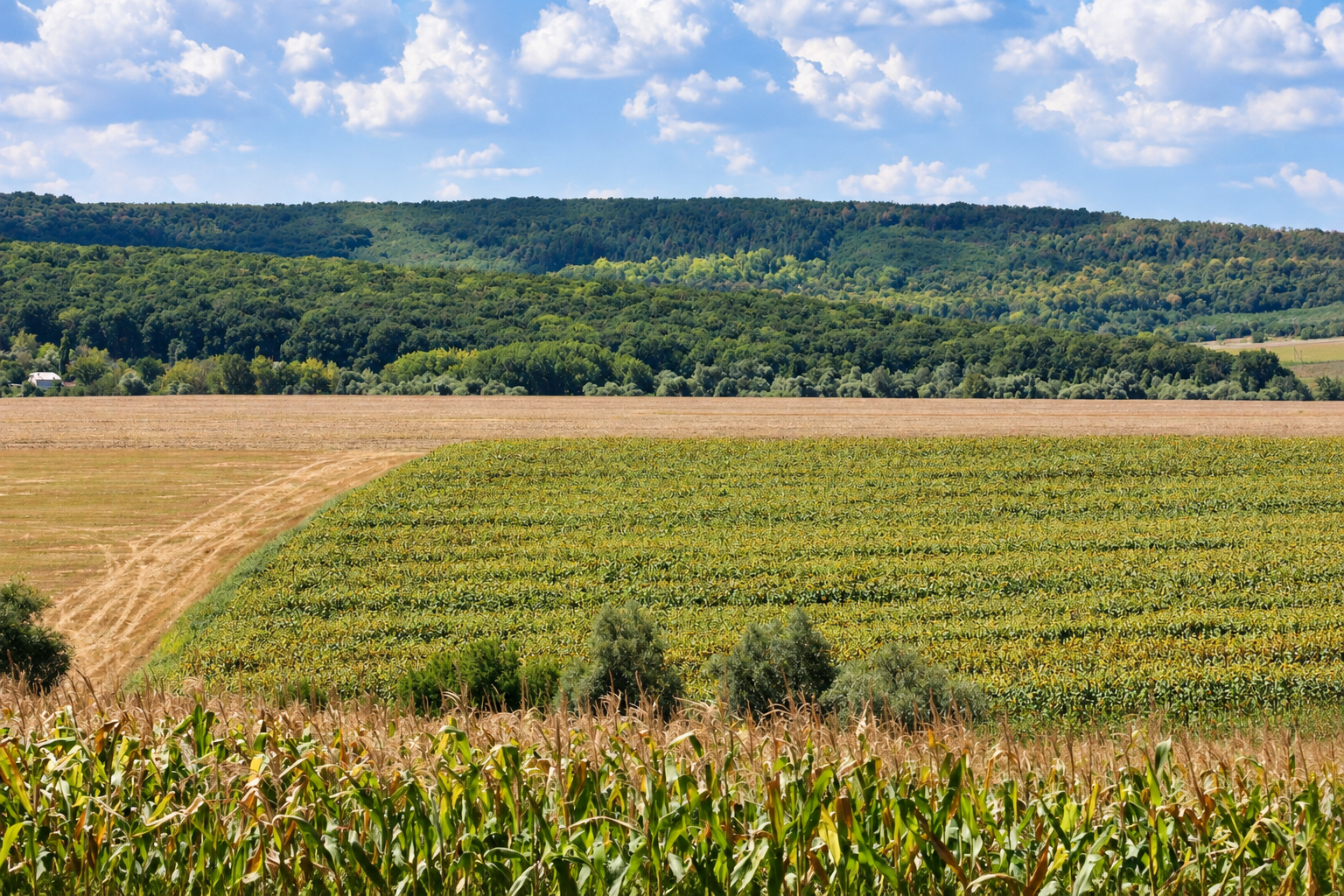
The traffic becomes lighter, apartment buildings disappear behind you, and suddenly you are surrounded by villages, vineyards, sunflower fields and the never-
ending rolling hills.
This is where the road trip really begins and you start noticing things you wouldn't have seen from a motorway.
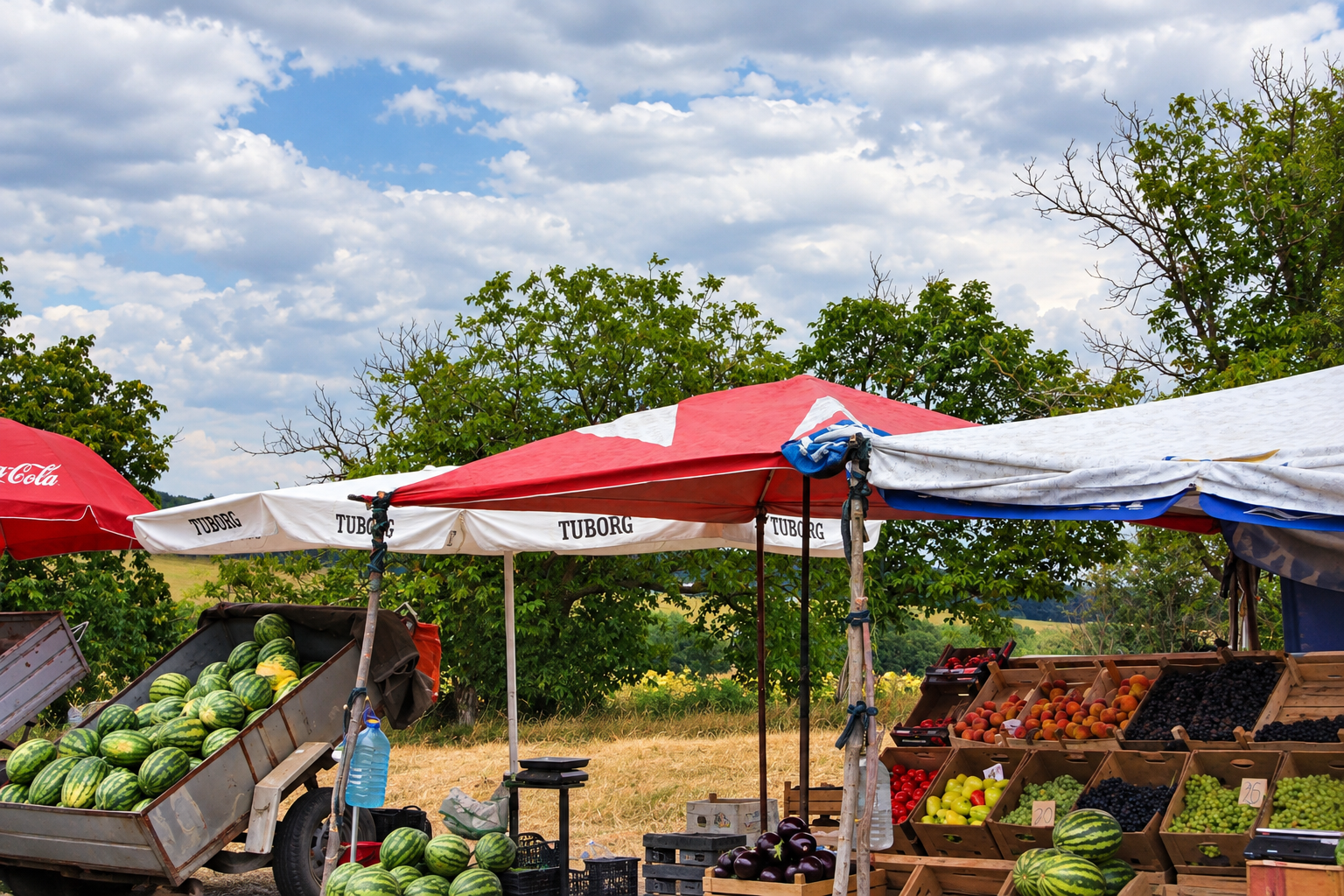
A grandmother selling fruit outside her gate, a horse pulling a cart, a long the way small churches between the trees.
Moldova slows down, and somehow you do too.
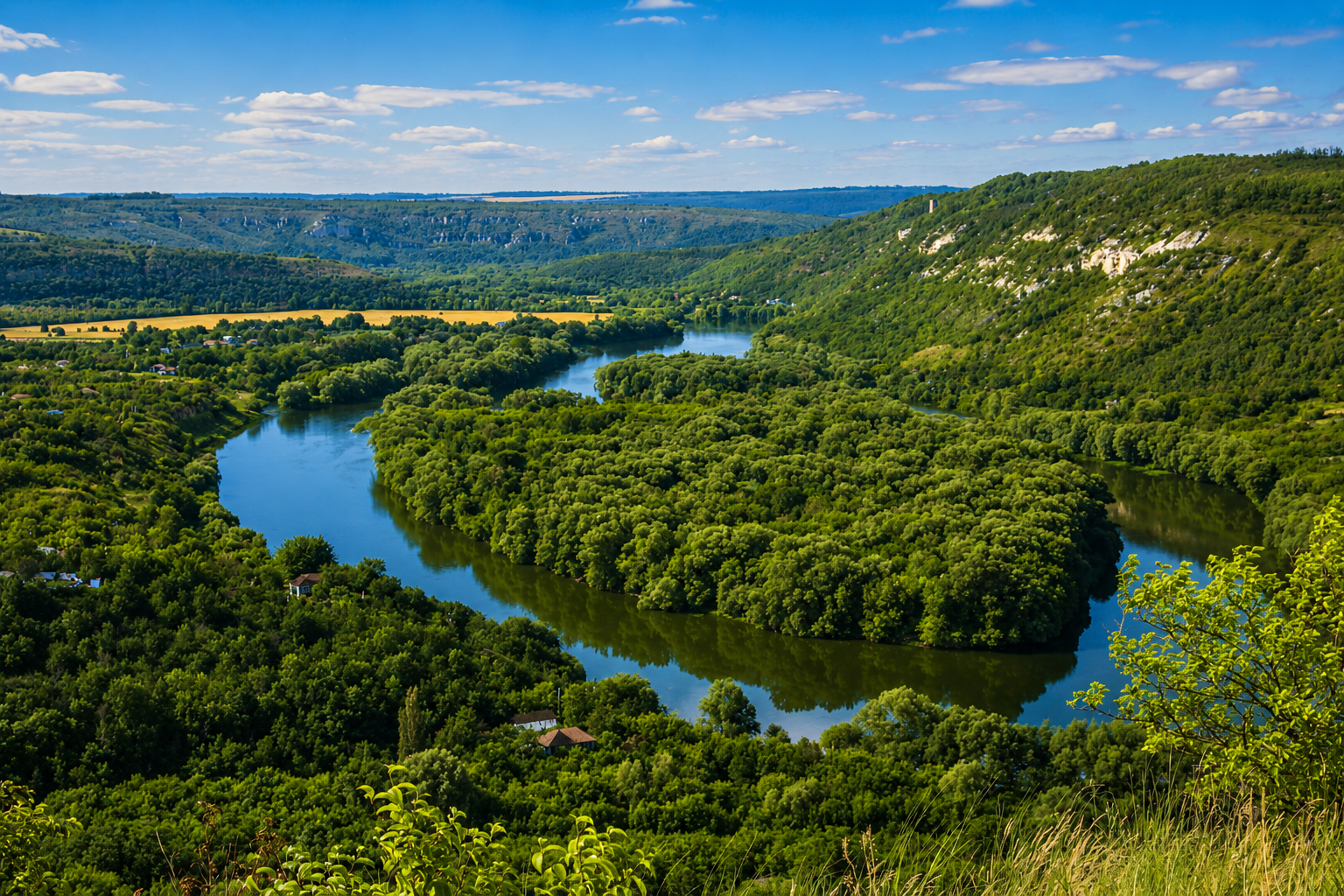
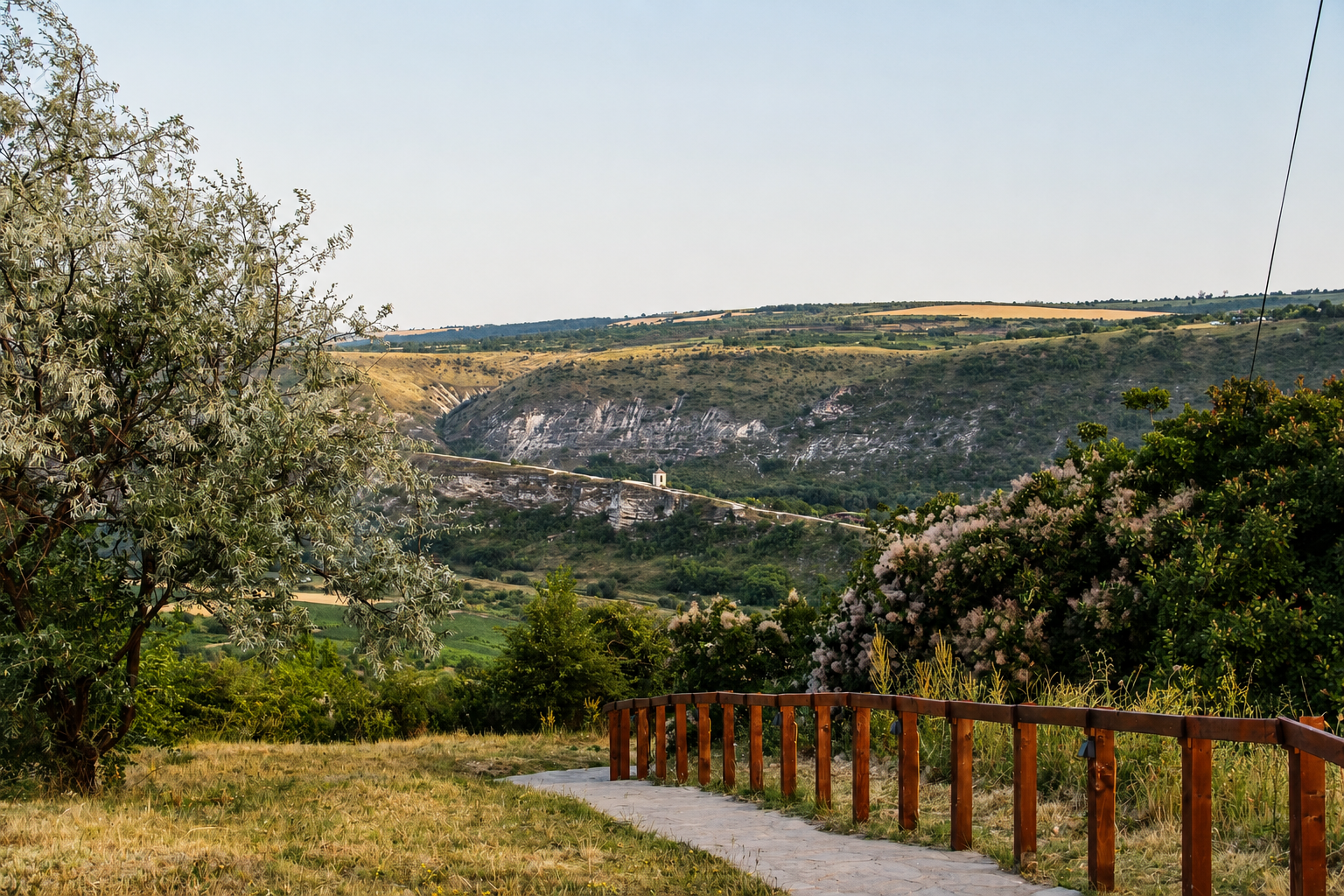
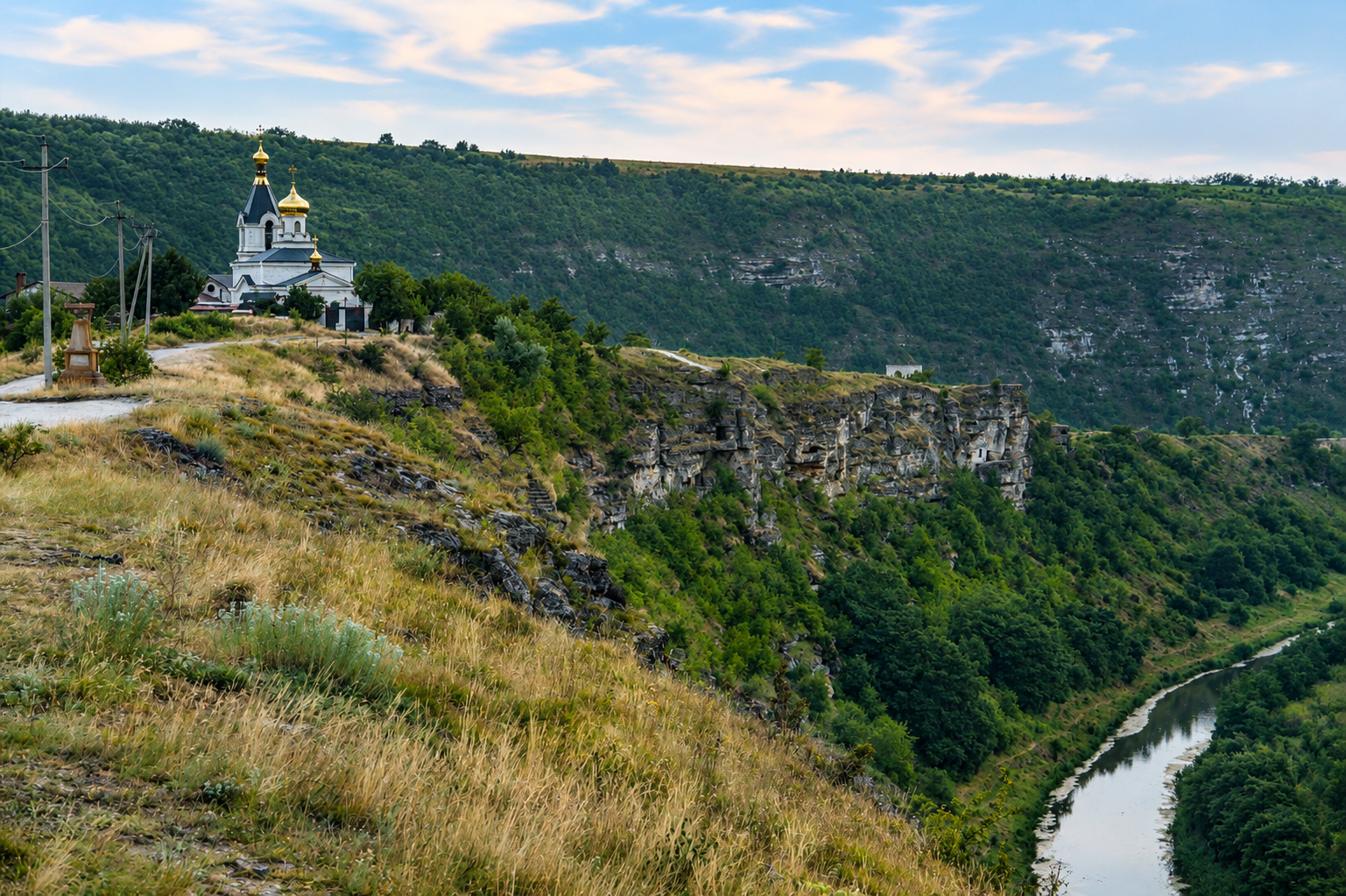
Then the road begins to drop and almost without warning, the landscape opens into one of the most beautiful valleys in the country.
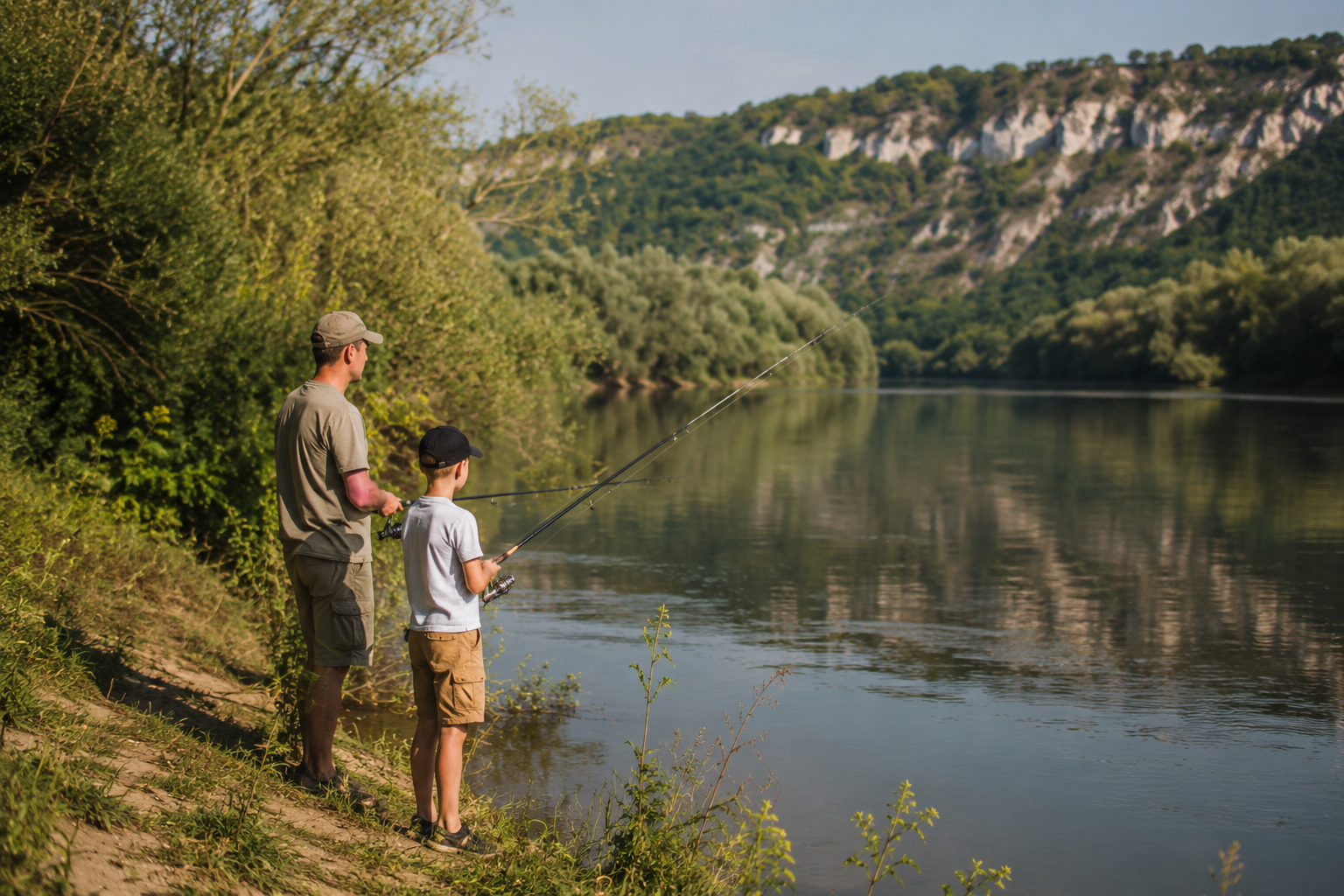
The Răut River curves through high limestone cliffs, and you realise why people have chosen to live here for thousands of years.
Park the car, but don't worry about finding the famous viewpoint first, You'll get
there later.
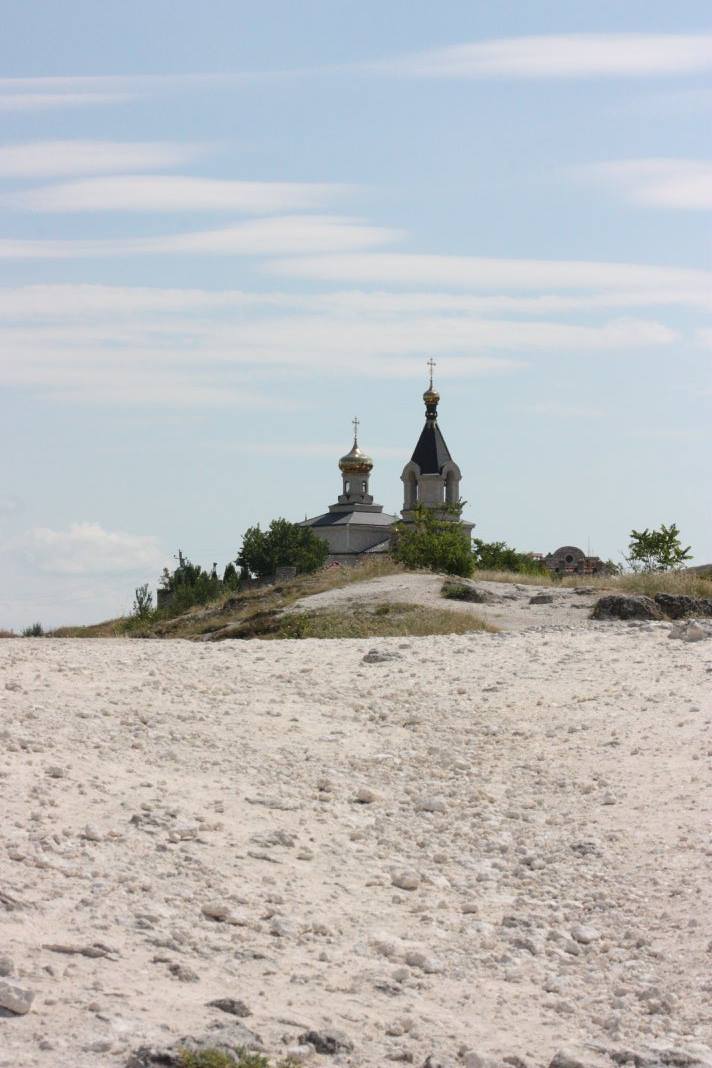
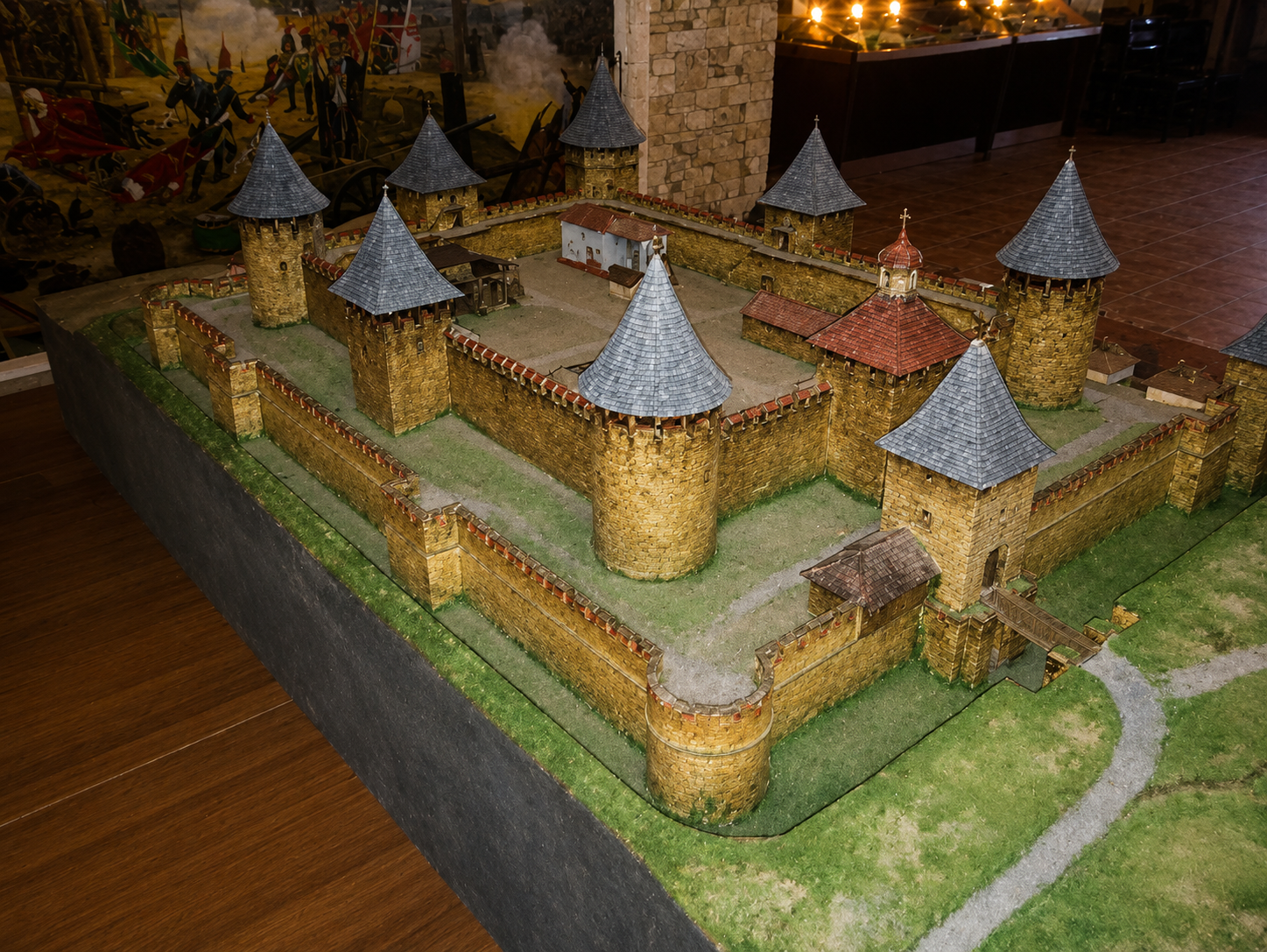
During the 14th century, under the Golden Horde, an important medieval town developed here.
Known as Șehr al-Jedid – “New City”, it had fortifications, buildings, a bathhouse and places connected with trade and travellers.
Later, the area became part of medieval Moldavia, and its naturally protected position continued to be important.
So while you are walking across what today looks like quiet grassland, there is history underneath your feet.
And there is a lot of ground to explore.
The Orheiul Vechi Cultural-Natural Reserve covers 4,978.99 hectares, surrounded by a protection zone of more than 6,000 hectares.
At its heart is an archaeological landscape of around 539 hectares and that gives you some idea of why Orheiul Vechi should never be reduced to the monastery and one famous viewpoint.
If you still have energy in your legs, keep walking.
Because there are paths across the reserve leading towards archaeological
remains, other cave complexes and different viewpoints over the Răut.
One of the other religious sites is the Bosie Cave Monastery, carved into the limestone farther along the valley and associated particularly with the 17th century.
You don't have to find everything in one visit and sometimes it is better not to and get back down from the ridge and give some time to the villages as well.
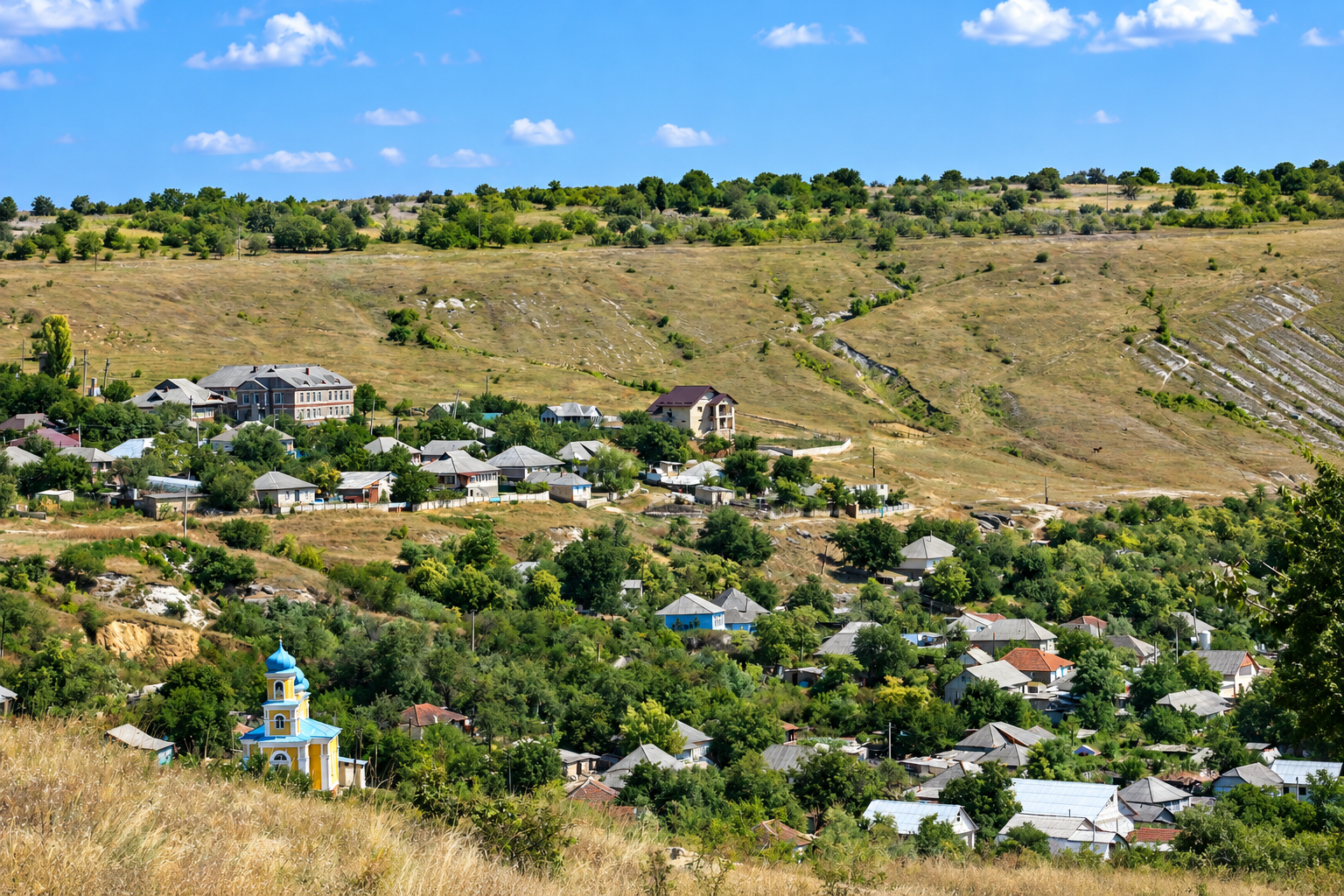
Butuceni, Trebujeni and Morovaia all lie within the reserve, and they are an important part of understanding Orheiul Vechi.
Start walking the small road through Butuceni which immediately feels different
from most villages.
Stone walls, old wooden gates, gardens full of flowers and vines, chickens wandering through courtyards, and the monastery sitting above everything on the ridge.
It doesn't feel built for tourists, but it feels lived in.
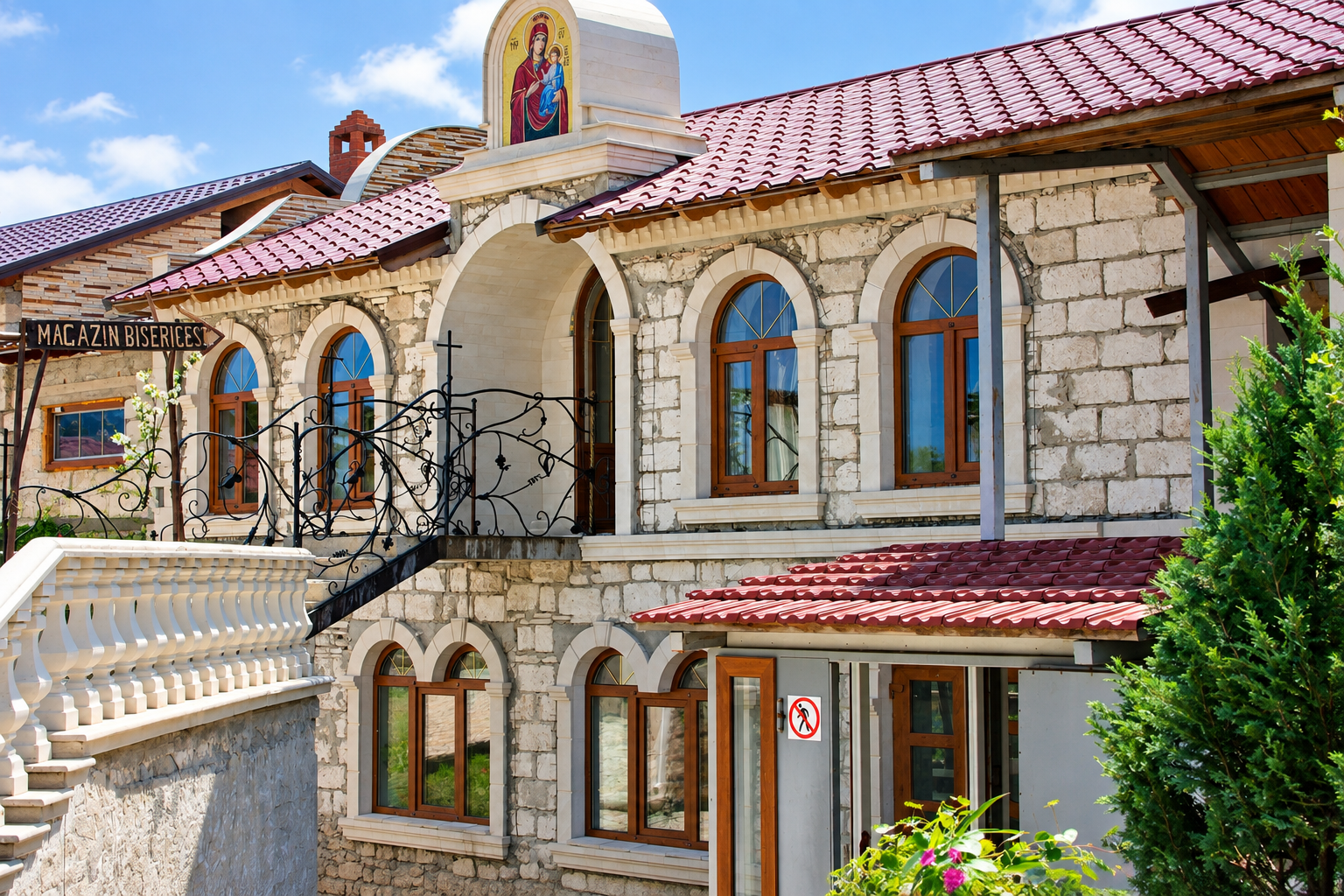
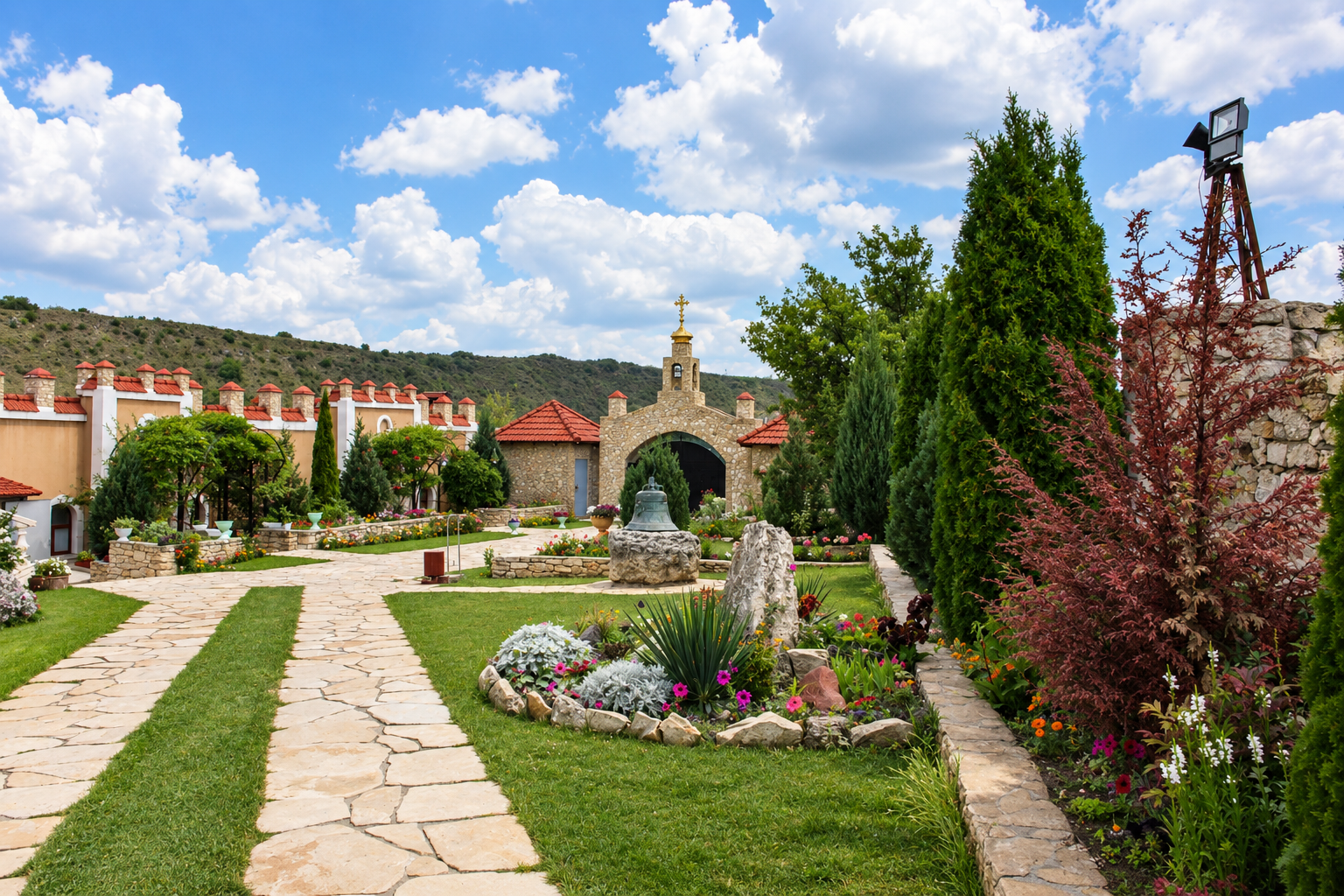
Walk uphill towards the monastery and you'll notice the entrance is surprisingly
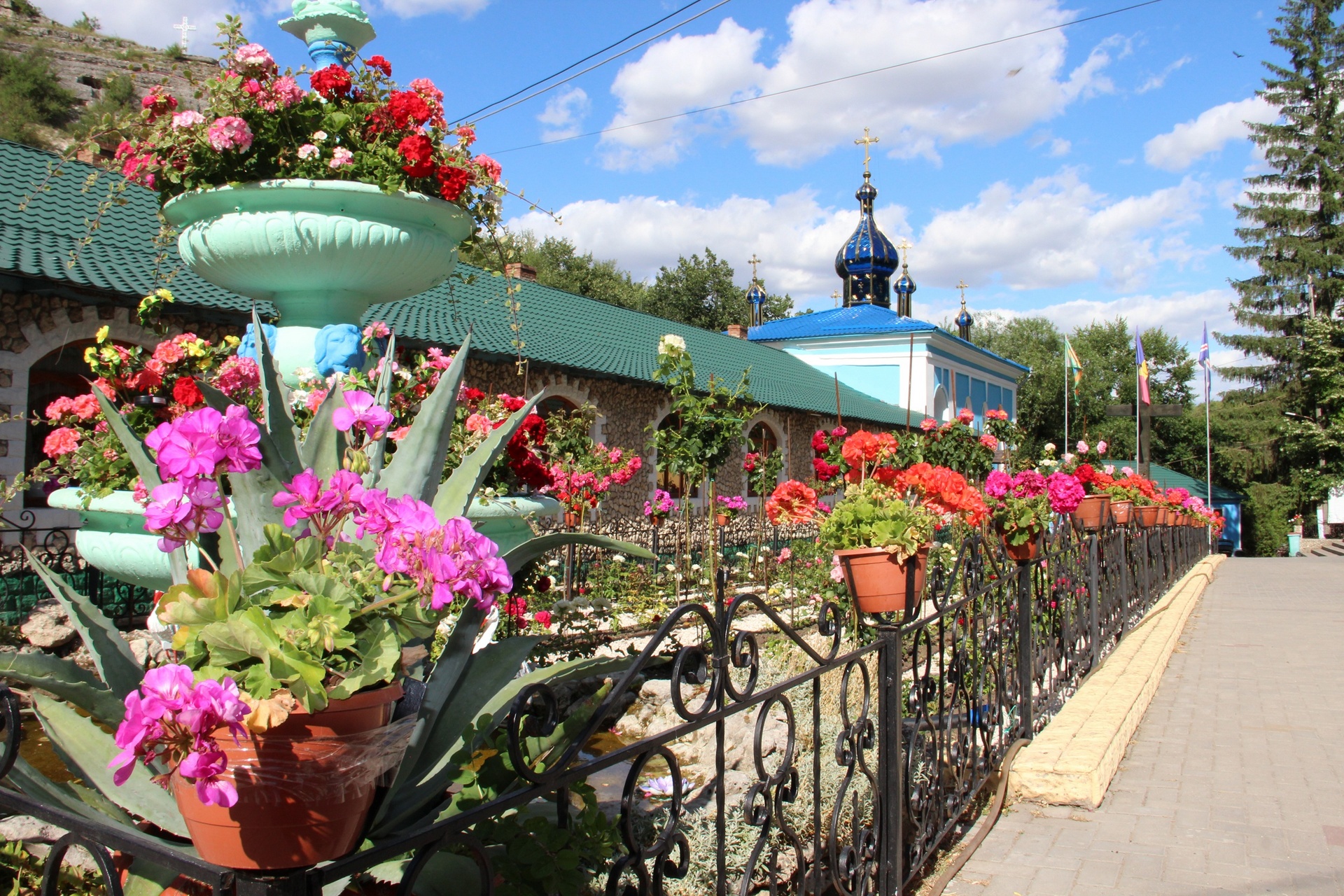
quiet and Inside the courtyard there are flowers, stone paths and places to sit for
a few minutes.
Even if you're not religious, it's a peaceful place to stop before going inside the church and when you do... look up!
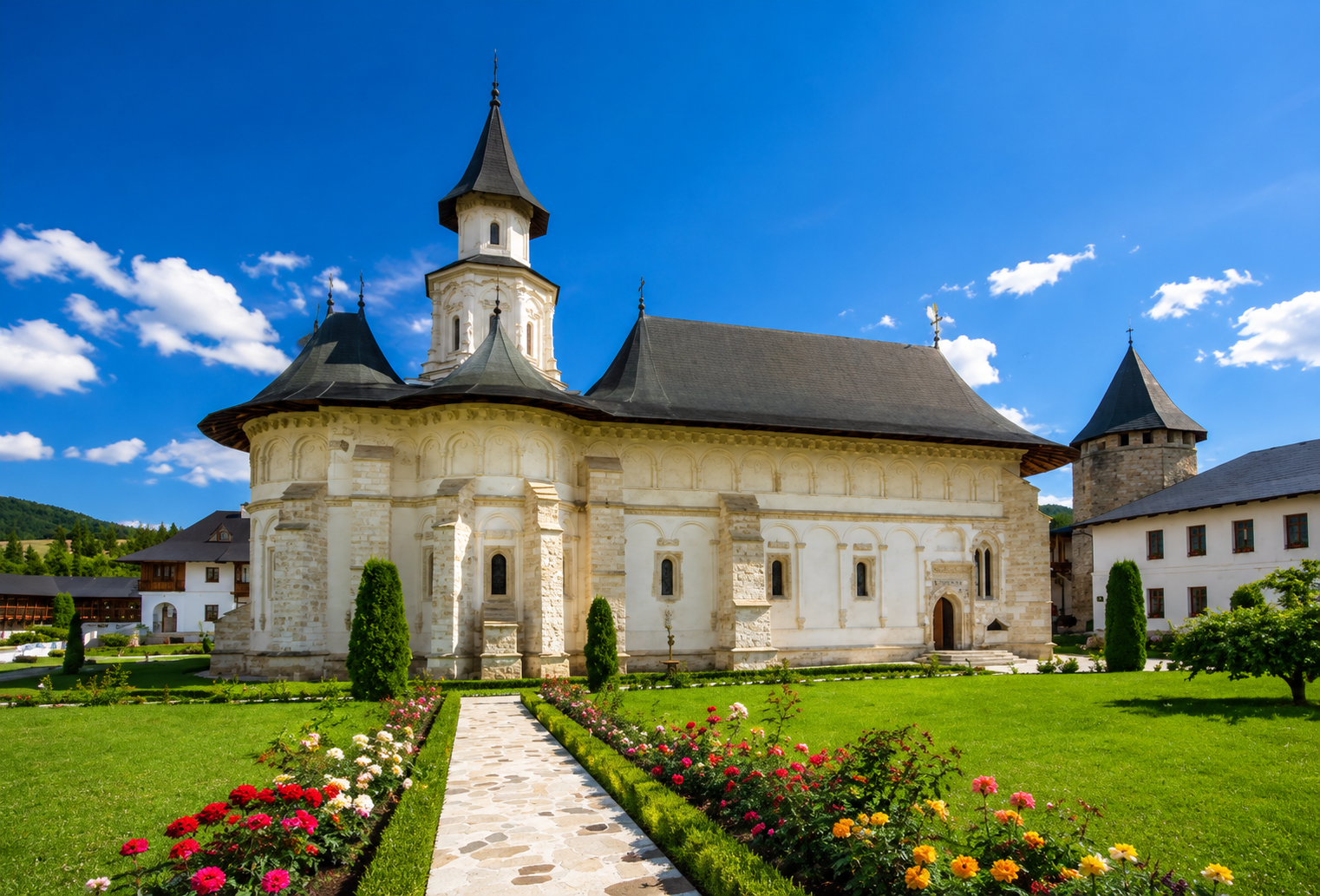
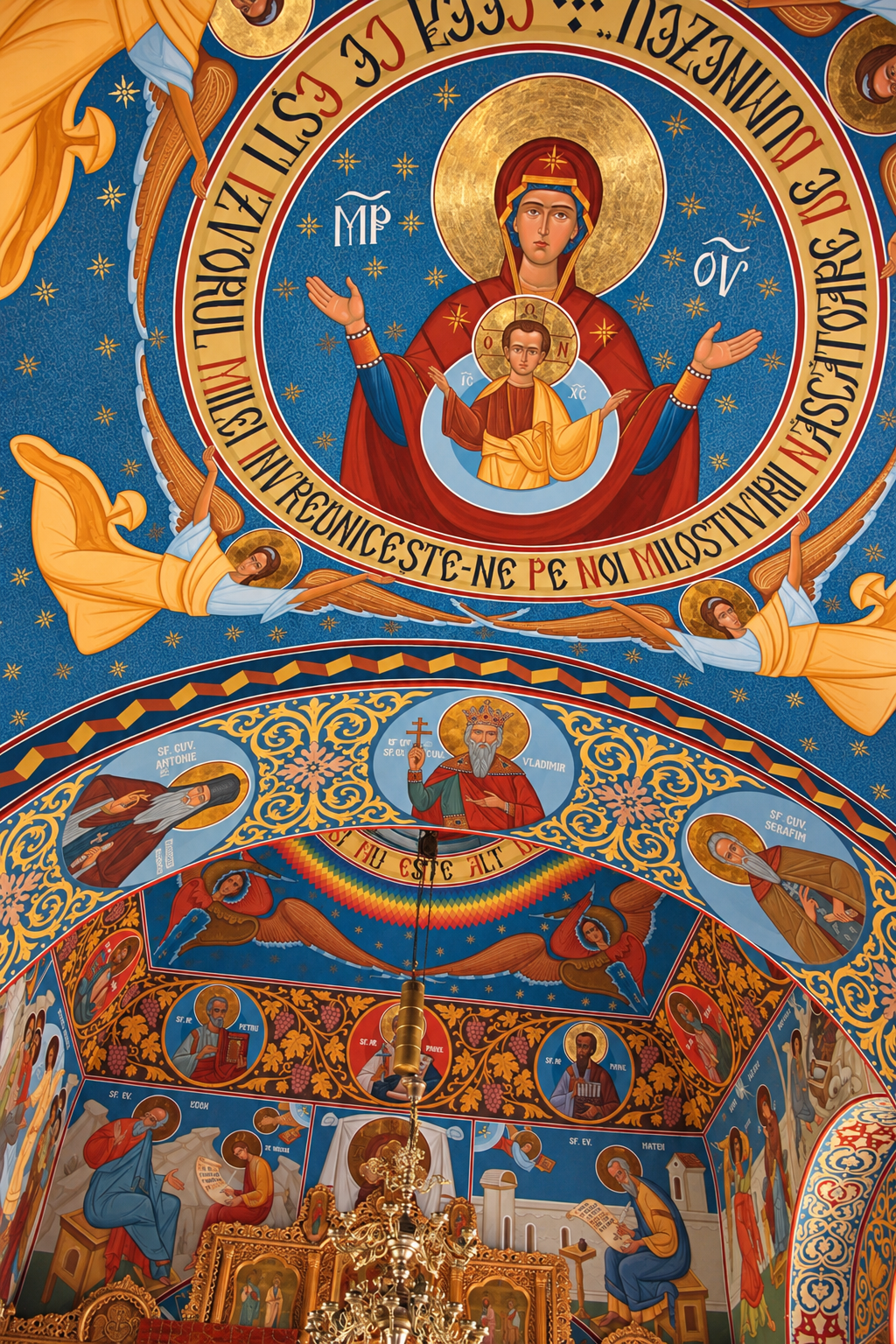
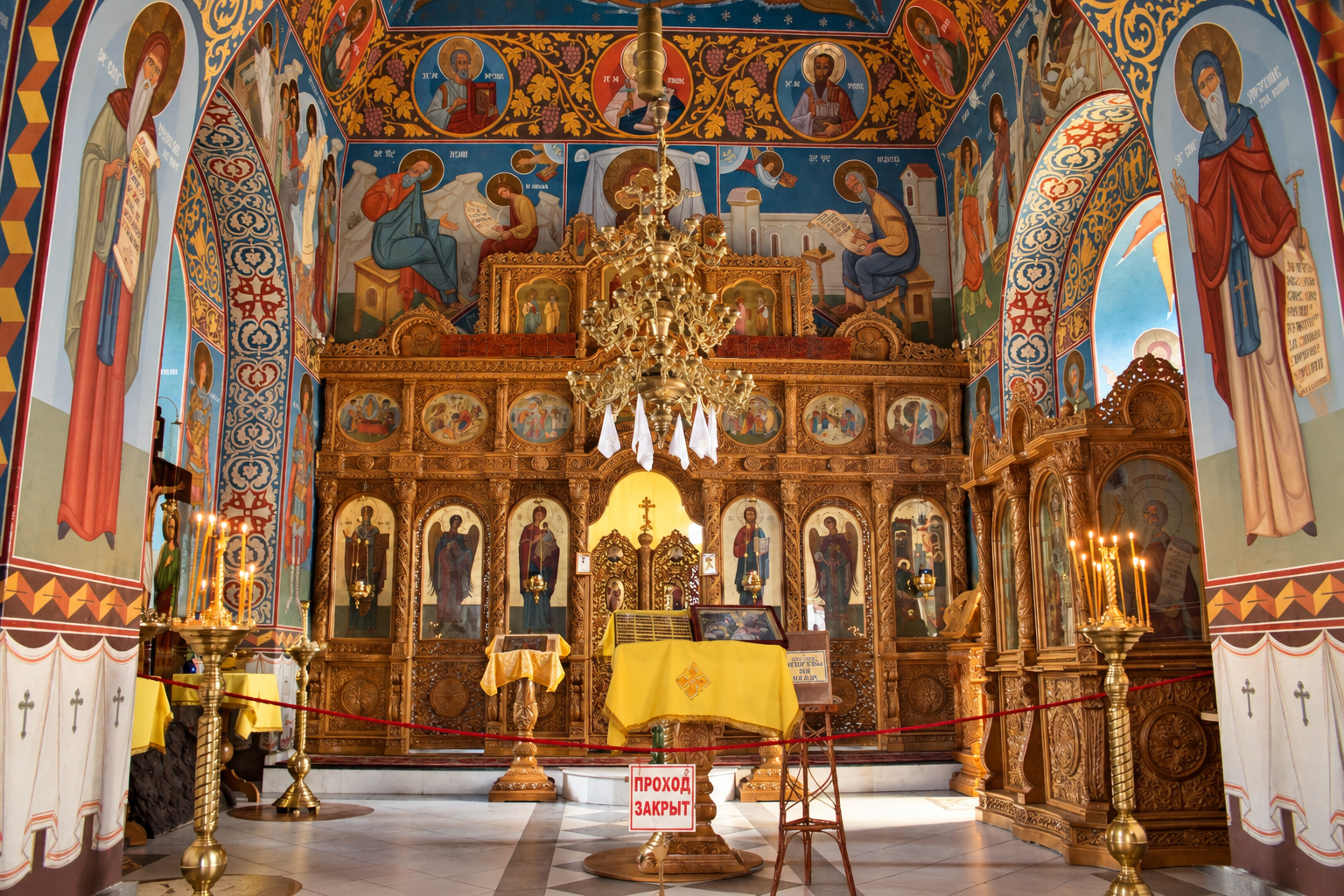
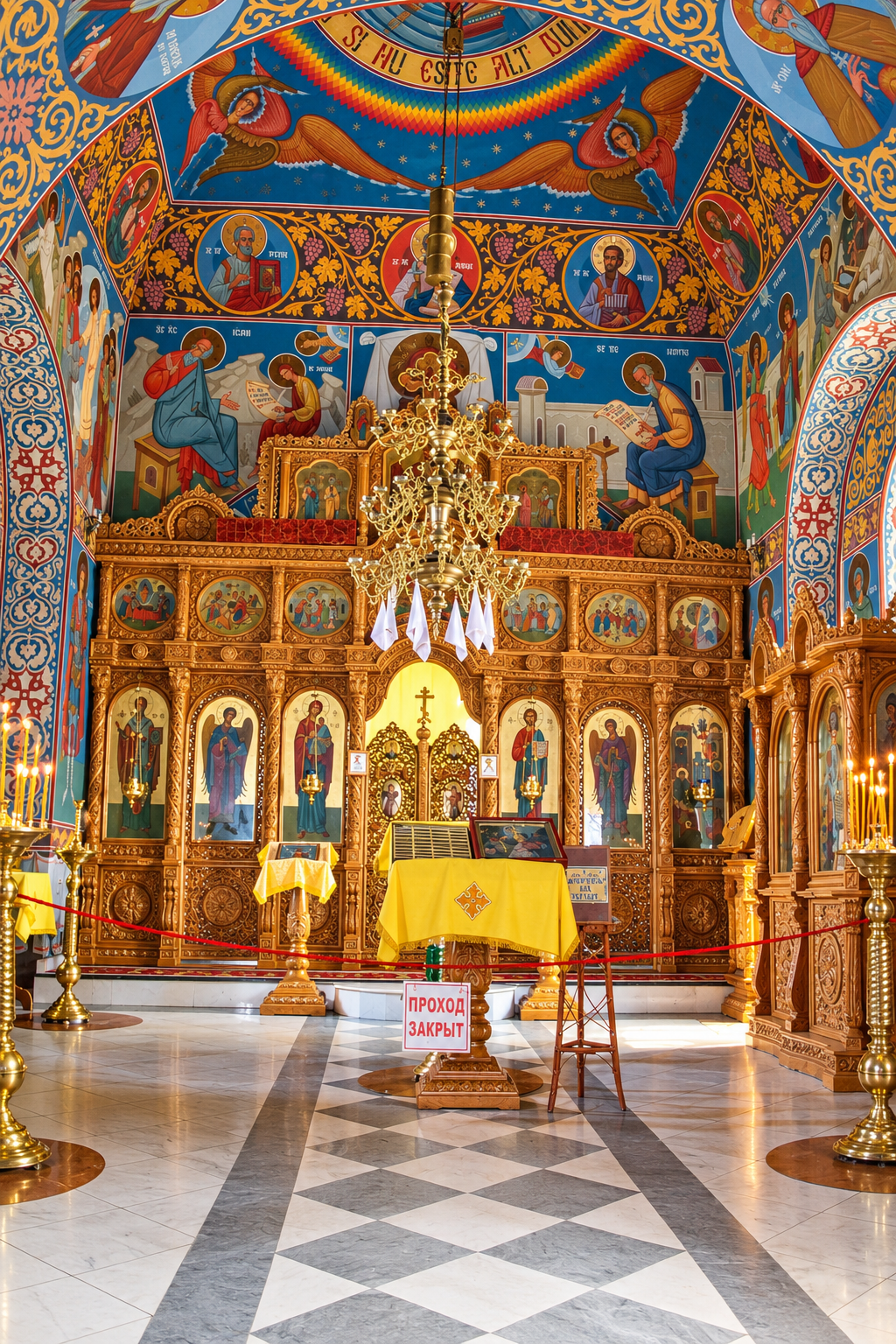
The ceiling is covered in colourful paintings, Saints watch from every direction, gold reflects in the candlelight, carved wooden icons frame the altar, and every wall tells another story.
It isn't a large cathedral and that's exactly why it feels so personal and take your time.
Most visitors spend a few minutes and a short time inside, but When you leave the church, continue past it instead of returning to the car.
This is where Orheiul Vechi becomes unforgettable.
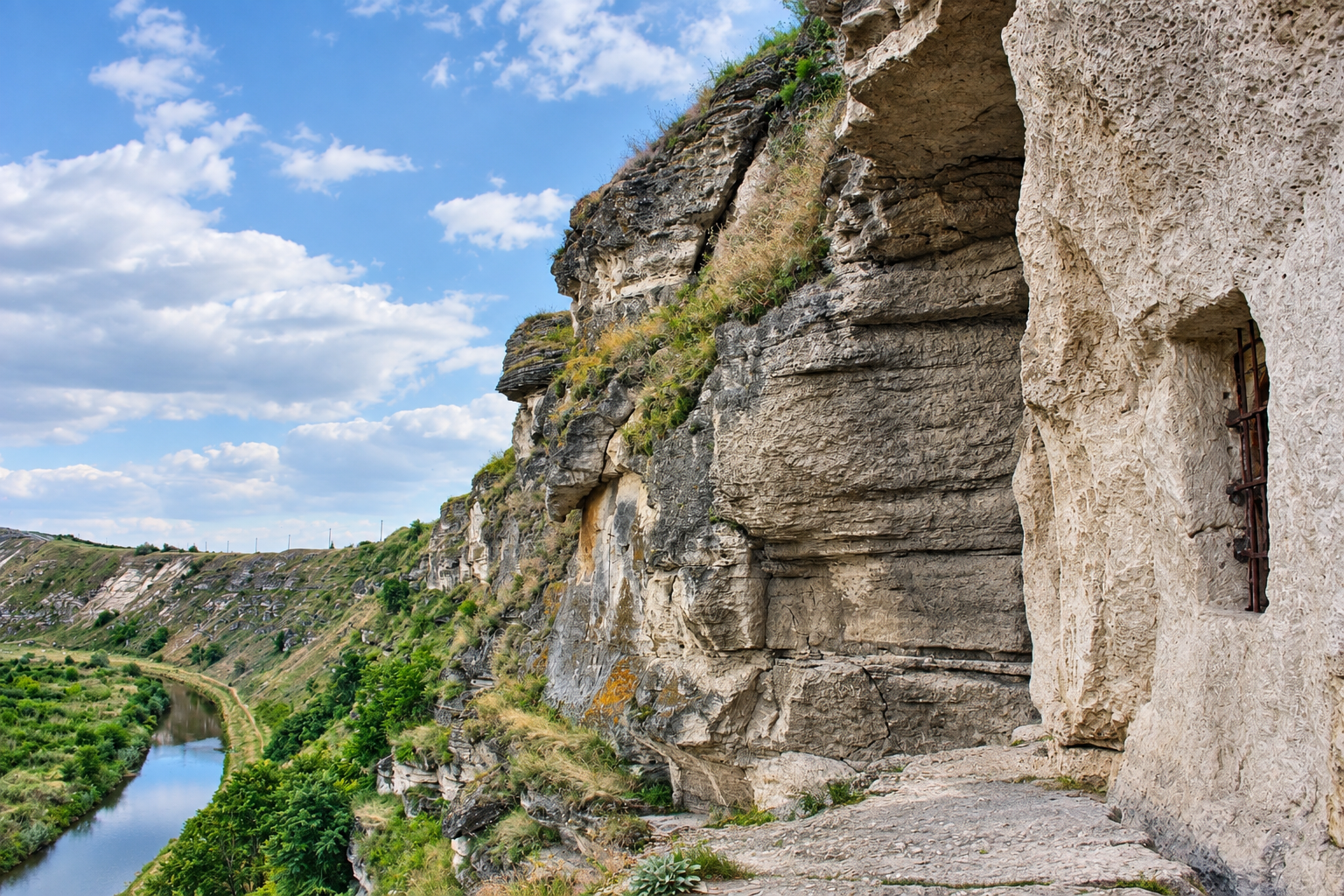
A narrow path follows the limestone ridge above the valley and suddenly there is nothing in front of you except the Răut River below,
Cliffs on both sides and fields stretching into the distance and for a very few hundred metres the view changes again.
This is the photograph everyone takes.
This isn't an archaeological landscape where everybody disappeared centuries ago but people still live here.
Walk through Butuceni, continue towards Trebujeni if you have time, stop for something to eat, or sit somewhere for a while without needing to do anything at all.
There are guesthouses in the area too, so Orheiul Vechi doesn't have to be a race back to Chișinău before evening.
You can stay overnight and wake up inside the same landscape you spent the previous day exploring.
And when you eventually return to the car, you may realise that the monastery you originally came to see became only one part of the day.
You have driven through the Moldovan countryside, walked through a village, entered an Orthodox church, explored rooms cut into limestone, stood above the Răut and crossed a landscape carrying thousands of years of human history.
Now you can take the road back to Chișinău, but Orheiul Vechi probably won't leave with you quite so quickly and neither will all the the impressions, both inside from the monastery or the surrounding area
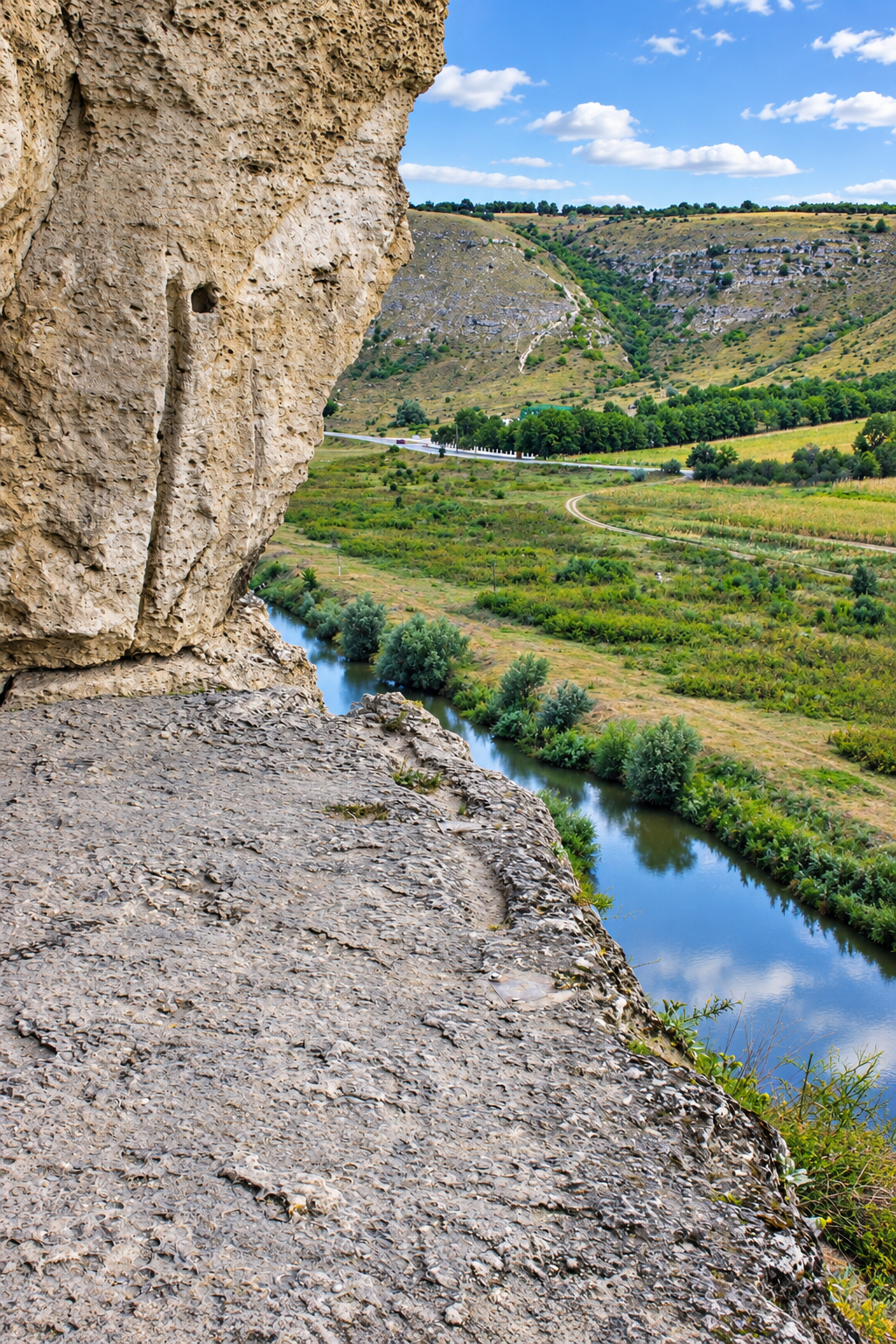
But standing here is very different from seeing it in a photograph.
The Răut has spent thousands of years cutting its way through the
limestone, creating the steep-sided valley and natural bends you can see below.
From up here, you also begin to understand why this particular place attracted people for such a long time.
And there is much more beneath the landscape than you can see.
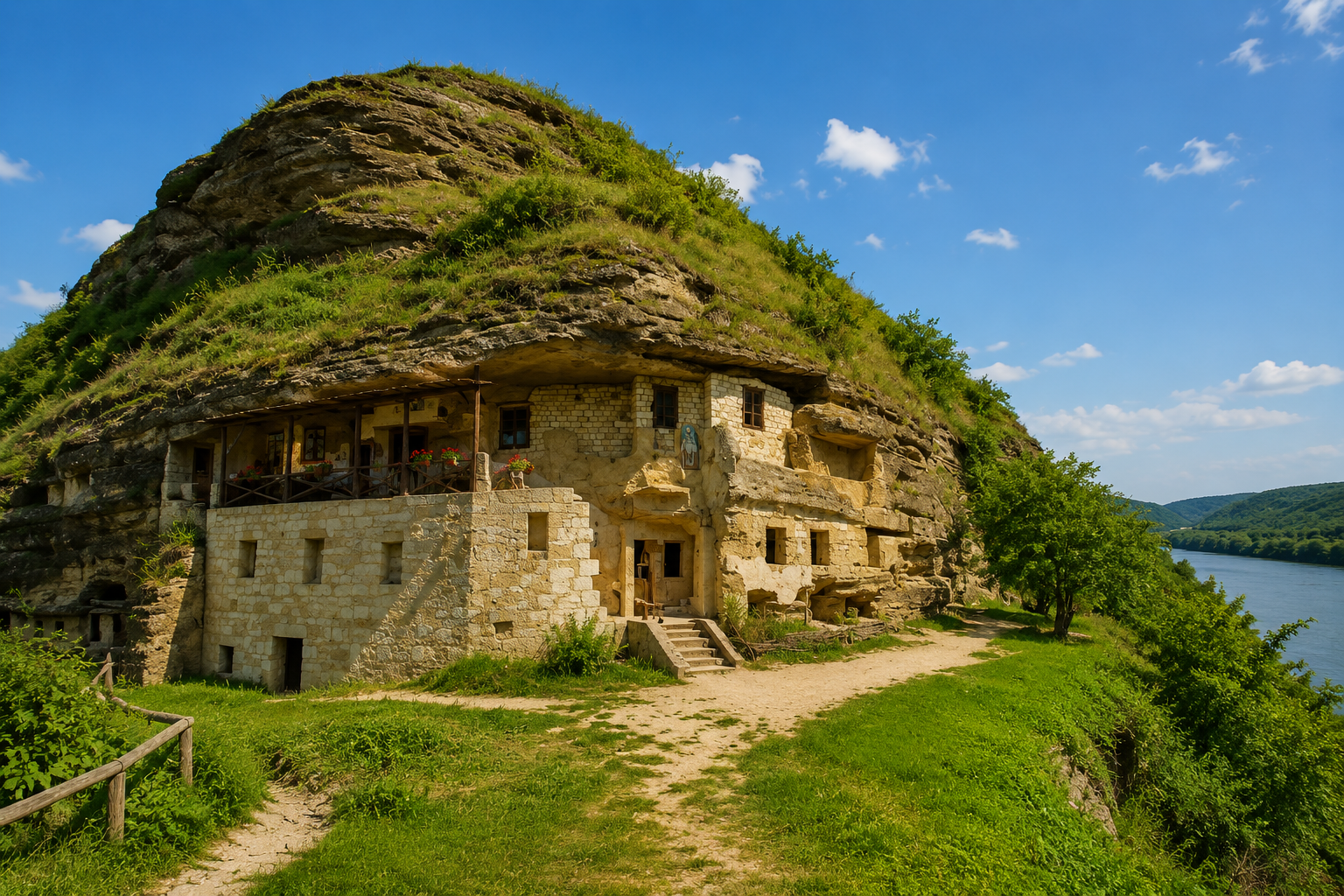
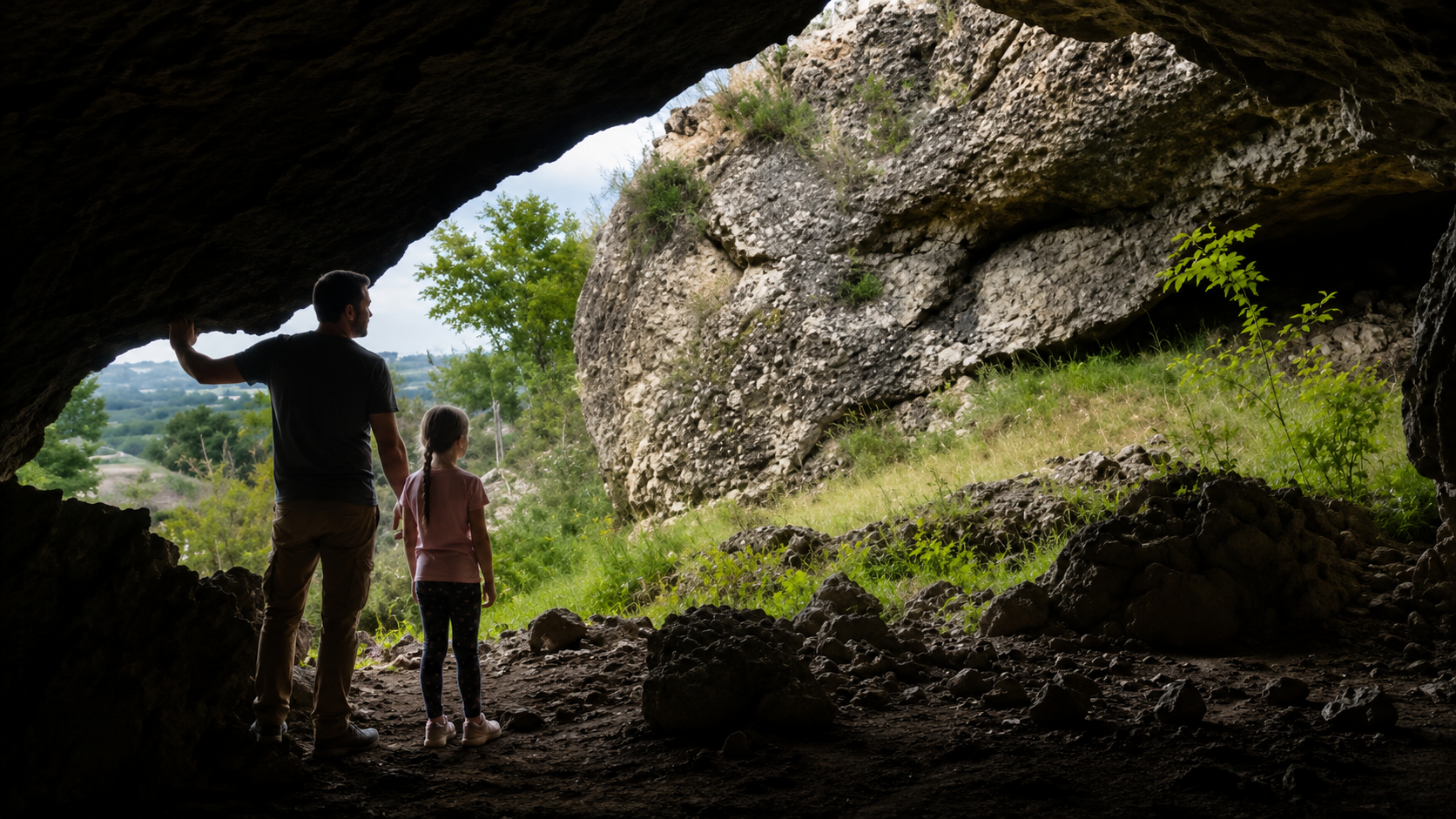
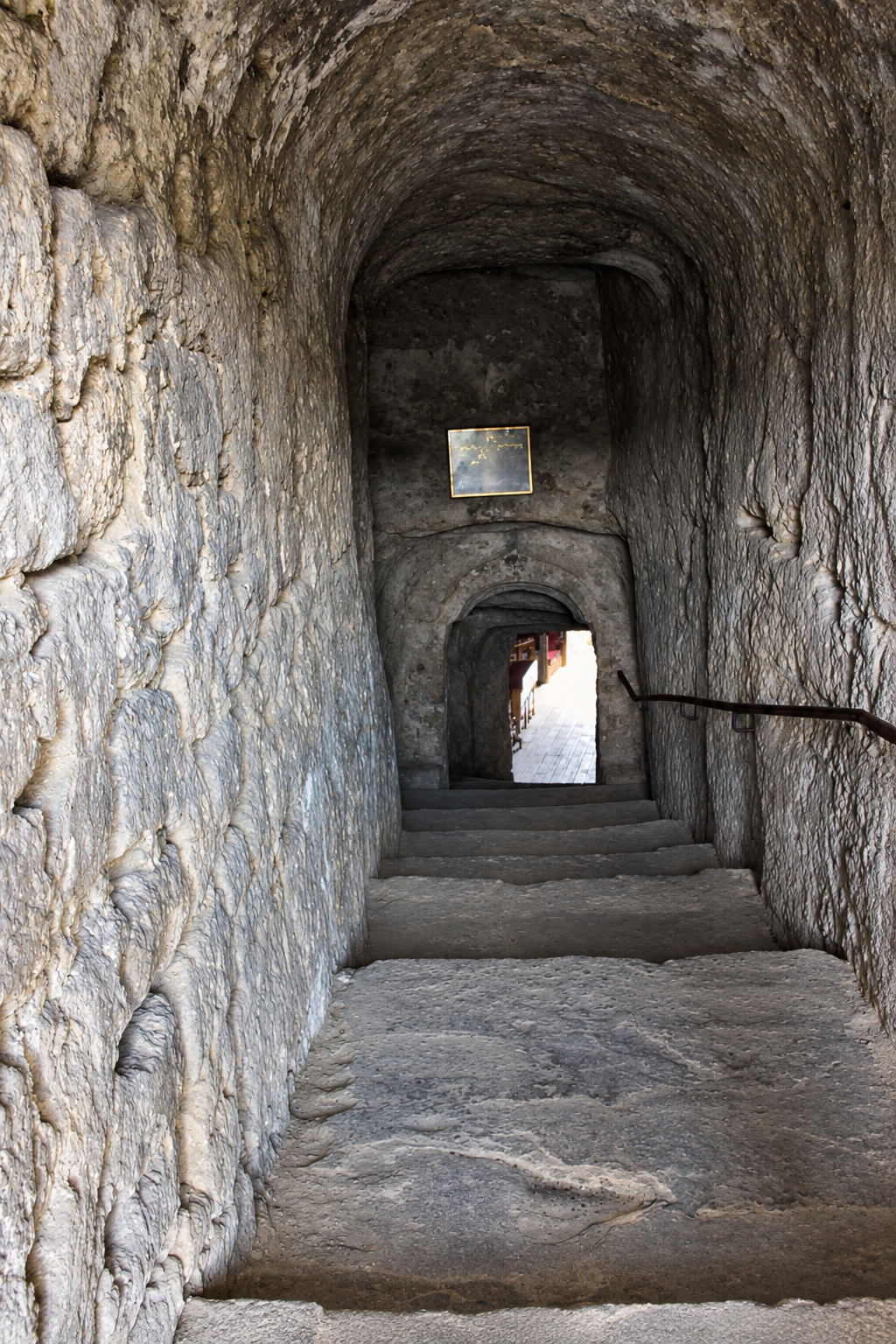
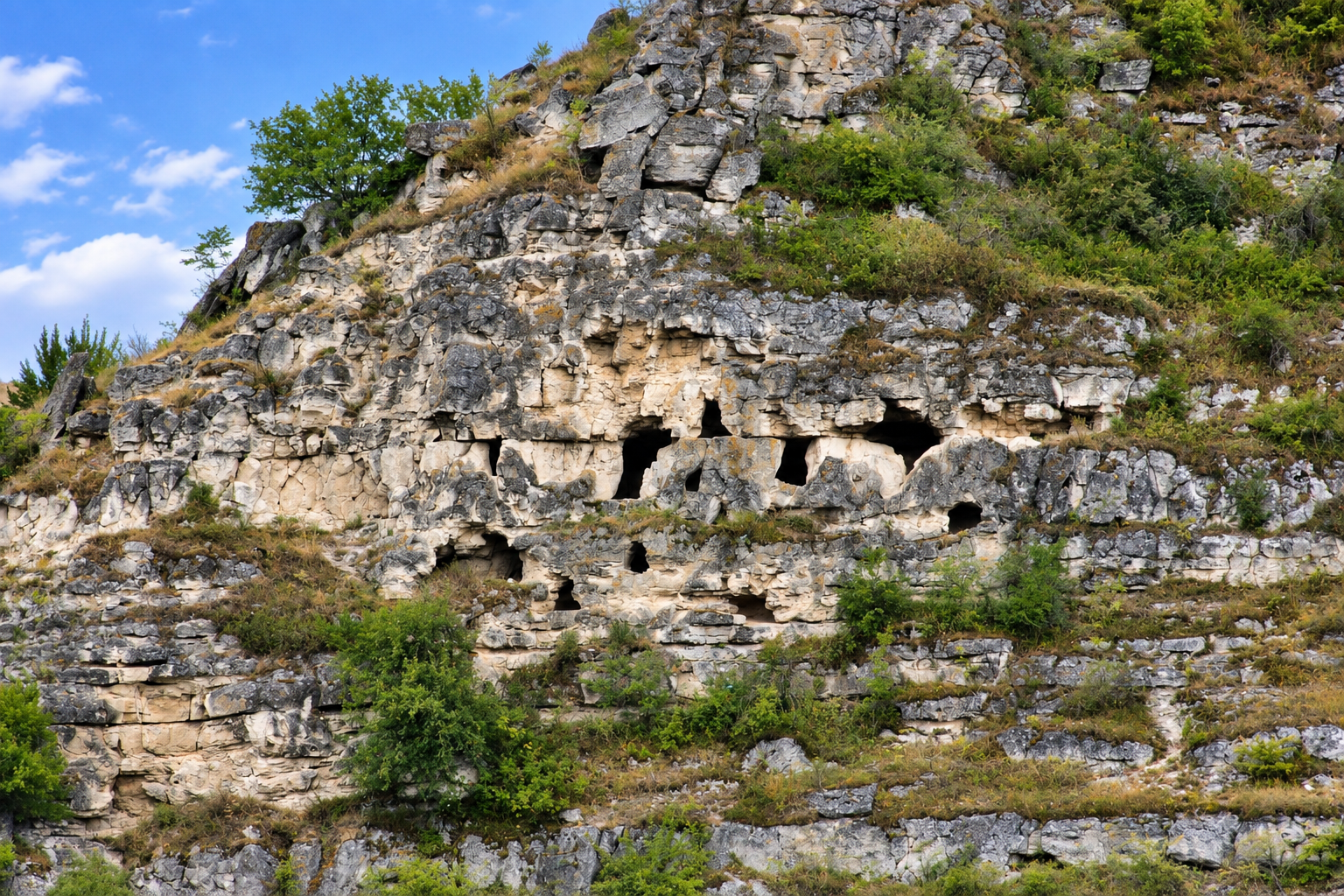
Continue along the ridge and find the entrance to the Peștera Cave Monastery, where part of the religious history of Orheiul Vechi is literally carved into the limestone.
Go down the steps and the open landscape outside suddenly disappears.
The cave complex dates mainly from the 15th century and contains a church together with former monastic cells cut into the rock.
The spaces are small and simple, and it is difficult not to imagine what life must have been like for the monks who chose to live and pray here.
Above the cave complex stands a bell tower dating from 1820, while a large stone cross on the ridge has watched over the valley for centuries.
Then step back outside.
After the darkness and enclosed spaces of the caves, the Răut valley suddenly feels enormous again.
But the monastery is only one chapter of what you are walking through.
Orheiul Vechi has been used and inhabited by people for thousands of years, and archaeological discoveries across the area tell the story of several very different periods.
Evidence of human presence reaches back into prehistoric times.
Later, Geto-Dacian communities established fortified settlements on the naturally protected limestone promontories.
Then came another very different period.
Dealurile își amintesc mai mult decât vor putea oamenii vreodată.
-
The hills remember more than people ever will.
⚠️
Ia-ți timp, respectă locurile în care intri și amintește-ți că Orheiul Vechi
nu este doar un loc de vizitat - este casa cuiva, parte
din istoria sa și un loc al credinței.
-
Take your time, respect the places you enter, and remember that
Orheiul Vechi is not only somewhere to visit - it is someone’s
home, history and place of faith.