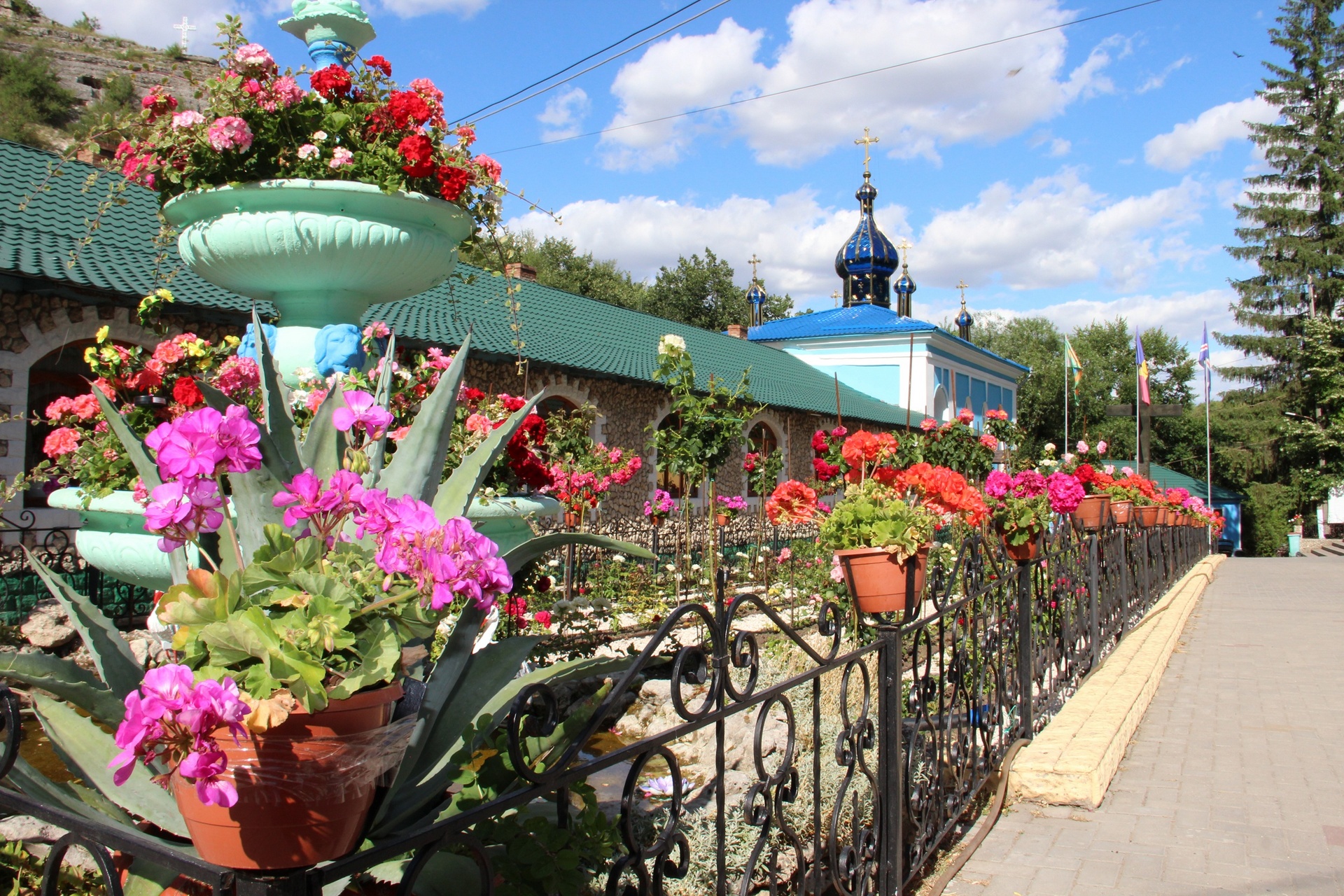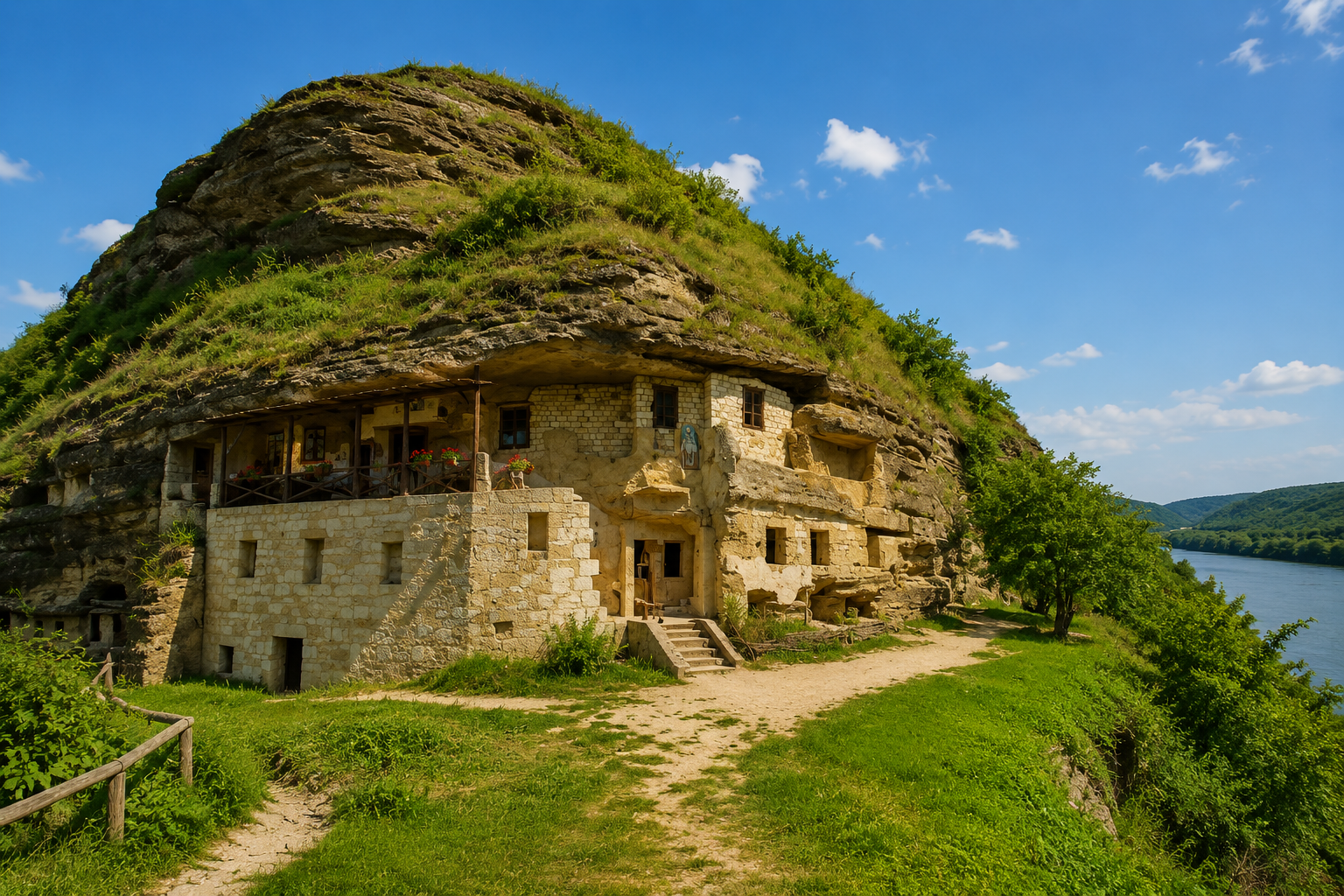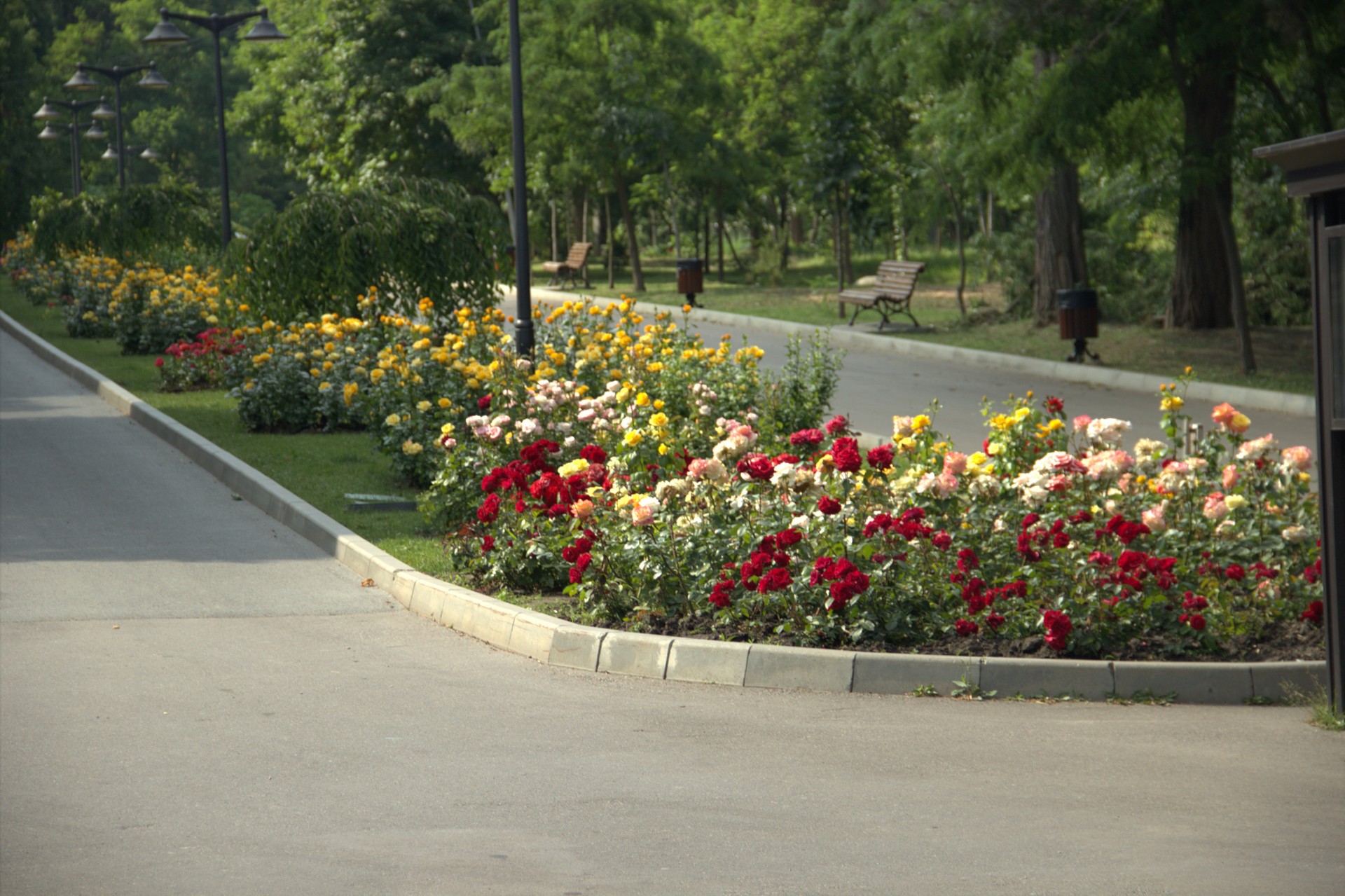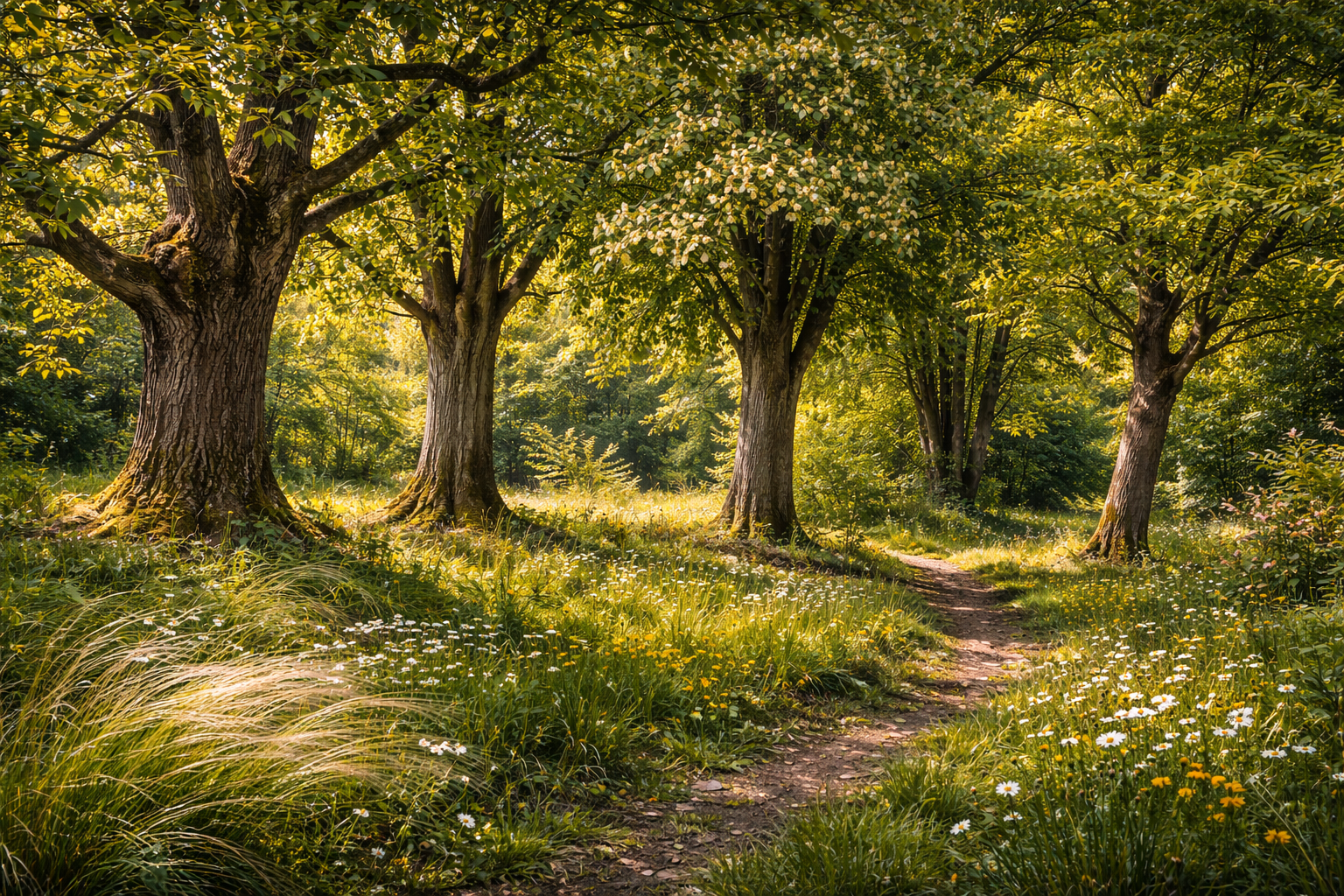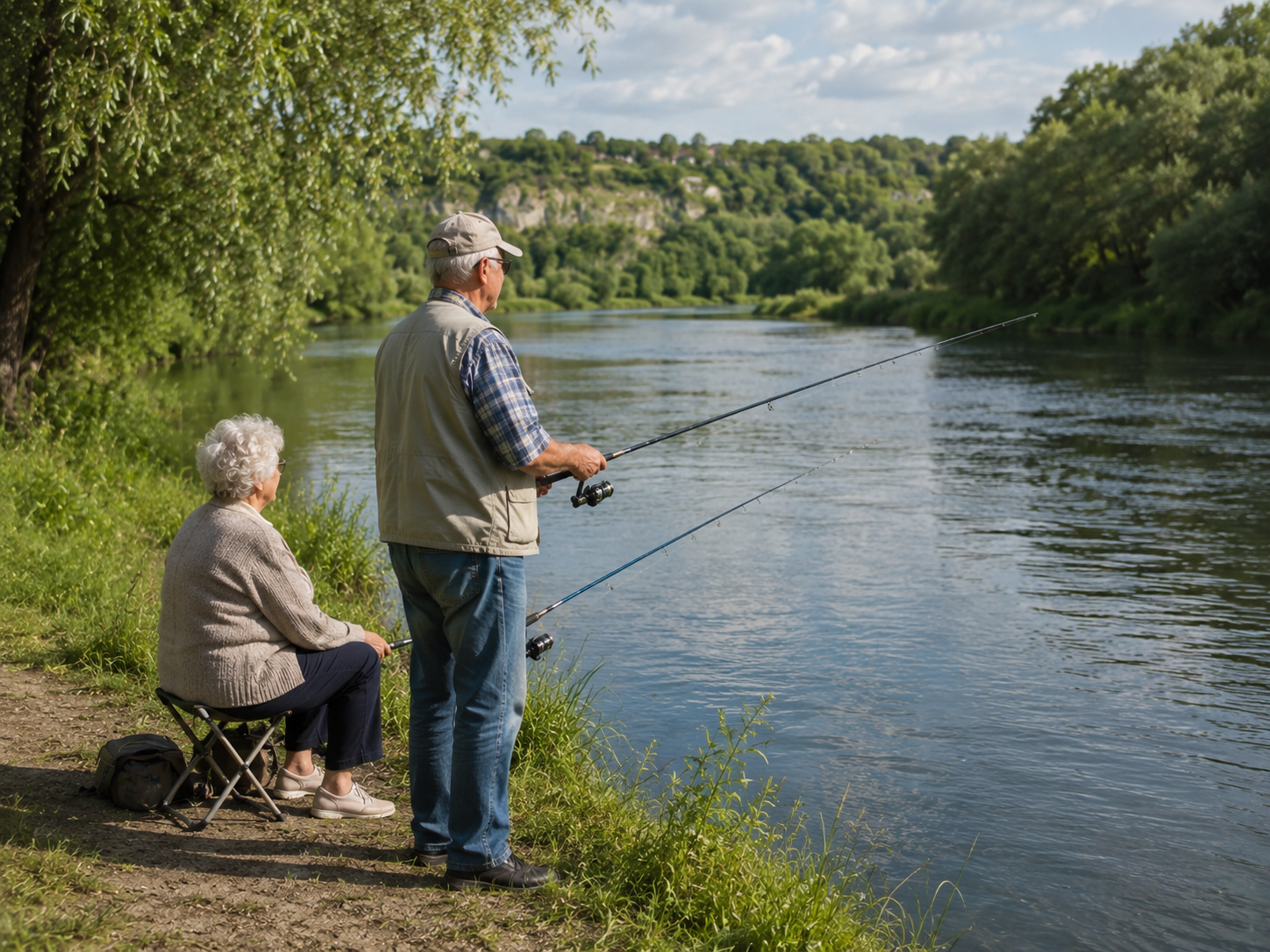
There is something unexspected and difficult to explain about Moldova.
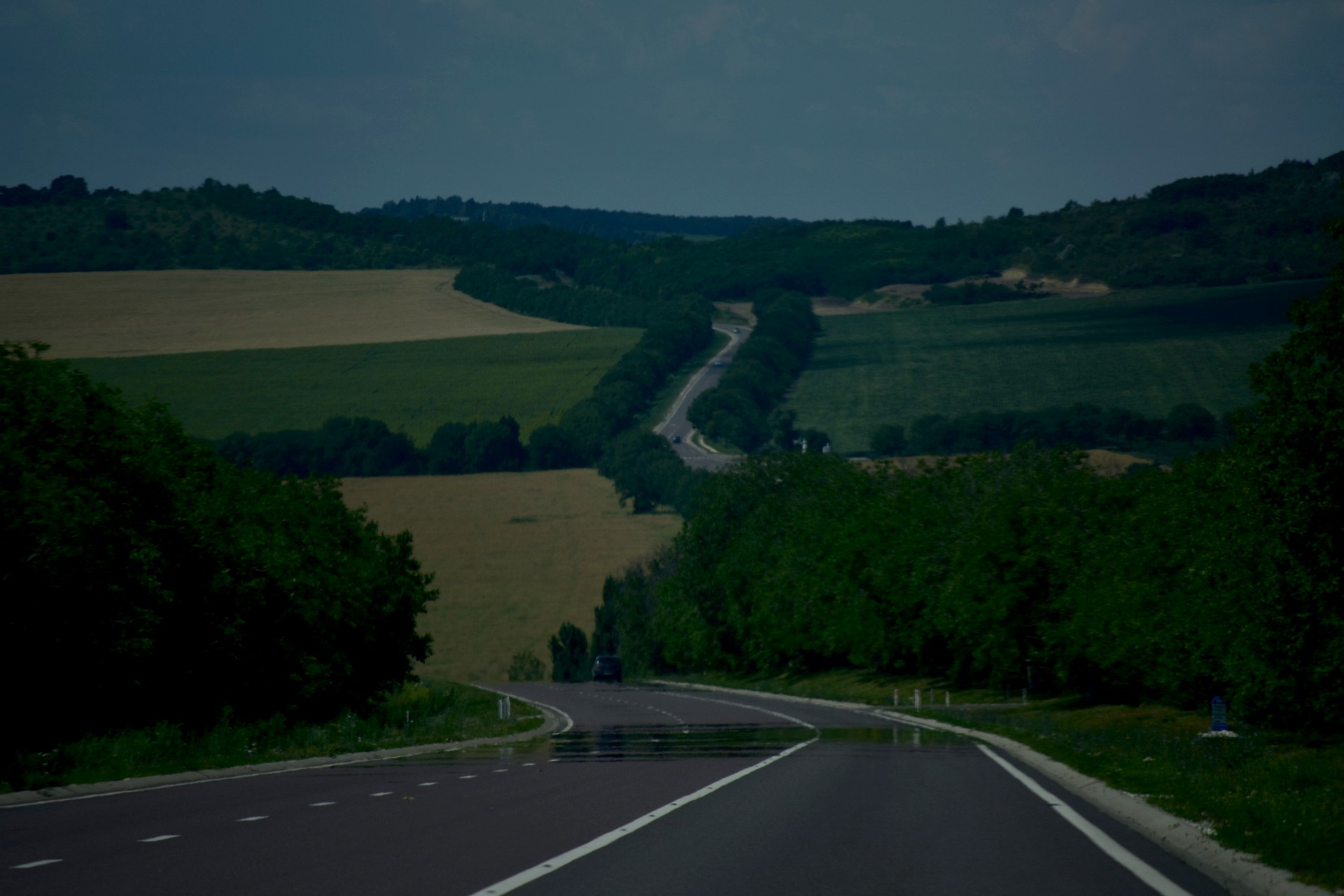
You notice it while travelling through the country, where a road that was supposed to lead from one place to another suddenly offers a view you did not counted on.
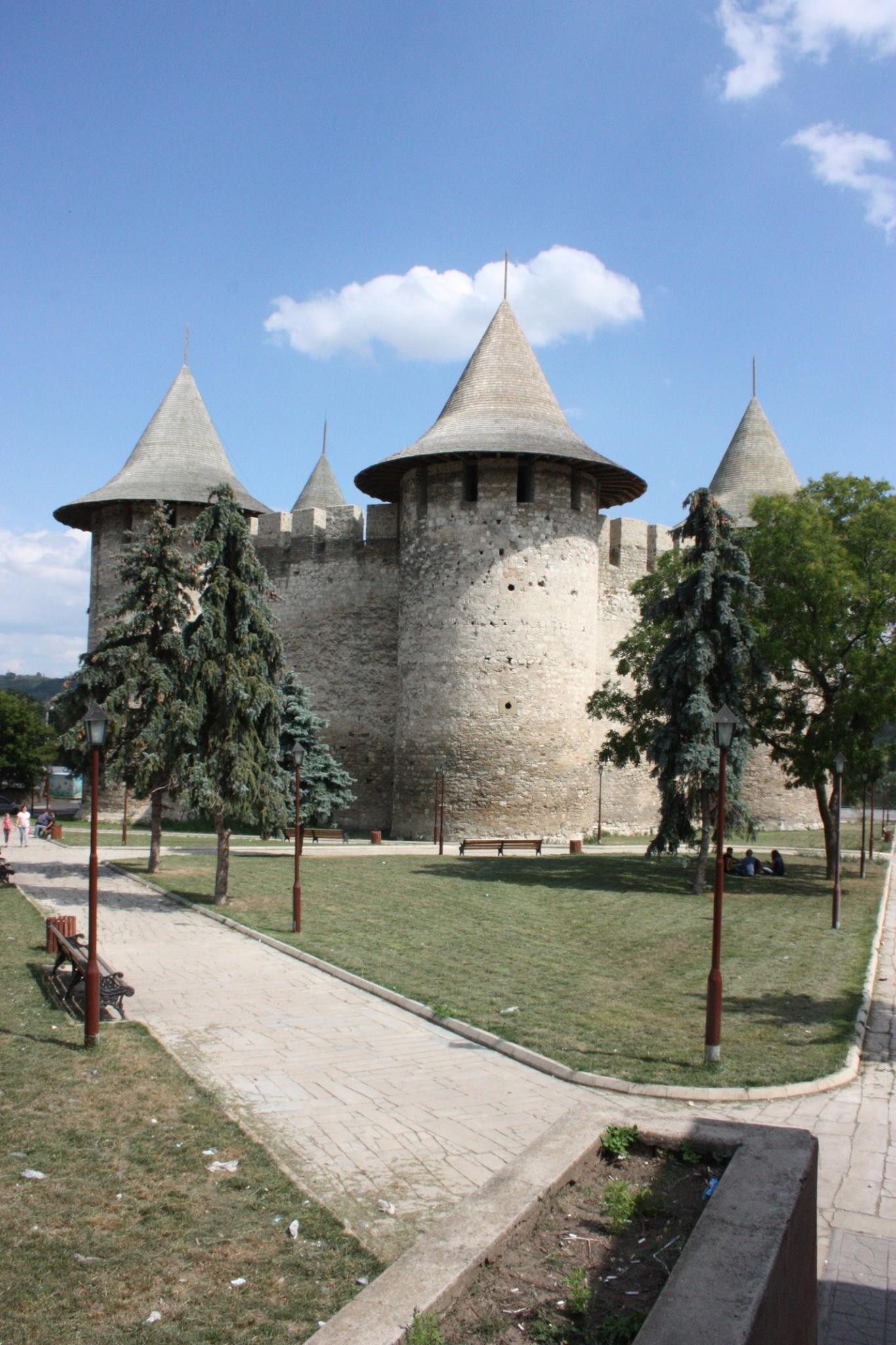
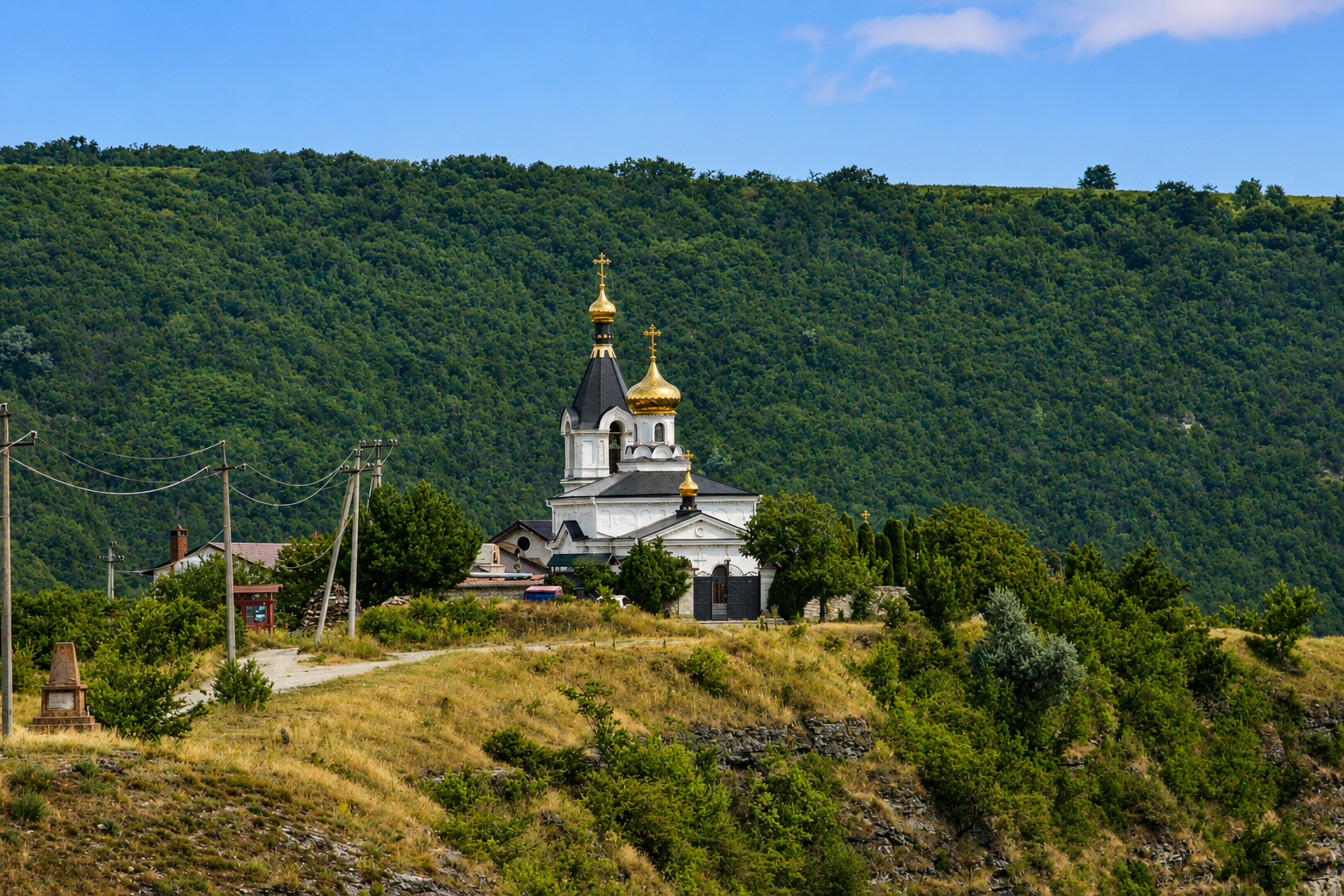
A small church shows up between the trees, a village passes by, then another and somewhere along the way you stop for a photograph and you catch yourself in a moment, where you have difficulties to stop photographing and to leave the place behind.
It is rarely just one thing on its own, but also the way places, people, landscapes, and moments seem to connect with one another.
One experience and discovery leads naturally to the next, and before you
know of it, a already long day, has taken a direction you had'nt planned, from
the very beginning
These destinations are not here to tell you where to go.
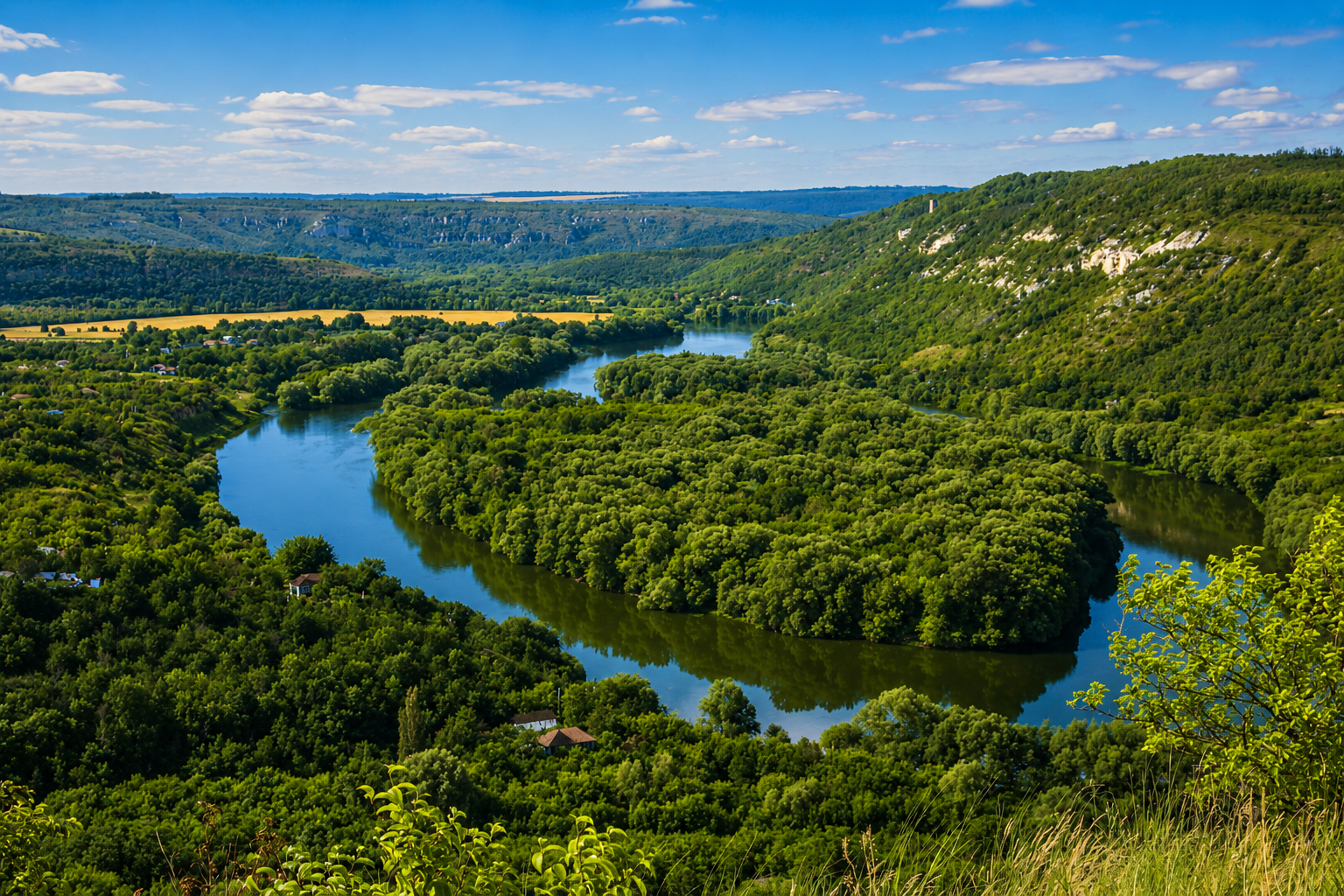
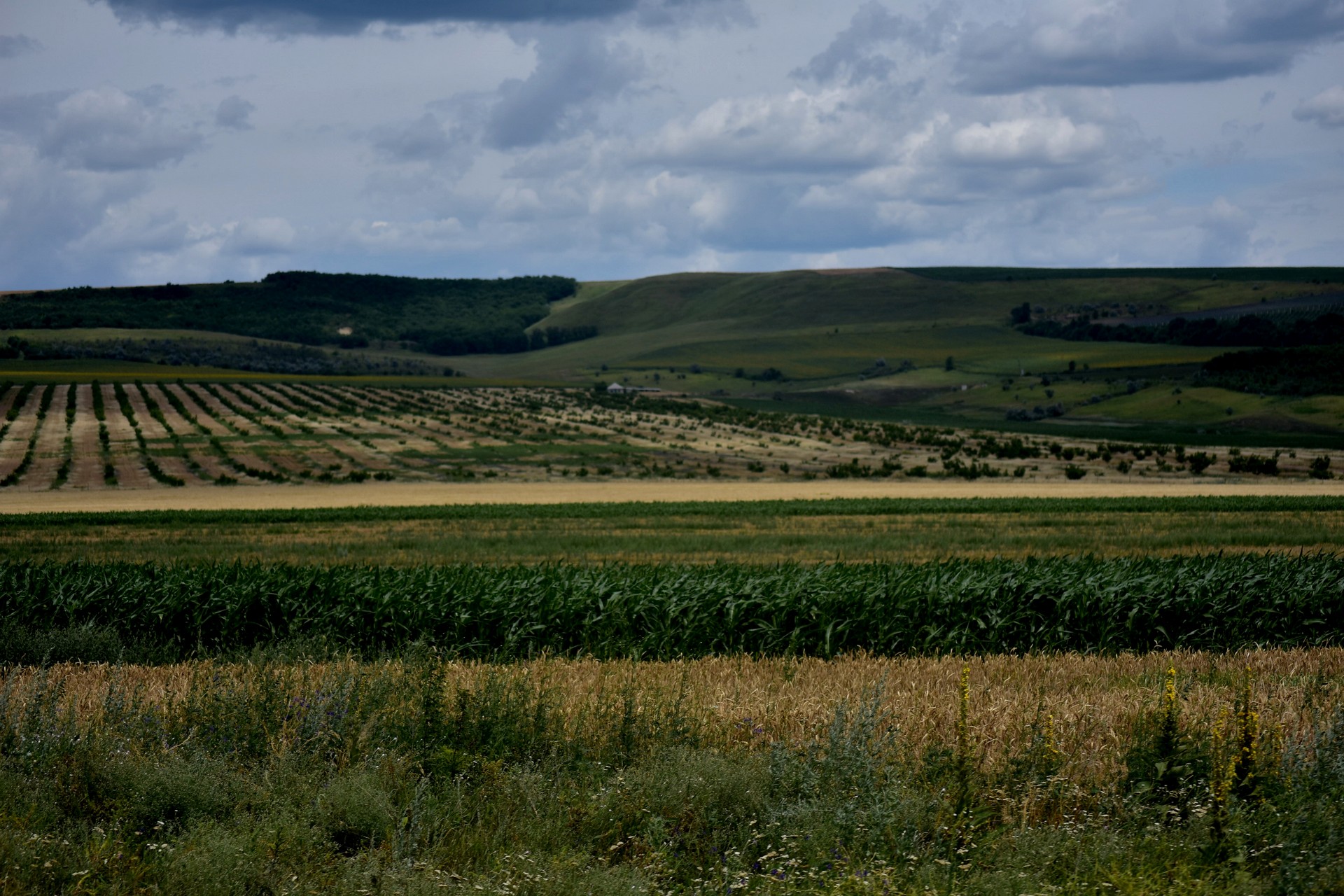
They are simply places worth experiencing, some surrounded by open landscapes where the horizon seems far away and the roads runs between fields, forests, and vineyards.
Others are found in small villages, beside rivers, beneath cliffs, or hidden among trees, where life are a little closer to the ground.
Traveling between them, you begin to notice and discover how different parts of Moldova are linked together.
A monastery may lead to a hiking trail, a winery may be followed by a village festival, a viewpoint may end with a meal in a family-run guesthouse.
One experience are often followed of the beginning of another.
You might begin with a place you have heard about before, someone told you or perhaps like here reading about it, somewhere well known, where history, nature, and culture are easy to find.
But it is rare it ends there.
A road sign points toward a village, someone recommends a place that is not in the guidebook.
You stop for a coffee, a photograph, or simply because something caught your attention.
One stop becomes two, and before you know it, you are somewhere that was never part of the original plan.
Quite often, those are the places which are stuck to people's memory.
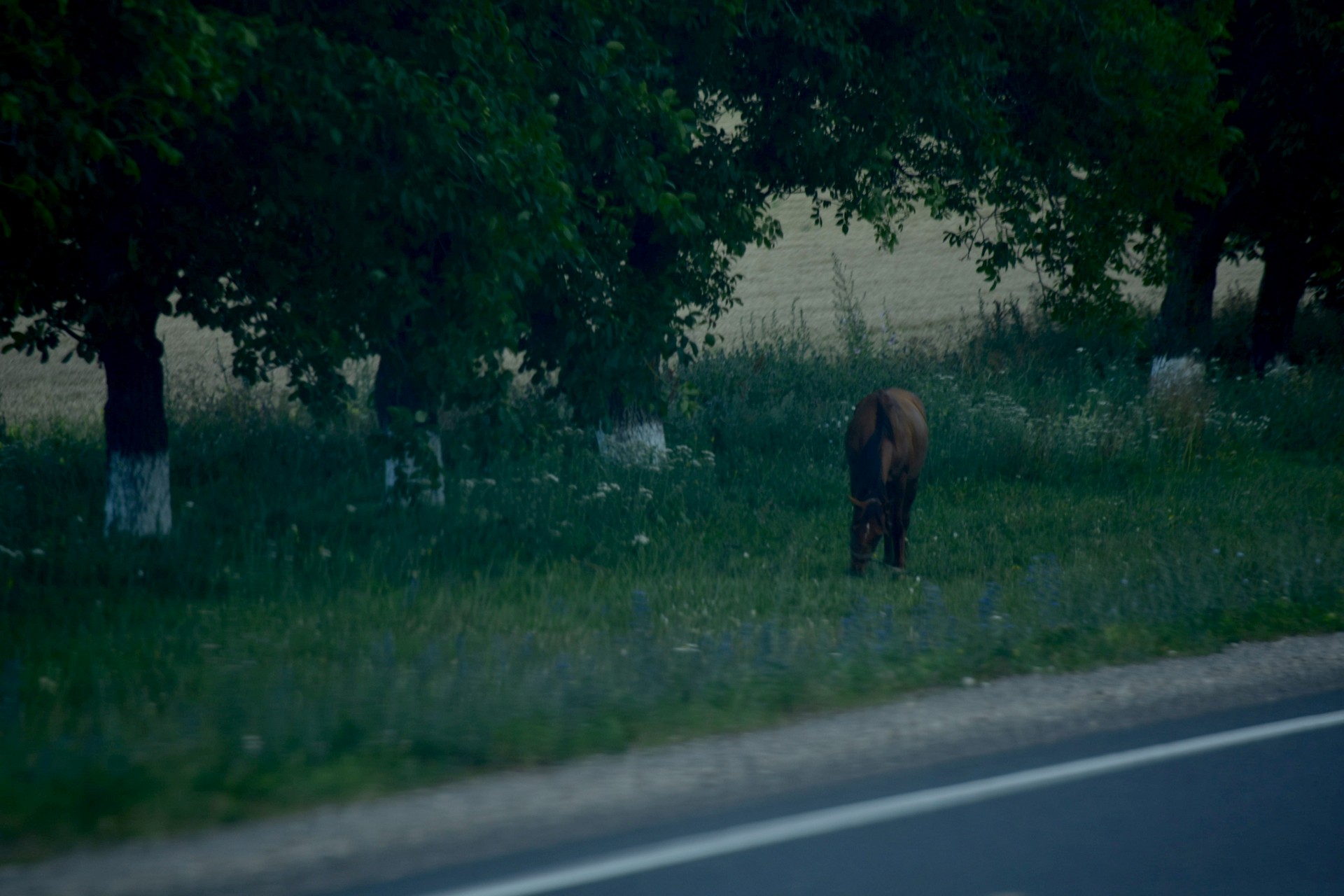
Not every place becomes a highlight, and not every stop turns into a story worth telling later.
But together, they begin to form something larger.
A monastery remembered for its view, a village café and a conversation with someone you never thought and expected to meet.
A road that turned out to be more beautiful than the destination itself.
Individually they may seem small, but together they become part of your journey.
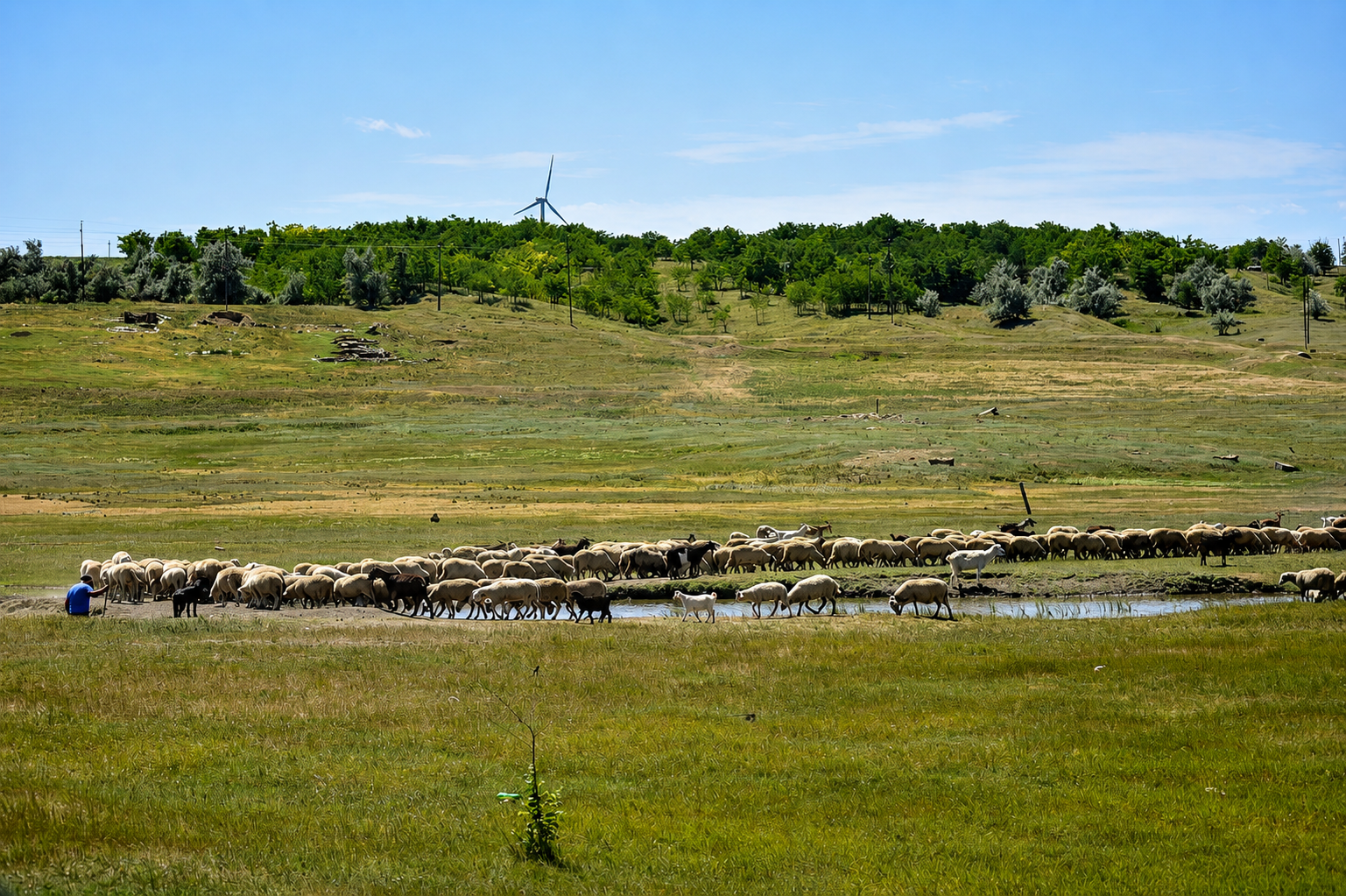
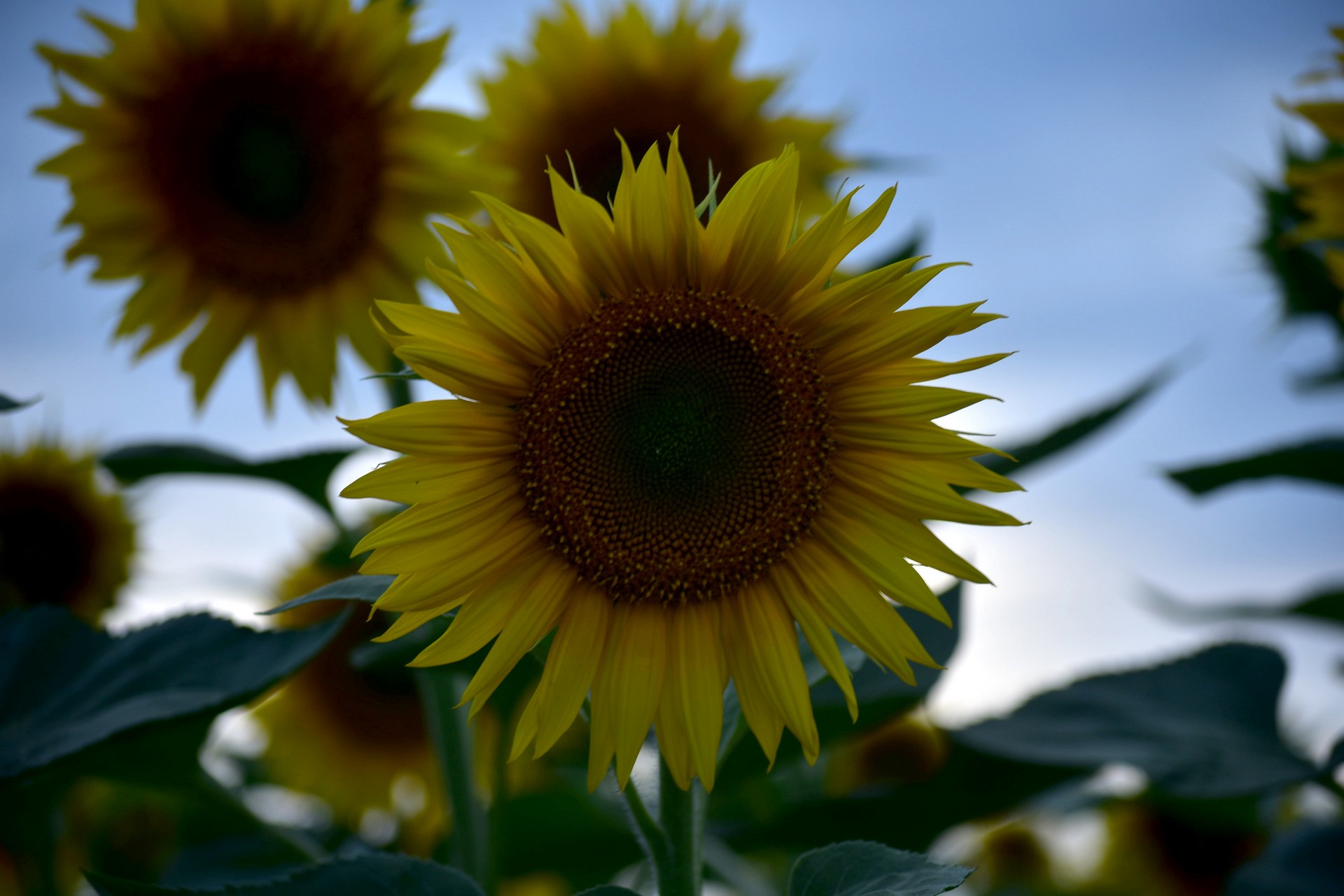
There is no single route through Moldova.
Some people spend their time exploring monasteries and historic sites, while others follow the wineries, the villages, the hiking trails, or the rivers.
Many discover a little of everything along the way and plans often change.
A short stop becomes a longer one, a recommendation leads somewhere
unexpected, a place that was never meant to be more than a brief visit ends up becoming one of the strongest memories from the journey.
That is part of travelling through Moldova.
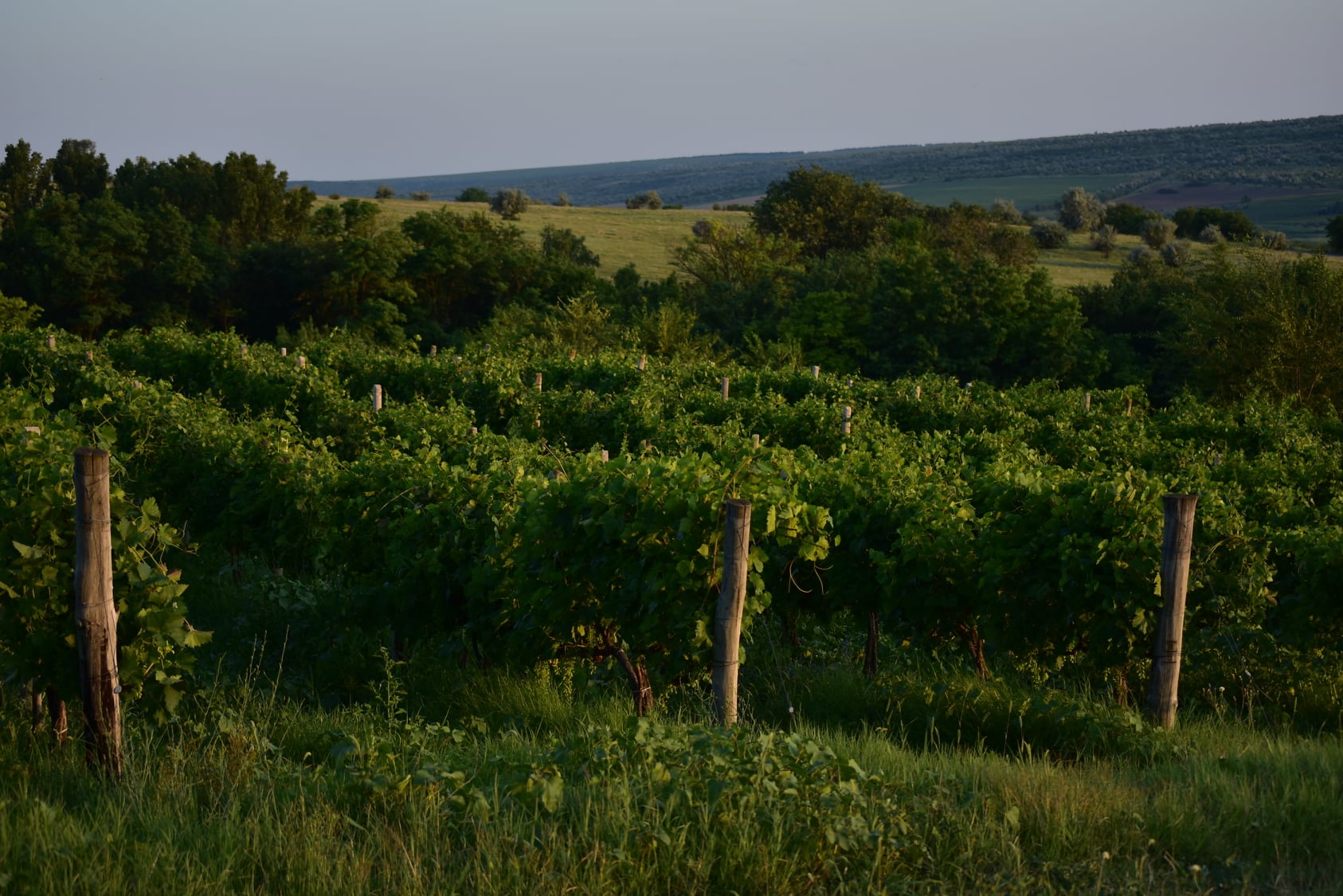
Fără să-ți dai seama, o parte din Moldova va rămâne cu tine pentru
tot restul vieții.
-
Even without noticing it, you will carry a part of Moldova withyou for
the rest of your life.
Leaving Moldova behind and continuing into the northern landscapes of Romania, into lands that were once part of the historical Principality
of Moldavia.
Hills rises gently through the landscape, and villages appear between
rivers, trees, and church towers standing above the rooftops.
The further you drive into Bucovina, a historic region in northern Romania once part of the Principality of Moldavia, the more trees and forests begin to surround the roads.
Wooden houses stand behind old fences, gardens stretch along narrow lanes and during the colder months smoke rises from chimneys while rivers follow the roads for long distances at a time.
Villages such as Vicovu de Sus, Straja, and finally Putna remain closely connected to the forests and hills around them.
Churches, monasteries, family homes, and small farms are part of the same landscape, and traces of the region's history shows again and again as the journey continues.
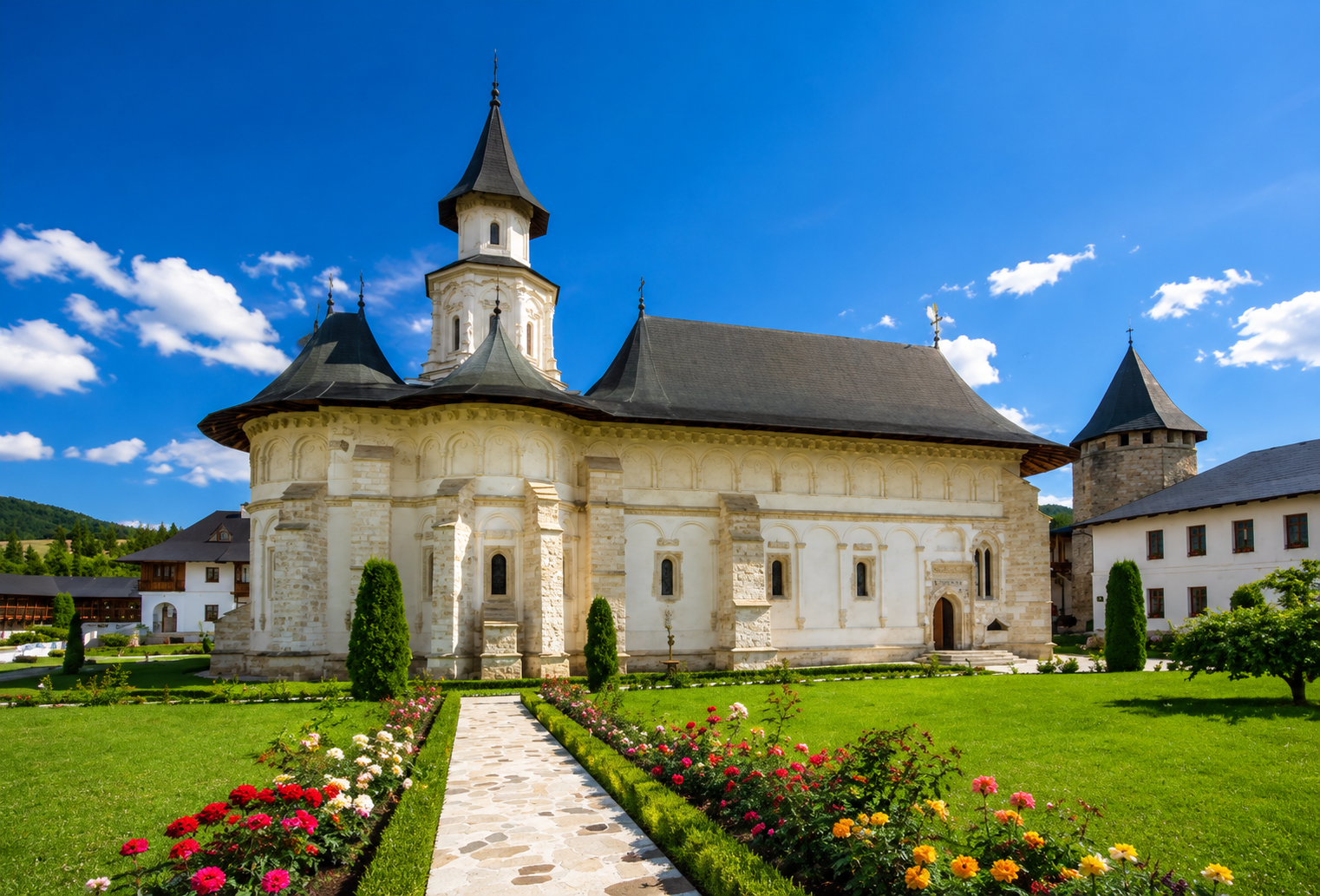
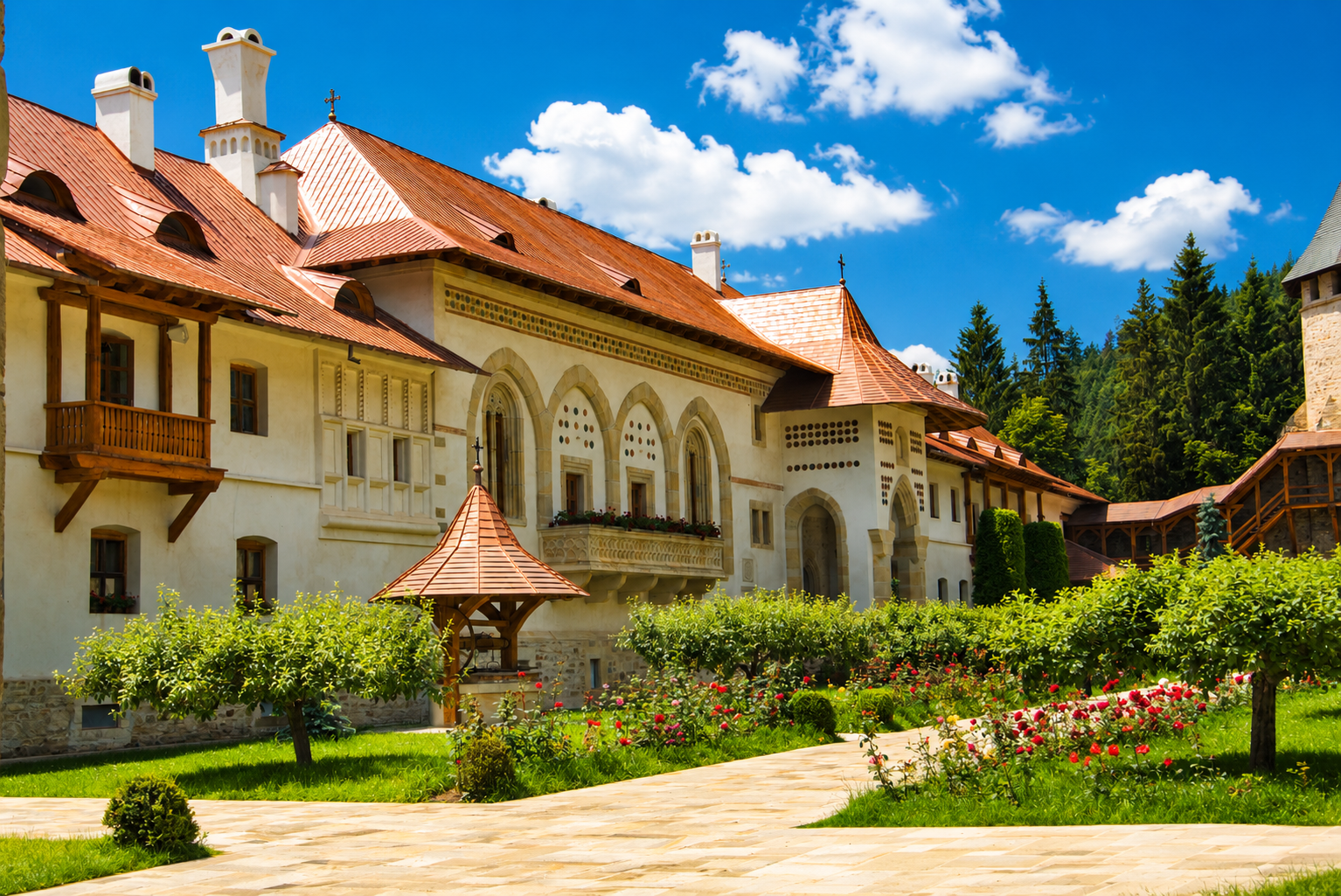
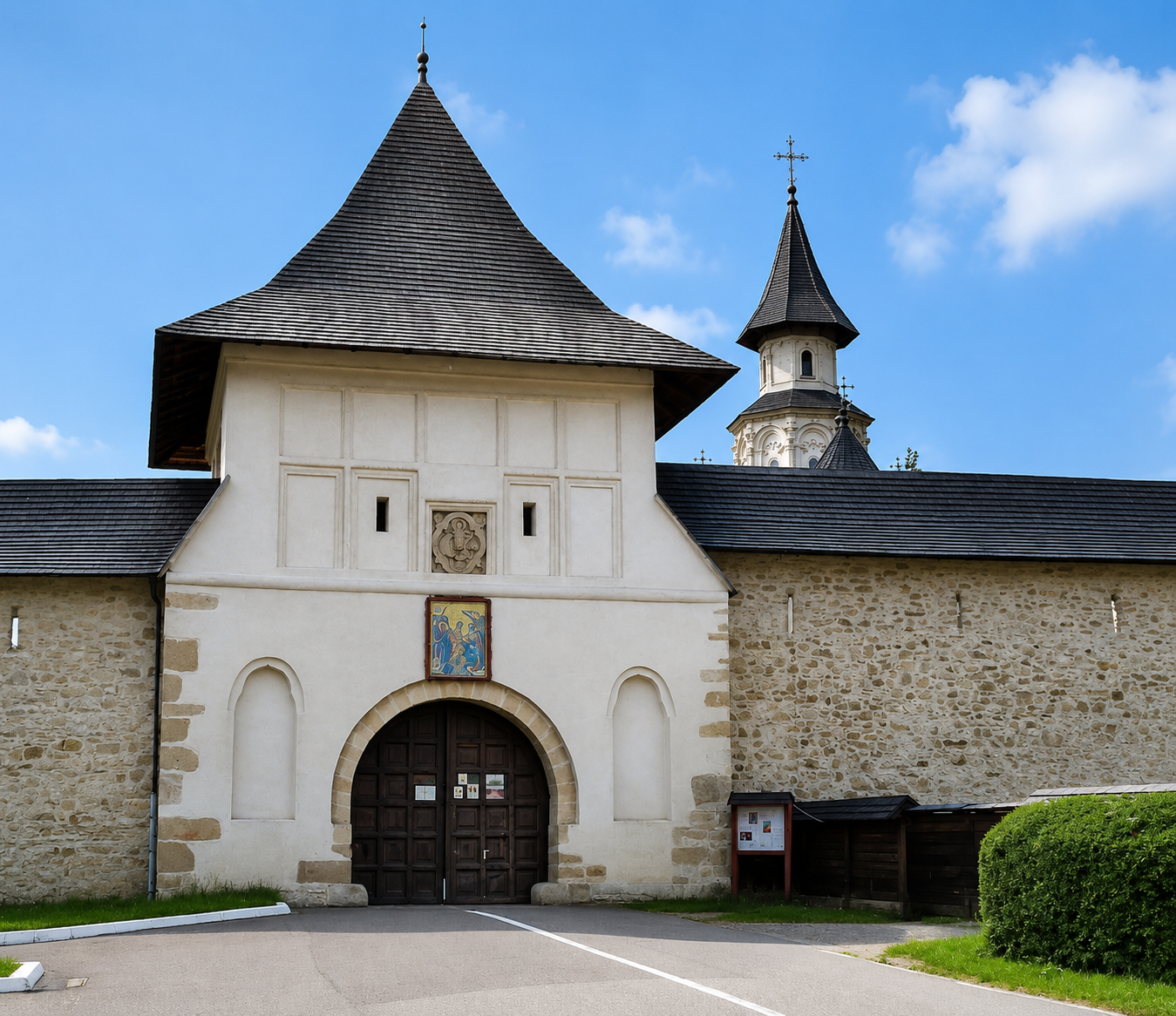
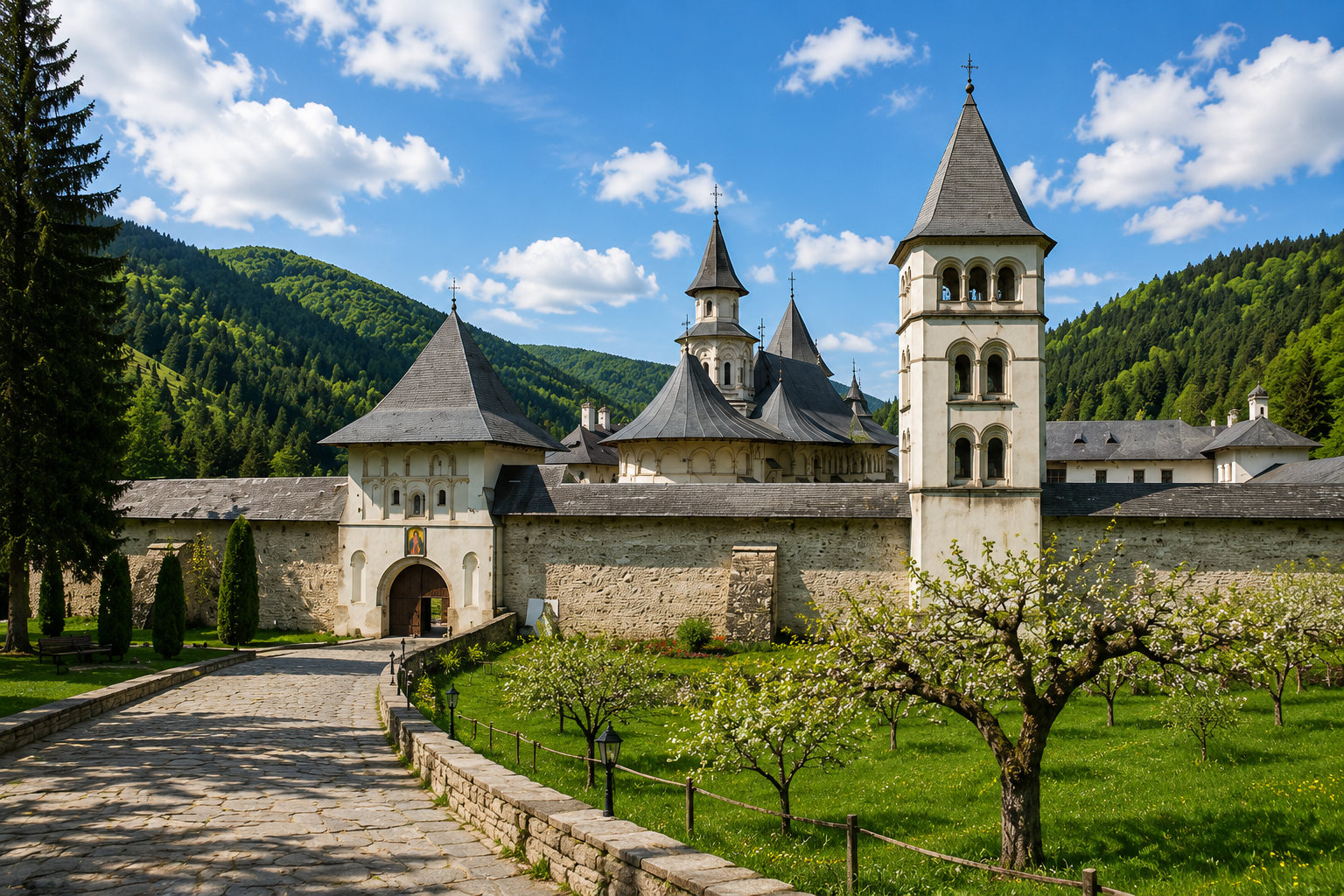
The first you notice, are the towers between the trees, then the white walls resting within the valley surrounded by forested hills.
As you get closer, conversations often become more like whispering and people who were speaking normally moments earlier, lower their voices without really thinking about it, but in a naturally way.
Others stop for a moment to look across the grounds before continuing toward the entrance.
Over the centuries, Putna survived fires, invasions, wars, destruction, rebuilding, and political changes that reshaped the region many times.
Yet despite everything, the monastery remained standing beneath the forests and hills that have watched over it for more than five hundred years.
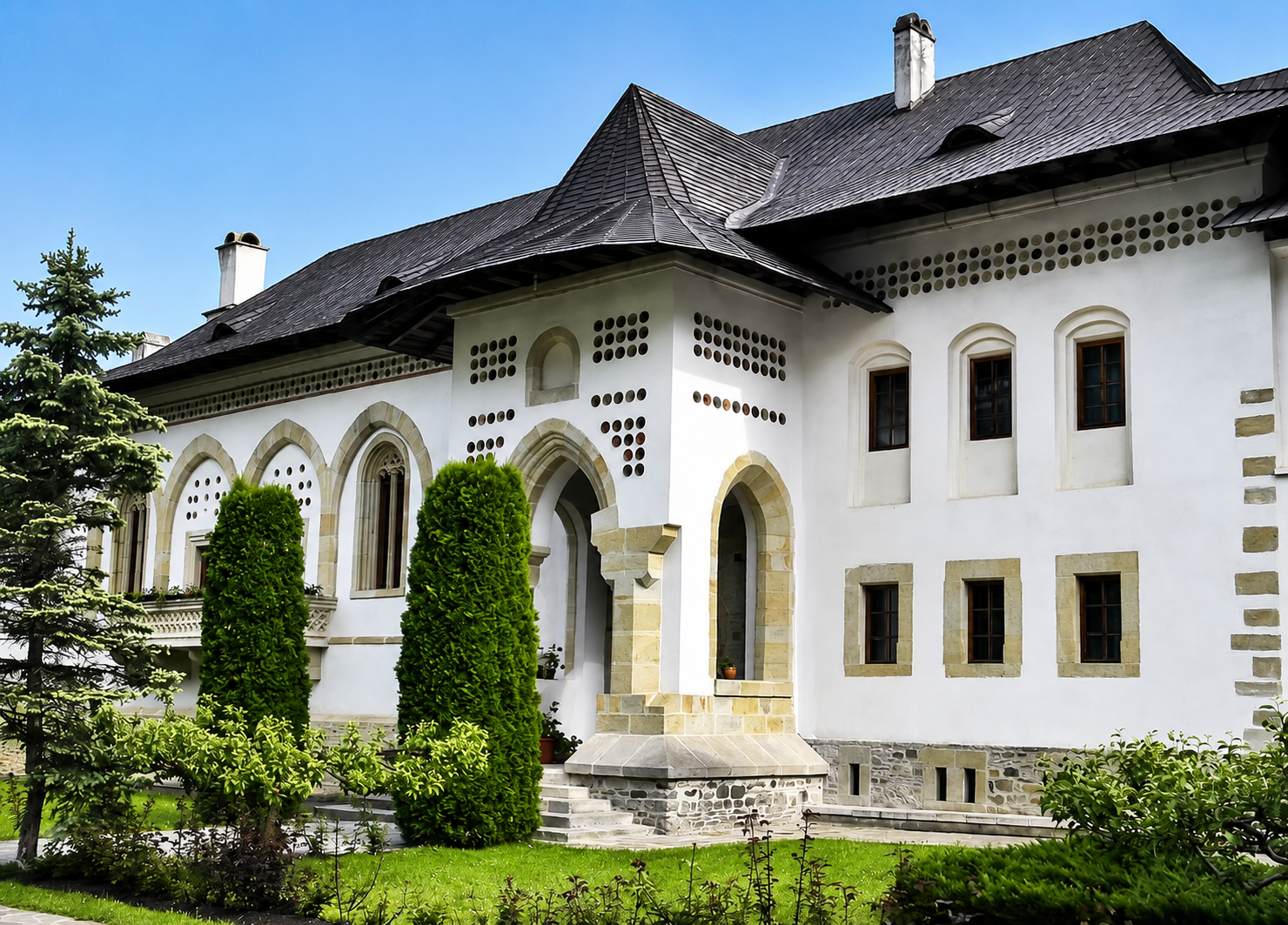
Walking through the monastery grounds, white walls, dark roofs, stone paths, old trees, and sometimes the sound of bells moving softly through the valley all seem to belong naturally together.
Visitors walk carefully here.
Some light candles inside the church, others remain standing quietly within the courtyard, while many simply sit beneath the trees for a while, looking toward the surrounding hills.
There is no need to be in a hurry.
The monastery, the forests, and the valley seem to set their own way, and most people naturally follow it.
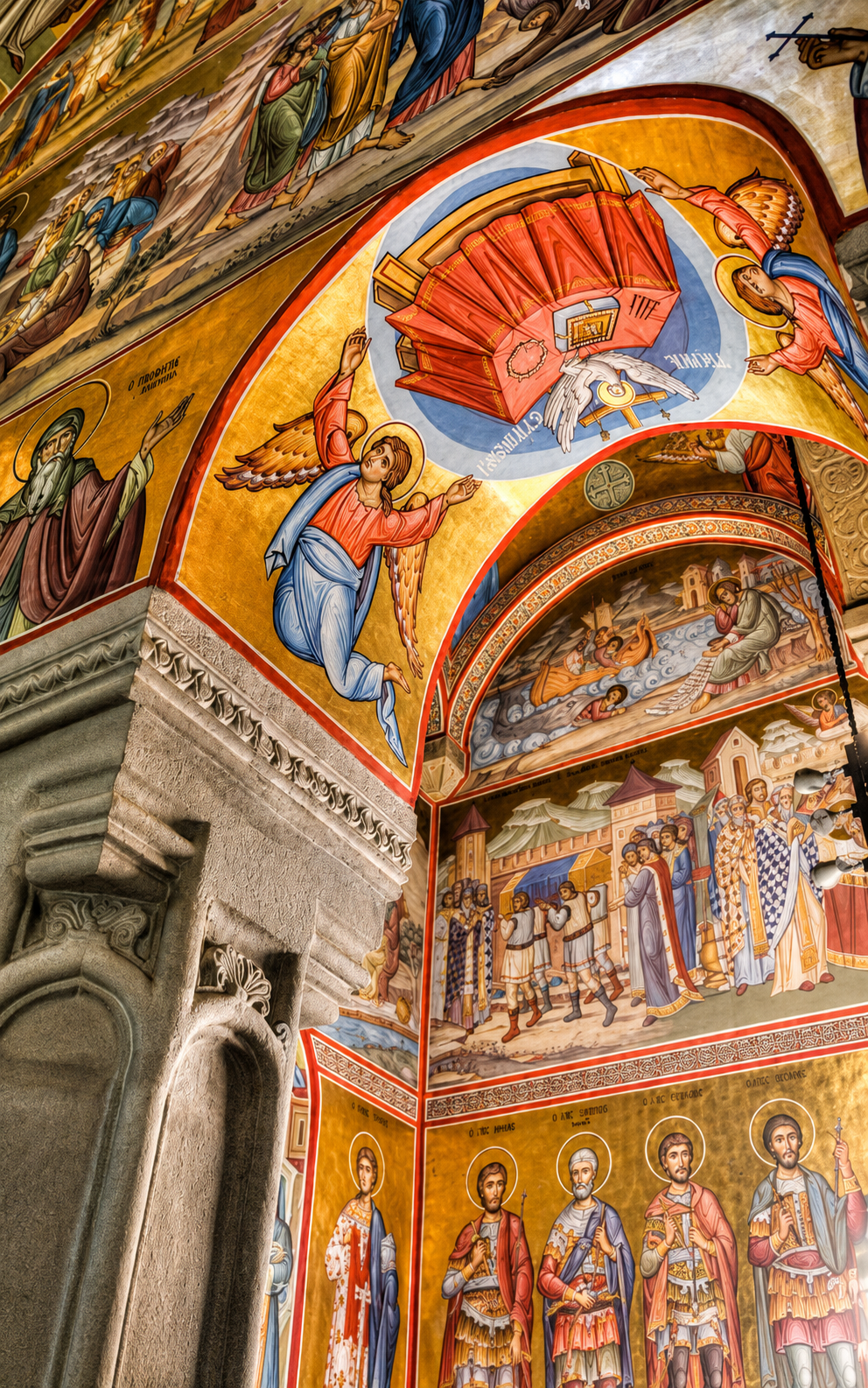
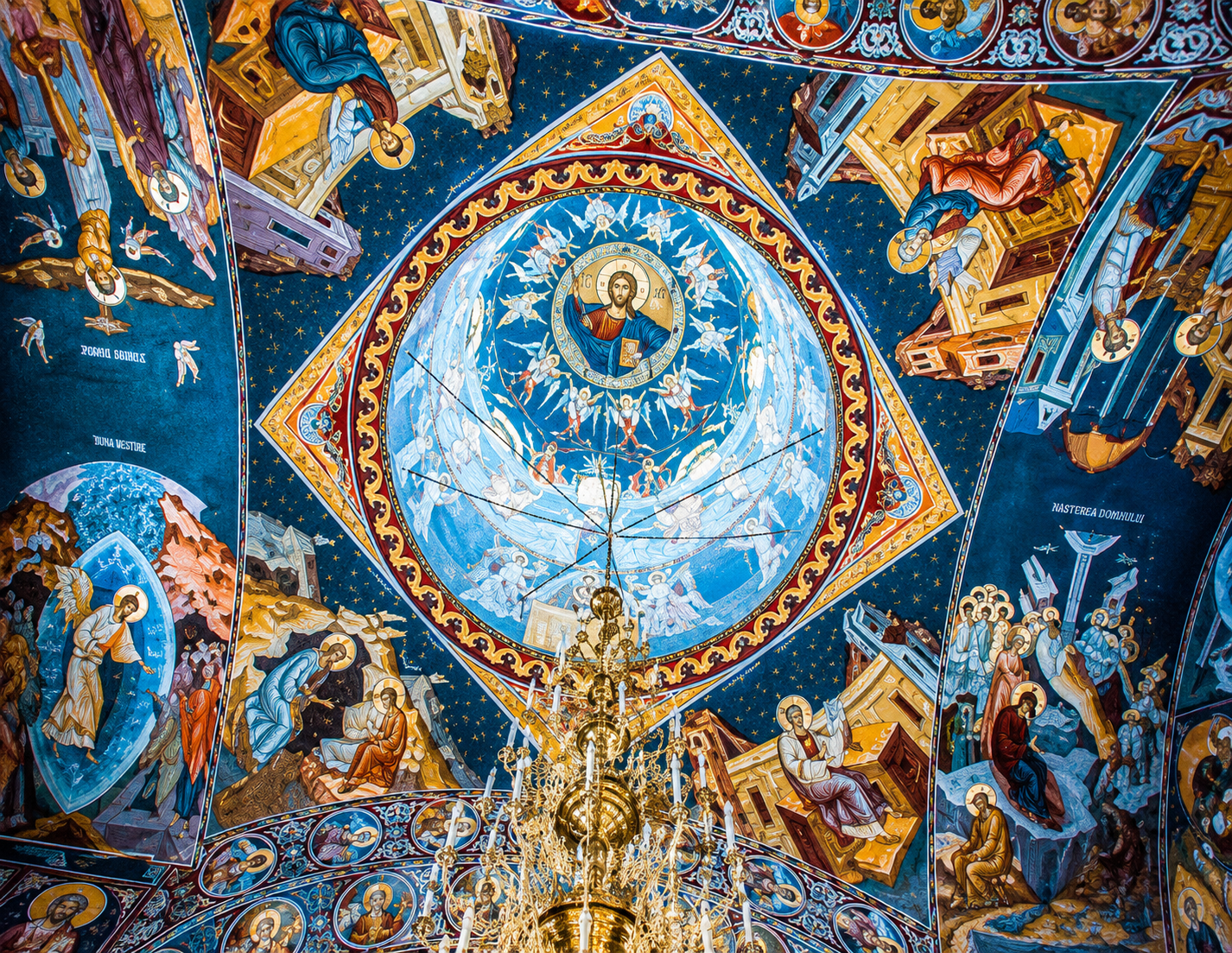
Inside the church, candlelight reflects softly against centuries-old paintings and walls shaped by prayer, weather, and time.
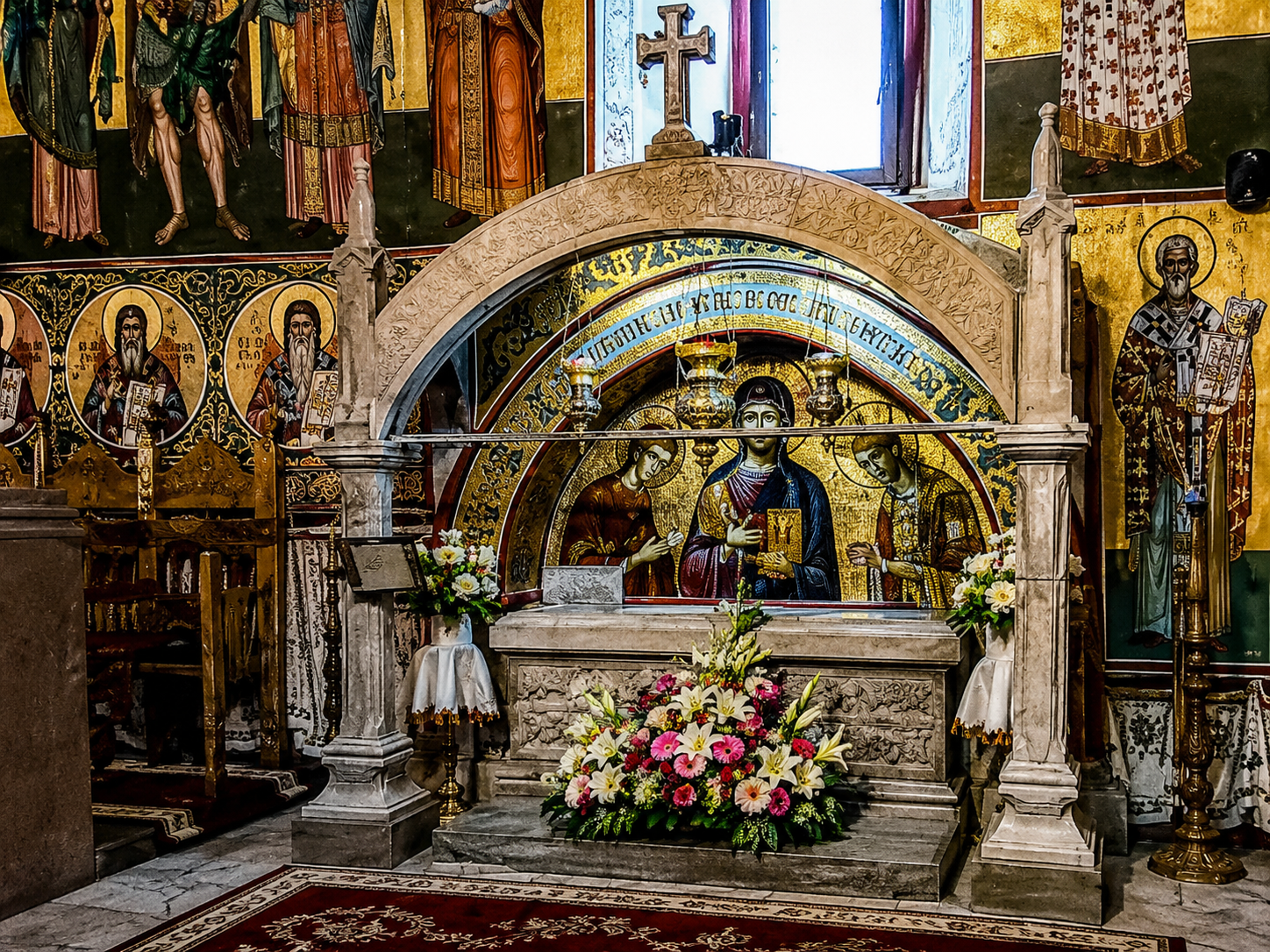
Near Ștefan’s tomb, people often become more silent without giving it much thought.
Some cross themselves silently, others simply stand there for a moment without speaking at all.
Beyond the monastery walls, forests cover the surrounding hills, walking paths continues into the landscape, and the valley itself becomes part of the discovery and experience.
Many visitors spend as much time outside the church as they do inside it, sitting beneath the trees, walking the grounds, or simply looking across the hills that have surrounded Putna for centuries.
Putna Monastery was founded by Ștefan cel Mare (Stephan The Great) in 1466 following one of his victories in the defense of Moldavia.
The construction continued for several years, and the monastery was consecrated in 1470.
More than a monastery, Putna became one of the most important spiritual and historical centers of Moldavia.
Later, Ștefan chose it as his final resting place, and his tomb remains inside the monastery church to this day.
That is one of the main reasons why people continue making the journey here generation after generation.
People do not come only because of the monastery itself, but many come because Ștefan is resting here.
For Moldovans especially, and for many Romanians as well, Putna is more than a historic monument and a destination to visit.
Visitors often stop at his tomb for longer than elsewhere in the monastery, as a guesture and for showing their respect, to maybe the most important persons in the Moldovan history
Some make the sign of the cross, while others stand quietly for a moment before continuing.
For many, the history of old Moldavia feels much closer here than it does
in books, museums, or classrooms.
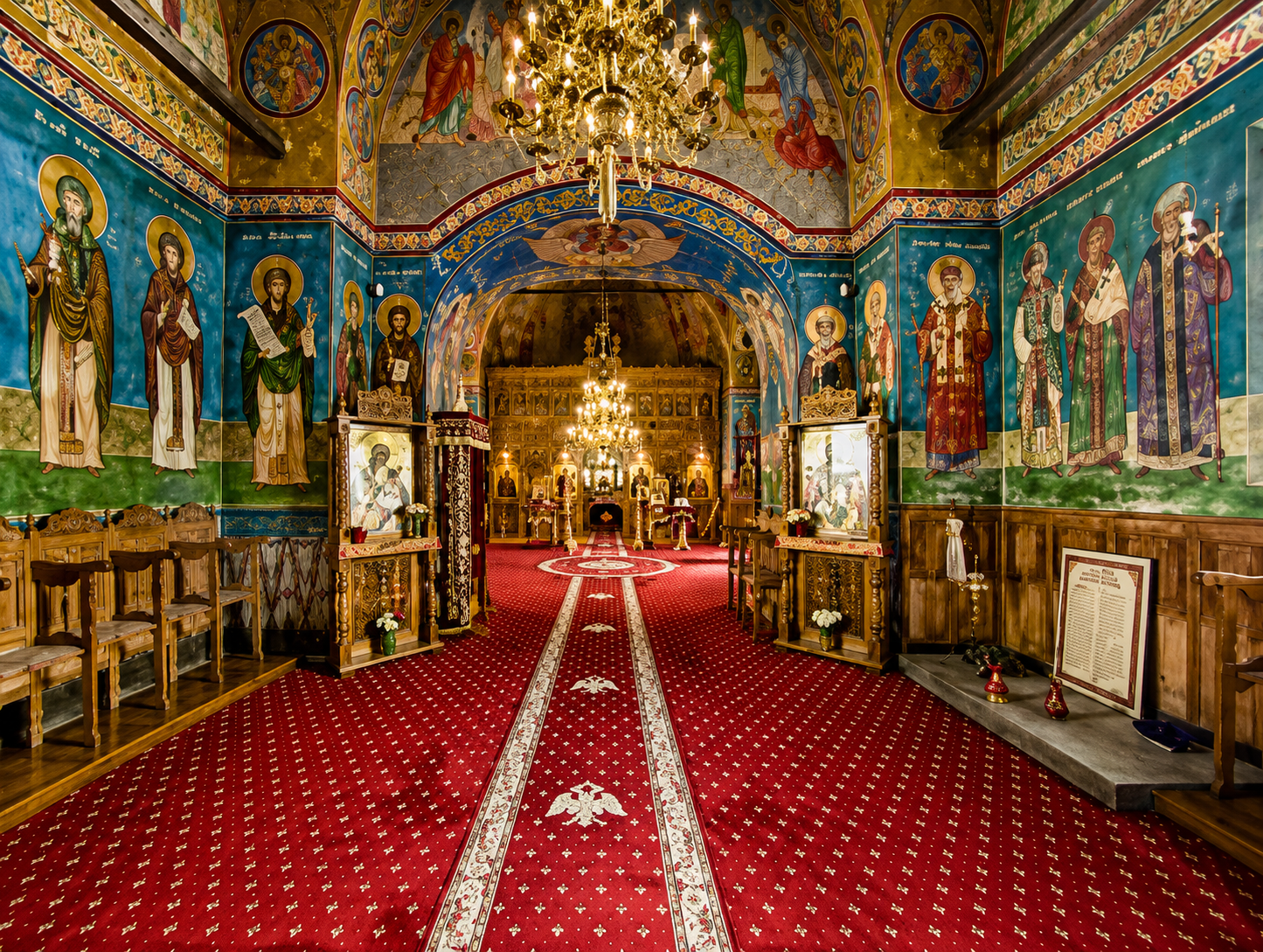
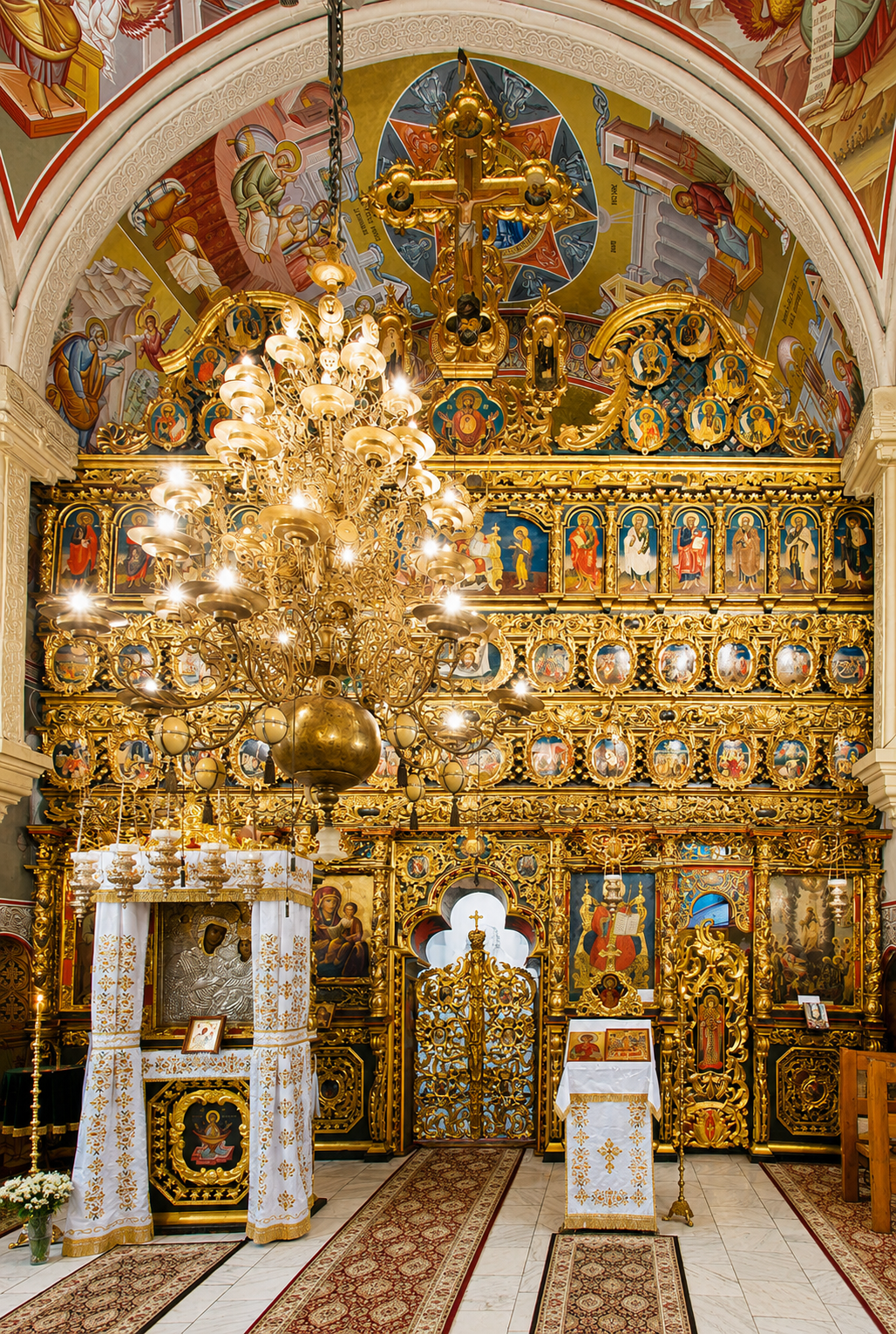
It is also the journey leading there, the forests, the rivers, the villages, and the feeling of gradually moving deeper into a landscape where the memory of old Moldavia still seems present.
The roads, churches, forests, and hills all feel deeply connected to the history that shaped this part of the world.
At Putna, that history is never far away.
Ștefan cel Mare rests here, and his presence remains part of the monastery itself and visitors pass his tomb, read his name, and stand in the place he chose more than five centuries ago.
For many, that alone gives Putna a significance that is difficult to find elsewhere.
During autumn especially, when the forests are covered in deep red, orange, and golden colors, the valley surrounding the monastery becomes particularly beautiful.
People are often walking more slowly here, speaking more quietly, and after a while some simply forget about time
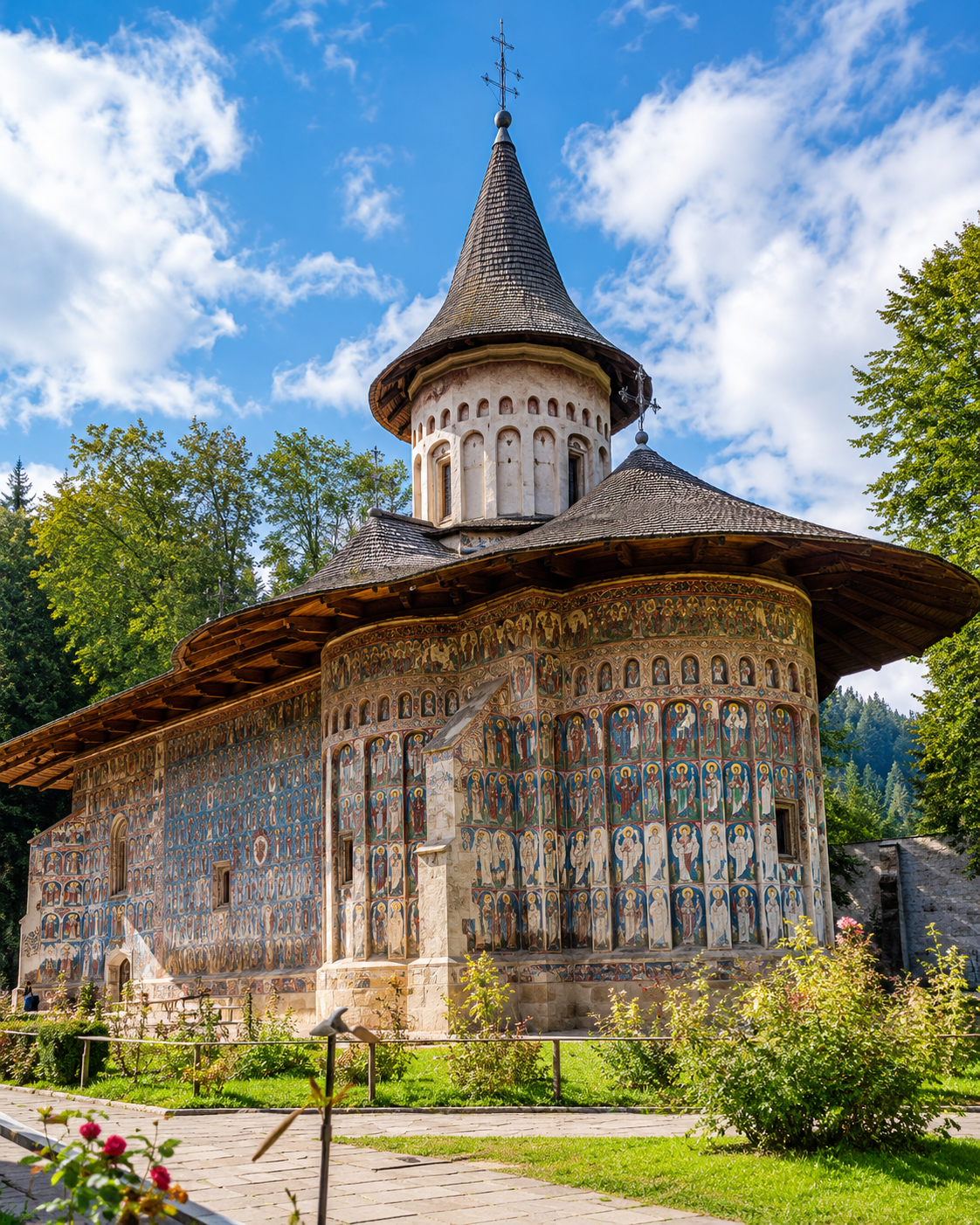
And when you finally leave, and the monastery disappears behind the
forests, something of the place is remaining with you.
The road continues throughout the valleys and villages of Bucovina, but thoughts often return to the monastery, the forests, the bells, and the quiet moments
within its walls.
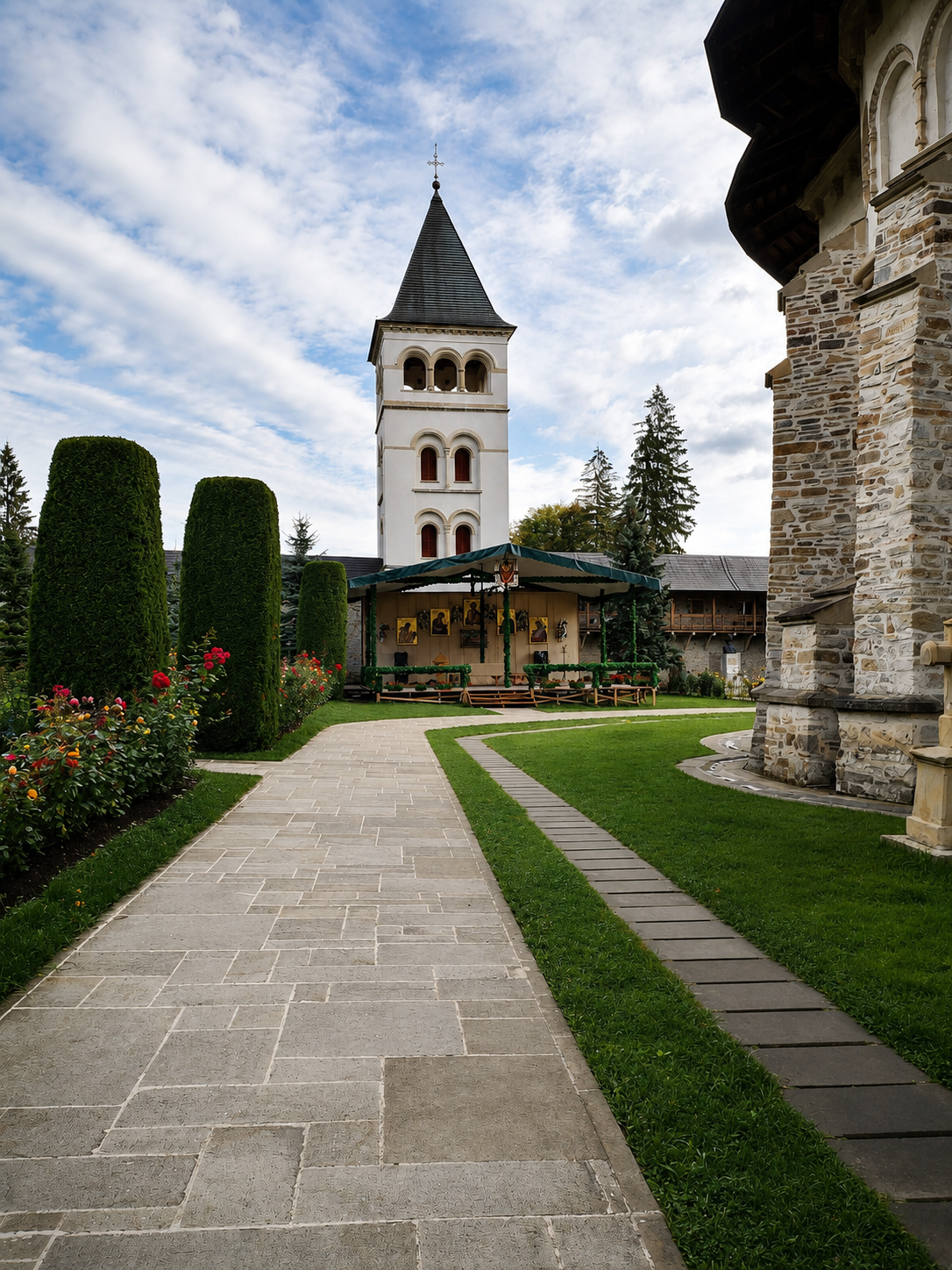
O legendă locală spune că după bătălii, Ștefan cel Mare urca uneori singur în dealuri noaptea pentru a se ruga în liniște înainte de a decide unde urma să fie construită următoarea mănăstire.
Oamenii credeau că nu purta doar povara războaielor, ci și responsabilitatea de a proteja credința și poporul Moldovei, iar poate tocmai de aceea locurile legate de el sunt privite cu atât de mult respect și astăzi.
-
A local legend says that after battles, Ștefan cel Mare would sometimes climb alone into the hills at night to pray in silence before deciding where the next monastery should be built.
People believed he carried not only the weight of wars, but also the responsibility of protecting Moldavia’s faith and people, and perhaps that is why places connected to him are still viewed with such deep respect today.