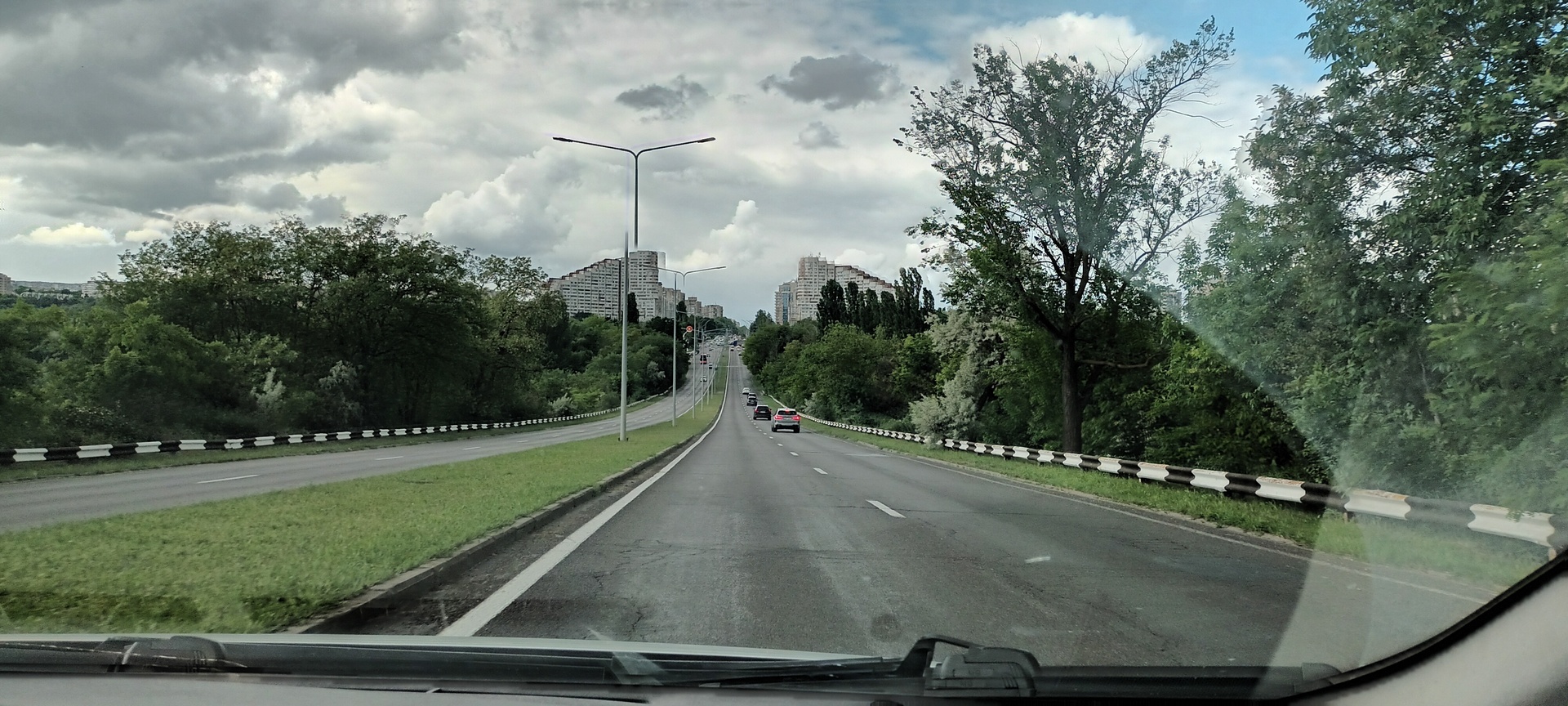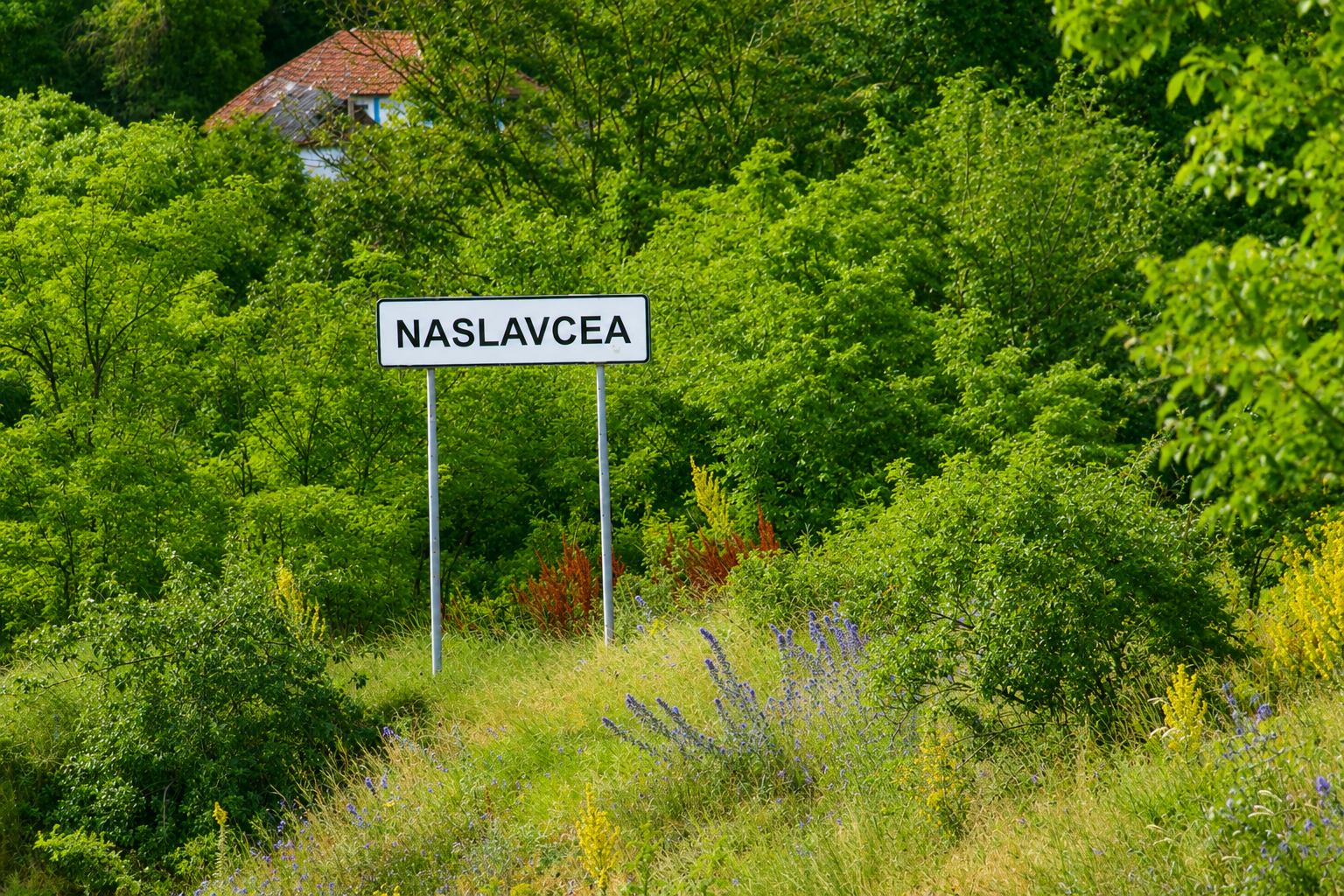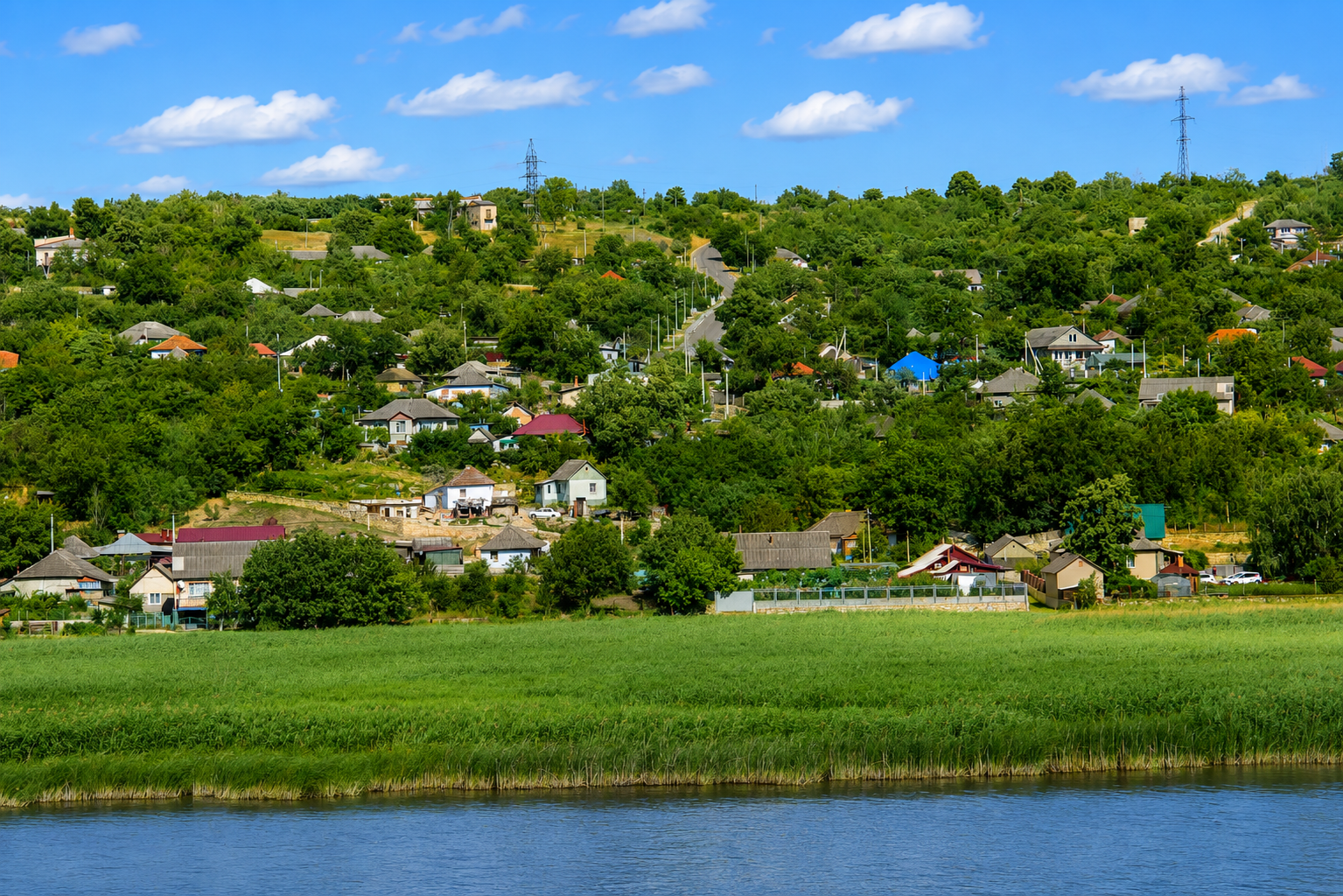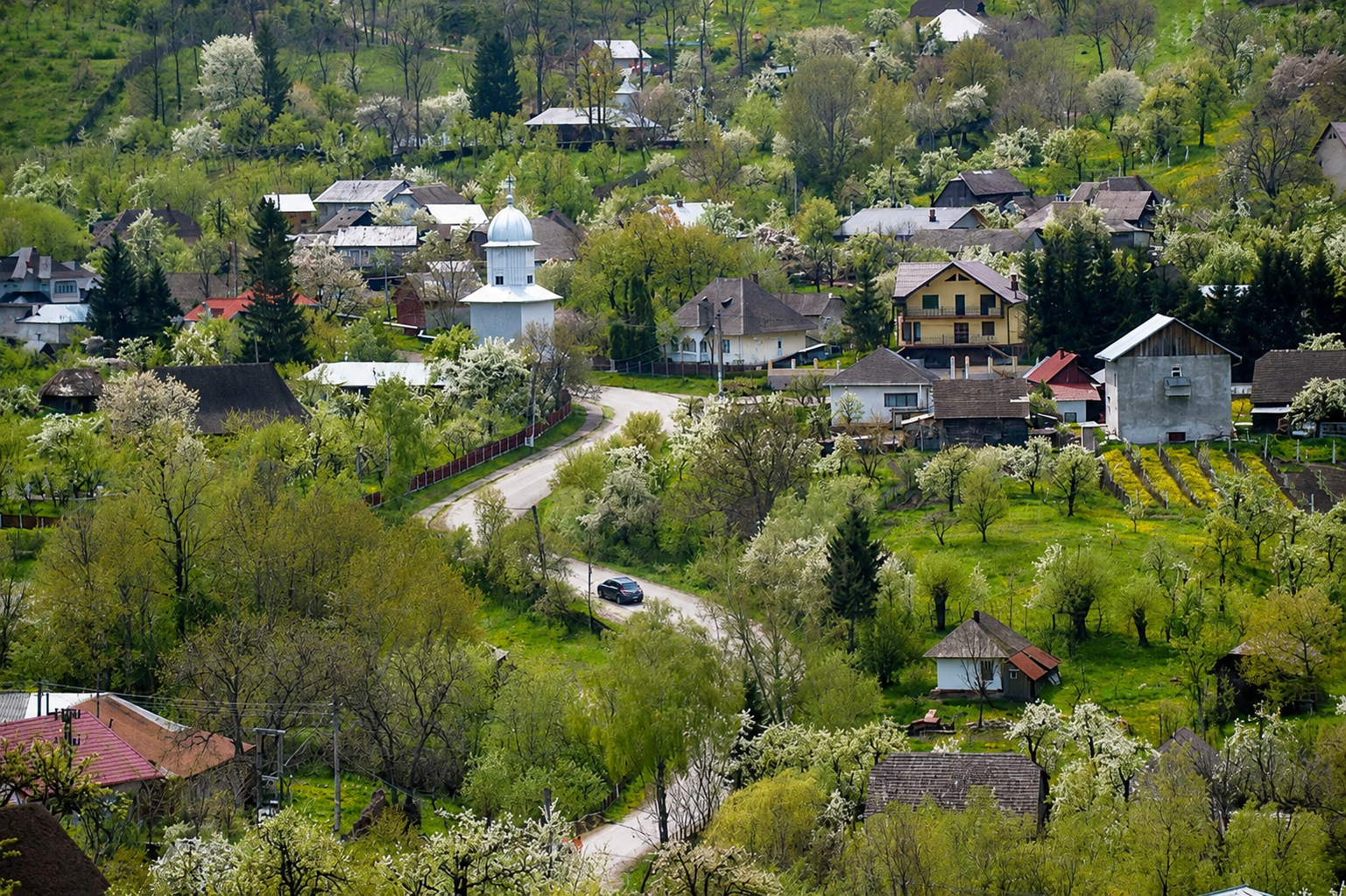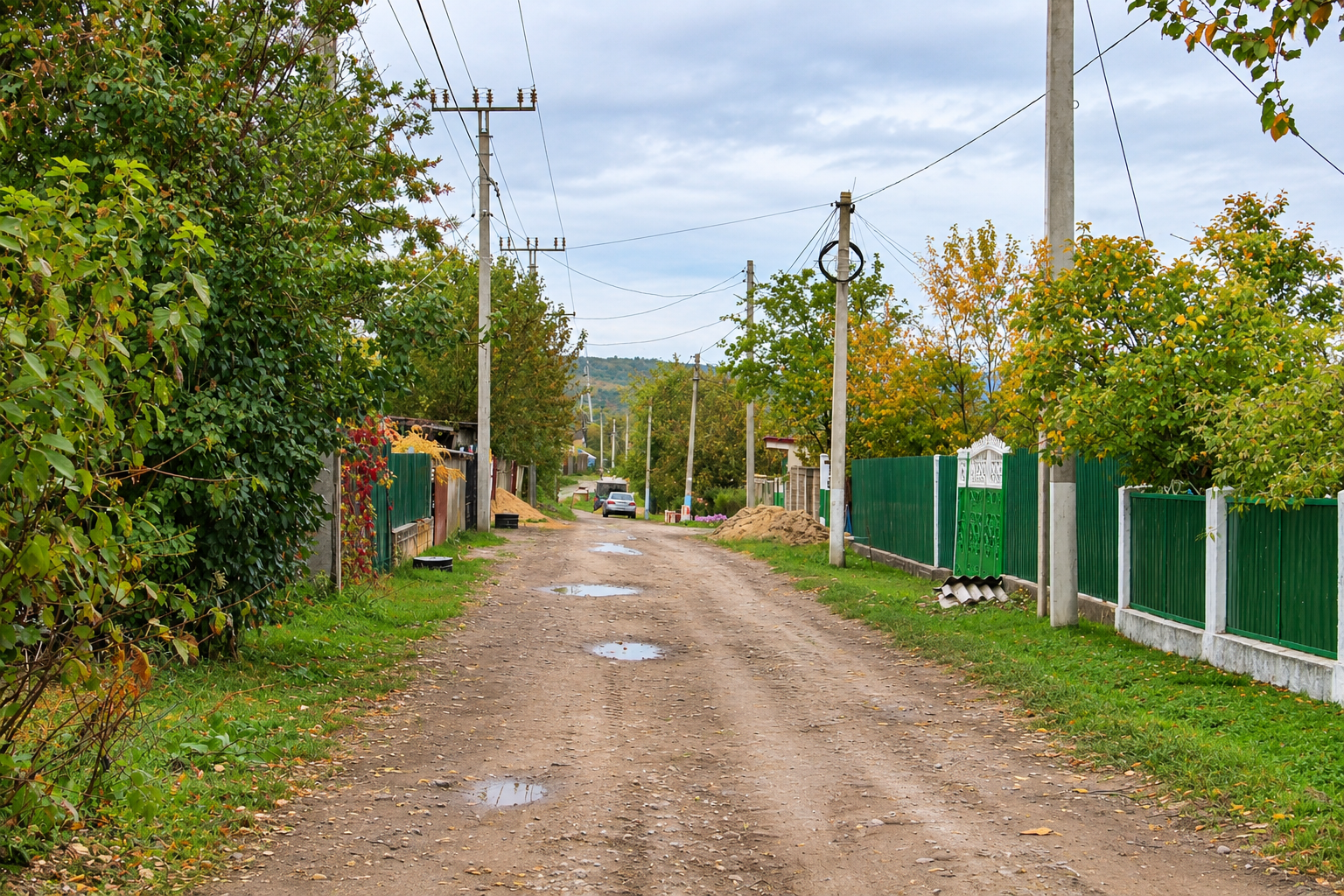
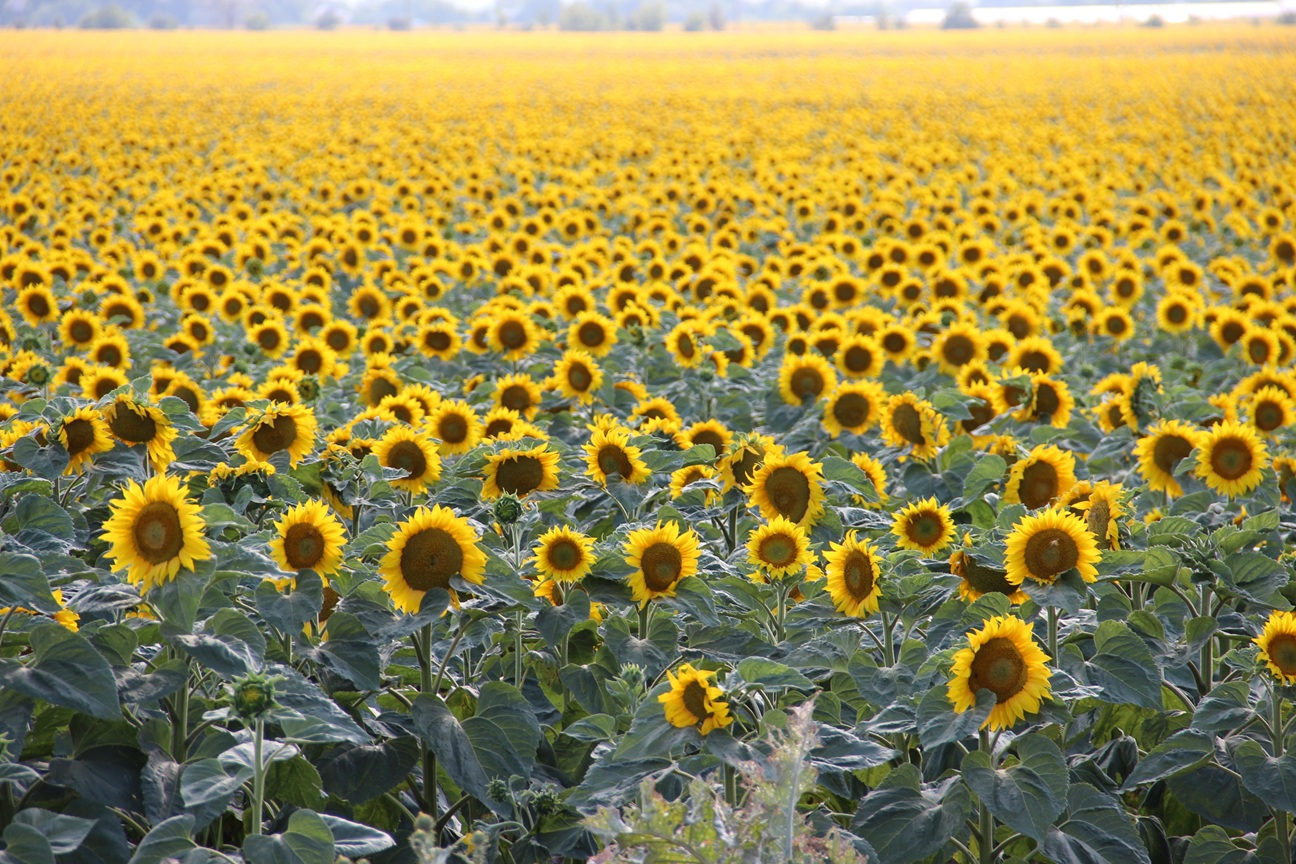
The landscape becomes more open, villages are further apart, and there is more space between them.
The closer Bălți gets, the closer the traffic becomes until the city gradually
takes shape ahead.
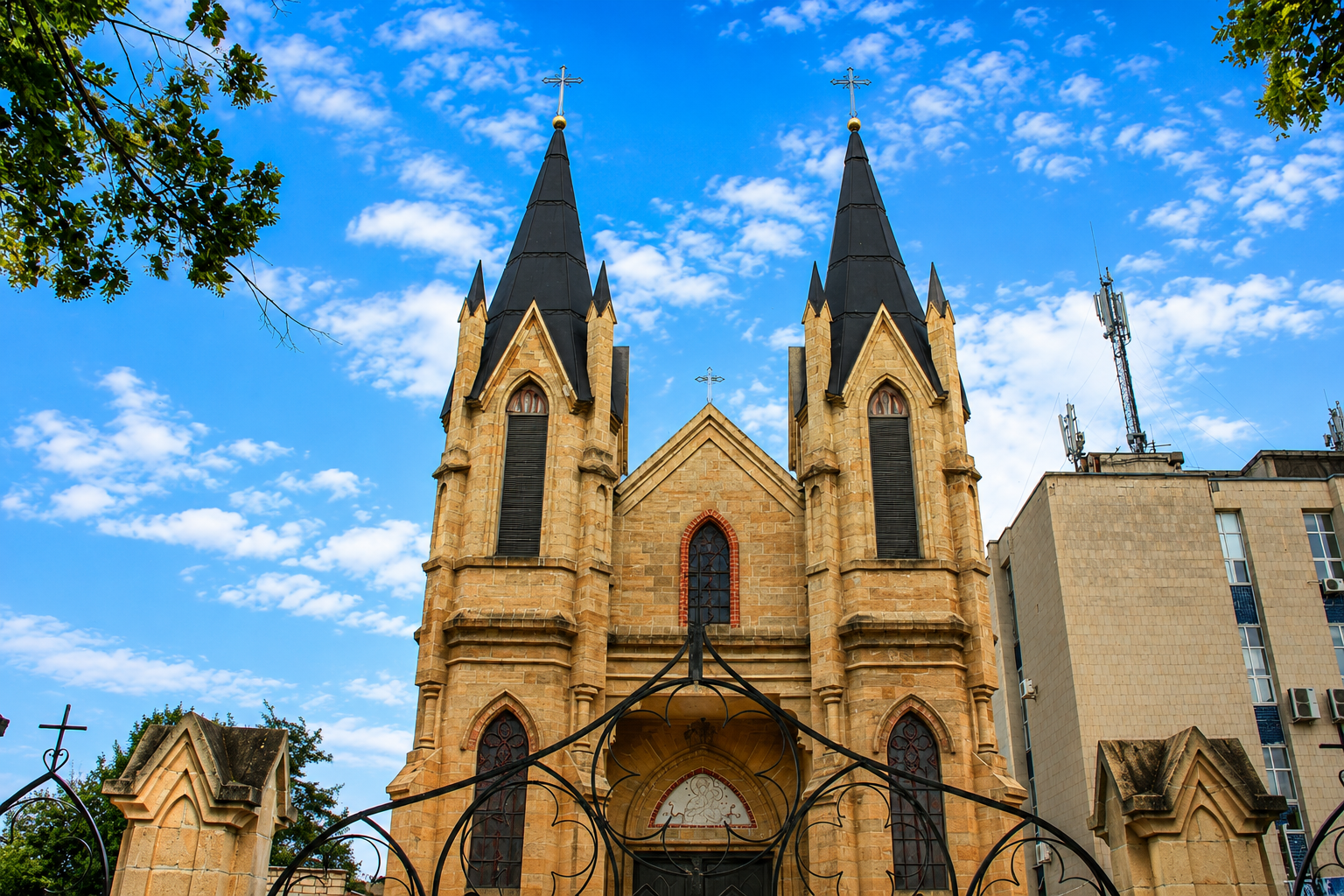
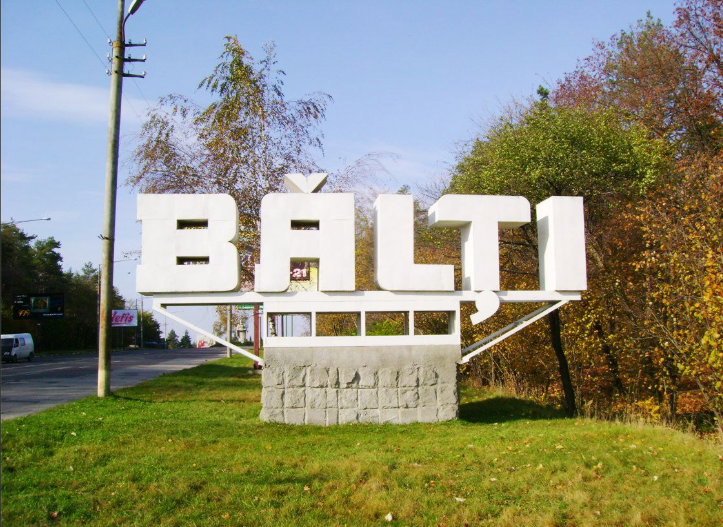
Often called the northern capital of Moldova, Bălți is the country's second-largest city with around 100,000 inhabitants.
It serves as the main urban and cultural center of northern Moldova and has long played an important role in the region.Industry has been part of Bălți for generations.
Factories, production, and trade helped the city grow through the 19th and 20th centuries and strengthened its role as a regional center.
Even today, that history remains visible in parts of the city and in the practical character that continues to shape daily life.
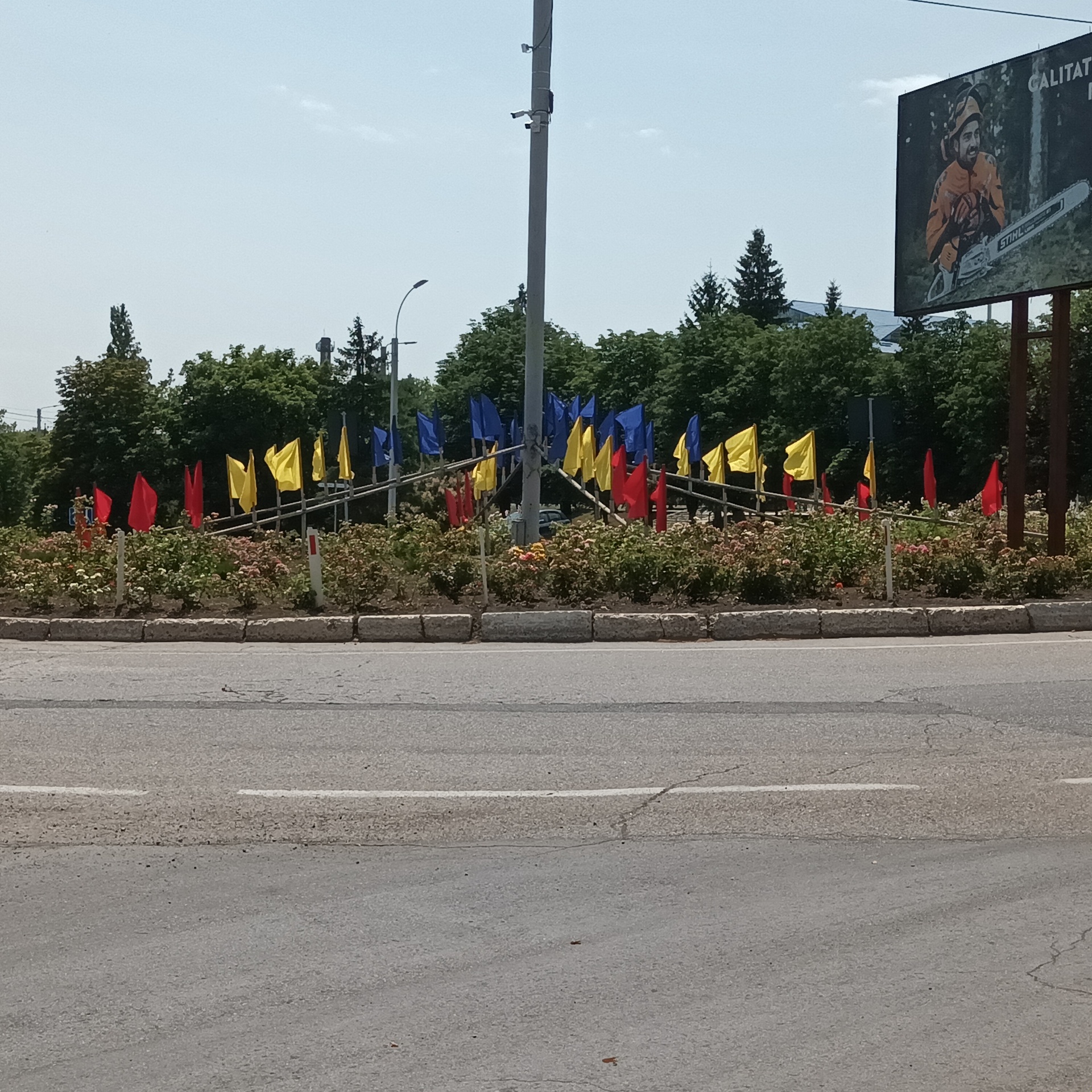
The wide streets of Bălți become noticeable quite quickly.
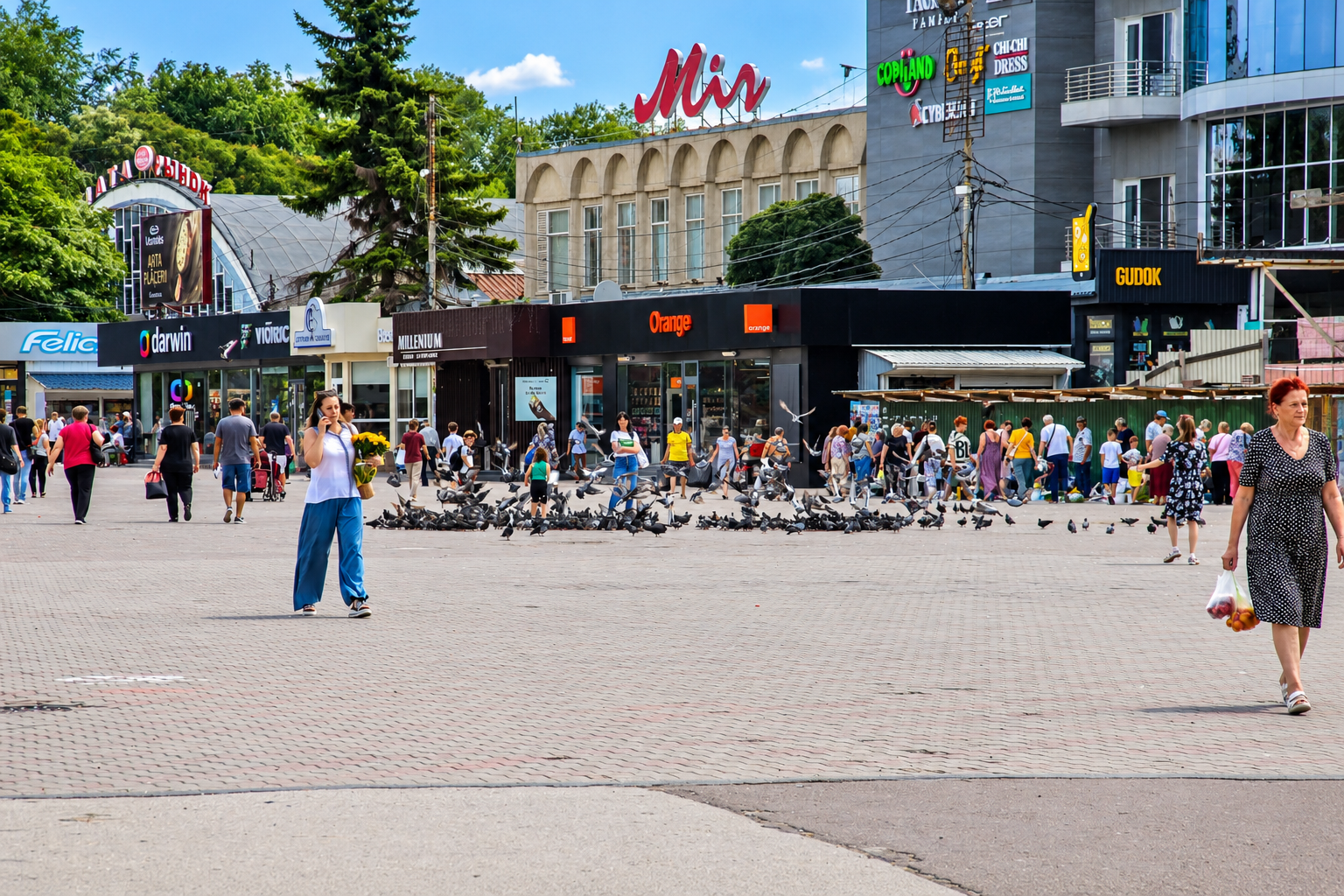
There is more space between many of the buildings, the roads stay busy throughout the day, and markets, shops, cafés, parks, and apartment blocks spread across the city.
Bălți has long been the main city of northern Moldova, and much of the city reflects that role.
It is a place where people live, work, study, shop, and go about their daily lives, serving not only the city itself but much of the surrounding region.
Unlike Chișinău, Bălți is not formally divided into sectors.
One part of the city gradually becomes another without the clear administrative boundaries found in the capital.
Even so, local people still refer to different parts of the city by name.
Areas such as BAM and Dacia are well known among residents, not as official districts, but as places people recognize and use in everyday conversation.
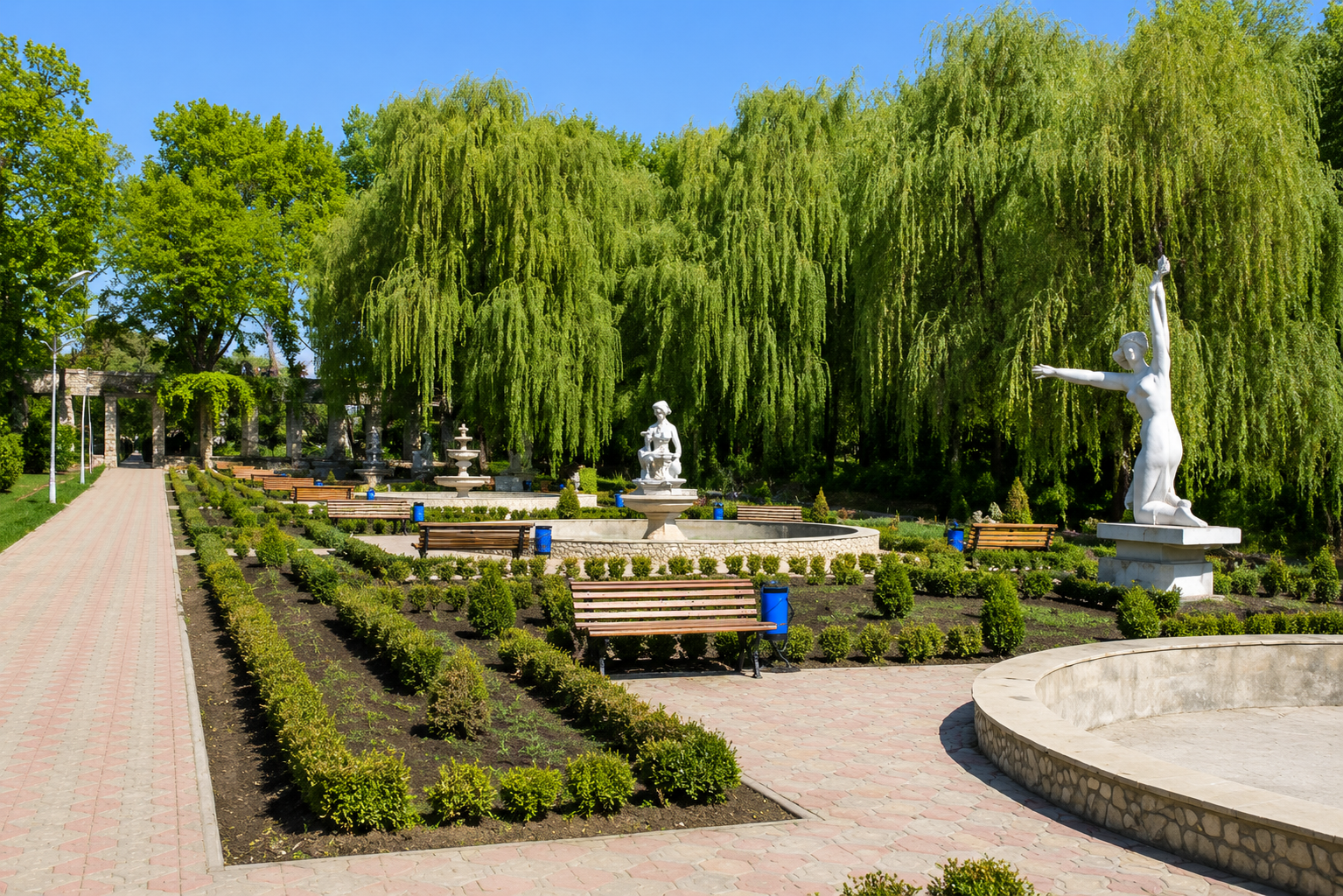
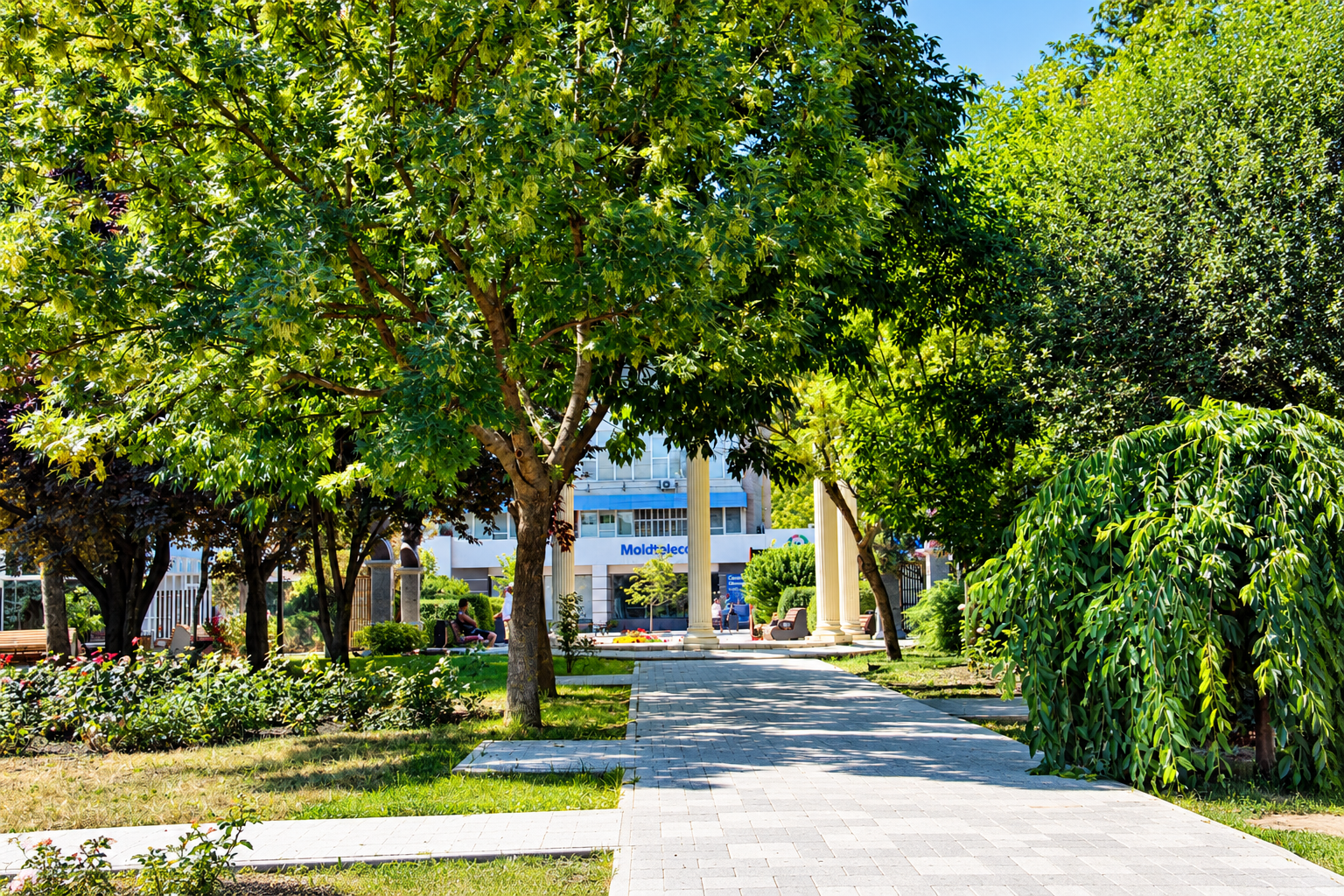
Parks, green areas, and tree-lined streets appear throughout Bălți.
They break up the apartment blocks, roads, and commercial areas, adding space and shade across the city.
On warmer days, people sit on benches, walk through the parks, or spend time beneath the trees while children play nearby.
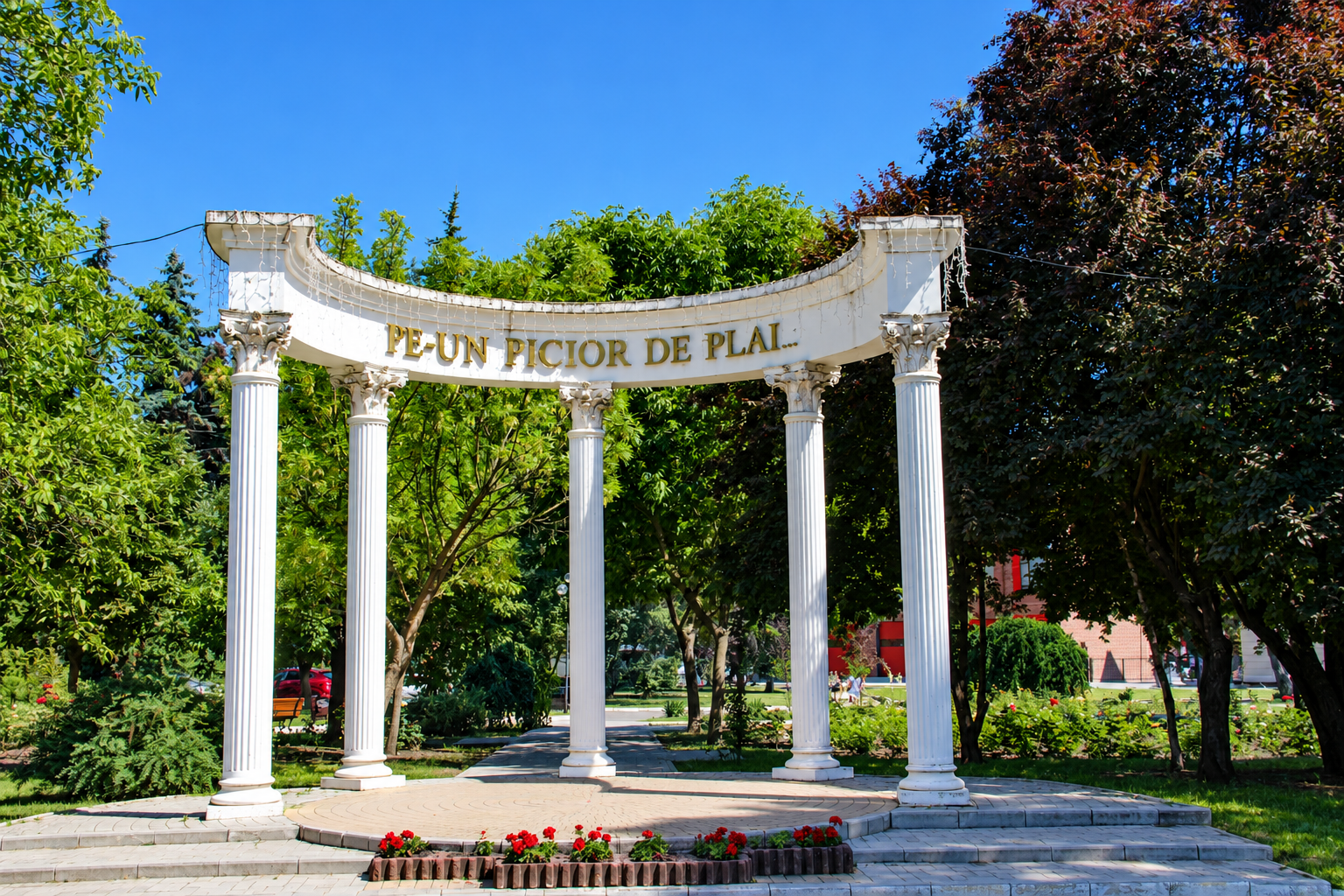
Bălți is not defined by a single landmark or attraction.
It is a city shaped by industry, education, culture, and everyday life.
While factories, businesses, and universities have long influenced its development, theatres, museums.
Cultural centers, and public events are also an important part of the city and together they form a city that continues to play a central role in northern Moldova.
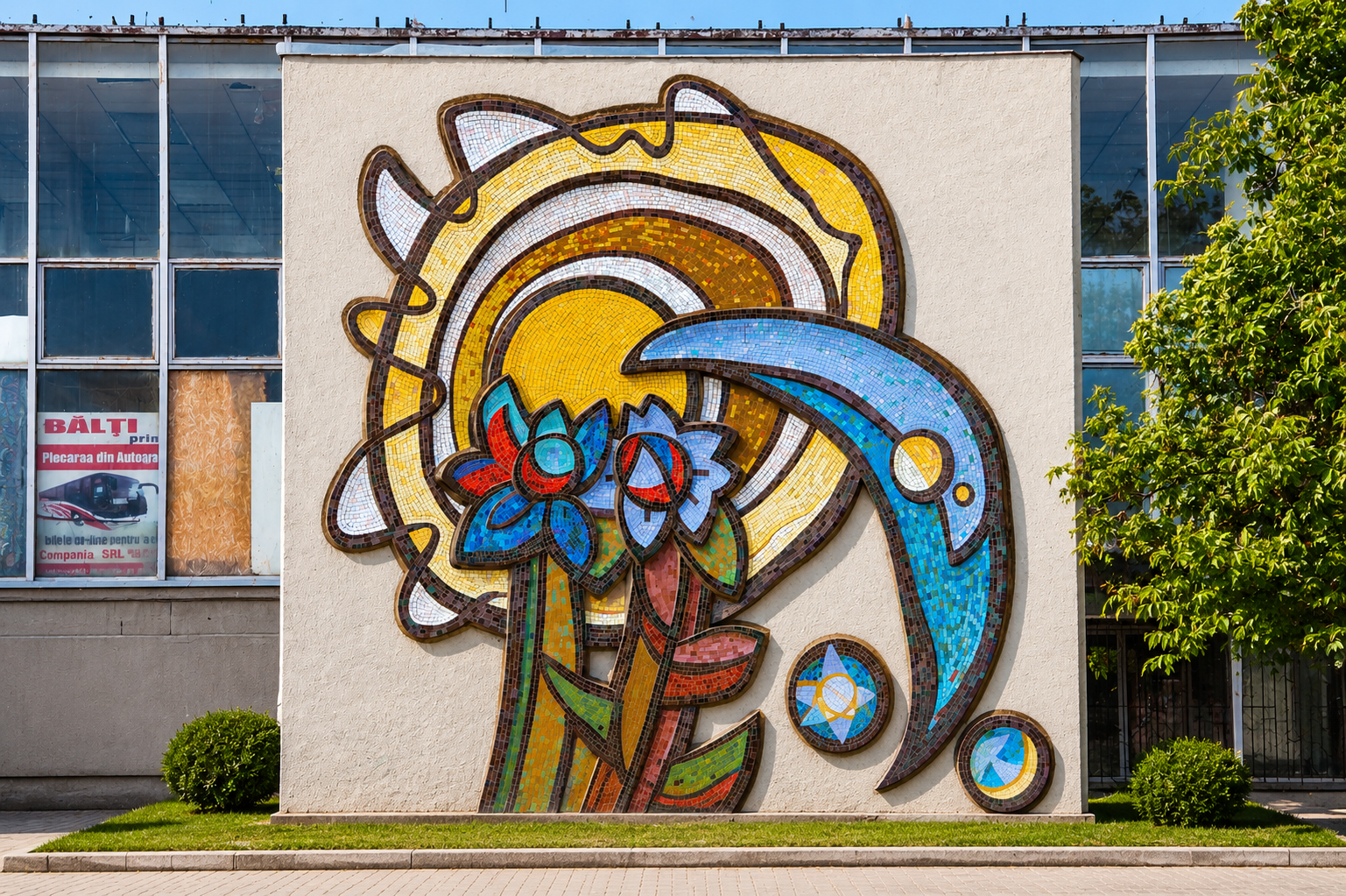
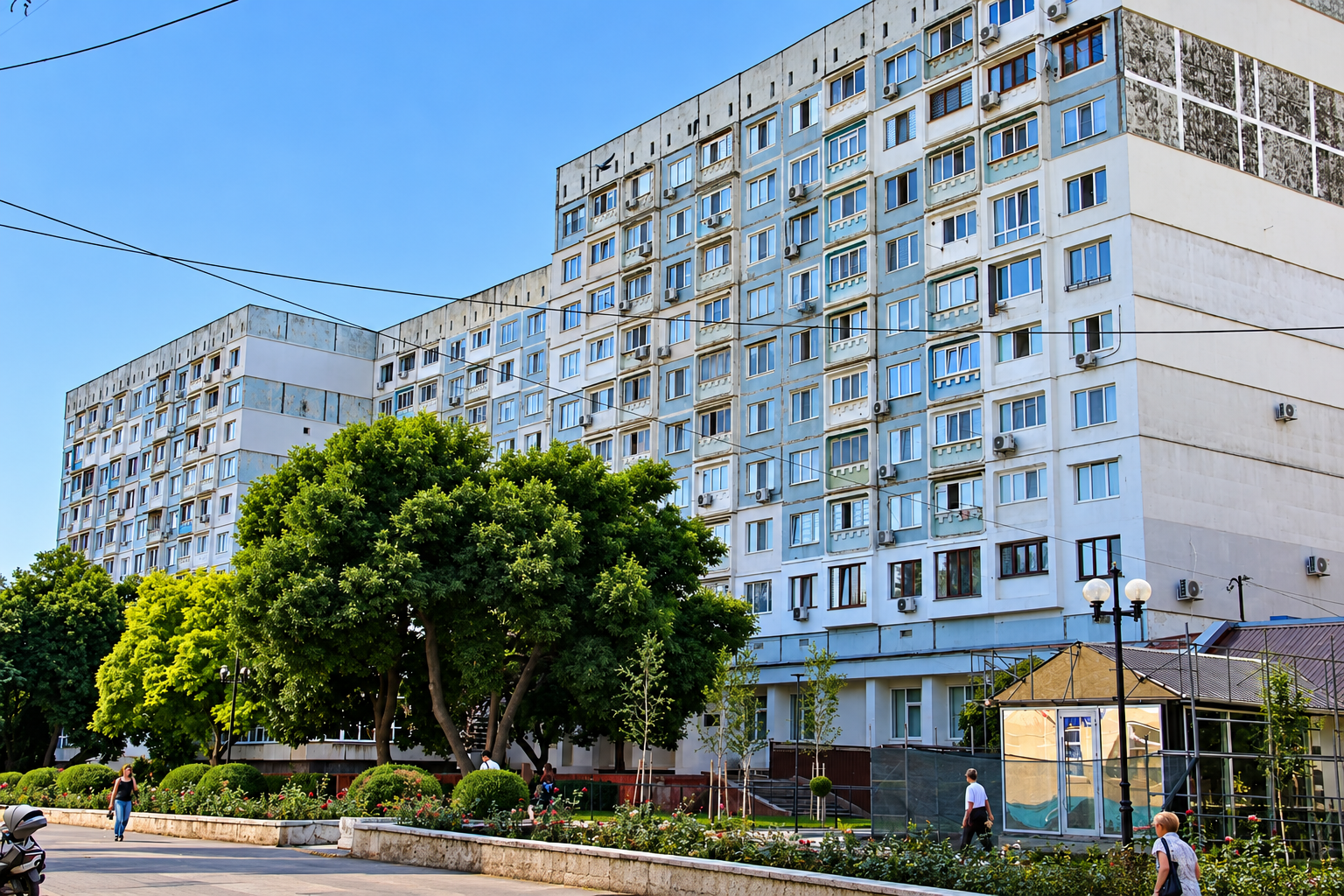
The architecture carries its own quiet story, and large residential buildings from the Soviet period stand across many parts of Bălți.
At first, many of them look alike, but after a while small differences become noticeable.
Enclosed balconies, painted facades, replaced windows, and renovated entrances break the repetition from one building to the next.
Bălți was first mentioned in the early 15th century, around 1421, beginning as a small settlement that gradually grew into something more.
Over time, it developed into an important industrial and commercial center, particularly through the 19th and 20th centuries, when its role in the region became more defined.
Its industrial past is not something found only in museums or old photographs.
It remains part of the city through its factories, businesses, transport
connections, educational institutions, and cultural life.
Bălți continues to play an important role as the main center of northern Moldova.