Orhei is about 45 kilometres north of Chișinău, close enough for an
easy day trip, although the town and the surrounding area can easily give you
reasons to stay much longer.
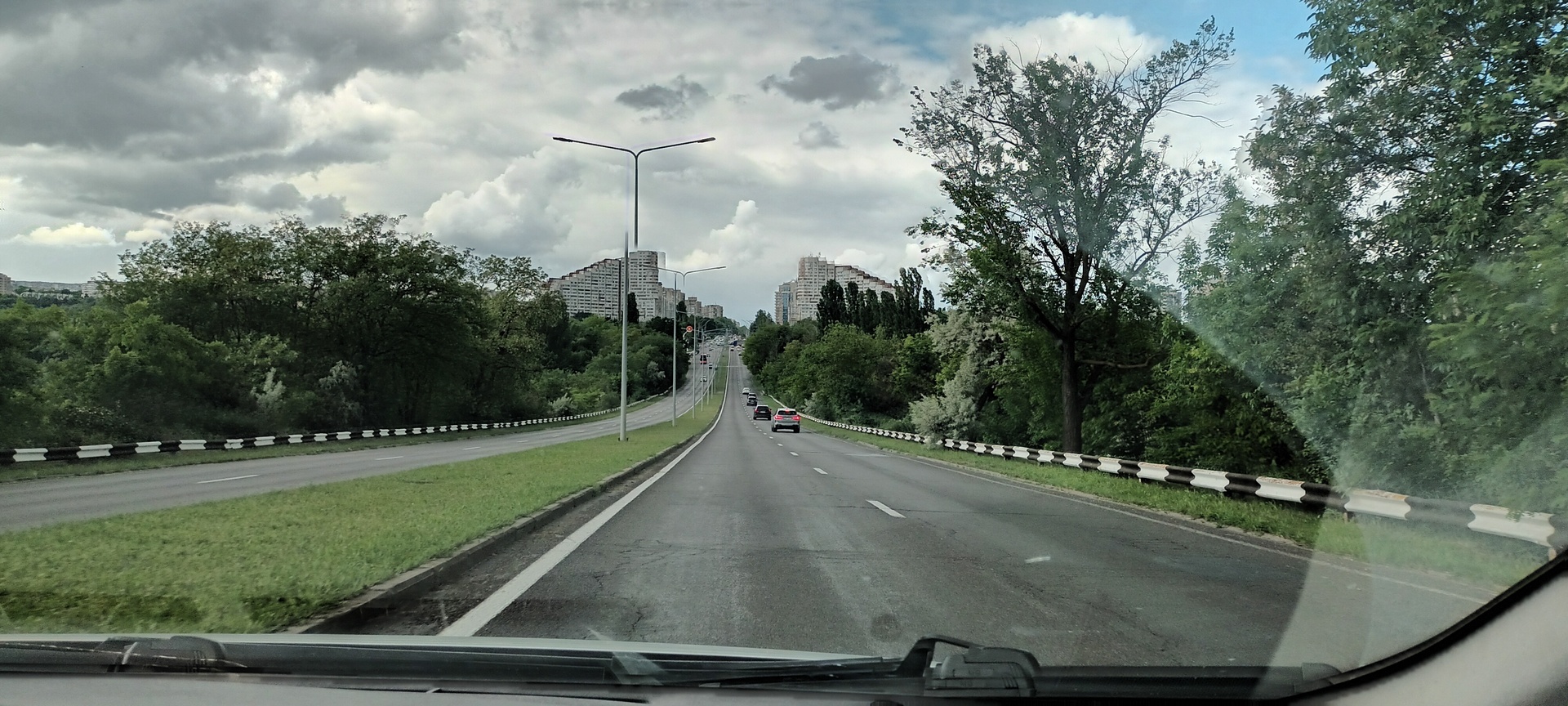
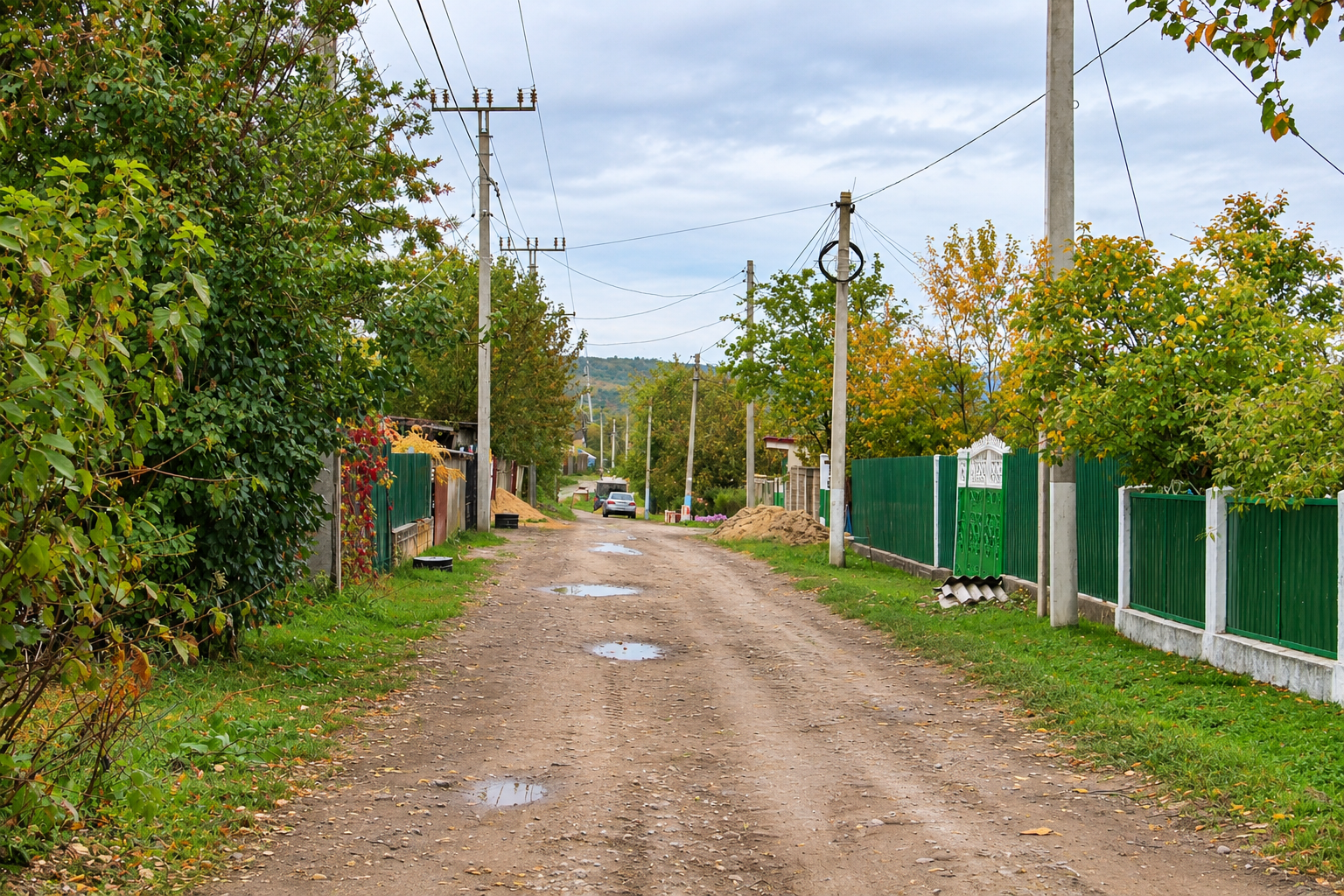
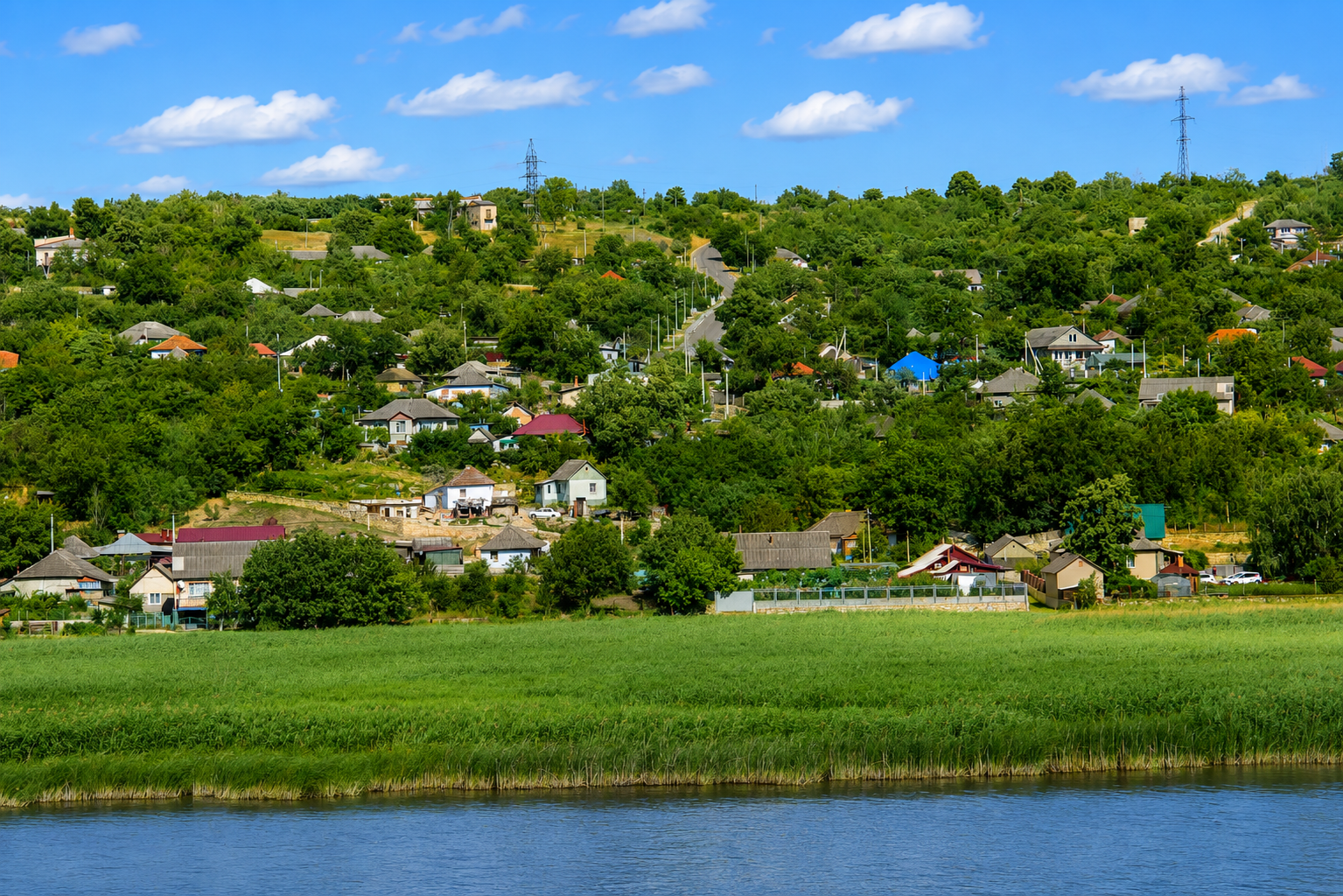
The journey from Chișinău is part of the experience and as you leave the capital, the traffic and larger buildings gradually give way to villages, fields and open countryside.
Buses and minibuses connect Chișinău with Orhei, while travelling by car gives you more freedom if you also want to explore the countryside and smaller villages
around the town.
With around 25,000 inhabitants, Orhei is large enough to have the feeling of a regional centre, but small enough to explore without the distances you find in Chișinău.
The town was first mentioned in written sources in 1554 and developed over time as an important local centre for trade and everyday life in central Moldova.
Once you arrive, there is no single monument, point or square that you begin there.
Orhei is better explored simply by walking.
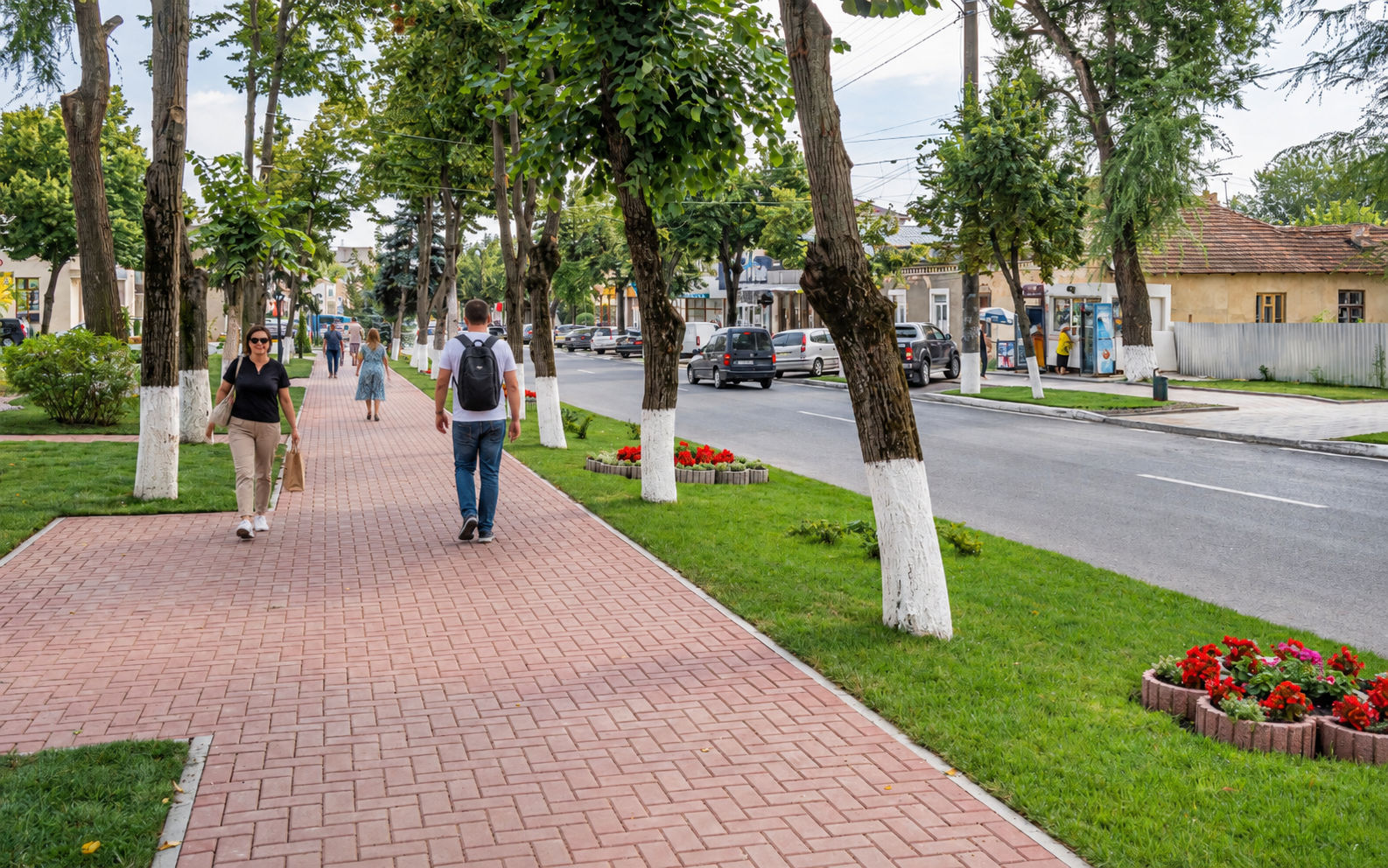
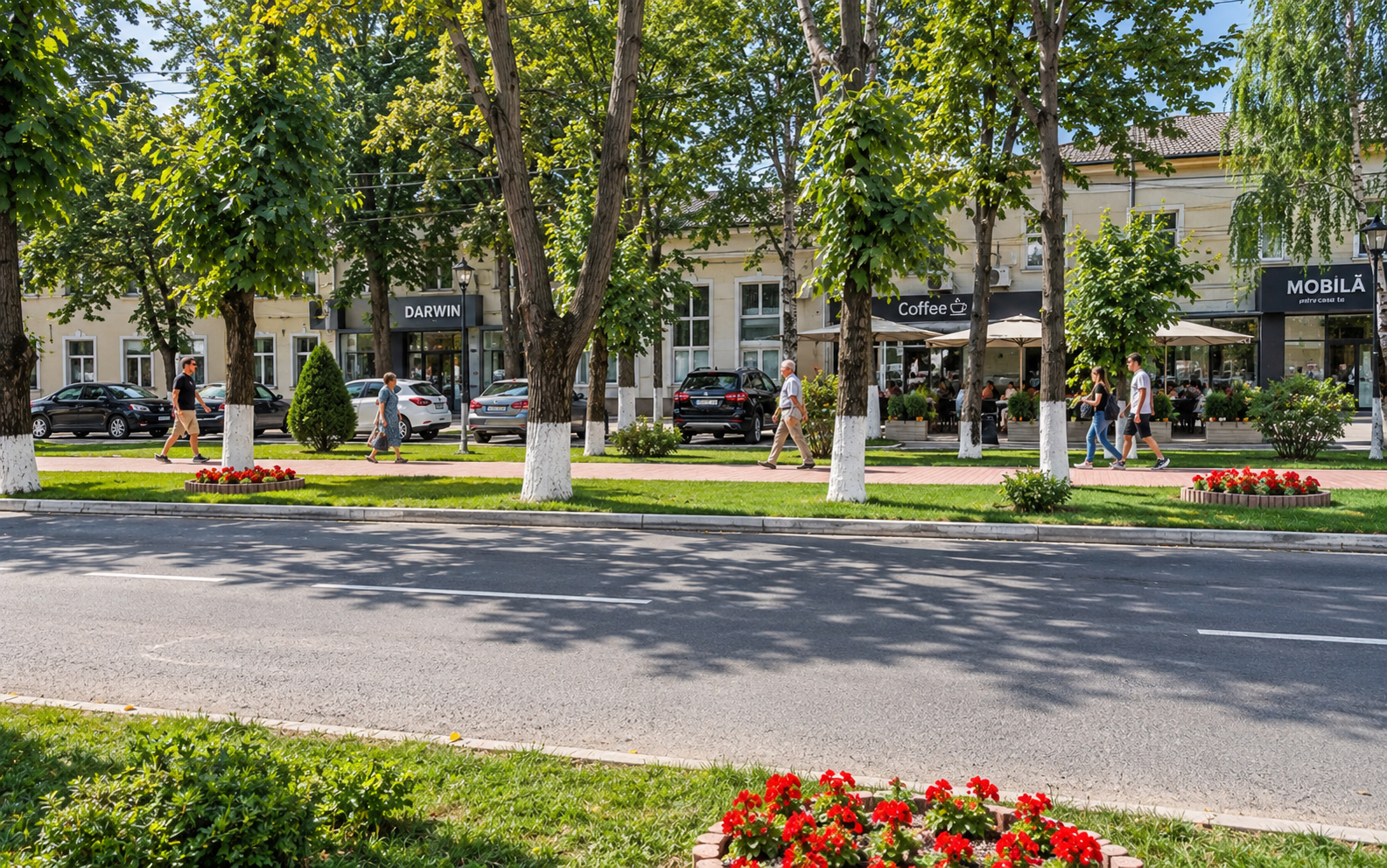
Older buildings stand beside newer ones, shops and businesses line the streets, and residential areas are placed only a short distance from the centre.
It is a town shaped by everyday life, and walking through it gives you a chance to experience Orhei more closely and detailed.
There is more to explore in Orhei than simply using the town as a stop on the way to Orheiul Vechi.
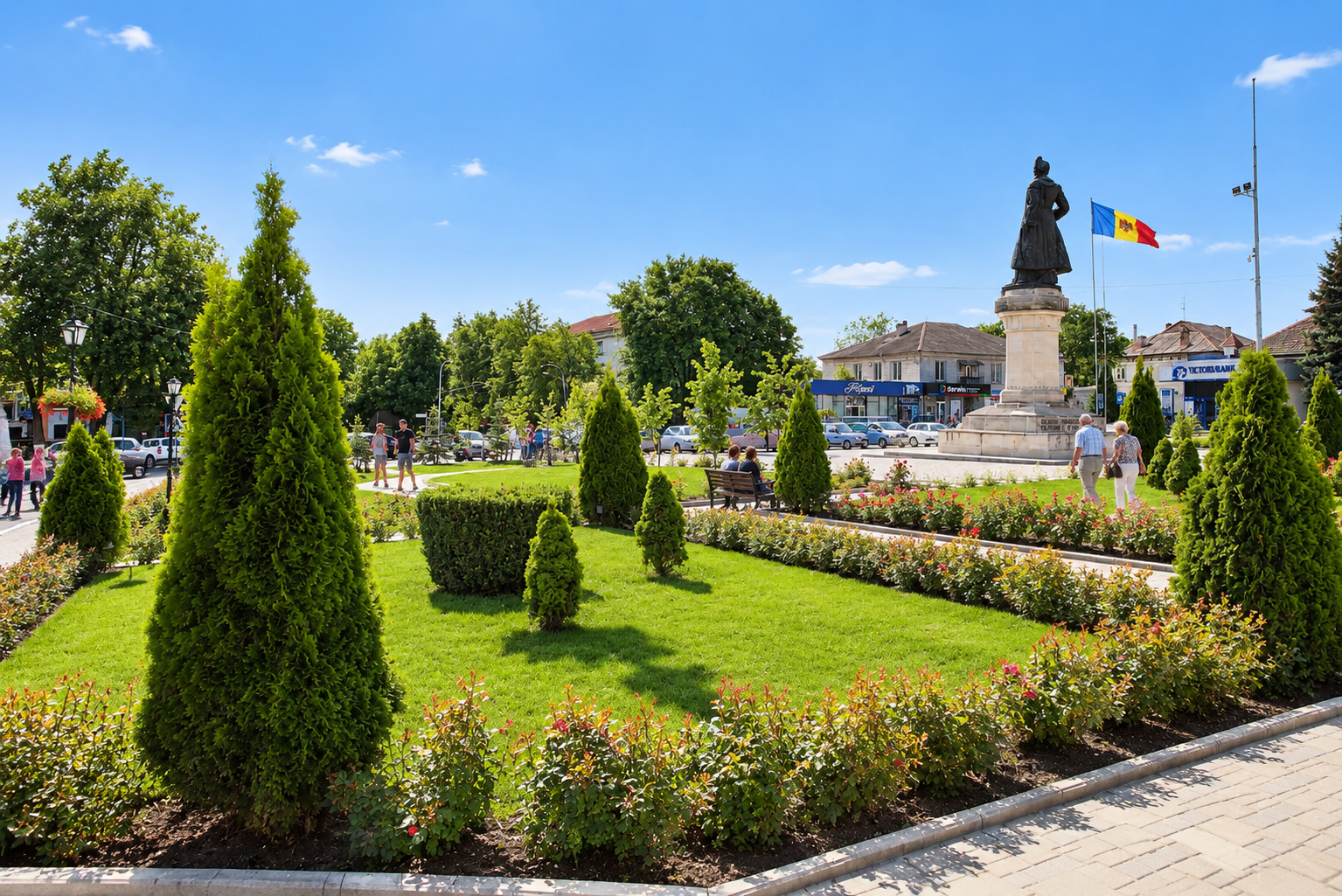
Start around the centre, where you can walk between the main streets, local shops, cafés and public spaces.
The town is compact enough that you do not need a strict route.
Walking is often the easiest way to discover the smaller streets and see how the centre gradually changes into residential neighbourhoods.
One of the places worth visiting is the Vasile Lupu Museum of History and-
Ethnography, where collections tell parts of the story of Orhei and the
surrounding region.
It is a good place to add some historical background to what you see while walking through the town.
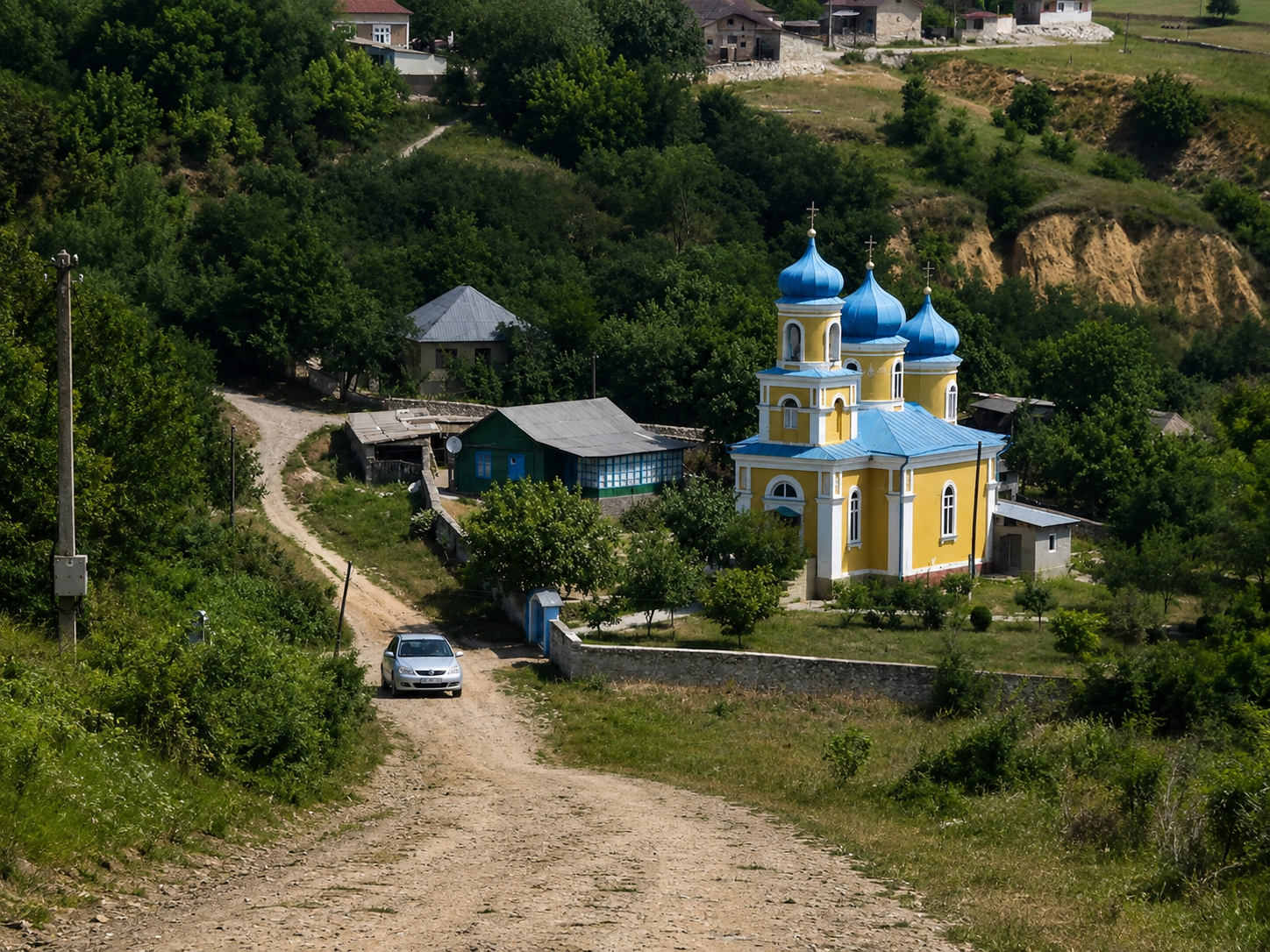
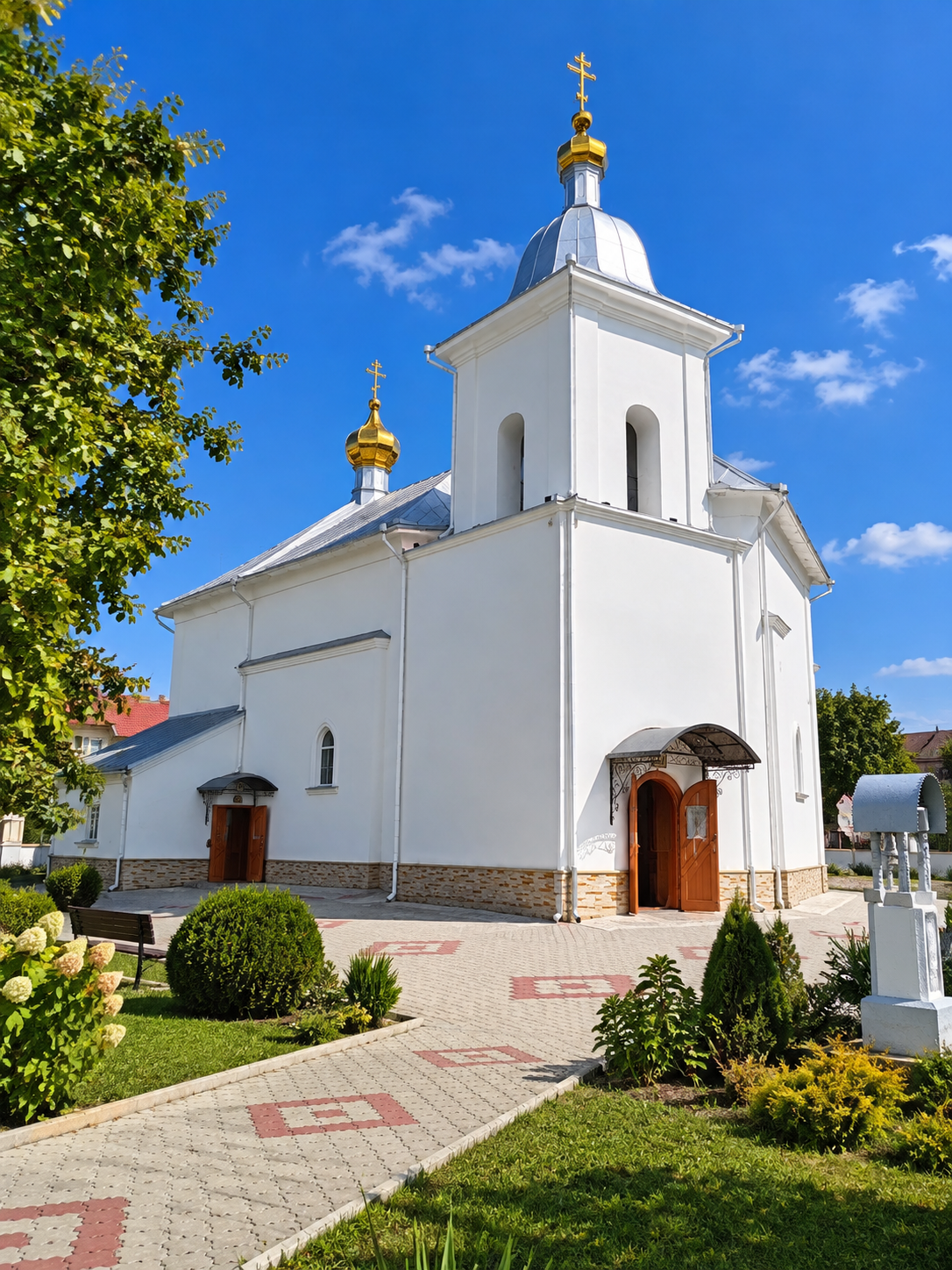
Orhei also has several churches and religious buildings that reflect different periods in the town's development.
F. ex. the Church of Saint Dumitru,which is one of Orhei's historic religious landmarks.
Built in the 17th century during the reign of Vasile Lupu, it adds another piece of the town's long history to a walk through Orhei.
Rather than trying to see everything, take some time to walk between them and notice the older buildings and details that remain between newer development.
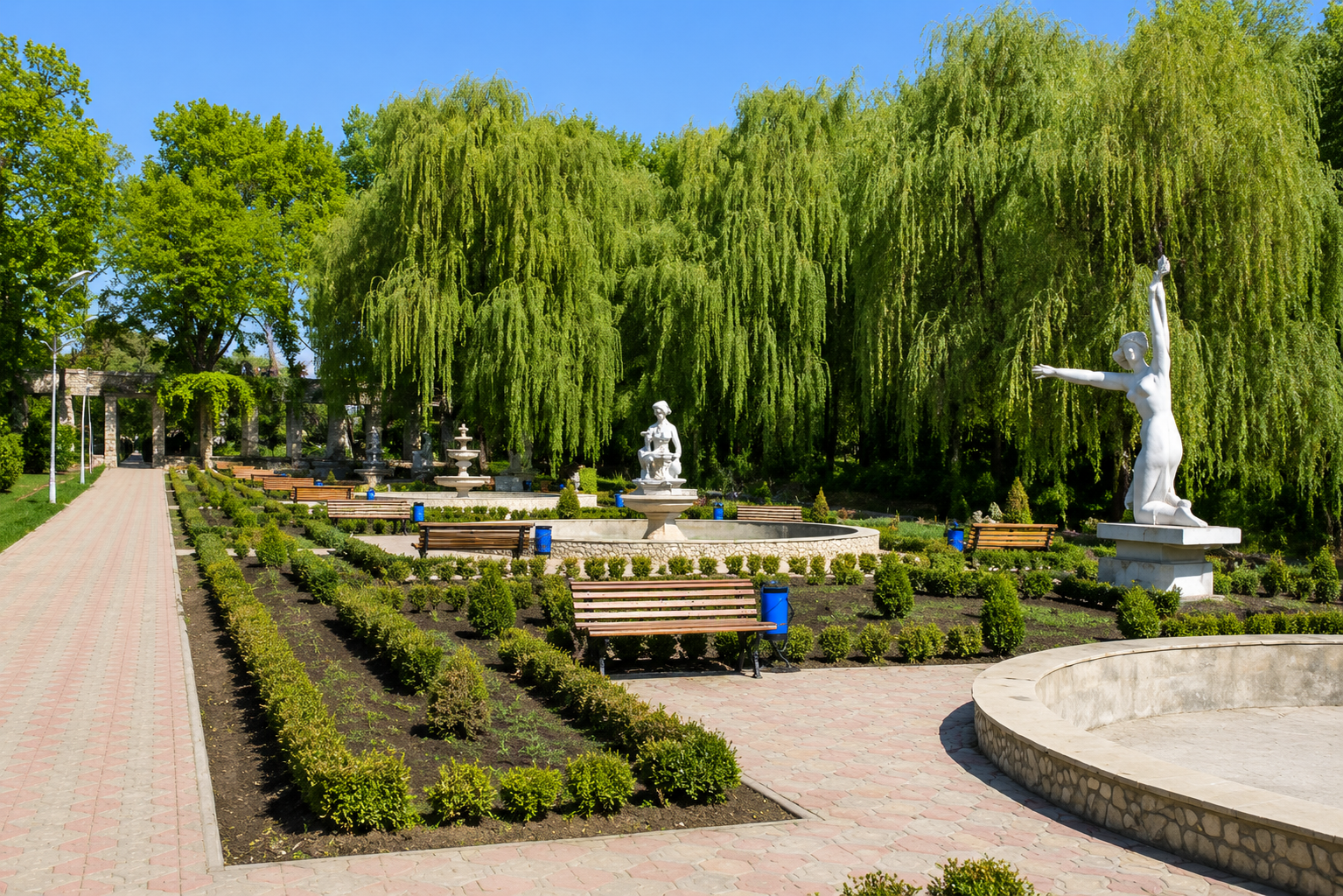
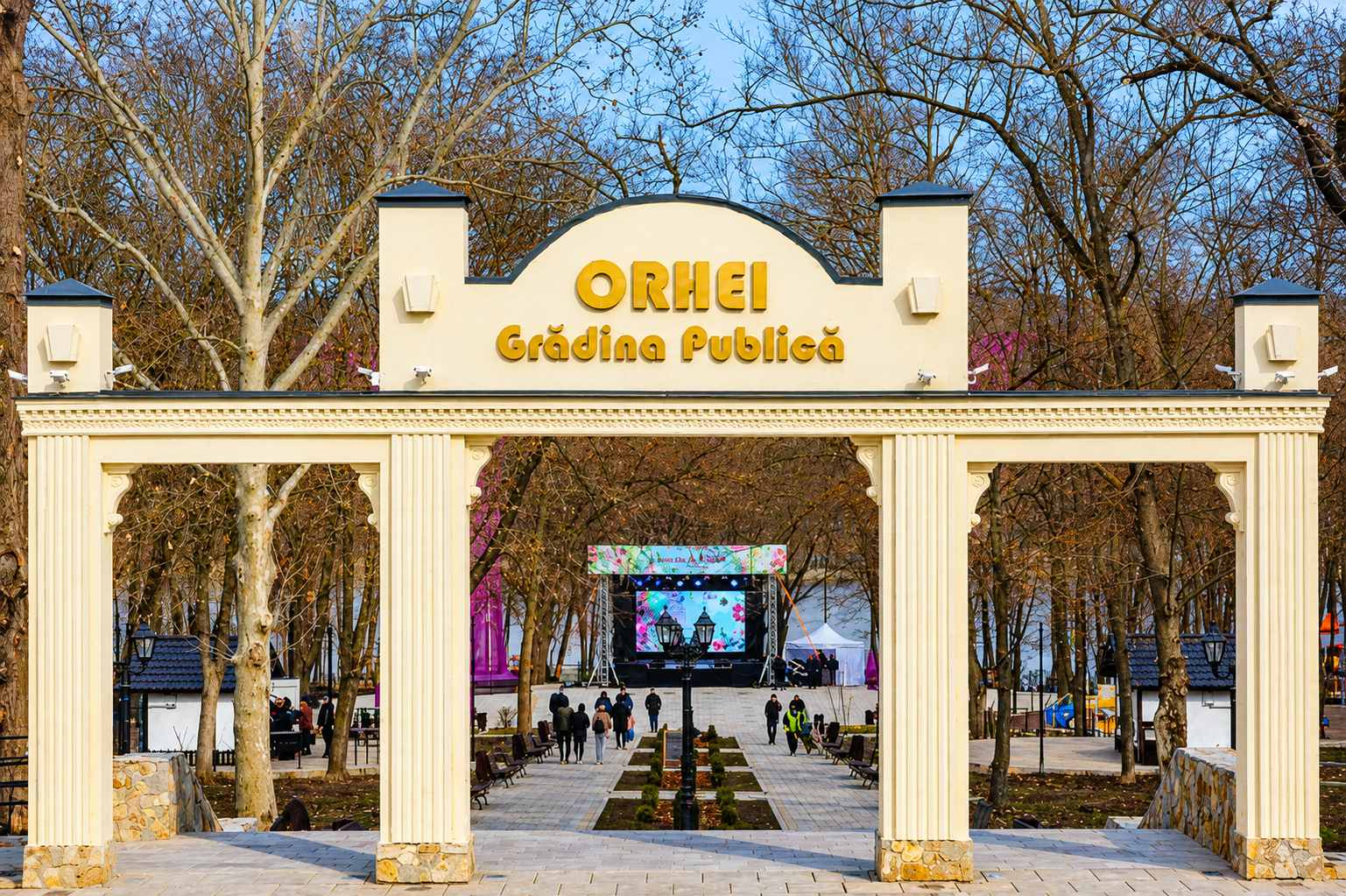
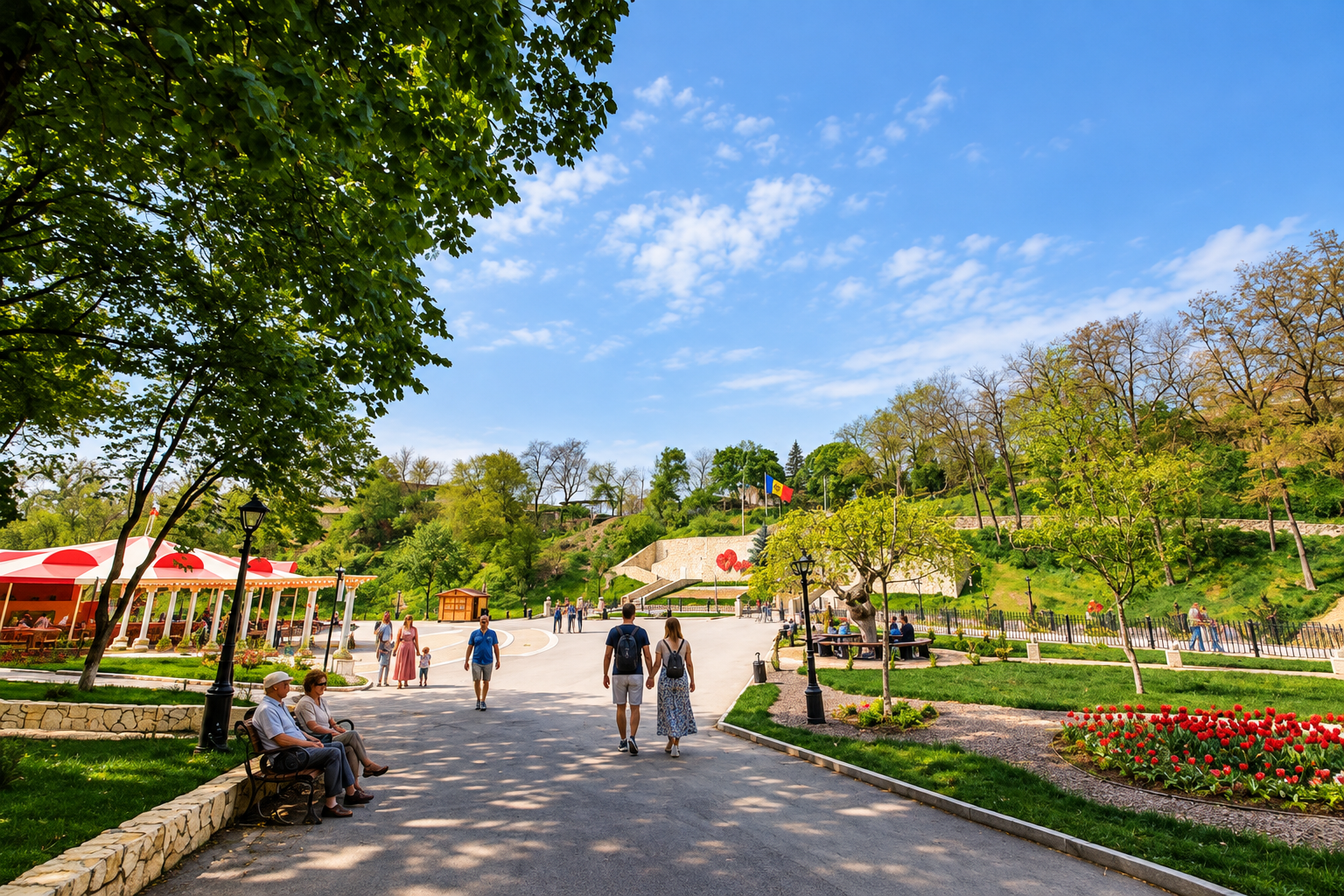
For a different side of Orhei, you should spend some time in the town's parks
and green spaces.
They are part of everyday Orhei, particularly during the warmer months, when people come out to walk, meet friends or spend time with their families.
The local market is also worth exploring and the markets often tell you something about a town that monuments cannot.
Depending on the season, you may find fruit and vegetables from the surrounding countryside, local foods and the ordinary shopping that keeps the town moving.
And Orhei is a good place to stop for lunch or coffee rather than immediately continuing onwards.
You are outside Chișinău now, and taking an hour simply to sit somewhere in town is part of experiencing the place.
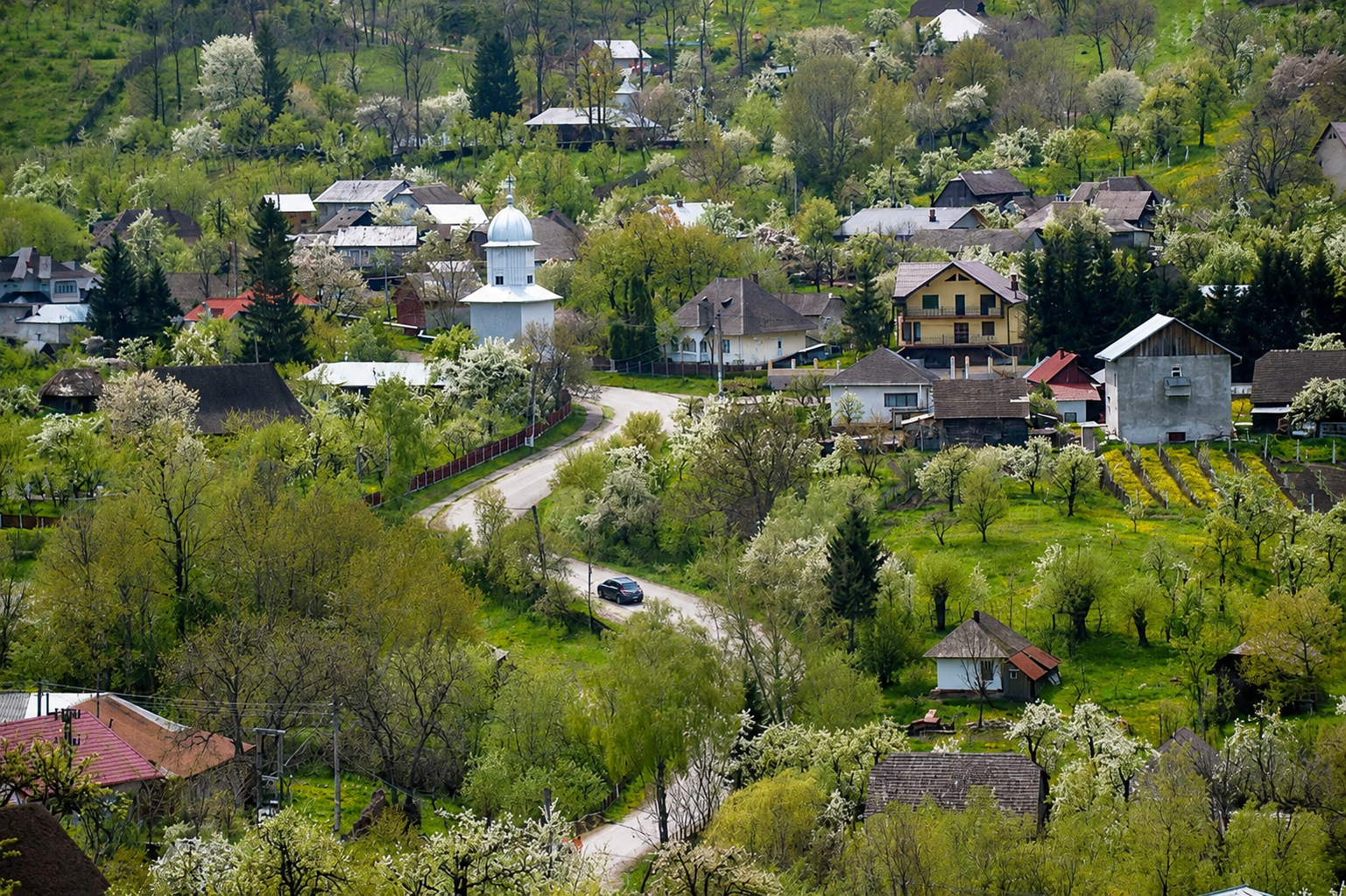
From Orhei, the journey can continue into the surrounding countryside..
Orheiul Vechi, the Răut valley and villages such as Butuceni and Trebujeni are close and
nearby, making the town a natural starting point for exploring one of Moldova's most distinctive areas.
But give Orhei town some time first.
It is easy to drive through a town while looking for the famous destination beyond it, but very often it is worth stopping, getting out and seeing what was along the road all along.
Istoria orașului Orhei este strâns legată de zona Orheiul Vechi, locuită încă din cele mai vechi timpuri și care a fost un centru important în diferite perioade istorice, inclusiv în timpul Hoardei de Aur și, mai târziu, al Principatului Moldovei.
Deși orașul modern s-a dezvoltat mai târziu, această legătură plasează Orheiul într-un peisaj istoric mult mai profund, care continuă să definească regiunea și astăzi.
-
Orhei’s history is closely tied to the nearby area of Orheiul Vechi, which has been inhabited since ancient times and served as an important settlement through different periods, including the Golden Horde and later Moldavian rule.
While the modern city developed later, this connection places Orhei within a much deeper historical landscape that continues to define the region.