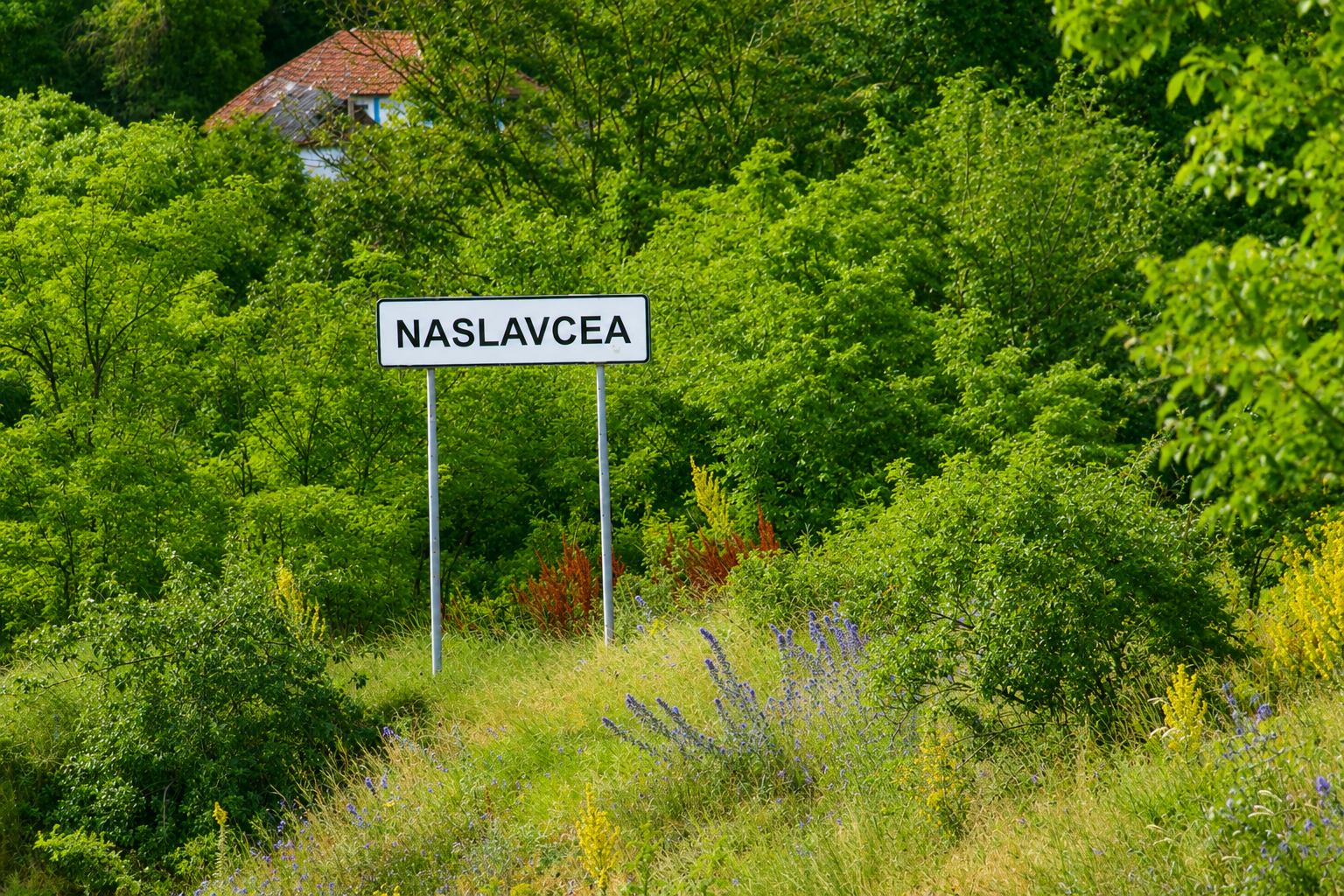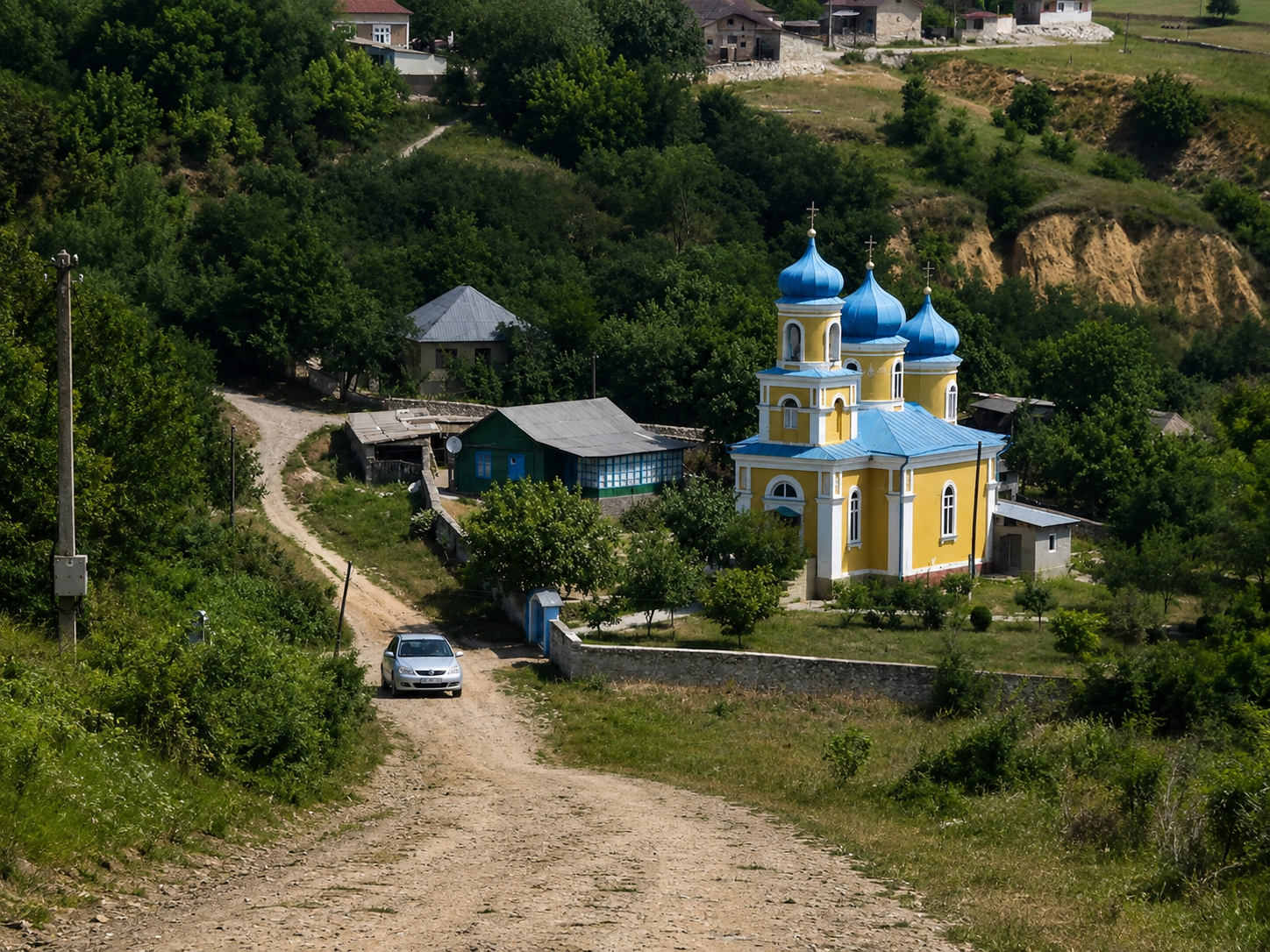
Lalova lies on the right bank of the Dniester River, in Rezina district, around 100 kilometres from Chișinău.
The village is small, covering approximately 1.78 km², with houses and gardens spread across the land between the river and the hills behind it.
Lalova may look like an ordinary Moldovan village today, its history goes back a long way and was first mentioned in1457.
By the middle of the 19th century, the village had 87 households, increasing to 109 houses and 524 inhabitants by 1870.
In 1864, Lalova even had a river port.
Wheat, corn and other agricultural products were transported along
Dniester, connecting the village with other settlements along the river.
It is quite a different picture from the Lalova you find today.
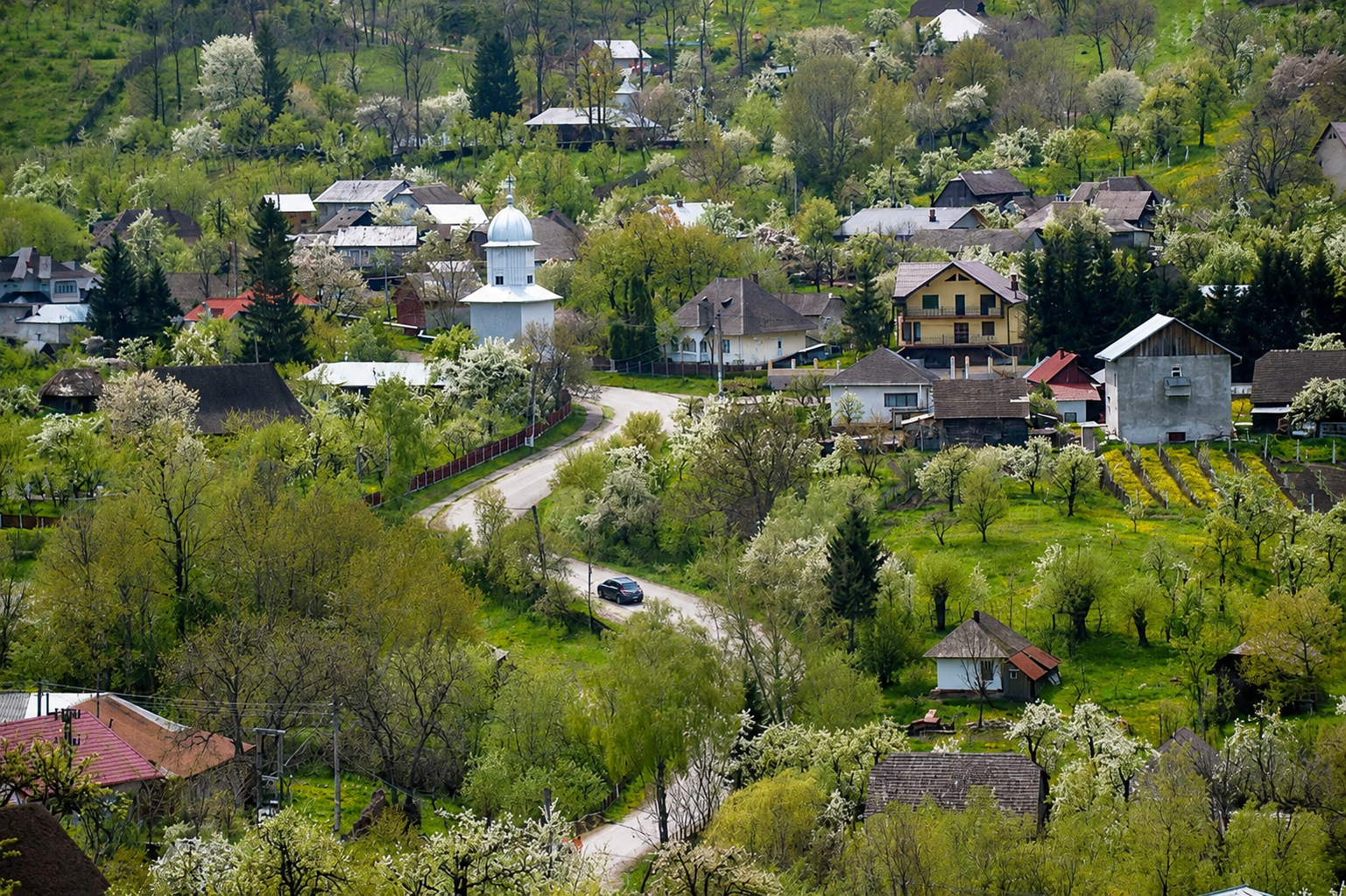
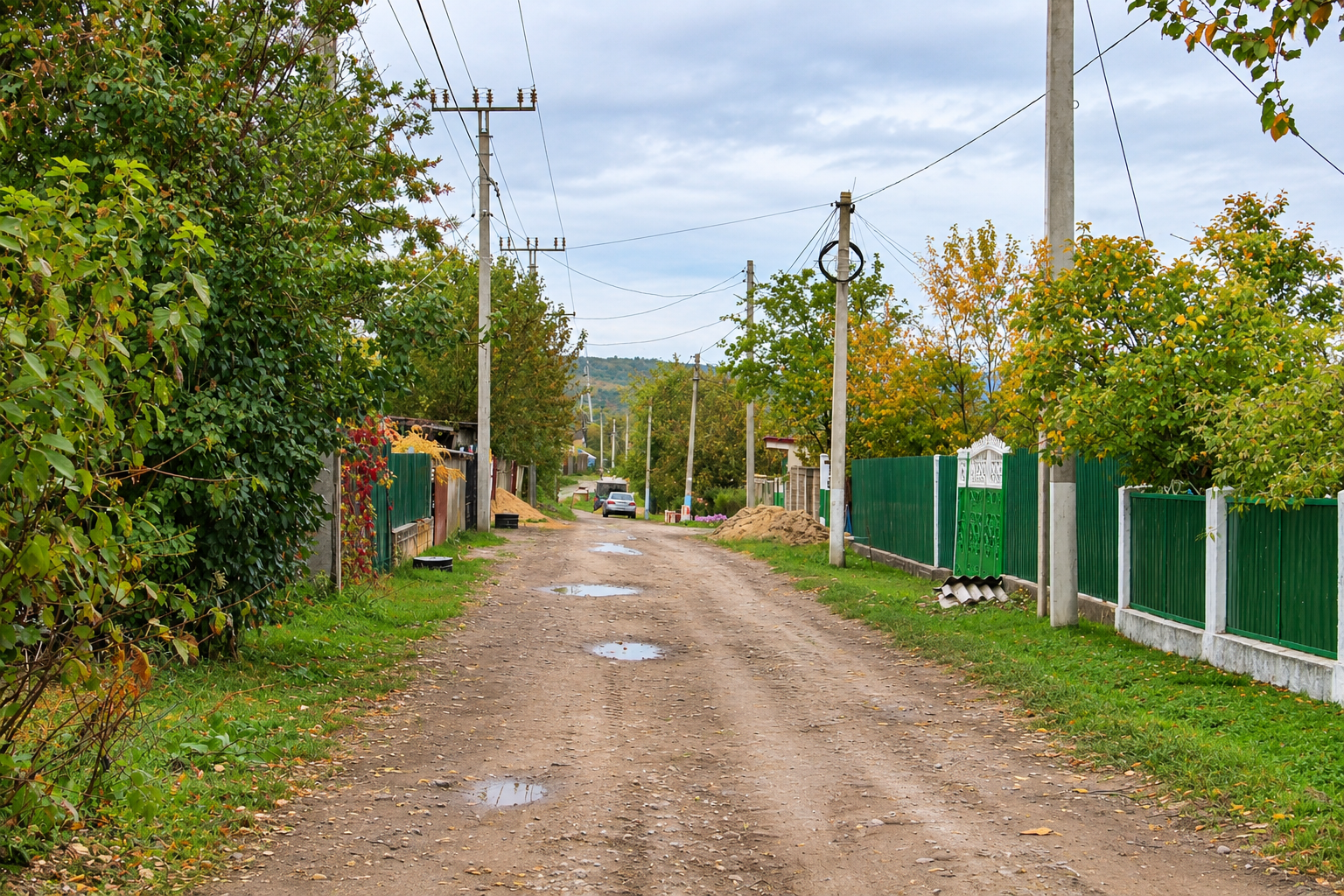
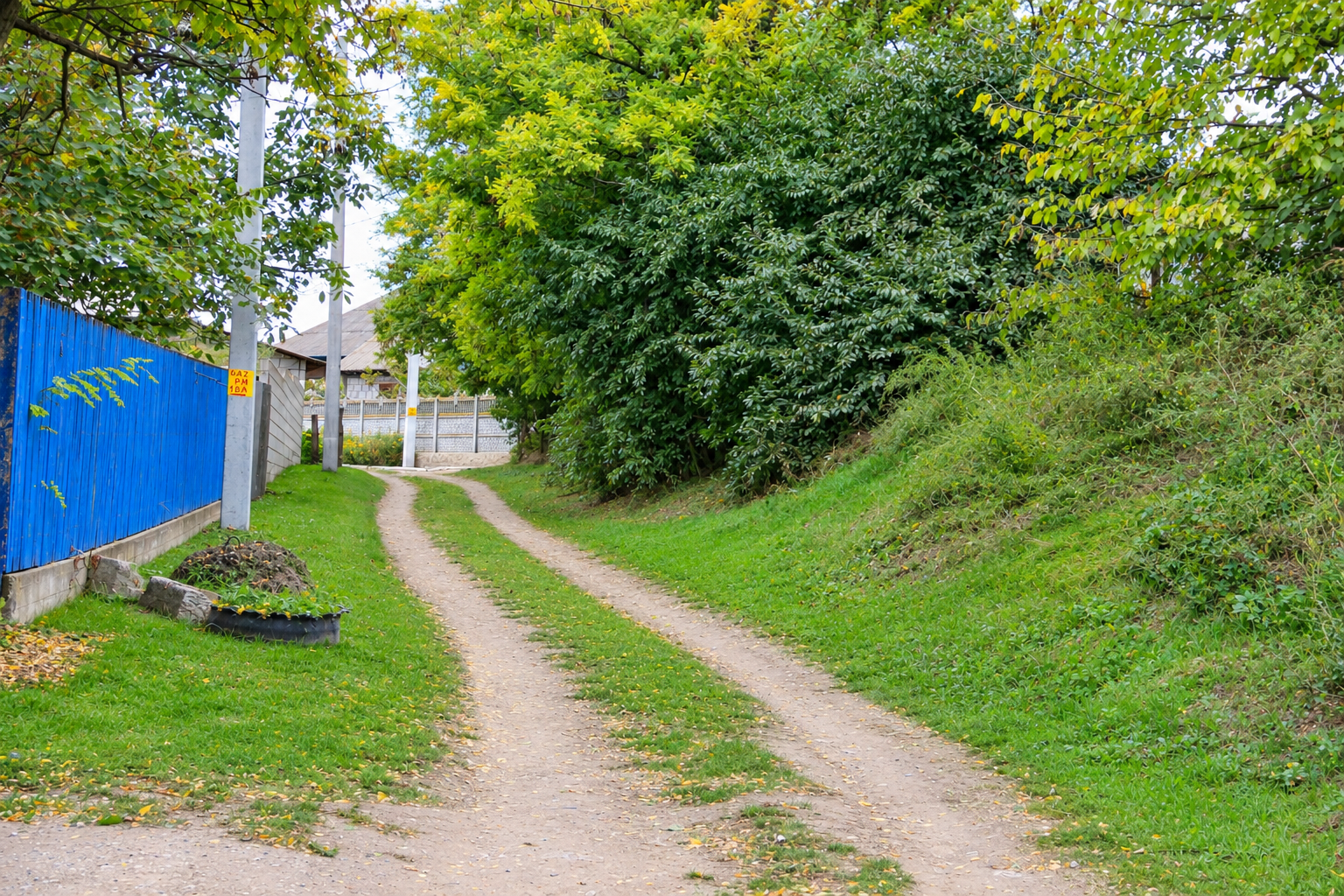
The roads runs between houses, gardens and small areas of cultivated land and some houses stand very close to the road, while others are further back, partly hidden behind fences and trees.
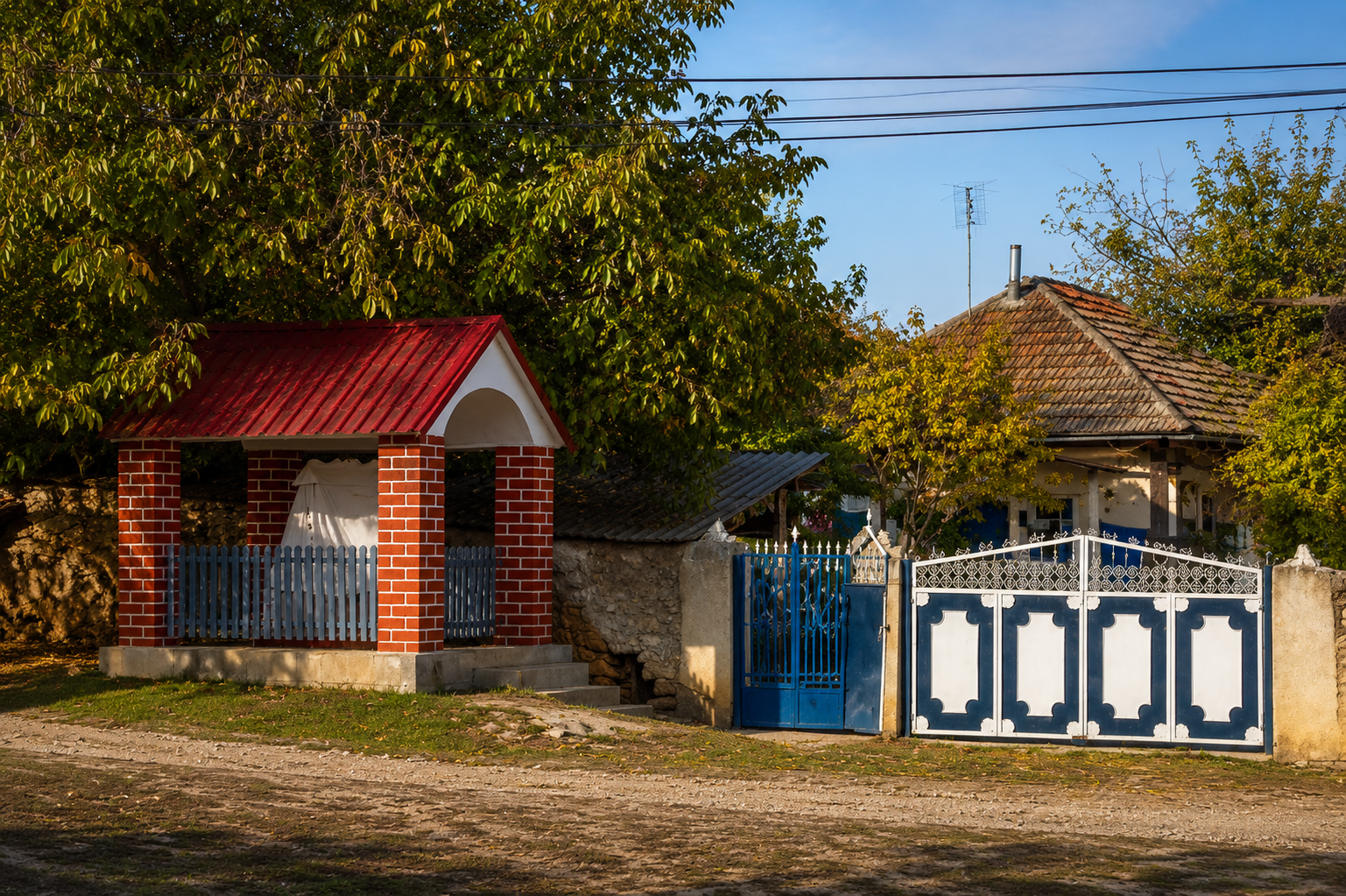
Fruit trees grow in gardens, vines climb along fences and the land around the village is still used for agriculture and older houses stand alongside newer buildings, and the roads follow the uneven ground rather than forming straight lines.
Dniester is never very far away, but it is not always visible.
Trees, houses and the slopes sometimes hide the river, before it shows up again through a gap in the vegetation or from a higher part of the village.
Beyond the houses, the land opens towards the valley, with fields and wooded slopes stretching along the river.
Somewhere beneath this calm village landscape is the history of a place where boats once transported the harvest along the Dniester.
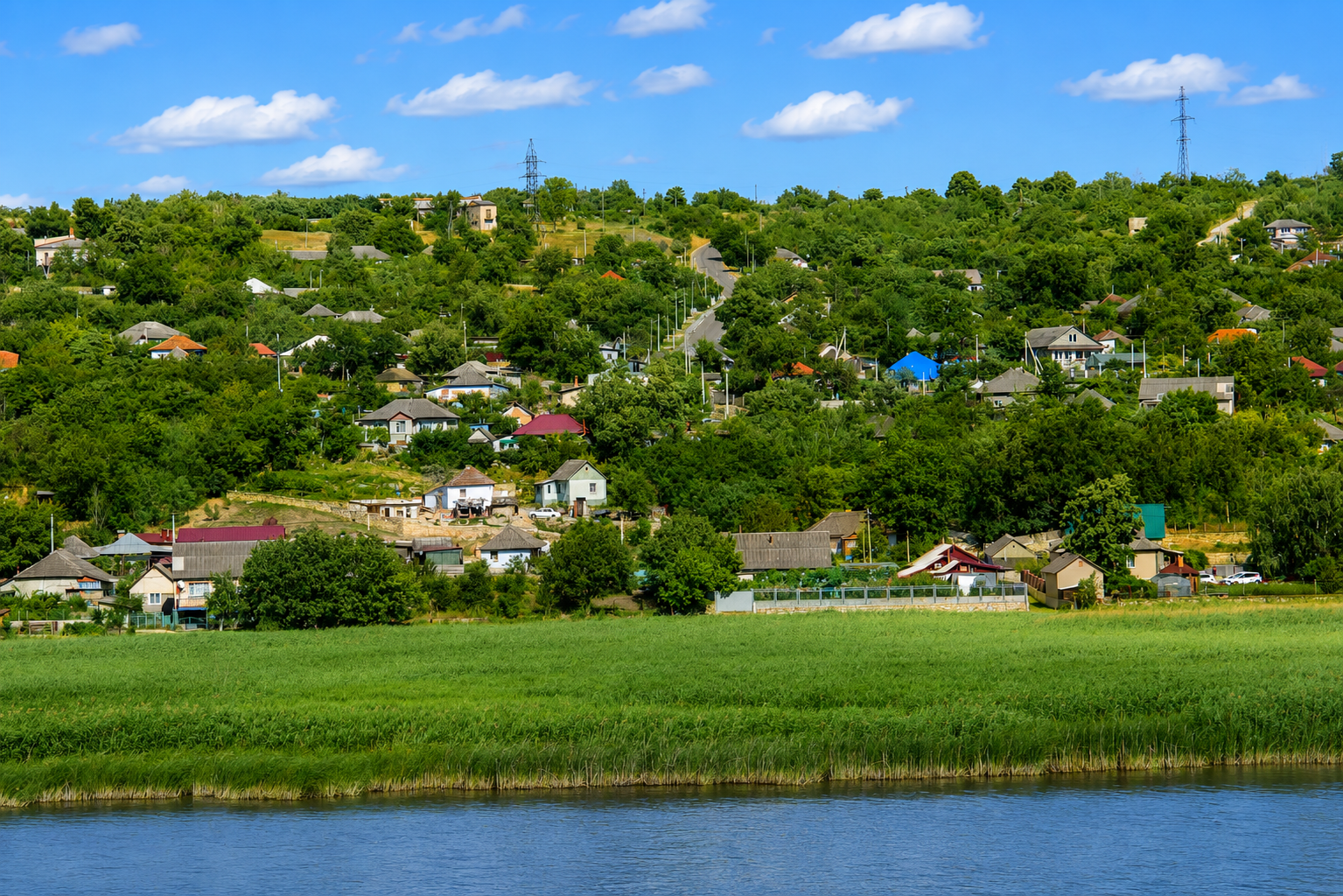
Lalova forms part of a district together with Țipova and the tiny village of Nistreni.
The surrounding landscape changes between cultivated fields, woodland, limestone slopes and the steep sides of Dniester valley.
The famous rock monastery at Țipova is very near, bringing visitors into this part of Moldova throughout the year.
While visitors travel towards the monastery and the viewpoints, life in Lalova continues at its own.
Along the village roads are houses with gardens, fruit trees and small yards where agricultural tools, firewood and other everyday belongings are kept.
Vegetable plots are right behind fences, and narrow paths leads between properties and the surrounding fields.
In warmer months, gardens are green with vegetables and vines, while autumn brings harvested fields, fallen leaves and preparations for the colder weather.
There is no need for much activity to fill the day in a village like Lalova.
A garden needs attention, something around the house needs repairing, and there is always work connected with the land.
The roads are not all perfectly even, and some older buildings show the effects of time and weather and dogs may bark from behind gates when someone unfamiliar
pass by, while the occasional vehicle breaks the quiet along the smaller roads.
Beyond the village, the hills rise above Dniester, with sections of woodland and open land giving different views across the valley and the river that once transported agricultural goods from Lalova still follows the same course below the village.
Lalova is not a place of busy streets, large attractions or organised entertainment.
It is a village with centuries of history, where houses, gardens, fields and Dniester remain close connected, while the monastery at Țipova may be the reason many visitors come to this area.
Lalova is part of the life and history of the valley itself.
Lalova s-a dezvoltat treptat ca așezare rurală de-a lungul râului Nistru, având
o istorie de câteva secole.
Mănăstirea Saharna, aflată în apropiere și ale cărei origini datează din secolul
al XVIII-lea, adaugă o dimensiune istorică și spirituală zonei, legând satul de un patrimoniu cultural mai larg, care și-a păstrat importanța de-a lungul timpului.
-
Lalova developed gradually as a rural settlement along the
Dniester River, with roots going back several centuries.
The nearby Saharna Monastery, with origins in the 18th century, adds historical and spiritual depth to the area, linking the village to a broader cultural landscape that has remained significant over time.