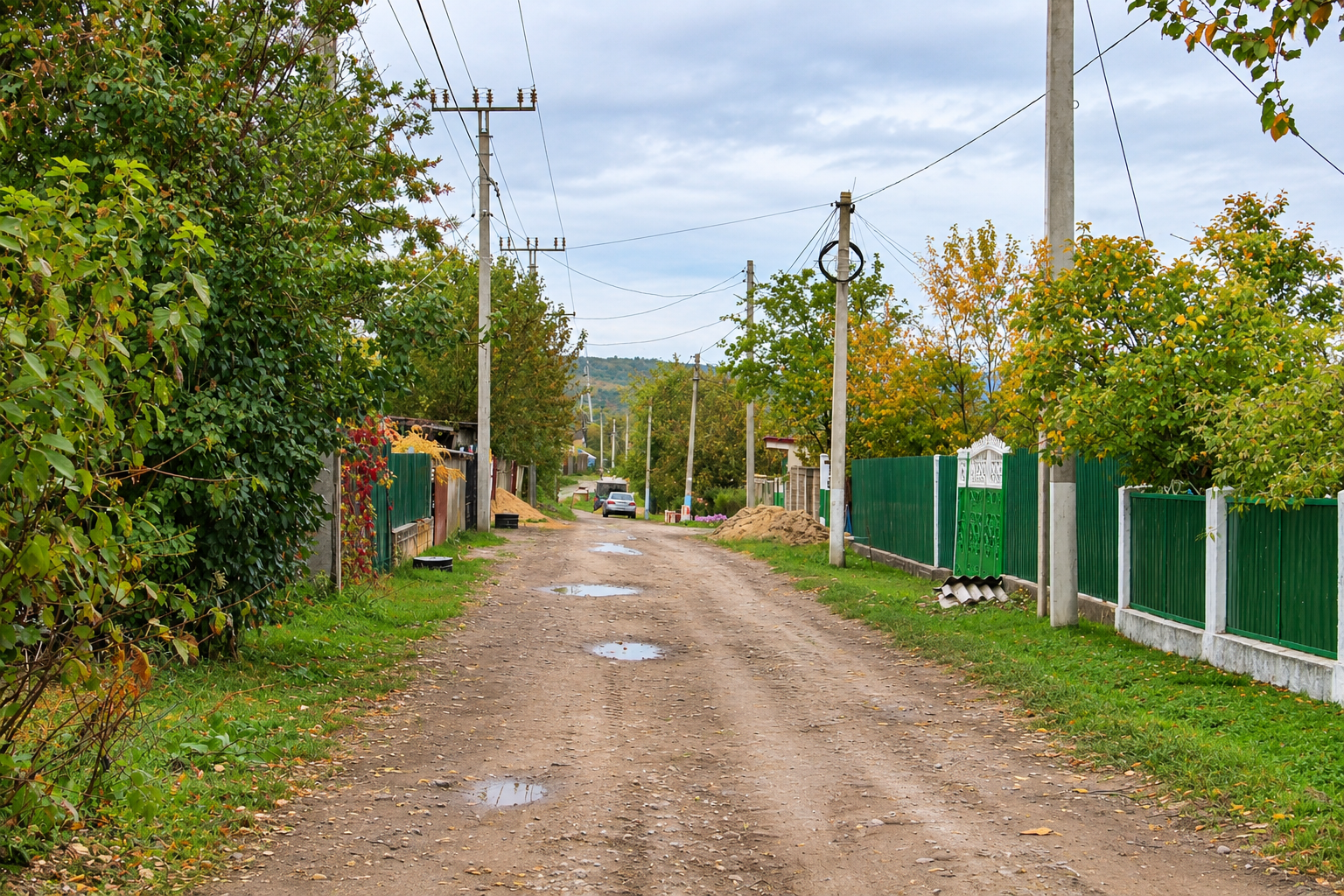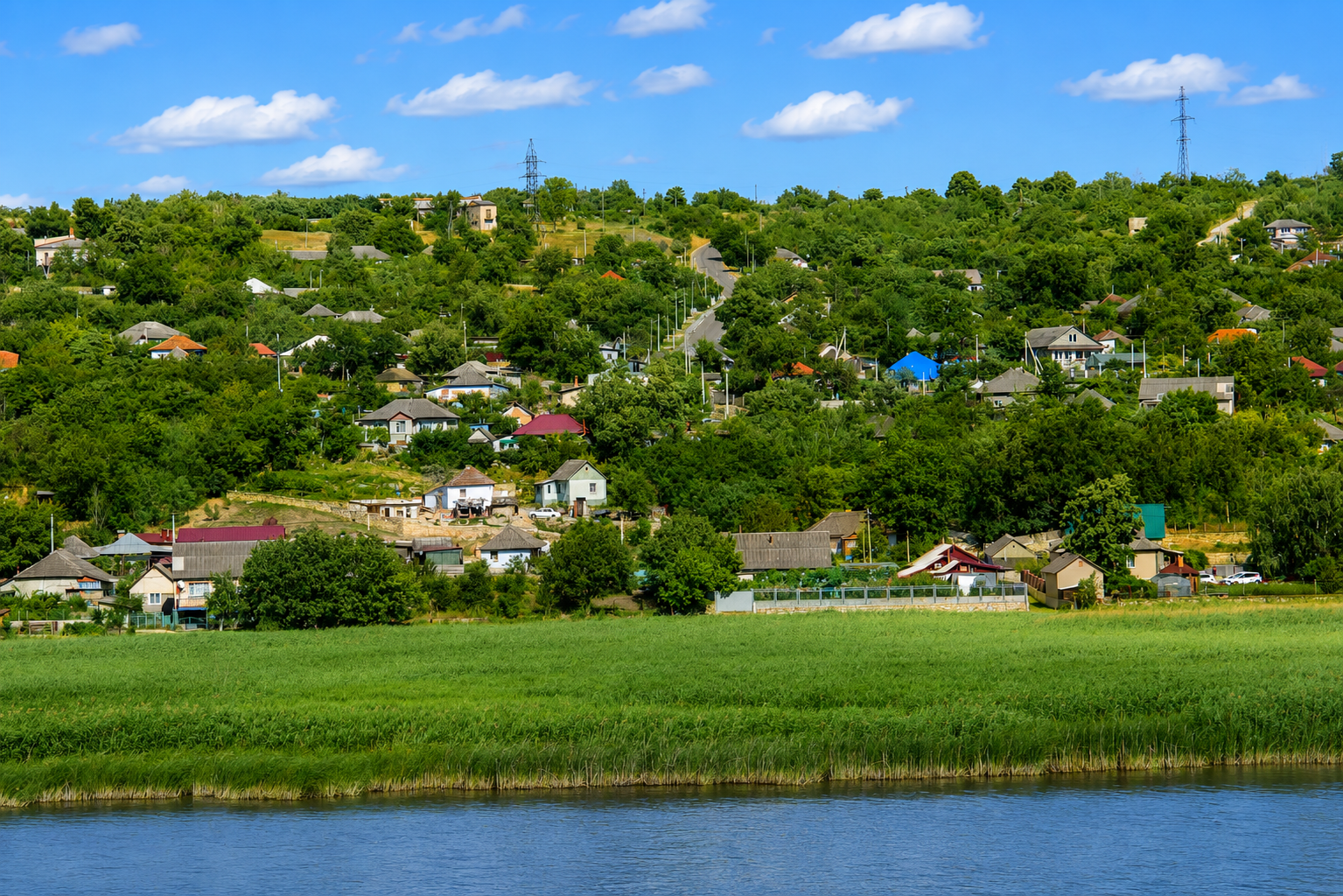
In Cobani, the landscape is a copied terrain.
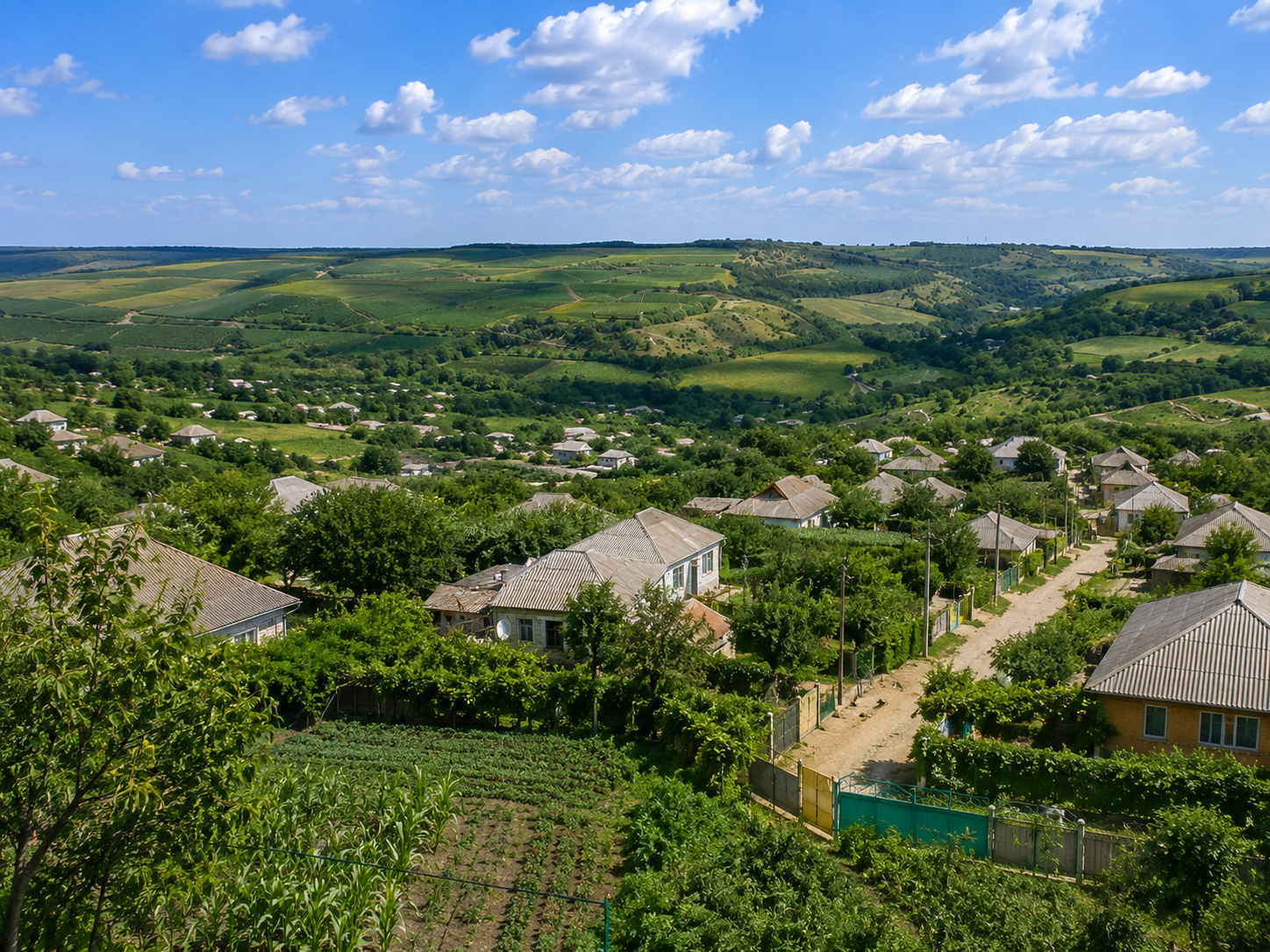
Small hills, valleys, and natural formations follow one another across the
countryside, creating a landscape that changes constantly, like the waves on the sea.
Cobani lies in the north-west of Moldova, in the Glodeni District, and has around 3,000 inhabitants.
The village developed over time as a coutryside settlement, naturally fitting into the surrounding agricultural land, with roots that trace back several centuries.
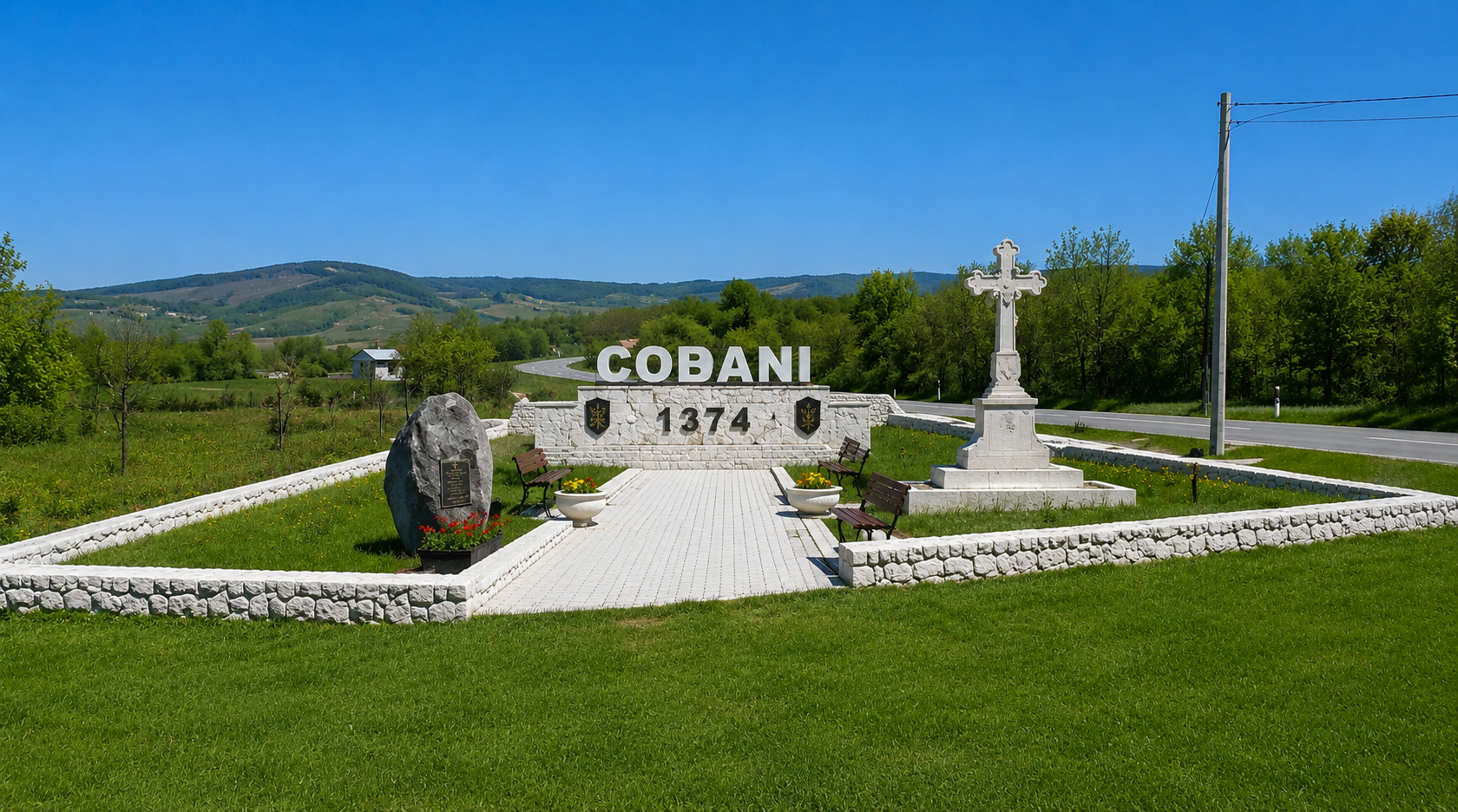
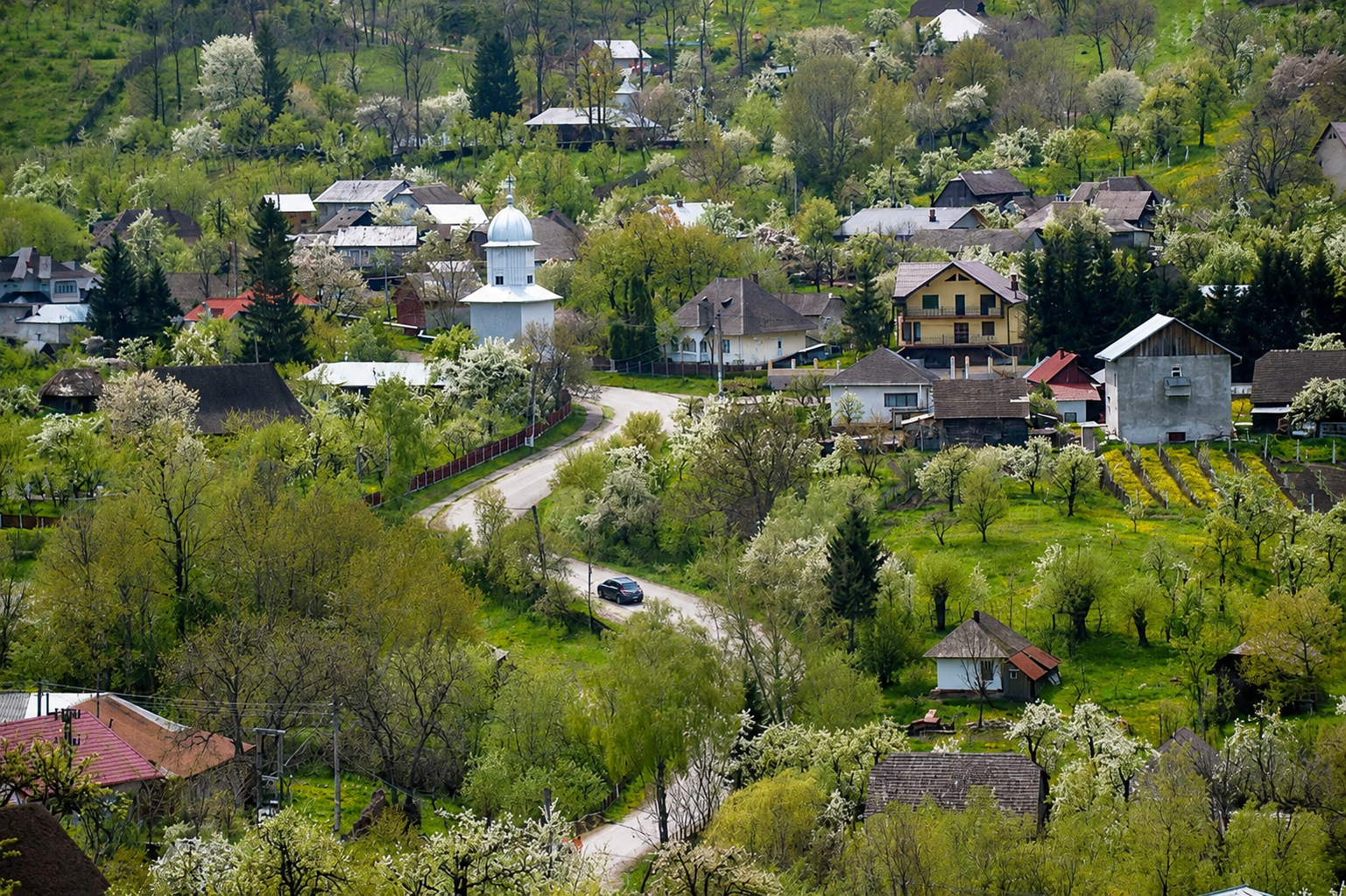
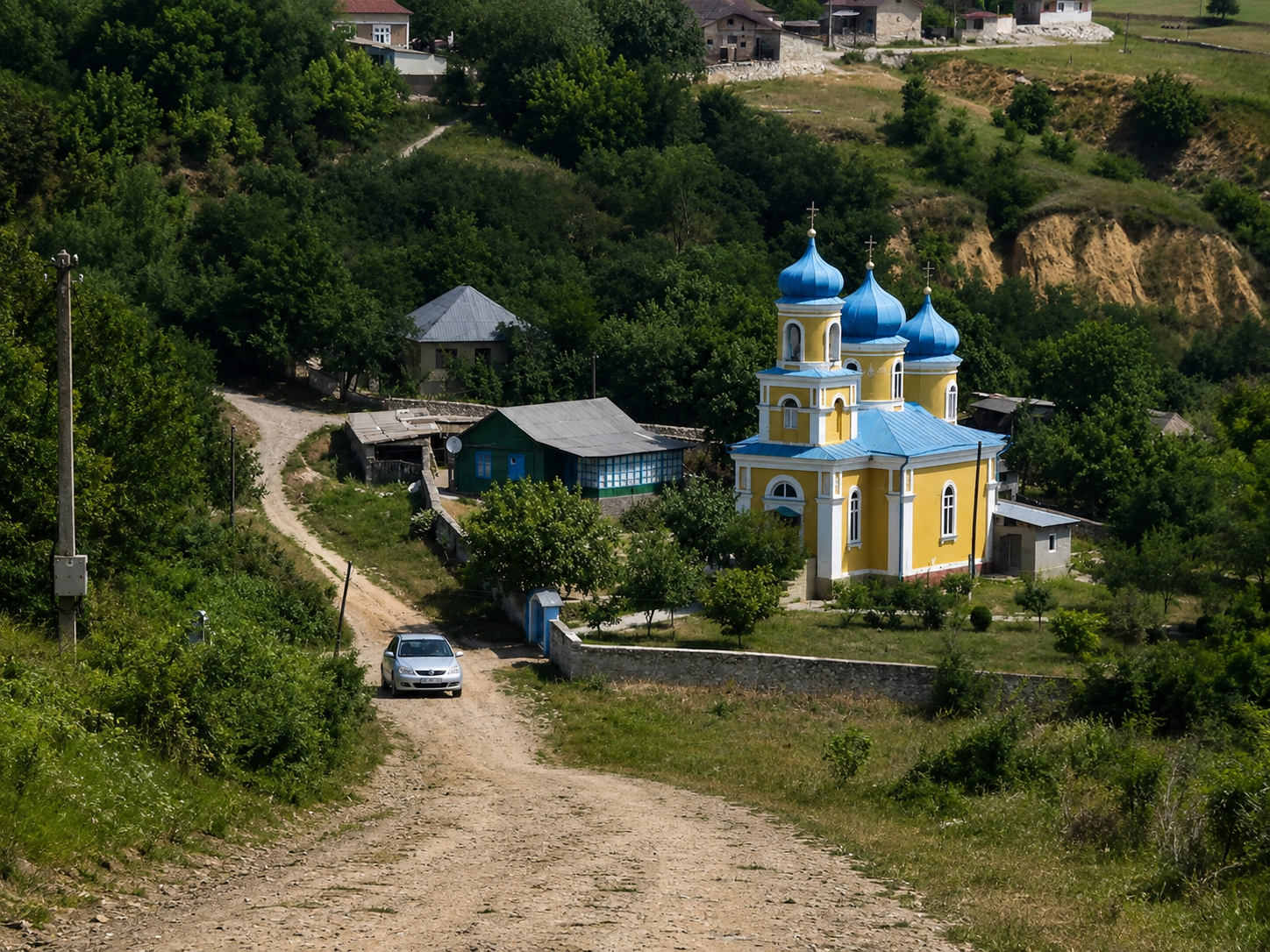
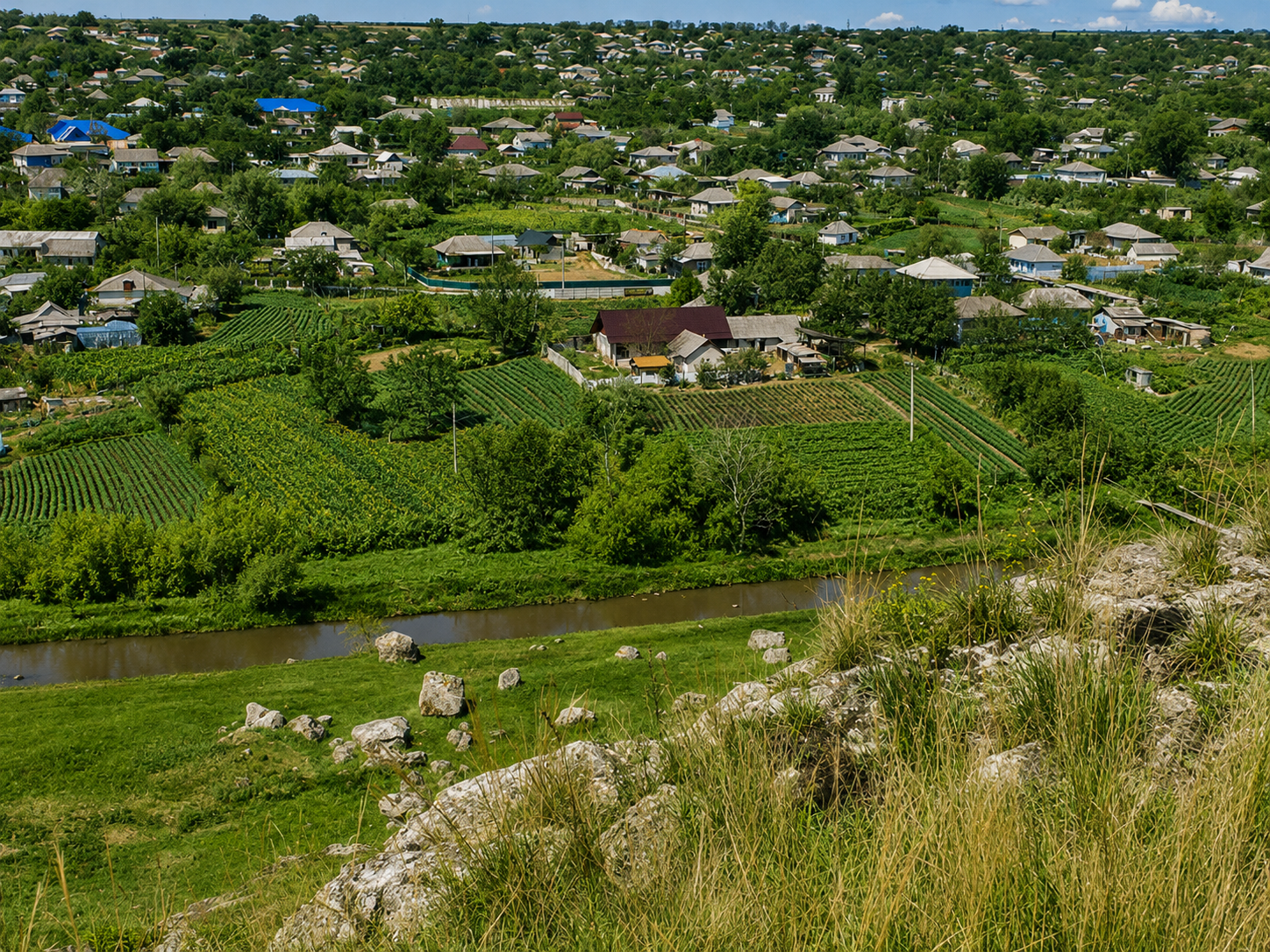
The village follows the landscape.
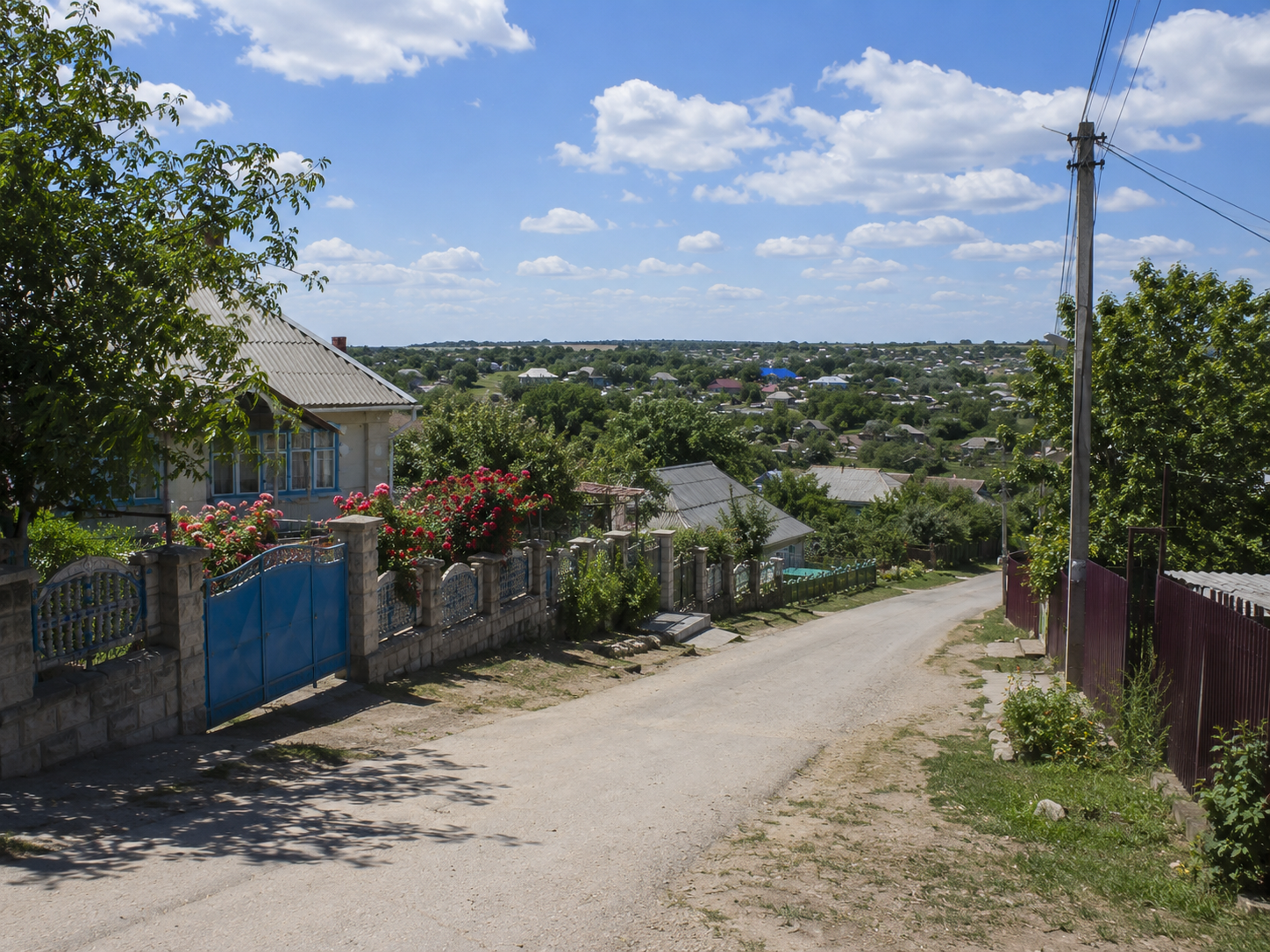
Houses stand along the roads and between the fields, surrounded by gardens, orchards, and open land.
From many parts of the village, the countryside remains visible beyond the
houses, stretching toward the hills and valleys that surround Cobani.
People have developed the village in hamony with the landscape through generations and much of the life are very close connected to the land around it.
Standing within this landscape, the distance becomes difficult to measure.
The hills continue far beyond what is immediately visible, and the light changes how they appear throughout the day, shifting shadows and shapes in a way that never feels exactly the same.
To understand Cobani, you have to look just beyond the village.
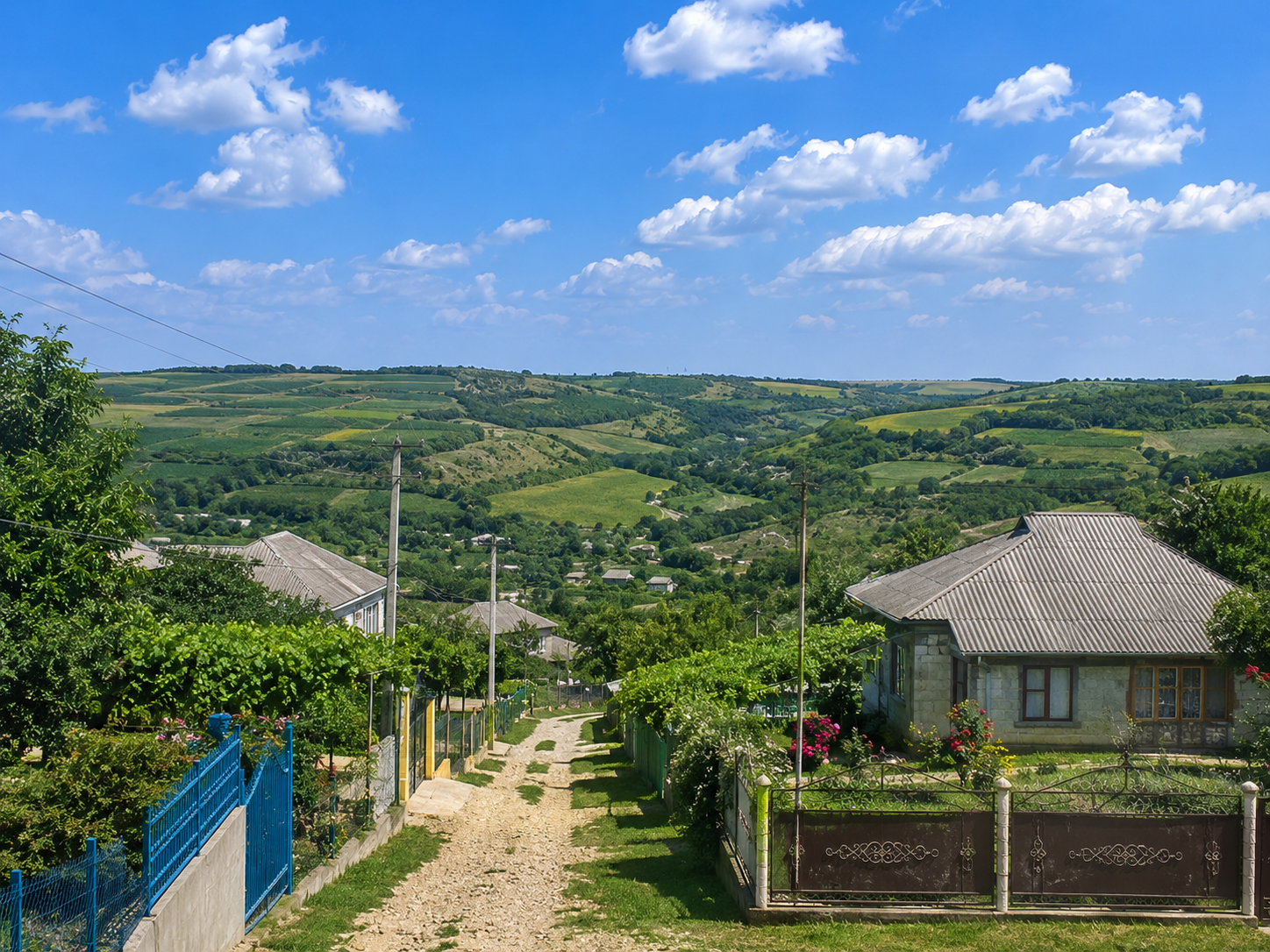
The landscape known as Suta de Movile, often called the “Hundred Hills”, stretches across the countryside in all directions.
Small rounded hills rise from the land one after another, sometimes standing
alone, sometimes gathered in larger groups.
From higher ground, they seem to be endless across the landscape, giving this part of Moldova a look unlike anywhere else in the country.
The houses in Cobani are often hidden behind gates and gardens.
Some gates are painted in bright colours, others are shaped by years of sun, rain, and winter.
Fruit trees lean over fences, plants climb along walls, and flowers grow beside paths leading toward the front door.
Many houses are built close to the road, while others are placed further back behind courtyards and gardens.
Some have been renovated, others still look the same as they did decades ago, with decorative details around windows, carved wooden elements, and traditional roofs that remain part of the village landscape.
When you walk through Cobani, it is often the gates that catch your attention first.
No two seems the same, each giving a small glimpse of the home and family living behind it.
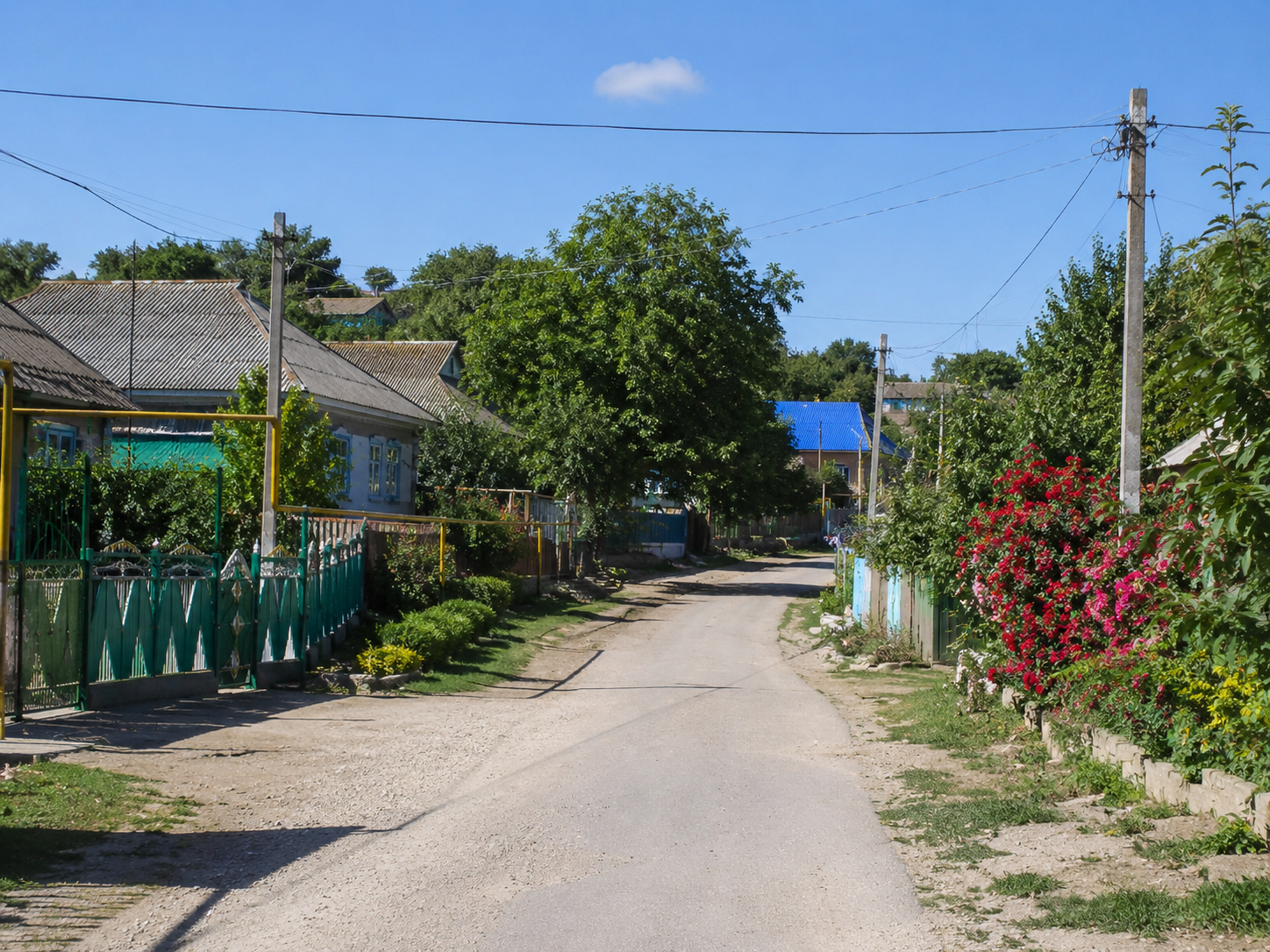
One moment you are walking past houses, gardens, gates, and orchards.
A few minutes later, you are standing among the hills of Suta de Movile looking across one of the most unusual landscapes in Moldova.
In Cobani, the distance between everyday life and the landscape around it, is surprisingly small.
Cobani s-a dezvoltat ca o așezare rurală în nord-vestul Moldovei, având rădăcini care datează de câteva secole.
Formațiunea naturală „Suta de Movile”, aflată în apropiere, face de mult timp parte din peisajul și folclorul local, contribuind la identitatea acestei zone, considerată una dintre cele mai deosebite regiuni naturale ale țării.
-
Cobani developed as a rural settlement in north-western Moldova, with roots
going back several centuries.
The nearby “Suta de Movile” formation has long been part of the local
landscape and folklore, contributing to the area’s identity as one of
the more unique natural regions in the country.