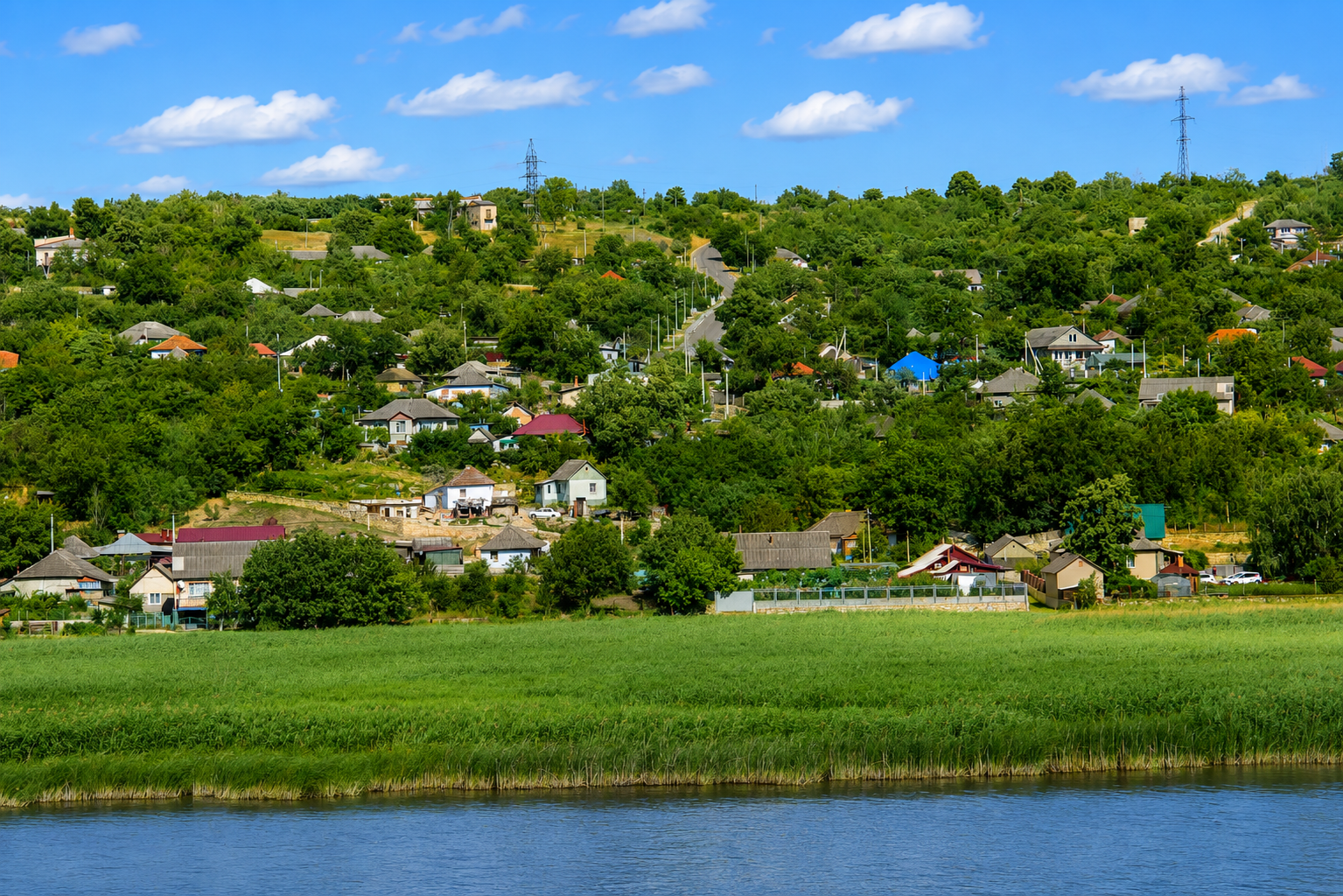
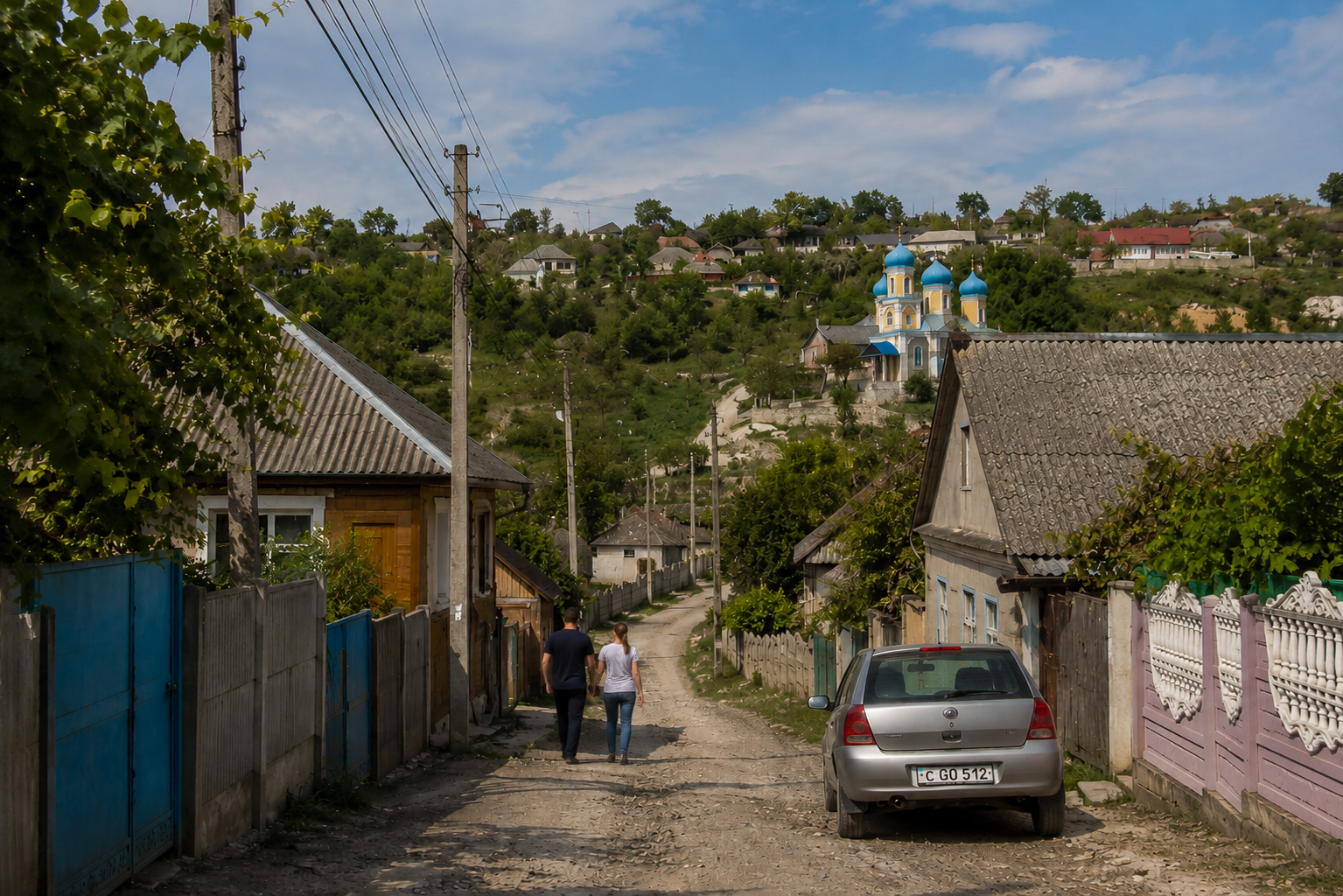
Trebujeni is one of those Moldovan villages where it is worth leaving the main road and take a walk, not for a hundred meters but a bit longer.
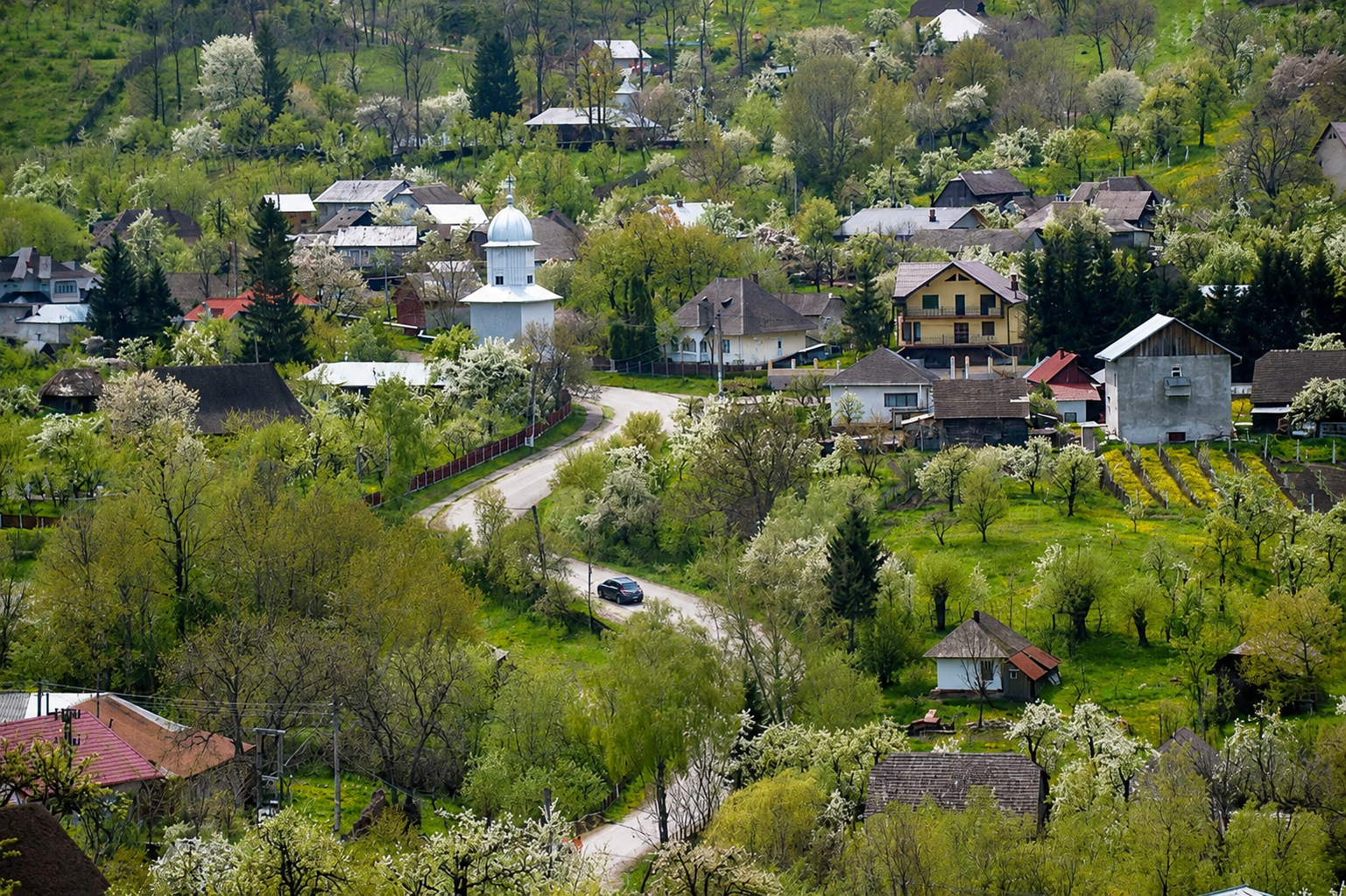
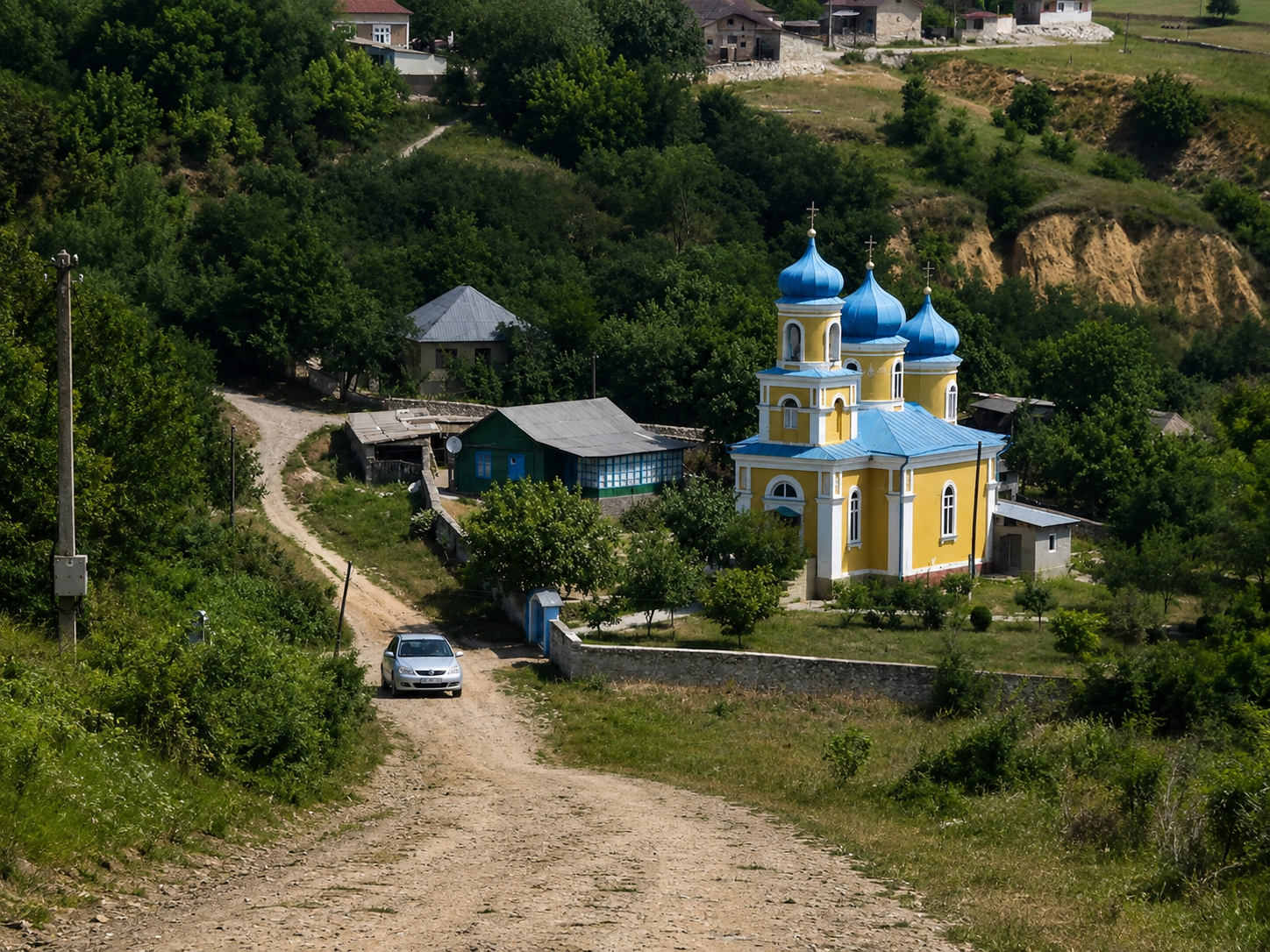
The village stretches along the Răut River, with houses, gardens and small village roads just beneath the limestone hills.
You will find old houses alongside with some which are newer and with small
courtyards, vegetable gardens and the ordinary details of rural life that are
easily missed when you are travelling by car.
Situated in the Orhei District, approximately 60 kilometres by road from
Chișinău, Trebujeni is part of the district that also includes Butuceni and Morovaia.
Together, these villages lie within the remarkable and incredible landscape of Orheiul Vechi.
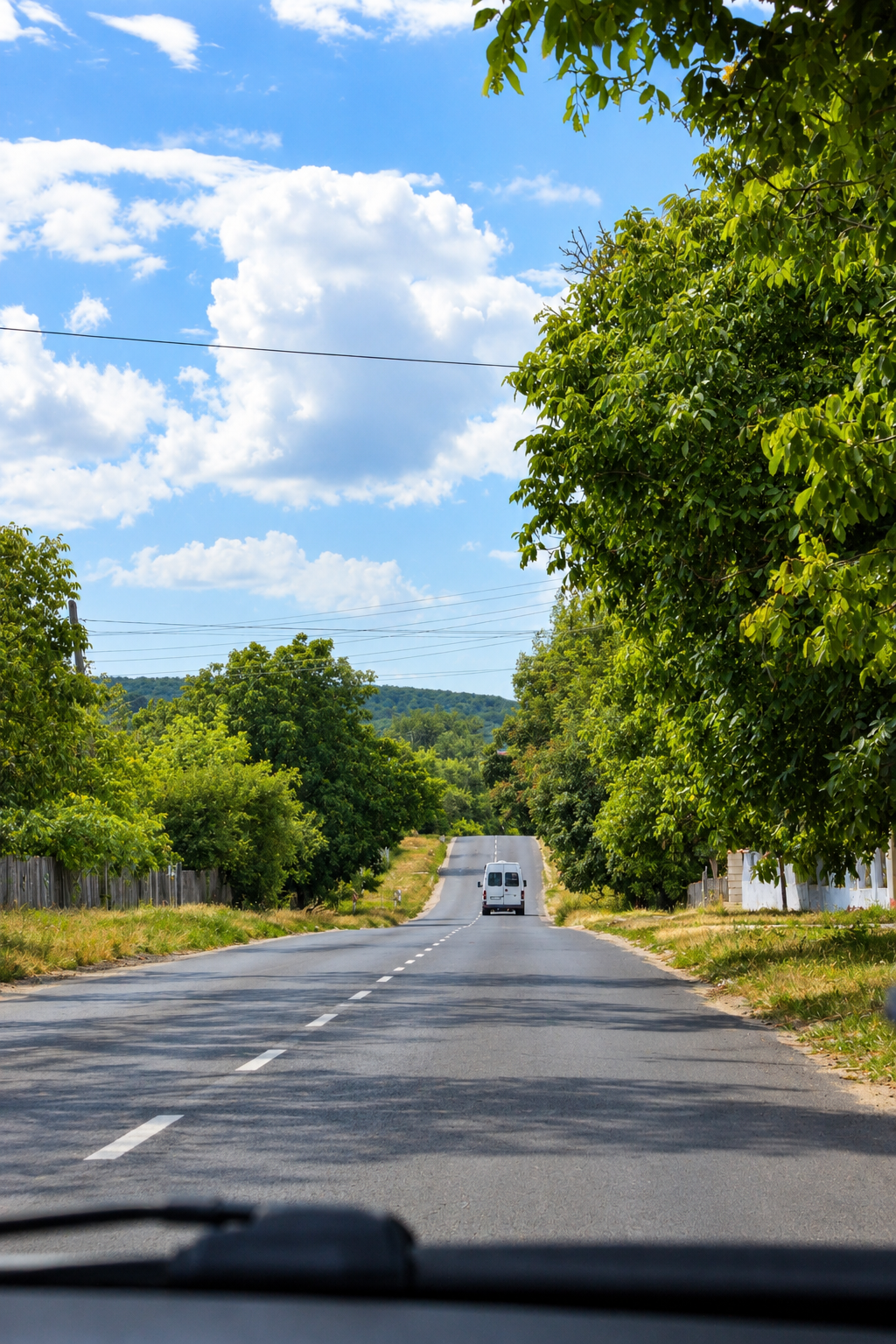
Trebujeni has a history stretching back several centuries.
A settlement at the site is mentioned in documents from 1576 under the name Gălăiești, although people lived in the surrounding valley long before the
present village developed.
The Răut has played an enormous and very important role in shaping Trebujeni.
The village follows the river through the valley, with rows of houses extending along the riverbanks.
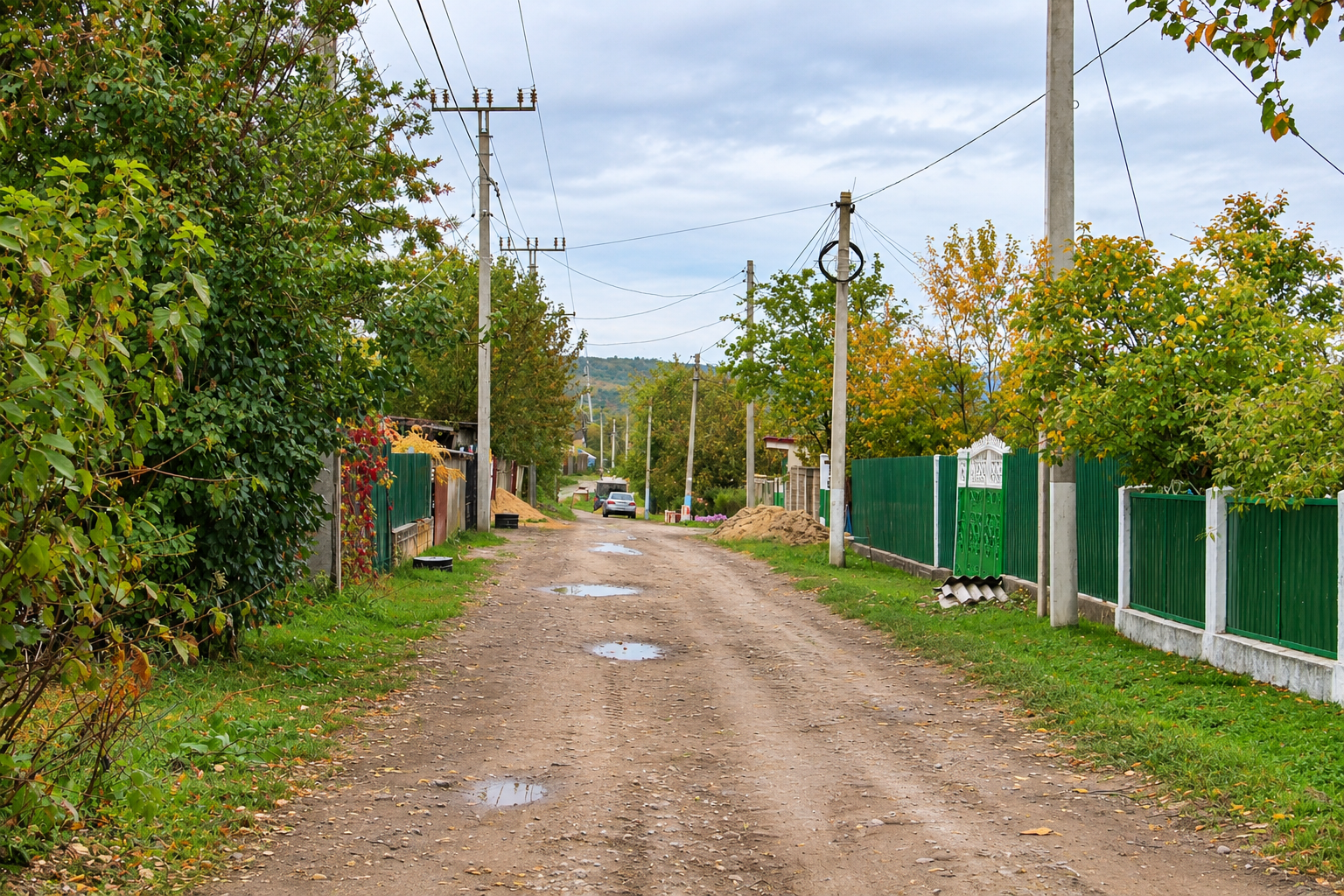
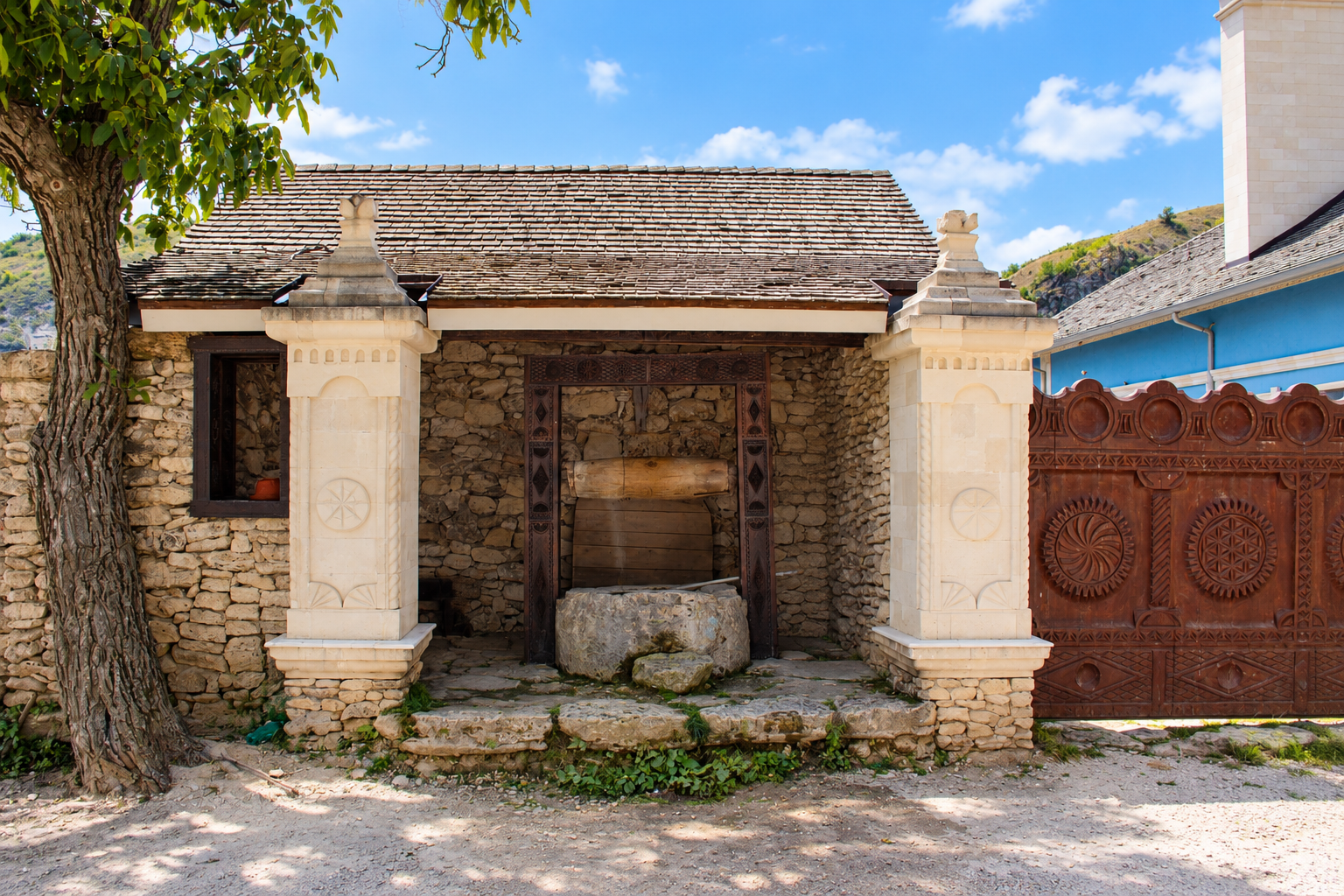
Look at the older properties as you walk.
The gates, stonework, fences and small gardens are often more interesting than they first appear.
Some houses have been renovated, while others still show the marks of many decades of use, but his is also not an outdoor museum.
People live here, maintain their homes, grow vegetables and are busy with their things to do and their everyday life.
The landscape around Trebujeni is considerably more dramatic than the village roads might show you.
The Răut has cut its way through limestone, creating steep cliffs, rocky hillsides and bends in the valley.
There are also opportunities for walking beyond the village, including the approximately eight-kilometre Trebujeni–Furceni trail, which follows the Răut River through the surrounding valley. and is also interesting for birdwatching.
Good footwear is a very good idea to bring with you.
Some rocky sections have loose stones, and the hillsides should not be underestimated, especially after rain.

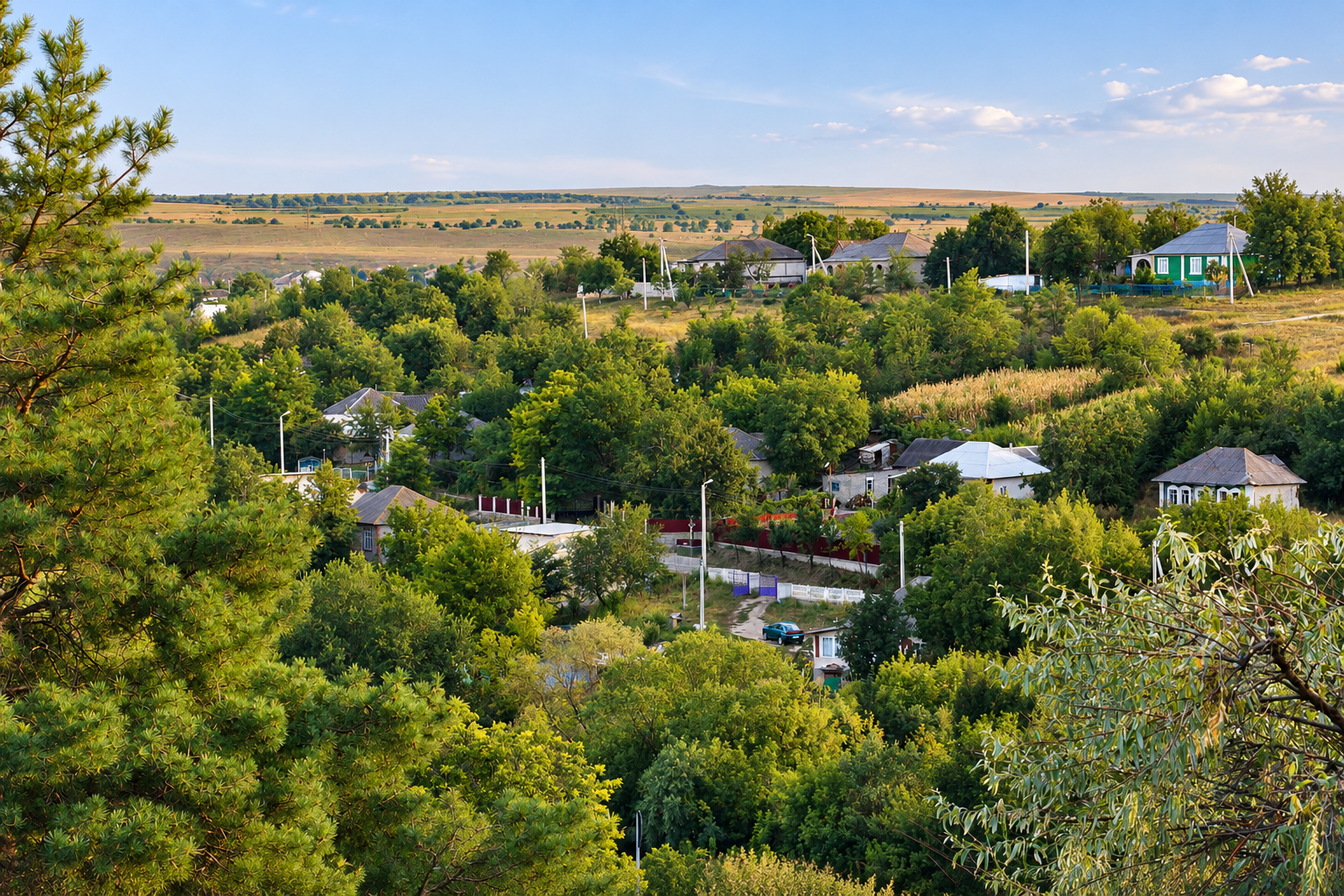
Trebujeni is very close connected with Orheiul Vechi, but the village deserves its own attention.
The surrounding area contains archaeological evidence from several historical
periods, including ancient settlements and the medieval history of the Golden Horde.
These remains helps to explain why this valley has attracted people for so
many centuries.
Visitors often concentrate on the famous cave monastery and viewpoints near Butuceni and is understandable, but it also means that Trebujeni can receive less attention than it deserves.
If you have time, you should definately stay longer than a quick visit to Orheiul Vechi.
Walk through Trebujeni, look at the houses, stop by the river and perhaps enjoy a meal at one of the local guesthouses.
There is no need to search for a famous monument around every corner.
Part of the pleasure is seeing how people live in a village surrounded by one of Moldova's most interesting historical landscapes.
But remember.. This is their home.
Trebujeni era cunoscut odinioară sub numele de Gălăiești, denumire menționată în documente istorice din anul 1576.
Satul pe care îl vedem astăzi reprezintă doar un capitol dintr-o istorie mult mai îndelungată a așezărilor de-a lungul râului Răut.
-
Trebujeni was once known as Gălăiești, a name mentioned in historical
documents from 1576.
The village you see today is only one chapter in a much longer history of
settlements along the Răut River.