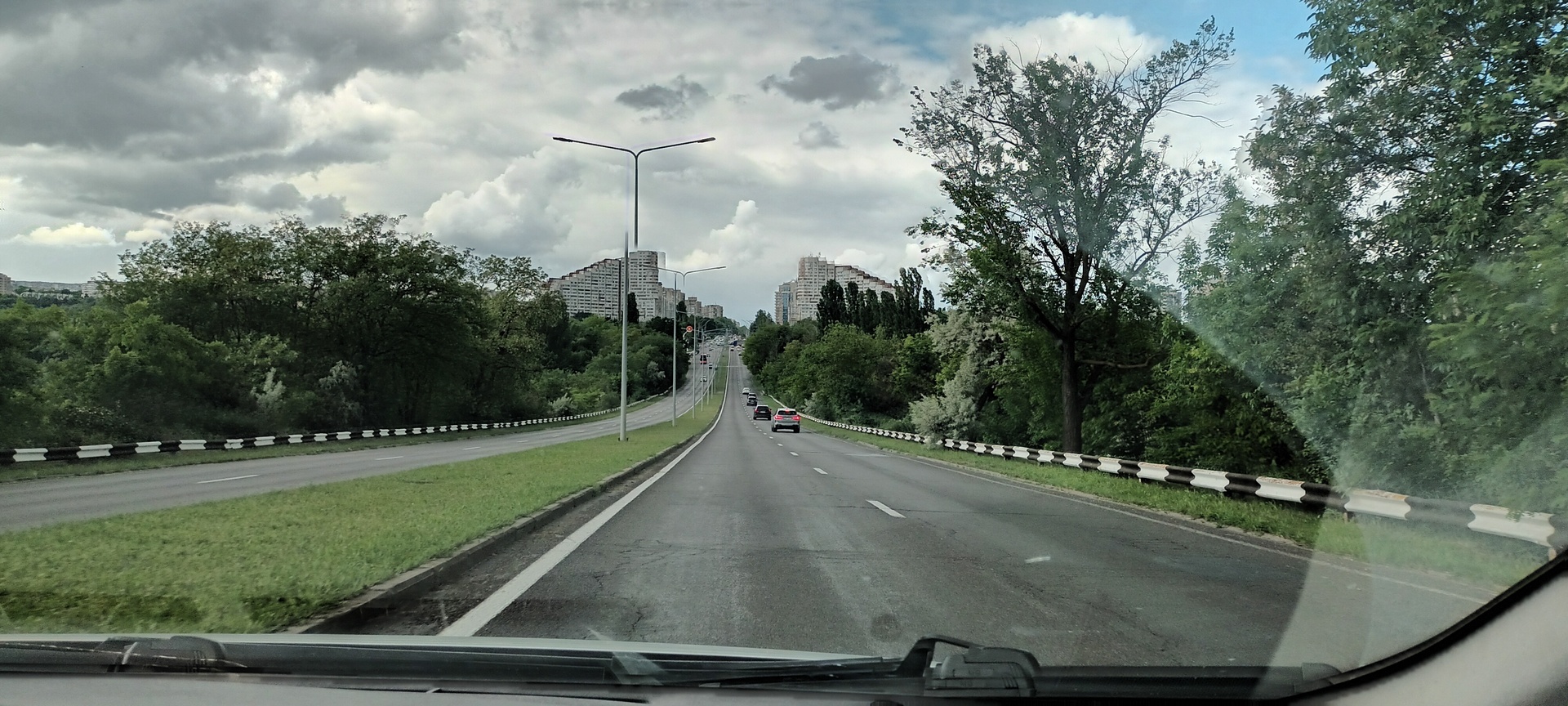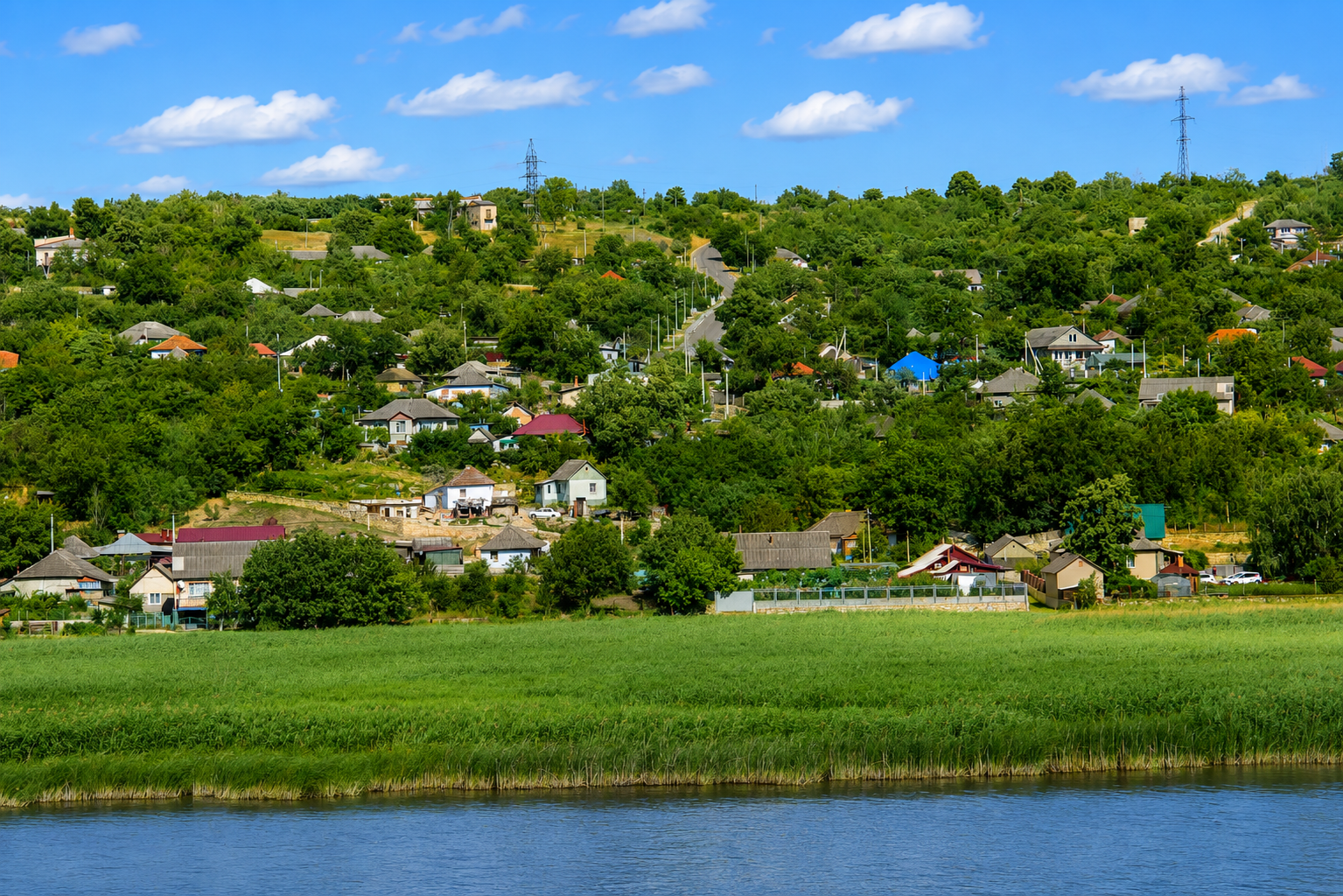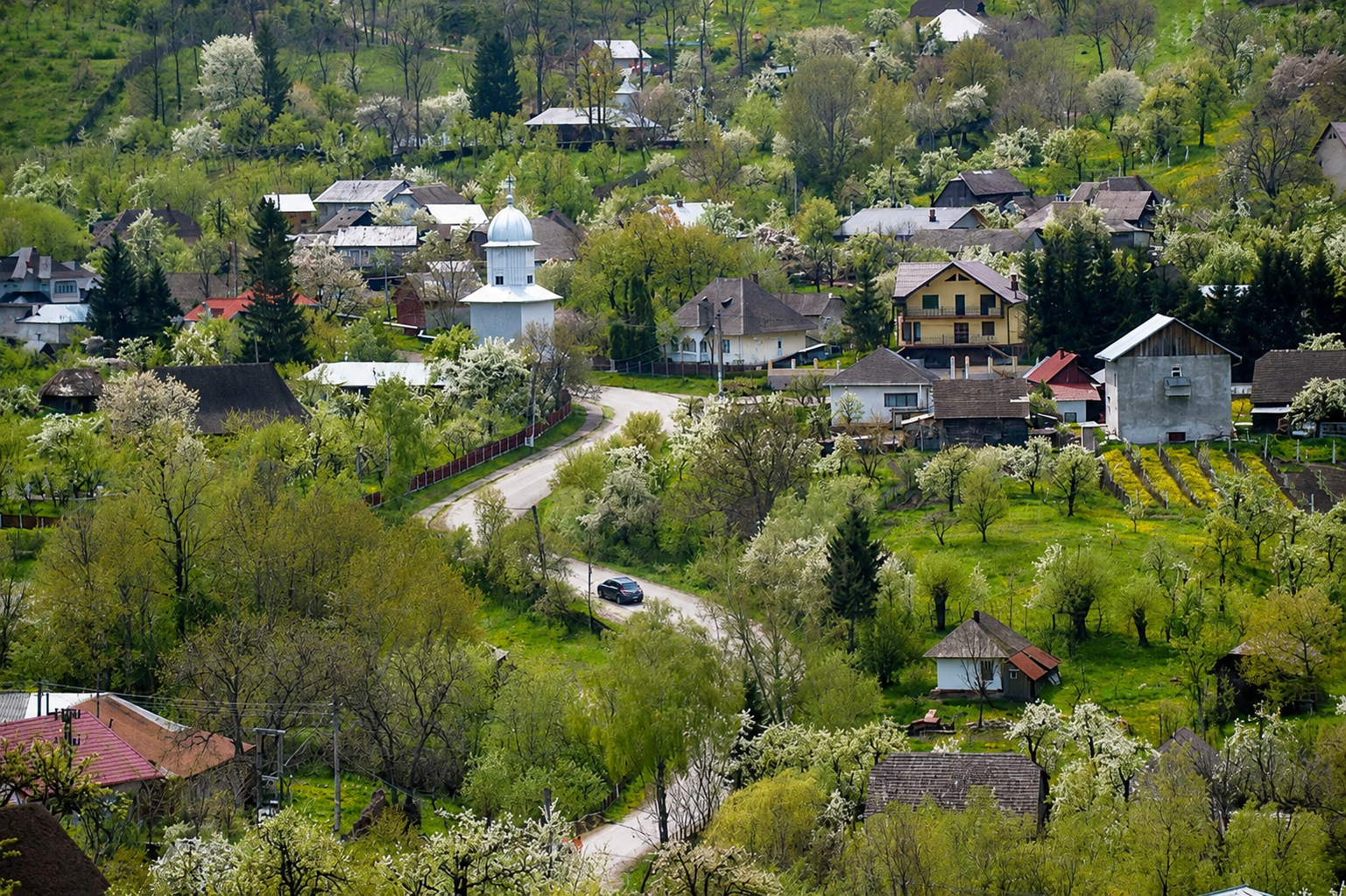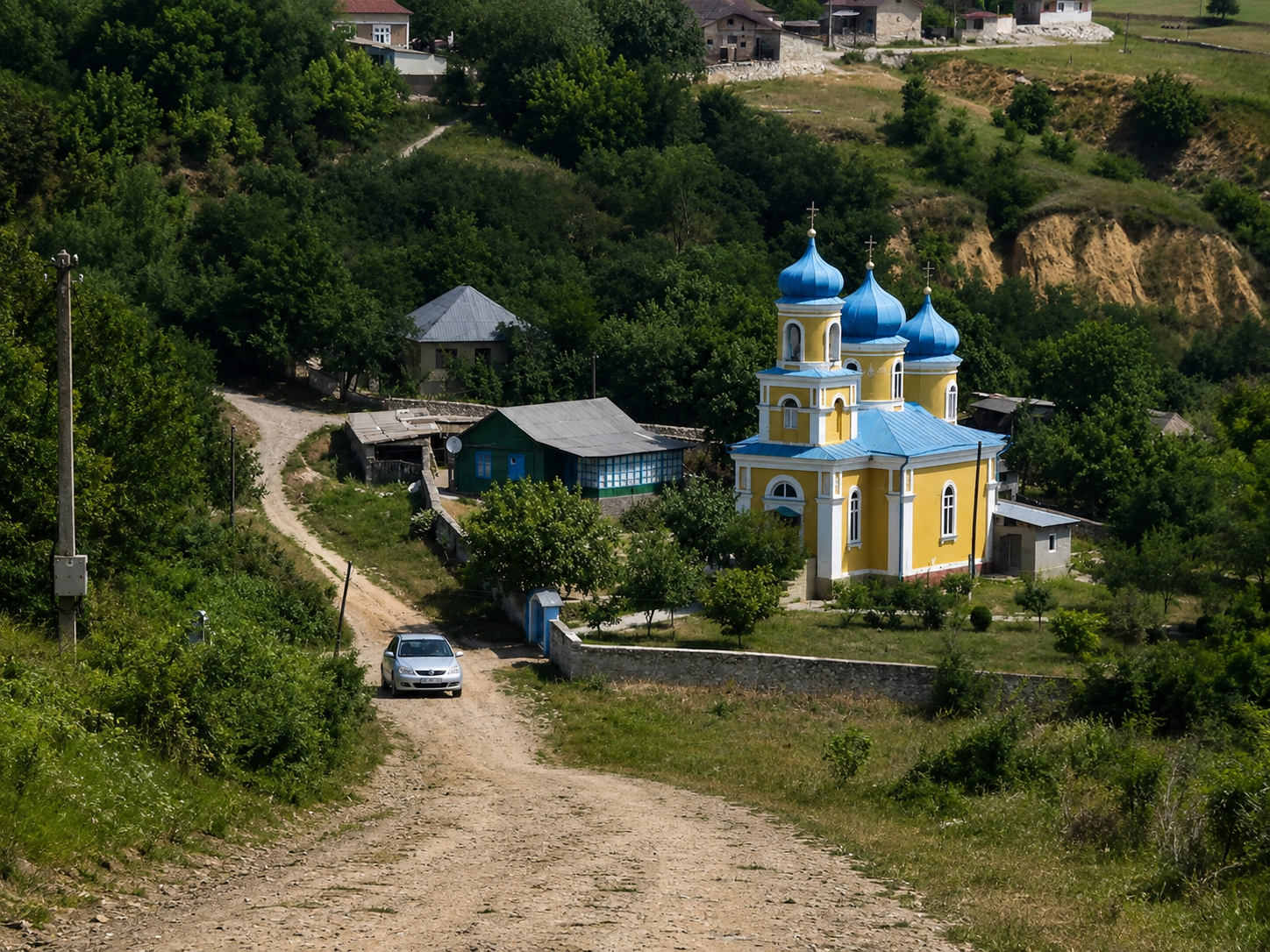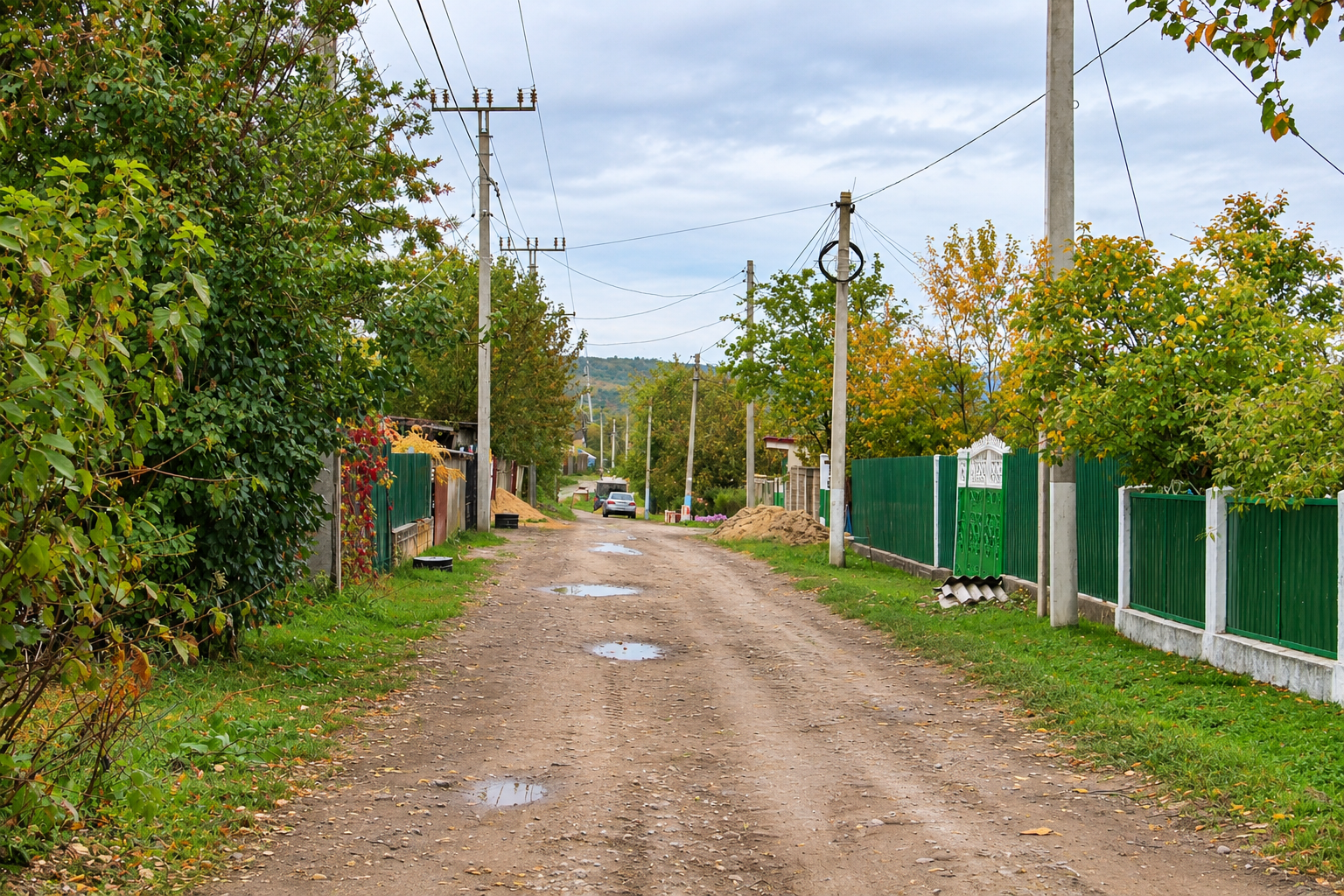
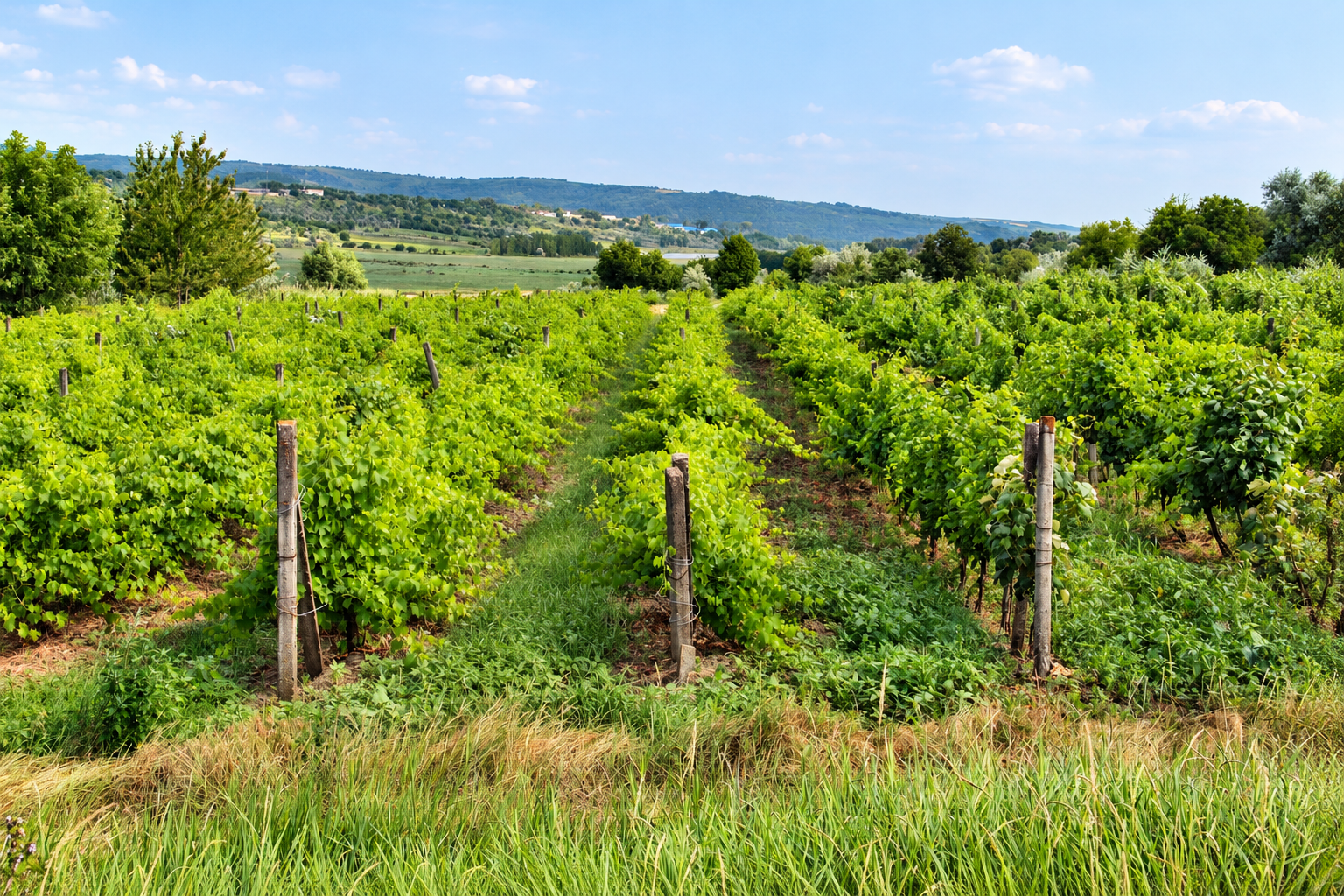
The road towards Ungheni takes you through the countryside of western
Moldova, passing villages, fields, gardens and houses standing close to the road.
Somewhere on the way, the open countryside change.
More houses appear, the traffic become more busy, and before long you are driving through Ungheni.
There are trees almost everywhere... Along the roads, between apartment
buildings, around houses and in the parks.
While Ungheni is known for its position beside Romania, there is much more than a border and a railway bridge.
It is a town where you can easily spend several hours walking around, and easily much longer than you have planned.
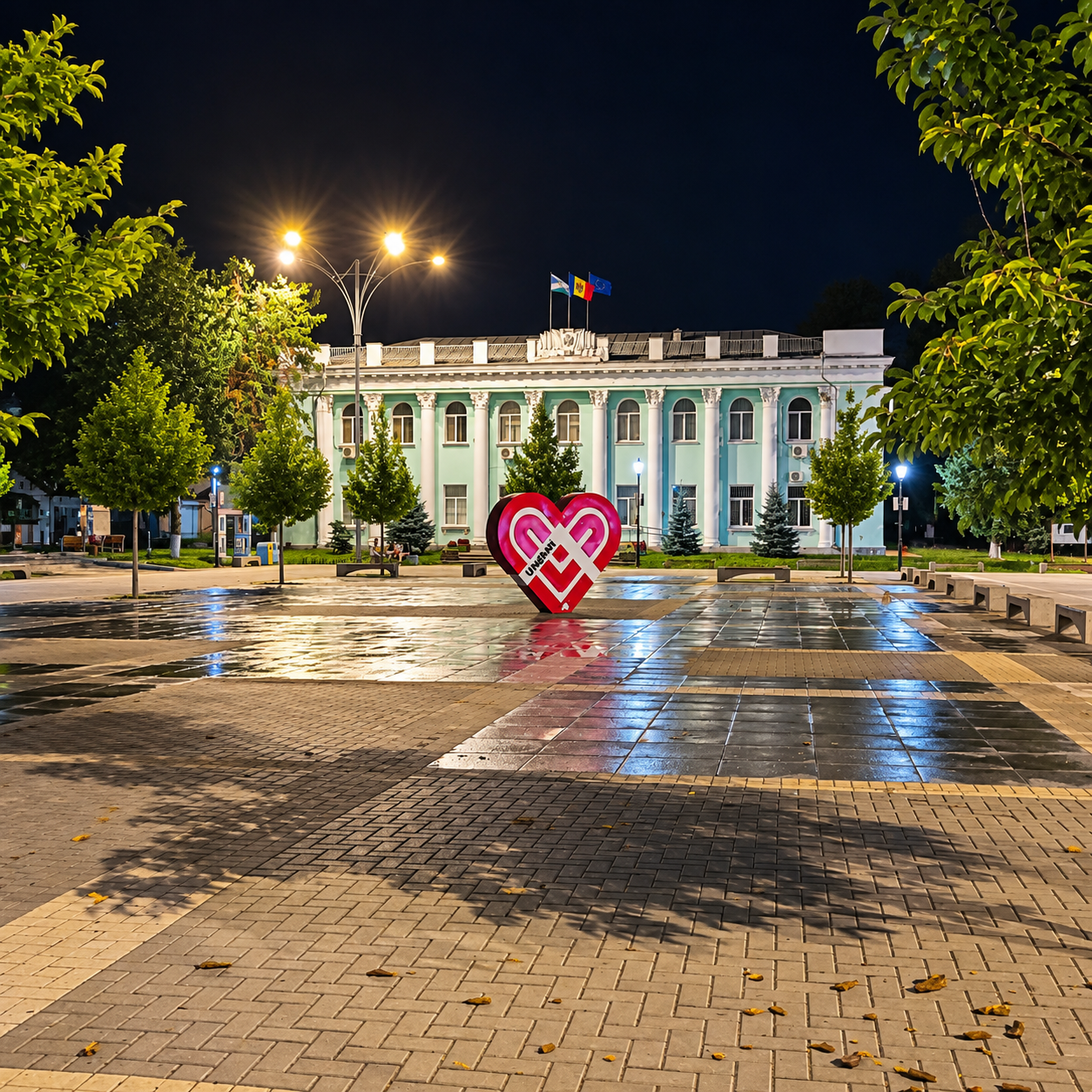
Ungheni lies in western Moldova, beside the Prut River, which forms the border with Romania and the town was first mentioned in the 15th century.
Today it has around 30,000 inhabitants and for centuries, its location has made Ungheni important for trade and transport.
People have crossed this region for generations, and the railway later became an important part of the town's development.
But there is something quite pleasant about arriving in a town with a long history and finding that ordinary life is still the most noticeable thing.
People going shopping, children on their way somewhere, to all sites, cars trying to find parking spaces and somebody stopping for a conversation or a smalltalk.
History is there, but nobody has stopped living because of it.
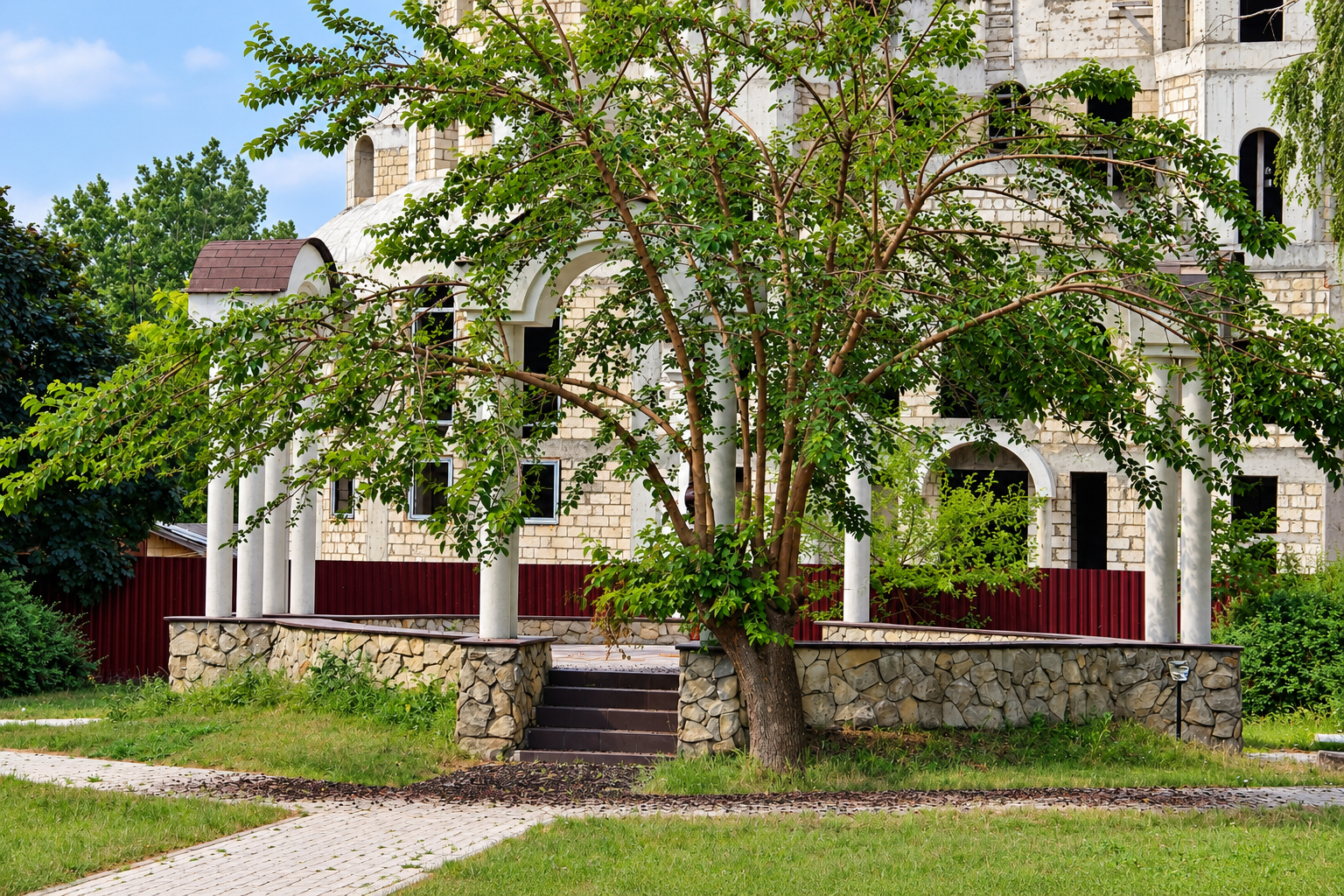
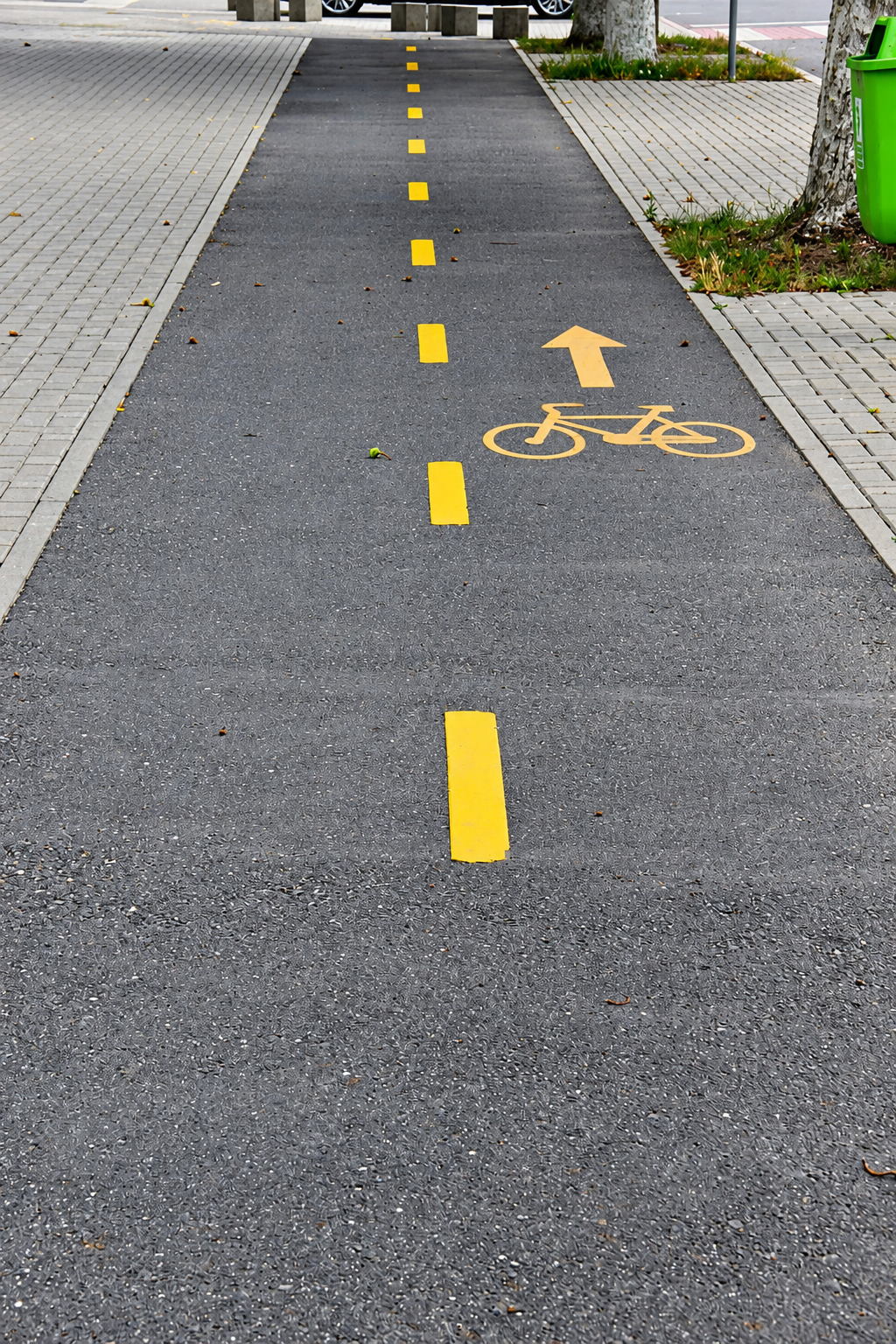
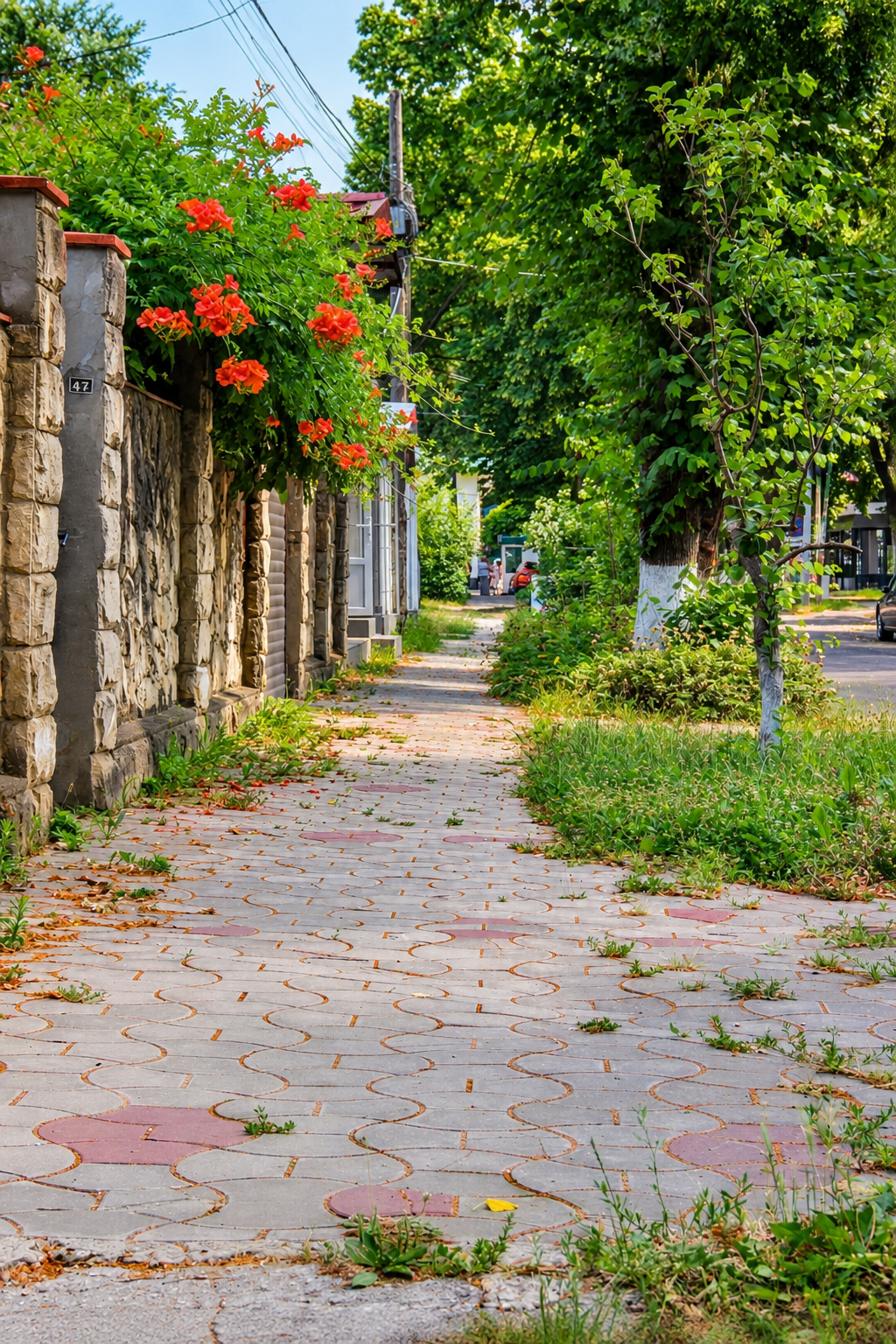
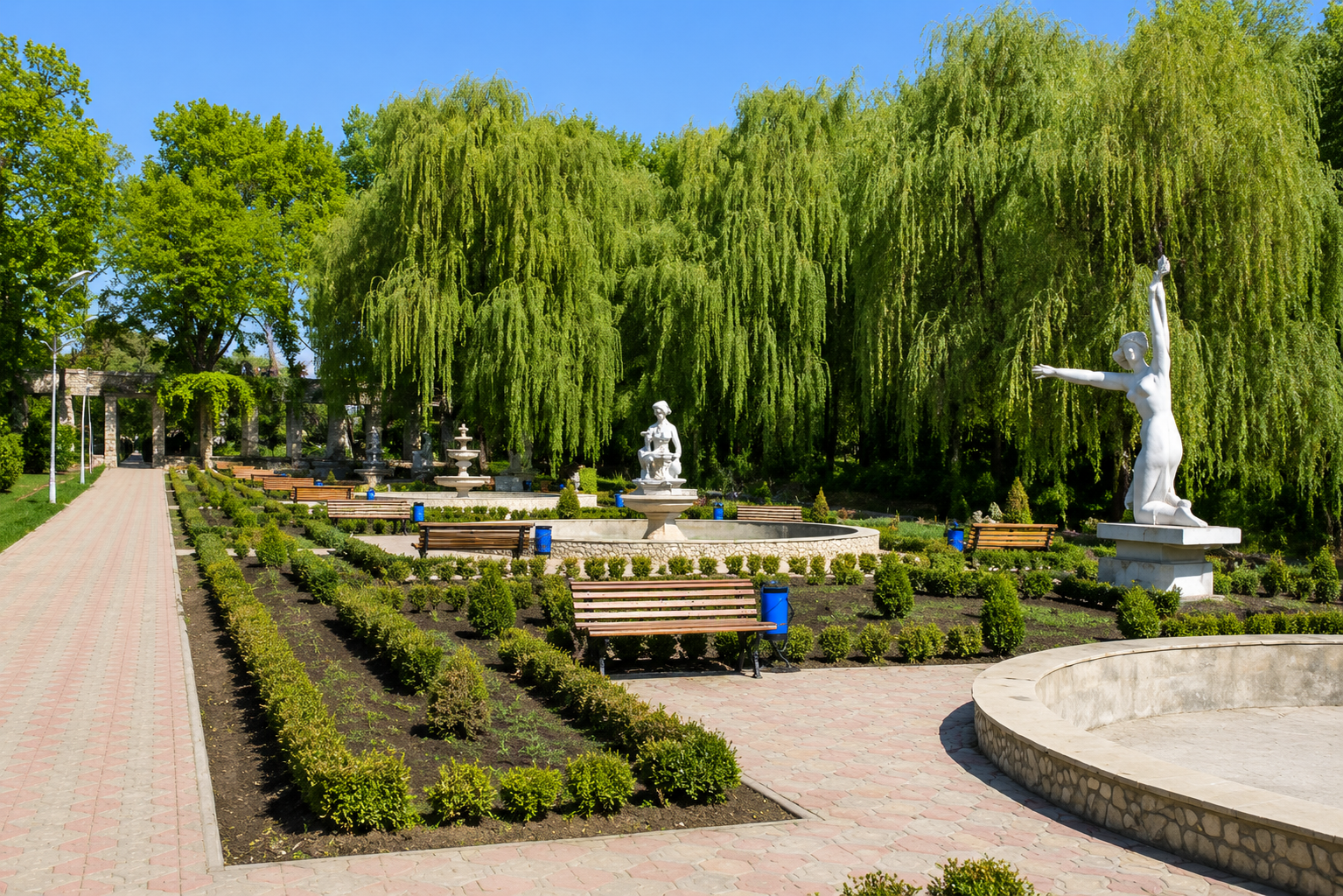
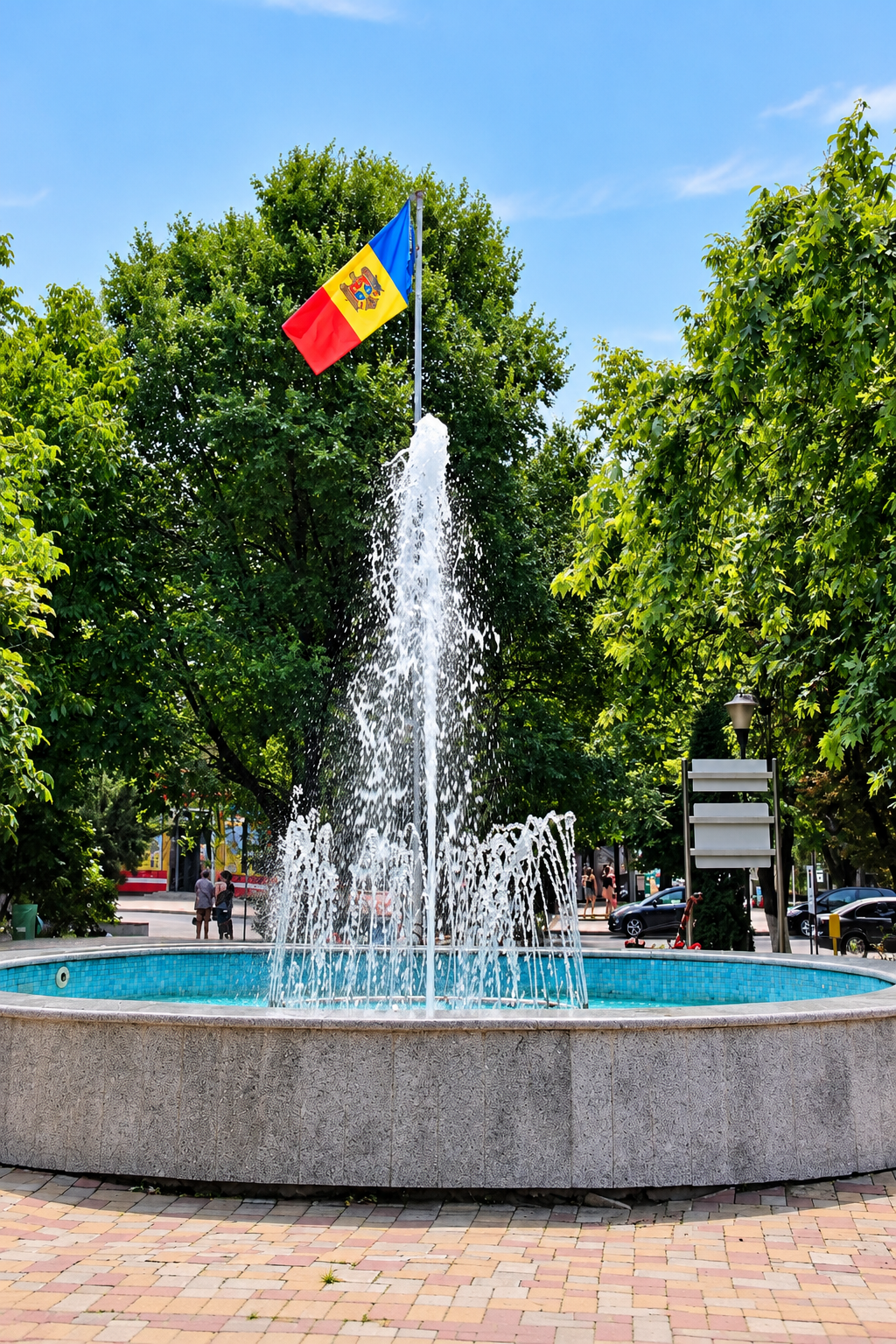
Walking through Ungheni, one of the first things you notice is how many trees there are and in some streets have very long rows of mature trees, with branches reaching out over the pavement and road.
The sunlight comes through the leaves, leaving bright patches on the ground, while the rest of the street remains in shade.
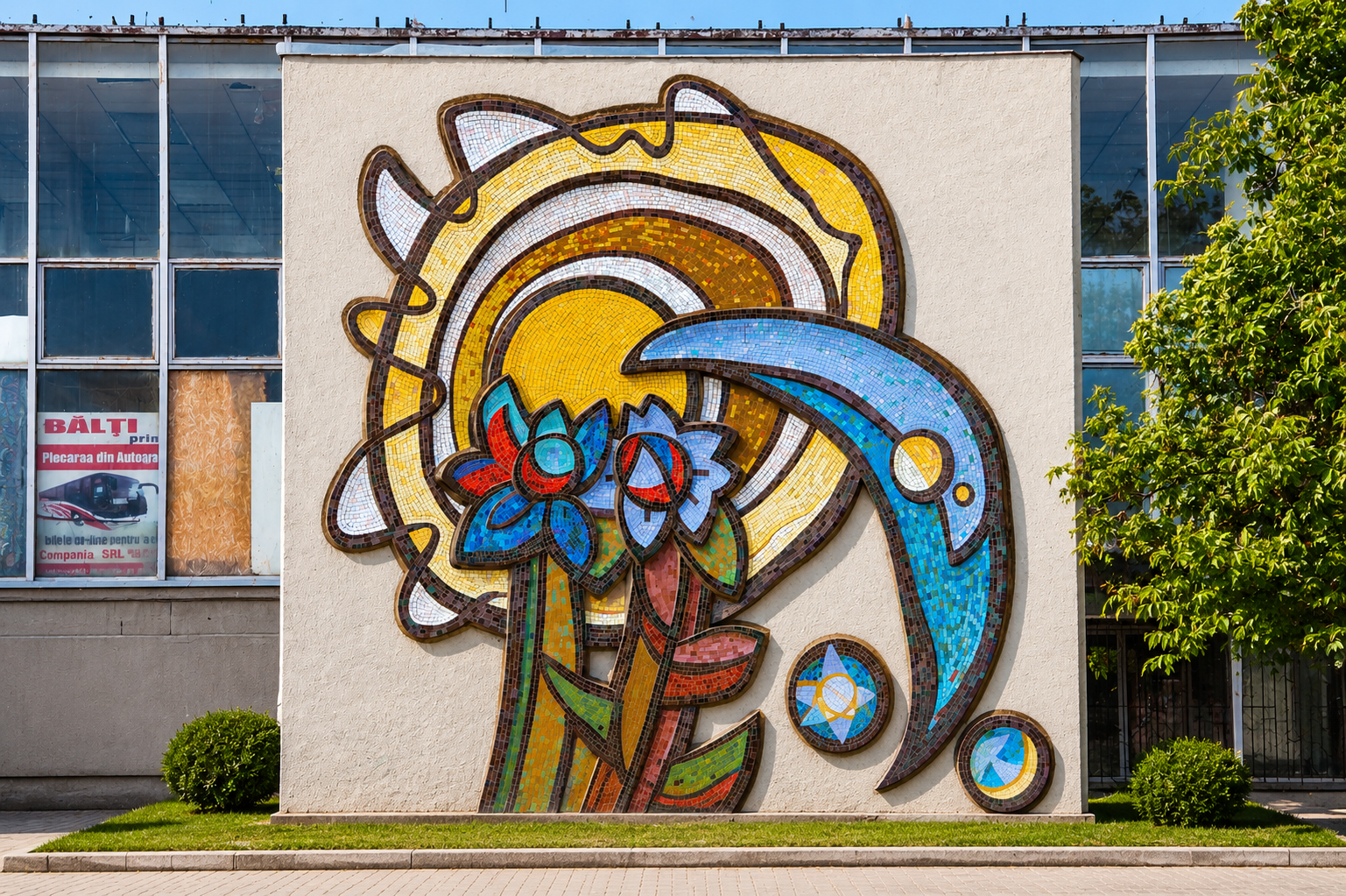
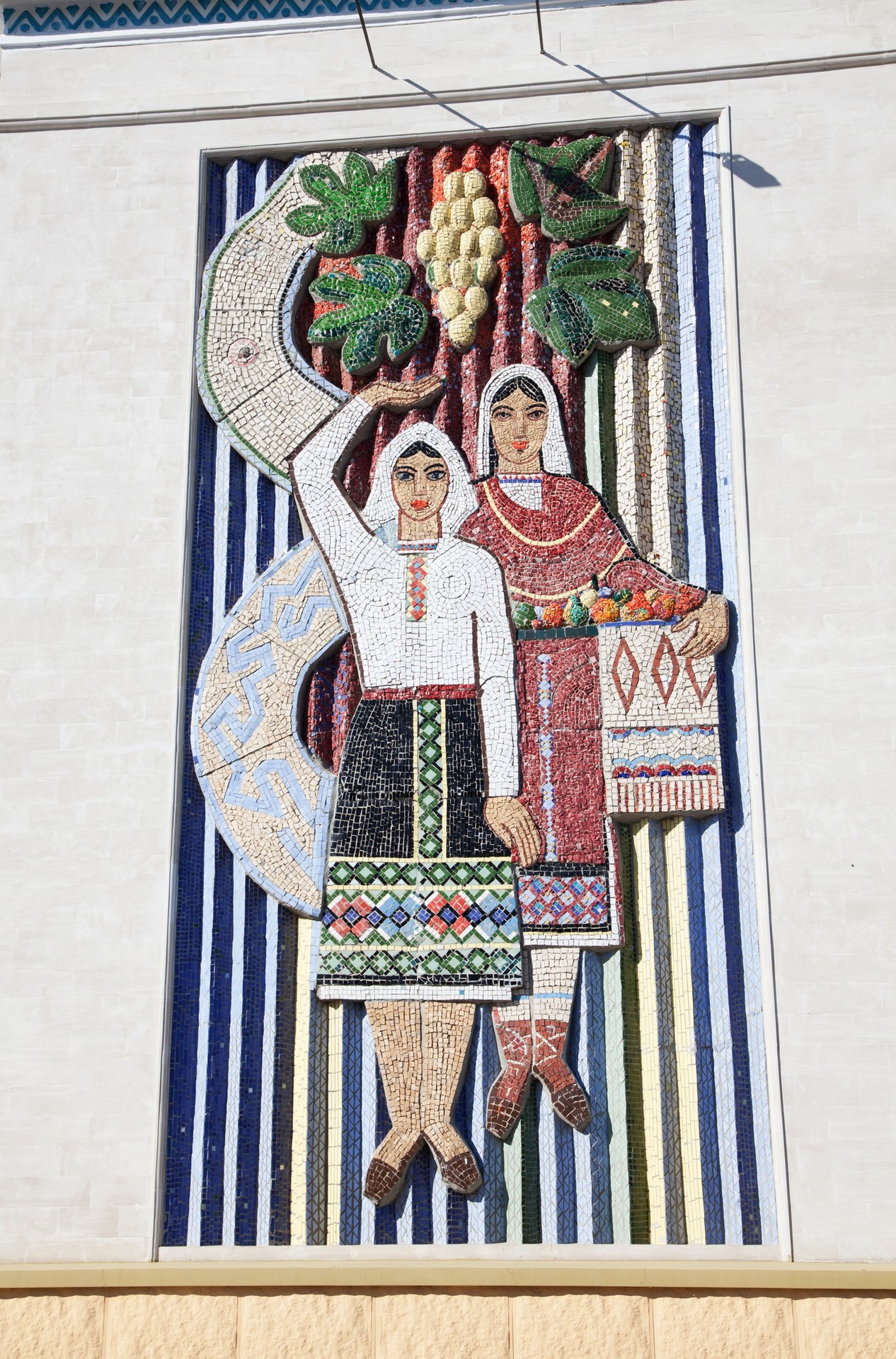
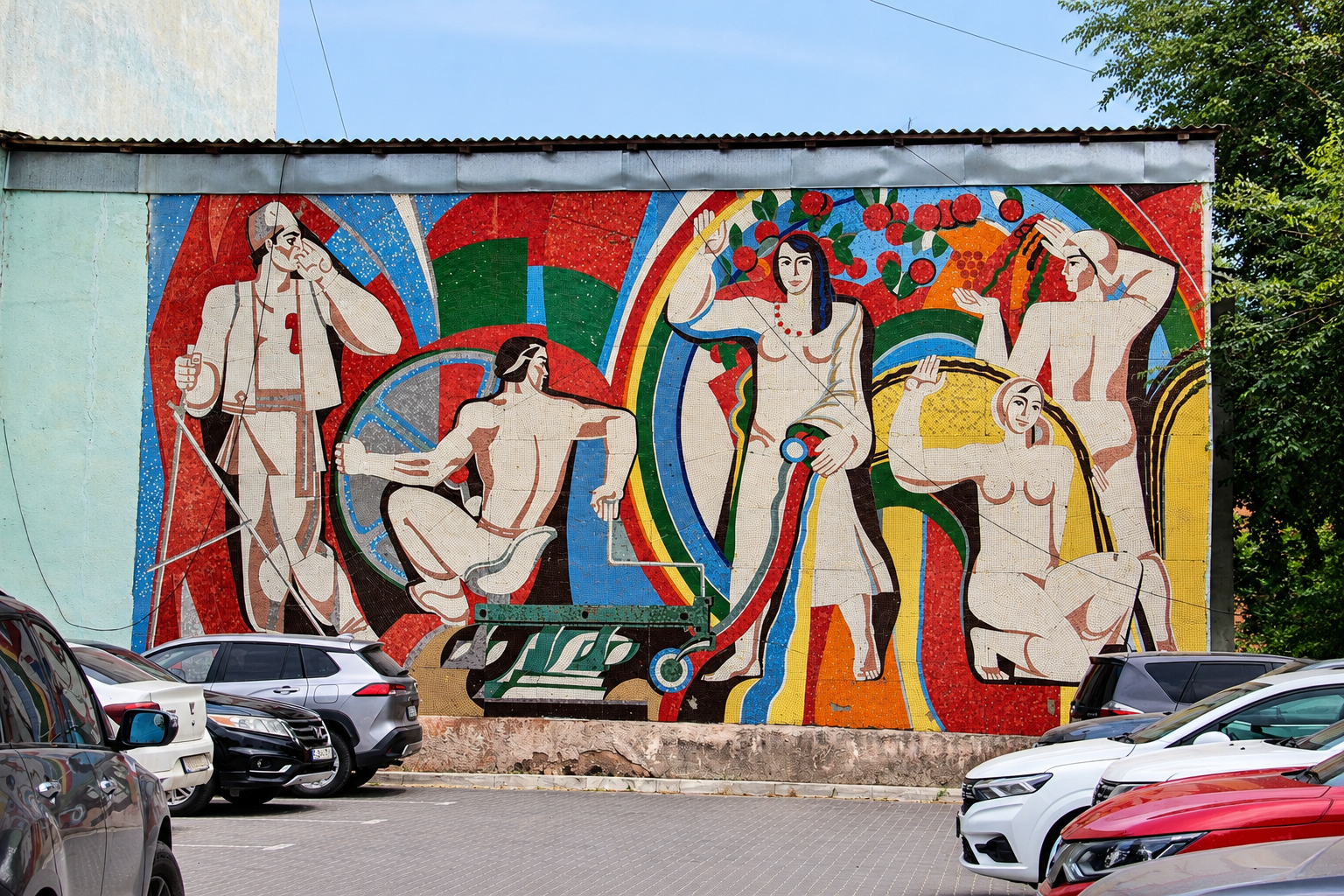
There are churches, monuments, colourful flowers and buildings from different periods and occasionally something quite unexpected, an old mosaic covering part of a building, for example.
Thousands of small pieces forming a picture that has remained there while the town around it has continued changing.
You might pass it without noticing if you are driving, but when you walk, it is difficult not to stop and take a closer look.
Away from the main streets, Ungheni becomes more residential.
Apartment buildings stand beside smaller houses, and courtyards are filled with
trees, gardens and the little details of everyday life.
Some playgrounds are colourful and modern, while others have clearly been part of the neighbourhood for many years.
You may find yourself walking down a street simply because it looks interesting and without having any particular destination in mind.
Sometimes of quite often that is the best way to discover a town.
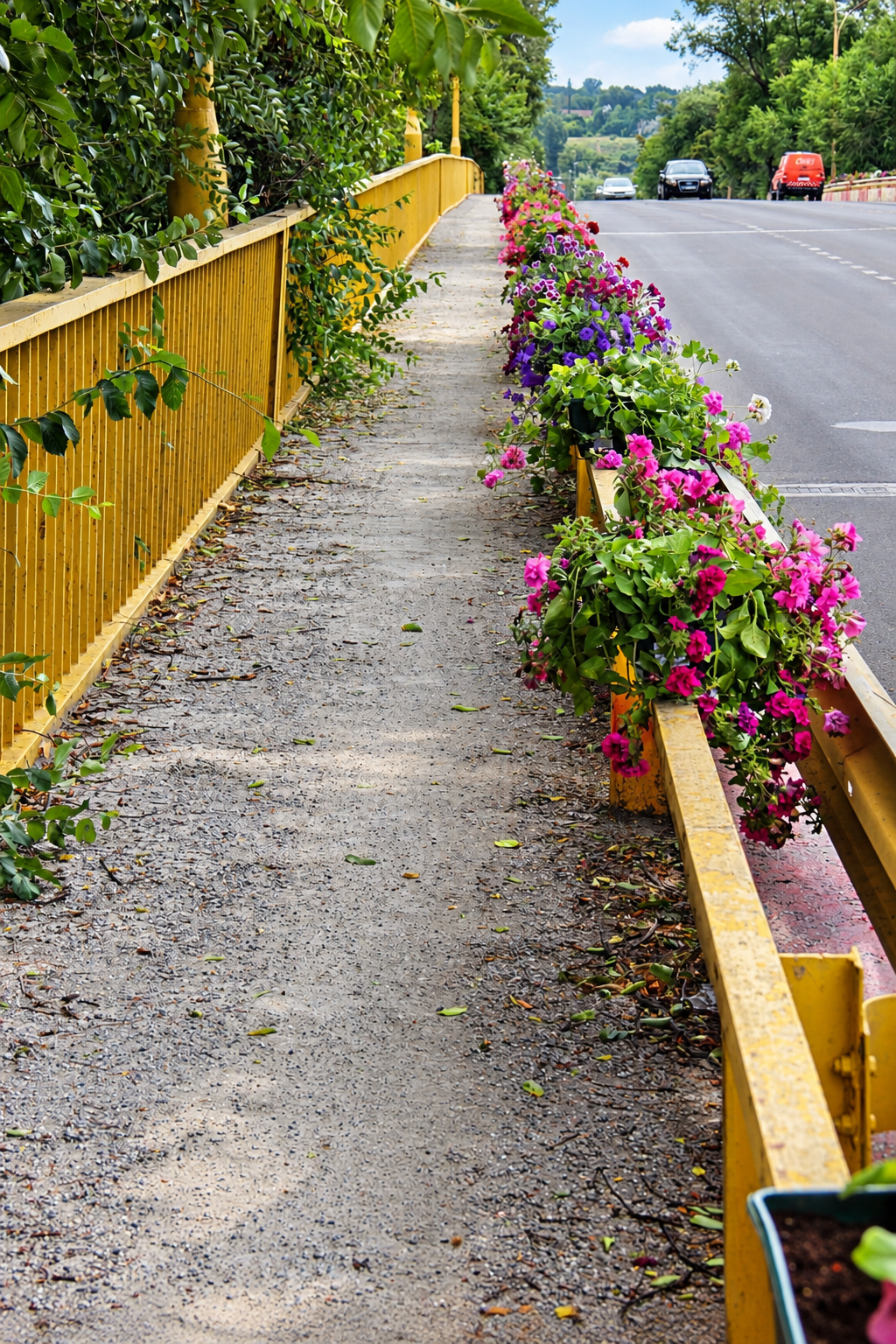
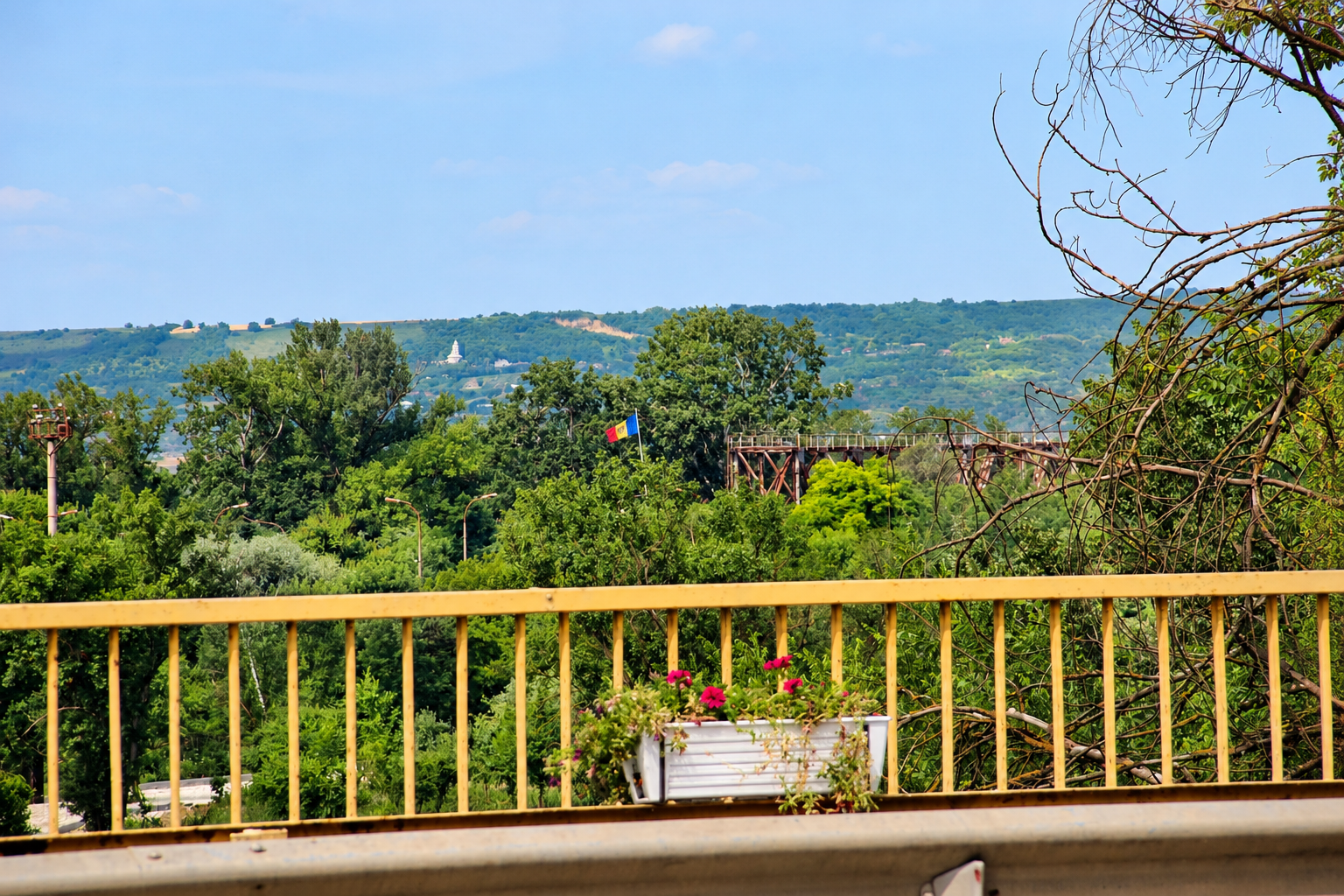
One of Ungheni's best-known landmarks is the Eiffel Bridge, crossing the Prut between Moldova and Romania.
The railway bridge was constructed in the 19th century and is associated with the engineering work of Gustave Eiffel.
It belongs to a time when railways were changing Europe, connecting towns, industries and countries in ways that had previously been difficult.
And here.. Just beside the Prut, the bridge became part of Ungheni's own history.
It is still an international railway crossing, so you cannot simply wander onto it with your camera.
A little unfortunate for those of us who like photographing everything, but
understandable. ;-)
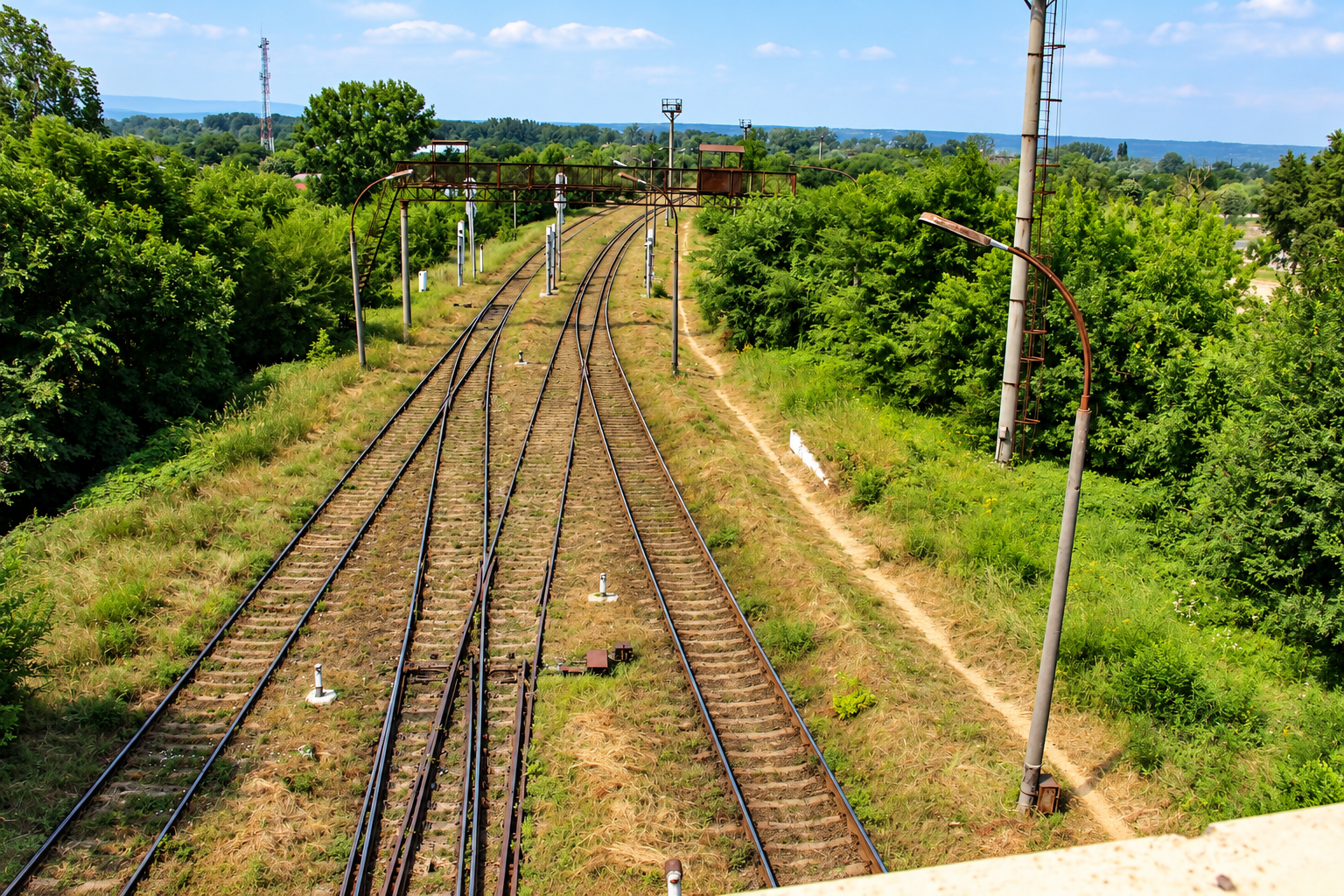
The railway has been a big part of Ungheni for generations, and you will find reminders of it beyond the bridge itself.
There are railway buildings, tracks and old equipment that tell something about the town's past.
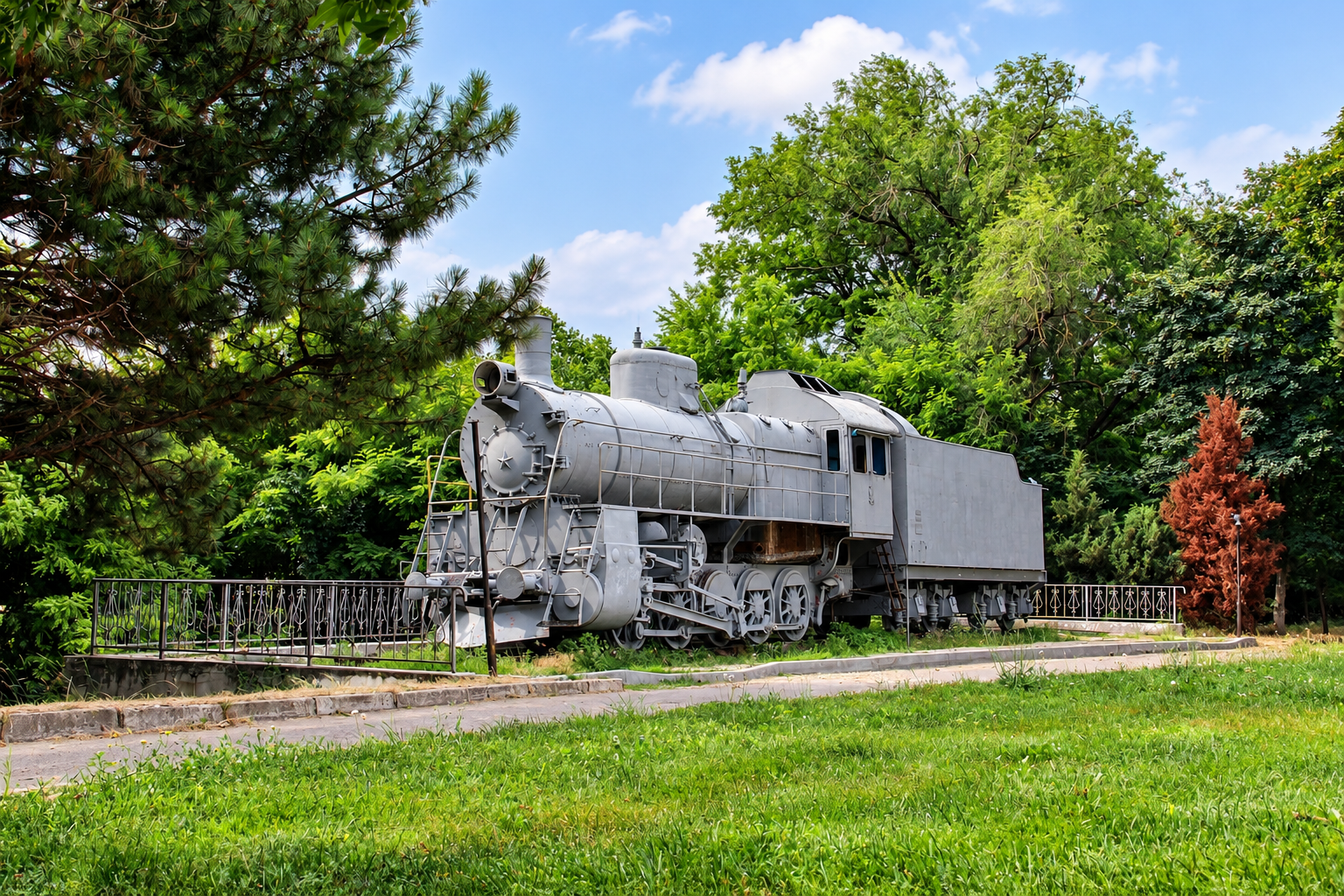
An old locomotive is especially interesting to look at.
You will start noticing the enormous wheels, the metalwork, the pipes and all the little details that once had a practical purpose and it is difficult not to imagine the noise, the steam and the people working around these machines when they were
still in service.
And then you look around and realise how much the world has changed and the trains may be different today, but Ungheni is still a railway town.
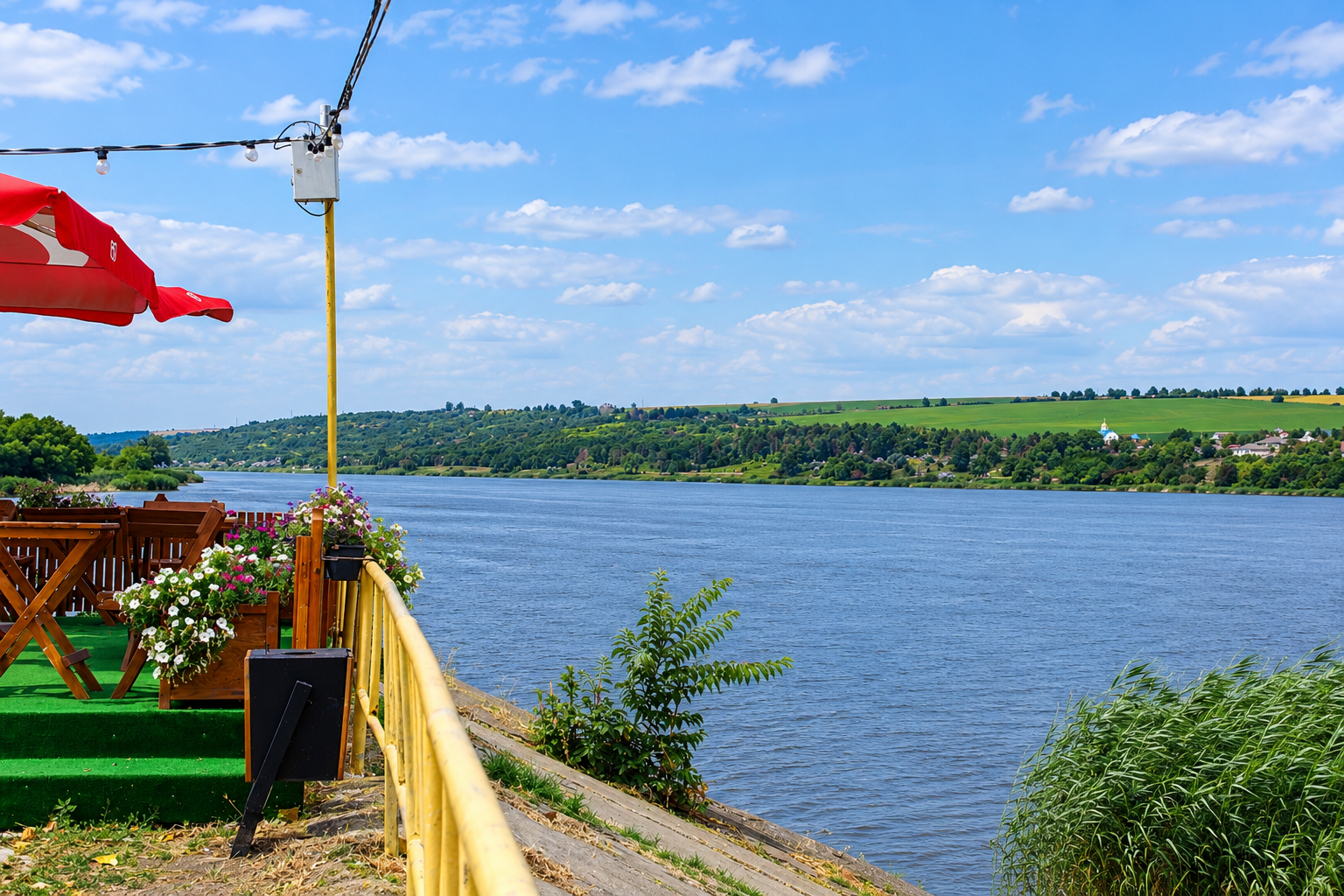
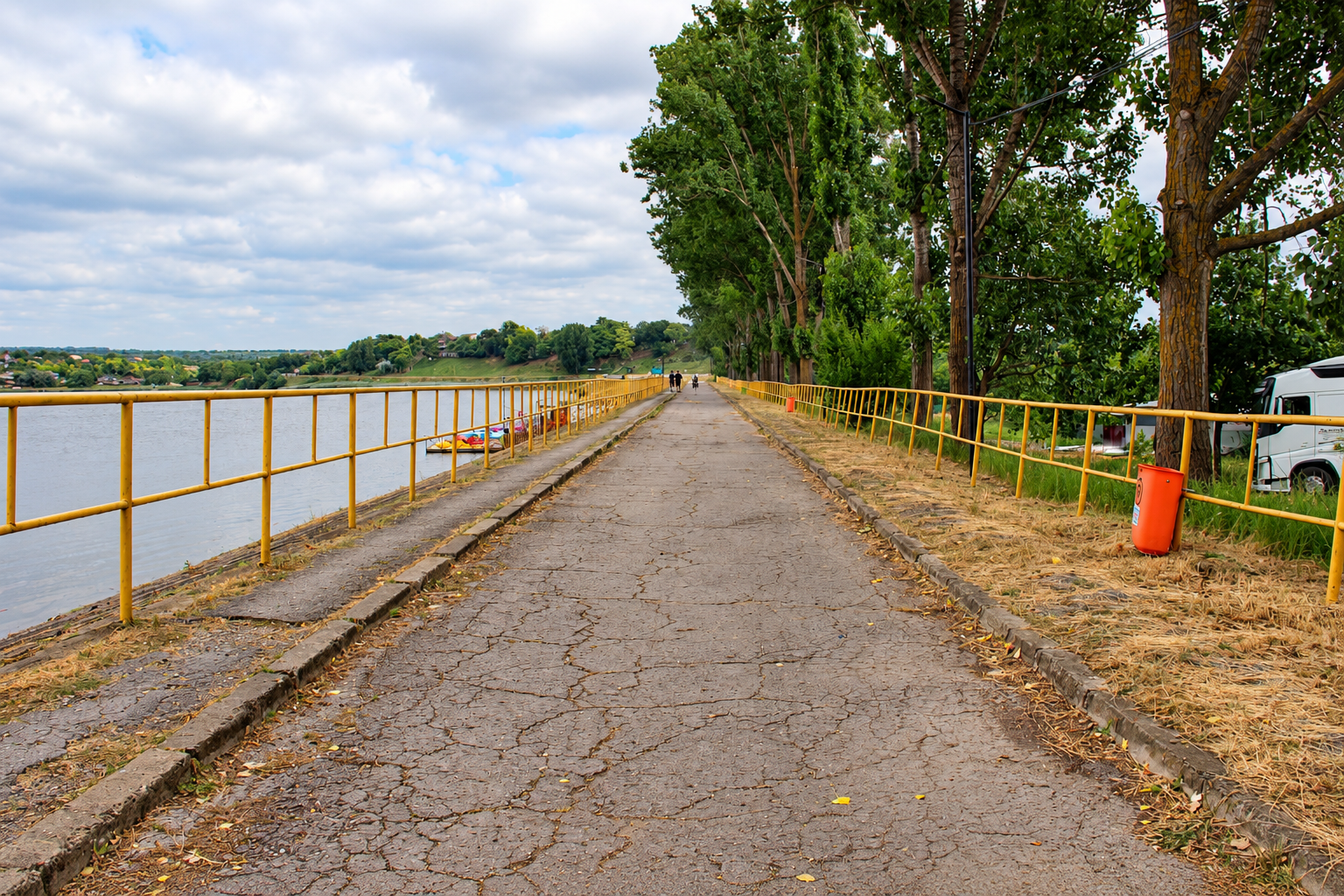
Lake Delia is one of those places in Ungheni where you might plan to spend half an hour and suddenly realise that several hours have passed.
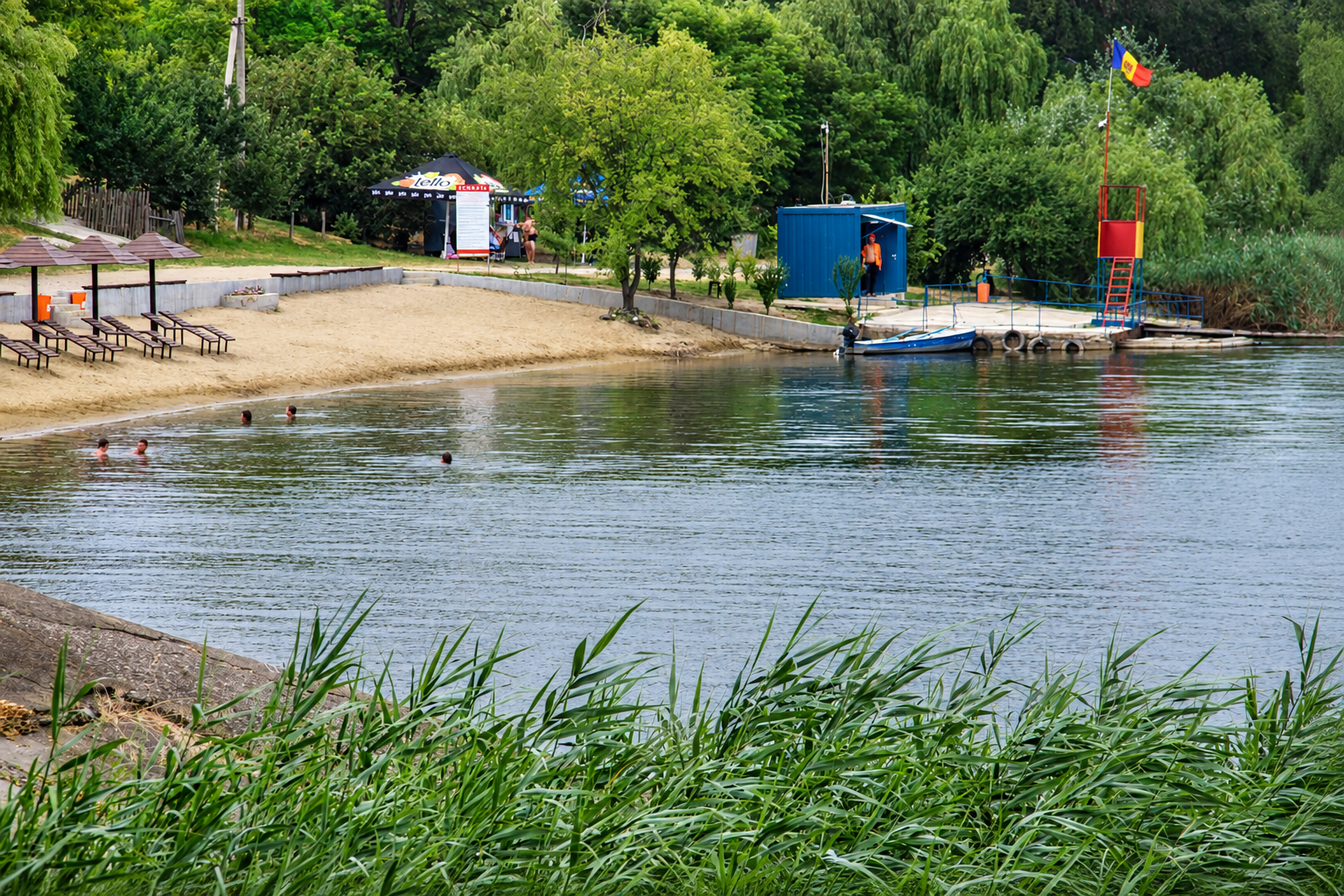
The lake is quite large, stretching more than three kilometres, with reeds along the water, green hills in the distance and houses visible on the opposite shore.
A long path follows the lakeside, with tall trees providing shade along the way.
There are places to sit, enjoy something to eat or drink, and simply watch what is happening around you and you will also find a sandy beach with sun
loungers, parasols and a lifeguard tower.
For those who prefer walking to lying in the sun, there is plenty of space to explore.
One particularly interesting feature is the small island, reached by a pedestrian suspension bridge.
On the island are walking paths and gazebos where families and friends can spend time together.
The bridge itself is worth seeing, especially if you enjoy photographing places from slightly different angles and when you have finished walking, perhaps a coffee or an Icecream beside the lake would be a good idea.
After all, nobody said that exploring Moldova had to be exhausting. 😄
Ungheni has several sides, and they are quite different from one another.
There is the railway history, the Eiffel Bridge and the Prut River, with Romania on the other side and then there are the churches, mosaics, monuments and streets filled with trees.
The residential neighbourhoods, where people go about their ordinary lives, and Lake Delia, where you can spend time walking beside the water.
And somewhere between all these places, you start to get a feeling for Ungheni, the town and area itself.
Not everything needs to be an attraction.
Sometimes a pleasant street, a little conversation or a place to enjoy a coffee is enough, so don't be in too much of a hurry when visiting Ungheni.
There is no reason to see only the railway bridge and continue driving but give the town a little of your time and perhaps bring an extra battery for your camera. 😄
Ungheni a devenit un important centru de transport și comerț în secolul al XIX-lea, în special odată cu
construirea podului feroviar peste râul Prut, în anul 1877.
Asociat adesea cu lucrările inginerești ale lui Gustave Eiffel, podul a conectat rețelele feroviare și a
deschis noi oportunități pentru comerț, călătorii și comunicare între regiuni.
Acesta a contribuit la transformarea orașului Ungheni într-un important punct de trecere, apropiind
oamenii și comunitățile de pe ambele maluri ale râului.
-
Ungheni became an important transport and trading centre during the 19th century, particularly with the
construction of the railway bridge across the Prut River in 1877.
Often associated with the engineering work of Gustave Eiffel, the bridge connected railway networks and
opened new opportunities for trade, travel and communication between regions.
It helped shape Ungheni into an important crossing point, bringing people and communities on both
sides of the river closer together.