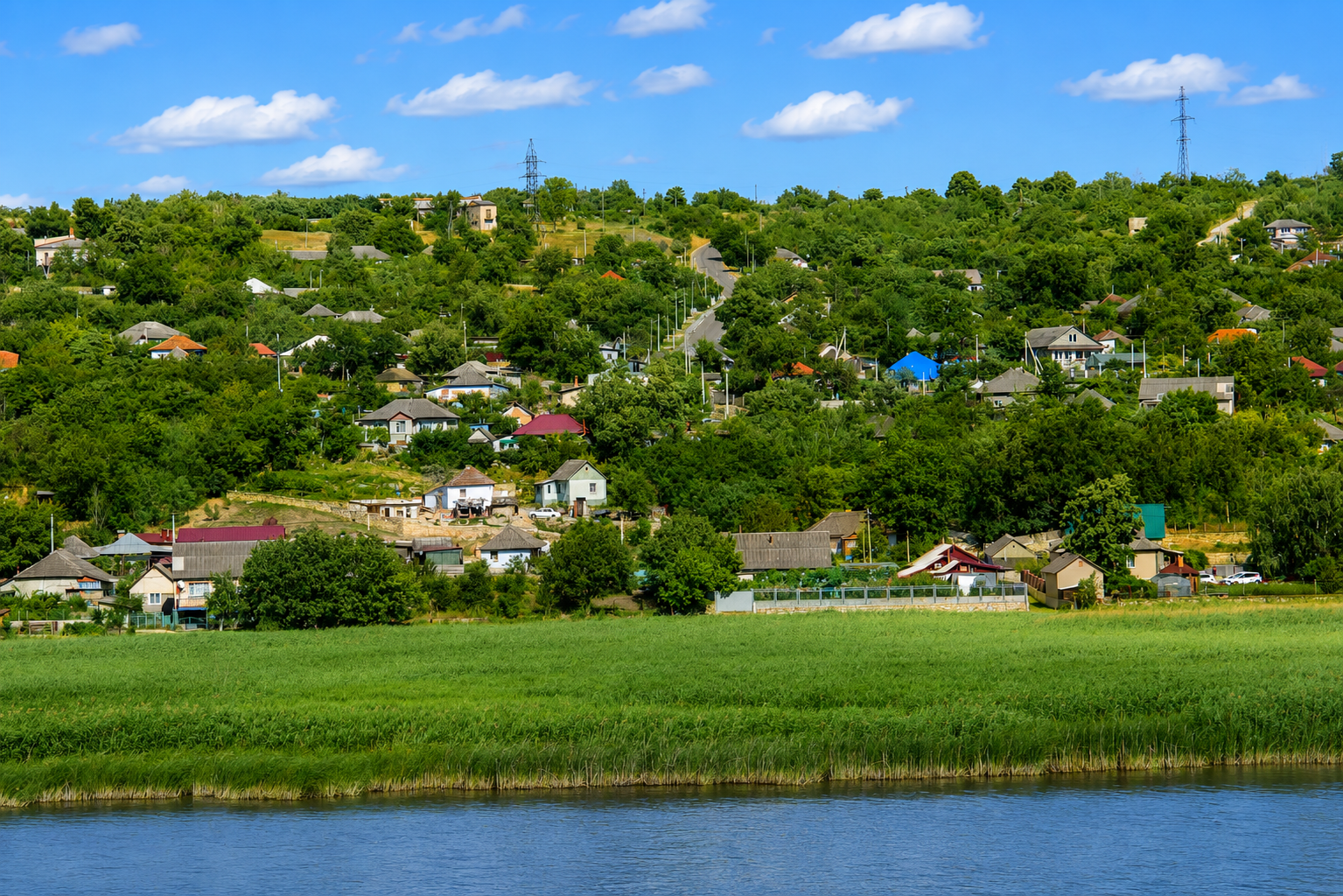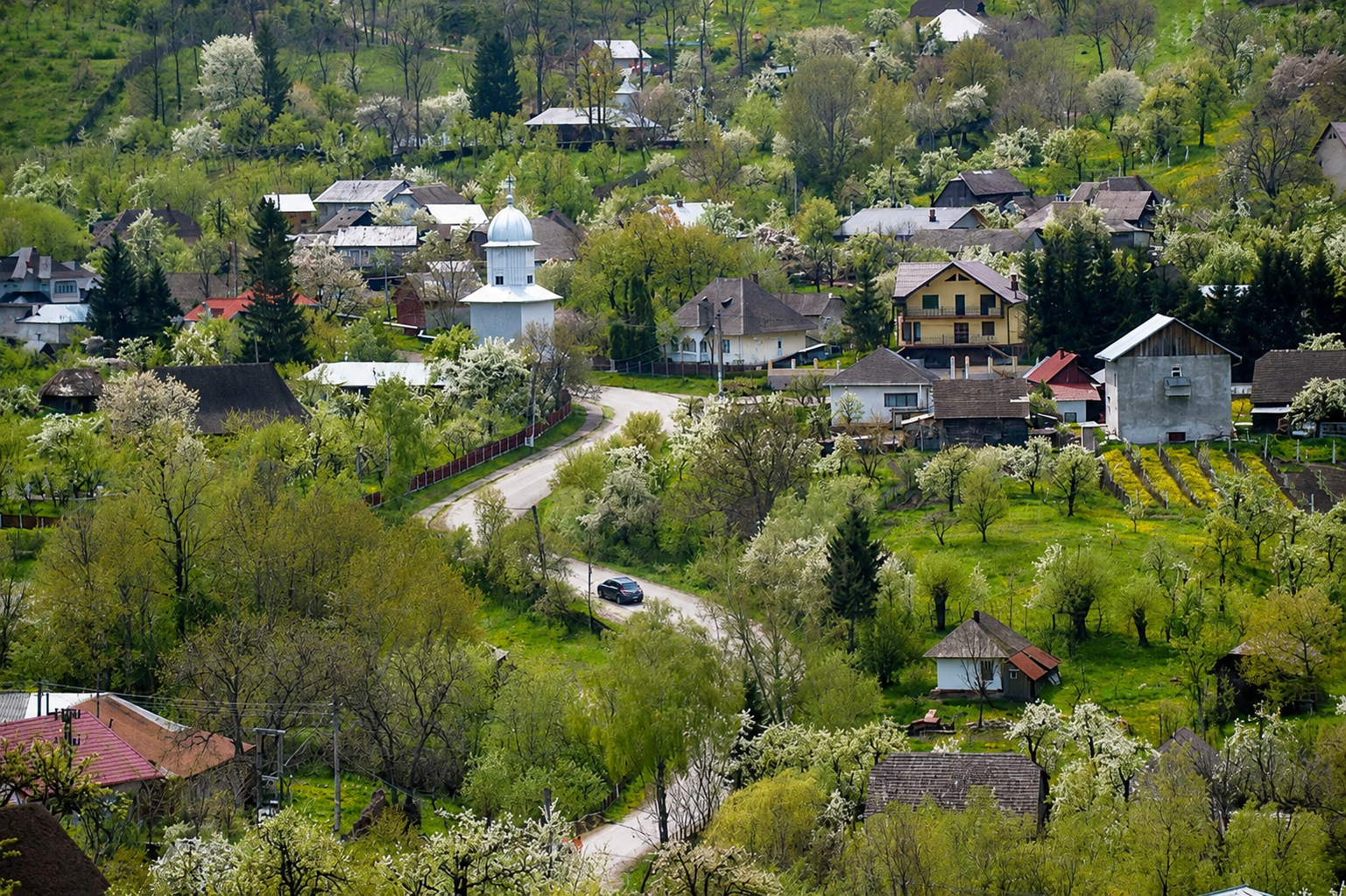
In Căușeni, some of the most interesting places are easy to overlook and from a distance, the town appears quiet and uncomplicated.
Only when you begin exploring the streets and learning more about its history, does some of its most remarkable stories and landmarks begin to appear.
Căușeni lies in the south-east of Moldova and is home to around 15,000 people.
First mentioned in the 16th century, the town grew gradually alongside the communities, farms, and trade routes that shaped this part of the country.
The countryside has always been close due to its open fields which surround the
town, and beyond the streets the landscape quickly opens toward farmland and distant horizons.
For generations, people have travelled these roads, worked the land, and built their lives here, creating a connection between the town and its surroundings that is still easy to notice today.
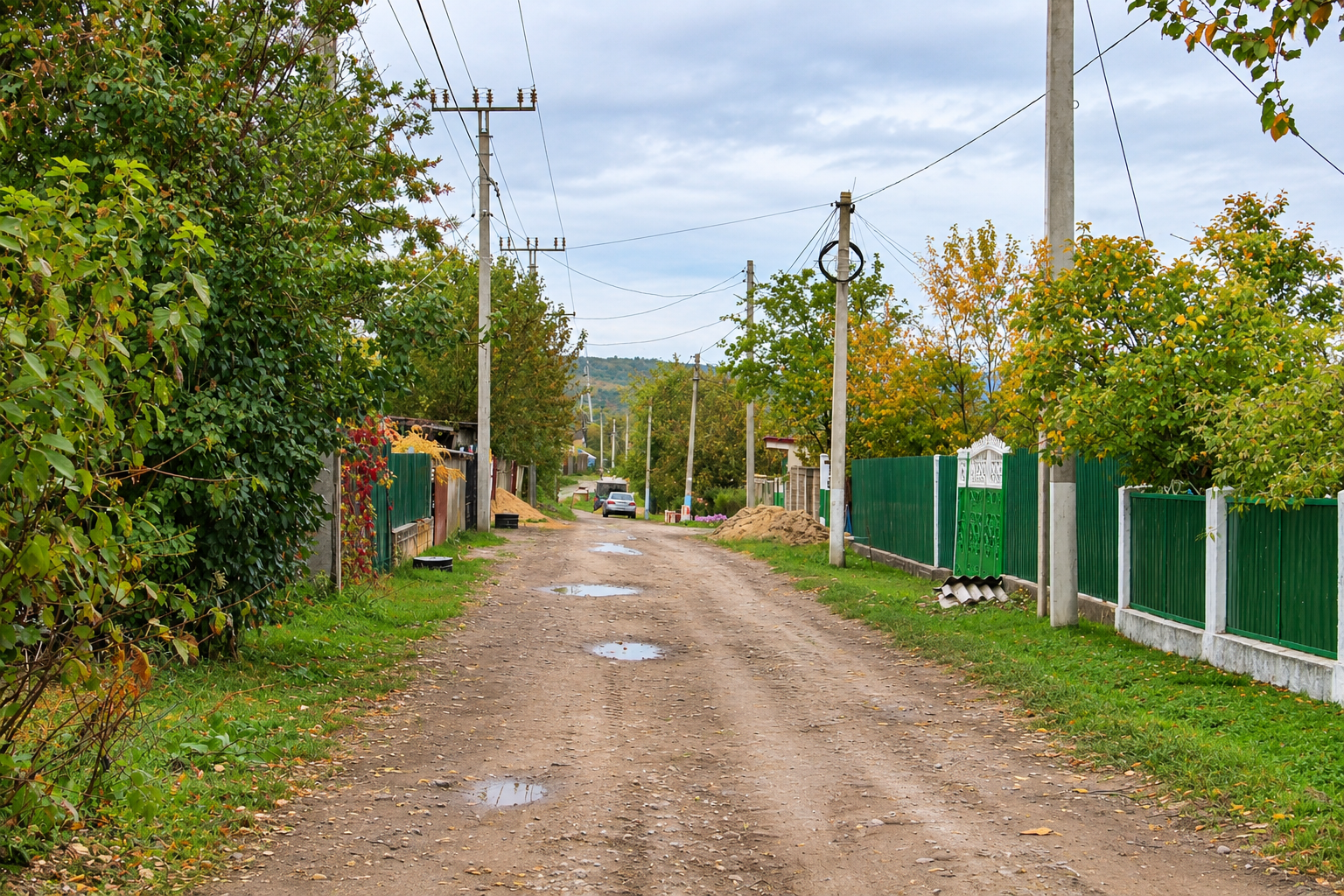
The town unfolds gradually through residential streets, small shops, public-
buildings, and neighbourhoods where people have known one another for generations.
The buildings are generally modest and practical, shaped by the needs of the people who use them rather than by grand design.
Walking through Căușeni, it is often the overall impression you remember rather than any single building - a town that feels familiar, lived in, and closely connected to the people who call it home.
And then, among the streets and houses, you come across something unexpected.
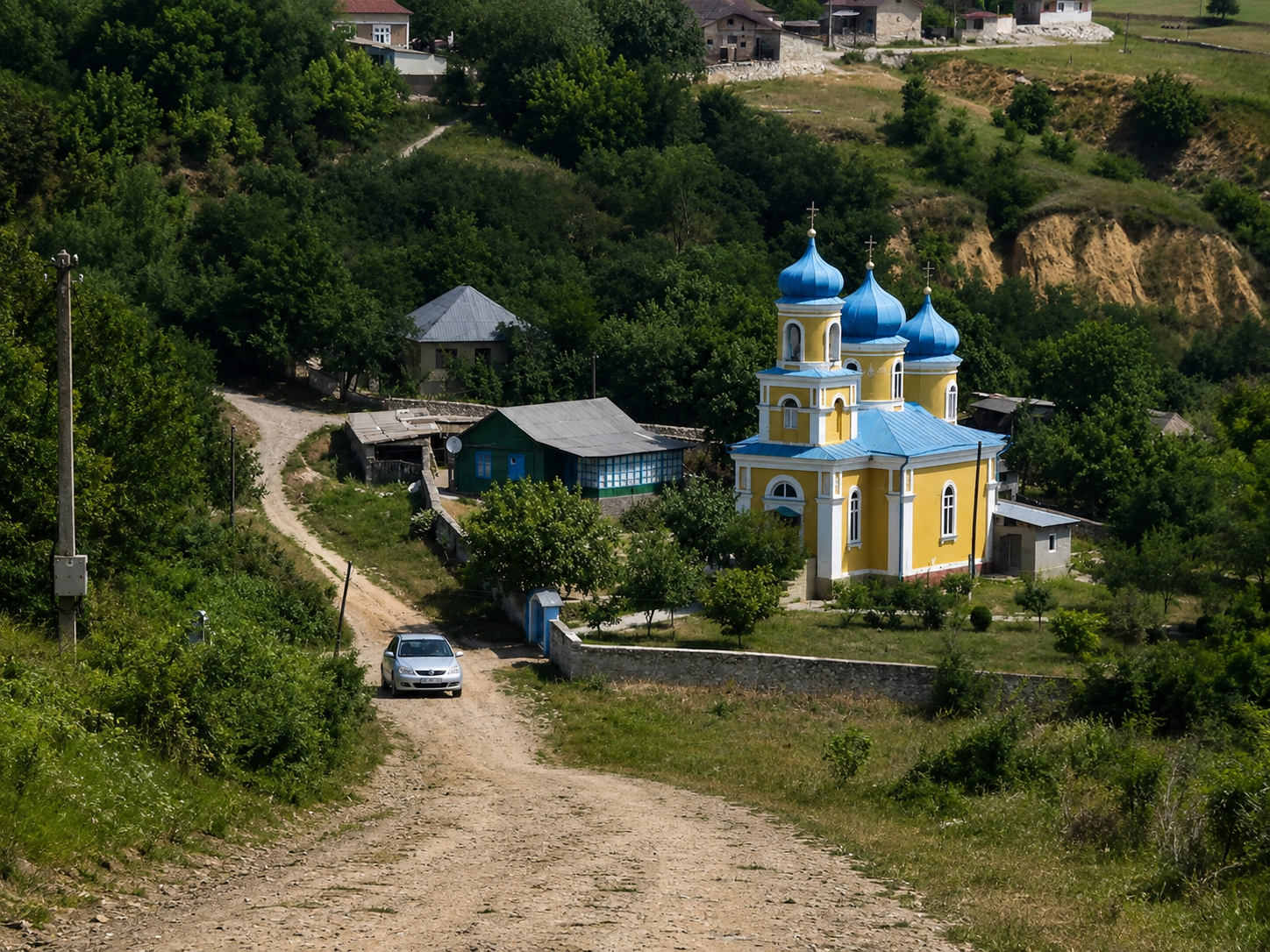
The Church of the Assumption in Căușeni does not dominate the town skyline or rise above the surrounding buildings.
Instead, much of it sits below ground level, making it appear smaller and more discreet than many churches found elsewhere in Moldova.
It is easy to pass nearby without fully realizing what stands there.
Yet once you learn its history and step closer, the church quickly becomes one of the most remarkable places in the town.
From the outside, it is easy to underestimate what stands here.
Only after stepping inside does the church reveal why it is considered one of the most remarkable places in Căușeni.
The frescoes, the history, and the atmosphere leave a stronger impression than the modest exterior first suggests.
Outside, life in Căușeni continue as it always has.
Cars pass along the streets, people go about their day, and the town carries on around a place that has quietly stood here for centuries.
Inside, the experience is very different.
The walls are covered with frescoes, filled with colors, figures, and details that have survived for centuries.
Every surface seems to tell part of a larger story, drawing the eye from one painting to the next.
Light enters through the small windows and falls unevenly across the interior.
Some parts of the paintings are illuminated, while others remain in shadow, creating an atmosphere that feels both intimate and memorable.
The church is not impressive because of its size, but because of what it contains and how unexpectedly it appears within such a modest building.
Along the Prut River, the surroundings take on a different character.
The water moves quietly between the riverbanks, reflecting the sky and the open countryside around it.
Reeds sway along the shore, birds cross above the river, and fishermen can often be seen waiting patiently beside the water.
The Prut has been part of this landscape for generations.
Villages, fields, and roads have grown alongside it, and its presence remains woven into the identity of the region.
Even today, the river feels less like a boundary and more like a familiar companion to the communities that live along its banks.
Around the church, people do their daily routines, cars pass through the streets, and life moves quietly through the town.
For many visitors, this is what Căușeni is remembered for.
Some of the town's most remarkable places are not the easiest to notice, but they are often the ones people remember long after they have left.
Frescele din interiorul bisericii au fost realizate de artiști locali și regionali în secolul
al XVIII-lea și sunt considerate astăzi printre cele mai valoroase exemple de pictură
murală religioasă din Moldova.
Sute de personaje, scene biblice și detalii decorative acoperă pereții, transformând
biserica nu doar într-un loc de rugăciune, ci și într-o mărturie remarcabilă a
istoriei și artei din acea perioadă.
-
The frescoes inside the church were painted by local and regional artists
during the 18th century and remain among the most valuable examples
of religious wall paintings in Moldova.
Hundreds of figures, scenes, and decorative details cover the interior, turning the
church into both a place of worship and a remarkable historical record of its time.