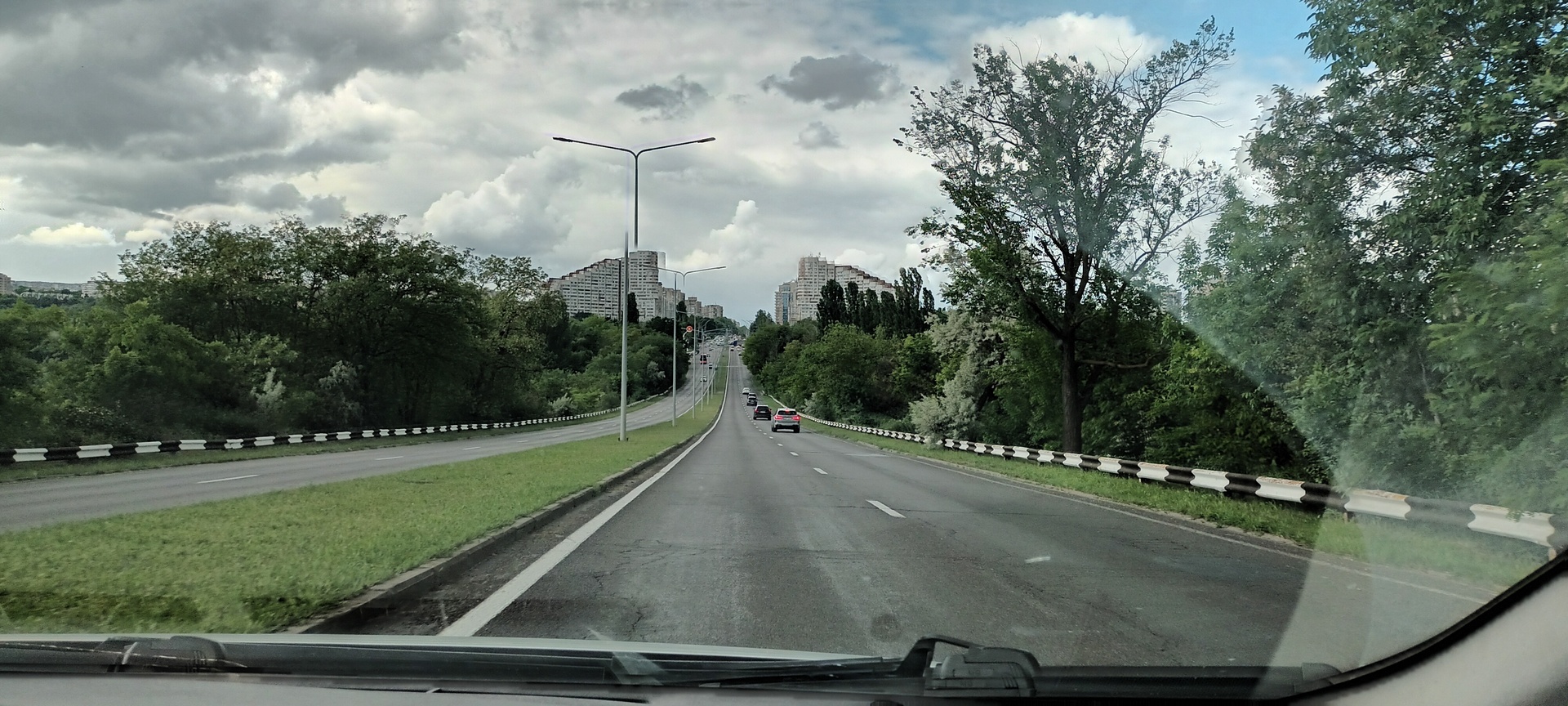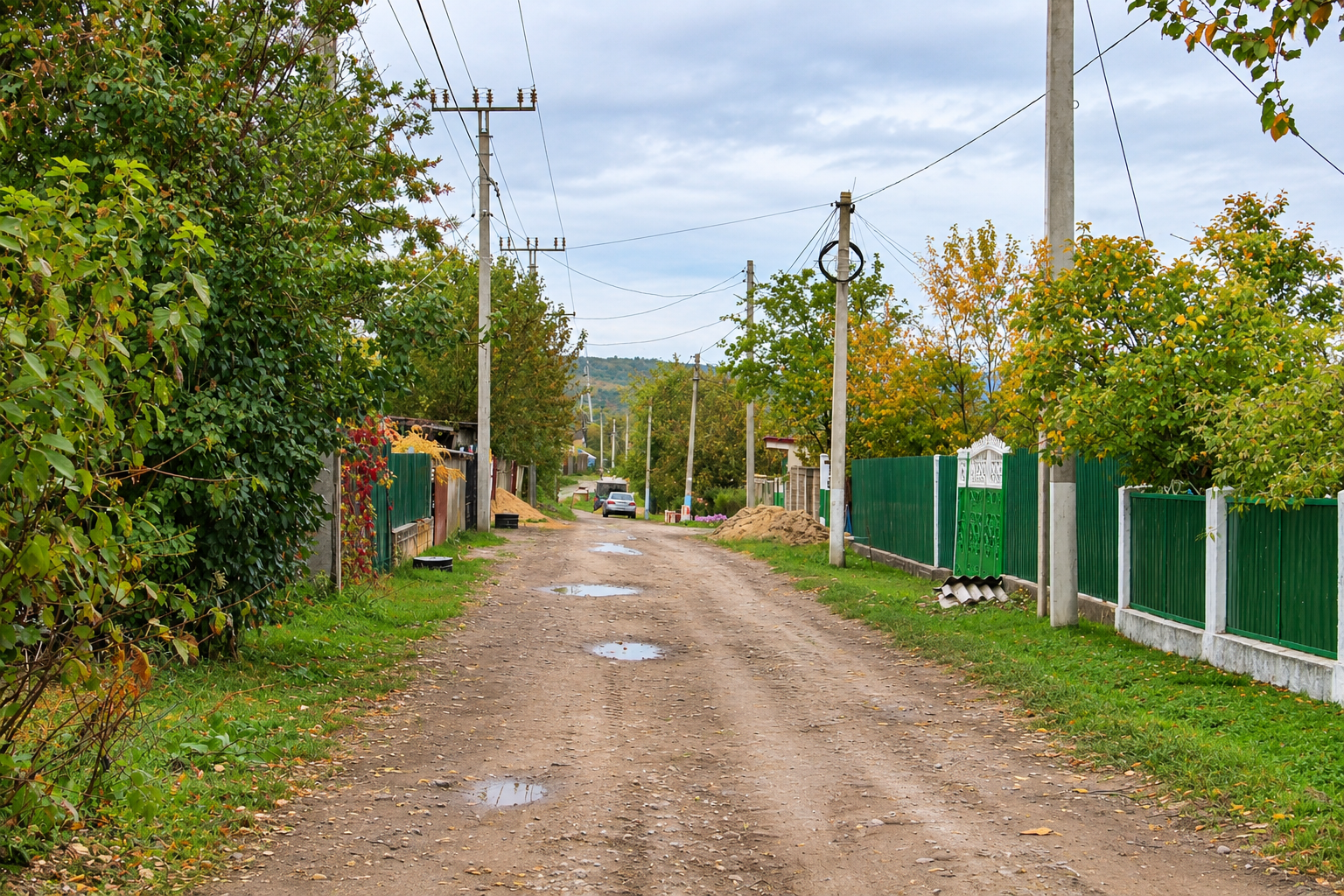
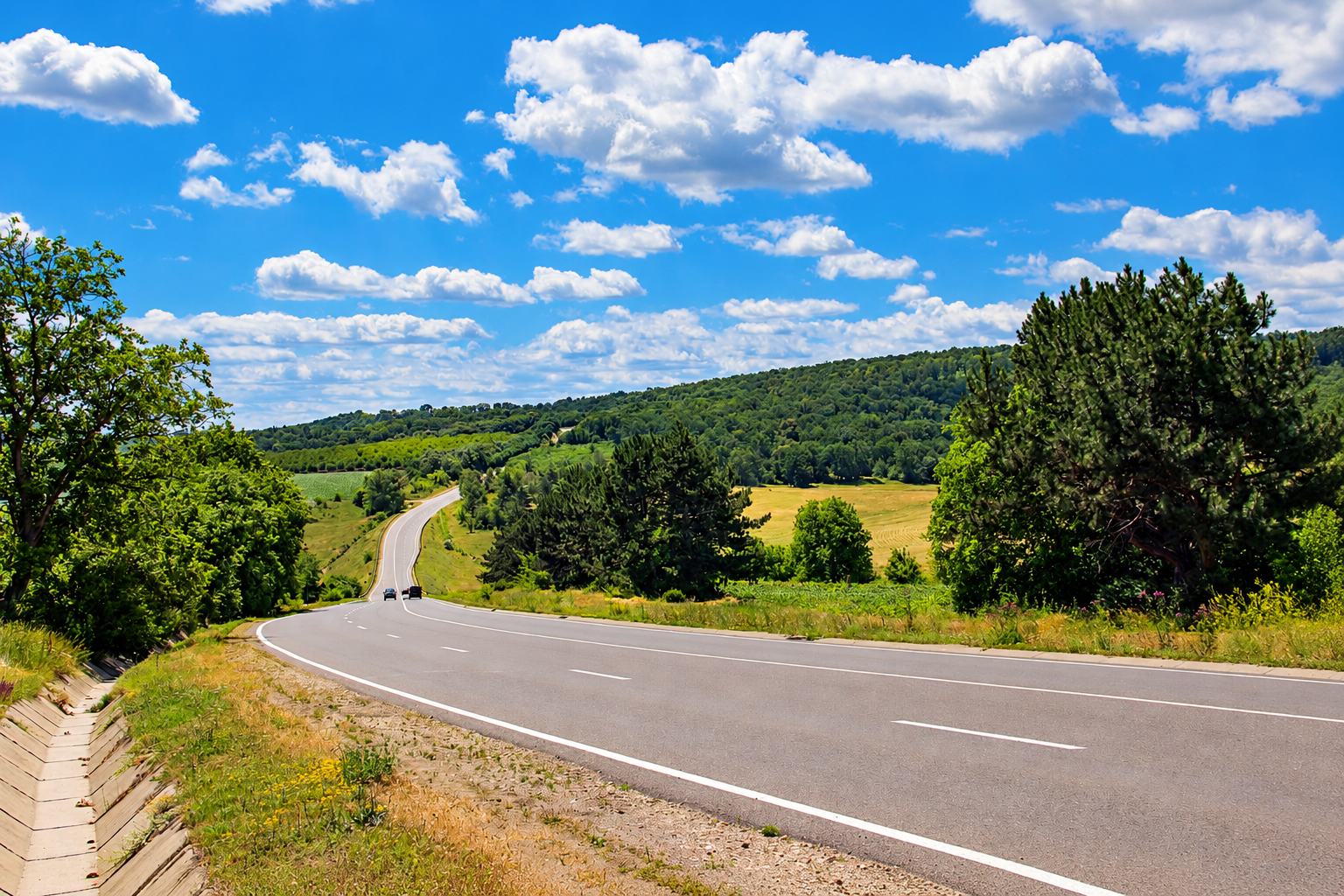
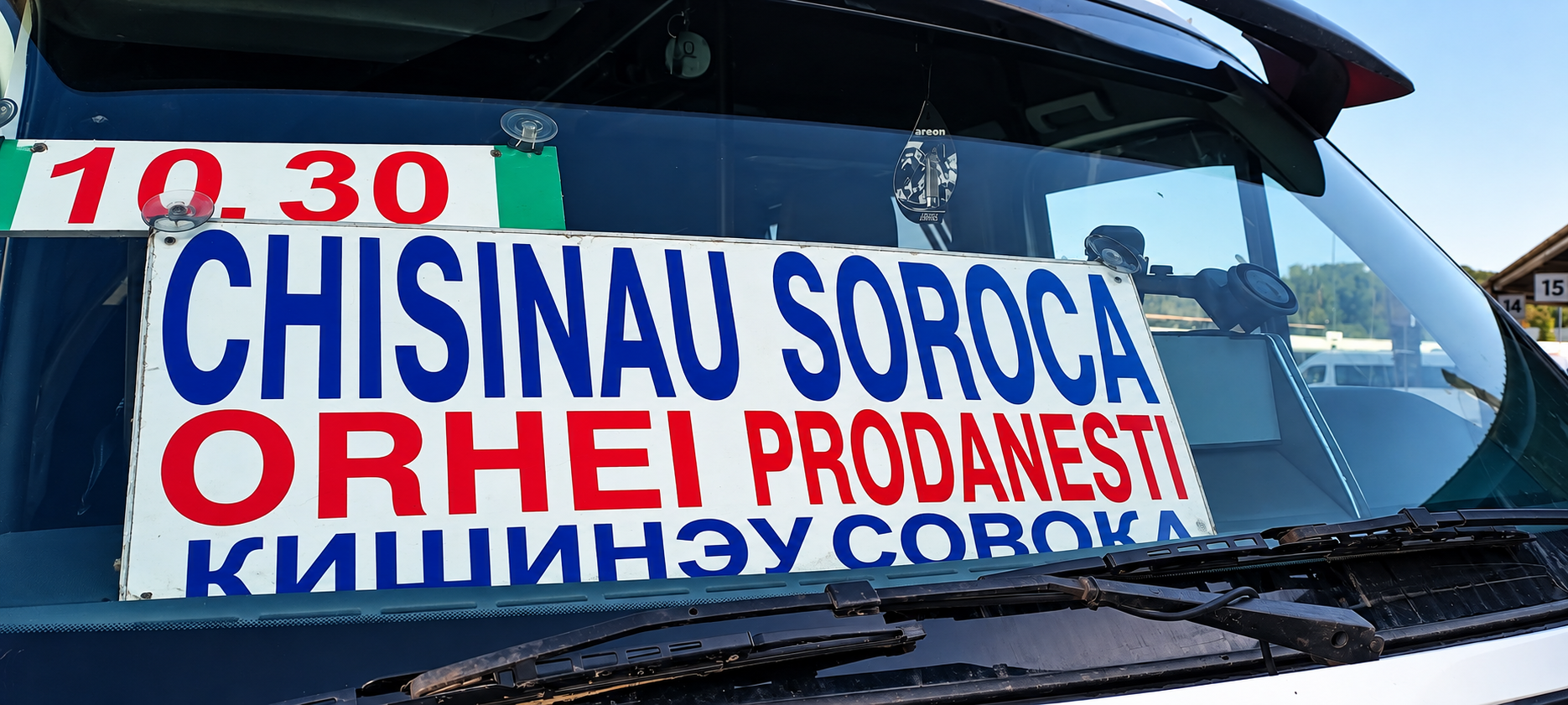
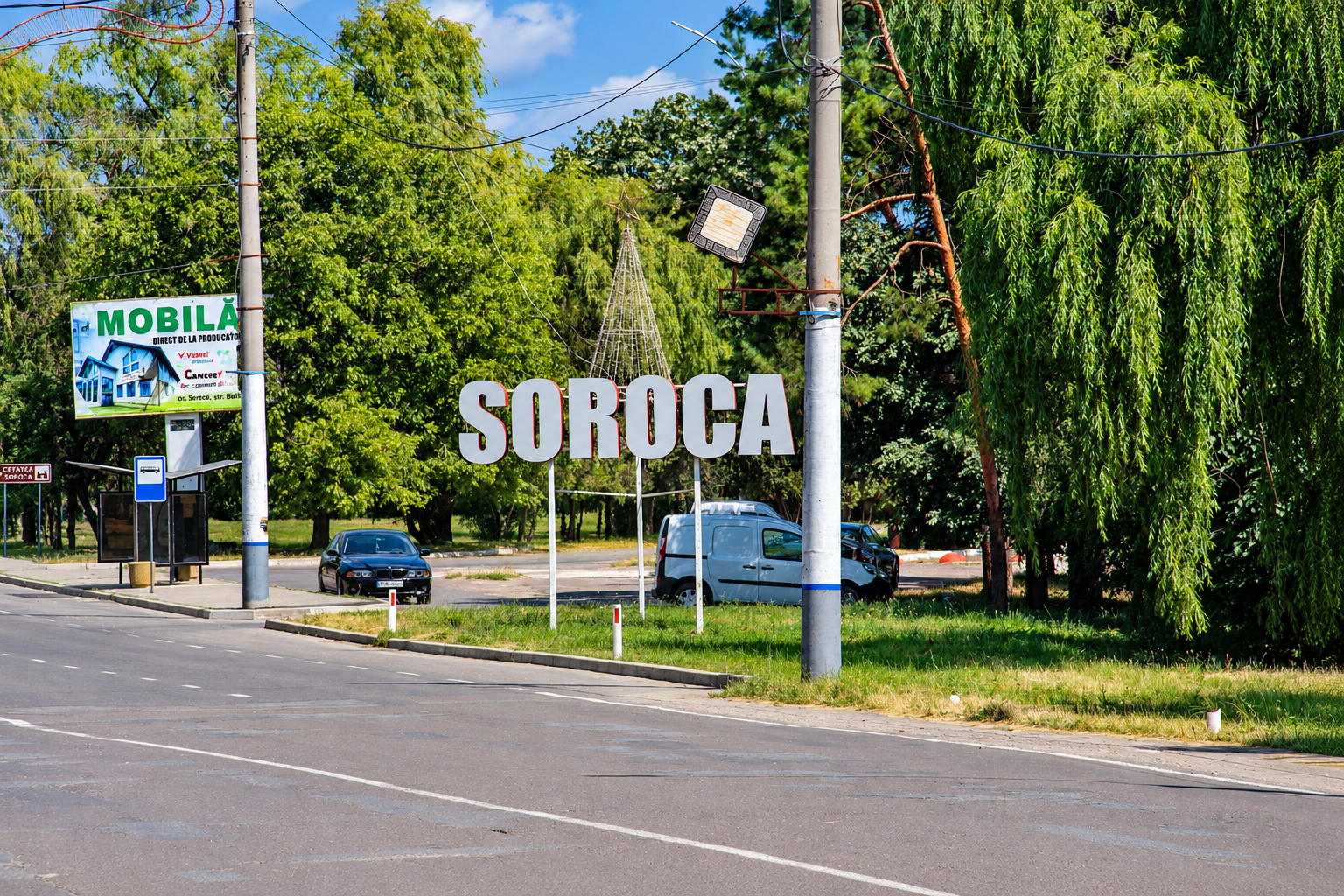
When driving downhill towards Soroca, the road feels surprisingly steep.
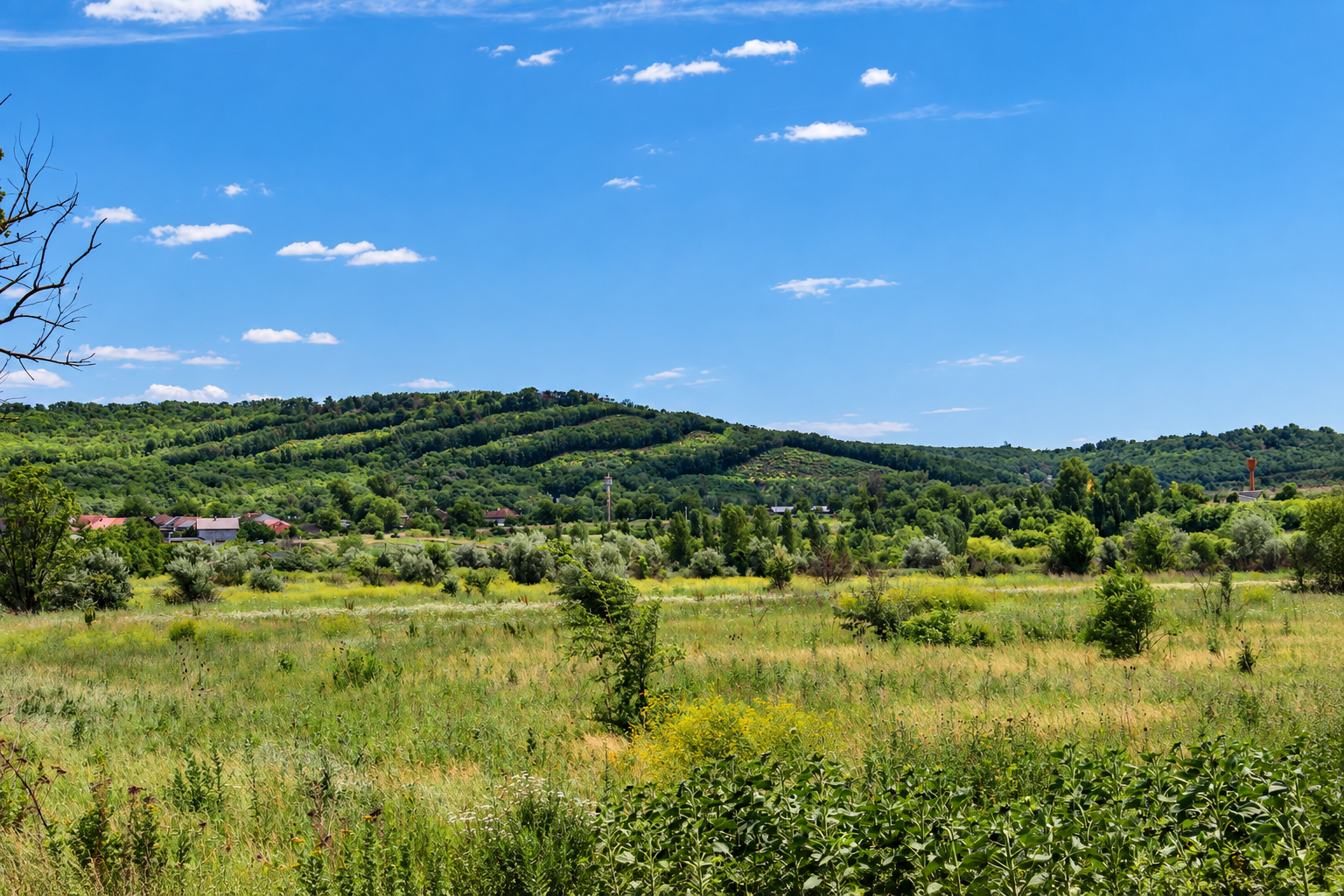
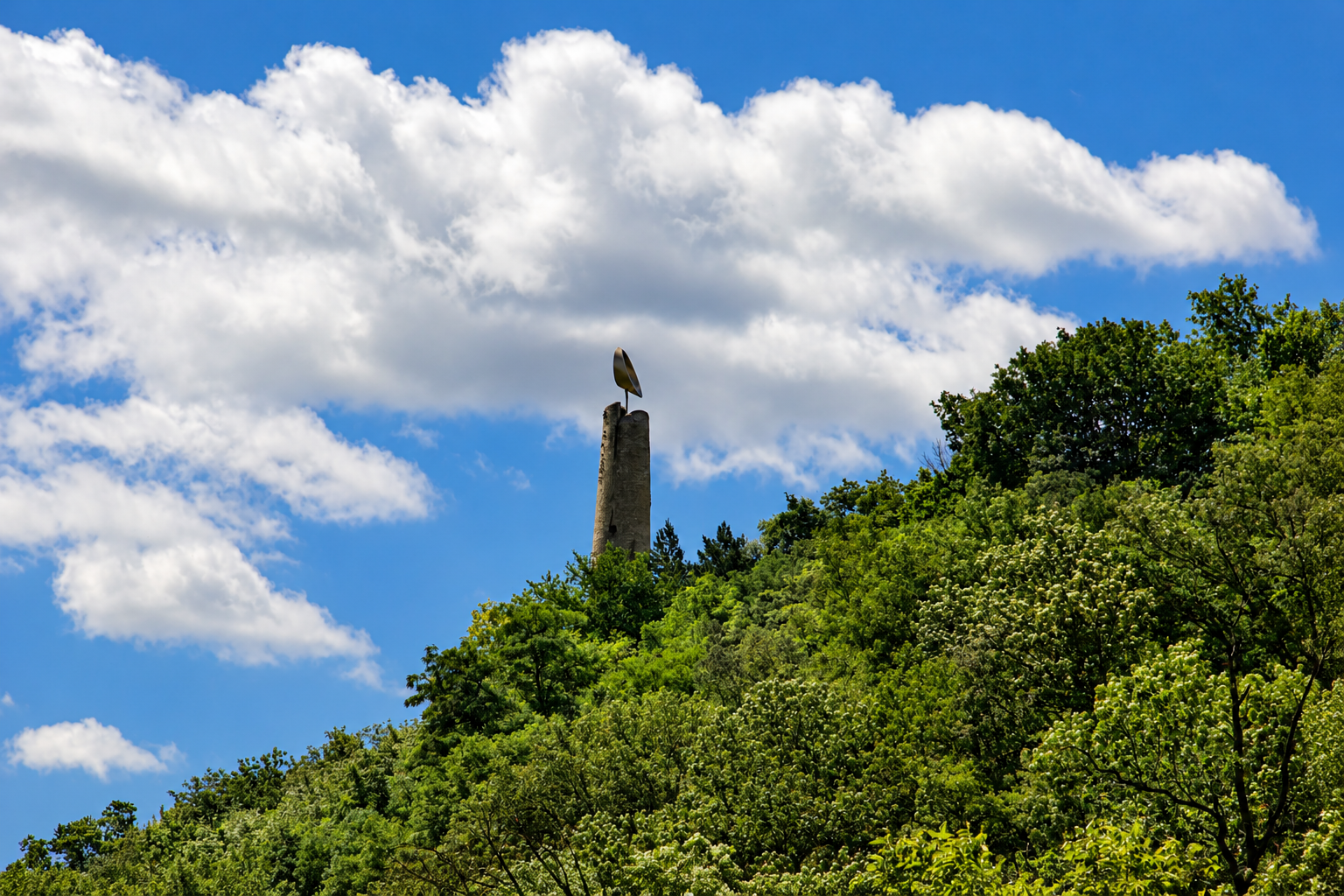
The town begins to appear ahead between the green hills, and high above you can already see the Candle of Gratitude.
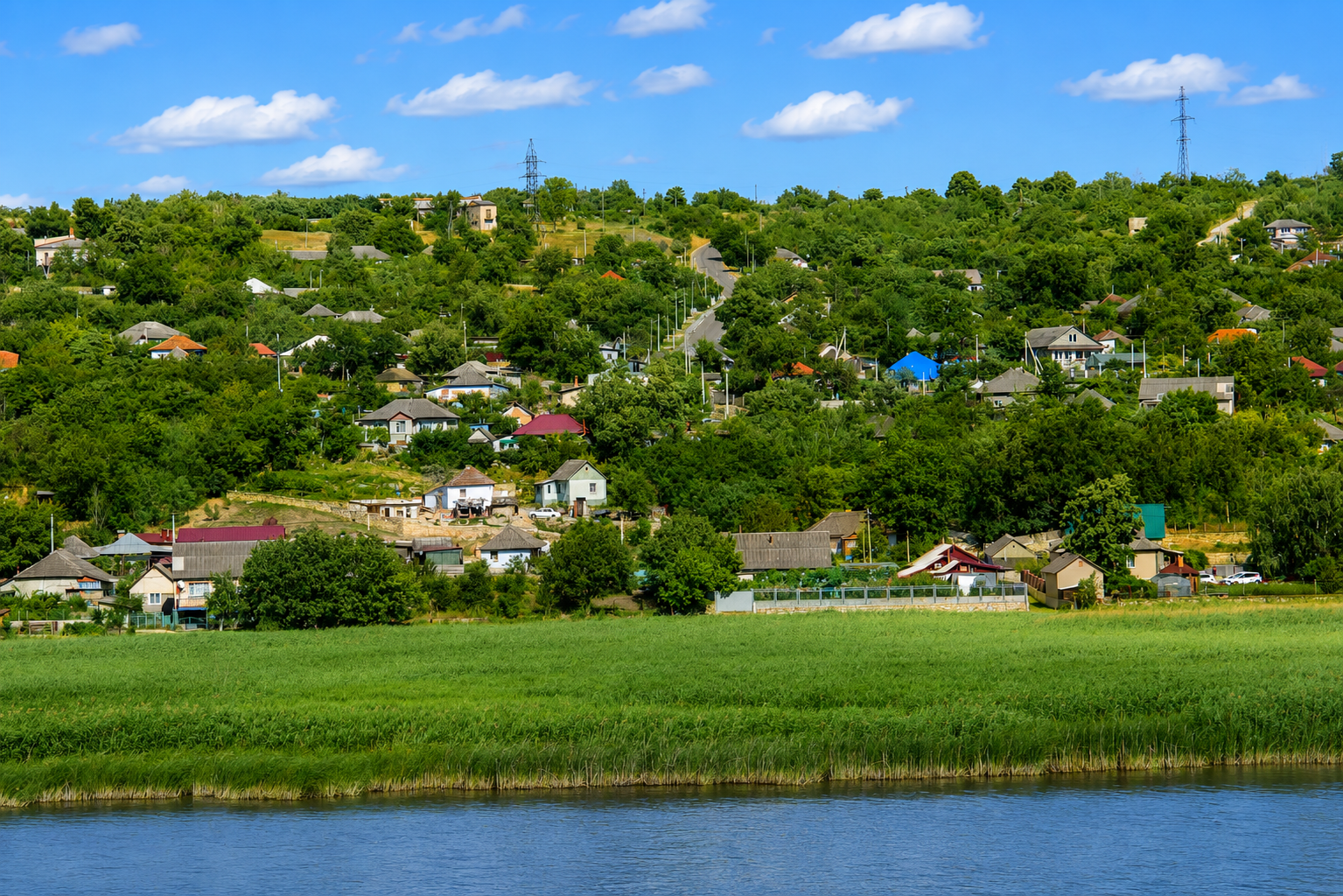
The road continues downhill, with more of Soroca appearing as you get closer and soon you arrive and are between the houses and streets of the town.
Soroca lies in northern Moldova, beside the Dniester River, and has around
21,000 people.
Its location beside the river has been important for centuries.
People and goods passed through this area, while Soroca also became important for the defence of medieval Moldavia.
Today it is one of the main towns in northern Moldova, with the Dniester still an important part of its surroundings.
Walking uphill towards Roma Hill is a small challenge of its own.
The streets become steeper, and after a while you begin to feel it in your legs and you look ahead thinking you must almost be at the top, but the road continues upwards.
Take your time and occasionally look behind you.
The higher you get, the more Soroca appears below, between the hills and-
houses, with the landscape continuing far beyond the town.
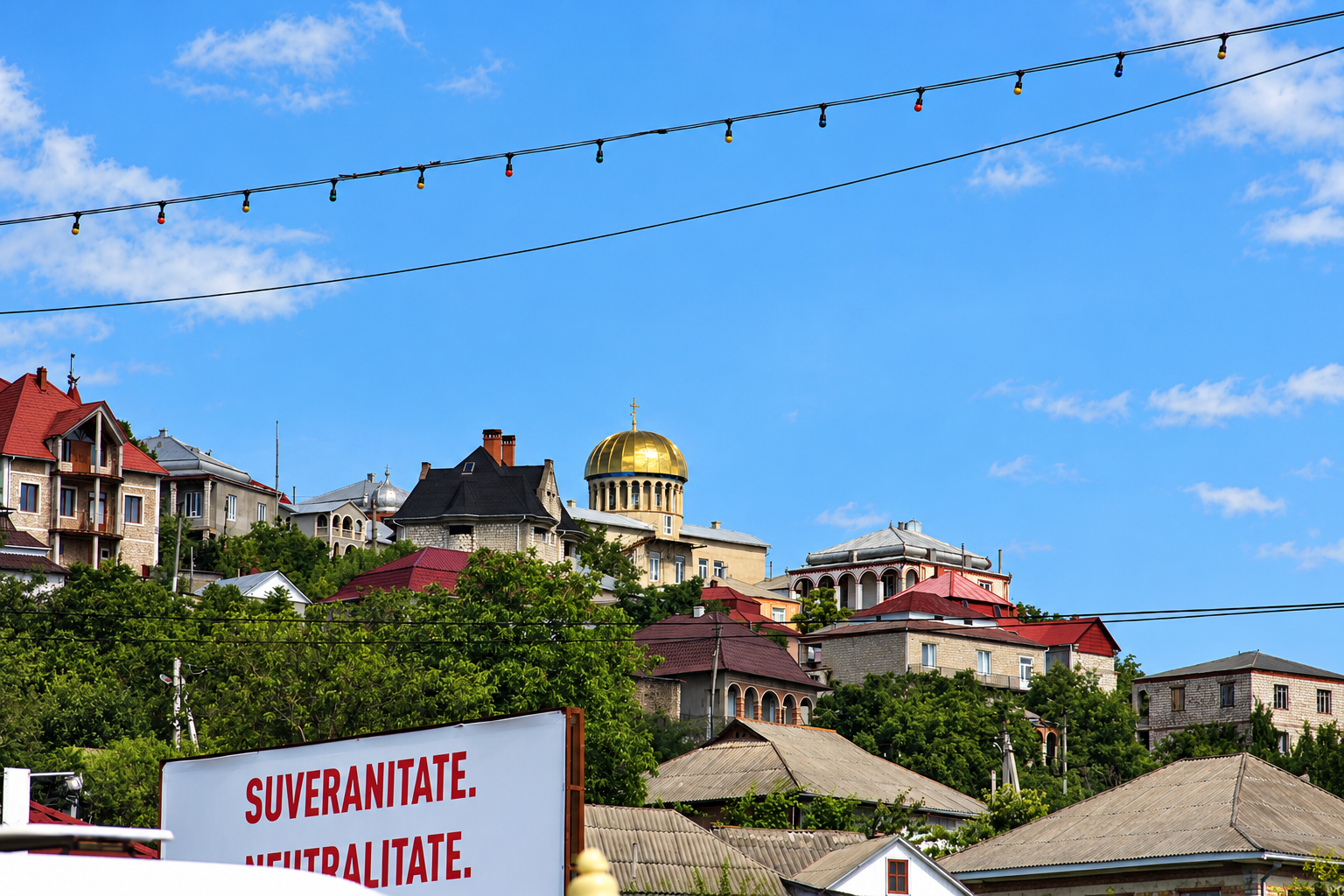
And then the houses around you begin to change, in a very different way.
Large houses appear along the streets, and it becomes difficult to know where to
look first.
There are columns, towers, balconies and arches and ornaments cover parts of the facades, statues appear above gates and on rooftops, and some houses have
taken inspiration from famous buildings and architectural styles from other parts
of the world.
One house can look completely different from the one beside it and sometimes you stop simply because you noticed another detail you did not see at first.
The centre is quite easy to walk around.
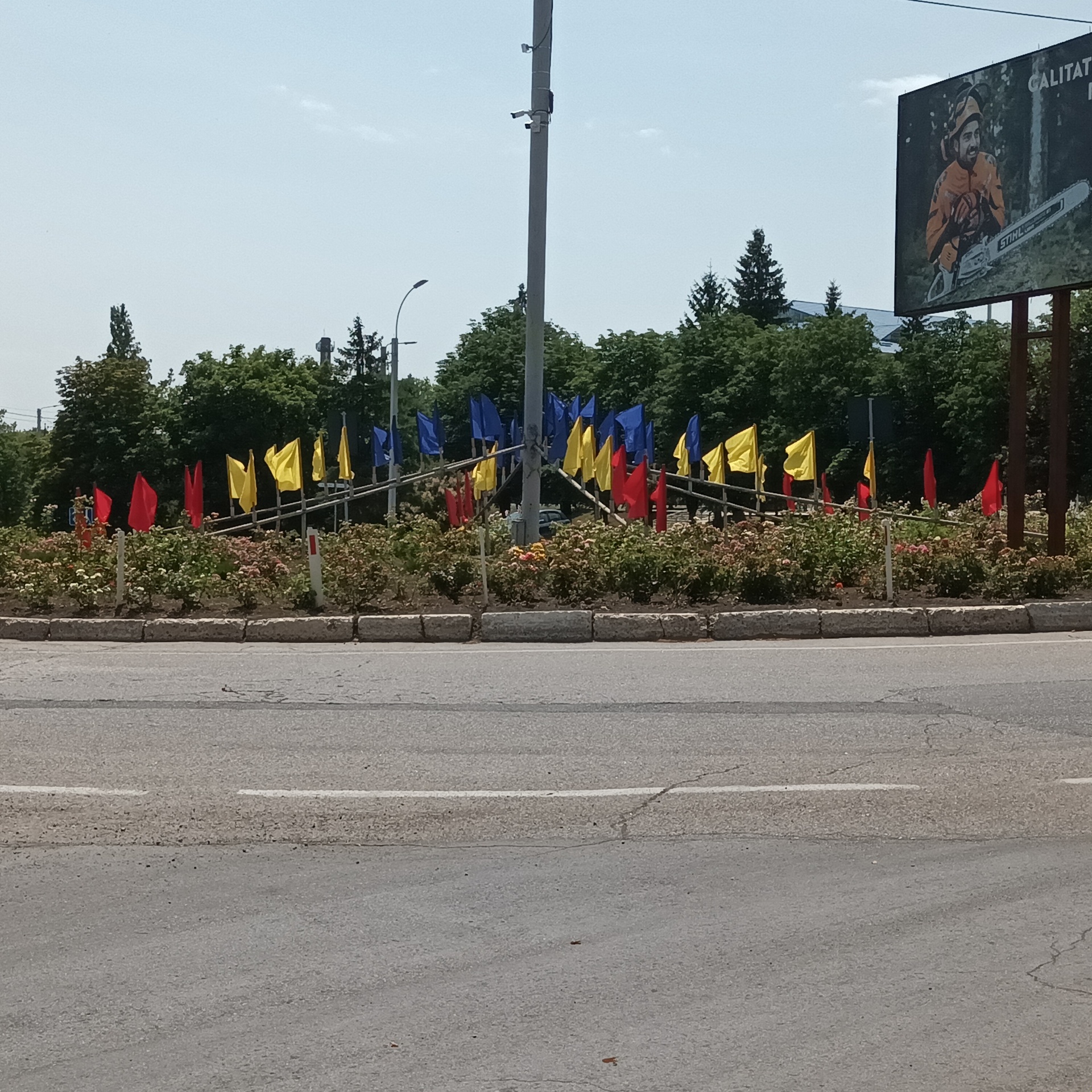
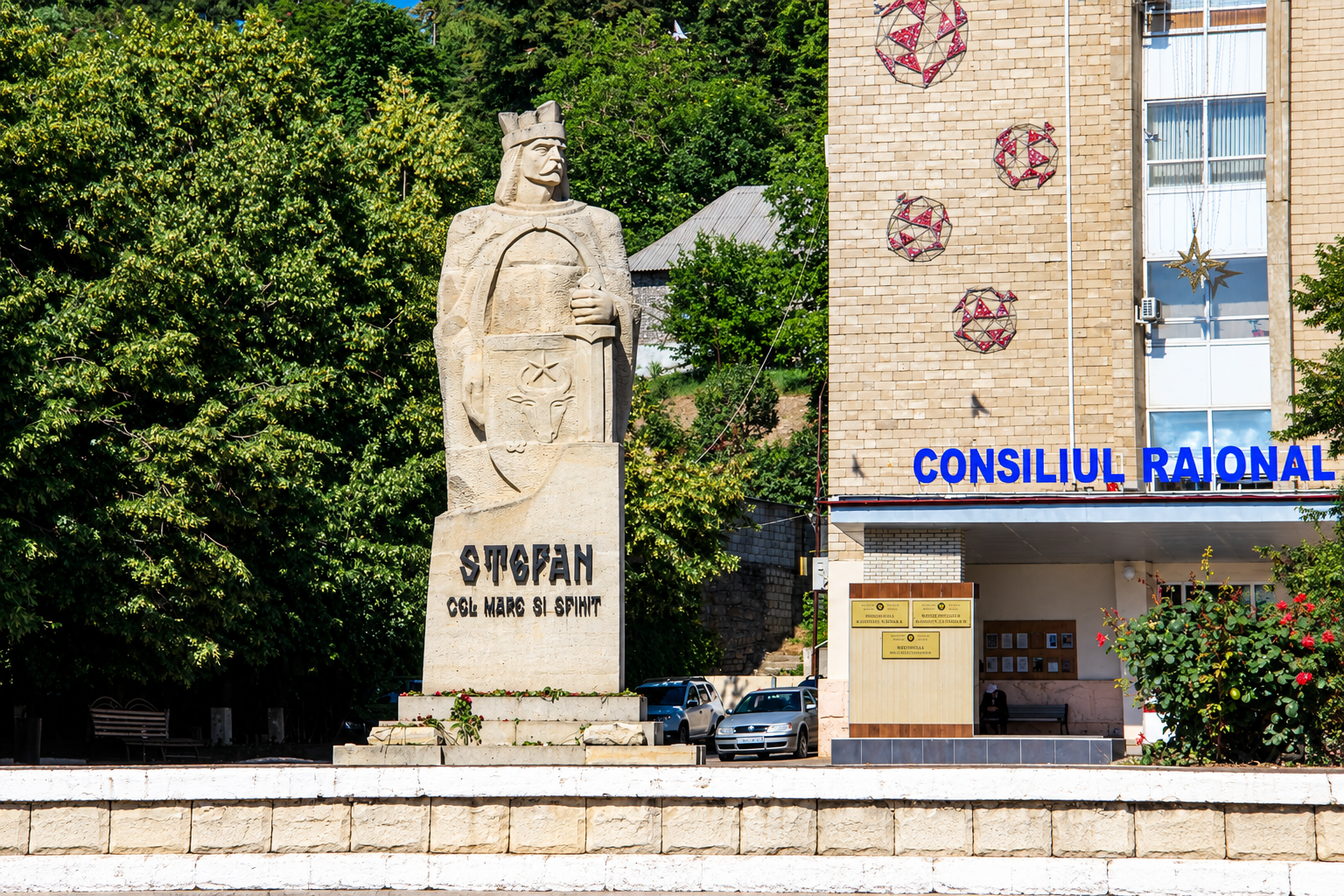
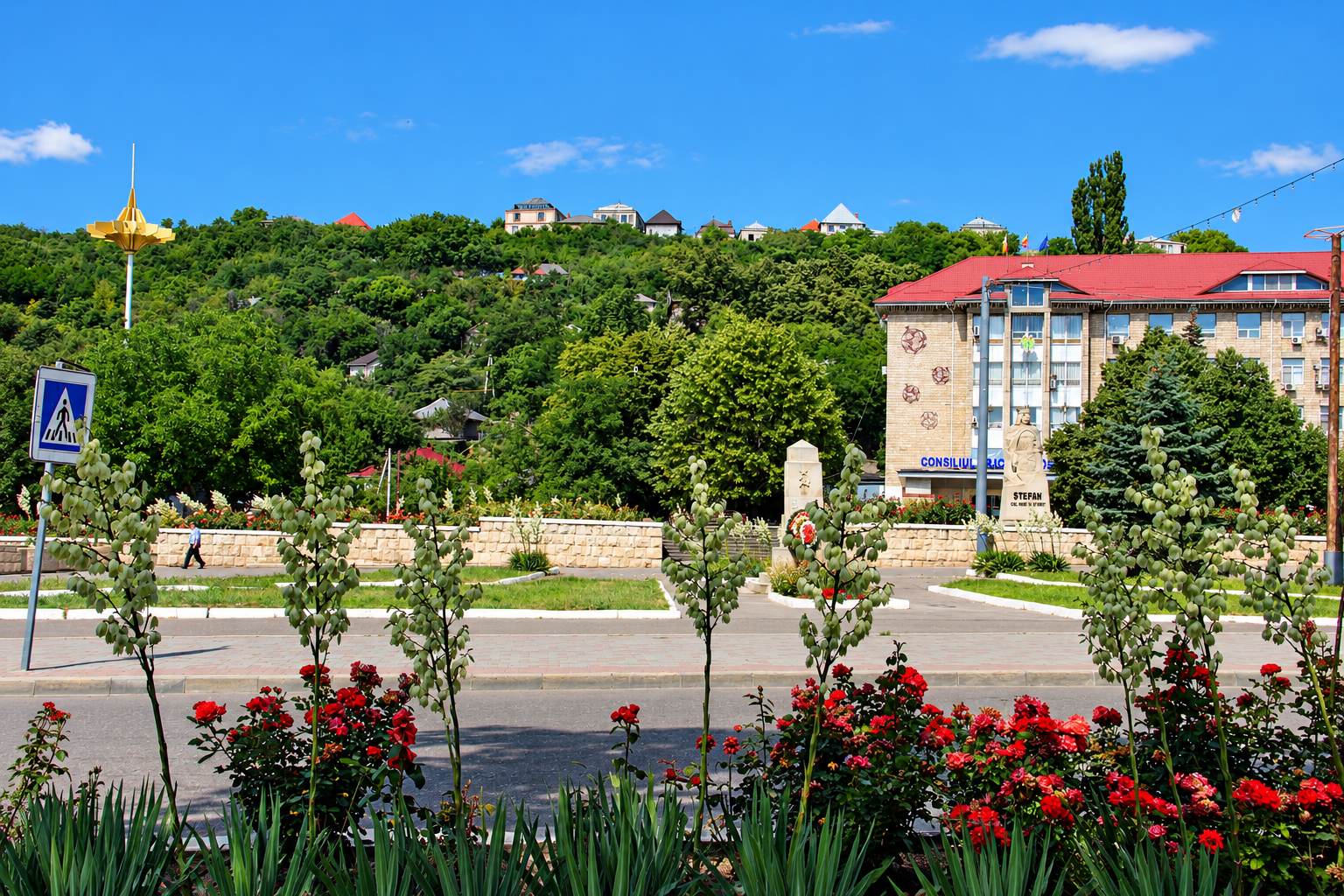
Near the District Council stands Ștefan cel Mare, surrounded by Moldovan flags, trees and flowers.
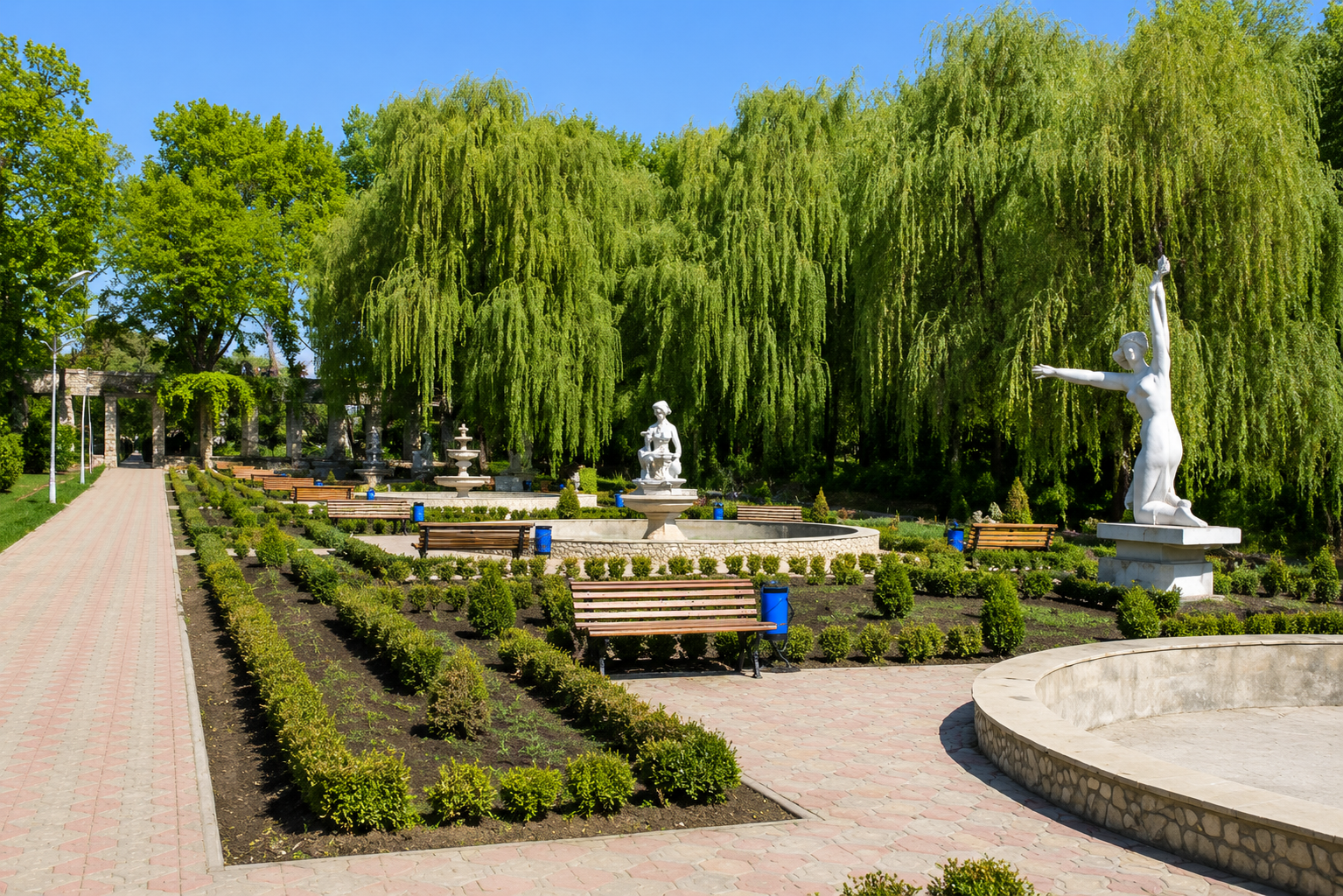
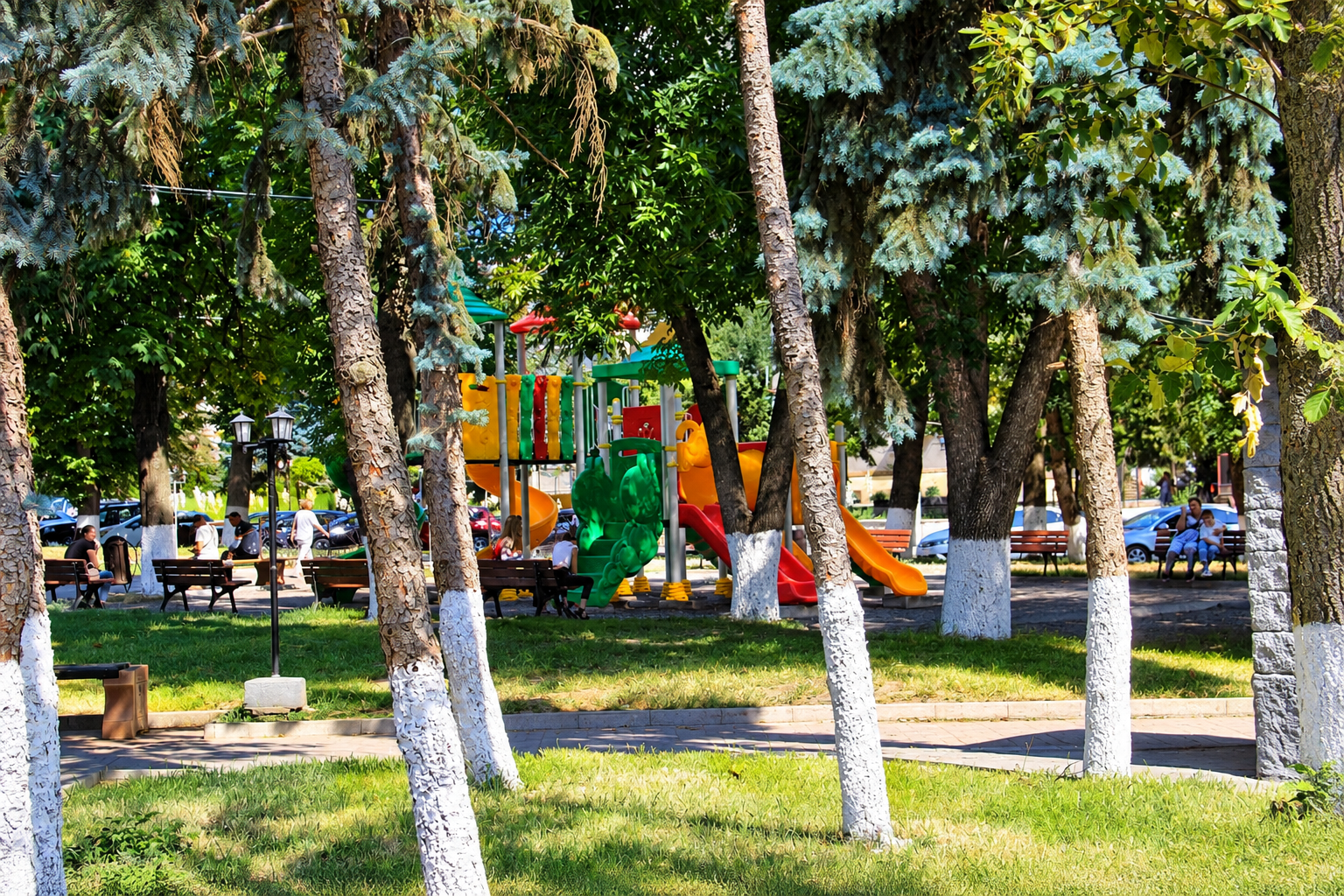
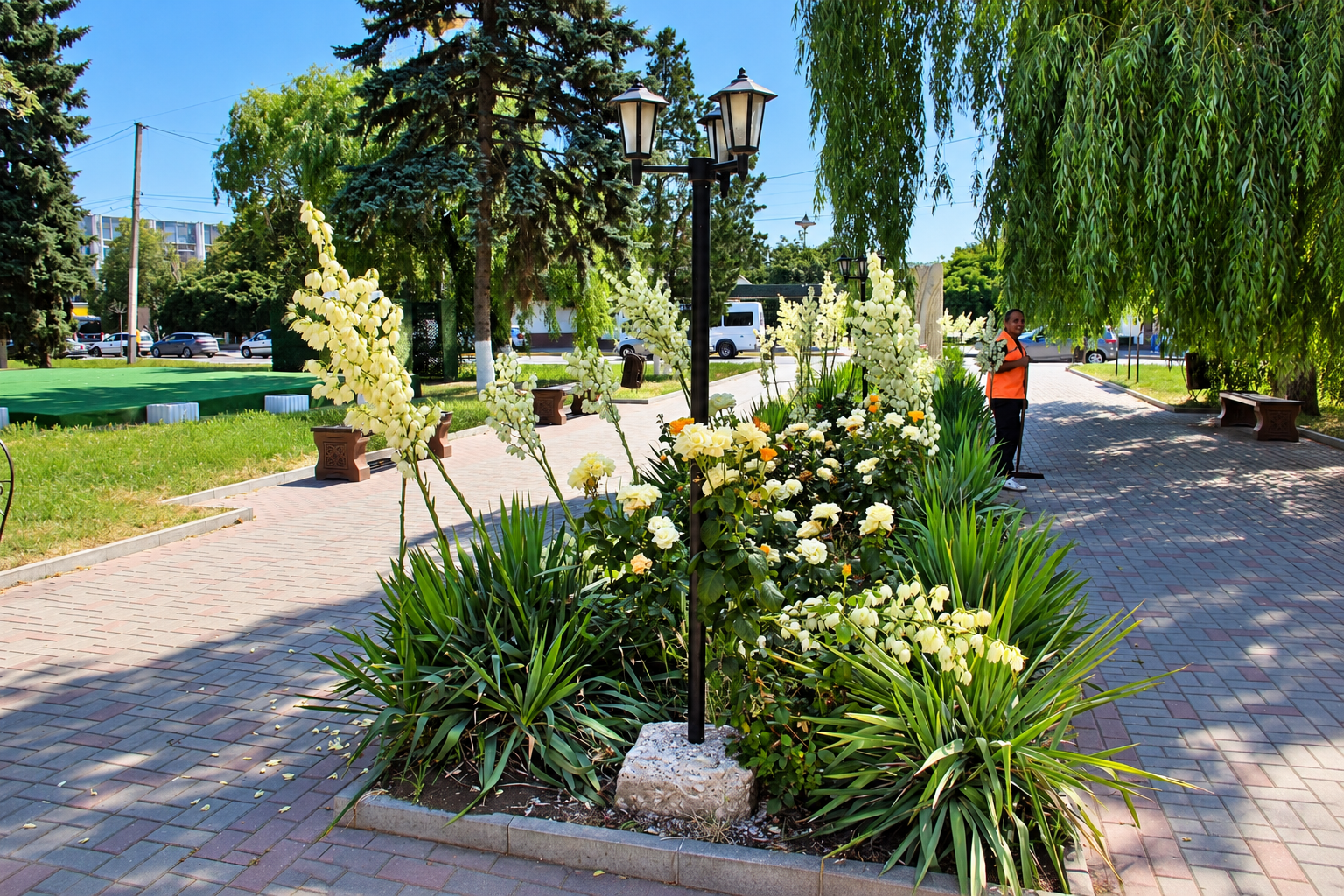
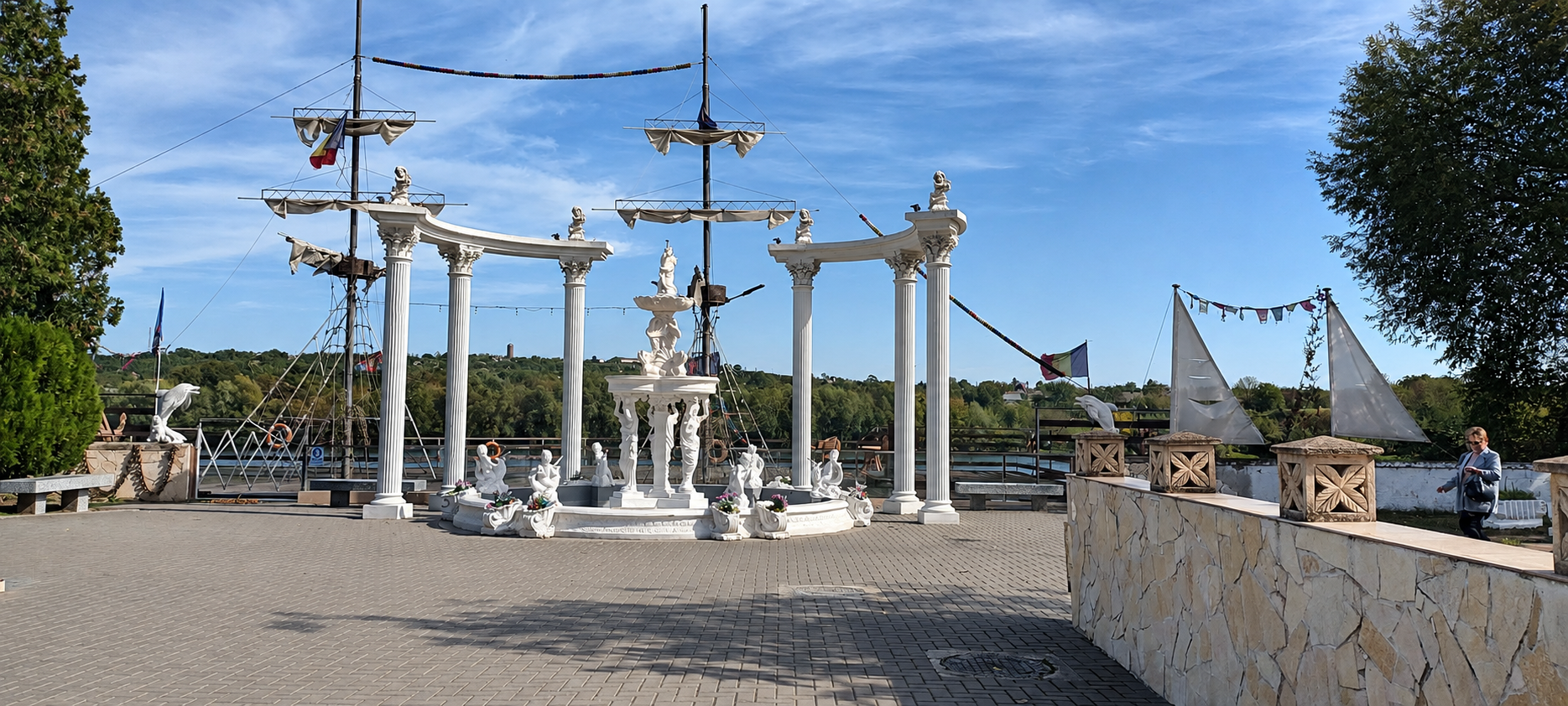
There are parks, fountains and playgrounds nearby, where Children are playing, people are sitting on benches or passing through, while others are taking care of the flowers and green areas.
It is worth leaving the car and walking around for a while, to really discover Soroca.
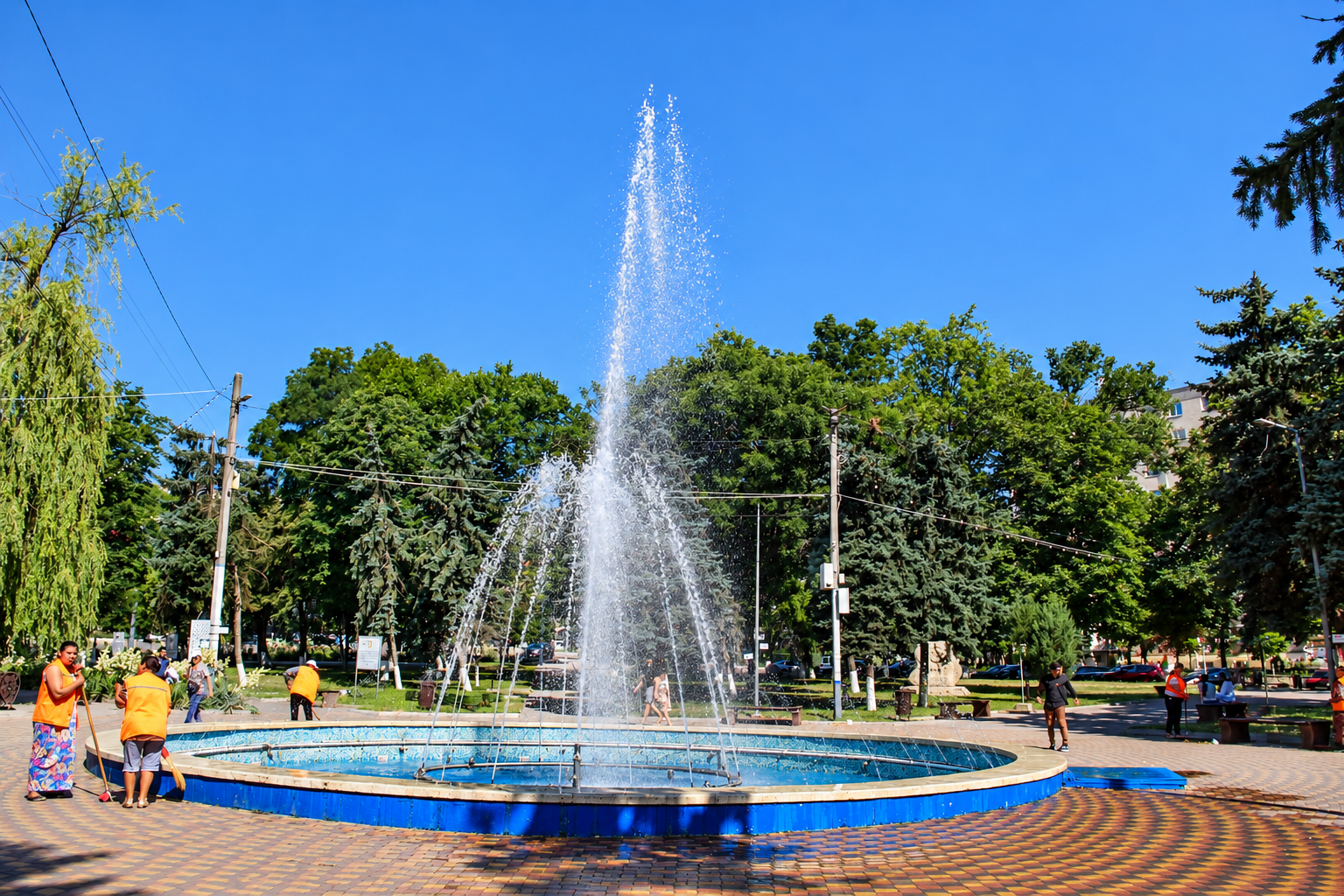
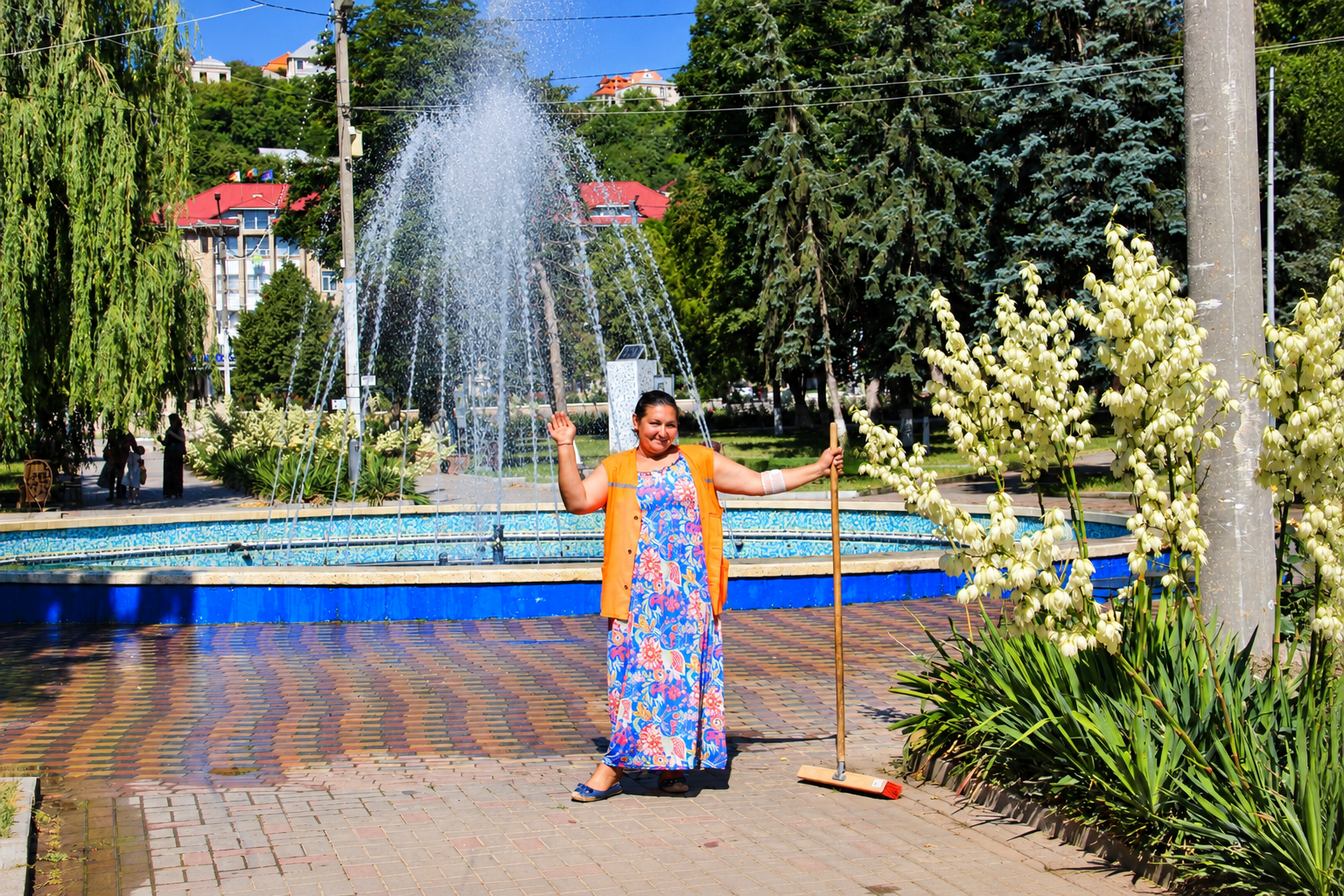
In one of the parks, a woman is taking care of the flowers and She notices the
camera, looks up and waves with a smile.
A small moment, but also part of visiting Soroca and feel the hospitality.
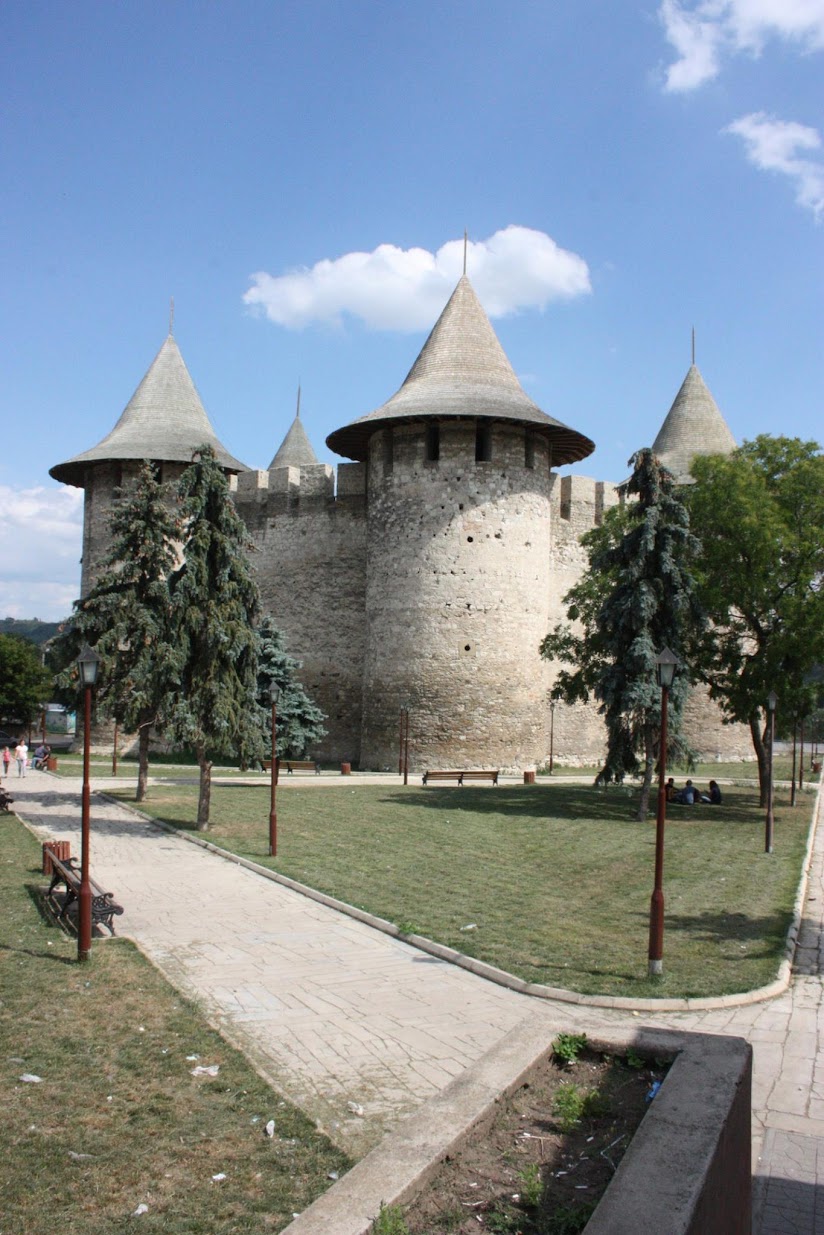
Not far away, beside the Dniester, stands Soroca Fortress.
With its round towers and stone walls, it is the place most connected with Soroca and its history.
The fortress deserves more than a few paragraphs here, so it has its own page where you can continue through the gate, walk inside and learn more about its history.
For many years, one of the best-known people connected with Roma Hill was
Artur Cerari, commonly known as the Roma Baron of Soroca and sometimes called
the “Gypsy King”.
He became the traditional leader of the Roma community in 1998, following his father Mircea Cerari, and represented the community for almost three decades.
Artur Cerari passed away in July 2026 at the age of 65, but his name remains closely connected with Soroca and the Roma community here.
Don't only follow the main road.
Some of the interesting houses and details are found along smaller side
roads, including dirt roads disappearing between the buildings.
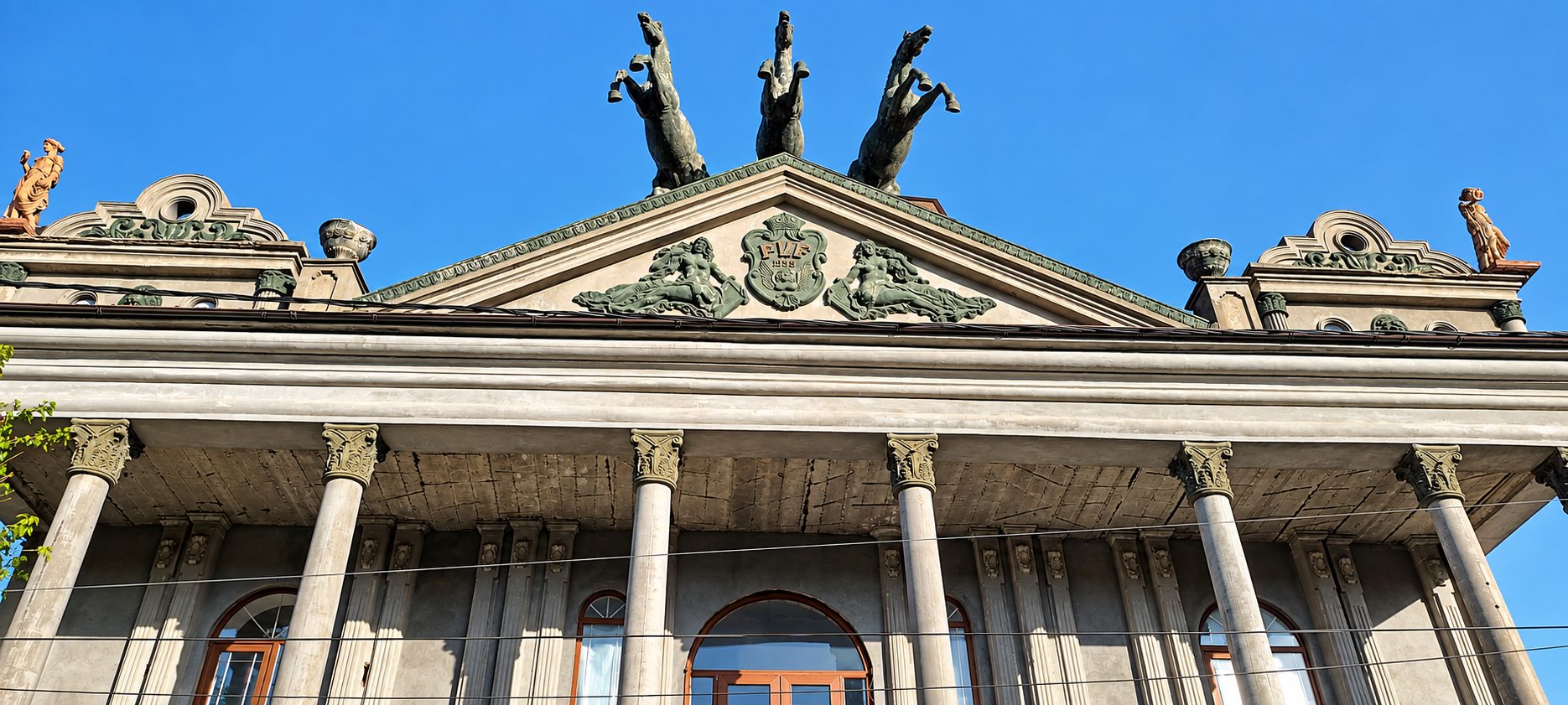
Along one of them, a little hidden away from the main route, stands a house with three horses high on the roof.
Elsewhere you find decorated gates, ornaments around windows, statues, unusual roofs and details which are easy to miss if you simply continue walking.
Sometimes taking the small road is worth it.
Industria textilă și producția de îmbrăcăminte fac parte din Soroca de mulți ani.
Industria s-a dezvoltat în perioada sovietică și, chiar dacă multe s-au schimbat de atunci, producția de îmbrăcăminte face și astăzi parte din viața economică a orașului.
-
Textiles and clothing have been part of Soroca for many years.
The industry grew during the Soviet period, and although much has changed since then, clothing production is still part of the working life and economy of the city today.